Support our educational content for free when you buy through links on our site. Learn more
Unlocking the Secrets of Blue Zones: 9 Longevity Habits for 2025 🌍

Imagine living in a place where reaching 100 years old isn’t a rare miracle but a common milestone. Welcome to the world of Blue Zones — five extraordinary regions where people enjoy vibrant health and remarkable longevity. From the sun-drenched hills of Sardinia to the serene shores of Okinawa, these communities have cracked the code to living longer, healthier lives. But what if we told you that you don’t need to move to a remote island to tap into their secrets? In this article, we’ll explore the 9 powerful lifestyle habits that define Blue Zones and reveal how you can start weaving them into your own life today.
Curious about how a simple 80% full stomach rule or a daily dose of natural movement can add years to your life? Or how the right tribe and a sense of purpose might be your best longevity medicine? Stick around — we’ll also share personal stories from our Flexitarian Diet™ team and practical tips to help you create your very own Blue Zone, wherever you are.
Key Takeaways
- Blue Zones are five global hotspots where people live significantly longer and healthier lives, thanks to shared lifestyle habits.
- The Power 9 pillars include natural movement, purposeful living, plant-forward diets, stress reduction, and strong social connections.
- A mostly plant-based diet rich in beans, whole grains, and vegetables is central to longevity and aligns perfectly with a flexitarian approach.
- Small, sustainable lifestyle changes—like mindful eating and building your “right tribe”—can help you create your own Blue Zone at home.
- Longevity is less about genetics and more about environment and daily habits, giving you the power to influence your own healthspan.
Ready to unlock the secrets of the world’s longest-lived people? Let’s dive in!
Table of Contents
- ⚡️ Quick Tips and Facts: Your Blue Zone Snapshot
- 🗺️ The Genesis of Longevity: Unpacking the Blue Zones Phenomenon
- 🤔 What Exactly ARE Blue Zones? Defining the World’s Longevity Hotspots
- 🚀 The 9 Pillars of a Long, Healthy Life: Decoding the Blue Zones Power
- 🚶 ♀️ Move Naturally: The Joy of Everyday Activity
- 🎯 Purpose: Ikigai & Plan de Vida
- 🧘 ♂️ Downshift: Stress Less, Live More
- 🍽️ 80% Rule: Hara Hachi Bu & Mindful Eating
- 🌱 Plant Slant: The Power of Plants for Longevity
- 🍷 Wine @ 5: Moderate Alcohol Consumption with Meals
- 🤝 Belong: Community & Connection
- ❤️ Loved Ones First: Family at the Core
- 👯 ♀️ Right Tribe: Social Circles that Support Health
- 🌍 Journey Through the Blue Zones: A Glimpse into Each Longevity Oasis
- 🏡 Beyond the Map: Can YOU Create Your Own Blue Zone?
- 🥦 Flexitarian Living: Our “Plant Slant” Approach to Longevity
- 🌟 Finding Your Purpose: Discovering Your Ikigai in Modern Life
- 🤸 ♀️ Moving with Joy: Integrating Natural Movement into Your Day
- 🍲 Nourishing Your Body: Blue Zone-Inspired Recipes & Meal Planning
- 🤗 Cultivating Connection: Building Your “Right Tribe” and Family Bonds
- 🛀 Stress Less, Live More: Practical Downshift Strategies for a Hectic World
- 🧐 Common Misconceptions & The Nuance of Longevity Science
- ✨ Our Team’s Personal Blue Zone Journeys: Anecdotes & Insights from Flexitarian Diet™
- 🛠️ Transforming Your Life, One Blue Zone Principle at a Time: A Practical Guide for Modern Living
- 🎉 Conclusion: Embracing the Blue Zone Lifestyle for a Fuller, Longer Life
- 🔗 Recommended Links: Dive Deeper into Longevity Wisdom
- ❓ FAQ: Your Blue Zone Questions Answered
- 📜 Reference Links: Our Sources for Longevity Wisdom
⚡️ Quick Tips and Facts: Your Blue Zone Snapshot
Welcome, fellow health adventurers! Ever wonder if there’s a secret sauce to living past 100? Well, it turns out there might be several, and they’re simmering away in fascinating corners of the world called Blue Zones. Before we dive deep, here’s a quick taste of what makes these places so special:
- What are they? Blue Zones are five specific regions where people live the longest, healthiest lives. We’re talking a massive number of centenarians (people living to 100+)!
- Where are they? The original five are Okinawa, Japan; Sardinia, Italy; Nicoya, Costa Rica; Ikaria, Greece; and Loma Linda, California. You can learn more in our detailed guide on What Are the 5 Blue Zones? 🌍 Secrets of the World’s Longevity Hotspots (2025).
- Is it all genes? Nope! Research, including the famous Danish Twin Study, suggests that only about 20% of how long you live is dictated by your genes. The other 80% is all about lifestyle and environment. That’s fantastic news because it means you have the power to change your own longevity story!
- The Magic Formula: It’s not one thing, but a combination of nine specific lifestyle habits, dubbed the “Power 9,” that are common across all these zones.
- Diet is Key: The cornerstone of Blue Zone diets is a 95% plant-based approach. Think beans, whole grains, and garden veggies. This fits perfectly with our philosophy on the Benefits of a Flexitarian Diet.
- It’s Not a “Diet”: It’s a lifestyle. They don’t “go on diets” or pump iron at the gym. Health is seamlessly integrated into their daily lives, from gardening to walking to see a friend.
🗺️ The Genesis of Longevity: Unpacking the Blue Zones Phenomenon
So, how did this whole “Blue Zone” thing start? It wasn’t some ancient map found in a treasure chest. The story begins with researchers Gianni Pes and Michel Poulain, who were studying longevity in Sardinia, Italy. As the Wikipedia article on Blue Zones notes, they “used a blue pen on a map to mark the villages with long-lived population.” Simple, right?
The concept was then catapulted into the global spotlight by author and National Geographic Fellow, Dan Buettner. He took this initial idea, teamed up with a crew of scientists and demographers, and launched a quest to identify other longevity hotspots around the globe. His work led to the identification of the five zones we know today and the distillation of their shared secrets into the “Power 9” principles.
However, it’s worth noting the world of longevity science is always evolving. While Buettner has since suggested new zones like Singapore and Poulain has pointed to Martinique, the original five remain the most studied and recognized. The concept has also faced some academic scrutiny, with critics pointing out that lifestyle changes in places like Okinawa have led to a decline in life expectancy in recent decades, highlighting the powerful impact of environment over genetics.
🤔 What Exactly ARE Blue Zones? Defining the World’s Longevity Hotspots
Let’s get crystal clear. A Blue Zone isn’t just any place with healthy old people. It’s a geographically defined area where people reach age 100 at 10 times the rate of the United States, and they do so with remarkably low rates of chronic diseases like heart disease, cancer, and dementia.
Think of them as real-world laboratories for healthy aging. These aren’t manufactured communities or controlled experiments. As the research points out, “These populations succeeded in maintaining a traditional lifestyle implying an intense physical activity that extends beyond the age of 80, a reduced level of stress and intensive family and community support.”
| Blue Zone Location | Known For | Key Lifestyle Trait |
|---|---|---|
| Sardinia, Italy | World’s highest concentration of male centenarians. | A shepherding lifestyle with lots of daily walking. |
| Okinawa, Japan | Home to the world’s longest-lived women. | Strong social networks called “moais” and a sense of purpose (“ikigai”). |
| Nicoya, Costa Rica | World’s lowest rates of middle-age mortality. | A life plan (“plan de vida”) and calcium-rich water. |
| Ikaria, Greece | An island where people “forget to die,” with very low dementia rates. | Mid-afternoon naps and a Mediterranean diet rich in herbs. |
| Loma Linda, USA | A community living a decade longer than the average American. | A faith-based, vegetarian diet and a 24-hour Sabbath for rest. |
🚀 The 9 Pillars of a Long, Healthy Life: Decoding the Blue Zones Power
Alright, this is the core of it all—the “Power 9.” These are the nine evidence-based common denominators that Buettner and his team identified among all the Blue Zone centenarians. Let’s break them down from our team’s perspective.
1. 🚶 ♀️ Move Naturally: The Joy of Everyday Activity
People in Blue Zones don’t have gym memberships or run marathons. Instead, “they live in environments that get them moving all day long.”
- What it looks like: They walk everywhere, they garden without power tools, and they do manual housework. Okinawans sit on the floor and get up and down dozens of times a day. Sardinian shepherds walk miles over rugged terrain.
- Our Personal Trainer’s Take: “This is my favorite pillar! We’ve become obsessed with ‘exercise’ as a separate, often dreaded, activity. The secret is to re-integrate movement into your life. Ditch the remote and get up to change the channel. Park at the far end of the parking lot. Take the stairs. Find a hobby that involves movement, like gardening or dancing. It’s about consistent, low-intensity movement, not short bursts of high-intensity pain.” This is a cornerstone of a healthy Flexitarian Lifestyle.
2. 🎯 Purpose: Ikigai & Plan de Vida
Knowing your sense of purpose is worth up to seven extra years of life expectancy. The Okinawans call it “ikigai” (your reason for being), and the Nicoyans call it “plan de vida” (a life plan).
- What it looks like: It’s the reason you wake up in the morning. It’s not about your job; it’s about your contribution and your “why.”
- Our Health Coach’s Take: “This is huge. So many of my clients feel stuck or adrift. We work together to uncover what truly lights them up. It could be volunteering, mastering a new skill, or being the best grandparent possible. When you have a strong sense of purpose, you’re more resilient to stress and more motivated to take care of yourself. As Buettner says, ‘Purpose is a powerful medicine.'”
3. 🧘 ♂️ Downshift: Stress Less, Live More
Even people in the Blue Zones experience stress. The difference is, they have daily routines to shed it. Chronic stress leads to chronic inflammation, which is linked to nearly every major age-related disease.
- What it looks like: Okinawans take a few moments each day to remember their ancestors, Adventists pray, Ikarians take a nap, and Sardinians do happy hour.
- Our Dietitian’s Take: “Stress has a direct impact on your gut health and food choices. When you’re stressed, you’re more likely to reach for high-sugar, high-fat comfort foods. Finding a ‘downshift’ ritual that works for you—whether it’s a 10-minute meditation with an app like Calm or Headspace, a cup of herbal tea, or listening to music—can completely change your relationship with food and health.”
4. 🍽️ 80% Rule: Hara Hachi Bu & Mindful Eating
This is a game-changer. The Okinawans have a 2,500-year-old Confucian mantra, “hara hachi bu,” which they say before meals to remind them to stop eating when their stomachs are 80% full.
- What it looks like: That 20% gap between not being hungry and feeling full can be the difference between losing weight and gaining it. They also tend to eat their smallest meal in the late afternoon or early evening and then not eat again for the rest of the day.
- Our Cook’s Take: “This is all about mindful eating. In our fast-paced world, we often wolf down our food without even tasting it. To practice the 80% rule, eat slowly. Put your fork down between bites. Savor the flavors and textures. It takes about 20 minutes for your brain to get the signal from your stomach that you’re full, so giving it time to catch up is key. Try serving food at the stove instead of family-style on the table to avoid mindless second helpings.”
5. 🌱 Plant Slant: The Power of Plants for Longevity
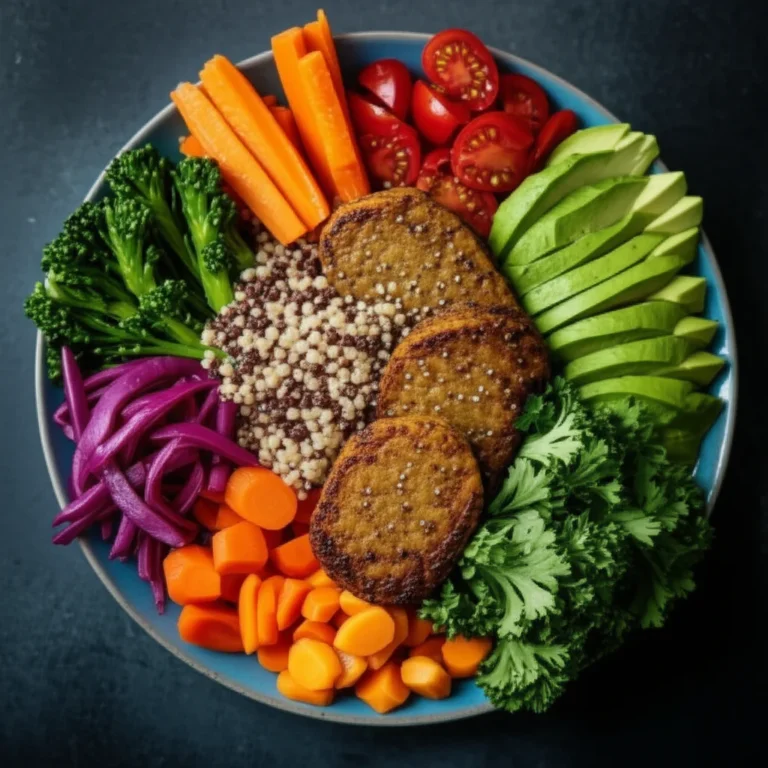
This is our jam at Flexitarian Diet™! Beans, including fava, black, soy, and lentils, are the cornerstone of most centenarian diets. Meat is eaten on average only about five times per month, and in small servings of 3-4 ounces.
- What it looks like: Their plates are loaded with vegetables, fruits, whole grains, and legumes. It’s a diet rich in fiber, vitamins, and minerals. You can find tons of inspiration in our Flexitarian Recipes section.
- Our Dietitian’s Take: “The evidence is overwhelming. A plant-forward diet is linked to lower risks of virtually every chronic disease. You don’t have to be a strict vegetarian or vegan. The Blue Zone residents show us that a ‘plant slant’ is incredibly effective. Focus on making plants the star of your plate. A great place to start is by trying ‘Meatless Mondays’ and exploring the amazing world of beans and lentils. Brands like Goya and Bob’s Red Mill offer a huge variety.”
6. 🍷 Wine @ 5: Moderate Alcohol Consumption with Meals
This one always gets people excited! People in most Blue Zones (all except the Adventists) drink alcohol moderately and regularly. Moderate drinkers tend to outlive non-drinkers.
- What it looks like: The key is 1-2 small glasses per day, preferably with friends and/or food. They aren’t saving it all up for a weekend binge. In Sardinia and Ikaria, they often drink a local red wine, like the Sardinian Cannonau wine, which is high in artery-scrubbing flavonoids.
- Our Health Coach’s Take: “Context is EVERYTHING here. This isn’t a free pass to drink excessively. The benefit likely comes from a combination of the antioxidants in the wine and the social relaxation of sharing a drink with loved ones. If you don’t drink, we absolutely do not recommend you start. But if you enjoy a glass of red wine with dinner, the Blue Zones suggest it can be part of a healthy lifestyle.”
7. 🤝 Belong: Community & Connection
All but five of the 263 centenarians interviewed for the Blue Zones study belonged to some faith-based community. Research shows that attending services four times per month can add 4-14 years of life expectancy.
- What it looks like: The specific denomination doesn’t seem to matter. It’s about being part of a community that provides social support, reduces stress, and reinforces healthy behaviors.
- Our Team’s Perspective: “Whether it’s a church, a synagogue, a mosque, or a secular community group like a book club or a volunteer organization, having a place where you feel you belong is a powerful health intervention. It provides a sense of grounding and shared values.”
8. ❤️ Loved Ones First: Family at the Core
Successful centenarians in the Blue Zones put their families first.
- What it looks like: They keep aging parents and grandparents nearby or in the home, which also lowers disease and mortality rates for the children in the home. They commit to a life partner (this can add up to 3 years of life expectancy) and invest time and love in their children.
- Our Team’s Perspective: “This really speaks to the power of intergenerational connection. In many Western societies, we’ve become disconnected from our elders. The Blue Zones show us that keeping family close, caring for one another, and sharing wisdom across generations creates a loving, supportive environment that benefits everyone’s health.”
9. 👯 ♀️ Right Tribe: Social Circles that Support Health
The world’s longest-lived people chose—or were born into—social circles that supported healthy behaviors.
- What it looks like: Okinawans create “moais,” groups of five friends that commit to each other for life. Research shows that smoking, obesity, happiness, and even loneliness are contagious. The social networks of long-lived people have favorably shaped their health behaviors.
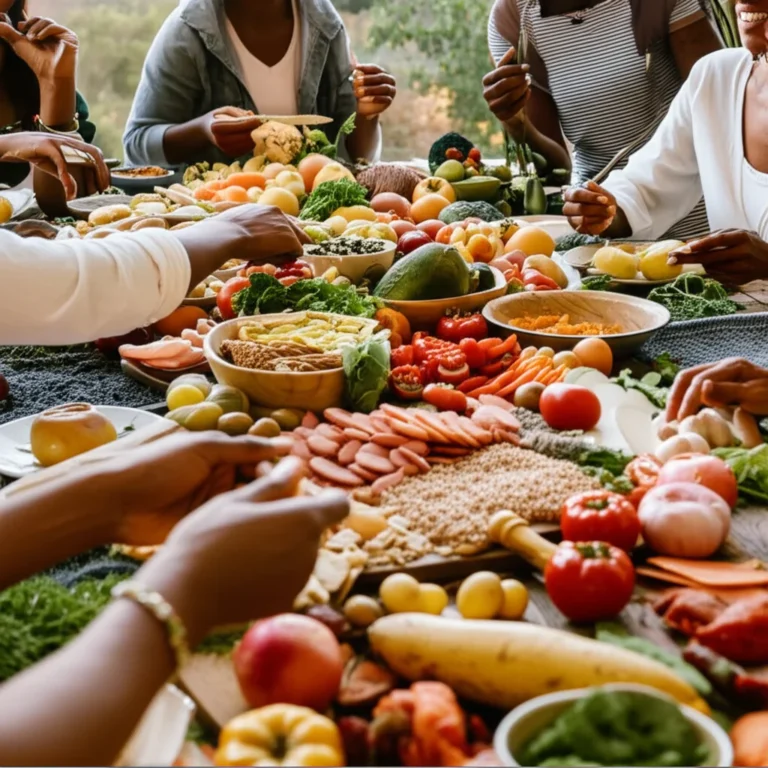
- Our Personal Trainer’s Take: “Your ‘tribe’ is your accountability group. If your friends’ idea of a good time is binge-watching TV with a pizza, it’s going to be hard to stay active and eat well. Find friends who enjoy a walk in the park, a healthy potluck, or trying a new fitness class. You don’t have to ditch your old friends, but consciously build a ‘right tribe’ that lifts you up and supports your health goals.”
🌍 Journey Through the Blue Zones: A Glimpse into Each Longevity Oasis
Let’s take a quick trip around the world to see how these principles play out in real life.
🇮🇹 Sardinia, Italy: The Land of Shepherds and Strong Bonds
In the mountainous highlands of Sardinia, you’ll find the world’s highest concentration of male centenarians. Their lifestyle is deeply rooted in tradition. Many were shepherds who walked five or more miles a day in the mountains. Their diet is plant-based, featuring whole-grain bread, beans, and garden vegetables, with meat reserved for special occasions. And, of course, they enjoy a glass of the local, antioxidant-rich Cannonau wine daily.
🇯🇵 Okinawa, Japan: The Island of Immortals and Ikigai
For a long time, Okinawan women were the longest-lived on the planet. Their secrets lie in a strong sense of purpose (ikigai), lifelong social support networks (moais), and a disciplined approach to eating (hara hachi bu). Their traditional diet is rich in soy products like tofu, sweet potatoes, and other vegetables. They also have a love for gardening and spend a lot of time outdoors.
🇨🇷 Nicoya Peninsula, Costa Rica: Pura Vida and Purpose
Nicoyans are twice as likely to reach a healthy age of 90 than Americans, and they do it while spending a fraction on healthcare. Their “plan de vida” keeps them active and positive. Their diet is based on the “three sisters” of Mesoamerican agriculture: squash, corn, and beans. A unique secret? Their water is naturally rich in calcium and magnesium, which may contribute to strong bones and lower rates of heart disease.
🇬🇷 Ikaria, Greece: The Island Where People Forget to Die
On this Aegean island, residents live about eight years longer than Americans, with 20% less cancer, half the rate of heart disease, and almost no dementia. They follow a version of the Mediterranean diet, rich in olive oil, vegetables, and potatoes. They also drink herbal teas and, crucially, take a mid-afternoon nap nearly every day, which has been shown to lower stress hormones and reduce the risk of heart disease.
🇺🇸 Loma Linda, California, USA: The Seventh-day Adventist Secret
Right in the heart of Southern California, a community of Seventh-day Adventists outlives the average American by a decade. Their longevity is tied to their faith, which encourages a vegetarian diet (based on biblical principles of greens, nuts, and legumes), regular exercise, and a 24-hour Sabbath from Friday sunset to Saturday sunset. This weekly “downshift” provides a powerful antidote to modern stress.
And what about other potential Blue Zones? A fascinating documentary segment highlights Acciaroli, Italy, where scientists are studying a population with incredibly good microcirculation despite other signs of aging. Researchers found unique proteins in their blood and noted their diet is rich in locally grown rosemary. This shows that the secrets to longevity are still being uncovered!
🏡 Beyond the Map: Can YOU Create Your Own Blue Zone?
So, you’re probably thinking, “This is all great, but I don’t live on a Greek island or in the Costa Rican jungle. What about me?”
This is the most exciting part: YES, you can! The Blue Zones Project is a real-world initiative that helps communities apply these principles. The pilot project in Albert Lea, Minnesota, resulted in a 3.2-year bump in life expectancy and a 40% drop in healthcare costs for city workers. You don’t have to move; you just have to make small, sustainable changes.
🥦 Flexitarian Living: Our “Plant Slant” Approach to Longevity
This is where we live and breathe! Adopting a “plant slant” is the single most impactful dietary change you can make.
- Start Small: You don’t have to go 100% vegetarian overnight. Begin with the Flexitarian Basics.
- Bean Power: Make beans a staple. They’re cheap, versatile, and packed with fiber and protein. Explore different kinds!
- Whole Foods: Focus on foods that are as close to their natural state as possible. Check out our guides on Flexitarian Nutrition Facts to learn more.
🌟 Finding Your Purpose: Discovering Your Ikigai in Modern Life
What makes you jump out of bed in the morning?
- Try This: Take 15 minutes and write down the answers to these four questions:
- What do you love?
- What are you good at?
- What does the world need?
- What can you be paid for?
- The intersection of these is a good starting point for finding your ikigai.
🤸 ♀️ Moving with Joy: Integrating Natural Movement into Your Day
Make your environment encourage movement.
- At Home: Put that treadmill in front of the TV. Get rid of some of your convenient gadgets and do things by hand. Start a small garden, even if it’s just herbs on a windowsill.
- At Work: Take the stairs. Walk over to a colleague’s desk instead of sending an email. Have walking meetings.
🍲 Nourishing Your Body: Blue Zone-Inspired Recipes & Meal Planning
Eating like a centenarian can be delicious!
- Minestrone Soup: A classic Sardinian dish packed with beans and vegetables.
- Sweet Potato Stir-fry: An Okinawan staple.
- Black Bean Bowls: A Nicoyan-inspired meal with corn salsa and avocado.
- Lentil Stew: A hearty, Ikarian-style dish with lots of herbs.
- Find tons of ideas on our Flexitarian Recipes page!
🤗 Cultivating Connection: Building Your “Right Tribe” and Family Bonds
Your relationships are a powerful health tool.
- Identify Your Tribe: Who in your life supports your healthy habits? Make a point to spend more time with them.
- Schedule Family Time: Make regular, dedicated time for loved ones a non-negotiable part of your week.
- Join a Group: Find a community that shares your interests or values.
🛀 Stress Less, Live More: Practical Downshift Strategies for a Hectic World
You need a daily ritual to unwind.
- Tech-Free Time: Designate 30 minutes each day where you put away all screens.
- Mindful Moments: Practice 5 minutes of deep breathing when you feel overwhelmed.
- Happy Hour, Blue Zone Style: Instead of a solo beer on the couch, meet a friend for one drink and a good conversation.
🧐 Common Misconceptions & The Nuance of Longevity Science
While the Blue Zones offer a fantastic blueprint, it’s important to approach the topic with a critical and nuanced eye. It’s not as simple as “eat beans, live to 100.”
🍎+🧠+❤️ It’s Not Just About Diet: The Holistic Picture of Health
It’s tempting to focus solely on the “plant slant” diet, but that’s a mistake. The magic of the Blue Zones is the synergy of all nine pillars. The diet works in concert with natural movement, a strong sense of purpose, stress-reduction rituals, and deep social connections. You can’t isolate one factor and expect the same results. It’s a holistic package deal.
🧬 Genetics vs. Lifestyle: What Really Matters in the Longevity Equation?
As we mentioned, the Danish Twin Study suggests lifestyle trumps genetics, accounting for about 80% of longevity. This is incredibly empowering! However, genetics do play a role. Some people may be predisposed to certain conditions, but as the Blue Zones show, a healthy lifestyle can often keep those genes from being expressed. Think of your genes as the loaded gun and your lifestyle as the trigger.
🍷 The “Wine @ 5” Debate: Moderation, Context, and Personal Choice
Let’s be real: the “Wine @ 5” pillar is the most controversial.
- ✅ The Pros: Moderate consumption of red wine, especially with a meal, has been linked to heart health due to its antioxidant content. The social aspect of sharing a drink can also reduce stress.
- ❌ The Cons: Alcohol is a toxin, and for some people, any amount is too much. It can be addictive, disrupt sleep, and increase the risk of certain cancers.
- Our Recommendation: This is highly individual. If you don’t drink, don’t start. If you do enjoy a glass of wine, the Blue Zone model—one small glass, with food, with friends—is the healthiest way to do it. But be honest with yourself about your relationship with alcohol.
✨ Our Team’s Personal Blue Zone Journeys: Anecdotes & Insights from Flexitarian Diet™
We don’t just preach this stuff; we try to live it! Here are a few stories from our team.
🚶 ♂️ From Desk Job to Daily Walks: Our Trainer’s Movement Revelation
“Before I became a personal trainer, I had a desk job. I was a classic ‘weekend warrior,’ hitting the gym hard on Saturday and Sunday and then being mostly sedentary all week. I was fit, but I was also stiff and often injured. Discovering the ‘Move Naturally’ principle was a revelation. I started taking 15-minute walking breaks every two hours. I got a standing desk. I started doing my own yard work instead of hiring someone. The change was incredible. I had more energy, fewer aches and pains, and I felt more connected to my body throughout the day.”
🥗 The Dietitian’s Plant-Powered Plate: A Flexitarian Transformation Story
“I’ve always been passionate about nutrition, but my ‘aha!’ moment with the Blue Zones was the emphasis on beans. I grew up thinking of beans as a side dish, but in the Blue Zones, they are the main event. I challenged myself to eat a bean-based meal every single day for a month. I made lentil soups, black bean burgers, chickpea curries… you name it. My digestion improved, my skin cleared up, and I felt so much lighter and more energetic. It completely solidified my belief in the power of a flexitarian, plant-forward diet.”
🎯 Finding Purpose in Coaching: A Health Coach’s Ikigai Story
“For years, I felt like I was just going through the motions. I had a good job, but it didn’t light me up. I stumbled upon the concept of ‘ikigai’ and it hit me like a ton of bricks. I realized my ‘purpose’ was helping others find their path to a healthier, happier life. It wasn’t easy, but I went back to school, got certified as a health coach, and joined this amazing team. Now, I wake up every single day with a clear ‘why.’ It’s not just a job; it’s my plan de vida, and it’s the most fulfilling thing I’ve ever done.”
🛠️ Transforming Your Life, One Blue Zone Principle at a Time: A Practical Guide for Modern Living
Ready to start building your own personal Blue Zone? Here are some practical tools and strategies.
🏠 Setting Up Your Home for Longevity: Environment Matters More Than You Think
The Blue Zones Project talks about engineering a healthy “Life Radius,” the area where you spend 90% of your time.
- In the Kitchen:
- ✅ Keep a fruit bowl on the counter.
- ✅ Use smaller plates to help with portion control (the 80% rule!).
- ❌ Banish the junk food. If it’s not in the house, you can’t eat it.
- In the Living Room:
- ✅ Place exercise bands or a yoga mat in plain sight as a reminder to move.
- ❌ Make the TV less of a focal point. Arrange furniture to encourage conversation.
🏘️ Building a Blue Zone Community: Local Initiatives & Support Groups
You can be a catalyst for change in your own neighborhood.
- Start a Walking Moai: Grab a few friends and commit to a daily or weekly walk.
- Organize a Healthy Potluck: Encourage friends to bring plant-based dishes.
- Advocate for Change: Talk to your local government about creating more bike lanes, sidewalks, and community gardens.
📚 Recommended Tools & Resources for Your Longevity Journey
Diving deeper into the Blue Zones is a fascinating journey. We highly recommend the books by Dan Buettner, which are packed with stories, research, and recipes.
- The Blue Zones: 9 Lessons for Living Longer From the People Who’ve Lived the Longest: The original book that started it all.
- The Blue Zones Kitchen: 100 Recipes to Live to 100: A beautiful cookbook that makes Blue Zone eating accessible and delicious.
- Blue Zones Website: The official source for information, tools, and community projects. Check out their Vitality Compass tool to get a rough estimate of your biological age and life expectancy.
🎉 Conclusion: Embracing the Blue Zone Lifestyle for a Fuller, Longer Life
There you have it — the fascinating world of Blue Zones, where longevity isn’t just a dream but a lived reality. From the mountain shepherds of Sardinia to the vibrant elders of Okinawa, these communities show us that living longer and healthier isn’t about magic pills or extreme diets. It’s about a harmonious blend of natural movement, purposeful living, plant-forward nutrition, meaningful social connections, and mindful habits.
Our Flexitarian Diet™ team has walked the path ourselves, discovering that the Blue Zones principles align beautifully with a mostly vegetarian, whole foods lifestyle that’s flexible, sustainable, and joyful. Whether you’re inspired to start a daily walk, try a bean-rich recipe, or find your ikigai, remember that small, consistent changes add up to big life gains.
And if you ever wondered whether you could create your own Blue Zone right where you live — the answer is a resounding YES! By engineering your environment, cultivating your tribe, and embracing the Power 9, you can transform your life and community into a longevity hotspot.
So, what’s stopping you? Your own Blue Zone adventure awaits. 🌱✨
🔗 Recommended Links: Dive Deeper into Longevity Wisdom
Ready to dive deeper and start cooking, moving, and living like a centenarian? Check out these must-have resources and products:
-
The Blue Zones: 9 Lessons for Living Longer From the People Who’ve Lived the Longest
Amazon | Walmart -
The Blue Zones Kitchen: 100 Recipes to Live to 100
Amazon | Walmart -
Goya Beans and Other Grains (Staple for plant-based meals)
Amazon | Goya Official Website -
Bob’s Red Mill Lentils and Beans (Whole foods pantry essentials)
Amazon | Bob’s Red Mill Official Website -
Calm Meditation App (Stress reduction and downshift tool)
Calm Official Website -
Headspace Meditation App (Mindfulness and relaxation)
Headspace Official Website
❓ FAQ: Your Blue Zone Questions Answered
What are some of the key nutrients and phytochemicals found in Blue Zones diets that contribute to their health-promoting effects?
Blue Zones diets are rich in fiber, antioxidants, polyphenols, vitamins, and minerals largely from plant-based foods. Key nutrients include:
- Fiber: From beans, whole grains, and vegetables, fiber supports gut health and lowers cholesterol.
- Polyphenols: Found in red wine (e.g., Sardinian Cannonau), olive oil, and herbs, these compounds have anti-inflammatory and antioxidant properties.
- Isoflavones: Present in soy products common in Okinawa, linked to heart and bone health.
- Magnesium and Calcium: Especially in Nicoya’s water, supporting bone strength and cardiovascular function.
These nutrients work synergistically to reduce oxidative stress, inflammation, and chronic disease risk. For more on plant-based nutrition, see our Flexitarian Nutrition Facts.
How can I apply the principles of Blue Zones to my own life to increase my chances of living a longer, healthier life?
Start small and focus on these actionable steps:
- Move naturally: Incorporate walking, gardening, or household chores into your day.
- Eat mostly plants: Make beans, vegetables, and whole grains the focus of your meals.
- Find purpose: Reflect on what motivates you and pursue it daily.
- Downshift: Build stress-relief rituals like meditation, naps, or social time.
- Build community: Join groups or nurture relationships that support your health goals.
- Practice mindful eating: Stop when you’re 80% full and savor your food.
Our Flexitarian Basics section offers practical tips for transitioning to a plant-forward lifestyle.
What are some examples of traditional Blue Zones recipes that can be easily incorporated into a healthy eating plan?
Here are some delicious, simple dishes inspired by Blue Zones:
- Sardinian Minestrone: A hearty vegetable and bean soup with herbs.
- Okinawan Sweet Potato Stir-fry: Purple sweet potatoes sautéed with greens and tofu.
- Nicoyan Black Bean Bowl: Black beans with corn, avocado, and fresh salsa.
- Ikarian Lentil Stew: Lentils cooked with olive oil, garlic, and wild herbs.
Explore more recipes on our Flexitarian Recipes page.
How do the people of Blue Zones stay physically active and incorporate movement into their daily lives?
They don’t rely on gyms or formal workouts. Instead, they:
- Walk or bike to get around.
- Garden and tend to animals or plants.
- Do household chores manually.
- Use stairs instead of elevators.
- Engage in social activities that require movement.
This natural, low-intensity activity is sustainable and integrated seamlessly into daily life.
Can adopting a whole foods diet similar to that of Blue Zones improve overall health and reduce disease risk?
Absolutely. Whole foods diets rich in plants, fiber, and antioxidants have been shown to:
- Lower risk of heart disease, diabetes, and certain cancers.
- Improve gut health and digestion.
- Support healthy weight management.
- Enhance energy and mood.
The Blue Zones exemplify how this diet supports longevity and vitality.
What role does a mostly vegetarian diet play in the health and wellness of Blue Zones populations?
A mostly vegetarian diet provides:
- High intake of fiber and micronutrients.
- Low intake of saturated fat and processed meats.
- Beneficial phytochemicals that reduce inflammation.
- Balanced blood sugar and cholesterol levels.
Meat is consumed sparingly, often as a celebratory or flavor-enhancing addition rather than a staple.
What are the common dietary habits of people living in Blue Zones?
- Eating mostly plant-based foods.
- Consuming beans daily.
- Limiting meat to small portions a few times per month.
- Drinking moderate amounts of alcohol (except some groups).
- Practicing mindful eating and stopping before full satiety.
Why do people live longer in Blue Zones?
Because their lifestyle reduces chronic disease risk through:
- Natural movement.
- Balanced, nutrient-dense diets.
- Strong social support.
- Purposeful living.
- Stress management.
These factors combine to slow aging and promote resilience.
What countries are in the Blue Zone?
The original Blue Zones are in:
- Italy (Sardinia)
- Japan (Okinawa)
- Costa Rica (Nicoya Peninsula)
- Greece (Ikaria)
- United States (Loma Linda, California)
What are the 5 blue zones?
They are:
- Sardinia, Italy
- Okinawa, Japan
- Nicoya Peninsula, Costa Rica
- Ikaria, Greece
- Loma Linda, California, USA
What foods do they eat in the Blue Zones?
Primarily:
- Beans and legumes
- Vegetables and fruits
- Whole grains
- Nuts and seeds
- Moderate dairy and fish (varies by region)
- Small amounts of meat (mostly pork or poultry)
- Local herbs and olive oil
What is the concept of the Blue Zone?
It’s the study of regions where people live significantly longer and healthier lives, focusing on lifestyle and environmental factors rather than genetics alone.
What do the 5 Blue Zones have in common?
They share:
- Natural movement
- Plant-based diets
- Sense of purpose
- Stress reduction rituals
- Strong social ties
- Moderate alcohol consumption (except some)
- Family prioritization
- Supportive social circles
What are the blue zones in PA?
Pennsylvania does not have officially recognized Blue Zones, but some communities are adopting Blue Zones Project principles to improve health and longevity.
What are Blue Zones in USA?
The main recognized Blue Zone in the USA is Loma Linda, California, home to a large community of Seventh-day Adventists known for their longevity.
📜 Reference Links: Our Sources for Longevity Wisdom
- Blue Zones Official Site: https://www.bluezones.com
- National Institutes of Health (NIH) Article on Blue Zones: https://www.ncbi.nlm.nih.gov/pmc/articles/PMC6125071/
- Wikipedia on Blue Zones: https://en.wikipedia.org/wiki/Blue_zone
- Danish Twin Study on Genetics and Longevity: https://pubmed.ncbi.nlm.nih.gov/8168046/
- Goya Beans Official Website: https://www.goya.com/en/products/beans-and-other-grains
- Bob’s Red Mill Official Website: https://www.bobsredmill.com/
- Calm Meditation App: https://www.calm.com/
- Headspace Meditation App: https://www.headspace.com/
Ready to start your own Blue Zone journey? Remember, longevity is less about luck and more about lifestyle. Let’s get moving, eating plants, and living with purpose — together! 🌿💪