Support our educational content for free when you buy through links on our site. Learn more
🌿 15 Whole Foods for Wellness: The Ultimate 2026 Guide

Forget the endless aisles of isolated vitamins and synthetic supplements; the real magic for your health isn’t hiding in a pill bottle, it’s growing in the soil. At Flexitarian Diet™, we’ve watched countless clients transform their energy, skin, and mood not by popping a multivitamin, but by simply swapping processed snacks for real, whole foods. Did you know that the synergistic effect of nutrients in a whole carrot is scientifically proven to be more effective for disease prevention than isolated beta-carotene supplements? It’s true! In this comprehensive guide, we’re breaking down the top 15 whole foods that act as nature’s most potent medicine, from brain-boosting berries to gut-healing fermented veggies. We’ll also reveal why the “superfood” hype often misses the mark and how you can build a sustainable, delicious plate that fuels your body without breaking the bank.
Key Takeaways
- Whole Foods > Supplements: Real food provides a synergistic matrix of nutrients that isolated pills cannot replicate, offering superior absorption and health benefits.
- The Power of Variety: Incorporating 15+ nutrient-dense foods like leafy greens, legumes, and fatty fish ensures you cover all your bases for immunity, brain health, and energy.
- Flexibility is Key: You don’t need to be 10% vegan or perfect; a flexitarian approach focusing on adding whole foods is the most sustainable path to long-term wellness.
- Budget-Friendly Wellness: Eating whole doesn’t have to be expensive; staples like beans, lentils, frozen berries, and seasonal produce are often cheaper than processed junk.
- Actionable Steps: Start small by swapping one processed meal a day for a whole-food alternative and gradually increase your intake of phytonutrient-rich plants.
Table of Contents
- ⚡️ Quick Tips and Facts
- 📜 The Evolution of Whole Foods for Wellness
- 🥦 Why Plant-Forward Eating is the Ultimate Wellness Hack
- 🍎 The Power of Phytonutrients: Nature’s Hidden Superpowers
- 🌿 Top 15 Whole Foods for Maximum Nutrient Density
- 1. Leafy Greens: The Chlorophyll Champions
- 2. Beries: Antioxidant Powerhouses
- 3. Cruciferous Vegetables: Cancer-Fighting Crusaders
- 4. Nuts and Seeds: Healthy Fats for Brain Health
- 5. Legumes: The Fiber and Protein Duo
- 6. Whole Grains: Sustained Energy Sources
- 7. Fermented Foods: Gut Health Heroes
- 8. Citrus Fruits: Vitamin C Boosters
- 9. Root Vegetables: Immunity Support
- 10. Avocados: Heart-Healthy Fats
- 1. Turmeric and Ginger: Anti-Inflammatory Allies
- 12. Green Tea: Metabolism and Mood Enhancer
- 13. Wild-Caught Fatty Fish: Omega-3 Rich Options
- 14. Eggs: The Complete Protein Standard
- 15. Dark Chocolate: Mood and Heart Health
- 🧠 Brain & Memory: Foods for Cognitive Clarity
- ❤️ Heart Health: Lowering Cholesterol Naturally
- 🛡️ Immunity Boosting Foods for Year-Round Defense
- 💪 Muscle Recovery & Sports Nutrition from Whole Foods
- ✨ Beauty & Collagen: Eating for Radiant Skin
- 😴 Sleep & Mood: Foods That Calm and Uplift
- 🌱 Superfoods, Greens & Seeds: What’s the Hype?
- 🍄 Herbs, Mushrooms & Adaptogens: Nature’s Medicine Cabinet
- 👶 Children’s Nutrition: Building Healthy Habits Early
- 🛒 Smart Shopping: How to Choose the Best Whole Foods
- 📉 Side Effects of Processed Foods vs. Whole Foods
- 💰 Save on Vitamins & Supplements: Do You Need Them?
- 🏃 ♀️ Mission in Action: Real-Life Wellness Transformations
- 📚 About Our Flexitarian Approach
- ❓ Need Help? FAQs on Whole Food Wellness
- 🤝 Connect With Us: Join the Wellness Community
- 🏁 Conclusion
- 🔗 Recommended Links
- 📖 Reference Links
⚡️ Quick Tips and Facts
Welcome to the ultimate guide on whole foods for wellness! Before we dive deep into the green, leafy, and nutrient-dense abyss, let’s hit the ground running with some non-negotiable truths that our team of flexitarian cooks, dietitians, and trainers have learned the hard way (and the delicious way).
- Whole Foods ≠ Expensive: You don’t need a golden ticket to eat well. Seasonal produce, frozen berries, and dried beans are often cheaper than processed junk.
- The 80/20 Rule: You don’t have to be perfect. Aim for 80-90% whole foods and leave 10-20% for the pizza, the dark chocolate, or that occasional treat. It’s sustainable, not restrictive.
- Protein is King (and Queen): As seen in our featured video analysis, hitting 30-50 grams of protein per meal is crucial for satiety and muscle maintenance, even on a plant-forward diet.
- Fat is Not the Enemy: Stop fearing avocados, nuts, and olive oil. Healthy fats are essential for brain function and hormone balance.
- Read the Label: If the ingredient list looks like a chemistry experiment, put it back. Real food has ingredients you can pronounce.
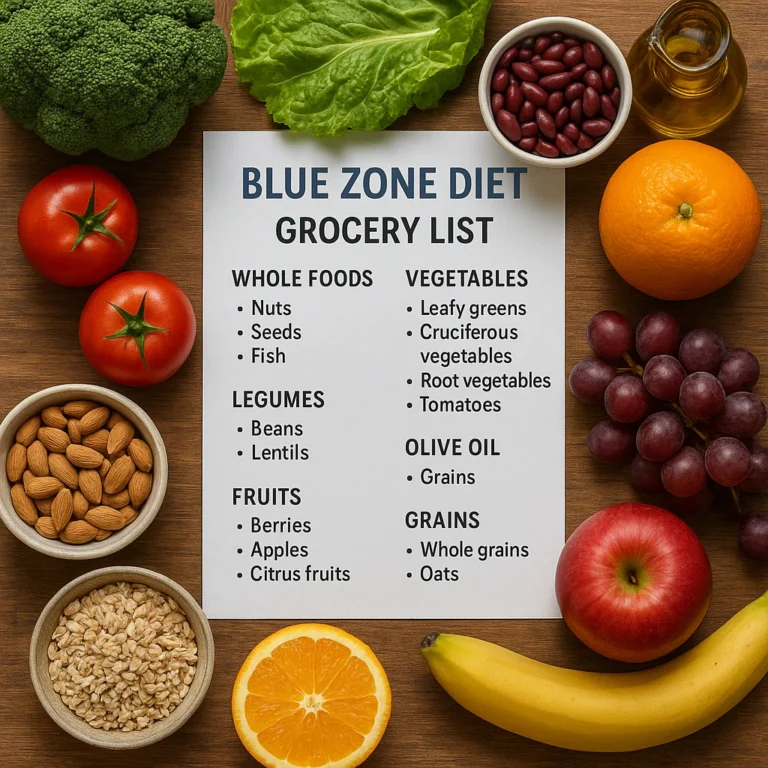
Did you know? The concept of “whole foods” isn’t new. It’s actually a return to how our ancestors ate for thousands of years, long before the industrial food complex took over. For more on how this lifestyle connects to longevity, check out our deep dive into the Blue Zones where people live the longest, healthiest lives: Blue Zones Lifestyle.
📜 The Evolution of Whole Foods for Wellness
Let’s take a trip down memory lane, shall we? The journey of whole foods for wellness is a story of rediscovery. For centuries, humans ate what grew in their backyards or what they could hunt and gather. Then came the industrial revolution, and suddenly, “food” became a commodity. We traded nutrient density for shelf life, and flavor for convenience.
Fast forward today, and we are in the midst of a food revolution. The pendulum is swinging back. We are realizing that the “suplements” we rely on to fix our diets are often just bandaids on a bullet wound. The real medicine is in the phytonutrients, the fiber, and the synergy of eating a carrot whole rather than popping a beta-carotene pill.
Our team at Flexitarian Diet™ has seen this shift firsthand. We’ve watched clients go from “I need a vitamin to survive” to “I feel energized just eating a bowl of lentils.” It’s not magic; it’s biology.
Why do we focus on flexitarianism? Because it’s the sweet spot. You get the benefits of a plant-based diet without the rigidity. It’s about adding good things, not just subtracting bad ones. Learn more about the core principles here: Flexitarian Basics.
🥦 Why Plant-Forward Eating is the Ultimate Wellness Hack
You might be wondering, “Do I really have to go vegan to get the benefits of whole foods?” The answer is a resounding NO.
Plant-forward eating is the secret sauce. It’s about making plants the star of the show, with meat, dairy, and eggs playing the supporting roles. This approach maximizes fiber intake, reduces saturated fats, and floods your body with antioxidants.
The Science of the Plant-Forward Plate
Research consistently shows that diets rich in whole plant foods lower the risk of chronic diseases like heart disease, type 2 diabetes, and certain cancers. But it’s not just about disease prevention; it’s about vitality.
- Energy Stability: Complex carbs from whole grains and veggies provide sustained energy, unlike the sugar crash from processed snacks.
- Gut Health: Fiber feeds your good gut bacteria, which in turn produces short-chain fatty acids that reduce inflammation.
- Weight Management: Whole foods are generally less calorie-dense but more nutrient-dense, helping you feel full on fewer calories.
Curious about the numbers? Let’s look at how a flexitarian diet stacks up against other popular diets in terms of nutrient density and sustainability.
| Diet Type | Plant Focus | Nutrient Density | Sustainability | Flexibility |
|---|---|---|---|---|
| Flexitarian | High | Very High | High | High |
| Vegan | 10% | High | Very High | Low |
| Paleo | Low | Medium | Medium | Medium |
| Keto | Low | Low | Low | Low |
| Standard American | Very Low | Very Low | Very Low | High |
Data synthesized from Harvard T.H. Chan School of Public Health.
🍎 The Power of Phytonutrients: Nature’s Hidden Superpowers
Here is a little secret that food manufacturers don’t want you to know: Nature packs a punch. Phytonutrients are bioactive compounds found in plants that give them their vibrant colors and, more importantly, their health benefits.
Think of phytonutrients as the plant’s immune system. When we eat them, they become our immune system’s best friends.
The Color Code
- Red (Lycopene): Found in tomatoes and watermelon. Great for heart health and prostate health.
- Orange/Yellow (Beta-carotene): Found in carrots and sweet potatoes. Essential for eye health and immunity.
- Green (Lutein & Sulforaphane): Found in kale and broccoli. Detoxifies the body and protects the brain.
- Blue/Purple (Anthocyanins): Found in blueberries and eggplant. Powerful antioxidants that fight aging.
- White (Alicin): Found in garlic and onions. Anti-inflammatory and antibacterial properties.
Wait, what about supplements? Can you just take a pill? While supplements have their place, they often lack the synergy of whole foods. A study published in the Journal of the American College of Nutrition suggests that the health benefits of fruits and vegetables cannot be fully replicated by isolated nutrients.
🌿 Top 15 Whole Foods for Maximum Nutrient Density
Okay, let’s get to the good stuff. We’ve curated a list of the top 15 whole foods that our dietitians and trainers swear by. These aren’t just “healthy”; they are nutrient powerhouses that will transform your energy levels, skin, and mood.
Note: We’ve numbered these because, well, you asked for a list, and we love a good countdown!
1. Leafy Greens: The Chlorophyll Champions
Spinach, kale, Swiss chard, and arugula are the MVPs of the vegetable world. They are loaded with vitamin K, folate, and magnesium.
- Why we love them: They are incredibly versatile. Sauté them, blend them into smoothies, or toss them raw.
- Pro Tip: Add a squeeze of lemon to boost iron absorption.
2. Beries: Antioxidant Powerhouses
Blueberries, strawberries, raspberries, and blackberries are low in sugar but high in fiber and anthocyanins.
- Why we love them: They satisfy your sweet tooth without spiking your blood sugar.
- Real Brand Mention: Look for Driscoll’s or NatureSweet for high-quality frozen options that are just as nutritious as fresh.
3. Cruciferous Vegetables: Cancer-Fighting Crusaders
Broccoli, cauliflower, Brussels sprouts, and cabbage contain sulforaphane, a compound with potent anti-cancer properties.
- Why we love them: They are incredibly filling and great for detoxification.
- Cooking Hack: Don’t overcook them! Steam them lightly to preserve the nutrients.
4. Nuts and Seeds: Healthy Fats for Brain Health
Almonds, walnuts, chia seeds, flaxseds, and pumpkin seeds are packed with omega-3 fatty acids, protein, and fiber.
- Why we love them: A handful of walnuts can improve cognitive function.
- Brand Spotlight: Blue Diamond almonds or Navitas Organics chia seeds are great staples.
5. Legumes: The Fiber and Protein Duo
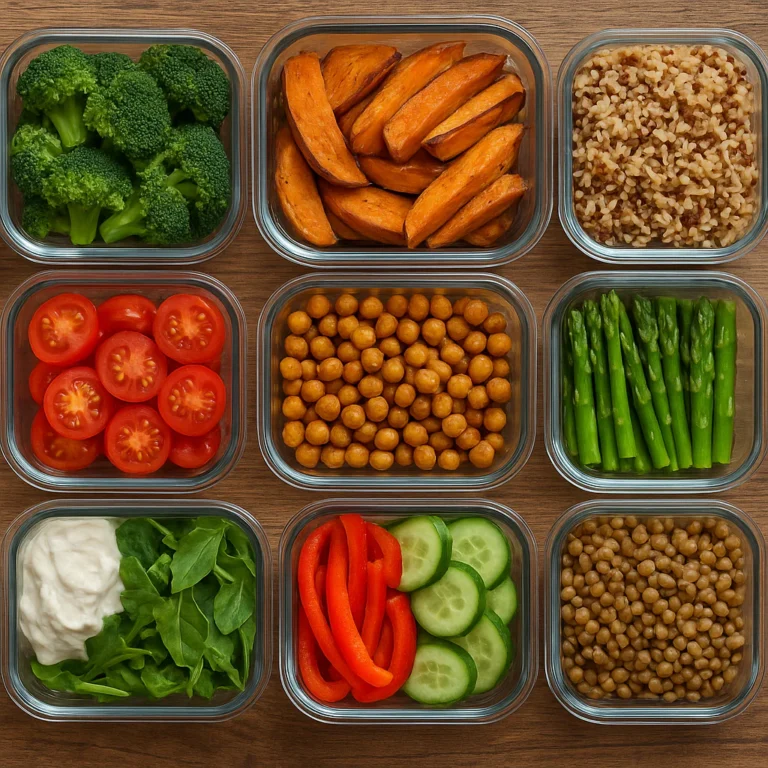
Lentils, chickpeas, black beans, and kidney beans are the backbone of a flexitarian diet. They are cheap, versatile, and packed with plant-based protein.
- Why we love them: They are the ultimate budget-friendly superfood.
- Recipe Idea: Try our Flexitarian Lentil Curry.
6. Whole Grains: Sustained Energy Sources
Quinoa, brown rice, oats, and barley provide complex carbohydrates that release energy slowly.
- Why we love them: They keep you full for hours and stabilize blood sugar.
- Comparison: Unlike white rice, quinoa is a complete protein, containing all nine essential amino acids.
7. Fermented Foods: Gut Health Heroes
Sauerkraut, kimchi, kefir, and miso are rich in probiotics that support a healthy gut microbiome.
- Why we love them: A healthy gut means a happy brain and a strong immune system.
- Brand Recommendation: Bubbies sauerkraut or Live Cultured kimchi.
8. Citrus Fruits: Vitamin C Boosters
Oranges, lemons, limes, and grapefruits are famous for vitamin C, but they also contain flavonoids.
- Why we love them: They are refreshing and great for boosting immunity.
- Tip: Eat the whole fruit, not just the juice, to get the fiber.
9. Root Vegetables: Immunity Support
Sweet potatoes, carrots, bets, and parsnips are rich in beta-carotene and potassium.
- Why we love them: They are naturally sweet and perfect for roasting.
- Fun Fact: Bets can actually improve athletic performance by increasing blood flow!
10. Avocados: Heart-Healthy Fats
Avocados are loaded with monounsaturated fats and potassium.
- Why we love them: They make everything taste better and keep you satiated.
- Brand Mention: Mission or Avocados from Mexico are reliable sources.
1. Turmeric and Ginger: Anti-Inflammatory Allies
These root spices are potent anti-inflammatories. Turmeric contains curcumin, which is a game-changer for joint health.
- Why we love them: They add incredible flavor and health benefits to any dish.
- Pairing Tip: Always pair turmeric with black pepper to increase absorption by 20%!
12. Green Tea: Metabolism and Mood Enhancer
Green tea is rich in catechins and L-theanine, which promote relaxation without drowsiness.
- Why we love it: It’s a gentle energy boost without the jitters of coffee.
- Brand Suggestion: Bigelow or Harney & Sons for high-quality loose leaf.
13. Wild-Caught Fatty Fish: Omega-3 Rich Options
Salmon, mackerel, sardines, and anchovies are the best sources of EPA and DHA omega-3s.
- Why we love them: Essential for brain health and reducing inflammation.
- Brand Mention: Wild Planet or Bumble Bee (look for wild-caught labels).
14. Eggs: The Complete Protein Standard
Egs are one of the few foods that contain all essential amino acids. They are also rich in choline, vital for brain health.
- Why we love them: They are the most affordable source of high-quality protein.
- Note: Choose pasture-raised or organic eggs for better nutrient profiles.
15. Dark Chocolate: Mood and Heart Health
Dark chocolate (70% cocoa or higher) is rich in flavonoids and can improve blood flow.
- Why we love it: It satisfies the sweet tooth and boosts endorphins.
- Brand Recommendation: Lindt Excellence or Ghirardelli 70% or higher.
Wait, what about the video? You might remember the speaker in the featured video mentioning the importance of protein per meal and avoiding processed seed oils. They emphasized that while seed oils aren’t the devil, focusing on whole food fats like avocado oil and olive oil is key. This aligns perfectly with our list above!
🧠 Brain & Memory: Foods for Cognitive Clarity
Ever feel like your brain is running on dial-up? It might be time to upgrade your diet. The brain is an energy-hungry organ, consuming about 20% of your daily calories. It needs the right fuel to function at its peak.
The Brain-Boosting List
- Fatty Fish: The omega-3s in salmon are critical for building brain cell membranes.
- Blueberries: The anthocyanins delay brain aging and improve memory.
- Walnuts: Shaped like a brain, right? They are packed with alpha-linolenic acid (ALA).
- Turmeric: Curcumin can cross the blood-brain barrier and reduce inflammation.
- Egs: Choline is a precursor to acetylcholine, a neurotransmitter that regulates mood and memory.
Did you know? A study in the Journal of Alzheimer’s Disease found that a diet rich in leafy greens and berries can slow cognitive decline by up to 7 years.
❤️ Heart Health: Lowering Cholesterol Naturally
Heart disease is still the leading cause of death globally, but the good news is that it’s largely preventable through diet. Whole foods are your best defense against high cholesterol and high blood pressure.
The Heart-Healthy Strategy
- Increase Fiber: Soluble fiber binds to cholesterol in the digestive system and removes it from the body. Oats, beans, and apples are great sources.
- Swap Fats: Replace saturated fats with monounsaturated and polyunsaturated fats. Think olive oil, avocados, and nuts.
- Reduce Sodium: Processed foods are loaded with sodium. Cooking at home with fresh herbs and spices is the way to go.
- Eat More Plants: Plants are naturally low in saturated fat and high in antioxidants.
Real Talk: You don’t need to eliminate meat entirely. A flexitarian approach, where you reduce meat intake and increase plant-based meals, has been shown to significantly lower LDL cholesterol.
🛡️ Immunity Boosting Foods for Year-Round Defense
Winter is coming (or maybe it’s already here), and you want to be ready. Your immune system is your body’s defense force, and it needs specific nutrients to stay strong.
The Immunity Squad
- Vitamin C: Citrus fruits, bell peppers, and broccoli.
- Vitamin D: Fatty fish, egg yolks, and fortified foods (or sunlight!).
- Zinc: Pumpkin seeds, chickpeas, and lentils.
- Garlic and Ginger: Natural antimicrobials that fight off infections.
- Probiotics: Yogurt, kefir, and sauerkraut to keep the gut-immune axis healthy.
Myth Buster: You can’t “boost” your immune system to superhuman levels, but you can optimize it. Eating a variety of whole foods ensures your body has all the tools it needs to fight off invaders.
💪 Muscle Recovery & Sports Nutrition from Whole Foods
As personal trainers, we often get asked, “Do I need protein powder?” The answer is usually: Not if you eat enough whole foods.
The Athlete’s Plate
- Protein: Aim for 1.2 to 2.0 grams of protein per kilogram of body weight. Sources include lean meats, eggs, legumes, and tofu.
- Carbs: Essential for glycogen replenishment. Sweet potatoes, quinoa, and oats are perfect.
- Fats: Crucial for hormone production and joint health. Avocados and nuts are great.
- Hydration: Water is key, but don’t forget electrolytes from coconut water or bananas.
Pro Tip: The speaker in the featured video mentioned aiming for 30-50 grams of protein per meal. This is a great rule of thumb for athletes to maximize muscle protein synthesis.
✨ Beauty & Collagen: Eating for Radiant Skin
Want glowing skin without spending a fortune on serums? Look in your fridge. Your skin is the largest organ in your body, and what you eat shows on your face.
The Glow Getter Foods
- Vitamin C: Essential for collagen production. Eat more citrus and bell peppers.
- Omega-3s: Keep skin hydrated and reduce inflammation. Think salmon and walnuts.
- Antioxidants: Fight free radicals that cause aging. Beries and dark leafy greens are your friends.
- Water: Hydration is the simplest beauty hack.
- Bone Broth: Contains natural collagen and amino acids that support skin elasticity.
Note: While collagen supplements are popular, eating foods that support your body’s natural collagen production is often more effective and sustainable.
😴 Sleep & Mood: Foods That Calm and Uplift
Struggling to sleep or feeling down? Your diet might be to blame. Certain foods can help regulate your circadian rhythm and boost your mood.
The Sleep & Mood Squad
- Tryptophan: Found in turkey, eggs, and seeds. It’s a precursor to serotonin and melatonin.
- Magnesium: Found in leafy greens, nuts, and seeds. It relaxes muscles and calms the nervous system.
- Complex Carbs: Help tryptophan reach the brain. Oatmeal is a great bedtime snack.
- Chamomile Tea: A natural sedative that promotes relaxation.
- Dark Chocolate: Contains magnesium and can boost mood (in moderation!).
Did you know? A study in the European Journal of Clinical Nutrition found that people who ate a diet rich in whole foods reported lower levels of depression and anxiety compared to those eating processed foods.
🌱 Superfoods, Greens & Seeds: What’s the Hype?
You’ve heard the term “superfood,” but is it just marketing hype? Let’s break it down.
The Truth About Superfoods
There is no official definition of a “superfood.” However, the term generally refers to foods that are nutrient-dense and offer significant health benefits.
- Chia Seeds: Packed with fiber, protein, and omega-3s.
- Quinoa: A complete protein and gluten-free grain.
- Spirulina: A blue-green algae rich in protein and antioxidants.
- Matcha: A concentrated form of green tea with high catechin content.
- Goji Beries: High in vitamin A and antioxidants.
Our Take: Don’t get hung up on the label. Focus on eating a variety of colorful, whole foods. A bowl of mixed berries is just as “super” as a bowl of goji berries.
🍄 Herbs, Mushrooms & Adaptogens: Nature’s Medicine Cabinet
Adaptogens are herbs and mushrooms that help the body adapt to stress. They’ve been used in traditional medicine for centuries, and science is finally catching up.
The Adaptogen List
- Ashwagandha: Reduces cortisol and stress levels.
- Reishi Mushroom: Supports immune function and promotes relaxation.
- Lion’s Mane: Supports brain health and cognitive function.
- Holy Basil (Tulsi): Reduces inflammation and supports immunity.
- Cordyceps: Boosts energy and athletic performance.
Caution: While adaptogens are powerful, they can interact with medications. Always consult with a healthcare provider before adding them to your routine.
👶 Children’s Nutrition: Building Healthy Habits Early
Raising kids on a whole foods diet can be challenging, but it’s worth it. Early habits shape lifelong health.
Tips for Picky Eaters
- Make it Fun: Cut fruits and veggies into fun shapes.
- Involve Them: Let kids help with cooking and grocery shopping.
- Lead by Example: Kids eat what they see you eating.
- Hide Veggies: Blend spinach into smoothies or add zucchini to muffins.
- Offer Choices: “Do you want carrots or cucumbers?” gives them a sense of control.
Remember: It can take 15-20 exposures to a new food before a child accepts it. Don’t give up!
🛒 Smart Shopping: How to Choose the Best Whole Foods
Shopping for whole foods can be overwhelming. Here’s how to navigate the aisles like a pro.
The Shopping Strategy
- 👉 Shop the Perimeter: Most whole foods are located around the edges of the store (produce, meat, dairy).
- Read Labels: If it has more than 5 ingredients, or ingredients you can’t pronounce, put it back.
- Buy Seasonal: Produce is cheaper and tastier when it’s in season.
- Go Frozen: Frozen fruits and veggies are just as nutritious as fresh and often cheaper.
- Plan Ahead: Make a list and stick to it to avoid impulse buys.
Pro Tip: Check out our Flexitarian Recipes for meal ideas that make shopping easier!
📉 Side Effects of Processed Foods vs. Whole Foods
Why should you care about whole foods? Because processed foods can have serious side effects.
The Processed Food Trap
- Blood Sugar Spikes: High in refined carbs and sugar, leading to energy crashes.
- Inflammation: Trans fats and additives can cause chronic inflammation.
- Gut Disruption: Low in fiber and high in emulsifiers, which can harm gut bacteria.
- Weight Gain: High calorie density and low satiety lead to overeating.
- Nutrient Deficiency: “Empty calories” mean you’re not getting the vitamins and minerals you need.
The Flip Side: Whole foods provide satiety, stable energy, and optimal nutrition. It’s a no-brainer.
💰 Save on Vitamins & Supplements: Do You Need Them?
We get it, the supplement aisle is tempting. But do you really need them?
The Supplement Debate
- Food First: The best way to get nutrients is through food. Supplements are meant to suplement, not replace, a healthy diet.
- When to Supplement:
Vitamin D: If you don’t get enough sun.
B12: For vegans and vegetarians.
Iron: For those with deficiencies.
Omega-3: If you don’t eat fish. - Quality Matters: Not all supplements are created equal. Look for third-party tested brands like Thorne, Garden of Life, or Nature Made.
Disclaimer: Always consult with a healthcare provider before starting any new supplement regimen.
👉 Shop Top Brands on:
- Garden of Life: Amazon | Brand Official
- Thorne: Amazon | Brand Official
- Nature Made: Amazon | Brand Official
🏃 ♀️ Mission in Action: Real-Life Wellness Transformations
Don’t just take our word for it. Here are some real stories from our community.
Sarah’s Story
Sarah, a busy mom of two, struggled with low energy and brain fog. She switched to a flexitarian diet, focusing on whole foods and reducing processed snacks. Within three months, her energy levels skyrocketed, and she felt more focused than ever.
Mike’s Story
Mike, a personal trainer, was skeptical about plant-based eating. He tried adding more legumes and leafy greens to his diet. He was surprised to find that his recovery time improved, and his strength gains were consistent.
What’s your story? We want to hear about your journey to whole foods wellness!
📚 About Our Flexitarian Approach
At Flexitarian Diet™, we believe in a balanced, sustainable approach to health. We’re not about perfection; we’re about progress. Our team of cooks, dietitians, and trainers is dedicated to helping you find the right balance for your lifestyle.
Our Philosophy
- Add, Don’t Subtract: Focus on adding nutrient-dense foods.
- Flexibility: Adapt the diet to your needs and preferences.
- Whole Foods First: Prioritize unprocessed, real foods.
- Community: Support each other on the journey.
Ready to start? Check out our Flexitarian Lifestyle guide for more tips and inspiration.
❓ Need Help? FAQs on Whole Food Wellness

Q: Can I get enough protein on a whole foods diet?
A: Absolutely! Legumes, nuts, seeds, whole grains, and lean meats (if you eat them) provide plenty of protein.
Q: Is it expensive to eat whole foods?
A: Not necessarily. Beans, lentils, seasonal produce, and frozen veggies are very affordable.
Q: How do I start?
A: Start small. Swap one processed meal for a whole food meal each day. Gradually increase the ratio.
Q: What if I have a food allergy?
A: There are plenty of whole food options for every dietary restriction. Consult with a dietitian for personalized advice.
Q: Do I need to count calories?
A: Not if you focus on whole foods. They are naturally satiating, so you’ll likely eat the right amount without counting.
🤝 Connect With Us: Join the Wellness Community
We’re more than just a website; we’re a community. Join us on our journey to better health.
- Follow us on Social Media: Get daily tips, recipes, and motivation.
- Join our Newsletter: Stay updated on the latest research and exclusive content.
- Share Your Story: We love hearing from our readers!
Ready to transform your life? Start with a simple step today. Eat one more serving of vegetables. Drink one more glass of water. Every small change counts.
🏁 Conclusion

So, we’ve journeyed from the chlorophyll-rich depths of leafy greens to the antioxidant-packed peaks of blueberries, and we’ve even navigated the sometimes murky waters of the supplement aisle. But here is the ultimate truth we’ve uncovered together: Whole foods for wellness isn’t about perfection, restriction, or buying the most expensive “superfood” powder. It’s about connection.
It’s about connecting with the food that grows from the earth, the vibrant colors that signal specific nutrients, and the simple act of nourishing your body with ingredients that have a short, pronounceable ingredient list. Remember the question we posed early on: Can a pill ever truly replace the symphony of nutrients in a whole carrot? The answer, backed by science and our own kitchen experiments, is a resounding no. The synergy of fiber, vitamins, minerals, and phytonutrients in a whole food creates a health effect that isolated supplements simply cannot mimic.
The Flexitarian Verdict
As a team of flexitarian cooks, dietitians, and trainers, we don’t believe in “good” or “bad” foods. We believe in frequency and quality.
- The Positives: A diet centered on whole foods leads to sustained energy, clearer skin, better digestion, and a reduced risk of chronic disease. It’s sustainable, budget-friendly (when you shop smart), and delicious.
- The Negatives: The only “downside” is the initial adjustment period. Your taste buds might crave the intense salt and sugar of processed foods, and meal prep takes a little more time than grabbing a bag of chips. But the long-term payoff is a life lived with vitality, not just existence.
Our Confident Recommendation:
Start today. Not tomorrow, not next Monday. Today. Swap one processed meal for a whole-food alternative. Add a handful of spinach to your eggs. Snack on an apple instead of a candy bar. Embrace the 80/20 rule. You don’t need to overhaul your entire life overnight. The path to wellness is paved with small, consistent choices.
Did we resolve the mystery? Yes. The secret to wellness isn’t hidden in a lab; it’s in your local grocery store’s produce section. The “magic” is simply real food.
🔗 Recommended Links
Ready to stock your pantry with the best whole foods and supplements? Here are our top picks, veted by our team.
🥦 Pantry Staples & Superfoods
- Organic Quinoa: Amazon | Bob’s Red Mill Official
- Chia Seeds: Amazon | Navitas Organics Official
- Frozen Organic Beries: Amazon | Driscoll’s Official
- Extra Virgin Olive Oil: Amazon | California Olive Ranch Official
💊 Top-Rated Supplements (When Needed)
- Multivitamin (Plant-Based): Amazon | Garden of Life Official
- Vitamin D3 + K2: Amazon | Thorne Official
- Omega-3 (Algae Oil): Amazon | Nordic Naturals Official
- Probiotics: Amazon | Culturelle Official
📚 Essential Reading for Your Journey
- “How Not to Die” by Michael Greger, M.D.: A comprehensive guide to preventing and reversing disease through nutrition. Amazon
- “The Plant Paradox” by Dr. Steven Gundry: Explores the hidden dangers in some plant foods (great for a balanced perspective). Amazon
- “Eat to Beat Your Diet” by Dr. William Li: Focuses on activating your body’s natural healing systems. Amazon
❓ Frequently Asked Questions (FAQ)

How to start incorporating more whole foods into a vegetarian diet?
Starting is all about addition, not subtraction. Instead of focusing on what you can’t eat, focus on what you can add.
- The “One Swap” Rule: Replace one processed item per day with a whole food. Swap white bread for whole grain, or chips for carrot sticks with humus.
- Batch Cook Legumes: Cook a large pot of lentils or chickpeas on Sunday. They are the backbone of a vegetarian diet, providing protein and fiber.
- Explore New Produce: Pick one vegetable you’ve never tried (like kohlrabi or fennel) and find a recipe for it.
- Utilize Frozen Veggies: They are just as nutritious as fresh and perfect for quick stir-fries or soups.
What are the benefits of eating whole foods daily?
Eating whole foods daily provides a synergistic effect that processed foods cannot match.
- Stable Energy: Complex carbohydrates release glucose slowly, preventing the “crash” associated with sugar.
- Gut Health: High fiber content feeds beneficial gut bacteria, which produce short-chain fatty acids crucial for immunity and mental health.
- Disease Prevention: The high concentration of antioxidants and phytonutrients helps combat oxidative stress and inflammation, reducing the risk of heart disease, diabetes, and cancer.
- Weight Management: Whole foods are generally more satiating, helping you feel full on fewer calories.
How do whole foods support a mostly vegetarian diet?
Whole foods are the engine of a vegetarian diet. Since vegetarians (and flexitarians) often reduce meat intake, they rely on plants for protein, iron, and B12.
- Protein Completeness: By combining legumes, grains, nuts, and seeds throughout the day, you easily get all essential amino acids.
- Nutrient Density: Plants are packed with the very nutrients (iron, magnesium, folate) that are sometimes harder to get in lower quantities without meat.
- Fiber Boost: A vegetarian diet naturally high in whole foods ensures you get the recommended 25-38g of fiber daily, which is often lacking in omnivorous diets heavy in processed foods.
Why choose whole foods over processed foods for better health?
Processed foods are often stripped of their natural nutrients and loaded with additives, preservatives, excess sodium, and refined sugars.
- Nutrient Loss: Processing often removes fiber and vitamins.
- Inflammation: Many processed foods contain trans fats and seed oils that can promote chronic inflammation.
- Caloric Density: Processed foods are engineered to be hyper-palatable, leading to overconsumption of calories without satiety.
- Gut Disruption: Emulsifiers and artificial sweeteners in processed foods can harm the gut microbiome.
How can whole foods improve overall wellness?
Wellness is holistic—physical, mental, and emotional.
- Physical: Better digestion, clearer skin, stronger immune system, and improved sleep.
- Mental: Stable blood sugar levels prevent mood swings and brain fog. Nutrients like Omega-3s and B vitamins support cognitive function.
- Emotional: The act of cooking and eating real food can be a grounding, mindful practice that reduces stress.
What are the best whole foods for a mostly vegetarian diet?
- Legumes: Lentils, chickpeas, black beans (protein & fiber).
- Whole Grains: Quinoa, brown rice, oats, barley (sustained energy).
- Nuts & Seeds: Almonds, walnuts, chia, flax (healthy fats & protein).
- Leafy Greens: Spinach, kale, Swiss chard (iron, calcium, vitamins).
- Cruciferous Veggies: Broccoli, cauliflower, Brussels sprouts (cancer-fighting compounds).
- Beries: Blueberries, strawberries (antioxidants).
What nutrients should I focus on in a whole foods, mostly vegetarian diet?
While a well-planned vegetarian diet is healthy, pay attention to:
- Vitamin B12: Found in fortified foods or supplements (crucial for nerve function).
- Iron: Plant-based iron (non-heme) is less absorbable, so pair it with Vitamin C (e.g., lentils with lemon juice).
- Calcium: Leafy greens, fortified plant milks, tofu.
- Omega-3s: Flaxseds, chia seeds, walnuts, or algae oil supplements.
- Zinc: Legumes, nuts, seeds.
- Protein: Ensure variety in sources (beans, grains, nuts, seeds, dairy/egs if consumed).
How can I transition to a mostly vegetarian, whole foods diet?
Transitioning is a marathon, not a sprint.
- Meatless Mondays: Start with one day a week.
- The “Flex” Approach: Keep meat, but make it a side dish or a flavor enhancer rather than the main event.
- Experiment with Recipes: Try new cuisines like Indian, Mediterranean, or Middle Eastern, which are naturally plant-forward.
- Listen to Your Body: If you feel tired, check your protein and iron intake. Adjust as needed.
What are the best whole food snacks for maintaining wellness?
- Apple slices with almond butter.
- Hummus with carrot and cucumber sticks.
- A handful of mixed nuts and dried fruit (no added sugar).
- Greek yogurt with berries.
- Hard-boiled eggs.
- Edame.
- Dark chocolate (70%+) with a few almonds.
How do whole foods support a balanced vegetarian diet?
Whole foods provide the matrix of nutrients necessary for balance. They offer the fiber needed to regulate blood sugar, the phytonutrients to fight inflammation, and the healthy fats to support hormone production. By focusing on whole foods, you naturally avoid the “junk” that can throw a diet out of balance, ensuring you get a wide spectrum of micronutrients without needing to count every calorie.
What are some easy whole food recipes for a healthy lifestyle?
- Overnight Oats: Rolled oats, chia seeds, almond milk, and berries.
- Lentil Soup: Lentils, carrots, celery, onions, and vegetable broth.
- Chickpea Salad: Chickpeas, cucumber, tomato, red onion, lemon, and olive oil.
- Stir-Fry: Tofu or tempeh with broccoli, bell peppers, and ginger over brown rice.
- Smoothie Bowl: Frozen bananas, spinach, protein powder, topped with granola and fruit.
How can a mostly vegetarian diet improve overall health?
Studies show that vegetarians and flexitarians often have lower blood pressure, lower cholesterol, and a reduced risk of type 2 diabetes. The high fiber and antioxidant content helps maintain a healthy weight and supports cardiovascular health. Additionally, the reduction in saturated fat intake (often found in red meat) further protects the heart.
What are the benefits of eating whole foods for wellness?
Ultimately, the benefit is longevity and quality of life. Whole foods fuel your body to function at its peak, reduce the burden of chronic disease, and provide the energy to enjoy life’s activities. It’s an investment in your future self.
H4: Addressing Common Myths
- Myth: “Vegetarian diets are low in protein.”
Fact: Legumes, nuts, seeds, and whole grains provide ample protein. A varied diet easily meets needs. - Myth: “Whole foods are too expensive.”
Fact: Staples like beans, rice, oats, and seasonal produce are often cheaper than processed meats and convenience foods. - Myth: “You need supplements to be healthy on a vegetarian diet.”
Fact: While B12 is essential, a well-planned diet can provide most other nutrients through food alone.
📖 Reference Links
For those who want to dive deeper into the science and verify our claims, here are our trusted sources:
- Harvard T.H. Chan School of Public Health: The Nutrition Source – Healthy Eating
- American Heart Association: Healthy Eating
- Academy of Nutrition and Dietics: Vegetarian Diets
- National Institutes of Health (NIH): Dietary Supplements
- Whole Foods Market: Amazon.com: Vitamins & Supplements – Whole Foods Market
- Garden of Life: Official Website
- Thorne: Official Website
- Nature Made: Official Website
- Bob’s Red Mill: Official Website
- Navitas Organics: Official Website
- Driscoll’s: Official Website
- California Olive Ranch: Official Website
- Nordic Naturals: Official Website
- Culturelle: Official Website