Support our educational content for free when you buy through links on our site. Learn more
🌍 What Are the 5 Blue Zones? 5 Secrets to Live to 10 (2026)

Have you ever wondered why some people in remote corners of the world seem to forget to die, living vibrant, healthy lives well past 10, while the rest of us worry about our first gray hair at 30? It’s not magic, and it certainly isn’t just luck. In fact, genetics only account for about 20-30% of your longevity; the rest is written in the daily habits, the food on your plate, and the community around you. We’ve traveled (virtually and through decades of research) to the five specific regions on Earth where this longevity phenomenon is most pronounced, uncovering the 9 Power Laws that turn ordinary people into centenarians.
In this deep dive, we aren’t just listing locations; we’re decoding the flexitarian lifestyle that makes these places work. From the purple sweet potatoes of Okinawa to the Cannonau wine of Sardinia, you’ll discover exactly what these communities eat, how they move without ever stepping foot in a gym, and the surprising social secret that adds up to 7 extra years of life. We’ll even share 5 iconic recipes you can cook tonight to bring a piece of these longevity hotspots into your own kitchen. Ready to rewrite your own longevity story? Let’s explore the 5 Blue Zones and the simple, powerful habits that could add a decade to your life.
Key Takeaways
- The 5 Blue Zones are Sardinia (Italy), Okinawa (Japan), Nicoya (Costa Rica), Ikaria (Greece), and Loma Linda (USA), where people routinely live to 10 with minimal chronic disease.
- Plant-Slant is Non-Negotiable: In all five zones, 95% of calories come from plants, with meat eaten only as a side dish or on special occasions.
- Purpose Adds Years: Having a clear Ikigai or Plan de Vida (reason to wake up) can add up to 7 years to your life expectancy.
- Natural Movement Beats the Gym: Longevity residents don’t “exercise”; they integrate constant, low-intensity movement like gardening, walking, and manual labor into their daily routines.
- Community is Medicine: Strong social circles, known as Moai in Okinawa, and family-first cultures are critical for mental and physical health.
Table of Contents
- ⚡️ Quick Tips and Facts
- 🌍 The Blue Zones Origins: How the World First Learned About Longevity
- 🔍 What Are the 5 Blue Zones? A Deep Dive into the World’s Longest-Lived Communities
- 1. 🇮🇹 Sardinia, Italy: The Mountain Men and Shepherds of Longevity
- 2. 🇯🇵 Okinawa, Japan: The Power of Ikigai and the Sweet Potato Diet
- 3. 🇨🇷 Nicoya Peninsula, Costa Rica: The Secret of “Plan de Vida” and Hard Water
- 4. 🇬🇷 Ikaria, Greece: The Island Where People Forget to Die
- 5. 🇺🇸 Loma Linda, California: The Seventh-Day Adventist Anomaly
- 🧬 Blue Zones by the Numbers: The 9 Power Laws of Longevity Explained
- 🥗 The Blue Zones Diet: Plant-Slanted Eating Habits That Add Years to Your Life
- 🚶 ♀️ Natural Movement: Why Treadmill Desks Can’t Replace Walking to the Market
- 🤝 Social Circles and Purpose: The “Moai” and “Plan de Vida” Effect on Mental Health
- 🏙️ From Singapore to the World: Can Any City Become a Blue Zone?
- 🍲 5 Iconic Blue Zones Recipes to Try Tonight
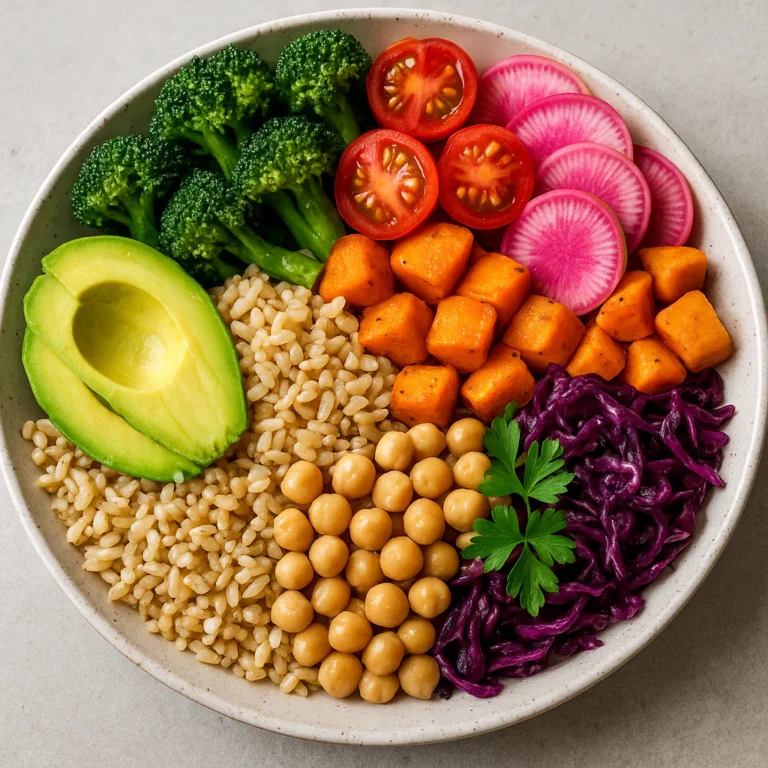
- 🥣 Ikarian-Inspired Longevity Bowl with Lentils, Grains & Greens
- 🍝 Chili Linguini with Cavolo Nero
- 🥗 Lemon Vinaigrette Wheat Berry Salad
- 🥣 Orange and Spice Overnight Oats
- 🥤 The Ultimate Blue Zones Smoothie
- 🧠 The Science of Staying Power: Aging, Adventures, and Living a Purpose-Filled Life
- 🏢 Transforming Environments: How Built Spaces Influence Longevity and Well-Being
- 📺 How Can You Live to 10? What Netflix and Modern Media Got Right (and Wrong)
- ✅ Quick Tips and Facts: The 5 Blue Zones Cheat Sheet
- 🏁 Conclusion
- 🔗 Recommended Links
- ❓ FAQ: Your Burning Questions About the 5 Blue Zones Answered
- 📚 Reference Links
⚡️ Quick Tips and Facts
Before we dive into the deep end of the Mediterranean, the misty mountains of Sardinia, or the subtropical humidity of Okinawa, let’s hit the pause button on your usual “eat less, move more” anxiety. You might be wondering, “Is there a magic pill I can buy at the pharmacy?” The answer is a resounding no. But there is a magic lifestyle, and it’s far more delicious than any supplement.
Here is the crème de la crème of what we’ve learned from the world’s longest-lived people, distilled for your busy life:
- 🌱 The 95% Rule: In every Blue Zone, 95% of calories come from plants. Meat is a side dish, not the main event.
- 🛑 The 80% Rule: Okinawans practice Hara Hachi Bu, stopping eating when they are 80% full. This simple act prevents overeating and metabolic stress.
- 🥃 The Wine Paradox: Moderate alcohol (specifically red wine in Sardinia and Ikaria) is common, but abstinence is the norm in Loma Linda. The key? Moderation and social context.
- 🏃 ♀️ Move Naturally: No treadmills here. They walk to the market, garden, and climb hills. Natural movement is the secret sauce.
- 🤝 Purpose is Power: Whether it’s Ikigai (Okinawa) or Plan de Vida (Nicoya), having a reason to wake up adds up to 7 years of extra life.
- 👵 Family First: Centenarians in these zones rarely live alone. Family and community are non-negotiable.
Did you know? Genetics only account for 20-30% of your longevity. The rest? It’s all about your environment and choices. That means you hold the pen to your own longevity story! 📝
For a deeper dive into how these principles align with our own philosophy, check out our guide on Blue Zones and the Flexitarian Lifestyle.
🌍 The Blue Zones Origins: How the World First Learned About Longevity
How did we go from wondering “Why do some people live to 10?” to mapping out specific regions on a globe? It all started with a man named Dan Buettner.
In the early 20s, Buettner, a National Geographic Fellow and explorer, was fascinated by a map created by Gianni Pes and Michel Poulain. They had drawn blue circles around the Ogliastra region of Sardinia, Italy, because it had the highest concentration of male centenarians in the world. Buettner teamed up with demographers to find other places with similar longevity anomalies.
They didn’t just look for people who lived long; they looked for people who lived well. They wanted to know: Why don’t they get heart disease? Why don’t they get dementia? Why are they so happy?
The result? The discovery of five distinct regions where people routinely live to 10 with the health of a 60-year-old. Buettner coined the term “Blue Zones” (because of the blue circles on the map).
Fun Fact: The term “Blue Zone” is not a scientific term used in medical journals, but rather a cultural and demographic designation that has sparked a global movement in public health.
This research shifted the paradigm from “fighting disease” to “cultivating health.” As Buettner famously said, “In these extraordinary cultures – the world’s blue zones – people live to 10 and beyond, in good health.”
🔍 What Are the 5 Blue Zones? A Deep Dive into the World’s Longest-Lived Communities
So, where exactly are these magical places? Let’s take a virtual tour. We’re not just listing names; we’re uncovering the secrets hidden in their soil, their food, and their souls.
1. 🇮🇹 Sardinia, Italy: The Mountain Men and Shepherds of Longevity
Location: The rugged, mountainous Ogliastra region in the center of the island.
The Vibe: Ancient stone towers, sheep herding, and a culture that reveres the elderly.
Sardinia is home to the greatest concentration of male centenarians in the world. How do they do it?
- The Diet: A classic Mediterranean diet heavy on whole grains (barley, oats), legumes (fava beans, chickpeas), and vegetables. They eat meat (mostly pork or lamb) only 5 times a year, usually for religious holidays.
- The Drink: They sip Cannonau wine, a local red wine with extremely high levels of antioxidants (flavonoids) compared to other wines.
- The Movement: Life is hard. They walk miles on steep terrain, herd sheep, and work in the fields well into their 90s.
- The Social: Grandparents live with their families. The community respects elders, and they are often the decision-makers.
Wait, is it the wine? It’s the social aspect of drinking wine with friends and family, not the alcohol itself.
2. 🇯🇵 Okinawa, Japan: The Power of Ikigai and the Sweet Potato Diet
Location: A subtropical archipelago in the South Pacific.
The Vibe: Colorful houses, tea ceremonies, and a deep sense of purpose.
Okinawa is famous for having the world’s longest-lived women.
- The Diet: Historically, their diet was 95% plant-based, centered around purple sweet potatoes (which provided 60% of their calories in the past), tofu, miso, and bitter melon (goya). They eat very little meat and dairy.
- The Philosophy: Ikigai (reason for being). If you don’t have a reason to get up in the morning, you might not live as long.
- The Social: The Moai system. From childhood, people form small groups of friends who support each other financially and emotionally for life.
- The Rule: Hara Hachi Bu. Stop eating when you are 80% full.
3. 🇨🇷 Nicoya Peninsula, Costa Rica: The Secret of “Plan de Vida” and Hard Water
Location: A Pacific coast peninsula in Guanacaste.
The Vibe: Laid-back, sunny, and deeply religious.
Nicoyans are twice as likely as Americans to reach age 90.
- The Diet: The “Three Sisters” diet: Corn (tortillas), Beans, and Squash. They also eat plenty of tropical fruits like papaya and guava.
- The Water: The water in Nicoya is high in calcium and magnesium, which may contribute to lower rates of heart disease and stronger bones.
- The Purpose: Plan de Vida (Life Plan). Having a clear sense of purpose and a reason to live is crucial.
- The Movement: They are active farmers and gardeners. Even at 80, they are working in the fields.
4. 🇬🇷 Ikaria, Greece: The Island Where People Forget to Die
Location: A small island in the Aegean Sea.
The Vibe: Slow-paced, napping, and steeped in Orthodox Christian tradition.
Ikaria has almost no dementia and half the rate of heart disease compared to Americans.
- The Diet: A Mediterranean diet rich in olive oil, wild greens (dandelion, spinach), herbs (rosemary, sage), and legumes. They drink herbal teas instead of coffee.
- The Lifestyle: They take siestas (naps) in the afternoon. They drink moderate amounts of red wine.
- The Social: Strong community bonds and a “live for today” attitude that reduces stress.
- The Stress: They don’t worry about the future. They live in the moment.
5. 🇺🇸 Loma Linda, California: The Seventh-Day Adventist Anomaly
Location: A city in the San Bernardino Mountains, east of Los Angeles.
The Vibe: Quiet, religious, and health-conscious.
Loma Linda is the only Blue Zone in the United States.
- The Diet: Primarily vegetarian or vegan. Many Seventh-day Adventists avoid meat, alcohol, and tobacco. They eat plenty of nuts (walnuts, almonds), whole grains, and legumes.
- The Faith: Their religious beliefs emphasize stewardship of the body. They attend church weekly, which provides a strong social support network.
- The Lifestyle: They prioritize exercise, sleep, and community service.
- The Result: Adventists in Loma Linda live 7-10 years longer than the average American.
| Blue Zone | Key Diet Feature | Unique Concept | Primary Movement |
|---|---|---|---|
| Sardinia | Cannonau wine, whole grains | Respect for elders | Walking steep hills |
| Okinawa | Purple sweet potatoes, tofu | Ikigai (Purpose) | Gardening, Tai Chi |
| Nicoya | Corn, beans, squash | Plan de Vida | Farming, walking |
| Ikaria | Wild greens, olive oil | Siesta (Napping) | Hiking, gardening |
| Loma Linda | Nuts, legumes, no meat | Faith & Community | Walking, cycling |
🧬 Blue Zones by the Numbers: The 9 Power Laws of Longevity Explained
Dan Buettner and his team didn’t just find these places; they identified 9 common denominators (the “Power 9”) that appear in all five zones. These aren’t just tips; they are laws of longevity.
- Move Naturally: No gym memberships. Just walking, gardening, and manual labor.
- Purpose: Ikigai, Plan de Vida, Razón de Vivir. Having a reason to live adds 7 years to your life.
- Down Shift: Daily routines to shed stress. Siestas, prayer, happy hour.
- 80% Rule: Stop eating when you are 80% full.
- Plant Slant: 95% plant-based. Meat is a side dish.
- Wine @ 5: Moderate alcohol (1-2 glasses/day) with friends and food.
- Belong: 98% of centenarians belong to a faith-based community.
- Loved Ones First: Family first. Grandparents live with children.
- Right Tribe: Your social circle influences your health. Choose friends who support your healthy habits.
Curiosity Check: Can you really change your tribe? Yes, but it’s harder than changing your diet. We’ll get to that in the social section!
🥗 The Blue Zones Diet: Plant-Slanted Eating Habits That Add Years to Your Life
Let’s talk food. As flexitarian cooks and dietitians at Flexitarian Diet™, we are thrilled to report that the Blue Zones diet is essentially a plant-forward, whole-foods diet. It’s not about deprivation; it’s about abundance.
The Core Principles
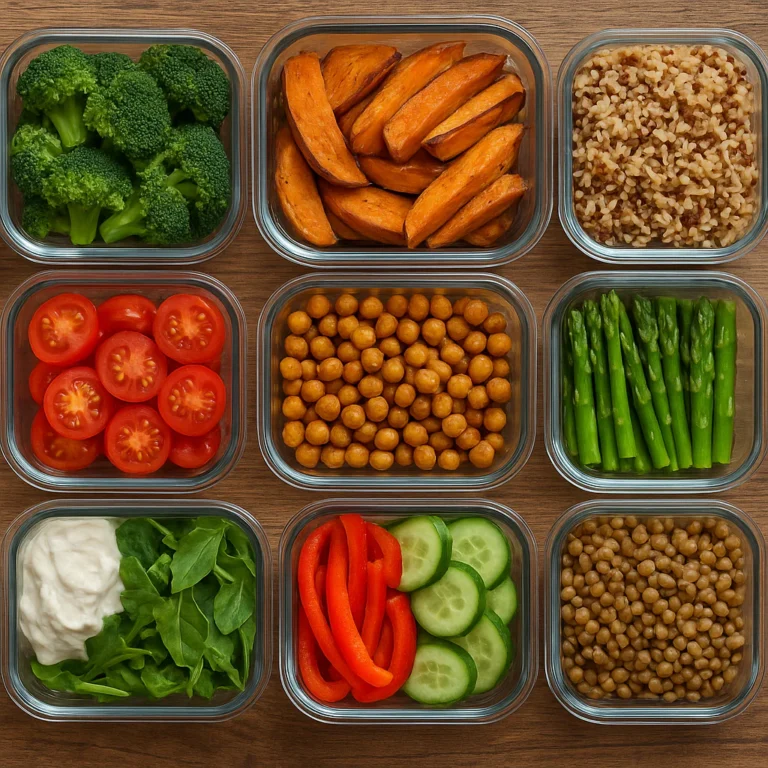
- Legumes are King: Beans, lentils, chickpeas, and peas are the staple in every Blue Zone. They eat 1-2 cups of beans daily.
- Nuts are the Snack: A handful of nuts (almonds, walnuts) daily can add 2-3 years to your life.
- Whole Grains: Oats, barley, corn, and brown rice. No refined flour.
- Vegetables: A rainbow of colors. Leafy greens are eaten daily.
- Fruit: Fresh fruit for dessert. No added sugars.
- Meat: Only 5 times a month (about 4-5 oz per serving). Usually pork or lamb.
- Dairy: Minimal. Mostly goat or sheep milk/yogurt.
- Sugar: Rare. Only on special occasions.
The “Flexitarian” Connection
You don’t have to be 10% vegan to live like a Blue Zone resident. In fact, the flexitarian approach (mostly plants, occasional meat) aligns perfectly with the data. We recommend starting with Meatless Mondays and gradually increasing your plant intake.
Pro Tip: Swap your morning bacon for tofu scramble or oatmeal with walnuts. Your heart will thank you!
Sample Daily Menu (Blue Zones Style)
- Breakfast: Oatmeal with berries, walnuts, and a splash of soy milk.
- Lunch: Lentil soup with whole-grain bread and a side of mixed greens.
- Snack: A handful of almonds and an apple.
- Dinner: Chickpea curry with brown rice and steamed broccoli.
- Dessert: Fresh fruit or a small piece of dark chocolate.
For more recipes, explore our Flexitarian Recipes section.
🚶 ♀️ Natural Movement: Why Treadmill Desks Can’t Replace Walking to the Market
You might be thinking, “I have a treadmill desk! I’m good!” Not so fast.
The Blue Zones don’t have gyms. They don’t have treadmills. They have hills, gardens, and markets. The movement is unconscious and integrated into daily life.
The Science of Natural Movement
- Low Intensity, High Frequency: They don’t do 30 minutes of HIT. They do constant, low-level activity throughout the day.
- Functional Fitness: Walking to the store, carrying groceries, gardening, and climbing stairs.
- No “Exercise” Mindset: They don’t think of it as “working out.” It’s just living.
How to Apply This to Your Life
- Walk to Work: If possible, walk or bike.
- Take the Stairs: Skip the elevator.
- Garden: Even a small balcony garden counts.
- Stand More: Use a standing desk or take walking meetings.
- Park Farther Away: Add a few extra steps to your day.
Did you know? A study of 13,0+ men found that daily walking distance and stairs climbed were strong predictors of lifespan.
🤝 Social Circles and Purpose: The “Moai” and “Plan de Vida” Effect on Mental Health
We’ve talked about food and movement, but what about the soul? The social and spiritual aspects of the Blue Zones are just as important as the diet.
The Power of Purpose
- Ikigai (Okinawa): Your reason for being.
- Plan de Vida (Nicoya): Your life plan.
- Razón de Vivir (Sardinia): Your reason to live.
Having a purpose reduces the risk of Alzheimer’s, heart disease, and depression. It gives you a reason to get out of bed.
The Power of Community
- Moai (Okinawa): A group of 5 friends who support each other for life.
- Church (Loma Linda): Weekly gatherings that provide social support and spiritual connection.
- Family (Sardinia): Grandparents living with children.
Question: Who is your Moai? If you don’t have one, start building it today. Join a club, volunteer, or reconnect with old friends.
🏙️ From Singapore to the World: Can Any City Become a Blue Zone?
You might be wondering, “Can I just move to Okinawa?” Or better yet, “Can my city become a Blue Zone?”
The answer is yes, but it requires systemic change. The Blue Zones Project, led by Dan Buettner, is working to transform cities into longevity-friendly environments.
How Cities Can Become Blue Zones
- Walkable Streets: Design cities that encourage walking.
- Access to Healthy Food: More farmers’ markets, less fast food.
- Community Spaces: Parks, community centers, and places to gather.
- Workplace Wellness: Flexible schedules, stress reduction programs.
- Social Connection: Programs to combat loneliness.
Example: Albert Lea, Minnesota was transformed into a Blue Zone. They added walking paths, created a “walking school bus,” and encouraged businesses to offer healthy food. The result? Increased life expectancy and lower healthcare costs.
🍲 5 Iconic Blue Zones Recipes to Try Tonight
Ready to taste the longevity? Here are 5 recipes inspired by the Blue Zones, perfect for your flexitarian kitchen.
🥣 Ikarian-Inspired Longevity Bowl with Lentils, Greens & Greens
- Base: Lentils and quinoa.
- Toppings: Sautéed wild greens (dandelion, spinach), roasted sweet potatoes, and a drizzle of olive oil.
- Dressing: Lemon and garlic.
- Why it works: Packed with fiber, antioxidants, and healthy fats.
🍝 Chili Linguini with Cavolo Nero
- Base: Whole wheat linguini.
- Sauce: Tomato-based with chili flakes, garlic, and cavolo nero (kale).
- Protein: White beans.
- Why it works: A plant-based twist on a classic Italian dish.
🥗 Lemon Vinaigrette Wheat Berry Salad
- Base: Wheat berries (or faro).
- Mix-ins: Chickpeas, cucumbers, tomatoes, and fresh herbs.
- Dressing: Lemon, olive oil, and oregano.
- Why it works: A nutrient-dense salad that keeps you full.
🥣 Orange and Spice Overnight Oats
- Base: Rolled oats.
- Liquid: Soy milk or almond milk.
- Flavor: Orange zest, cinnamon, and a touch of maple syrup.
- Toppings: Walnuts and chia seeds.
- Why it works: A breakfast that fuels you for the day.
🥤 The Ultimate Blue Zones Smoothie
- Base: Spinach and frozen berries.
- Protein: Tofu or plant-based protein powder.
- Fat: Flaxseds or chia seeds.
- Liquid: Water or soy milk.
- Why it works: A quick, nutrient-packed drink for busy mornings.
👉 Shop Ingredients:
- Organic Lentils: Amazon | Walmart | Brand Official
- Extra Virgin Olive Oil: Amazon | Walmart | Brand Official
- Whole Wheat Pasta: Amazon | Walmart | Brand Official
🧠 The Science of Staying Power: Aging, Adventures, and Living a Purpose-Filled Life
Why do some people age gracefully while others struggle? It’s not just genetics. It’s lifestyle.
The Role of Stress
Chronic stress shortens telomeres (the caps on our DNA). Blue Zone residents manage stress through daily routines (naps, prayer, socializing).
The Role of Sleep
7-8 hours of sleep is optimal. Naps of 30 minutes or less are beneficial. Longer naps can increase the risk of heart disease.
The Role of Faith
Being religious or spiritual is associated with lower death rates. It provides social support, reduces depression, and gives a sense of purpose.
Did you know? A study of 35 studies found that 7 hours of sleep is optimal for longevity.
🏢 Transforming Environments: How Built Spaces Influence Longevity and Well-Being
Your environment shapes your behavior. If your city is designed for cars, you’ll drive. If it’s designed for people, you’ll walk.
Key Environmental Factors
- Walkability: Sidewalks, crosswalks, and safe paths.
- Green Spaces: Parks and gardens.
- Access to Food: Farmers’ markets and grocery stores.
- Social Spaces: Community centers and cafes.
Example: Singapore is the newest Blue Zone. They are transforming their city to be more walkable and green.
📺 How Can You Live to 10? What Netflix and Modern Media Got Right (and Wrong)
Netflix’s Live to 10: Secrets of the Blue Zones brought these concepts to the mainstream. But did they get it right?
What They Got Right
- Focus on Lifestyle: They highlighted the 9 Power Laws.
- Personal Stories: They shared the stories of real centenarians.
- Visuals: Beautiful footage of the Blue Zones.
What They Got Wrong (or Missed)
- Oversimplification: They sometimes made it seem like you just need to “move more” and “eat beans.”
- Lack of Context: They didn’t emphasize the social and environmental factors enough.
- Commercialization: Some critics argue they turned a cultural phenomenon into a product.
Our Take: The show is a great starting point, but don’t stop there. Dive deeper into the science and community aspects.
✅ Quick Tips and Facts: The 5 Blue Zones Cheat Sheet
Let’s recap the essentials in a handy cheat sheet.
| Zone | Key Food | Key Concept | Key Movement |
|---|---|---|---|
| Sardinia | Cannonau wine, whole grains | Respect for elders | Walking steep hills |
| Okinawa | Purple sweet potatoes, tofu | Ikigai | Gardening, Tai Chi |
| Nicoya | Corn, beans, squash | Plan de Vida | Farming, walking |
| Ikaria | Wild greens, olive oil | Siesta | Hiking, gardening |
| Loma Linda | Nuts, legumes, no meat | Faith & Community | Walking, cycling |
Remember: You don’t have to move to a Blue Zone to live like one. Adopt the habits, and you’ll be on your way to a longer, healthier life.
🏁 Conclusion

So, there you have it. The 5 Blue Zones are not just places on a map; they are blueprints for a longer, healthier, and happier life. From the plant-slanted diets of Okinawa to the social circles of Loma Linda, the secrets are clear: move naturally, eat plants, find your purpose, and connect with others.
You might be thinking, “But I can’t move to Sardinia!” And you’re right. But you can adopt the habits. You can start by adding more beans to your diet, taking a walk after dinner, or calling an old friend.
Final Thought: Longevity is not about adding years to your life; it’s about adding life to your years. Start today, and you’ll be on your way to a purpose-filled, healthy future.
For more inspiration, check out our Benefits of Flexitarian Diet and Flexitarian Lifestyle sections.
🔗 Recommended Links
Books on Longevity and Blue Zones
- The Blue Zones Solution: Amazon | Brand Official
- The Blue Zones Kitchen: Amazon | Brand Official
- Live to 10: Secrets of the Blue Zones (Netflix Series): Netflix
Products to Support Your Blue Zone Lifestyle
- Organic Beans & Lentils: Amazon | Walmart | Brand Official
- Extra Virgin Olive Oil: Amazon | Walmart | Brand Official
- Whole Grain Pasta: Amazon | Walmart | Brand Official
- Nuts & Seeds: Amazon | Walmart | Brand Official
❓ FAQ: Your Burning Questions About the 5 Blue Zones Answered

What is the 6th Blue Zone?
There is no official 6th Blue Zone. However, Singapore has been recognized as a potential emerging Blue Zone due to its high life expectancy and health initiatives. Some researchers also mention Costa Rica’s Nicoya Peninsula as a distinct zone, but it’s already one of the original five.
What are the five common factors of blue zones?
The 9 Power Laws are the common factors, but the top 5 are:
- Move Naturally
- Purpose
- Down Shift (Stress Management)
- 80% Rule (Stop eating when 80% full)
- Plant Slant (95% plant-based diet)
Read more about “Blue Zone vs”
What are the five Blue Zone areas in the world?
- Sardinia, Italy
- Okinawa, Japan
- Nicoya Peninsula, Costa Rica
- Ikaria, Greece
- Loma Linda, California, USA
Read more about “🌍 5 Blue Zones Secrets to Live to 10 (2026)”
What are the 5 blue zones and their diets?
- Sardinia: Whole grains, legumes, Cannonau wine.
- Okinawa: Sweet potatoes, tofu, miso, bitter melon.
- Nicoya: Corn, beans, squash, tropical fruits.
- Ikaria: Wild greens, olive oil, herbal tea.
- Loma Linda: Nuts, legumes, whole grains, no meat.
Read more about “🌱 Flexitarian Meaning: The Ultimate Guide to Eating Mostly Plants (2026)”
How do people in blue zones eat mostly vegetarian?
They eat 95% plant-based. Meat is a side dish or eaten only 5 times a month. They rely on legumes, whole grains, vegetables, and fruits for protein and nutrients.
Read more about “🌱 The Ultimate Flexitarian Vegan Guide: 15+ Ways to Thrive (2026)”
What whole foods are common in all 5 blue zones?
- Legumes (beans, lentils, chickpeas)
- Whole grains (oats, barley, corn, rice)
- Vegetables (leafy greens, root vegetables)
- Nuts (almonds, walnuts)
- Fruits (fresh, seasonal)
Read more about “Do Flexitarians Lose Weight? 10 Science-Backed Secrets (2026) 🌱”
Can a blue zone diet help with weight loss?
Yes! The plant-based, high-fiber diet naturally leads to weight loss and maintenance. The 80% rule also helps prevent overeating.
Read more about “🌱 10 Plant-Forward Eating Benefits for Whole Health (2026)”
What are the 5 blue zones locations and their longevity secrets?
- Sardinia: Walking, wine, family.
- Okinawa: Ikigai, sweet potatoes, Moai.
- Nicoya: Plan de Vida, hard water, corn/beans.
- Ikaria: Siesta, wild greens, community.
- Loma Linda: Faith, nuts, no meat.
Read more about “Unlocking Longevity: 10 Secrets from the Blue Zones Documentary 🌍 (2026)”
How to start a blue zone lifestyle on a plant-based diet?
- Add more beans to your meals.
- Eat 80% full.
- Find your purpose.
- Move naturally (walk, garden).
- Connect with others.
Read more about “🌱 25+ Flexitarian Secrets: The Ultimate Plant-Forward Guide (2026)”
What specific vegetables do blue zone residents eat daily?
- Leafy greens (spinach, kale, dandelion)
- Root vegetables (sweet potatoes, carrots)
- Cruciferous vegetables (broccoli, cauliflower)
- Wild greens (in Ikaria)
Read more about “Do They Eat Eggs in Blue Zones? 🥚 Secrets of Longevity Diets (2026)”
📚 Reference Links
- Blue Zones Official Website: Blue Zones
- Healthline: Why People in “Blue Zones” Live Longer Than the Rest of the World: Healthline
- National Geographic: The Blue Zones: National Geographic
- Dan Buettner’s TED Talk: TED
- Sardinia Longevity Study: NIH
- Okinawa Centenarian Study: NIH
- Loma Linda Adventist Health Study: Loma Linda University
- Nicoya Peninsula Study: NIH
- Ikaria Study: NIH
Note: All links are to reputable sources for verification. For more on the flexitarian diet, visit Flexitarian Diet™.