Support our educational content for free when you buy through links on our site. Learn more
101 Vegetarian Meal Ideas You’ll Want to Make 🌱

The best vegetarian meal ideas make vegetables, beans, tofu, eggs, and grains feel like the stars—not like side dishes waiting for a main event. Build each meal around a satisfying protein, add colorful produce and a hearty base, then finish with a sauce or seasoning you love.
We’ve gathered 101 ideas for breakfasts, quick lunches, comforting soups, pasta nights, tacos, tofu dinners, and more. Think chickpea curry when the pantry looks bare, crispy black bean tacos when you want a little drama, and meal-prep bowls that turn Tuesday’s roasted vegetables into Wednesday’s lunch.
A small cooking trick can make a big difference: texture and flavor matter. Crisp tofu, browned mushrooms, fresh herbs, and a squeeze of lime can turn familiar ingredients into a meal you’ll happily make again.
Key Takeaways
- Build a satisfying plate: pair a vegetarian protein with vegetables, a grain or starchy food, and a flavorful sauce or topping.
- Keep protein options handy: beans, lentils, tofu, tempeh, eggs, dairy, nuts, and seeds make versatile meal anchors.
- Use the ideas as flexible templates: swap seasonal vegetables, pantry staples, and sauces to suit your tastes and budget.
- Make weeknights easier: canned beans, frozen vegetables, cooked grains, and make-ahead sauces help dinner come together faster.
- Plan for your needs: vegetarian diets vary; pay attention to nutrients such as vitamin B12, iron, calcium, and iodine, and seek personalized advice when needed.
Table of Contents
- ⚡️ Quick Tips and Facts for Vegetarian Meals
- 🌱 What Counts as a Vegetarian Meal?
- Vegetarian, vegan, and flexitarian diets: the difference
- Common vegetarian protein sources
- 📚 A Brief History of Vegetarian Cooking
- 🥗 How to Build a Balanced Vegetarian Meal
- Protein, fiber, and healthy fats
- Key nutrients to keep in mind
- Easy vegetarian meal formula
- 🍽️ 101 Vegetarian Meal Ideas for Breakfast, Lunch, and Dinner
- 🍳 Quick vegetarian breakfasts and brunches
- 🥪 Easy vegetarian lunches and meal-prep bowls
- Crunchy sushi-inspired bowls
- Tofu and brown rice lettuce wraps with peanut sauce
- Roasted cauliflower hummus bowls
- Chipotle tahini grain bowls
- Mushroom bowls with kale pesto
- Lemongrass vermicelli salad
- Couscous salad with lime-basil vinaigrette
- Layered beet salad
- 🍜 Cozy vegetarian soups, stews, and curries
- Smoky red lentil soup with spinach
- Instant Pot wild rice and vegetable soup
- Pinto bean soup with jalapeño corn friters
- Thai coconut soup with tofu and rice
- Creamy Thai sweet potato curry
- Instant Pot red curry lentils
- Plantain and pinto bean stew
- Chickpea curry with spinach and rice
- Coconut curry ramen
- 🍝 Vegetarian pasta, noodles, and gnochi
- Creamy roasted red pepper pasta with blistered tomatoes
- Gnochi with creamy mushroom sauce
- Three-chese baked gnochi with spinach
- Spaghetti with crispy zucchini
- Creamy tomato lasagna Florentine
- Black pepper stir-fried udon
- Miso-peanut ramen bowls
- Pearl couscous skillet with tomatoes, chickpeas, and feta
- One-pan faro with tomatoes and kale
- Greek baked orzo
- 🌮 Vegetarian tacos, wraps, and handheld meals
- Crispy black bean tacos with cilantro-lime sauce
- Roasted corn and fried egg tacos
- Smoky beans-and-grens tacos with aji verde
- Brussels sprouts tacos
- Cauliflower-black bean tostadas with queso and pickled onion
- Cauliflower-walnut vegetarian taco filling
- Vegan sheet-pan fajitas with chipotle queso
- Vegan crunchwrap supreme
- Firecracker tofu lettuce wraps
- Portobello French dip with horseradish aioli
- 🍛 Flavor-packed tofu and tempeh dinners
- Crispy buffalo tofu with Caesar salad
- Sticky gochujang tofu with herbs and peanuts
- Sesame-apricot tofu
- Spicy peanut tofu bowls
- Spicy sofritas tofu
- 🫘 Easy vegetarian dinners with beans and lentils
- Harissa chickpeas with whipped feta
- Minute vegetarian meatballs
- Vegetarian shepherd’s pie
- 🥘 One-pan vegetarian dinners and sheet-pan meals
- 🍔 Vegetarian comfort food and family favorites
- ⏱️ Quick Vegetarian Meals Ready in 30 Minutes
- 💸 Budget-Friendly Vegetarian Meal Ideas
- 🗓️ Vegetarian Meal Prep: Make-Ahead Meals and Freezer Tips
- 🛒 Vegetarian Grocery List and Pantry Staples
- 🌾 Vegetarian Meals for Different Diets and Needs
- High-protein vegetarian meals
- Gluten-free vegetarian meals
- Dairy-free and vegan vegetarian meals
- Kid-friendly vegetarian meals
- 🍳 Essential Cooking Tips for Better Vegetarian Meals
- ❓ Vegetarian Meal Ideas: Frequently Asked Questions
- 🏁 Conclusion
- 🔗 Recommended Links
- 📖 Reference Links
Table of Contents
- ⚡️ Quick Tips and Facts for Vegetarian Meals
- 🌱 What Counts as a Vegetarian Meal?
- Vegetarian, vegan, and flexitarian diets: the difference
- Common vegetarian protein sources
- 📚 A Brief History of Vegetarian Cooking
- 🥗 How to Build a Balanced Vegetarian Meal
- Protein, fiber, and healthy fats
- Key nutrients to keep in mind
- Easy vegetarian meal formula
- 🍽️ 101 Vegetarian Meal Ideas for Breakfast, Lunch, and Dinner
- 🍳 Quick vegetarian breakfasts and brunches
- 🥪 Easy vegetarian lunches and meal-prep bowls
- Crunchy sushi-inspired bowls
- Tofu and brown rice lettuce wraps with peanut sauce
- Roasted cauliflower hummus bowls
- Chipotle tahini grain bowls
- Mushroom bowls with kale pesto
- Lemongrass vermicelli salad
- Couscous salad with lime-basil vinaigrette
- Layered beet salad
- 🍜 Cozy vegetarian soups, stews, and curries
- Smoky red lentil soup with spinach
- Instant Pot wild rice and vegetable soup
- Pinto bean soup with jalapeño corn friters
- Thai coconut soup with tofu and rice
- Creamy Thai sweet potato curry
- Instant Pot red curry lentils
- Plantain and pinto bean stew
- Chickpea curry with spinach and rice
- Coconut curry ramen
- 🍝 Vegetarian pasta, noodles, and gnochi
- Creamy roasted red pepper pasta with blistered tomatoes
- Gnochi with creamy mushroom sauce
- Three-chese baked gnochi with spinach
- Spaghetti with crispy zucchini
- Creamy tomato lasagna Florentine
- Black pepper stir-fried udon
- Miso-peanut ramen bowls
- Pearl couscous skillet with tomatoes, chickpeas, and feta
- One-pan faro with tomatoes and kale
- Greek baked orzo
- 🌮 Vegetarian tacos, wraps, and handheld meals
- Crispy black bean tacos with cilantro-lime sauce
- Roasted corn and fried egg tacos
- Smoky beans-and-grens tacos with aji verde
- Brussels sprouts tacos
- Cauliflower-black bean tostadas with queso and pickled onion
- Cauliflower-walnut vegetarian taco filling
- Vegan sheet-pan fajitas with chipotle queso
- Vegan crunchwrap supreme
- Firecracker tofu lettuce wraps
- Portobello French dip with horseradish aioli
- 🍛 Flavor-packed tofu and tempeh dinners
- Crispy buffalo tofu with Caesar salad
- Sticky gochujang tofu with herbs and peanuts
- Sesame-apricot tofu
- Spicy peanut tofu bowls
- Spicy sofritas tofu
- 🫘 Easy vegetarian dinners with beans and lentils
- Harissa chickpeas with whipped feta
- 30-minute vegetarian meatballs
- Vegetarian shepherd’s pie
- 🥘 One-pan vegetarian dinners and sheet-pan meals
- 🍔 Vegetarian comfort food and family favorites
- ⏱️ Quick vegetarian meals ready in 30 minutes
- 💸 Budget-friendly vegetarian meal ideas
- 🗓️ Vegetarian meal prep: make-ahead meals and freezer tips
- 🛒 Vegetarian grocery list and pantry staples
- 🌾 Vegetarian meals for different diets and needs
- High-protein vegetarian meals
- Gluten-free vegetarian meals
- Dairy-free and vegan vegetarian meals
- Kid-friendly vegetarian meals
- 🍳 Essential cooking tips for better vegetarian meals
- ❓ Vegetarian meal ideas: frequently asked questions
- 🏁 Conclusion
- 🔗 Recommended Links
- 📖 Reference Links
⚡️ Quick Tips and Facts for Vegetarian Meals
A great vegetarian meal isn’t a side dish that got promoted. It’s a proper, satisfying plate built around vegetables, beans or another protein, grains or starchy vegetables, and flavor. If you’re easing into meatless eating, our guide to the flexitarian diet is a useful place to start.
| Quick fact | What it means for your meal |
|---|---|
| Vegetarian meals can include eggs and dairy, depending on the person’s preferences. | Check labels for ingredients such as gelatin, meat-based broth, or animal rennet if you avoid them. |
| Beans, peas, and lentils are valuable protein foods. | Add chickpeas to curry, black beans to tacos, or lentils to soup. |
| Frozen vegetables count. | Frozen spinach, peas, corn, and broccoli are practical, nutritious staples, not consolation prizes. |
| Flavor comes from more than cheese. | Use citrus, herbs, toasted spices, garlic, miso, olives, or a crunchy topping. |
| Vegetarian doesn’t automatically mean balanced. | A meal of fries and a cheese pastry is meatless, but it may not keep you full for long. |
Our easiest plate-building shortcut: choose one protein, one colorful vegetable, one satisfying carbohydrate, and one flavor booster. For example: crispy tofu + broccoli + brown rice + peanut-lime sauce. That’s dinner, not a puzzle.
For more practical basics, browse our flexitarian basics and nutrition facts articles. And remember: if you have a medical condition, food allergy, or specific nutrient needs, get personalized guidance from a registered dietitian.
🌱 What Counts as a Vegetarian Meal?
A vegetarian meal avoids meat, poultry, and fish. Some vegetarians include dairy and eggs; others avoid one or both. The label matters less than the ingredients and the overall pattern you enjoy enough to keep eating.
Vegetarian, vegan, and flexitarian diets: the difference
| Eating pattern | Meat, poultry, fish | Dairy and eggs | A simple example |
|---|---|---|---|
| Vegetarian | No | Often included | Spinach-and-feta baked orzo |
| Vegan | No | No | Lentil curry with coconut milk |
| Flexitarian | Sometimes, in smaller or less frequent amounts | Usually included | Mostly plant-based meals, with occasional meat or fish |
A flexitarian approach can be a comfortable fit if you want to eat more plants without treating dinner like a membership test. For anyone eating fully vegetarian, it’s sensible to plan reliable sources of protein and nutrients such as iron, vitamin B12, calcium, and iodine.
Common vegetarian protein sources
| Food | Easy ways to use it |
|---|---|
| Lentils and beans | Soups, tacos, curries, salads, dips |
| Tofu and tempeh | Stir-fries, bowls, wraps, sheet-pan meals |
| Eggs | Breakfast tacos, fried rice, frittatas |
| Greek yogurt and cottage cheese | Sauces, snacks, breakfast bowls |
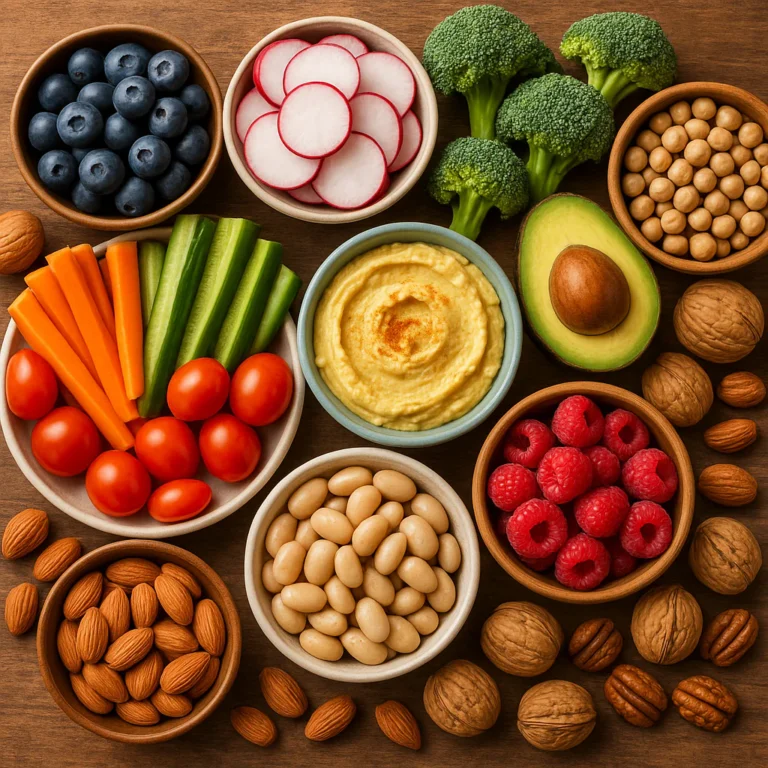
| Nuts and seeds | Toppings, dressings, pesto, snacks |
| Edame | Noodle bowls, salads, quick sides |
| Seitan | Stir-fries, sandwiches, and hearty entrées, if gluten is suitable |
Beans and peas are recognized as both vegetable and protein choices in the USDA’s MyPlate guidance. That’s a useful reminder that chickpeas aren’t merely curry accessories. They can anchor the meal.
📚 A Brief History of Vegetarian Cooking
Vegetarian cooking isn’t a new trend invented by a very enthusiastic food blogger with a spiralizer. Plant-based traditions have long been part of cuisines around the world, shaped by local crops, religion, economics, and culinary ingenuity.
Indian dals, Middle Eastern hummus and falafel, East Asian tofu dishes, Mexican bean-and-corn meals, and Mediterranean vegetable stews all show how legumes, grains, vegetables, herbs, and spices can make deeply satisfying food. Those traditions also offer a useful lesson for home cooks: variety and technique matter. A bean becomes something entirely different when it’s simmered with spices, mashed into a filling, or crisped in a hot pan.
Our team’s cooking rule? Borrow ideas respectfully, learn the ingredients, and don’t flatten a dish into “just a vegetarian version.” For more on plant-forward habits, see our flexitarian lifestyle resources.
🥗 How to Build a Balanced Vegetarian Meal
A balanced meal doesn’t need to be measured with a ruler. Aim for a combination of protein, fiber-rich plants, satisfying carbohydrates, and a little fat for flavor and fullness. The details depend on your appetite, activity, culture, budget, and health needs.
Protein, fiber, and healthy fats
Protein helps build and maintain body tissues, while fiber-rich foods such as beans, fruit, vegetables, and whole grains support digestive health. Unsaturated fats from nuts, seeds, avocado, and olive oil add flavor and can make meals more satisfying. The Harvard Healthy Eating Plate offers a practical visual guide to assembling meals around produce, whole grains, and healthy protein.
| Meal component | Vegetarian options | What it adds |
|---|---|---|
| Protein | Tofu, lentils, chickpeas, eggs, yogurt, tempeh | A substantial center for the meal |
| Colorful plants | Greens, tomatoes, peppers, carrots, squash | Variety, texture, and micronutrients |
| High-fiber carbohydrate | Oats, brown rice, quinoa, potatoes, whole-grain bread | Energy and staying power |
| Flavorful fat | Tahini, nuts, seeds, olive oil, avocado | Richness, crunch, and flavor |
| Bright finish | Lemon, lime, vinegar, herbs, pickles | The “why is this suddenly delicious?” effect |
Key nutrients to keep in mind
A well-planned vegetarian pattern can be nutritious, but certain nutrients deserve attention, especially if you avoid all animal products. The National Institutes of Health Office of Dietary Supplements explains that vitamin B12 occurs naturally in animal foods, while fortified foods and supplements are options for people who don’t get enough from their diet.
| Nutrient | Vegetarian-friendly sources and practical notes |
|---|---|
| Vitamin B12 | Dairy and eggs provide some; fortified foods or supplements may be needed for vegan diets. |
| Iron | Lentils, beans, tofu, pumpkin seeds, and fortified grains; pair plant iron sources with vitamin C-rich foods such as peppers or citrus. |
| Calcium | Dairy, calcium-set tofu, fortified plant beverages, and some greens. |
| Iodine | Iodized salt is a dependable option for many people; seaweed content varies widely. |
| Omega-3 fats | Chia, flax, walnuts, and some fortified foods offer plant sources. |
| Protein | Include a protein-rich food regularly; needs vary by age, body size, activity, and health. |
For personalized advice, especially during pregnancy, for children, or with a chronic condition, talk with a registered dietitian or clinician. Our flexitarian nutrition facts section covers more plant-forward nutrition basics.
Easy vegetarian meal formula
Use this four-step method when dinner plans have vanished:
- Pick a protein: canned beans, tofu, eggs, lentils, tempeh, or yogurt.
- Add a vegetable: use fresh, frozen, or roasted produce.
- Choose a base: rice, potatoes, bread, pasta, quinoa, or tortillas.
- Finish with a sauce or topping: salsa, pesto, tahini-lemon dressing, yogurt sauce, chili crisp, toasted seeds, or fresh herbs.
A rushed example: microwave brown rice, add black beans and frozen corn, top with salsa, avocado, and lime. If you’ve got five more minutes, crisp the beans in a pan with cumin. If not, the bowl still counts.
🍽️ 101 Vegetarian Meal Ideas for Breakfast, Lunch, and Dinner
The ideas below are a flexible inspiration list, not 101 rigid recipes. Mix, match, and adjust the ingredients to your household, budget, and appetite. Some contain eggs or dairy; use plant-based alternatives where that suits you.
One good outside perspective comes from Pinch of Yum’s collection of 45 reader-favorite vegetarian dinners, which describes its picks as “some of our most-loved, most-cooked, most-repeated meals.” We like that emphasis on repeatability: the best meal idea is often the one you actually want to cook again.
🍳 Quick vegetarian breakfasts and brunches
- Spinach-and-feta scrambled eggs on whole-grain toast.
- Savory oats with mushrooms, scallions, and a soft-boiled egg.
- Greek yogurt bowl with berries, oats, and pumpkin seeds.
- Peanut-butter banana overnight oats with chia.
- Black bean breakfast tacos with eggs, salsa, and avocado.
- Cottage-chese toast with tomatoes, pepper, and herbs.
- Tofu scramble with turmeric, peppers, and spinach.
- Breakfast quesadilla with eggs, black beans, and cheese.
- Apple-cinnamon oatmeal topped with walnuts.
- Vegie frittata with leftover potatoes and greens.
- Avocado and edame toast with lemon.
- Chickpea-flour pancakes with herbs and yogurt.
- Breakfast burrito with scrambled eggs, beans, and sautéed vegetables.
- Muesli with fortified soy beverage and sliced fruit.
- Mushroom-on-toast with thyme and ricotta.
🥪 Easy vegetarian lunches and meal-prep bowls
- Hummus, roasted vegetable, and spinach wrap.
- Lentil salad with cucumber, tomato, parsley, and lemon.
- Cottage cheese and roasted chickpea grain bowl.
- Peanut-sesame soba noodles with edame.
- Caprese chickpea salad with tomato, mozzarella, and basil.
- Egg salad with extra herbs in a whole-grain pita.
- White bean and rosemary toast with greens.
- Quinoa tabouleh bowl with chickpeas.
- Roasted sweet potato and black bean bowl with lime.
- Pesto pasta salad with peas and cannellini beans.
- Leftover curry in a lunch thermos with rice.
- Baked falafel pita with crunchy vegetables and yogurt sauce.
- Vegetarian sushi-style wrap with tofu, cucumber, and avocado.
- Tomato-lentil soup with whole-grain bread.
- Loaded baked potato with broccoli, beans, and yogurt.
Crunchy sushi-inspired bowls
- Build a bowl with sticky rice, tofu, edame, cucumber, avocado, and nori.
- Add sesame seeds, pickled ginger, and a little soy sauce or tamari.
- For extra crunch, add toasted onions or crispy rice.
- Make it spicy with sriracha mixed into mayonnaise or plain yogurt.
Tofu and brown rice lettuce wraps with peanut sauce
- Crumble firm tofu and pan-brown it with garlic and ginger.
- Stir in cooked brown rice, scallions, and shredded carrots.
- Whisk peanut butter, lime juice, soy sauce, warm water, and a touch of maple syrup.
- Spoon the mixture into lettuce leaves and finish with peanuts or sesame seeds.
Roasted cauliflower hummus bowls
- Roast cauliflower florets with cumin, paprika, olive oil, and salt.
- Spread hummus in a bowl, then add cauliflower, chopped tomatoes, and parsley.
- Add chickpeas or quinoa if you want a heartier, higher-protein bowl.
- Finish with lemon and toasted seeds.
Chipotle tahini grain bowls
- Combine cooked grains, black beans, roasted vegetables, and greens.
- Thin tahini with lime, water, and chipotle powder.
- Spoon the dressing over the bowl and add pumpkin seeds for crunch.
Mushroom bowls with kale pesto
- Sear sliced mushrooms until browned rather than crowding them in the pan.
- Serve with rice, roasted peppers, and a spoonful of kale pesto.
- Add tempeh or white beans if you want more protein.
Lemongrass vermicelli salad
- Cook rice vermicelli according to the packet instructions and rinse as directed.
- Toss with cucumber, carrot, herbs, and pan-fried tofu.
- Dress with lime, lemongrass, soy sauce, and a little sugar or maple syrup.
- Finish with crushed peanuts; check sauces if you need a gluten-free meal.
Couscous salad with lime-basil vinaigrette
- Toss couscous with roasted sweet potato, black beans, spinach, and feta.
- Shake lime juice, olive oil, chopped basil, and pepper into a quick vinaigrette.
- For a gluten-free variation, use quinoa instead of couscous.
Layered beet salad
- Layer cooked bets, orange segments, greens, toasted pistachios, and mint.
- Add ricotta or a plant-based alternative, if desired.
- Dress with lemon, olive oil, and black pepper.
🍜 Cozy vegetarian soups, stews, and curries
- Smoky red lentil soup with spinach and lemon.
- Instant Pot wild rice and mushroom soup with carrots and celery.
- Pinto bean soup with tomatoes, cumin, and jalapeño corn friters.
- Thai coconut soup with tofu, vegetables, rice, and lime.
- Creamy sweet potato curry with chickpeas and greens.
- Red curry lentils with coconut milk and brown rice.
- Plantain and pinto bean stew with tomatoes and kale.
- Chickpea and spinach curry with rice and cucumber salad.
- Coconut curry ramen with tofu and vegetables.
- White bean and kale soup with rosemary.
- Miso vegetable soup with tofu and soba.
- Tomato and butter bean stew with crusty bread.
- Lentil chili with corn and avocado.
- Peanut stew-inspired sweet potato and chickpea pot with greens.
- Split pea soup with carrots and smoked paprika.
Smoky red lentil soup with spinach
Red lentils soften quickly, making this a weeknight-friendly soup. Sauté onion, carrot, garlic, and smoked paprika; add rinsed red lentils and vegetable broth; simmer until tender; then stir in spinach and lemon. A spoonful of coconut milk makes it creamy, but it’s optional.
Cook’s tip: Lentils absorb liquid as they sit. Keep extra broth nearby if you’re making the soup ahead.
Instant Pot wild rice and vegetable soup
Sauté onion, celery, carrots, and mushrooms; add wild rice, broth, herbs, and beans if you want a heartier bowl. Cook according to your pressure cooker’s manual and the rice package guidance. Add greens after cooking so they stay bright.
Pinto bean soup with jalapeño corn friters
Blend some of the beans into the broth for a velvety texture, leaving the rest whole. Top with quick corn friters or simply add roasted corn, yogurt, and chopped cilantro. The friter route is fun; the corn-kernel route is what we recommend on a Tuesday when nobody wants another pan.
Thai coconut soup with tofu and rice
Simer coconut milk with vegetable broth, ginger, garlic, and a vegetarian curry paste. Add vegetables and tofu, then finish with lime. Check the curry paste label: some products may contain fish or shrimp ingredients.
Creamy Thai sweet potato curry
Simer sweet potato cubes, chickpeas, coconut milk, and curry paste until tender. Stir in spinach at the end and serve with rice. Balance the richness with lime juice and fresh herbs.
Instant Pot red curry lentils
Combine rinsed lentils, broth, aromatics, and curry paste, following your pressure cooker’s manual for timing and liquid requirements. Finish with coconut milk and lemon or lime. If pressure cooking is new to you, follow the manufacturer’s instructions rather than improvising with fill levels.
Plantain and pinto bean stew
Brown ripe plantain pieces, then simmer them with pinto beans, tomatoes, cumin, and greens. The plantain gives the stew a sweet, mellow counterpoint to smoky spices. Add a bright herb sauce or a squeeze of lime just before serving.
Chickpea curry with spinach and rice
For a quick dinner, cook onion and curry spices in oil, add chickpeas and tomatoes, then simmer briefly. Fold in spinach and serve with rice and cooling cucumber. Canned chickpeas make this a pantry-friendly meal, but rinse them first if you want to reduce some of the added sodium.
Coconut curry ramen
Sauté vegetables, then add broth, coconut milk, and a spoonful of vegetarian curry paste. Simer noodles in the broth if the package directions allow, or cook separately and combine. Add tofu or edame for a more filling bowl.
🍝 Vegetarian pasta, noodles, and gnochi
- Creamy roasted red pepper pasta with blistered tomatoes.
- Gnochi with garlicky mushrooms and thyme.
- Baked three-chese gnochi with spinach.
- Spaghetti with crispy zucchini and herbs.
- Tomato lasagna Florentine with spinach and ricotta.
- Black pepper udon with vegetables and tofu.
- Miso-peanut ramen with crisp tofu.
- Pearl couscous skillet with tomatoes, chickpeas, and feta.
- One-pan faro with tomatoes, kale, and white beans.
- Greek baked orzo with peppers, greens, lemon, and chickpeas.
- Pesto tortellini with peas and broccoli.
- Lemon-garlic pasta with cannellini beans and arugula.
- Macaroni with roasted cauliflower and sharp cheddar.
- Soba noodle stir-fry with edame and sesame.
- Spinach-and-ricotta stuffed shells with tomato sauce.
Creamy roasted red pepper pasta with blistered tomatoes
Blend roasted red peppers with garlic, a splash of pasta water, and a little olive oil or cream. Toss with pasta, then top with blistered cherry tomatoes, basil, and black pepper. Add white beans for a simple protein boost.
Gnochi with creamy mushroom sauce
Brown mushrooms in a wide pan until their moisture cooks off. Add garlic, thyme, and a splash of broth or cream, then toss with cooked gnochi. Give mushrooms room to brown; crowding makes them steam instead.
Three-chese baked gnochi with spinach
Stir shelf-stable or refrigerated gnochi into tomato sauce with wilted spinach. Top with mozzarella, ricotta, and Parmesan, then bake until bubbling. Check Parmesan and other cheeses if you avoid animal rennet.
Spaghetti with crispy zucchini
Slice zucchini, coat it lightly in seasoned breadcrumbs, and bake or pan-fry until crisp. Serve over spaghetti with tomato sauce or lemony olive oil, then add herbs and grated cheese. For an easier weeknight version, roast the zucchini on a tray while the pasta cooks.
Creamy tomato lasagna Florentine
Layer noodles with tomato sauce, spinach, ricotta, and mozzarella. Bake until tender and bubbling. Pair with a green salad; the lasagna brings plenty of comfort, so the salad can be crisp and simple.
Black pepper stir-fried udon
Stir-fry vegetables and tofu, then add udon with soy sauce, garlic, and plenty of black pepper. This is a good “use up the fridge” dinner. Use tamari and check noodle ingredients if you need gluten-free options.
Miso-peanut ramen bowls
Whisk miso, peanut butter, and hot broth into a savory sauce. Add cooked noodles, tofu, and vegetables. Choose vegetarian-certified miso and broth if you’re avoiding animal-derived ingredients.
Pearl couscous skillet with tomatoes, chickpeas, and feta
Toast pearl couscous briefly, add broth and chopped tomatoes, and simmer until tender. Stir in chickpeas and greens; finish with feta and herbs. Pearl couscous is wheat-based, so it isn’t gluten-free.
One-pan faro with tomatoes and kale
Simer faro with tomatoes, onion, garlic, and broth until tender, adding chopped kale near the end. White beans make it more substantial. Faro contains gluten; use quinoa or brown rice if you need a gluten-free substitute.
Greek baked orzo
Bake orzo with tomato, peppers, greens, broth, and chickpeas, then finish with feta, dill, and lemon. Read the recipe carefully if adapting one that calls for chicken; replace the meat and broth rather than simply omitting them.
🌮 Vegetarian tacos, wraps, and handheld meals
- Crispy black bean tacos with cilantro-lime sauce.
- Roasted corn and fried egg tacos with refried beans.
- Smoky black bean and greens tacos with aji verde.
- Shredded Brussels sprouts tacos with corn and black beans.
- Cauliflower-black bean tostadas with queso and pickled onion.
- Cauliflower-walnut taco filling with chipotle and cumin.
- Sheet-pan fajitas with peppers, onions, mushrooms, and chipotle cashew sauce.
- Tofu-and-bean crunchwraps with salsa and crunchy lettuce.
- Firecracker tofu lettuce wraps with noodles and sesame sauce.
- Portobello French dip sandwiches with horseradish sauce.
Crispy black bean tacos with cilantro-lime sauce
Mash black beans with cumin, smoked paprika, and a little salsa. Fill tortillas, fold, and toast in a lightly oiled pan until crisp. Blend yogurt or sour cream with cilantro and lime for a cool, punchy sauce.
Roasted corn and fried egg tacos
Fill warm tortillas with refried beans and roasted corn. Add a fried egg, cilantro, pickled onion, and salsa. For a vegan version, use seasoned tofu or extra beans instead of egg.
Smoky beans-and-grens tacos with aji verde
Warm black beans with garlic, cumin, and smoked paprika. Add chopped kale and cook until tender. Serve in chared tortillas with a bright green sauce made from herbs, lime, and yogurt or avocado.
Brussels sprouts tacos
Shred Brussels sprouts and sauté until tender with crisped edges. Add black beans, corn, and jalapeño; serve with cilantro and lime. If sprouts taste too strong, a little acid and sweetness can bring the flavors into balance.
Cauliflower-black bean tostadas with queso and pickled onion
Roast cauliflower with chili powder and cumin. Add black beans, queso, and quick-pickled red onion to crisp tortillas. The sharp onion is more than decoration: it cuts through the creamy toppings.
Cauliflower-walnut vegetarian taco filling
Pulse cauliflower and walnuts into small, crumbly pieces, season with cumin and chipotle, and roast until browned. Don’t over-process: you want taco “meat” texture, not a sad beige paste.
Vegan sheet-pan fajitas with chipotle queso
Roast peppers, onions, and sliced mushrooms with fajita seasoning. Make a quick sauce by blending soaked cashews with lime, chipotle, and water until smooth. Serve with tortillas, beans, and avocado.
Vegan crunchwrap supreme
Layer seasoned tofu or beans, salsa, crisp tortilla, lettuce, and a creamy cashew sauce inside a large tortilla. Fold the edges toward the center and toast seam-side down. The folding takes practice; the first one may look like a map of a small, delicious country.
Firecracker tofu lettuce wraps
Crisp tofu cubes in a pan or air fryer, then toss with a sweet-spicy sauce. Serve in lettuce leaves with rice noodles, cucumber, and sesame. Keep the sauce separate if packing for lunch so the lettuce stays crisp.
Portobello French dip with horseradish aioli
Sear portobello caps with garlic and herbs, then serve on a roll with caramelized onions and vegetarian dipping broth. Add horseradish aioli for contrast. Check the broth label: traditional versions often contain beef.
🍛 Flavor-packed tofu and tempeh dinners
Tofu is mild and adaptable; tempeh is firmer and more assertive. Both benefit from bold seasoning, and neither needs to be bland unless it has been tragically left alone with plain water.
Crispy buffalo tofu with Caesar salad
Press firm tofu, tear or cube it, coat lightly, and bake or air-fry until crisp. Toss with buffalo sauce and serve with romaine or kale Caesar salad. Use vegetarian Parmesan and a Caesar dressing without anchovies if that matters to you.
Sticky gochujang tofu with herbs and peanuts
Crisp tofu, then coat it with a sauce of gochujang, soy sauce, rice vinegar, and a little sweetener. Finish with herbs and peanuts. Gochujang brands vary in heat and ingredients; start with less if spice is not your hobby.
Sesame-apricot tofu
Pan-sear tofu until golden. Stir together apricot preserves, soy sauce, rice vinegar, and sesame oil; add to the pan and simmer until glossy. Pair with broccoli and rice to turn it into a complete meal.
Spicy peanut tofu bowls
Bake or pan-fry tofu, roast vegetables, and serve over rice with peanut-lime sauce. For a meal-prep version, store the sauce separately and add it just before eating.
Spicy sofritas tofu
Crumble tofu and cook with onion, garlic, cumin, smoked paprika, and chipotle. Spoon into burrito bowls or tacos with beans, rice, salsa, and lettuce. Adjust the heat with mild salsa or extra lime.
🫘 Easy vegetarian dinners with beans and lentils
Beans and lentils are budget-friendly, pantry-ready, and remarkably good at absorbing flavor. If you’re new to cooking them, canned legumes are a convenient starting point; dried beans are economical too, but need planning and safe, thorough cooking.
Harissa chickpeas with whipped feta
Simer chickpeas in a tomato sauce with harissa, garlic, and cumin. Blend feta with yogurt or lemon until creamy, then serve the chickpeas over it with warm flatbread and cucumber. For a dairy-free option, use hummus or a tahini sauce.
30-minute vegetarian meatballs
Mix cooked lentils or beans with breadcrumbs, cooked grains, garlic, herbs, and seasoning. Shape into balls and bake or pan-sear until firm and browned. They work in marinara, grain bowls, or sandwiches. If you want a tested formula, use a reliable recipe and follow its binder and cooking directions; improvising moisture levels can make meatballs crumble.
Vegetarian shepherd’s pie
Cook lentils, mushrooms, carrots, peas, and onion in a savory gravy. Cover with mashed potatoes and bake until golden. Use vegetable broth, and taste the filling before it goes under the potato blanket; that’s the last easy moment to adjust the seasoning.
🥘 One-pan vegetarian dinners and sheet-pan meals
One-pan dinners are excellent for busy evenings, but “one pan” doesn’t mean “throw everything in together and hope.” Ingredients cook at different speeds. Start with the sturdy ingredients, then add quick-cooking vegetables near the end.
Try these combinations:
- Sheet-pan tofu, broccoli, and sweet potato: roast the sweet potato first, then add tofu and broccoli.
- Tomato-chickpea skillet: simmer chickpeas in crushed tomatoes with garlic and greens; serve with bread.
- One-pan pasta: cook pasta in a measured amount of broth and tomato with vegetables, stirring as it softens.
- Roasted vegetables and halloumi: roast sturdy vegetables first, adding halloumi later so it browns without drying out.
- Faro, kale, and white beans: simmer the grain, fold in greens and beans, then finish with lemon.
- Fajita tray bake: roast peppers, onions, mushrooms, and tofu; serve with tortillas and salsa.
- Crispy gnochi tray bake: roast shelf-stable gnochi with tomatoes, peppers, and chickpeas.
- Stuffed sweet potatoes: roast potatoes, then top with black beans, corn, yogurt, and salsa.
Our first-video inspiration fits neatly here: the featured cook demonstrates a direct-to-pan pasta method with cherry tomatoes, peppers, and zucchini, plus quick filo pie and Indian dosa techniques. The central idea is worth borrowing: “one thing flavors another, one thing cooks into another.” Watch the featured video for that broader perspective on cooking vegetables with character.
🍔 Vegetarian comfort food and family favorites
Vegetarian comfort food can be cozy without becoming a cheese delivery system. Try:
- Mushroom stroganoff with crème fraîche or plain Greek yogurt stirred in off the heat.
- Baked mac and cheese with peas, broccoli, or roasted cauliflower.
- Vegetarian chili with kidney beans, black beans, tomatoes, and corn.
- Spinach-and-feta filo pie using ready-made filo pastry.
- Mushroom shawarma-style wraps with spices, tahini, and crunchy salad.
- Tofu burgers with smoky seasoning, lettuce, tomato, and a whole-grain bun.
- Loaded potato wedges with lentil chili and yogurt.
- Vegetarian pizza with peppers, olives, mushrooms, and white beans.
- Eggplant Parmesan with a crisp coating and tomato sauce.
- Paner tika masala with rice and cucumber salad.
The first video’s cook puts it memorably: “Vegie food should never be a compromise.” We agree. Mushrooms can become a deeply savory stroganoff or shawarma-style filling; tofu can take on a bold burger seasoning; dosa batter can bring a crisp, fermented edge. A video summary describes a 15-hour dosa fermentation, but at home, follow a trusted recipe’s specific instructions for fermentation and food safety rather than guessing at timing or temperature.
⏱️ Quick vegetarian meals ready in 30 minutes
A quick dinner needs shortcuts, not apologies. Keep a few components ready and assemble them in different ways:
| Shortcut | What to keep handy | Quick dinner |
|---|---|---|
| Pantry protein | Canned chickpeas, black beans, lentils | Curry, tacos, skillet bowls |
| Fast grain | Couscous, microwave brown rice, quick-cooking quinoa | Grain bowls and salads |
| Quick greens | Frozen spinach, baby kale, frozen peas | Pasta, soup, scrambled eggs |
| Ready flavor | Salsa, pesto, curry paste, tahini | Instant sauce without a culinary committee meeting |
| Crisp topping | Peanuts, seeds, breadcrumbs, fried onions | Texture in seconds |
Five dinner templates:
- Chickpea curry: sauté curry paste, add chickpeas and tomatoes, fold in spinach, serve with rice.
- Black bean tacos: season beans, warm tortillas, top with slaw, salsa, and yogurt.
- Peanut tofu noodles: crisp tofu, toss with noodles and peanut-lime sauce.
- Pesto bean pasta: stir pesto and white beans into pasta with peas.
- Loaded baked potato: microwave or bake potatoes, then top with beans, broccoli, and yogurt.
The 20-minute chickpea curry highlighted in Pinch of Yum’s vegetarian dinner collection is a good example of how pantry staples and a clear flavor direction can make a meatless meal feel complete. Actual timing depends on your equipment, prep, and whether your rice is already cooked.
💸 Budget-friendly vegetarian meal ideas
Eating more vegetarian meals doesn’t require specialty powders, a drawer full of unfamiliar sauces, or a refrigerator that looks like a farmers’ market display. Build meals around affordable staples and buy produce you’ll actually use.
| Budget staple | Why it earns a place in the pantry | Use it in |
|---|---|---|
| Dried or canned beans | Versatile protein and fiber source | Chili, soups, tacos, salads |
| Lentils | Quick-cooking and adaptable | Curry, pasta sauce, patties |
| Oats | Filling breakfast staple | Porridge, overnight oats, savory oats |
| Rice | Long-lasting base for many meals | Bowls, curry, fried rice |
| Frozen vegetables | Convenient, less prep, longer-lasting | Stir-fries, soups, pasta |
| Canned tomatoes | Reliable base for sauces and stews | Shakshuka-style eggs, chili, curry |
| Eggs | Flexible vegetarian protein for those who eat them | Frittatas, tacos, fried rice |
Our budget-friendly routine:
- Plan a few meals that share ingredients, such as spinach in pasta, curry, and eggs.
- Use frozen vegetables when fresh options are expensive or likely to spoil.
- Choose store-brand canned beans and tomatoes when the ingredient list suits you.
- Cook a pot of grains and a pot of beans or lentils for flexible meals.
- Shop seasonally and compare unit pricing without buying more than you can use.
- Use leftovers safely and refrigerate them promptly; see the USDA food-safety guidance.
For more practical shopping strategies, visit our flexitarian food shopping tips.
🗓️ Vegetarian meal prep: make-ahead meals and freezer tips
Meal prep works best when you prep components, not seven identical tubs of a meal you resent by Wednesday.
A flexible one-hour prep session
- Choose two bases: for example, rice and roasted potatoes.
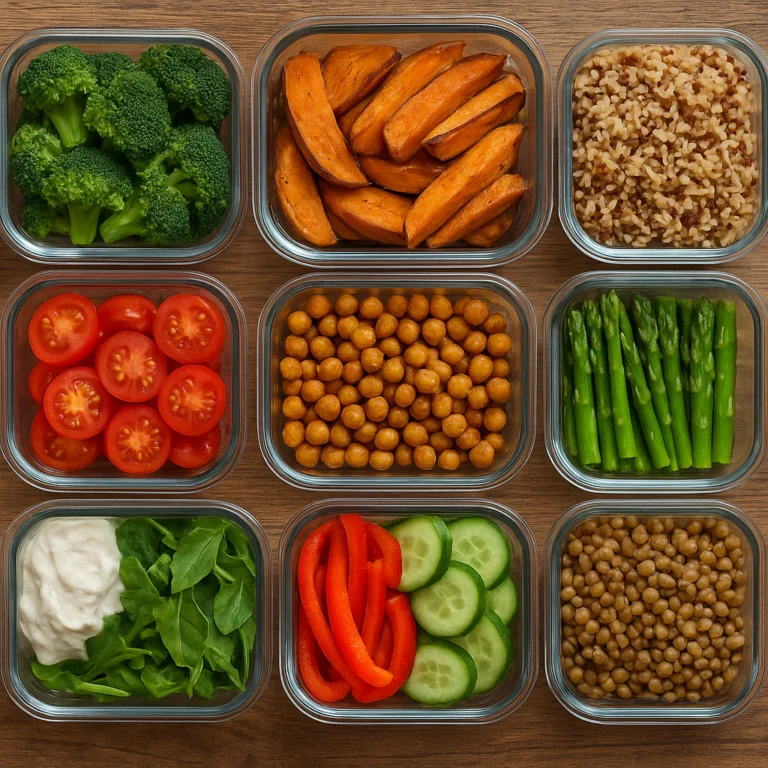
- Prepare two proteins: cook lentils and bake tofu, or boil eggs and make a bean salad.
- Roast a tray of vegetables: use sturdy options such as carrots, cauliflower, peppers, or sweet potatoes.
- Make one sauce: tahini-lemon, cilantro-yogurt, or peanut-lime.
- Wash and chop sturdy produce: carrots, cabbage, and cucumbers are easier to use when ready.
- Store components separately: assemble bowls, wraps, and salads throughout the week.
| Component | Good make-ahead uses | Storage tip |
|---|---|---|
| Cooked grains | Bowls, salads, quick stir-fries | Cool promptly and refrigerate safely |
| Lentils and beans | Soup, tacos, salads, pasta | Label containers and use within safe storage guidance |
| Roasted vegetables | Wraps, bowls, pasta, eggs | Keep sauce separate to protect texture |
| Peanut or tahini sauce | Bowls, noodles, wraps | Store chilled; loosen with water as needed |
| Soup and chili | Freezer meals and quick lunches | Freeze in meal-sized containers |
The USDA’s leftovers advice recommends refrigerating perishable foods promptly and following safe storage and reheating practices. Don’t leave cooked food sitting out for hours just because it’s “plant-based”—food-safety rules still apply.
Freezer-friendly favorites: lentil chili, bean soup, curry, vegetarian meatballs, and tomato sauce. For best texture, freeze delicate greens and crunchy salad ingredients separately.
🛒 Vegetarian grocery list and pantry staples
You don’t need every item below. Treat this as a pick-and-choose list for dependable vegetarian meals.
| Category | Useful options |
|---|---|
| Beans and lentils | Chickpeas, black beans, cannellini beans, lentils, split peas |
| Protein foods | Firm tofu, tempeh, eggs, Greek yogurt, edame |
| Grains and starches | Brown rice, quinoa, oats, pasta, potatoes, tortillas |
| Vegetables | Onions, garlic, carrots, cabbage, leafy greens, broccoli |
| Frozen produce | Peas, spinach, corn, mixed vegetables, berries |
| Pantry flavor | Canned tomatoes, tomato paste, coconut milk, vegetable broth |
| Seasonings | Cumin, smoked paprika, curry powder, chili flakes, oregano |
| Sauces and extras | Soy sauce or tamari, mustard, tahini, peanut butter, salsa |
| Finishing touches | Lemons, limes, fresh herbs, nuts, seeds, pickles |
For packaged foods, scan the ingredient list for animal-derived broth, gelatin, fish sauce, or cheeses made with animal rennet if those ingredients don’t fit your preferences. Shopping gets easier once you know which ingredients are useful to you. Our food shopping tips can help you build a pantry without overbuying.
🌾 Vegetarian meals for different diets and needs
High-protein vegetarian meals
Include a protein-rich ingredient rather than assuming vegetables alone will do the job. High-protein meal ideas include:
- Tofu and edame stir-fry with brown rice.
- Lentil curry with Greek yogurt or fortified soy yogurt.
- Black bean tacos with eggs or extra beans.
- Tempeh grain bowls with peanut sauce.
- Chickpea pasta with vegetables and ricotta.
- Cottage cheese toast with roasted vegetables.
- Seitan and vegetable stir-fry, if gluten is suitable.
Protein requirements differ across people and life stages. The USDA Dietary Reference Intakes overview can help explain how needs are assessed; for an individualized target, ask a dietitian or clinician.
Gluten-free vegetarian meals
Naturally gluten-free options include rice bowls, bean soups, baked potatoes, lentil curry, corn-tortilla tacos, quinoa salads, and tofu stir-fries. Check packaged sauces, broth, spice blends, and meat alternatives, because gluten can appear in unexpected places. Use tamari labeled gluten-free when appropriate; regular soy sauce often contains wheat.
Dairy-free and vegan vegetarian meals
Swap dairy for ingredients that bring their own useful qualities:
- Use coconut milk in curry for richness.
- Blend cashews or white beans into creamy sauces.
- Choose fortified soy beverage or yogurt for a plant-based option with protein.
- Add nutritional yeast for a savory, cheesy flavor.
- Replace feta with olives, toasted seeds, or a dairy-free alternative.
Not all plant beverages are nutritionally equivalent. Check labels fortification and protein content, particularly if they’re a regular milk replacement.
Kid-friendly vegetarian meals
For children, familiar shapes and choose-your-own toppings can help. Try taco bars, pasta with lentil tomato sauce, baked potato toppings, mild chickpea curry, mini tofu skewers, or quesadillas with beans and vegetables.
A nutrition tip from our dietitian team: keep the meal low-pressure. Offer a familiar food alongside something new, and let children decide whether to taste it. Children have different energy and nutrient needs from adults, so caregivers with concerns about growth, allergies, or restrictive eating should speak with a pediatric clinician or registered dietitian.
🍳 Essential cooking tips for better vegetarian meals
1. Brown ingredients for deeper flavor
Pat tofu dry, heat the pan, and avoid crowding mushrooms. Browning builds savory flavor and better texture.
2. Season in layers
Add salt and spices at more than one stage, then taste at the end. A bland dish often needs acid, salt, or aromatics—not another cup of cheese.
3. Use acid to brighten rich food
Lemon, lime, vinegar, and pickled vegetables can wake up creamy sauces, beans, and roasted vegetables.
4. Make texture a priority
Pair soft foods with a crisp or crunchy finish: toasted nuts, breadcrumbs, seeds, fresh cabbage, or crispy chickpeas.
5. Give vegetables the right cooking time
Hard vegetables need longer than spinach. Roast potatoes or carrots first; add delicate greens near the end.
6. Read labels when vegetarian ingredients matter
Some broths contain meat, pesto may include non-vegetarian cheese, and sauces can contain fish ingredients. The FDA’s guide to reading food labels is useful for packaged-food basics, though ingredient checks remain essential for dietary restrictions.
7. Don’t mistake meat substitutes for a requirement
Plant-based burgers and sausages can be convenient, but everyday meals can also lean on beans, lentils, tofu, eggs, nuts, and whole grains. The best choice depends on your taste, budget, and nutrition needs.
The cook in the featured video makes a similar case for variety: mushrooms can be seasoned and skewered for a shawarma-style dish; aubergine can be salted, pounded, and breaded for a creamy inside and crisp exterior; and a one-pan pasta can cook directly in its sauce. The lesson is not that every dinner needs a clever trick. It’s that technique can make familiar vegetables feel new.
❓ Vegetarian meal ideas: frequently asked questions
What are some creative vegetarian meal prep ideas for the week?
Prep versatile components instead of one large batch of identical meals: cook grains, roast vegetables, prepare lentils or tofu, and make one sauce. Then turn them into a grain bowl, wrap, salad, or quick skillet. Keep wet toppings separate until serving to preserve texture.
Can you suggest whole food vegetarian snacks to keep energy up?
Try fruit with peanut butter, plain yogurt with berries, edame, hummus with vegetables, roasted chickpeas, a boiled egg with whole-grain toast, or a small handful of nuts with fruit. Combine a carbohydrate with protein or fat when you want a more substantial snack.
What are quick and nutritious vegetarian lunch ideas for work?
Pack a lentil salad, chickpea grain bowl, bean-and-chese quesadilla, hummus wrap, peanut noodles with edame, or leftover soup in a thermos. For food safety, keep perishable lunches properly chilled or hot and follow USDA storage guidance.
How do I get enough protein in a mostly vegetarian diet?
Include a protein-rich food at meals: beans, lentils, tofu, tempeh, eggs, dairy, edame, nuts, or seeds. You don’t need to combine specific plant proteins at every sitting; aim for variety across the day. Personal needs vary, so consult a registered dietitian for a tailored target.
What are healthy vegetarian dinner recipes using seasonal vegetables?
Use seasonal produce in simple templates: roast squash with chickpeas and tahini, stir-fry spring greens with tofu, make tomato-and-white-bean stew in summer, or simmer root vegetables with lentils in colder months. Pair produce with a protein and a satisfying grain or potato.
How can I create balanced vegetarian meals with whole foods?
Start with a protein source, add vegetables or fruit, choose a whole grain or starchy vegetable, and finish with a flavorful fat or sauce. A useful example is lentils, brown rice, roasted broccoli, and lemon-tahini dressing.
How do I plan a vegetarian meal on a budget?
Build your menu around inexpensive staples such as oats, rice, lentils, beans, potatoes, eggs, and frozen vegetables. Choose meals that share ingredients, use leftovers safely, and shop with a short list. Canned beans are convenient; dried beans can be economical when you have time to cook them.
What are some healthy vegetarian breakfast ideas to start the day?
Try overnight oats with yogurt or fortified soy yogurt, eggs with beans and vegetables, tofu scramble, Greek yogurt with fruit and seeds, or savory oats with mushrooms. A breakfast with protein and fiber may be more satisfying than a pastry alone.
Can a vegetarian diet help with weight loss?
A vegetarian pattern may support weight management for some people, especially when it emphasizes vegetables, legumes, whole grains, and minimally processed foods. It doesn’t guarantee weight loss: portions, overall eating patterns, activity, sleep, health conditions, and individual needs matter. Avoid restrictive dieting without clinical guidance.
What’s a reliable way to make tofu taste good?
Press or pat firm tofu dry, brown it in a hot pan or oven, and season it with a sauce that has contrast: salty soy sauce, acidic lime or vinegar, and a little sweetness or spice. Add sauce after browning so the tofu can develop a crisp surface first.
Are frozen vegetables as useful as fresh vegetables?
Yes. Frozen vegetables are convenient, reduce prep, and can be a practical way to keep produce available. Use them in soups, curries, pasta, omelets, and stir-fries. Cooking method and product quality affect texture, but frozen vegetables absolutely belong in a healthy meal plan.
Which vegetarian ingredients should I check on food labels?
Depending on your preferences, check for meat or fish broth, fish sauce, gelatin, animal-derived rennet, and hidden animal ingredients in sauces or packaged foods. People with allergies or celiac disease should also review allergen statements and ingredient lists carefully.
What’s an easy vegetarian dinner for someone who dislikes vegetables?
Start with familiar formats and mix vegetables into foods you already enjoy: blend roasted red pepper into pasta sauce, add spinach to gnochi, tuck beans and corn into quesadillas, or serve roasted vegetables with a favorite dip. Try different cooking methods—crisp, roasted, or finely chopped—rather than assuming one texture will work for everyone.