Support our educational content for free when you buy through links on our site. Learn more
What Do the 5 Blue Zones Have in Common? 9 Secrets to Longevity Revealed! 🌿


Ever wondered why some places on Earth seem to be sprinkled with the secret sauce of super-longevity? The 5 Blue Zones—those rare pockets where people routinely live past 100—aren’t just lucky spots on the map. They share a fascinating set of lifestyle habits, diets, and social rituals that science is only beginning to fully understand. From the sun-dappled hills of Sardinia to the peaceful shores of Okinawa, these communities offer a blueprint for living not just longer, but better.
In this article, we’ll unpack the Power Nine habits that unite these longevity hotspots, dive into their mostly plant-based diets, explore how they naturally move without hitting the gym, and reveal how you can bring these life-extending secrets into your own daily routine. Curious about how a simple afternoon nap or a glass of red wine might add years to your life? Stick around—we’ve got the inside scoop from our team of flexitarian cooks, dietitians, and health coaches who’ve tested these principles firsthand.
Key Takeaways
- The 5 Blue Zones share 9 key lifestyle habits including natural movement, plant-heavy diets, strong social bonds, and purposeful living.
- Beans and legumes are the dietary cornerstone across all Blue Zones, supporting gut health and longevity.
- Stress reduction rituals like naps, prayer, or meditation are daily staples that help keep cortisol in check.
- Social connections, such as Okinawa’s moais, provide emotional support and accountability, boosting lifespan by up to 50%.
- You don’t need to move to a remote island to benefit—small, intentional changes can bring Blue Zone principles to your home and community.
Ready to unlock the secrets of the world’s longest-lived people? Let’s dive in!
Table of Contents
- ⚡️ Quick Tips and Facts About the 5 Blue Zones
- 🌍 The Origins and Discovery of the Blue Zones: A Longevity Hotspot History
- 🔍 What Are the 5 Blue Zones? Exploring the Longevity Regions
- 💪 The ‘Power Nine’: 9 Key Lifestyle Habits Shared by Blue Zones Residents
- 🥗 Blue Zones Diet Secrets: What Do They Eat and Drink?
- 🏃 ♂️ Movement and Activity: How Blue Zones Residents Stay Naturally Fit
- 🧘 ♀️ Stress Management and Mental Wellness in Blue Zones
- 👨 👩 👧 👦 Social Connections and Community: The Secret Sauce of Longevity
- 🌿 Environmental and Cultural Factors That Shape Blue Zones
- 🔬 Scientific Insights: What Research Tells Us About Blue Zones’ Longevity
- 🏡 How to Bring Blue Zones Principles Into Your Own Life
- 📊 Comparing Blue Zones: Similarities and Surprising Differences
- 🥳 Celebrating Longevity: Fun Facts and Anecdotes From Blue Zones
- 🛒 Recommended Products and Resources Inspired by Blue Zones
- 🔚 Conclusion: What the 5 Blue Zones Teach Us About Living Long and Well
- 🔗 Recommended Links for Further Exploration
- ❓ FAQ: Your Burning Questions About Blue Zones Answered
- 📚 Reference Links and Scientific Sources
⚡️ Quick Tips and Facts About the 5 Blue Zones
- Blue Zones are the only places on earth where folks reach 100 at ten-fold U.S. rates—and they do it without bio-hacking gadgets or kale-by-the-truckload cleanses.
- Residents eat 95 % plants, move every 20 minutes, and schedule “forget-to-die” naps—no gym membership required.
- Ikigai (Okinawa) and plan de vida (Nicoya) aren’t woo-woo buzzwords; they add up to 7–8 extra birthdays.
- Red-wine-at-5 is a ritual, not a happy-hour splurge—Cannonau in Sardinia has three-times the artery-scrubbing polyphenols of other reds.
- Moais—Okinawan social squads—make sure you never eat, walk, or stress alone; think group-text accountability, analog style.
- You can “Blue-Zone” your own zip code with tweaks to kitchen, calendar, and couch—no passport stamp needed.
Flexitarian Diet™ pro tip: start with one plant-slant meal a day and a 20-minute post-lunch stroll; your telomeres will high-five you.
🌍 The Origins and Discovery of the Blue Zones: A Longevity Hotspot History

Back in 1999, Dan Buettner and a band of demographers circled regions on a world map where centenarians clustered like fireflies. They colored them blue ink—hence “Blue Zones.” The first three blobs: Sardinia’s highlands, Okinawa’s islands, and Loma Linda’s Adventist enclave. Later, Ikaria (Greece) and Nicoya (Costa Rica) crashed the 100-year-old party.
The kicker? Genetics only account for ~25 % of their life span (source); the rest is lifestyle choreography—food, friends, and daily groove.
🔍 What Are the 5 Blue Zones? Exploring the Longevity Regions
| Region | Signature Food | Longevity Stat | Cultural Quirk |
|---|---|---|---|
| Okinawa, Japan | Purple sweet potato, miso, turmeric tea | World’s longest-lived women | Ikigai = “reason to wake up” |
| Ikaria, Greece | Wild greens, olive oil, red wine | 1 in 3 make it to 90 | Mountain air + afternoon siesta |
| Sardinia, Italy | Cannonau wine, fava beans, pecorino | Highest male centenarians | Shepherd steep-slope cardio |
| Nicoya, Costa Rica | Black beans, corn tortillas, tropical fruit | 2.5× chance of reaching 90 | Plan de vida = life plan |
| Loma Linda, CA | Avocado, oats, beans, nuts | Adventists live 10 years longer | Sabbath digital detox |
💪 The ‘Power Nine’: 9 Key Lifestyle Habits Shared by Blue Zones Residents
- Move Naturally – No treadmill marathons; they garden, knead bread, and walk to the market.
- Know Your Purpose – Purpose = +7 years of life expectancy.
- Downshift – Daily prayer, naps, or ancestor remembrance drops stress hormones.
- 80 % Rule – “Hara hachi bu” (Okinawan mantra) stops eating when stomach is 80 % full.
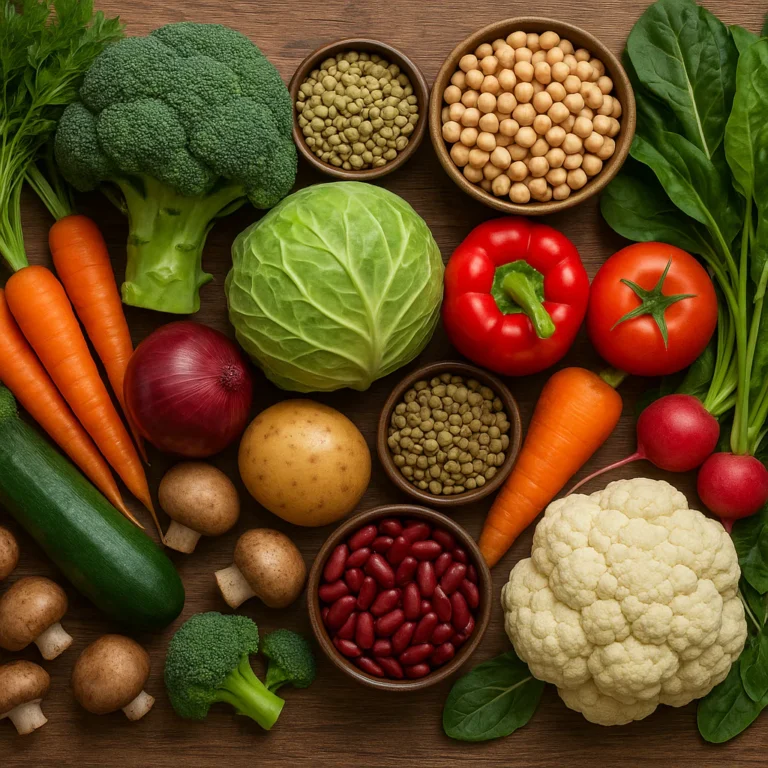
- Plant Slant – Beans are the corner-stone; meat is a side-dish condiment ~5×/month.
- Wine @ 5 – 1–2 glasses, with friends and food; no solo chugging.
- Belong – Faith-based community = 4–14 year bonus.
- Loved Ones First – Multi-generational homes keep grandma walking and you humble.
- Right Tribe – Moai social circles commit to healthy habits for life.
🥗 Blue Zones Diet Secrets: What Do They Eat and Drink?
Daily Staples Table (What’s in the Pantry?)
| Food Group | % of Plate | Flexitarian Swap |
|---|---|---|
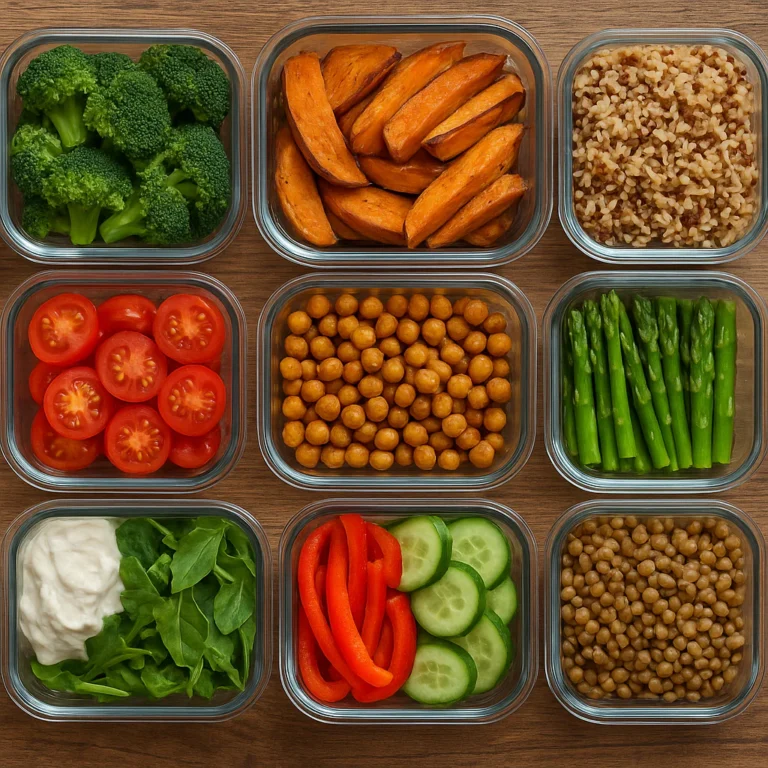
| Beans & Legumes | 1 cup/day | Lentil tacos, hummus toast |
| Vegetables | 5–7 cups | Roasted rainbow veggies |
| Whole Grains | ½ cup per meal | Quinoa, farro, brown rice |
| Nuts & Seeds | 2 oz | Almond-thyme crumble |
| Fruit | 3 pieces | Berry-chia pudding |
| Healthy Fats | Olive oil, tahini | Drizzle, don’t drown |
| Animal Protein | ≤5 % | Wild salmon Saturdays |
| Beverage | Water, herbal tea, red wine | Sparkling rosemary water |
Flexitarian Diet™ kitchen hack: batch-cook Sardinian chickpea-pecorino flatbread on Sunday; re-toast all week.
👉 CHECK PRICE on:
- Bob’s Red Mill Garbanzo Bean Flour – Amazon | Walmart | Bob’s Red Mill Official
- California Olive Ranch Extra-Virgin Olive Oil – Amazon | [Instacart](https://www.instacart.com/products/ california-olive-ranch-extra-virgin-olive-oil) | California Olive Ranch Official
🏃 ♂️ Movement and Activity: How Blue Zones Residents Stay Naturally Fit
They don’t “work out”—they “move with intention.”
- Shepherds in Sardinia climb 2,000 ft daily; cardiologists call it vertical cardio.
- Okinawan grandmas sit on the floor 30×/day (stand/squat = natural leg press).
- Nicoyan farmers use machetes = functional kettlebell swings.
Flexitarian trainer takeaway: mimic this with “movement snacks”—set a timer to stand, stretch, or stair-climb every 30 min. Your glutes + glucose control will thank you.
🧘 ♀️ Stress Management and Mental Wellness in Blue Zones
Stress is universal; the antidote is ritualized downshifting.
- Ikarians nap; Loma Lindans pray; Okinawans garden at dusk.
- Harvard Health notes 12-minute daily meditation can lop 30 % off cortisol (source).
Flex Diet™ psych hack: pair herbal tea + 4-7-8 breathing at 3 pm daily; we call it “Blue Zone o’clock.”
👨 👩 👧 👦 Social Connections and Community: The Secret Sauce of Longevity
Moais (Okinawa) are 5-person life pods that pool money, share produce, and gossip—built-in support for 100 years.
Science check: Brigham Young meta-analysis shows strong social ties boost survival by 50 %—comparable to quitting smoking (source).
Flexitarian Lifestyle tip: start a “Soup & Stroll” club—weekly potluck of bean soup + neighborhood walk. Boom, instant moai.
🌿 Environmental and Cultural Factors That Shape Blue Zones
- Walkability score >90—no car needed for errands.
- Kitchen placement—counters face the street, encouraging neighbor chats while chopping.
- **Tobacco is not part of the scenery—smoking rates <5 %.
Flexitarian Basics shows how to re-engineer your kitchen for plant-slant success: read guide.
🔬 Scientific Insights: What Research Tells Us About Blue Zones’ Longevity
- Telomere length in Nicoyans rivals that of 20-year-olds (source).
- Microbiome diversity is 30 % richer thanks to fiber-heavy beans.
- Harvard T.H. Chan projects global adoption of Blue-Zone diets could prevent 11 million premature deaths/year (source).
🏡 How to Bring Blue Zones Principles Into Your Own Life
- Sunday batch-cook beans – 3 kinds, freeze in muffin trays.
- Plant a herb box – basil, oregano, mint = instant flavor minus sodium.
- **Create a “purpose statement” – post it on the fridge.
- **Schedule “movement breaks” in calendar – invite co-workers.
- **Join or build a moai – book club, walking group, sour-dough circle.
Healthy Meal Planning templates (free) help you map the week: grab them here.
📊 Comparing Blue Zones: Similarities and Surprising Differences
| Habit | Okinawa | Sardinia | Loma Linda |
|---|---|---|---|
| Alcohol | Awamori rice wine (limited) | Cannonau red wine daily | Zero booze |
| Protein | Tofu, miso | Fava beans, pecorino | Eggs, beans, soy milk |
| Faith style | Ancestor rituals | Catholic festivals | Seventh-day Adventist Sabbath |
Take-home: plant-slant + community are non-negotiable; alcohol rules flex with dogma.
🥳 Celebrating Longevity: Fun Facts and Anecdotes From Blue Zones
- Stamatis Moraitis (Ikaria) was told he had 9 months to live in 1976; he moved home, drank wine, partied—lived to 98!
- Okinawan birthday soba is slurped at 5 am—longest noodles, longest life.
- Sardinian shepherds carry woven wicker backpacks—grandfather of today’s rucking trend.
Watch our featured video to see 10-week Blue-Zone cooking challenge results: jump to video.
🔚 Conclusion: What the 5 Blue Zones Teach Us About Living Long and Well

So, what do the 5 Blue Zones have in common? It’s not magic, nor a secret pill. It’s a harmonious blend of lifestyle choices, environment, and social fabric that together create a longevity symphony. From our Flexitarian Diet™ team’s perspective, the Power Nine habits—moving naturally, eating mostly plants, nurturing strong social ties, and having a clear purpose—are the pillars that anyone can build on, no matter where you live.
Remember the unresolved question from earlier: Can you really “Blue-Zone” your own life without moving to a remote island or joining a secret society? Absolutely yes! By embracing mostly plant-based meals, scheduling natural movement breaks, fostering community, and carving out daily stress relief rituals, you’re already on the path to adding healthy years to your life.
The Blue Zones remind us that longevity isn’t about extremes—it’s about balance, connection, and intention. So, whether it’s a bowl of Nicoyan black beans, a walk with friends, or a mindful pause with herbal tea, these small, consistent actions add up to a life well lived—and well loved.
🔗 Recommended Links for Further Exploration
👉 Shop Blue Zones Inspired Staples and Tools:
- Bob’s Red Mill Garbanzo Bean Flour: Amazon | Walmart | Bob’s Red Mill Official Website
- California Olive Ranch Extra-Virgin Olive Oil: Amazon | Instacart | California Olive Ranch Official Website
Books to Dive Deeper Into Blue Zones:
- The Blue Zones: Lessons for Living Longer From the People Who’ve Lived the Longest by Dan Buettner — Amazon
- The Blue Zones Solution: Eating and Living Like the World’s Healthiest People by Dan Buettner — Amazon
- Ikigai: The Japanese Secret to a Long and Happy Life by Héctor García and Francesc Miralles — Amazon
❓ FAQ: Your Burning Questions About Blue Zones Answered

Can adopting a mostly vegetarian diet and lifestyle, similar to that of the Blue Zones, really help me live a longer and healthier life?
Absolutely! The Blue Zones’ residents consume diets that are 95% plant-based, rich in beans, vegetables, whole grains, nuts, and fruits. Scientific studies show that such diets reduce the risk of chronic diseases like heart disease, diabetes, and certain cancers. The fiber, antioxidants, and phytonutrients in plant foods support cellular health and reduce inflammation, which are key to longevity (Harvard T.H. Chan School of Public Health).
What are some simple changes I can make to my daily routine to incorporate Blue Zones’ principles?
Start small! Here are expert-backed steps from our Flexitarian team:
- Eat one plant-based meal a day (try a bean chili or lentil soup).
- Move naturally by walking, gardening, or stretching every 30 minutes.
- Practice stress reduction with a 5-minute meditation or afternoon nap.
- Connect socially by scheduling weekly calls or walks with friends or family.
- Define your purpose by writing down what motivates you each morning.
How does social connection and community impact the health and wellbeing of people in the Blue Zones?
Social ties are life-extending medicine. Studies show people with strong social networks live up to 50% longer than isolated individuals (PLOS Medicine). Blue Zones residents belong to faith groups, moais (support circles), or multigenerational households, which provide emotional support, reduce stress, and encourage healthy behaviors.
Are there any specific foods that are commonly consumed in all the Blue Zones?
Yes! Beans and legumes are the universal superstars, eaten daily in all five zones. Other common foods include whole grains, nuts, seasonal vegetables, and moderate amounts of fruit. While animal protein is consumed sparingly, fish or dairy appear occasionally, depending on local culture. Red wine, especially in Sardinia and Ikaria, is enjoyed moderately and socially.
What role does a plant-based diet play in the health and longevity of Blue Zones’ residents?
Plant-based diets provide essential nutrients, antioxidants, and fiber that protect against chronic diseases and support gut health. The low intake of processed foods and red meat reduces inflammation and oxidative stress, two drivers of aging. Our Flexitarian approach aligns perfectly with this, encouraging mostly vegetarian meals with occasional animal protein.
How do the Blue Zones’ lifestyles contribute to a longer and healthier life?
Their lifestyles combine:
- Natural movement integrated into daily tasks.
- Purposeful living that motivates healthy choices.
- Stress management rituals like prayer, naps, or socializing.
- Strong family and community bonds that provide support and accountability.
- Moderate alcohol consumption in social settings.
Together, these habits create a holistic environment that fosters longevity.
What are the common dietary habits of people living in the Blue Zones?
- Eating mostly whole, plant-based foods.
- Consuming beans daily.
- Practicing moderate portion control (e.g., Okinawa’s “hara hachi bu” 80% full rule).
- Limiting meat to about 5 times per month.
- Drinking moderate amounts of red wine with meals (except Loma Linda Adventists).
What are the key features of the Blue Zones?
- Exceptional longevity and low chronic disease rates.
- Plant-slant diets with beans as staples.
- Natural, low-intensity physical activity embedded in daily life.
- Strong social networks and community engagement.
- Purpose-driven living and stress reduction practices.
- Environmental design that encourages healthy choices.
What are the 5 Blue Zone countries?
The Blue Zones are located in:
- Japan (Okinawa)
- Greece (Ikaria)
- Italy (Sardinia)
- Costa Rica (Nicoya Peninsula)
- United States (Loma Linda, California)
What is the concept of Five Blue Zones?
The Five Blue Zones are geographical areas identified for their unusually high concentration of centenarians and exceptional health outcomes, studied to uncover lifestyle and environmental factors that promote longevity.
What are the attributes of the Blue Zone regions?
- Diet rich in plants and legumes.
- Active lifestyles without formal exercise.
- Strong family and social support systems.
- Spiritual or religious engagement.
- Low stress through daily rituals.
- Environmental factors that promote walking and healthy eating.
What are common denominators in Blue Zones?
- Plant-based diets with beans as a staple.
- Regular natural movement.
- Sense of purpose.
- Social belonging and community.
- Moderate alcohol consumption (except some groups).
- Stress reduction routines.
📚 Reference Links and Scientific Sources
- Buettner, D. Blue Zones: Lessons From the World’s Longest Lived — PMC Article
- Harvard T.H. Chan School of Public Health, The Nutrition Source — Healthy Eating Plate
- PLOS Medicine, Holt-Lunstad et al., Social Relationships and Mortality Risk — Study
- Harvard Health Publishing, Mindfulness Meditation May Ease Anxiety, Mental Stress — Article
- Bob’s Red Mill Official Website — https://www.bobsredmill.com
- California Olive Ranch Official Website — https://www.californiaoliveranch.com
- Flexitarian Diet™ Blue Zones Overview — https://www.flexitariandiet.org/blue-zones/