Support our educational content for free when you buy through links on our site. Learn more
🌱 How to Reduce Meat Intake Gradually: 17 Proven Steps (2026)


The secret to eating less meat isn’t a sudden, painful purge; it’s the art of slowly swapping your favorite dishes for plant-forward versions while keeping the flavor you love. If you’ve ever wondered how to reduce meat intake gradually without feeling deprived or hungry, the answer lies in treating meat as a seasoning rather than the main event.
Imagine trying to quit your favorite coffee brand cold turkey; you’d likely crash and burn within days. The same logic applies to your diet. Research from the University of Edinburgh suggests that even a 30% reduction in processed meat can significantly lower your risk of heart disease and type 2 diabetes, proving that small changes yield massive results.
We’ve all been there: the well-meaning friend who insists you go “all in” on a vegan lifestyle, only for you to cave by Wednesday and order a double-patty burger in guilt. That cycle of restriction and bingeing is exactly why we advocate for a flexible, step-by-step approach.
By the end of this guide, you’ll have 17 specific, delicious strategies to transform your plate without losing your mind or your taste buds. Ready to stop fighting your cravings and start enjoying your food?
Key Takeaways
- Start Small: You don’t need to go vegan overnight; simply swapping one meal a week is a sustainable first step that builds long-term habits.
- Redefine Meat: Shift your mindset to view meat as a flavor enhancer or side dish rather than the centerpiece of every plate.
- Prioritize Flavor: Use umami-rich ingredients like mushrooms, miso, and nutritional yeast to ensure your plant-based meals are just as satisfying as the original.
- Be Kind to Yourself: Slip-ups are part of the process; forgive yourself and get back on track with the next meal rather than quitting entirely.
- Nutrient Awareness: Focus on replacing lost nutrients like B12, iron, and protein with fortified foods, legumes, and smart supplementation.
Table of Contents
- ⚡️ Quick Tips and Facts
- 📜 The Slow and Steady History of Reducing Meat Consumption
- 🥩 Why Going Cold Turkey Fails: The Psychology of Gradual Reduction
- 🥗 15+ Delicious Strategies to Slash Your Meat Intake Without Losing Flavor
- 1. Master the Art of the Meatless Monday (and Beyond)
- 2. Transform Meat from the Star to the Supporting Actor
- 3. Embrace the Power of Plant-Based Protein Swaps
- 4. Reinvent Your Favorite Comfort Foods with Plant Twists
- 5. Explore Global Cuisines Naturally Low in Meat
- 6. Batch Cook Legumes and Grains for Easy Weeknight Wins
- 7. Upgrade Your Condiments and Sauces for Maximum Umami
- 8. Learn to Read Labels and Spot Hidden Meats
- 9. Utilize Frozen and Canned Vegetables for Convenience
- 10. Host a “Flexitarian” Dinner Party to Build Confidence
- 1. Substitute Ground Meat with Mushrooms and Lentils
- 12. Incorporate More Fermented Foods for Gut Health
- 13. Try Meat Alternatives from Brands Like Beyond and Impossible
- 14. Practice Mindful Eating to Satisfy Cravings Naturally
- 15. Keep a Food Journal to Track Your Progress and Plateaus
- 16. Don’t Fear the Fat: Healthy Fats Keep You Full
- 17. Plan Your Meals to Avoid the “What’s for Dinner?” Panic
- 🧠 Getting Smart with Nutrition: B12, Iron, and Protein on a Low-Meat Diet
- 🛒 The Ultimate Flexitarian Pantry: Essential Ingredients to Stock Up On
- 🍳 Breakfast, Lunch, and Dinner: A 7-Day Sample Meal Plan for Beginners
- 🚫 Common Pitfalls and How to Bounce Back When You Slip Up
- 🏋️ ♀️ How Reducing Meat Impacts Your Fitness and Recovery
- 🌍 The Environmental and Ethical Impact of Eating Less Meat
- 👨 👩 👧 👦 Navigating Social Situations and Family Diners
- 💡 Troubleshooting: What to Do When You Feel Tired or Craving Meat
- 📝 Conclusion: Your Journey to a Balanced Plate Starts Now
- 🔗 Recommended Links and Resources
- ❓ Frequently Asked Questions (FAQ)
- 📚 Reference Links
⚡️ Quick Tips and Facts
Before we dive into the nitty-gritty of your culinary evolution, let’s hit the fast-forward button on the most critical takeaways. You don’t need to overhaul your entire existence overnight to see results. In fact, trying to do so is the fastest way to burn out.
Here is the Flexitarian Diet™ cheat sheet for reducing meat intake without the drama:
- The 50/50 Rule: Start by swapping just half the meat in your favorite recipes with lentils, mushrooms, or beans. You’ll barely notice the difference, but your body (and the planet) will thank you.
- Meat as a Condiment: Stop thinking of meat as the main event. Treat it like a garnish or a flavor booster. A few strips of bacon in a bean stew add incredible depth without the heavy load.
- Calorie Awareness: Plant foods are less calorie-dense than meat. If you suddenly feel hungry, eat more volume, not more meat. Fill up on veggies, whole grains, and healthy fats.
- The “Slip-Up” Mindset: Did you eat a burger? Great. You’re human. Don’t view it as a failure; view it as data. Analyze why it happened and try again tomorrow. Perfection is the enemy of progress.
- Nutrient Check: When cutting back, keep an eye on Vitamin B12, Iron, and Zinc. You can get these from fortified foods or supplements, but don’t guess—check your levels.
Did you know? A 2024 study from the University of Edinburgh suggests that cutting processed meat intake by just 30% could prevent thousands of cases of type 2 diabetes and heart disease annually in the US alone. That’s a pretty powerful reason to start small!
For a deeper dive into why this approach works so well, check out our comprehensive guide on the Flexitarian Diet.
📜 The Slow and Steady History of Reducing Meat Consumption

You might think that eating less meat is a modern, hipster trend born in the 21st century, but the history of reducing meat intake is as old as civilization itself. Long before “Meatless Monday” was a hashtag, ancient philosophers and cultures were experimenting with plant-forward diets.
The Pythagoreans in ancient Greece, for instance, avoided meat for ethical and spiritual reasons, coining the term “Pythagorean diet” which was essentially a vegetarian lifestyle. However, the modern movement to gradually reduce meat, rather than eliminate it entirely, has gained massive traction in the last two decades.
Why the shift from “all or nothing” to “slow and steady”?
Historically, dietary advice often swung between extremes: “Eat everything in moderation” vs. “Go vegan or go home.” The Reducetarian movement, which gained momentum in the 2010s, bridged this gap. As noted by the founders of the movement, “Slow and steady wins the race! … it just isn’t sustainable to go cold turkey.”
The data supports this historical pivot. According to a 2020 Gallup survey, nearly 1 in 4 Americans have reduced their meat intake. Interestingly, women are twice as likely as men to report cutting down, often citing health as the primary driver. But the narrative is changing. It’s no longer just about health; it’s about sustainability, ethics, and flavor.
We’ve moved from the era of the “meatless burger” (which often tasted like cardboard) to an era of culinary creativity where plants are the stars. The history of reducing meat is a history of learning that we don’t need to sacrifice pleasure to make a difference.
🥩 Why Going Cold Turkey Fails: The Psychology of Gradual Reduction
Let’s be honest: Have you ever tried to quit something you love cold turkey? Whether it’s sugar, caffeine, or that extra slice of pepperoni pizza, the result is often the same: intense cravings, iritability, and eventually, a binge.
The human brain is wired for habit and comfort. When you suddenly remove a major source of pleasure (like meat) and a major source of protein, your brain sounds the alarm. It screams, “Where’s my dopamine? Where’s my iron?”
The Psychology of the “All-or-Nothing” Trap
Many people approach diet changes with a binary mindset: “I am either a meat-eater or I am a vegetarian.” This creates a psychological barrier. If you slip up and eat a chicken nuget, the logic goes, “Well, I’ve failed, so I might as well eat the whole bucket.”
Flexitarian Diet™ experts argue that this is a recipe for disaster. As one lifestyle health coach famously put it in a popular video on the subject: “Don’t panic. I’m not here to tell you become a vegetarian, vegan. You’re not ready to get meat out of your diet. Okay, I hear you.”
The key is meeting yourself where you are.
Why Gradual Works Better
- Habit Formation: It takes time to rewire neural pathways. Swapping one meal a week allows your brain to adapt to new flavors and textures without feeling deprived.
- Social Flexibility: Going cold turkey can make social situations a nightmare. Gradual reduction allows you to navigate family dinners and parties without becoming the “difficult” guest.
- Nutritional Safety: A sudden drop in protein and B12 can lead to fatigue and brain fog. A gradual approach ensures you are replacing nutrients correctly.
Pro Tip: If you feel overwhelmed, remember the words of the movement: “You meet me where I am and I’ll meet you where you are.” Start with one meatless meal. Then two. Then one meatless day.
🥗 15+ Delicious Strategies to Slash Your Meat Intake Without Losing Flavor
Ready to get cooking? We’ve compiled a list of 17 strategies (because why stop at 9?) to help you reduce your meat intake while keeping your taste buds happy. These aren’t just rules; they are culinary hacks used by our team of flexitarian chefs.
1. Master the Art of the Meatless Monday (and Beyond)
Start with the classic. Meatless Monday is a global movement that’s easy to adopt. But why stop at Monday? Try Meatless Tuesday or Meatless Wednesday. The goal is to build a rhythm.
- The Strategy: Pick one day a week where no meat is served.
- The Twist: Make it a theme night. “Taco Tuesday” (with lentils), “Pasta Night” (with mushroom bolognese), or “Stir-Fry Friday.”
2. Transform Meat from the Star to the Supporting Actor
This is the golden rule of flexitarianism. Instead of a 6oz steak, serve a 2oz steak alongside a mountain of roasted vegetables and a hearty grain.
- How to do it: In your favorite stir-fry, use half the amount of meat you usually do and double the veggies. The meat becomes a flavor enhancer rather than the main course.
- Expert Insight: As Carolina Schneider, MS, RD, notes, “Focusing on a flexitarian approach is a great way for meat lovers to cut back without feeling deprived.”
3. Embrace the Power of Plant-Based Protein Swaps
You don’t need meat to get protein. In fact, some plant sources are nutritional powerhouses.
- Lentils: Perfect for ground meat replacements in tacos and bolognese.
- Chickpeas: Great for curies, salads, and even “tuna” salad.
- Tofu & Tempeh: The chameleons of the plant world. They take on the flavor of whatever you cook them with.
4. Reinvent Your Favorite Comfort Foods with Plant Twists
Craving your grandma’s meatloaf? You can make it!
- The Hack: Use a mix of walnuts, mushrooms, and lentils to mimic the texture of ground beef. Add a splash of soy sauce and smoked paprika for that savory “umami” punch.
- Result: A dish that tastes 90% like the original but with 50% less saturated fat.
5. Explore Global Cuisines Naturally Low in Meat
Many cultures have cuisines that are naturally plant-forward.
- Indian: Lentil dals, chickpea curies, and vegetable biryanis.
- Mediterranean: Humus, falafel, and stuffed grape leaves.
- Mexican: Bean buritos, black bean soups, and vegie fajitas.
- Asian: Tofu stir-fries and vegetable noodle dishes.
6. Batch Cook Legumes and Grains for Easy Weeknight Wins
One of the biggest barriers to eating less meat is convenience. If you don’t have time to cook, you’ll grab a burger.
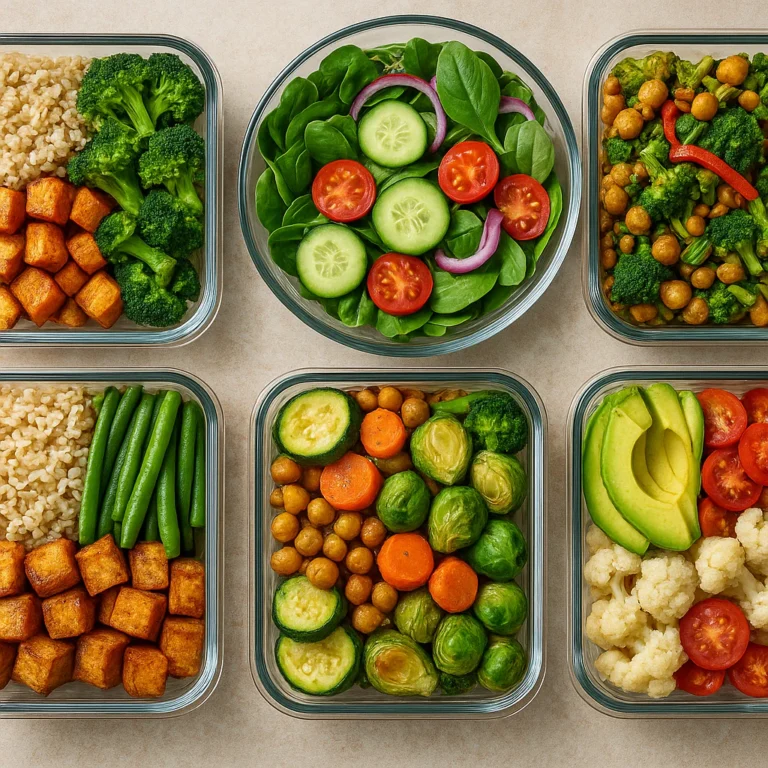
- The Fix: Cook a big pot of quinoa, brown rice, or lentils on Sunday. Store them in the fridge.
- Usage: In 10 minutes, you can throw together a grain bowl with roasted veggies and a simple sauce.
7. Upgrade Your Condiments and Sauces for Maximum Umami
Meat tastes good because of umami (savory flavor). You can replicate this with plants!
- Secret Weapons: Miso paste, nutritional yeast, soy sauce, tamari, tomato paste, and mushrooms.
- Try This: Add a teaspoon of miso to your soup or a sprinkle of nutritional yeast on your popcorn.
8. Learn to Read Labels and Spot Hidden Meats
Not all “vegetarian” foods are meat-free.
- Watch Out For: Gelatin (from animal bones), renet (in cheese), and lard (in baked goods).
- Action: Get in the habit of reading the ingredient list. It’s a superpower.
9. Utilize Frozen and Canned Vegetables for Convenience
Fresh isn’t always better if it goes bad in the fridge.
- Frozen Veggies: Often picked at peak ripeness and frozen immediately, retaining nutrients. Perfect for quick stir-fries.
- Canned Beans: Rinse them well to reduce sodium, and you have instant protein.
10. Host a “Flexitarian” Dinner Party to Build Confidence
Food is social. Hosting a dinner party where you serve delicious plant-based meals can change your friends’ perceptions.
- The Menu: A hearty lentil shepherd’s pie or a mushroom risotto.
- The Result: Your friends will be so impressed they’ll ask for the recipe, and you’ll feel empowered to cook more plant-based meals.
1. Substitute Ground Meat with Mushrooms and Lentils
This is the ultimate hack for pasta sauces and chili.
- The Ratio: 50% ground meat, 50% finely chopped mushrooms and lentils.
- Why it works: Mushrooms provide the meaty texture, while lentils provide the hearty bite.
12. Incorporate More Fermented Foods for Gut Health
Reducing meat can change your gut microbiome. Fermented foods help keep it balanced.
- Sources: Kimchi, sauerkraut, kombucha, and tempeh.
- Benefit: Better digestion and a stronger immune system.
13. Try Meat Alternatives from Brands Like Beyond and Impossible
Sometimes, you just need a burger that looks and tastes like a burger.
- Beyond Meat: Known for its “bleding” burger.
- Impossible Foods: Uses heme to mimic the taste of meat.
- Note: These are processed foods. Use them as a bridge, not a staple.
👉 Shop Beyond Meat on: Amazon | Walmart | Beyond Meat Official
👉 Shop Impossible Foods on: Amazon | Walmart | Impossible Foods Official
14. Practice Mindful Eating to Satisfy Cravings Naturally
Cravings often come from eating too fast or not paying attention.
- The Technique: Slow down. Chew thoroughly. Savor the flavors.
- Result: You’ll feel full faster and enjoy your food more, reducing the urge to overeat meat.
15. Keep a Food Journal to Track Your Progress and Plateaus
What gets measured gets managed.
- Track: How many meatless meals you have, how you feel, and any cravings.
- Insight: You might notice you crave meat more on days you are stressed or tired.
16. Don’t Fear the Fat: Healthy Fats Keep You Full
Meat is often high in fat, which keeps you full. If you remove it, you need to replace that fat.
- Sources: Avocados, nuts, seeds, olive oil, and coconut milk.
- Tip: Add a handful of walnuts to your salad or drizzle olive oil on your roasted veggies.
17. Plan Your Meals to Avoid the “What’s for Dinner?” Panic
Decision fatigue leads to bad choices.
- The Plan: Spend 30 minutes on Sunday planning your meals for the week.
- The Benefit: You’ll have a clear roadmap and won’t resort to the drive-thru.
🧠 Getting Smart with Nutrition: B12, Iron, and Protein on a Low-Meat Diet
One of the biggest fears people have when reducing meat is: “Will I get enough nutrients?” The short answer is yes, but you need to be smart about it.
Protein: It’s Not Just About Meat
The myth that you can’t get enough protein without meat is just that—a myth.
- Sources: Legumes, nuts, seeds, whole grains, tofu, tempeh, and seitan.
- Combining: You don’t need to combine proteins at every meal. As long as you eat a variety of plant foods throughout the day, you’ll get all the essential amino acids.
Iron: The Plant vs. Animal Debate
Plant-based iron (non-heme) is absorbed less efficiently than animal-based iron (heme).
- The Fix: Pair iron-rich foods (spinach, lentils, fortified cereals) with Vitamin C (citrus, bell peppers, strawberries) to boost absorption.
- Avoid: Drinking coffee or tea with meals, as tannins can inhibit iron absorption.
Vitamin B12: The One You Can’t Ignore
B12 is found naturally almost exclusively in animal products.
- The Solution: If you are reducing meat significantly, you must get B12 from fortified foods (nutritional yeast, plant milks) or a supplement.
- Recommendation: Consult your doctor for a blood test to check your levels.
Other Nutrients to Watch
- Zinc: Found in legumes, nuts, and seeds.
- Omega-3s: Found in flaxseds, chia seeds, walnuts, and algae oil.
- Calcium: Found in leafy greens, fortified plant milks, and tofu.
Did you know? Spinach accounts for 30% of its calories from protein! It’s one of the most nutrient-dense leafy greens you can eat.
🛒 The Ultimate Flexitarian Pantry: Essential Ingredients to Stock Up On
A well-stocked pantry is the secret weapon of any flexitarian cook. When you have the right ingredients on hand, cooking a delicious meatless meal becomes a breeze.
The Protein Powerhouses
- Lentils: Green, red, and brown. Great for soups, stews, and patties.
- Chickpeas: Canned or dried. Perfect for humus, curies, and roasting.
- Black Beans: Essential for tacos, buritos, and brownies (yes, really!).
- Tofu: Extra firm for stir-fries, silken for smoothies and desserts.
- Tempeh: Fermented soy with a nuty flavor.
The Umami Bombs
- Mushrooms: Portobello, shitake, and oyster.
- Miso Paste: White and red.
- Nutritional Yeast: For that cheesy, savory flavor.
- Soy Sauce/Tamari: For salt and depth.
- Tomato Paste: Concentrated flavor.
The Grains and Starches
- Quinoa: A complete protein.
- Brown Rice: Nuty and filling.
- Oats: For breakfast and baking.
- Whole Wheat Pasta: For hearty meals.
The Healthy Fats
- Olive Oil: For cooking and dressing.
- Avocado: For creaminess.
- Nuts and Seeds: Almonds, walnuts, chia, flax.
The Flavor Enhancers
- Spices: Smoked paprika, cumin, turmeric, chili flakes.
- Herbs: Fresh basil, cilantro, parsley.
- Acids: Lemon juice, apple cider vinegar.
👉 Shop Flexitarian Pantry Staples on: Amazon | Walmart | Instacart
🍳 Breakfast, Lunch, and Dinner: A 7-Day Sample Meal Plan for Beginners
Still wondering what to eat? Here is a 7-day meal plan designed to gradually reduce your meat intake while keeping your meals exciting and nutritious.
Day 1: The Gentle Start
- Breakfast: Oatmeal with chia seeds, berries, and a drizzle of maple syrup.
- Lunch: Mediterranean chickpea salad with feta (or vegan feta), olives, and lemon dressing.
- Dinner: Lentil bolognese over whole wheat pasta with a side of steamed broccoli.
Day 2: Meatless Monday
- Breakfast: Tofu scramble with spinach, mushrooms, and turmeric.
- Lunch: Black bean and avocado wrap with salsa and humus.
- Dinner: Vegetable stir-fry with tofu and brown rice.
Day 3: Global Flavors
- Breakfast: Smoothie bowl with banana, spinach, almond butter, and granola.
- Lunch: Quinoa bowl with roasted sweet potatoes, kale, and tahini dressing.
- Dinner: Chickpea curry with coconut milk and spinach, served with basmati rice.
Day 4: Comfort Food Reimagined
- Breakfast: Whole grain toast with avocado and a poached egg (optional).
- Lunch: Minestrone soup with plenty of beans and veggies.
- Dinner: Mushroom and walnut “meatloaf” with mashed potatoes and green beans.
Day 5: Quick and Easy
- Breakfast: Greek yogurt (or plant-based yogurt) with nuts and fruit.
- Lunch: Leftover mushroom meatloaf or a simple humus and vegie wrap.
- Dinner: Vegie pizza with a whole wheat crust, lots of veggies, and a sprinkle of nutritional yeast.
Day 6: The Flexitarian Treat
- Breakfast: Pancakes made with oat flour and topped with fresh fruit.
- Lunch: Grilled portobello mushroom burger with lettuce, tomato, and avocado.
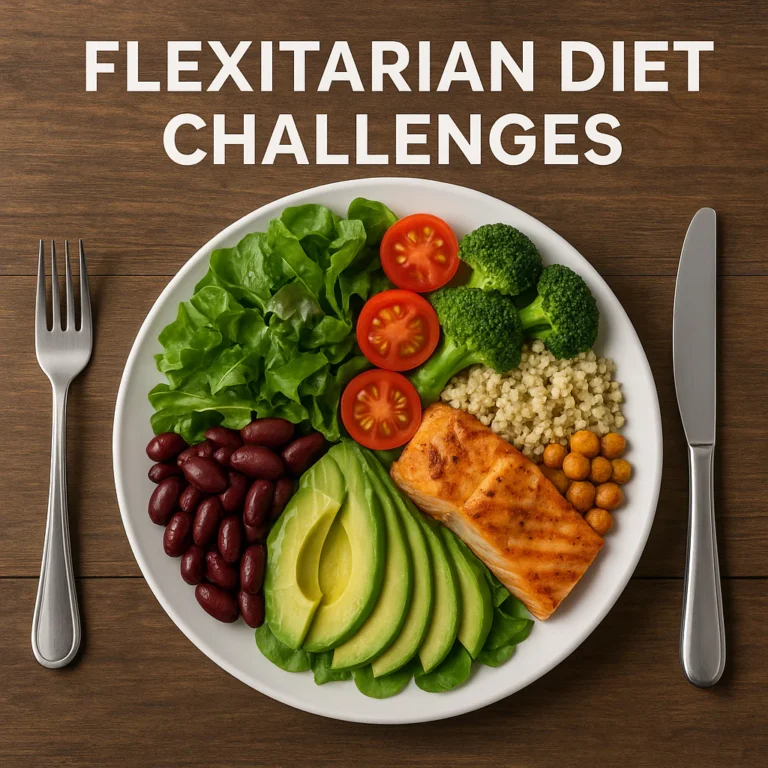
- Dinner: Meatless Friday: A small portion of grilled chicken (or a Beyond Burger) with a massive side of roasted vegetables and quinoa. Remember: Meat as a side!
Day 7: Prep and Relax
- Breakfast: Scrambled eggs with spinach and feta (or tofu scramble).
- Lunch: Leftover vegie pizza or a big salad with beans.
- Dinner: Roasted vegetable lasagna with ricotta (or cashew cheese) and marinara.
Pro Tip: Don’t be afraid to repeat meals! Leftovers are your friend.
🚫 Common Pitfalls and How to Bounce Back When You Slip Up
Even the most dedicated flexitarians have days where they reach for the chicken nugets. It happens. The key is how you handle it.
Pitfall 1: The “All-or-Nothing” Mindset
The Trap: You eat a burger and think, “Well, I’ve ruined my progress, might as well eat the whole week’s worth of meat.”
The Fix: Forgive yourself. One meal doesn’t define your diet. Get back on track with the next meal.
Pitfall 2: Under-eating
The Trap: You swap meat for a small salad and end up starving an hour later.
The Fix: Eat more volume. Add healthy fats, whole grains, and plenty of veggies to your plate.
Pitfall 3: Boring Food
The Trap: Eating plain boiled vegetables every day.
The Fix: Get creative with spices and sauces. Use herbs, spices, and umami-rich ingredients to make your meals exciting.
Pitfall 4: Social Pressure
The Trap: Friends or family make you feel bad for not eating meat.
The Fix: Bring a dish to share. Show them how delicious plant-based food can be.
Remember: “If you slip up, and go back to a meat-heavy diet, don’t see it as failing… all that matters is that you try again when the time is right!”
🏋️ ♀️ How Reducing Meat Impacts Your Fitness and Recovery
As personal trainers, we often get asked: “Will I lose muscle if I eat less meat?” The answer is no, provided you eat enough protein and calories.
Protein Needs
- General Population: 0.8g of protein per kg of body weight.
- Athletes: 1.2g to 2.0g per kg of body weight.
- Plant Sources: You may need to eat slightly more volume to get the same amount of protein, but it’s easily achievable with legumes, tofu, and seitan.
Recovery
- Anti-inflammatory: Plant-based diets are rich in antioxidants and anti-inflammatory compounds, which can actually speed up recovery after workouts.
- Gut Health: A diverse plant-based diet supports a healthy gut microbiome, which is crucial for nutrient absorption and overall health.
Energy Levels
- Carbohydrates: Plant-based diets are often higher in carbohydrates, which are the body’s preferred fuel source for high-intensity exercise.
- Hydration: Fruits and vegetables have high water content, helping with hydration.
Expert Tip: If you feel tired, check your calorie intake. You might just need to eat more!
🌍 The Environmental and Ethical Impact of Eating Less Meat
Why reduce meat? It’s not just about you; it’s about the planet.
Environmental Impact
- Greenhouse Gases: Animal agriculture is a leading driver of emissions. Reducing meat intake can significantly lower your carbon footprint.
- Water Usage: Producing meat requires significantly more water than producing plants.
- Land Use: Livestock farming is a major cause of deforestation and habitat loss.
Ethical Considerations
- Animal Welfare: Reducing meat consumption reduces the demand for factory farming, where animals often suffer inhumane conditions.
- Food Security: Using crops to feed animals is inefficient. Feding plants directly to humans can help feed a growing global population.
Did you know? A 2024 University of Edinburgh study found that cutting processed meat intake by 30% could prevent thousands of cases of type 2 diabetes and heart disease annually in the US alone.
👨 👩 👧 👦 Navigating Social Situations and Family Diners
One of the hardest parts of reducing meat is dealing with social pressure. How do you handle a family dinner where everyone is eating roast beef?
Strategies for Success
- Communicate Early: Let your host know you are reducing meat. Most people are happy to accommodate.
- Bring a Dish: Offer to bring a delicious plant-based dish to share. This ensures you have something to eat and introduces others to new flavors.
- Focus on the Food: Don’t make it about the meat. Focus on the veggies, the flavors, and the company.
- Be Flexible: If there’s no plant-based option, eat a small portion of meat and fill up on the sides. It’s okay to be flexible.
Pro Tip: “It’s a game-changer once you realize that the flavor of meat actually comes from plants, like herbs and spices.” — Sapna Peruvemba, MS, RDN.
💡 Troubleshooting: What to Do When You Feel Tired or Craving Meat
Feling tired? Craving a steak? Here’s how to troubleshoot.
Tiredness
- Check Calories: Are you eating enough? Plant foods are less calorie-dense.
- Check Nutrients: Are you getting enough iron, B12, and protein?
- Check Hydration: Are you drinking enough water?
Cravings
- Identify the Trigger: Are you stressed? Bored? Hungry?
- Find a Substitute: Craving a burger? Try a Beyond Burger or a portobello mushroom. Craving bacon? Try coconut bacon or tempeh bacon.
- Practice Mindfulness: Wait 10 minutes before giving in. Often, the craving will pass.
Remember: “Don’t panic. I’m not here to tell you become a vegetarian, vegan. You’re not ready to get meat out of your diet. Okay, I hear you.”
📝 Conclusion: Your Journey to a Balanced Plate Starts Now

So, where does this leave us? We started with the question: How do you reduce meat intake without losing flavor or sanity? The answer is simple: Start small, be kind to yourself, and enjoy the journey.
You don’t need to be perfect. You don’t need to go vegan overnight. You just need to take one step at a time. Whether it’s swapping one meal a week, trying a new plant-based recipe, or simply adding more veggies to your plate, every step counts.
Key Takeaways:
- Gradual is sustainable.
- Meat can be a side dish.
- Plants are powerful.
- Mistakes are part of the process.
Your health, the planet, and your taste buds will thank you. So, what are you waiting for? Grab a cookbook, head to the grocery store, and start your flexitarian journey today!
🔗 Recommended Links and Resources
Ready to dive deeper? Here are some of our favorite resources to help you on your flexitarian journey.
Books
- “The Flexitarian Diet” by Dawn Jackson Blatner: A comprehensive guide to eating more plants.
- Shop on Amazon
- “How Not to Die” by Michael Greger, MD: Evidence-based nutrition advice.
- Shop on Amazon
Products
- Beyond Meat Burgers: A great bridge for meat lovers.
- Shop on Amazon | Walmart | Beyond Meat Official
- Impossible Foods: Another excellent plant-based option.
- Shop on Amazon | Walmart | Impossible Foods Official
- Nutritional Yeast: For that cheesy, umami flavor.
- Shop on Amazon | Walmart
Tools
- Meal Planning Apps: Try Mealime or Paprika for easy meal planning.
- Gut Health Tests: Consider ZOE for personalized nutrition advice.
❓ Frequently Asked Questions (FAQ)

What are easy meatless meal ideas for beginners?
H3: Easy Meatless Meal Ideas for Beginners
If you’re just starting out, keep it simple. Try lentil soup, chickpea curry, veggie stir-fry with tofu, or a black bean burito. These meals are easy to make, nutritious, and delicious. Don’t be afraid to use frozen vegetables and canned beans to save time.
Read more about “🌱 6 Steps to Go Flexitarian: Your 2026 Guide to Plant-Forward Eating”
How do I replace protein when cutting back on meat?
H3: Replacing Protein Without Meat
You can replace meat protein with legumes (lentils, beans, chickpeas), tofu, tempeh, seitan, quinoa, and nuts/seds. Remember to eat a variety of these foods throughout the day to ensure you get all essential amino acids.
Read more about “🌱 8 Surprising Benefits of Reducing Meat Consumption (2026)”
What are the health benefits of reducing meat consumption?
H3: Health Benefits of Reducing Meat
Reducing meat intake can lead to lower risk of heart disease, type 2 diabetes, certain cancers, and improved weight management. It can also improve digestion, lower LDL cholesterol, and increase longevity. Plus, it’s better for the environment!
Read more about “What’s the Real Difference Between Blue Zone and Paleo Diet? 🥗🥩 (2026)”
How can I make vegetables taste better without meat?
H3: Making Vegetables Taste Better
Use spices, herbs, garlic, onion, citrus, and umami-rich ingredients like miso, nutritional yeast, and soy sauce. Roasting vegetables brings out their natural sweetness, while grilling adds a smoky flavor. Don’t be afraid to experiment!
Read more about “🌱 7 Flexitarian Secrets You Haven’t Heard (2026)”
What are some simple swaps to reduce red meat intake?
H3: Simple Swaps for Red Meat
Try swapping ground beef with lentils or mushrooms in tacos and bolognese. Replace steak with portobello mushrooms or eggplant. Use chicken or turkey instead of beef in stir-fries, and reduce the portion size of meat in general.
Read more about “10 Game-Changing Ways to Start Reducing Meat Consumption in 2026 🌱”
How long does it take for your body to adjust to a plant-based diet?
H3: Adjusting to a Plant-Based Diet
It varies from person to person, but most people notice changes in their digestion and energy levels within a few weeks. Some may experience temporary bloating or gas as their gut microbiome adjusts. Be patient and listen to your body.
Read more about “🌱 10 Budget Hacks: Blue Zone & Flexitarian Meal Prep (2026)”
What are the best whole food snacks for vegetarians?
H3: Best Whole Food Snacks for Vegetarians
Great options include apple slices with peanut butter, hummus with veggies, trail mix with nuts and seeds, Greek yogurt with berries, or hard-boiled eggs. These snacks are nutritious, filling, and easy to grab on the go.
Read more about “🌿 7-Day Blue Zone Diet Meal Plan for Vegetarians (2026)”
📚 Reference Links
- University of Edinburgh: Study on Reducing Processed Meat Intake
- Gallup: Americans’ Meat Consumption Trends
- Newsweek: Meat Consumption Statistics
- Reducetarian: A Beginner’s Guide to Eating Less Meat
- VegNews: How to Eat Less Meat
- ZOE: 9 Delicious Ways To Reduce Your Meat Intake
- Beyond Meat: Official Website
- Impossible Foods: Official Website
- Flexitarian Diet™: Benefits of Flexitarian Diet | Flexitarian Basics | Flexitarian Nutrition Facts | Flexitarian Lifestyle | Flexitarian Food Shopping Tips