Support our educational content for free when you buy through links on our site. Learn more
🌱 6 Steps to Go Flexitarian: Your 2026 Guide to Plant-Forward Eating

You can successfully transition to a flexitarian diet by starting with just one meatless day a week, stocking your pantry with versatile staples, and focusing on adding delicious plants rather than restricting your favorite foods. This simple, flexible approach is the secret to making the lifestyle change stick without feeling deprived.
Wondering how can someone who is new to plant-based eating transition to a Flexitarian diet, and what are some tips for making the lifestyle change stick? The answer lies in abandoning the “all-or-nothing” mindset. Instead of trying to become a vegan overnight, you simply aim to eat more plants and less meat, allowing yourself the freedom to enjoy a burger occasionally.
Consider this: research suggests that people who adopt a semi-vegetarian diet often see improvements in their heart health and energy levels within just a few weeks. One of our team members, a former steak enthusiast, found that swapping her Friday night pizza for a lentil bolognese didn’t just satisfy her hunger; it sparked a genuine curiosity about new flavors she never knew she loved.
The journey isn’t about perfection; it’s about progress. By taking small, manageable steps, you can build a sustainable routine that fits your life, your taste buds, and your values.
Key Takeaways
- Start Small: Begin with Meatless Mondays or plant-based breakfasts to build confidence without overwhelm.
- Focus on Addition: Prioritize adding colorful vegetables, legumes, and whole grains to your plate rather than obsessing over what to remove.
- Plan Ahead: Meal planning and stocking your pantry with staples like quinoa, canned beans, and tofu are crucial for avoiding last-minute takeout.
- Be Flexible: There is no “perfect” flexitarian; occasional meat consumption is allowed and encouraged to maintain long-term consistency.
- Listen to Your Body: Pay attention to how different foods make you feel and adjust your intake of protein, iron, and B12 as needed.
Table of Contents
- ⚡️ Quick Tips and Facts
- 🌱 The Flexitarian Origin Story: From Meat-Eater to Plant-Forward
- 🧭 Your Step-by-Step Roadmap to a Successful Plant-Based Transition
- 1. Start Small: Mastering the Art of Meatless Mondays
- 2. Stock the Pantry: Essential Plant-Based Staples for Beginners
- 3. Meal Planning 101: How to Build Balanced Flexitarian Menus
- 4. Smart Shopping: Navigating the Grocery Aisles Like a Pro
- 5. Kitchen Confidence: Exploring New Recipes and Flavor Profiles
- 6. Mindset Matters: Staying Consistent and Being Kind to Yourself
- 🍽️ Flavor First: Reimagining Classic Comfort Foods Without the Meat
- 🥗 Lunchtime Heroes: Quick, Portable, and Satisfying Plant-Based Bowls
- 🍲 Dinner Delights: Hearty Stews, Stir-Fries, and One-Pot Wonders
- 🥗 Nutritional Nitty-Grity: Balancing Protein, Iron, and B12 on a Flexitarian Diet
- 🏋️ ♀️ Fueling Your Fitness: How Plant-Based Eating Supports Your Workout Goals
- 👨 👩 👧 👦 Social Survival Guide: Dining Out, Traveling, and Handling Family Diners
- 🚫 Troubleshooting Common Pitfalls: Bloating, Cravings, and the “What Now?” Moments
- 💡 Top Tips and Advice From Vegans, Vegetarians, and Seasoned Flexitarians
- 🏁 Conclusion
- 🔗 Recommended Links
- ❓ FAQ
- 📚 Reference Links
⚡️ Quick Tips and Facts
Before we dive into the nitty-gritty of your plant-based journey, let’s hit the pause button and grab a few golden nugets of wisdom. You might be wondering, “Can I really eat meat and still be a flexitarian?” The answer is a resounding yes! In fact, the beauty of this lifestyle lies in its flexibility.
Here is the lowdown on what makes the Flexitarian Diet™ so effective for beginners:
- It’s About Addition, Not Subtraction: Instead of obsessing over what you can’t eat, focus on adding more colorful veggies, legumes, and whole grains to your plate.
- The “Meatless” Math: A typical flexitarian eats meat about 1–3 times per month, though some enjoy it weekly. There is no strict rulebook, just a general guideline to reduce overall consumption.
- Health Halo: Studies suggest that semi-vegetarians have a lower BMI, reduced risk of type 2 diabetes, and better heart health compared to strict meat-eaters.
- The “Blue Zone” Connection: If you’ve heard of the Blue Zones (regions where people live the longest), you’ll be interested to know that their diets share a massive overlap with the flexitarian approach. For a deep dive into how these two lifestyles compare, check out our breakdown on blue zone diet vs flexitarian diet.
- No Perfection Required: Did you slip up and eat a burger? Great! You’re human. The goal is progress, not perfection.
Ready to stop guessing and start eating? Let’s get your roadmap sorted.
🌱 The Flexitarian Origin Story: From Meat-Eater to Plant-Forward
You might think “Flexitarian” is a buzzword invented by a marketing team in 2024, but this movement has been simmering for a while. The term was actually coined by Dawn Jackson Blatner, a registered dietitian, in her 209 book The Flexitarian Diet. Her goal? To create a sustainable way for meat-lovers to eat more plants without feeling like they were joining a cult.
Blatner realized that the all-or-nothing approach of strict veganism or vegetarianism often led to burnout. She saw that people wanted to eat healthier and help the planet but didn’t want to give up their Sunday roast or their favorite cheeseburger entirely.
“The Flexitarian Diet is a semi-vegetarian style of eating that encourages eating less meat and more plant-based foods. Because there are no specific rules or suggestions, it is an appealing option for people who are looking to cut back on animal products.” — Dawn Jackson Blatner
Why is this relevant to you?
Because it means you don’t have to throw away your cast-iron skillet or apologize for loving a good steak. The philosophy is rooted in inclusivity. Whether you are a “newbie” eating meat daily or a “seasoned” flexitarian who only eats meat on special occasions, you belong here.
For more on the core principles, explore our guide on Flexitarian Basics.
🧭 Your Step-by-Step Roadmap to a Successful Plant-Based Transition
So, how do you actually do this? It’s not magic; it’s method. We’ve broken it down into six actionable steps that our team of dietitians and trainers swear by.
1. Start Small: Mastering the Art of Meatless Mondays
The biggest mistake beginners make? Trying to go 10% plant-based overnight. Don’t do it. You’ll likely feel deprived, crave your old favorites, and quit within a week.
Instead, start with Meatless Mondays. It’s a low-stakes way to dip your toes in.
- The Strategy: Pick one day a week where you commit to zero meat.
- The Mindset: Treat it as an experiment, not a test.
- The Result: Once you master Monday, try adding Meatless Tuesdays, or perhaps a plant-based breakfast every day.
As one of our team members, Sarah, a former carnivore, put it: “I started with just swapping my morning bacon for avocado toast. It felt weird for three days, but by day four, I was craving the crunch of the avocado more than the salty bacon.”
2. Stock the Pantry: Essential Plant-Based Staples for Beginners
You can’t cook a great meal if your kitchen is empty. Before you even think about a recipe, you need to stock the pantry. This is where the magic happens.
The Flexitarian Pantry Checklist:
- Legumes: Canned chickpeas, black beans, lentils (red and green), and dried beans.
- Whole Grains: Quinoa, brown rice, faro, oats, and whole-wheat pasta.
- Proteins: Tofu, tempeh, and edame.
- Flavor Boosters: Nutritional yeast (for that cheesy flavor), soy sauce, tahini, and a variety of spices (cumin, paprika, turmeric).
- Healthy Fats: Olive oil, avocados, nuts, and seeds.
Pro Tip: Don’t forget the plant milks! Oat milk and almond milk are great for cereals and coffee. Brands like Oatly and Silk are fantastic starting points.
👉 Shop
- Oatly: Amazon | Oatly Official Website
- Silk: Amazon | Silk Official Website
3. Meal Planning 101: How to Build Balanced Flexitarian Menus
This is the secret weapon of every successful flexitarian. Meal planning prevents the dreaded “What’s for dinner?” panic that often leads to ordering pizza (again).
How to Plan Like a Pro:
- Audit Your Fridge: What veggies are about to go bad? Make those the stars of your meal.
- Pick Your Proteins: Ensure every meal has a protein source (beans, tofu, eggs, or a small portion of meat).
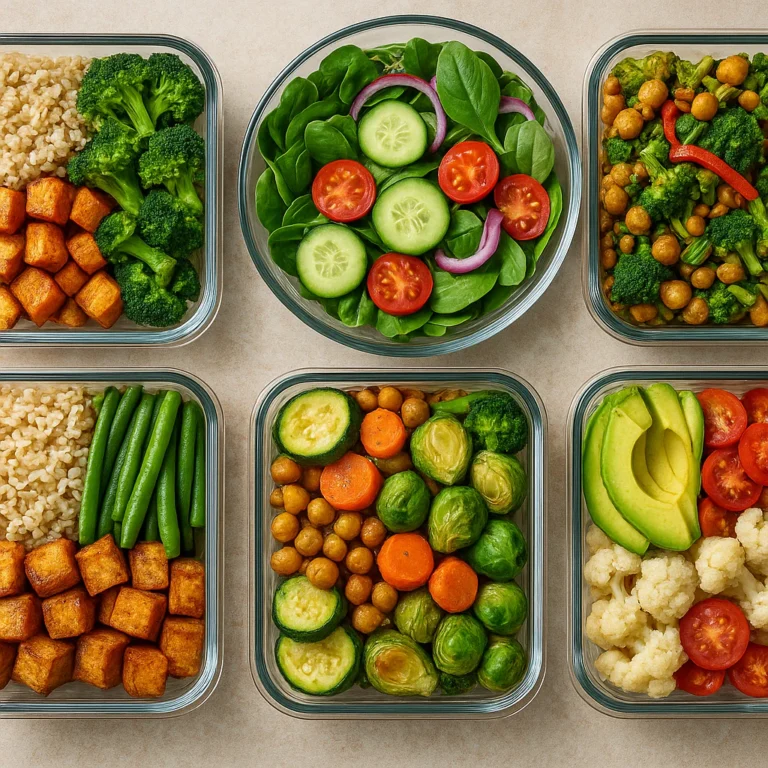
- Batch Cook: Cook a big pot of quinoa or lentils on Sunday to use throughout the week.
- Mix and Match: Create a “build-your-own-bowl” station.
For more inspiration on structuring your week, check out our Flexitarian Lifestyle category.
4. Smart Shopping: Navigating the Grocery Aisles Like a Pro
Grocery shopping on a flexitarian diet is an adventure. You’ll discover aisles you never knew existed!
The “Perimeter” Rule:
- Do: Shop the perimeter of the store where fresh produce, meats, and dairy live.
- Don’t: Get lost in the middle aisles filled with ultra-processed foods.
Navigating the Meat Alternatives:
The meat aisle has changed! You’ll find Beyond Meat, Impossible Foods, and Gosh! products.
- Beyond Meat: Great for burgers and ground “bef” in tacos.
- Impossible Foods: Known for its realistic “bleding” effect in burgers.
- Gosh!: A UK-based brand (available online) known for allergen-free, high-protein bites like their Spinach & Pine Nut Bites.
Comparison: Plant-Based Meat vs. Whole Food Proteins
| Feature | Plant-Based Meat (e.g., Beyond, Impossible) | Whole Food Proteins (e.g., Beans, Lentils, Tofu) |
|---|---|---|
| Processing Level | Highly Processed | Minimally Processed |
| Protein Content | High (20g+ per serving) | Moderate to High (varies) |
| Fiber Content | Low to Moderate | High |
| Sodium | Often High | Low (unless canned with salt) |
| Best For | Occasional “Cheat” Meals | Daily Staples |
| Cost | Higher | Budget-Friendly |
Note: While plant-based meats are convenient, our dietitians recommend relying on whole foods like beans and lentils for your daily protein needs.
5. Kitchen Confidence: Exploring New Recipes and Flavor Profiles
Fear of the unknown is real. “What if I cook tofu and it tastes like cardboard?” We’ve been there. The key is flavor.
Flavor Hacks for Beginners:
- Marinate Everything: Tofu and tempeh are sponges for flavor. Marinate them in soy sauce, garlic, and ginger for 30 minutes.
- Roast, Don’t Boil: Roasting vegetables brings out their natural sweetness. Try roasting broccoli with olive oil and lemon zest.
- Spice It Up: Don’t be afraid of cumin, chili powder, or curry paste.
Recipe Idea: BBQ’ed Teriyaki Tofu Bowl. Swap your usual chicken for cubed tofu, marinate in teriyaki sauce, and serve over brown rice with steamed veggies. It’s a game-changer!
6. Mindset Matters: Staying Consistent and Being Kind to Yourself
Here is the truth: You will mess up. You might eat a burger at a friend’s party, or forget to pack a plant-based lunch. That is okay.
The flexitarian diet is not about guilt; it’s about progress.
- Be Kind: If you slip up, just get back on track at the next meal.
- Celebrate Wins: Did you eat three plant-based meals in a row? That’s a win!
- Find Your “Why”: Whether it’s for your health, the environment, or animal welfare, keep your motivation front and center.
As the team at Gosh! says: “As soon as you start putting pressure on yourself, or feeling stressed and confined by a diet, that’s when it’s going to start to fall apart.”
🍽️ Flavor First: Reimagining Classic Comfort Foods Without the Meat
One of the biggest myths about plant-based eating is that you have to give up your favorite comfort foods. Wrong. You just have to get creative.
🥗 Lunchtime Heroes: Quick, Portable, and Satisfying Plant-Based Bowls
Lunch is often the hardest meal to get right when you’re busy. Enter the Bowl. It’s versatile, nutritious, and delicious.
The Formula:
- Base: Quinoa, brown rice, or mixed greens.
- Protein: Chickpeas, black beans, or grilled tempeh.
- Veggies: Roasted sweet potato, raw spinach, or shredded carrots.
- Sauce: Tahini dressing, peanut sauce, or a simple lemon-tahini drizzle.
Real Brand Spotlight:
- Gosh! Spinach & Pine Nut Bites: These are perfect for a quick lunch. You can toss them into a salad or a curry. They are free from the top 14 allergens and packed with fiber.
👉 Shop Gosh! on: Amazon | Gosh! Official Website
🍲 Dinner Delights: Hearty Stews, Stir-Fries, and One-Pot Wonders
Dinner should be comforting. Who says a stew needs beef?
Lentil Bolognese:
Swap ground beef for lentils. Lentils hold their shape well and have a meaty texture. Simer them in a rich tomato sauce with onions, garlic, and herbs. Serve over whole-wheat pasta.
Chick’n Philly Jack:
If you love a Philly cheesteak, try this flex version. Use Beyond Meat or Gosh! Vegan Chick’n Patties with dairy-free cheese like Vevan P’Jack-Melts.
- Vevan P’Jack-Melts: A dairy-free cheese that melts beautifully.
👉 Shop Vevan on: Amazon | Vevan Official Website
🥗 Nutritional Nitty-Grity: Balancing Protein, Iron, and B12 on a Flexitarian Diet
Now, let’s talk science. As a dietitian, I often get asked: “Will I get enough protein?” or “What about B12?”
Protein:
You don’t need to combine proteins at every meal. Just eat a variety of plant foods throughout the day.
- Sources: Lentils (18g per cup), Chickpeas (15g per cup), Tofu (20g per cup), Quinoa (8g per cup).
Iron:
Plant-based iron (non-heme) is harder to absorb than animal iron.
- The Fix: Pair iron-rich foods (spinach, lentils) with Vitamin C (lemon juice, bell peppers, oranges). This boosts absorption significantly.
Vitamin B12:
This is the one nutrient you cannot get from plants (unless fortified).
- The Fix: If you are reducing meat significantly, consider a B12 supplement or eat fortified foods like nutritional yeast and plant milks.
For a deep dive into the numbers, check out our Flexitarian Nutrition Facts.
🏋️ ♀️ Fueling Your Fitness: How Plant-Based Eating Supports Your Workout Goals
Thinking plant-based means you’ll lose muscle? Think again. Many elite athletes are going flexitarian or vegan.
The Benefits:
- Faster Recovery: Plant-based diets are high in antioxidants, which reduce inflammation and speed up recovery.
- Better Endurance: High-carb plant foods (oats, sweet potatoes) provide sustained energy.
- Heart Health: Lower saturated fat intake means better blood flow to muscles.
Personal Trainer Tip:
“Don’t fear carbs! They are your fuel. Just make sure you’re getting enough protein post-workout. A smoothie with pea protein and a banana is a perfect recovery meal.”
👨 👩 👧 👦 Social Survival Guide: Dining Out, Traveling, and Handling Family Diners
The hardest part of the flexitarian diet isn’t cooking; it’s socializing.
Dining Out:
- Check the Menu Early: Many restaurants now have plant-based options. Look for keywords like “veggie,” “tofu,” or “lentil.”
- Ask for Modifications: “Can I swap the fries for a side of veggies?” or “Can I have the sauce on the side?”
- Brands to Look For: Chains like Chipotle and Sweetgreen are very flex-friendly.
Family Diners:
- Don’t Be the “Difficult” One: Bring a dish to share. “I made this amazing lentil loaf, everyone try it!”
- The “Side Dish” Strategy: Order a plant-based main and add a side of meat if you want, or just enjoy the veggies.
Traveling:
- Pack Snacks: Bring nuts, dried fruit, or protein bars.
- Research Ahead: Use apps like HappyCow to find plant-friendly restaurants near you.
🚫 Troubleshooting Common Pitfalls: Bloating, Cravings, and the “What Now?” Moments
Bloating:
If you suddenly eat more beans and lentils, your gut might protest.
- The Fix: Increase fiber gradually and drink plenty of water. Soak dried beans before cooking.
Cravings:
Craving a burger?
- The Fix: Have a plant-based burger! Beyond or Impossible burgers can satisfy that craving without the guilt.
The “What Now?” Moment:
You’ve eaten meat all week and feel like you failed.
- The Fix: Reset. The next meal is a new opportunity. Flexibility is the name of the game.
💡 Top Tips and Advice From Vegans, Vegetarians, and Seasoned Flexitarians
We asked the experts (and some of our favorite content creators) for their best advice. Here is what they said:
From the “First Video” Perspective:
In a popular YouTube video discussing plant-based transitions, the speaker highlights three methods:
- Diving In: Going 10% plant-based immediately. This can lead to rapid improvements in energy and skin but might be overwhelming.
- Tip-Toeing: Gradually adding plant-based meals. This is often the most sustainable for beginners.
- Juice Fasting: A short-term cleanse to reset the digestive system.
The consensus? Tip-Toeing is usually the best path for long-term success. As the video suggests, “Just go with the flow, especially at the start.”
From the Gosh! Team:
- Meal Planning is Key: “Meal planning will be your best friend. That way you can keep track of how many plant-based meals you’re eating each week.”
- Don’t Stress: “Just build-up to eating more and more plant foods and vegan meals.”
From Our Dietitians:
- Focus on Whole Foods: Don’t just swap meat for processed fake meat. Eat real veggies!
- Listen to Your Body: If you feel tired, check your iron and B12 levels.
From the Community:
- Find Your Tribe: Follow influencers and content creators who inspire you.
- Experiment: Try new recipes without fear. If it doesn’t work, try again!
For more inspiration, check out the full article on Top Tips and Advice From Vegans, Vegetarians and Flexitarians – Gosh.
🏁 Conclusion

So, where does this leave you? You started this journey wondering if you could transition to a flexitarian diet without losing your mind (or your favorite foods). The answer is a resounding yes.
The path to a plant-forward lifestyle isn’t a straight line; it’s a winding road filled with delicious discoveries, occasional stumbles, and a whole lot of flavor. Whether you choose to “dive in” or “tip-toe” your way there, the most important thing is to be kind to yourself.
Remember:
- Start Small: One meatless meal at a time.
- Stock Up: Fill your pantry with whole foods.
- Plan Ahead: Meal planning is your best friend.
- Stay Flexible: It’s okay to eat meat sometimes.
You don’t have to be perfect. You just have to be consistent. By focusing on adding more plants rather than restricting meat, you’ll naturally find a balance that works for your body, your budget, and your taste buds.
Ready to take the next step? Grab a recipe, head to the grocery store, and start your flexitarian journey today. Your future self (and your taste buds) will thank you!
🔗 Recommended Links
👉 Shop Plant-Based Staples:
- Oatly Oat Milk: Amazon | Oatly Official Website
- Silk Almond Milk: Amazon | Silk Official Website
- Beyond Meat Ground: Amazon | Beyond Meat Official Website
- Impossible Foods Burger: Amazon | Impossible Foods Official Website
- Gosh! Spinach & Pine Nut Bites: Amazon | Gosh! Official Website
- Vevan P’Jack-Melts: Amazon | Vevan Official Website
Books to Read:
❓ FAQ

What are the health benefits of adopting a Flexitarian diet focused on whole foods?
Adopting a flexitarian diet focused on whole foods can lead to significant health improvements. Studies show that semi-vegetarians often have a lower BMI, reduced risk of type 2 diabetes, and better heart health due to lower saturated fat and higher fiber intake. Additionally, the high antioxidant content in plant foods helps reduce inflammation and may lower the risk of certain cancers.
Read more about “🌱 15 Best Foods for Longevity: The Ultimate 2026 Guide”
How can meal planning help maintain a mostly plant-based, whole foods diet?
Meal planning is crucial for success. It helps you avoid impulse buys of processed foods, ensures you have balanced meals with adequate protein and nutrients, and saves time during the week. By planning ahead, you can batch cook grains and legumes, making it easier to assemble quick, nutritious meals.
What are common challenges when switching to a Flexitarian lifestyle and how can I overcome them?
Common challenges include bloating from increased fiber, cravings for meat, and social pressure.
- Bloating: Increase fiber intake gradually and drink plenty of water.
- Cravings: Use plant-based meat alternatives occasionally or focus on flavorful spices.
- Social Pressure: Bring a dish to share or communicate your needs clearly to friends and family.
How do I balance nutrients while eating mostly vegetarian?
To balance nutrients, focus on variety. Eat a mix of legumes, nuts, seeds, and whole grains for protein. Pair iron-rich plant foods with Vitamin C to boost absorption. Consider a B12 supplement if you are significantly reducing animal products.
Read more about “🥚 Do Flexitarians Eat Eggs? The Surprising Truth (2026)”
What are some easy and delicious whole-food recipes for new Flexitarians?
- Lentil Bolognese: A hearty pasta sauce made with lentils instead of meat.
- Chickpea Curry: A flavorful dish with chickpeas, coconut milk, and spinach.
- Quinoa Salad: A refreshing mix of quinoa, roasted veggies, and tahini dressing.
Read more about “🌱 7 New Flexitarian Secrets for a Healthier Plate (2026)”
How can I gradually reduce meat consumption without feeling deprived?
Start with Meatless Mondays and gradually add more plant-based days. Focus on flavor by using herbs, spices, and marinades. Try plant-based meat alternatives for familiar dishes like burgers and tacos.
Read more about “🥗 What Do You Eat on a Flexitarian Diet? (2026)”
What are the best plant-based protein sources for someone transitioning to a Flexitarian diet?
Excellent sources include lentils, chickpeas, black beans, tofu, tempeh, edame, quinoa, and nuts. These provide high-quality protein and essential nutrients.
Read more about “🍽️ 25+ Quick & Easy Flexitarian Diners (2026)”
What are the easiest plant based meals for beginners?
- Breakfast: Oatmeal with nuts and fruit.
- Lunch: Humus and vegie wrap.
- Dinner: Stir-fry with tofu and veggies over rice.
Read more about “🌱 The Ultimate 30-Day Flexitarian Meal Plan for Beginners (2026)”
How do I transition to a flexitarian diet without feeling deprived?
Focus on adding new foods rather than restricting old ones. Discover new recipes and flavors you love. Remember that you can still enjoy meat occasionally; it’s about balance, not perfection.
Read more about “🌱 27+ Whole Food Plant Based Diet Recipes for a Healthier You (2026)”
What are some simple whole food swaps for meat?
- Ground Beef: Swap with lentils or mushrooms.
- Chicken: Swap with tofu or tempeh.
- Bacon: Swap with smoked tempeh or conut bacon.
Read more about “🤠 Oklahoma Plan Diet Results: Real Weight Loss Facts (2026)”
How much meat can I eat on a flexitarian diet?
There is no strict limit, but a typical flexitarian eats meat about 1–3 times per month. The goal is to reduce overall consumption, not eliminate it entirely.
Read more about “🛡️ Stop Chronic Disease: The Flexitarian Diet Guide (2026)”
What are the health benefits of a mostly vegetarian diet?
A mostly vegetarian diet is linked to lower blood pressure, reduced cholesterol, better weight management, and a lower risk of chronic diseases like heart disease and diabetes.
Read more about “🌱 12 Smart Ways to Master Omega-3 for Plant-Forward Diets (2026)”
How do I get enough protein on a plant based diet?
Eat a variety of plant proteins throughout the day. Combine grains and legumes (like rice and beans) to get a complete amino acid profile. Include tofu, tempeh, and seitan in your meals.
Read more about “🌱 Flexitarian vs. Blue Zone: The Real Nutritional Benefits (2026)”
What are some healthy snack ideas for new flexitarians?
- Apple slices with almond butter.
- Hummus with carrot sticks.
- A handful of mixed nuts and dried fruit.
- Greek yogurt (or plant-based yogurt) with berries.
Read more about “🌱 The Ultimate Flexitarian Vegan Guide: 15+ Ways to Thrive (2026)”
📚 Reference Links
- Dawn Jackson Blatner: The Flexitarian Diet Official Site
- Beyond Meat: Beyond Meat Official Website
- Impossible Foods: Impossible Foods Official Website
- Gosh! Food: Gosh! Official Website
- Vevan Foods: Vevan Official Website
- Oatly: Oatly Official Website
- Silk: Silk Official Website
- Healthline: Flexitarian Diet Guide
- Gosh! Food: Top Tips and Advice From Vegans, Vegetarians and Flexitarians
- Vevan Foods: Transitioning to a Flexitarian Diet