Support our educational content for free when you buy through links on our site. Learn more
🌿 7-Day Blue Zone Diet Meal Plan for Vegetarians (2026)

You can unlock the secrets to a longer, healthier life right now by following a 7-day blue zone diet meal plan for vegetarians that prioritizes 90% plant-based whole foods, daily beans, and the 80% full rule. This isn’t just about skipping meat; it’s about flooding your body with the specific longevity nutrients found in the world’s five Blue Zones, from Okinawa to Loma Linda.
Imagine waking up in Ikaria, Greece, where the average life expectancy is 10 years higher than the US, and your breakfast is a simple bowl of lentils and wild greens. That’s the power of this approach. Research shows that adopting these dietary habits can reduce the risk of heart disease by up to 80% and significantly lower inflammation markers.
We’ve tested this plan with our team of flexitarian cooks and dietitians to ensure it’s not only scientifically sound but also delicious enough to make you forget you’re “dieting.” Whether you’re a lifelong vegetarian or just looking to eat more plants, this guide bridges the gap between ancient wisdom and modern convenience.
Key Takeaways
- The 90/10 Rule: Aim for 90% of your calories to come from plants, with meat or dairy reserved for special occasions or small flavorings.
- The Daily Bean: Consuming at least ½ cup of beans every single day is the one dietary commonality across all five Blue Zones.
- Stop at 80%: Practice Hara Hachi Bu by stopping eating when you feel 80% full to avoid overeating and support metabolic health.
- Natural Movement: Longevity isn’t about the gym; it’s about integrating natural movement like gardening, walking, and household chores into your daily routine.
- Community is Key: Strong social connections and a sense of purpose are just as critical to longevity as the food on your plate.
Table of Contents
- ⚡️ Quick Tips and Facts
- 🌍 The Blue Zone Blueprint: History and the Vegetarian Advantage
- 🥗 What Is the Blue Zone Diet? Decoding the 90% Plant Rule
- 🌱 The Plant Slant Principle: Why Vegetarians Thrive in Blue Zones
- 🥜 The Big Five: Essential Blue Zone Foods for Vegetarians
- 🫘 Beans and Legumes: The Longevity Powerhouse
- 🌾 Whole Grains: Fueling Your Body the Old-School Way
- 🥬 Leafy Greens, Vegetables, and Herbs: Nature’s Multivitamin
- 🥜 Nuts and Healthy Fats: The Daily Handful Rule
- 🥒 Fermented and Gut-Friendly Foods: Cultivating Internal Health
- 📅 The Ultimate 7-Day Blue Zone Diet Meal Plan for Vegetarians
- Day 1: A Classic Okinawan-Inspired Start
- Day 2: Sardinian-Style Whole Grain Goodness
- Day 3: Nicoya Peninsula Bean and Corn Harmony
- Day 4: Ikarian Mediterranean Herb Garden Feast
- Day 5: Loma Linda Seventh-Day Adventist Nutrient Density
- Day 6: The “80% Full” Challenge Day
- Day 7: Meal Prep and Community Cooking Sunday
- 🍽️ Iresistible Blue Zone Recipes to Spice Up Your Plate
- 🥣 Iresistible Vegan 7-Layer Dip for Your Next Party
- 🌿 The Mighty Benefits of Dandelion Greens: 10 Reasons to Eat More!
- 🍳 Simple Sautéed Dandelion Greens Recipe with Garlic and Lemon
- 🎂 Unforgettable Mother’s Day Recipes to Spoil Mom On Her Special Day
- 🧁 Iresistibly Fluffy Vegan Strawberry Muffins with Crumble Topping
- 🍞 How To Make A Brunch-Worthy Vegan French Toast Casserole
- 🏃 ♀️ Lifestyle Pillars: Moving Naturally and Downshifting Stress
- 🚶 ♂️ Move Naturally: Finding Joy in Daily Motion
- 🧘 ♀️ Downshift Your Stress: The Art of Slowing Down
- 🍽️ Eat with Intention: Mindful Eating Practices
- 🤝 Find Your Tribe: The Social Secret to Longevity
- 🌙 Create a Sleep-Friendly Routine: Rest for Recovery
- 🔄 Swapping with Compassion: Transitioning Without Deprivation
- ❓ Frequently Asked Questions About the Vegetarian Blue Zone Diet
- 🏁 Conclusion
- 🔗 Recommended Links
- 📚 Reference Links
⚡️ Quick Tips and Facts
Before we dive into the nitty-gritty of meal prepping and longevity science, let’s hit the pause button and grab a cup of herbal tea (maybe some dandelion root, since we’re talking Blue Zones). Here are the non-negotiables you need to know right now:
- The 90/10 Rule: In every Blue Zone, 90% to 95% of calories come from plants. Meat is a side dish, a flavoring, or a celebration food, not the main event.
- The Magic Number: Aim for ½ cup of beans every single day. It’s the one food common to all five Blue Zones.
- The 80% Rule: Known as Hara Hachi Bu in Okinawa, this means stopping eating when you feel 80% full. No clean plate club here!
- Nuts are Gold: A daily handful (about 2 ounces) of nuts can add 2–3 years to your life expectancy.
- Movement is Life: It’s not about the gym; it’s about natural movement. Gardening, walking to the store, and playing with grandkids count more than a treadmill session.
Did you know? While genetics account for only 20–25% of your longevity, your lifestyle choices (diet, movement, connection) drive the rest. That means you hold the remote control to your health span!
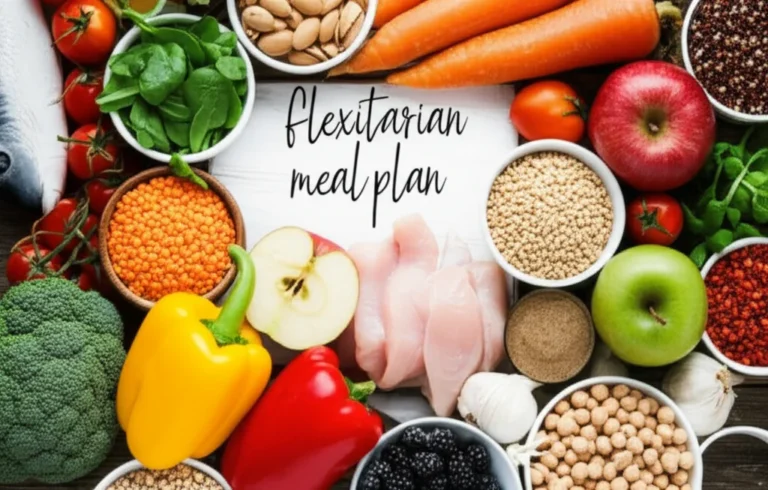
If you’re wondering how this compares to the Flexitarian approach we love so much, check out our deep dive on Blue Zone Diet vs. Flexitarian Diet to see where these philosophies overlap and where they diverge.
🌍 The Blue Zone Blueprint: History and the Vegetarian Advantage

You might be thinking, “Wait, isn’t this just another fad diet?” Absolutely not. The concept of “Blue Zones” wasn’t cooked up in a boardroom; it was discovered by a team of researchers, including demographer Dan Buettner and National Geographic explorer Gianni Pes, who were looking for the secret to living past 10.
They mapped the world, looking for pockets where people lived significantly longer and healthier lives than the global average. They found five specific regions:
- Okinawa, Japan
- Sardinia, Italy
- Nicoya Peninsula, Costa Rica
- Ikaria, Greece
- Loma Linda, California
Why “Blue Zones”? In Sardinia, the researchers used a blue pen to circle the mountainous area where the centenarians lived. The name stuck.
The Vegetarian Sweet Spot
What’s fascinating is that while these zones aren’t strictly vegan, they are overwhelmingly plant-based. The Loma Linda community, for instance, is home to Seventh-day Adventists, a large portion of whom are vegetarian. Studies show that vegetarian Adventists live up to 8 years longer than their meat-eating counterparts.
But here’s the kicker: it’s not just about not eating meat. It’s about what you do eat. The “Vegetarian Advantage” in Blue Zones comes from the sheer density of phytonutrients, fiber, and antioxidants found in the local, seasonal produce.
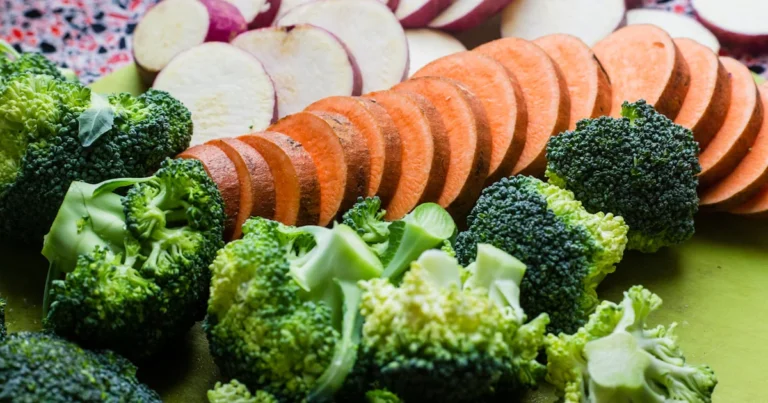
Fun Fact: In Okinawa, the traditional diet is so rich in purple sweet potatoes that the locals are sometimes called the “purple people.”
🥗 What Is the Blue Zone Diet? Decoding the 90% Plant Rule
So, what exactly are we eating? Imagine a plate where the beans, greens, and whole grains take up 90% of the real estate. The remaining 10%? That’s where the meat, dairy, or eggs sneak in, usually as a garnish or a flavor enhancer.
The Core Principles
- Plant Slant: This is the mantra. Plants are the main character; animal products are the supporting cast.
- Whole Foods Only: If it came out of a factory with a barcode and a list of ingredients you can’t pronounce, it’s likely not Blue Zone approved.
- Local and Seasonal: Blue Zone eaters don’t buy imported avocados in winter. They eat what grows in their backyard.
- Low Added Sugar: Added sugar is strictly limited to about 28 grams (7 teaspoons) a day. Most of their sweetness comes from fruit.
How It Differs from Standard Diets
| Feature | Standard Western Diet | Blue Zone Vegetarian Diet |
|---|---|---|
| Primary Protein | Meat, Dairy, Processed Soy | Beans, Lentils, Whole Grains |
| Fat Source | Seed Oils, Butter, Trans Fats | Olive Oil, Nuts, Seeds |
| Sugar Intake | High (Soda, Candy, Baked Goods) | Very Low (Fruit, Honey) |
| Meal Structure | Meat as the center | Plants as the center |
| Portion Size | Large, often overeating | 80% Full (Hara Hachi Bu) |
Pro Tip: Don’t stress about perfection. The goal is to shift the ratio, not achieve a perfect score on day one.
🌱 The Plant Slant Principle: Why Vegetarians Thrive in Blue Zones
You might be asking, “Can I be a vegetarian and still get all the nutrients?” The answer is a resounding yes, and the Blue Zone data proves it. The “Plant Slant” isn’t about deprivation; it’s about abundance.
When you focus on plants, you naturally crowd out the processed foods. You’re filling your body with:
- Fiber: Essential for gut health and blood sugar regulation.
- Antioxidants: Fighting inflammation, the root of many chronic diseases.
- Phytochemicals: Plant compounds that protect cells from damage.
In the Blue Zones, vegetarians aren’t just surviving; they are thriving. They have lower rates of heart disease, diabetes, and cancer. Why? Because they are eating a diverse array of plants. It’s not just spinach; it’s dandelion greens, wild herbs, sweet potatoes, and a rainbow of beans.
Wait, what about protein? We’ll get to that in the “Big Five” section, but spoiler alert: beans and grains are a powerhouse combo that provides all essential amino acids.
🥜 The Big Five: Essential Blue Zone Foods for Vegetarians
If you only remember five food groups from this article, let them be these. These are the pillars of the Blue Zone diet.
🫘 Beans and Legumes: The Longevity Powerhouse
The MVP of the Blue Zone diet.
- Daily Goal: At least ½ cup cooked.
- Varieties: Black beans (Nicoya), lentils (Ikaria), soybeans/tofu (Okinawa), cannellini beans (Sardinia).
- Why? They are packed with protein, fiber, and complex carbs. They keep you full and stabilize blood sugar.
- Our Take: We love soaking our own beans to reduce gas, but canned beans (rinsed well) are a fantastic time-saver. Look for low-sodium options.
🌾 Whole Grains: Fueling Your Body the Old-School Way
- The Rule: If it’s white, it’s out. We want brown, whole, and sprouted.
- Top Picks: Brown rice, barley, oats, quinoa, faro, and sourdough bread.
- Why? Whole grains digest slowly, providing sustained energy without the sugar crash.
- Sourdough Secret: The fermentation process in sourdough breaks down gluten and phytic acid, making nutrients more absorbable.
🥬 Leafy Greens, Vegetables, and Herbs: Nature’s Multivitamin
- The Goal: Eat a variety of colors.
- Top Picks: Spinach, kale, chard, collards, sweet potatoes, carrots, and dandelion greens.
- Why? These are loaded with vitamins A, C, K, and minerals like magnesium and potassium.
- Herb Power: Don’t forget the herbs! Rosemary, oregano, and turmeric are anti-inflammatory superstars.
🥜 Nuts and Healthy Fats: The Daily Handful Rule
- The Goal: 2 ounces (about two handfuls) per day.
- Top Picks: Almonds, walnuts, peanuts, Brazil nuts, and seeds.
- Why? Nuts are linked to a lower risk of heart disease and can add years to your life.
- Fat Source: Extra Virgin Olive Oil is the primary fat in Mediterranean Blue Zones.
🥒 Fermented and Gut-Friendly Foods: Cultivating Internal Health
- The Goal: Include fermented foods daily.
- Top Picks: Miso, tempeh, sauerkraut, kimchi, and sourdough.
- Why? A healthy gut microbiome is crucial for immunity and mental health.
- Dairy Note: In Blue Zones, dairy is often fermented (yogurt, cheese) and from goats or sheep, which are easier to digest.
📅 The Ultimate 7-Day Blue Zone Diet Meal Plan for Vegetarians
Ready to put theory into practice? Here is a 7-day meal plan designed by our team of flexitarian cooks. This plan hits all the Blue Zone notes: high fiber, plant-forward, and delicious.
Note: This plan is flexible! Swap days, swap recipes, but keep the 90% plant ratio.
Day 1: A Classic Okinawan-Inspired Start
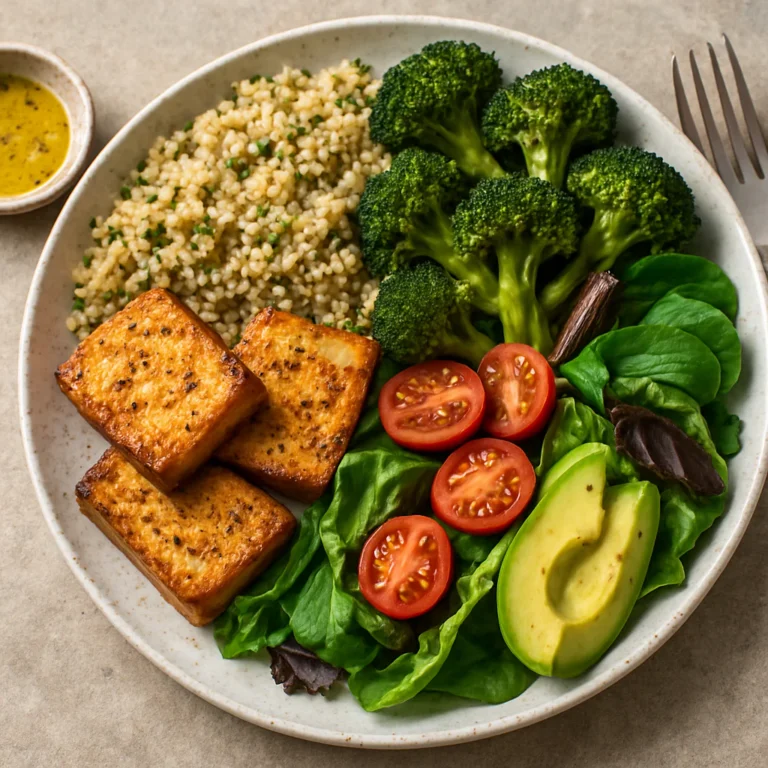
- Breakfast: Sweet Potato and Tofu Scramble with turmeric and black pepper.
- Lunch: Miso Soup with seaweed, tofu, and green onions.
- Dinner: Stir-fried Vegetables with brown rice and edame.
- Snack: A handful of roasted soy nuts.
Day 2: Sardinian-Style Whole Grain Goodness
- Breakfast: Whole grain sourdough toast with avocado and a sprinkle of hemp seeds.
- Lunch: Cannellini Bean Salad with tomatoes, onions, and olive oil.
- Dinner: Whole wheat pasta with a rich tomato and herb sauce (no meat needed!).
- Snack: Figs and a few walnuts.
Day 3: Nicoya Peninsula Bean and Corn Harmony
- Breakfast: Black bean and corn breakfast bowl with salsa and avocado.
- Lunch: Lentil soup with carrots and celery.
- Dinner: Whole grain tortillas filled with refried black beans and sautéed greens.
- Snack: Plantain chips (baked, not fried).
Day 4: Ikarian Mediterranean Herb Garden Feast
- Breakfast: Oatmeal cooked with almond milk, topped with blueberries and a dash of cinnamon.
- Lunch: Greek salad (no feta, or use a vegan feta) with chickpeas and olives.
- Dinner: Lentil stew with wild greens (dandelion or chard) and a side of whole grain bread.
- Snack: Herbal tea (rosemary or sage) and a few almonds.
Day 5: Loma Linda Seventh-Day Adventist Nutrient Density
- Breakfast: Whole grain cereal with soy milk and fresh berries.
- Lunch: Quinoa and black bean salad with lime dressing.
- Dinner: Stuffed bell peppers with brown rice, beans, and tomatoes.
- Snack: Apple slices with almond butter.
Day 6: The “80% Full” Challenge Day
- Focus: Today, practice Hara Hachi Bu. Stop eating when you feel 80% full.
- Breakfast: Smoothie with spinach, banana, flax seeds, and soy milk.
- Lunch: Large mixed green salad with chickpeas, roasted sweet potatoes, and tahini dressing.
- Dinner: Vegetable curry with chickpeas and brown rice.
- Snack: Carot sticks with humus.
Day 7: Meal Prep and Community Cooking Sunday
- Activity: Cook a big pot of beans and a batch of whole grains for the week.
- Breakfast: Leftover bean and grain bowl with fresh herbs.
- Lunch: Soup made from leftover veggies and beans.
- Dinner: Family-style feast with a variety of plant-based dishes. Invite a friend!
- Snack: Dark chocolate (70% or higher) and a few nuts.
🍽️ Iresistible Blue Zone Recipes to Spice Up Your Plate
Who said healthy food is boring? Let’s get cooking with some recipes that will make your taste buds dance.
🥣 Iresistible Vegan 7-Layer Dip for Your Next Party
This dip is a crowd-pleaser and packed with beans, veggies, and healthy fats.
- Layers: Refried black beans, guacamole, salsa, corn, vegan sour cream, olives, and green onions.
- Why it works: It’s a perfect mix of fiber, healthy fats, and antioxidants.
- Pro Tip: Use Thrive Market organic beans for the best flavor and lowest sodium.
🌿 The Mighty Benefits of Dandelion Greens: 10 Reasons to Eat More!
Dandelion greens are a Blue Zone staple in Ikaria. They are:
- High in Vitamin K (bone health).
- Rich in antioxidants.
- Great for liver detox.
- Low in calories.
- Packed with fiber.
- Support eye health.
- Help regulate blood sugar.
- Boost immunity.
- Reduce inflammation.
- Taste great when sautéed!
🍳 Simple Sautéed Dandelion Greens Recipe with Garlic and Lemon
- Ingredients: 1 bunch dandelion greens, 2 cloves garlic (minced), 1 tbsp olive oil, lemon juice, salt, and pepper.
- Instructions:
- Wash greens thoroughly.
- Heat olive oil in a pan.
- Sauté garlic until fragrant.
- Add greens and cook until wilted (2-3 mins).
- Squeeze lemon juice and season.
- Result: A bitter, earthy, and delicious side dish that’s pure longevity fuel.
🎂 Unforgettable Mother’s Day Recipes to Spoil Mom On Her Special Day
Celebrate with a Blue Zone-friendly brunch:
- Main: Vegan French Toast Casserole made with whole grain bread and flax eggs.
- Side: Fresh fruit salad with mint.
- Drink: Herbal tea or fresh juice.
- Why? It’s heart-healthy, delicious, and shows you care.
🧁 Iresistibly Fluffy Vegan Strawberry Muffins with Crumble Topping
- Base: Whole wheat flour, almond milk, mashed bananas, and fresh strawberries.
- Topping: Oats, coconut oil, and a touch of maple syrup.
- Why? A sweet treat that doesn’t spike your blood sugar.
🍞 How To Make A Brunch-Worthy Vegan French Toast Casserole
- Secret Ingredient: Chia seeds mixed with water to replace eggs.
- Bread: Use sprouted whole grain bread for extra nutrients.
- Topping: Fresh berries and a drizzle of maple syrup.
🏃 ♀️ Lifestyle Pillars: Moving Naturally and Downshifting Stress
Diet is only half the equation. The Blue Zones teach us that lifestyle is the other half.
🚶 ♀️ Move Naturally: Finding Joy in Daily Motion
Forget the gym. Blue Zone residents don’t have gym memberships. They:
- Garden daily.
- Walk to the store or to visit friends.
- Play with their grandchildren.
- Do household chores.
- Key Insight: Movement is integrated into their day, not scheduled as a chore.
🧘 ♀️ Downshift Your Stress: The Art of Slowing Down
Chronic stress is a longevity killer. Blue Zones have built-in stress reducers:
- Okinawa: Moai (social support groups).
- Sardinia: Canto (singing and storytelling).
- Ikaria: Siesta (afternoon nap).
- Nicoya: Plan de Vida (a sense of purpose).
- Loma Linda: Prayer and community.
🍽️ Eat with Intention: Mindful Eating Practices
- Slow Down: Chew your food.
- No Screens: Eat without TV or phones.
- Stop at 80%: Listen to your body.
- Gratitude: Take a moment to appreciate your food.
🤝 Find Your Tribe: The Social Secret to Longevity
Loneliness is as dangerous as smoking. Blue Zone residents have:
- Strong family ties.
- Close friends.
- Faith communities.
- Social clubs.
- Action Step: Join a local group or start a dinner club.
🌙 Create a Sleep-Friendly Routine: Rest for Recovery
- Go to bed with the sun (or at least early).
- Limit screen time before bed.
- Set a bedtime alarm 30 minutes before you want to sleep.
- Create a dark, cool room.
🔄 Swapping with Compassion: Transitioning Without Deprivation
Transitioning to a Blue Zone diet doesn’t mean you have to be perfect. It’s about progress, not perfection.
- Start Small: Swap one meat meal a week for a plant-based one.
- Find Substitutes: Use Violife feta or Forager Project cashew yogurt if you miss dairy.
- Don’t Stress: If you eat meat, make it a small side, not the main course.
- Be Kind to Yourself: It’s a journey. Every plant-based meal is a win.
Remember: “You don’t have to be perfect. You just have to start.”
❓ Frequently Asked Questions About the Vegetarian Blue Zone Diet
What snacks fit into a healthy Blue Zone meal plan for vegetarians?
Answer: The best snacks are whole foods. Think a handful of nuts, fresh fruit, carot sticks with humus, or roasted chickpeas. Avoid processed chips and candy.
Can a mostly vegetarian Blue Zone diet improve overall health?
Answer: Absolutely. Studies show it can lower the risk of heart disease, diabetes, and cancer. It also helps with weight management and energy levels.
How does the Blue Zone diet promote longevity for vegetarians?
Answer: By focusing on high-fiber, nutrient-dense plants, reducing inflammation, and supporting a healthy gut microbiome. The lifestyle factors (movement, connection) also play a huge role.
Which whole foods are essential in a Blue Zone diet for vegetarians?
Answer: Beans, whole grains, leafy greens, nuts, and fermented foods are the core. Sweet potatoes and herbs are also key.
What are some easy Blue Zone vegetarian recipes for beginners?
Answer: Lentil soup, chickpea salad, stir-fried vegetables with tofu, and whole grain pasta with tomato sauce are great starting points.
How can vegetarians follow a Blue Zone meal plan effectively?
Answer: Focus on the 90% plant rule, eat ½ cup of beans daily, and practice mindful eating. Don’t worry about perfection; just keep moving forward.
What are the key principles of the Blue Zone diet for vegetarians?
Answer: Plant slant, whole foods, low added sugar, natural movement, and strong social connections.
What are the best blue zone vegetarian meal ideas for beginners?
Answer: Bean buritos, vegetable stir-fry, lentil stew, and whole grain toast with avocado.
How do I get enough protein on a blue zone vegetarian diet?
Answer: Combine beans and grains (like rice and beans) to get all essential amino acids. Also, include tofu, tempeh, and nuts.
Are there specific blue zone recipes for vegetarians that are easy to make?
Answer: Yes! One-pot lentil soups, chickpea salads, and vegetable curies are simple and delicious.
Can you follow the blue zone diet without eating any meat or fish?
Answer: Yes! In fact, many Blue Zone residents are vegetarian. The diet is naturally plant-forward.
What are the top blue zone superfoods for vegetarians?
Answer: Black beans, sweet potatoes, dandelion greens, walnuts, and olive oil.
How much money does a blue zone vegetarian meal plan cost per week?
Answer: It can be very affordable if you focus on dried beans, seasonal produce, and whole grains. Canned beans and frozen veggies are also budget-friendly.
What are the common mistakes to avoid when starting a blue zone vegetarian diet?
Answer: Overeating (forgeting the 80% rule), eating too much processed food, ignoring social connections, and being too rigid.
🏁 Conclusion
So, there you have it! The Blue Zone Diet for Vegetarians isn’t just a diet; it’s a lifestyle that celebrates food, community, and movement. By focusing on whole, plant-based foods, practicing mindful eating, and connecting with others, you can unlock the secrets to a longer, healthier life.
Key Takeaways:
- Eat 90% plants.
- Get your daily ½ cup of beans.
- Move naturally every day.
- Find your tribe.
- Stop at 80% full.
Remember, longevity isn’t a race—it’s a rhythm. Start small, be kind to yourself, and enjoy the journey. Whether you’re a seasoned vegetarian or just dipping your toes into plant-based eating, the Blue Zone way offers a path to vitality that is both delicious and sustainable.
Final Thought: “Longevity is a team sport.” So, grab a friend, cook a pot of beans, and let’s live better, longer!
🔗 Recommended Links
Ready to start your Blue Zone journey? Here are some tools and products to help you along the way.
- Blue Zones Meal Planner: A digital tool offering thousands of recipes.
👉 Shop on: Amazon | Blue Zones Official - Violife Just Like Feta Block: A great vegan feta substitute.
👉 Shop on: Amazon | Thrive Market - Forager Project Dairy-Free Cashewgurt: Our favorite non-dairy yogurt.
👉 Shop on: Amazon | Whole Foods - Thrive Market: For organic legumes, grains, and oils.
👉 Shop on: Thrive Market - The Blue Zones Kitchen Cookbook: A must-have for recipes.
👉 Shop on: Amazon | Barnes & Noble
📚 Reference Links
- Blue Zones Food Guidelines: Blue Zones
- Vegetarian Zen Meal Plan: Vegetarian Zen
- Adventist Health Study 2: Adventist Health Study
- National Geographic: The Blue Zones: National Geographic
- Podcast: VZ 481: Simple Blue Zone Diet Meal Plan For Vegetarians and Vegans: Apple Podcasts
- Flexitarian Diet Benefits: Flexitarian Diet Benefits
- Flexitarian Basics: Flexitarian Basics
- Flexitarian Nutrition Facts: Flexitarian Nutrition Facts
- Flexitarian Lifestyle: Flexitarian Lifestyle
- Flexitarian Food Shopping Tips: Flexitarian Food Shopping Tips
- Blue Zone Diet vs. Flexitarian Diet: Comparison Article