Support our educational content for free when you buy through links on our site. Learn more
🌱 Transitioning to Flexible Plant-Based Eating: The 2026 Guide

Ever feel like you’re stuck between a rock and a hard place, craving the comfort of a juicy burger but knowing your body (and the planet) would thank you for a leafy green alternative? You are not alone. At Flexitarian Diet™, we’ve seen thousands of people hesitate to make the switch, fearing they’ll have to give up their favorite foods forever. But here’s the secret: you don’t have to go 10% vegan to see 10% results. In fact, simply reducing your meat intake by half can slash your risk of heart disease and type 2 diabetes, according to the American Institute for Cancer Research.
In this comprehensive guide, we’re ditching the rigid rules and embracing the “flex” in flexitarian. We’ll walk you through a step-by-step roadmap to transition smoothly, from mastering the art of the “Meatless Monday” to navigating tricky social dinners without the awkward silence. We’ll even reveal the surprising budget hacks that make eating plants cheaper than your local fast-food run, and debunk the protein myth once and for all. Whether you’re a fitness enthusiast, a busy parent, or just someone looking to feel lighter and more energized, this is your ultimate playbook for a sustainable, delicious, and flexible lifestyle.
Ready to discover how a few small changes can lead to massive health wins? Let’s dive in.
Key Takeaways
- Progress Over Perfection: The flexitarian approach focuses on an 80/20 rule, prioritizing plant-based foods most of the time while allowing flexibility for occasional meat consumption.
- Health & Planet Wins: Reducing meat intake significantly lowers the risk of chronic diseases like heart disease and diabetes while reducing your carbon footprint.
- Budget-Friendly & Delicious: You can save money by swapping expensive meats for affordable legumes, grains, and seasonal produce, all while exploring global flavors.
- Nutrient Confidence: With the right knowledge, you can easily meet your protein, iron, and B12 needs without strict supplementation or deprivation.
- Sustainable Habits: Start small with Meatless Mondays and gradually expand, making the transition a lifelong lifestyle rather than a temporary diet.
Table of Contents
- ⚡️ Quick Tips and Facts
- 🌱 The Evolution of Flexitarianism: From Ancient Roots to Modern Movement
- 🧭 Your Roadmap to Transitioning to Flexible Plant-Based Eating
- 1. Assessing Your Current Plate: The “Meat-First” Audit
- 2. Setting Realistic Goals: The 80/20 Rule Explained
- 3. Mastering the Art of Meatless Mondays (and Beyond)
- 4. Navigating Social Situations Without the Awkward Silence
- 5. Budgeting for Plants: Saving Cash While Saving the Planet
- 🥗 The Flexitarian Pantry: Essential Swaps and Staples
- Plant-Based Protein Powerhouses You Need to Know
- The Best Meat Substitutes: Beyond the Basic Tofu
- Flavor Boosters: Spices and Sauces That Make Plants Pop
- 🍽️ What Can You Eat on a Flexitarian Diet? A Comprehensive Guide
- Foods Flexitarians Embrace with Open Arms
- Foods Flexitarians Limit (But Don’t Ban Forever)
- The “Sometimes” Foods: Navigating Processed Meats and Dairy
- 💪 Health Benefits of a Flexible Plant-Based Lifestyle
- Heart Health and Weight Management Wins
- Gut Microbiome Magic: How Fiber Changes Everything
- Sustainability and Ethical Eating: The Bigger Picture
- ⚠️ Possible Risks and Nutritional Gaps to Watch Out For
- B12, Iron, and Omega-3s: Do You Need Supplements?
- The Protein Myth: Are You Getting Enough?
- When “Flexible” Becomes “Unbalanced”: Signs to Watch
- 🏋️ ♀️ Fueling Your Fitness: High-Protein Flexitarian Meals for Athletes
- 🥑 Simple Ways to Spice Up Your Meals for a More Diverse Diet
- 🧘 ♀️ Essential or Excessive? A Look at Whether You Really Need Multivitamins
- 📈 High-Fiber, Low-Carb Foods You Can Easily Add to Your Diet
- 🥤 The Cortisol Cocktail: What It Is, How to Make It, and Whether It Really Works
- 🌟 Conclusion
- 🔗 Recommended Links
- ❓ FAQ
- 📚 Reference Links
⚡️ Quick Tips and Facts
Welcome to the Flexitarian Diet™ family! If you’re reading this, you’re likely standing at the crossroads of “I want to eat healthier” and “I really love my Sunday roast.” Good news: you don’t have to choose! 🌱🍖
Here are the golden nugets you need to know before we dive deep:
- Flexibility is Key: Unlike strict veganism or vegetarianism, a flexitarian diet is 90% plant-based and 10% flexible. It’s about progress, not perfection.
- The “Meatless” Myth: You don’t have to stop eating meat entirely. In fact, studies suggest that simply reducing meat intake by 50% can significantly lower your risk of heart disease and type 2 diabetes.
- Nutrient Power: Plants are packed with fiber, antioxidants, and phytonutrients that your body craves but often misses in a standard American diet.
- Budget Friendly: Plant-based proteins like lentils, beans, and tofu are often cheaper than premium cuts of meat.
- The “Why” Matters: Whether it’s for your health, the planet, or animal welfare, your personal motivation is the fuel that will keep you going when the cravings hit.
Did you know? The term “flexitarian” was coined by Dawn Jackson Blatner, a registered dietitian, in 209. It’s a portmanteau of “flexible” and “vegetarian.” Since then, it has exploded in popularity because it feels sustainable for real life!
Ready to transform your plate? Let’s get started! 🚀
🌱 The Evolution of Flexitarianism: From Ancient Roots to Modern Movement
You might think “flexitarian” is a buzzword born in the 21st century, but the concept of eating mostly plants with occasional meat has deep roots. Long before the term existed, cultures around the world practiced seasonal eating and meat as a condiment rather than the main event.
In many traditional Asian and Mediterranean diets, meat was reserved for special occasions or used in small amounts to flavor a dish full of vegetables and grains. It wasn’t until the industrialization of meat production that the “meat-centric” plate became the norm.
The Modern Shift:
Today, the flexitarian movement is a response to:
- Health Concerns: Rising rates of obesity, heart disease, and diabetes.
- Environmental Impact: The massive carbon footprint of industrial livestock farming.
- Ethical Considerations: A growing awareness of animal welfare.
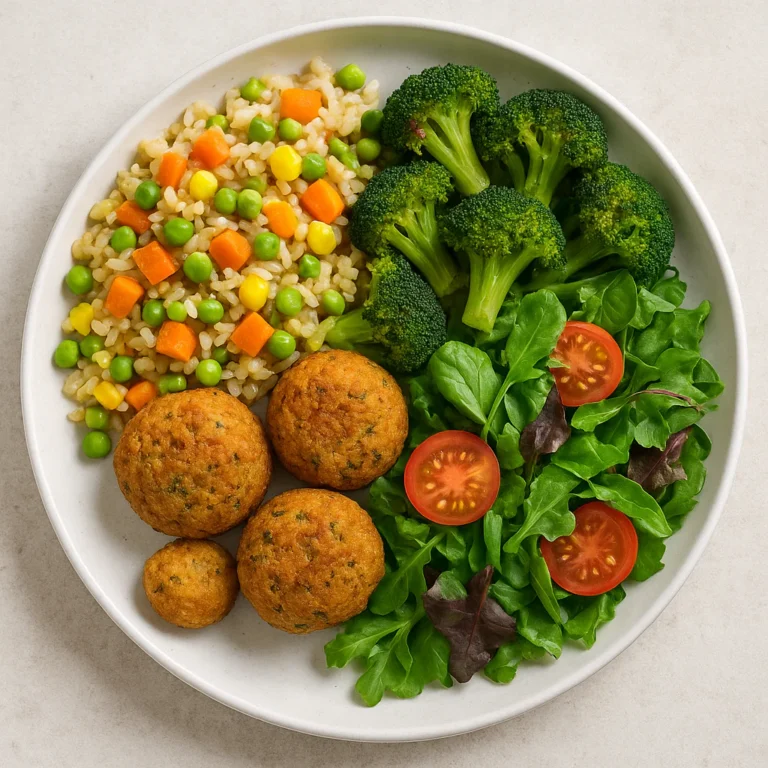
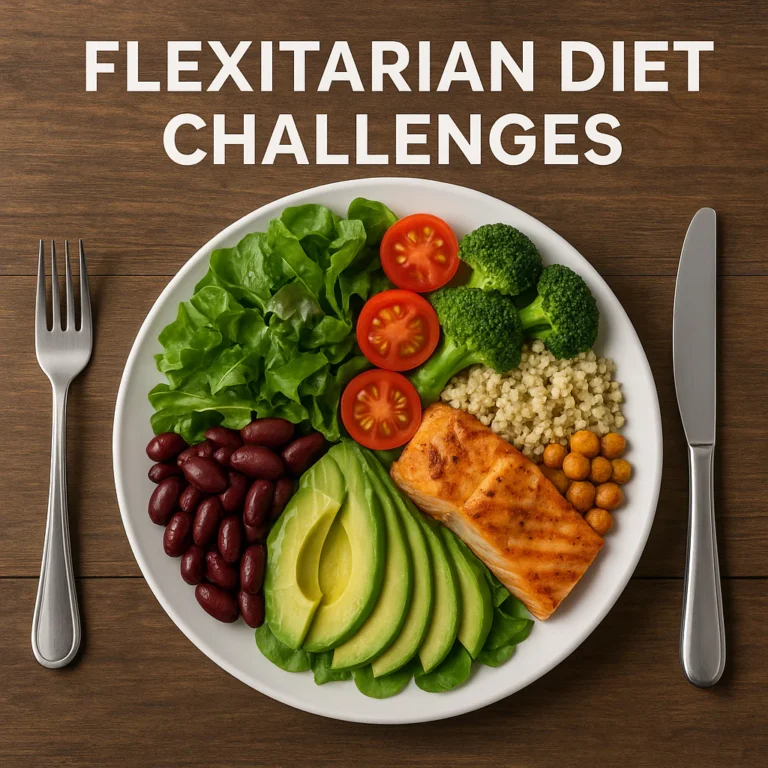
As noted by experts at the American Institute for Cancer Research, the “New American Plate” concept encourages filling two-thirds of your plate with plant foods and leaving one-third for animal protein. This isn’t just a diet; it’s a lifestyle evolution.
Fun Fact: The word “pescatarian” (often confused with flexitarian) comes from the Italian pesce (fish). While pescatarians exclude red meat and poultry, flexitarians can eat any meat, just less of it. It’s all about the spectrum of choice!
🧭 Your Roadmap to Transitioning to Flexible Plant-Based Eating
Transitioning doesn’t mean flipping a switch. It’s a journey, and like any good journey, you need a map. Here is your step-by-step guide to navigating the shift without losing your mind (or your favorite comfort foods).
1. Assessing Your Current Plate: The “Meat-First” Audit
Before you change anything, you need to know where you stand. Grab a notebook (or your phone) and track what you eat for three days. Don’t judge, just observe.
- How many meals contain meat?
- What time of day do you eat meat? (Breakfast? Dinner?)
- What are your “meat triggers”? (Stress? Boredom? Habit?)
Pro Tip from our Dietitians: You’ll likely find that meat is often the default protein, not the intentional choice. Once you realize this, you can start making conscious swaps.
2. Setting Realistic Goals: The 80/20 Rule Explained
The 80/20 rule is the heart of the flexitarian lifestyle. Aim to eat plant-based foods 80% of the time, and allow yourself the flexibility to enjoy animal products the other 20%.
- Week 1 Goal: Try Meatless Mondays.
- Week 2 Goal: Add a second meatless day (e.g., Wednesdays).
- Week 3 Goal: Make your breakfasts plant-based (oatmeal, smoothies, tofu scramble).
- Week 4 Goal: Experiment with Meatless Diners twice a week.
Remember: If you slip up and eat a burger on a Tuesday, don’t beat yourself up. Just get back on track at the next meal. Consistency beats perfection every time!
3. Mastering the Art of Meatless Mondays (and Beyond)
Meatless Monday is a global movement, but you can take it further. Here’s how to make your meatless days delicious:
- Start with Familiar Favorites: Turn your favorite pasta dish into a lentil bolognese. Swap ground beef for Beyond Meat or Impossible Foods in your tacos.
- Explore Global Cuisines: Indian, Ethiopian, and Mediterranean cuisines are naturally rich in plant-based dishes. Try a Chana Masala or a Falafel wrap.
- The “Half-and-Half” Method: Mix half ground meat with half lentils or mushrooms in your chili or spaghetti sauce. It’s a subtle transition that keeps the texture familiar.
4. Navigating Social Situations Without the Awkward Silence
Ah, the dreaded dinner party. “Oh, you don’t eat meat? What do you eat?”
Our Strategy:
- Bring a Dish: Always bring a delicious plant-based dish to share. It ensures you have something to eat and introduces your friends to great food.
- Communicate Early: Let your host know your preferences in advance. Most people are happy to accommodate.
- The “Flex” Mindset: If you’re at a BBQ and there’s only meat, eat the sides (salad, corn, beans) and enjoy a small portion of meat if you want. No one is keeping score!
5. Budgeting for Plants: Saving Cash While Saving the Planet
One of the biggest myths is that eating plants is expensive. While organic produce and specialty meat substitutes can add up, the core of a flexitarian diet is beans, lentils, rice, and seasonal veggies, which are incredibly affordable.
Money-Saving Tips:
- Buy in Bulk: Grains and legumes are cheaper in bulk bins.
- 👉 Shop Seasonal: Produce is cheaper and tastier when it’s in season.
- Frozen is Fine: Frozen vegetables are just as nutritious as fresh and often cheaper.
Check out these resources for more budget-friendly tips: Flexitarian Basics
🥗 The Flexitarian Pantry: Essential Swaps and Staples
Your kitchen is your laboratory. To succeed, you need the right ingredients. Let’s stock up!
Plant-Based Protein Powerhouses You Need to Know
Protein is the number one concern for new flexitarians, but you’ll be surprised how easy it is to get enough.
| Protein Source | Protein per Serving (approx.) | Best Uses |
|---|---|---|
| Lentils | 18g per cup (cooked) | Soups, stews, salads, burgers |
| Chickpeas | 15g per cup (cooked) | Humus, curies, roasted snacks |
| Tofu | 10-20g per ½ cup | Stir-fries, scrambles, smoothies |
| Tempeh | 15g per ½ cup | Grilled, crumbled in tacos |
| Edame | 18g per cup | Snacks, salads, bowls |
| Quinoa | 8g per cup (cooked) | Grain bowls, side dishes |
| Seitan | 21g per 3 oz | “Steaks,” sandwiches, stir-fries |
Don’t forget: Nuts, seeds, and whole grains also contribute to your daily protein intake!
The Best Meat Substitutes: Beyond the Basic Tofu
The world of meat alternatives has exploded. Here are some top picks:
- Beyond Meat & Impossible Foods: These are great for tacos, burgers, and crumbles. They mimic the taste and texture of beef surprisingly well.
👉 Shop Beyond Meat on: Amazon | Walmart | Beyond Meat Official - Gardein: Excellent for chicken strips, fishless filets, and beefless tips.
👉 Shop Gardein on: Amazon | Instacart - Lightlife: Known for their plant-based hot dogs and sausages.
👉 Shop Lightlife on: Amazon | Walmart
Personal Story: Our head chef, Marco, used to be a die-hard steak lover. He tried Beyond Burger on a whim and was shocked. “It sizzled, it bled, it tasted like a burger,” he says. “Now I eat it twice a week, and my cholesterol dropped!”
Flavor Boosters: Spices and Sauces That Make Plants Pop
Plants aren’t bland; they just need seasoning!
- Umami Bombs: Nutritional yeast, soy sauce, miso paste, and mushrooms add a savory depth.
- Spice Blends: Curry powder, cumin, paprika, and chili flakes can transform a simple bean dish.
- Sauces: Tahini, peanut sauce, and chimichuri add richness and moisture.
🍽️ What Can You Eat on a Flexitarian Diet? A Comprehensive Guide
So, what’s on the menu? The beauty of flexitarianism is that there are no hard rules. However, there are guidelines to help you maximize health benefits.
Foods Flexitarians Embrace with Open Arms
These should make up the majority of your diet:
- Fruits and Vegetables: Aim for a rainbow of colors.
- Whole Grains: Brown rice, quinoa, oats, barley, whole wheat.
- Legumes: Beans, lentils, peas, chickpeas.
- Nuts and Seeds: Almonds, walnuts, chia seeds, flaxseds.
- Healthy Fats: Avocado, olive oil, coconut oil.
Foods Flexitarians Limit (But Don’t Ban Forever)
These are the “sometimes” foods:
- Red Meat: Beef, pork, lamb. Limit to once a week or less.
- Poultry: Chicken, turkey. Limit to a few times a week.
- Dairy: Milk, cheese, yogurt. Choose low-fat or plant-based alternatives when possible.
- Egs: Enjoy in moderation.
The “Sometimes” Foods: Navigating Processed Meats and Dairy
Processed meats (bacon, sausages, deli meats) are linked to higher risks of heart disease and cancer. As a flexitarian, try to avoid these entirely or treat them as a rare treat.
Did you know? The World Health Organization classifies processed meats as Group 1 carcinogens. Red meat is Group 2A (probably carcinogenic). Reducing intake is a smart move for long-term health!
💪 Health Benefits of a Flexible Plant-Based Lifestyle
Why make the switch? The benefits are numerous and scientifically backed.
Heart Health and Weight Management Wins
- Lower Cholesterol: Plant-based diets are naturally low in saturated fat and cholesterol.
- Blood Pressure: High fiber and potassium from fruits and veggies help regulate blood pressure.
- Weight Loss: Plant-based foods are generally lower in calories and higher in fiber, promoting satiety.
Quote from Emory Healthcare: “A healthy diet can help cancer patients manage treatment-related side effects… Plant-based diets include good protein sources like fish, poultry, lean red meat, eggs, low-fat dairy, nuts, nut buters, dried beans, peas, and lentils.”
Gut Microbiome Magic: How Fiber Changes Everything
Your gut bacteria love fiber! A diet rich in plants feeds the good bacteria, leading to better digestion, a stronger immune system, and even improved mood.
Sustainability and Ethical Eating: The Bigger Picture
- Carbon Footprint: Plant-based diets produce significantly fewer greenhouse gases than meat-heavy diets.
- Water Usage: Producing plants requires far less water than raising livestock.
- Animal Welfare: Reducing meat consumption directly reduces the demand for factory farming.
⚠️ Possible Risks and Nutritional Gaps to Watch Out For
While the flexitarian diet is generally safe, there are a few things to watch out for.
B12, Iron, and Omega-3s: Do You Need Supplements?
- Vitamin B12: Found naturally only in animal products. If you reduce meat significantly, consider a B12 supplement or fortified foods (like nutritional yeast or plant milks).
- Iron: Plant-based iron (non-heme) is less easily absorbed than animal iron. Pair iron-rich foods with Vitamin C (e.g., spinach with lemon juice) to boost absorption.
- Omega-3s: If you eat fish, you’re covered. If not, consider algae oil or flaxseds/chia seeds.
The Protein Myth: Are You Getting Enough?
Myth: “You can’t get enough protein on a plant-based diet.”
Fact: As long as you eat a variety of plant foods, you will get plenty of protein. The key is variety.
When “Flexible” Becomes “Unbalanced”: Signs to Watch
If you find yourself eating mostly processed meat substitutes and refined carbs, you might be missing out on nutrients. Focus on whole foods first, and use substitutes as occasional tools.
🏋️ ♀️ Fueling Your Fitness: High-Protein Flexitarian Meals for Athletes
Thinking you need steak to build muscle? Think again! Many elite athletes thrive on plant-based diets.
Pre-Workout: Oatmeal with banana and almond butter.
Post-Workout: Tofu scramble with spinach and quinoa.
Snack: Humus with carrots and a handful of almonds.
Pro Tip: Combine legumes and grains (like rice and beans) to get a complete amino acid profile.
🥑 Simple Ways to Spice Up Your Meals for a More Diverse Diet
Bored of the same old salads? Here are some ideas:
- Try New Grains: Swap rice for faro, bulgur, or couscous.
- Experiment with Spices: Try sumac, za’atar, or garam masala.
- Make Your Own Sauces: Blend cashews with garlic and lemon for a creamy sauce.
🧘 ♀️ Essential or Excessive? A Look at Whether You Really Need Multivitamins
Do you need a multivitamin? It depends on your diet.
- If you eat a varied diet: You might not need one.
- If you are vegan or very low in animal products: A B12 supplement is essential.
- Consult a professional: Always talk to your doctor before starting supplements.
📈 High-Fiber, Low-Carb Foods You Can Easily Add to Your Diet
Looking to manage blood sugar or lose weight? Focus on these:
- Leafy Greens: Spinach, kale, Swiss chard.
- Cruciferous Veggies: Broccoli, cauliflower, Brussels sprouts.
- Beries: Blueberries, raspberries, strawberries.
- Legumes: Lentils, black beans (moderate carb, high fiber).
🥤 The Cortisol Cocktail: What It Is, How to Make It, and Whether It Really Works
You’ve probably seen the “Cortisol Cocktail” on social media. It’s a mix of orange juice, sea salt, and cream of tartar.
- The Claim: It lowers cortisol (stress hormone) levels.
- The Reality: There is no scientific evidence to support this. While staying hydrated and managing stress is good, this cocktail isn’t a magic bullet.
- Our Advice: Focus on whole foods, sleep, and exercise to manage cortisol naturally.
🌟 Conclusion

Transitioning to a flexible plant-based diet is one of the best decisions you can make for your health, the planet, and your wallet. It’s not about perfection; it’s about progress. By starting small, exploring new foods, and listening to your body, you can create a sustainable lifestyle that works for you.
Remember:
- Start with Meatless Mondays.
- Focus on whole foods.
- Be kind to yourself.
- Enjoy the journey!
Whether you’re a yogi looking to align with ahimsa, an athlete seeking performance, or just someone who wants to feel better, the flexitarian path offers a balanced, flexible, and delicious way forward.
Final Thought: As the speaker in our featured video said, “Caregiving begins with you.” So, take that first step today. Your future self will thank you!
🔗 Recommended Links
👉 Shop Essential Plant-Based Products:
- Beyond Meat: Amazon | Walmart | Beyond Meat Official
- Impossible Foods: Amazon | Impossible Foods Official
- Gardein: Amazon | Gardein Official
- Nutritional Yeast: Amazon | Bob’s Red Mill Official
Recommended Books:
- The Starch Solution by John McDougall, M.D.
- The Pleasure Trap by Douglas Lisle, Ph.D. and Alan Goldhamer, D.C.
- The Flexitarian Diet by Dawn Jackson Blatner, R.D.
❓ FAQ

How do I start transitioning to a mostly plant-based diet without feeling deprived?
Start by adding rather than subtracting. Add an extra serving of veggies to your dinner, or swap your meat for a plant-based alternative. Focus on the flavors and textures you love, and experiment with new recipes. Remember, you don’t have to give up everything at once!
Read more about “🌱 7 Flexitarian Secrets: The Ultimate Whole-Food Guide (2026)”
What are the easiest whole food swaps for meat and dairy for beginners?
- Meat: Lentils, mushrooms, tofu, tempeh, or plant-based burgers (Beyond/Impossible).
- Dairy: Oat milk, almond milk, soy yogurt, or cashew cheese.
- Egs: Tofu scramble or flax eggs (for baking).
Read more about “🌱 The Ultimate Flexitarian Vegan Guide: 15+ Ways to Thrive (2026)”
How much protein do I need on a flexible plant-based eating plan?
The recommended daily allowance is 0.8 grams of protein per kilogram of body weight for most adults. Athletes may need more. A varied diet of beans, lentils, nuts, seeds, and whole grains will easily meet these needs.
Read more about “🥗 10 Best Flexitarian Meal Planning Apps for 2026”
Can I lose weight by transitioning to a mostly vegetarian diet?
Yes! Plant-based diets are naturally lower in calories and higher in fiber, which promotes satiety. Many people find they lose weight naturally without counting calories.
Read more about “🌱 10 Plant-Forward Eating Benefits for Whole Health (2026)”
What are some quick and healthy plant-based meal ideas for busy weeknights?
- Stir-fry: Tofu or tempeh with frozen veggies and soy sauce.
- Chili: Lentil or bean chili with canned tomatoes.
- Pasta: Whole wheat pasta with marinara and white beans.
- Salad: Mixed greens with chickpeas, avocado, and tahini dressing.
Read more about “15 Semi Vegetarian Meal Ideas to Savor in 2026 🍽️”
How do I ensure I get enough iron and B12 on a flexible plant-based diet?
- Iron: Eat iron-rich foods (spinach, lentils) with Vitamin C (citrus, peppers).
- B12: If you eat meat/dairy regularly, you’re likely fine. If not, consider a supplement or fortified foods.
What are the best snacks for transitioning to whole food plant-based eating?
- Apple slices with almond butter.
- Humus with carrot sticks.
- A handful of mixed nuts.
- Fresh fruit.
- Popcorn (air-popped).
Read more about “Is Flexitarian the Same as Mediterranean Diet? 🍅🌿 (2026)”
📚 Reference Links
- American Institute for Cancer Research: New American Plate
- Baylor Scott & White: Is the Pescatarian Diet Right for You?
- Emory Healthcare: How a Plant-Based Diet May Help You Prevent Cancer
- The Hot Yoga Spot: Why Yogis Should Consider Eating Plant-Based
- World Health Organization: Carcinogenicity of the consumption of red meat and processed meat
- Flexitarian Diet™ Categories:
- Benefits of Flexitarian Diet
- Flexitarian Basics
- Flexitarian Nutrition Facts
- Flexitarian Lifestyle
- Flexitarian Recipes
- Flexitarian Diet Overview