Support our educational content for free when you buy through links on our site. Learn more
🌍 10 Eco-Conscious Flexitarian Food Choices for a Grener 2026

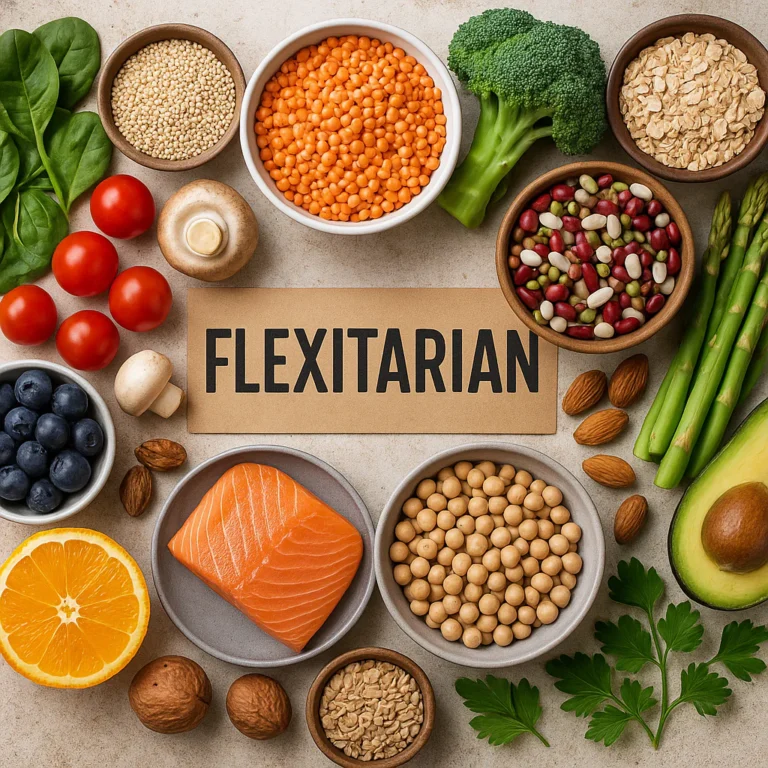
Ever stared into your fridge, wondering if your next meal could actually save the planet? You’re not alone. At Flexitarian Diet™, we’ve seen countless clients transform their health and their carbon footprint simply by shifting how they choose their food, not just what they eat. The truth is, you don’t need to go fully vegan to make a massive difference; you just need to be eco-conscious.
In this comprehensive guide, we’re diving deep into the 10 most impactful eco-conscious flexitarian food choices you can make today. From the surprising truth about “regenerative beef” to the hidden environmental cost of your favorite plant-based burgers, we’re pulling back the curtain on the food industry. We’ll share personal stories of how swapping a single ingredient can slash your water usage, and we’ll reveal a secret list of brands that are actually walking the walk (not just talking the talk). By the end, you’ll know exactly how to build a plate that nourishes your body and heals the Earth.
Key Takeaways
- Flexibility is Key: You don’t have to eliminate meat to be eco-friendly; prioritizing plant-forward meals while choosing ethically sourced animal products creates a sustainable balance.
- Quality Over Quantity: Shifting from conventional to regenerative, grass-fed, or pasture-raised meats can significantly reduce your carbon footprint and support soil health.
- Local & Seasonal Wins: Reducing “food miles” by buying local, seasonal produce is one of the easiest ways to lower emissions and boost flavor.
- Waste Not, Want Not: Minimizing food waste through smart planning and creative leftovers is just as critical as the ingredients you choose.
- Read the Labels: Look for certifications like USDA Organic, Fair Trade, and MSC to ensure your choices align with your values.
Ready to discover the top 10 choices that will revolutionize your kitchen? Let’s get cooking! 🥗🌱
Table of Contents
- ⚡️ Quick Tips and Facts
- 🌱 The Origins of the Eco-Flexitarian Movement: From Ancient Roots to Modern Sustainability
- 🌍 Why the Planet Needs an Eco-Flexitarian Diet: The Urgent Case for Change
- 🥩 The Carbon Footprint of Meat: How Animal Agriculture Impacts Our Environment
- 🌡️ Will Your Plate Save the Climate? The Real Impact of Dietary Shifts
- 🐟 Fish, Fowl, and Flexibility: Can You Still Eat Seafood as an Eco-Flexitarian?
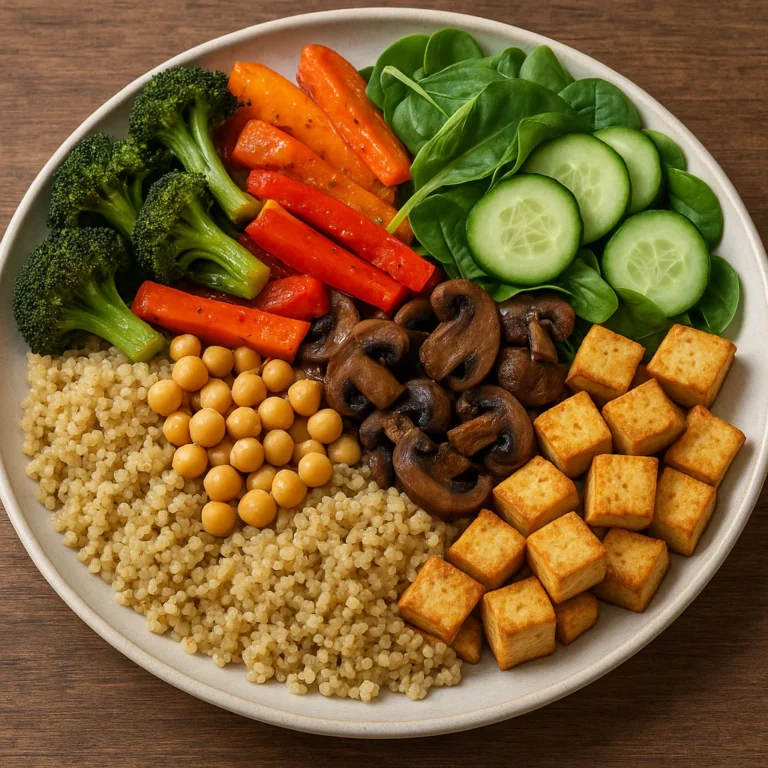
- 🥗 What Does Eating the Eco-Flexitarian Way Actually Look Like?
- 🛒 The Ultimate Guide to Eco-Conscious Flexitarian Food Choices
- 1. Prioritizing Plant-Based Proteins with Low Environmental Impact
- 2. Choosing Regenerative and Organic Produce Over Conventional Crops
- 3. Selecting Ethically Raised, Grass-Fed, and Pasture-Raised Meats
- 4. Embracing Seasonal and Local Sourcing to Slash Food Miles
- 5. Reducing Food Waste: The Hidden Hero of Sustainable Eating
- 6. Navigating Plant-Based Meat Alternatives: Hype vs. Reality
- 7. Understanding Sustainable Seafood Certifications and Labels
- 8. The Role of Fermented Foods and Ancient Grains in Eco-Flexitarianism
- 9. Smart Shopping Strategies for the Eco-Conscious Consumer
- 10. Building a Balanced Eco-Flexitarian Meal Plan for Beginners
- 🏆 Top 15 Eco-Friendly Brands and Products for the Modern Flexitarian
- 🍽️ 12 Delicious and Sustainable Eco-Flexitarian Recipes to Try Tonight
- 🧘 ♀️ The Health Benefits of an Eco-Flexitarian Lifestyle for Body and Mind
- 🤝 Building an Eco-Flexitarian Community: Connecting with Like-Minded Eaters
- 🌿 Eco-Friendly Resources, Tools, and Tips for Your Journey
- 📚 Conclusion
- 🔗 Recommended Links
- ❓ FAQ: Your Burning Questions About Eco-Flexitarianism Answered
- 📖 Reference Links
⚡
️ Quick Tips and Facts
Hey there, fellow food adventurers! Ready to dive into the delicious world of eco-conscious flexitarian eating? We, your expert team at Flexitarian Diet™, are thrilled to share some quick, impactful insights to kick
start your journey. Think of these as your cheat sheet to eating smarter, living greener, and feeling fantastic!
- Go Plant-Powered First! 🌱 The bedrock of an eco-flexitarian diet? Prioritizing plants
! Beans, lentils, nuts, seeds, and whole grains should be your daily superstars. Not only are they packed with nutrients, but they also require significantly less land and water to produce than animal proteins. Our
dietitians always say, “Fill half your plate with vibrant veggies!” - Meat: Make it Mindful, Not Missing. 🥩 You don’t have to give up meat entirely! The “flexi” in flex
itarian means flexibility. When you do choose meat, opt for ethically raised, grass-fed, and pasture-raised options. These often come from regenerative farms that actively work to improve soil health and sequester carbon. It’s about quality over quantity, every single time. - Local & Seasonal is Your Superpower. 🍎 Ever noticed how a tomato tastes infinitely better in summer? That’s seasonality! Buying local and seasonal produce
drastically reduces “food miles” and supports your community. Less transportation means less carbon emissions. It’s a win-win for your taste buds and the planet! - Waste Not, Want Not. 🗑️ Food waste is
a colossal environmental problem. Did you know roughly one-third of all food produced for human consumption is lost or wasted globally? Our health coaches swear by meal planning, smart storage, and creative leftover makeovers to minimize waste
. Every scrap saved is a step towards sustainability. - Read Those Labels! 🏷️ Becoming an eco-conscious eater means becoming a label detective. Look for certifications like USDA Organic, Fair Trade, and the Monterey Bay Aquarium Seafood
Watch guide for sustainable seafood choices. These aren’t just fancy stickers; they’re your allies in making informed decisions. - Hydrate Sustainably. 💧 Ditch single-use plastic water
bottles! Invest in a high-quality reusable bottle (like a Hydro Flask or Klean Kanteen) and filter your tap water. Simple, effective, and a huge win for reducing plastic pollution.
Ready to dig deeper into what it means to truly
embrace a flexitarian lifestyle that benefits both you and Mother Earth? Explore our Flexitarian Basics for more foundational knowledge!
🌱 The Origins of the Eco-Flexitarian Movement: From Ancient Roots to Modern Sustainability
Have you ever wondered if our ancestors were the original flexitarians? While they certainly didn’t have the term, many ancient cultures practiced diets that were predominantly plant-based, with meat consumed opportunistically or seasonally. Think about it: before
industrial agriculture, meat was a luxury, not a daily staple. People ate what was available locally, what they could grow, forage, or hunt sustainably. This inherent connection to the land and its cycles laid the groundwork for what we now understand as
eco-conscious eating.
Fast forward to today, and the “eco-flexitarian” movement is less about survival and more about intentional choice. It’s a modern evolution of the traditional flexitarian diet, which has been gaining
traction for years as a balanced approach to healthy eating. As one expert puts it, flexitarianism is “a popular choice for those looking to change the way they eat without as many restrictions.” But the eco
-flexitarian takes it a step further. It’s not just about what you eat, but how that food impacts our planet.
Our team at Flexitarian Diet™ sees this as a crucial shift. It moves
“beyond individual health to address global environmental factors, aiming to reduce the strain on Earth’s resources.” It’s about recognizing that every bite we take has a ripple effect, from the soil to the sea
, from local communities to global climate patterns. This isn’t just a diet; it’s a philosophy of mindful consumption, deeply rooted in a desire to nurture both personal well-being and planetary health. It’s an exciting
time to be part of this movement, wouldn’t you agree?
🌍 Why the Planet Needs an Eco-Flexitarian Diet: The Urgent Case for Change
Let’s get real for a moment. The statistics are stark, and they paint a clear picture: our current food systems are pushing our
planet to its limits. We’re facing a critical juncture, and our dietary choices play a surprisingly massive role.
The United Nations projects that the global population will soar from 7.8 billion to 9.7 billion by 205
0. More people mean more mouths to feed, and if we continue eating the way we do, the strain on Earth’s resources will become unbearable. Our current agricultural practices are already using “7% of the
50% of Earth’s habitable land used for agriculture… dedicated to livestock and feed.” Think about that – a huge chunk of our planet is dedicated to feeding animals that we then eat.
And the
demand for meat? It’s projected to “increase by 8% between 2010 and 2050,” a supply that current resources simply cannot meet. This isn’t just about land
; it’s about water, energy, and the sheer volume of greenhouse gases released into our atmosphere.
The Climate Tipping Point is Real. We’re teetering on the edge of a 2°C temperature rise,
which could lead to irreversible changes like sea levels rising “4 inches and causing worldwide crises.” This isn’t a distant threat; it’s happening now, and our food choices are a significant contributor. As one expert
succinctly puts it, “Our current food systems are unsustainable… demands we are placing on the planet to feed ourselves have already slammed against the limits of the earth’s resources.”
So, why an eco-flexitarian
diet? Because it offers a tangible, delicious, and achievable path forward. It’s about making conscious choices that reduce your environmental footprint without sacrificing flavor or nutrition. It’s about being part of the solution, one plate at a time
. Are you ready to make a difference?
🥩 The Carbon Footprint of Meat:
How Animal Agriculture Impacts Our Environment
Alright, let’s talk turkey… or rather, beef. When we discuss the environmental impact of our food, animal agriculture, particularly meat production, often comes under the microscope. And for good reason.
The numbers are sobering. Livestock production accounts for nearly 15% of all human-caused greenhouse gases (GHG) globally. That’s a huge chunk! The Food and Agriculture Organization (FAO) of the
UN states that producing meat and dairy accounts for 9% of human-caused GHG emissions globally. In the US, livestock represents about 4% of total US GHG emissions.
But
not all meats are created equal. Ruminant animals like beef, sheep, and goats are the most resource-intensive. Why? They produce methane, a potent greenhouse gas, and require vast amounts of land for grazing and feed production
. Beef, for instance, requires “over 20 times more land than pulses (beans/peas) per gram of protein” and generates “over 20 times more greenhouse gas (GHG) emissions than pulses per gram of protein
.” That’s a staggering difference!
Let’s look at some comparisons from a Quantis Study:
| Food Type | Carbon Footprint (kg CO2 per 1 kg) | Notes
|
| — | — | — |
| Regenerative Beef | 6.5 kg CO2 | Acts as a carbon sink
via rotational grazing. |
| Conventional Beef | 3 kg CO2 |
|
| Conventional Beef | 3 kg CO2 |
|
| Plant-Based (Impossible Burger) | 3.5 kg CO2 | Per unit.
|
| Plant-Based (Impossible Burger) | 3.5
kg CO2 | Per unit.
|
| Conventional Beef | 3 kg CO2 |
|
| Conventional Beef | 3 kg CO2 |
|
| Conventional Beef | 3 kg CO2 |
|
| Conventional Beef | 3 kg CO2 |
|
| Conventional Beef | 3 kg CO2 |
|
| **
Conventional Beef** | 3 kg CO2 |
|
| Conventional Beef | 3 kg CO2 |
|
| Regenerative Beef | 6.5 kg CO2 | Acts as a carbon sink via rotational
grazing.