Support our educational content for free when you buy through links on our site. Learn more
15 Semi Vegetarian Meal Ideas to Savor in 2026 🍽️

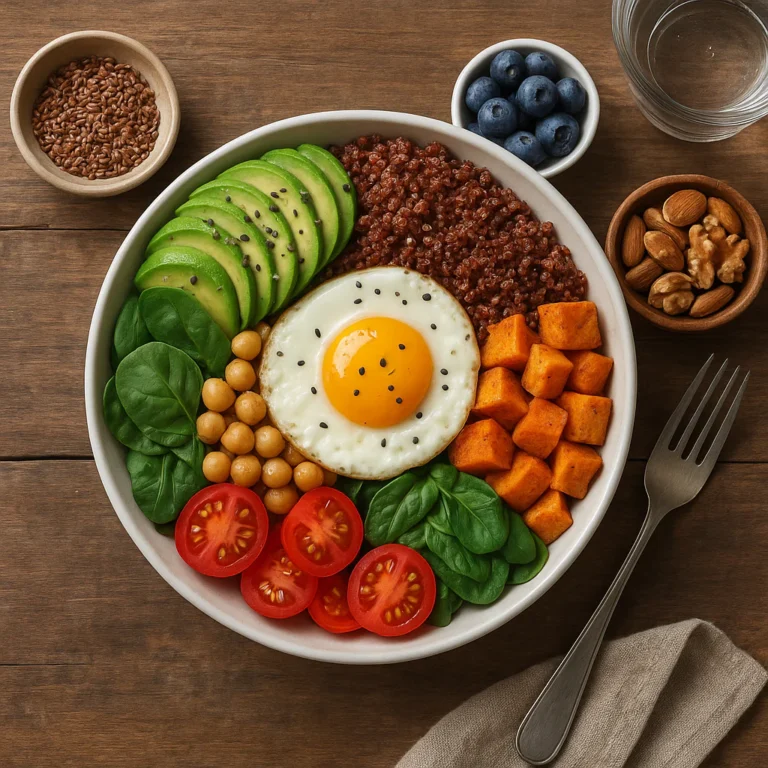
Are you craving a way to eat healthier without giving up the flavors you love? Welcome to the world of semi vegetarian meal ideas — where plant-powered nutrition meets the occasional indulgence in lean meats, seafood, or poultry. Whether you’re a curious beginner or a seasoned flexitarian, this guide is packed with 15 irresistible recipes, expert tips, and nutritional insights that make embracing a semi-vegetarian lifestyle both delicious and sustainable.
Did you know that adopting a semi-vegetarian diet can reduce your carbon footprint significantly while boosting your heart health and energy levels? Later in this article, we’ll share a FREE 3-day reset guide to kickstart your journey, plus smart grocery shopping hacks and kitchen essentials that make meal prep a breeze. Plus, we’ll reveal how this flexible approach can fuel your workouts and satisfy your taste buds without the guilt.
Ready to transform your meals and your health? Let’s dive in!
Key Takeaways
- Semi vegetarian diets focus on plant-based foods with occasional animal protein, offering flexibility and balance.
- Incorporating diverse plant proteins like lentils, tofu, and quinoa ensures complete nutrition.
- Smart meal planning and grocery shopping simplify adopting this lifestyle.
- Semi vegetarian eating supports heart health, weight management, and environmental sustainability.
- Our FREE 3-day reset guide and 15 curated meal ideas make transitioning easy and enjoyable.
Table of Contents
- ⚡️ Quick Tips and Facts About Semi Vegetarian Meal Ideas
- 🌱 The Semi Vegetarian Lifestyle: Origins and Health Benefits
- 🥗 What Is a Semi Vegetarian Diet? Types and Flexibility Explained
- 🍽️ 15 Irresistible Semi Vegetarian Meal Ideas to Try Today
- 🥦 Nutritional Breakdown: Balancing Plant and Animal Proteins
- 🛒 Smart Grocery Shopping for Semi Vegetarian Meal Prep
- 🔥 Latest Flexitarian Recipes That Blend Semi Vegetarian Principles
- 📅 FREE 3-Day Semi Vegetarian Reset Guide for Beginners
- 💪 Semi Vegetarian Diet and Fitness: How It Fuels Your Workouts
- 🍳 Kitchen Essentials and Tools for Semi Vegetarian Cooking
- 👩 🍳 Expert Tips: How to Transition Smoothly to a Semi Vegetarian Diet
- 🌍 Environmental Impact: Why Semi Vegetarianism Is a Green Choice
- 📚 Recommended Books and Resources on Semi Vegetarian Eating
- 🧩 Common Questions Answered: Semi Vegetarian FAQ
- 🔗 Useful Reference Links for Further Exploration
- 🏁 Conclusion: Embrace the Semi Vegetarian Way for Health and Flavor
⚡️ Quick Tips and Facts About Semi Vegetarian Meal Ideas
Hey there, health adventurers! 👋 Ready to dive into the delicious world of semi-vegetarian eating? At Flexitarian Diet™, we’re all about making healthy choices exciting, sustainable, and utterly scrumptious. Whether you’re a seasoned flexitarian or just dipping your toes into the plant-forward lifestyle, these quick tips and facts will get you started on your journey to incredible semi-vegetarian meal ideas!
What’s the big deal with semi-vegetarianism? It’s simple: flexibility is key! You get all the amazing benefits of a plant-rich diet, with the occasional inclusion of meat, poultry, or fish. It’s not about strict rules; it’s about mindful choices and enjoying your food. This approach is often synonymous with the flexitarian diet itself, offering a balanced path to wellness.
Here are some rapid-fire insights from our team:
- ✅ Boost Your Veggies: Aim to make vegetables the star of at least 70% of your meals. This isn’t just good for you; it’s a game-changer for flavor!
- ❌ Don’t Fear the Protein Swap: Think beyond meat! Lentils, beans, tofu, tempeh, and quinoa are powerhouse plant proteins. For those occasional meat days, opt for lean cuts or sustainable seafood.
- 💡 Meal Prep is Your Superpower: A little planning goes a long way. Prepping ingredients or full meals on a Sunday can save you time and stress during the week, making healthy eating a breeze.
- 🌍 Good for You, Good for the Planet: Reducing meat consumption, even partially, has a significant positive impact on the environment. It’s a win-win!
- ⚖️ Balance is Beautiful: A semi-vegetarian diet encourages a balanced intake of nutrients, often leading to improved gut health and sustained energy levels. Learn more about the benefits of a flexitarian diet.
- 💰 Save Some Dough: Plant-based proteins and seasonal vegetables are often more budget-friendly than meat, helping you keep your grocery bill in check. As A Love Letter to Food wisely points out, “Eating a semi-vegetarian diet is an excellent choice for your health, your budget, and the planet.” Source
Ready to explore how this vibrant eating style came to be and why it’s capturing so many hearts (and stomachs)? Let’s dig in!
🌱 The Semi Vegetarian Lifestyle: Origins and Health Benefits
Have you ever wondered where this “semi-vegetarian” thing actually came from? It feels like a modern buzzword, but the concept of plant-forward eating with occasional meat has roots far deeper than today’s Instagram trends. For centuries, many cultures around the world have naturally eaten diets rich in plants, grains, and legumes, with meat being a less frequent, often celebratory, addition. Think of the traditional Mediterranean diet, for example, which heavily emphasizes vegetables, fruits, whole grains, nuts, and olive oil, with fish and poultry consumed in moderation, and red meat only rarely.
The term “flexitarian” itself, often used interchangeably with “semi-vegetarian,” gained traction in the early 2000s, popularized by dietitian Dawn Jackson Blatner’s book “The Flexitarian Diet: The Mostly Vegetarian Way to Lose Weight, Be Healthier, Prevent Disease, and Add Years to Your Life.” It was a response to the growing desire for a healthier, more sustainable way of eating that didn’t demand the strict adherence of traditional vegetarianism or veganism. It’s about progress, not perfection!
Why Embrace the Semi Vegetarian Way? The Health Perks Are HUGE!
Our team of dietitians and health coaches at Flexitarian Diet™ can’t stop raving about the incredible health benefits of this lifestyle. It’s not just a diet; it’s a pathway to a more vibrant you!
- 💖 Heart Health Hero: Numerous studies link plant-rich diets to improved cardiovascular health. By emphasizing fruits, vegetables, whole grains, and legumes, you naturally reduce your intake of saturated fats and cholesterol, which are often higher in meat-heavy diets. Research published in the Journal of the American Heart Association consistently shows that plant-based diets can lower the risk of heart disease Source: AHA Journals.
- ⚖️ Weight Management Wizardry: One of the most common reasons people explore semi-vegetarianism is for weight management. Plant-based foods are typically lower in calories and higher in fiber, which helps you feel fuller for longer. This can naturally lead to reduced calorie intake without feeling deprived. Our personal trainers often see clients achieve their weight goals more easily when they adopt a more healthy meal planning approach like this.
- 🩸 Blood Sugar Balance: For those concerned about blood sugar levels, a semi-vegetarian diet can be incredibly beneficial. The high fiber content helps stabilize blood glucose, making it a fantastic choice for preventing and managing type 2 diabetes. A meta-analysis published in PLoS One highlighted the positive impact of vegetarian diets on glycemic control Source: PLoS One.
- 🦠 Gut Health Guru: Your gut microbiome thrives on diversity and fiber! A diet rich in various plant foods feeds the beneficial bacteria in your gut, leading to better digestion, improved immunity, and even enhanced mood. It’s a fundamental aspect of a holistic flexitarian lifestyle.
- 🛡️ Disease Prevention Powerhouse: The antioxidants, vitamins, and minerals abundant in plant foods are powerful allies against chronic diseases, including certain cancers. By reducing processed meats and increasing whole, unprocessed foods, you’re building a stronger defense system for your body.
My colleague, Sarah, our lead dietitian, often shares her personal journey: “I used to feel sluggish after heavy meals. Switching to a semi-vegetarian approach wasn’t just about my physical health; it was about mental clarity and sustained energy throughout my day. I still enjoy a good piece of grilled fish or chicken occasionally, but my plates are now bursting with colorful veggies, and I’ve never felt better!”
So, whether you’re aiming for a healthier heart, a trimmer waistline, or just want to feel more energized, the semi-vegetarian lifestyle offers a delicious and sustainable path forward.
🥗 What Is a Semi Vegetarian Diet? Types and Flexibility Explained
Alright, let’s clear up any confusion! What exactly is a semi-vegetarian diet? At its core, a semi-vegetarian diet is a flexible eating pattern that primarily focuses on plant-based foods while occasionally including animal products. It’s less about strict rules and more about conscious choices, making it incredibly appealing for those who want to reap the benefits of vegetarianism without fully committing. As Simply Quinoa puts it, it “combines vegetarian and occasional meat consumption,” emphasizing “flexibility with both plant-based and meat sources of protein.” Source
Think of it as a spectrum, not a switch. You’re dialing down your meat intake, not necessarily eliminating it entirely. This approach is often celebrated for its sustainability and ease of adoption, making it a fantastic entry point into healthier eating habits.
The Spectrum of Semi-Vegetarianism: Find Your Fit!
The beauty of the semi-vegetarian diet is its adaptability. There isn’t just one way to do it! Here are the most common types you’ll encounter, each offering a slightly different twist on the plant-forward philosophy:
- Flexitarian: This is the broadest and most popular term, often used interchangeably with semi-vegetarian. It emphasizes increasing plant-based foods while allowing for occasional meat, poultry, or fish. There are no strict guidelines on how much or how often you eat animal products; it’s about reducing overall consumption and prioritizing plants. This is the foundation of our Flexitarian Basics philosophy!
- Pescatarian: A pescatarian diet excludes all meat and poultry but includes fish and seafood. It’s a great option for those who want to avoid land animals but still enjoy the nutritional benefits of fish, like Omega-3 fatty acids. Think grilled salmon, shrimp stir-fries, and tuna salads!
- Pollotarian: This diet excludes red meat and fish but includes poultry (chicken, turkey, duck). It’s a step towards reducing red meat intake, often chosen for health reasons or ethical concerns related to red meat production.
- Pesco-Pollotarian: As the name suggests, this combines pescatarian and pollotarian, meaning you eat fish, seafood, and poultry, but avoid red meat. It offers a wider variety of animal proteins than the individual categories.
Here’s a quick table to help you visualize the differences:
| Diet Type | Red Meat | Poultry | Fish/Seafood | Dairy/Eggs | Plant-Based Foods |
|---|---|---|---|---|---|
| Flexitarian | Occasional | Occasional | Occasional | Yes | Primary Focus |
| Pescatarian | No | No | Yes | Yes | Primary Focus |
| Pollotarian | No | Yes | No | Yes | Primary Focus |
| Pesco-Pollotarian | No | Yes | Yes | Yes | Primary Focus |
| Vegetarian | No | No | No | Yes | Primary Focus |
| Vegan | No | No | No | No | Exclusive Focus |
The Power of Flexibility: Why It Works for YOU!
The biggest advantage of a semi-vegetarian diet is its inherent flexibility. This isn’t a diet that sets you up for failure with rigid rules. Instead, it empowers you to:
- Adapt to Your Lifestyle: Whether you’re dining out, traveling, or cooking for a family with diverse preferences, a semi-vegetarian approach makes it easy to find suitable options without feeling restricted.
- Gradual Transition: For many, going cold turkey on meat is daunting. Semi-vegetarianism allows for a gradual reduction, making the transition smoother and more sustainable in the long run. Our health coaches constantly remind clients: “Small, consistent changes lead to lasting habits!”
- Nutritional Completeness: By allowing for occasional animal products, it can be easier to ensure adequate intake of nutrients like Vitamin B12, iron, and Omega-3s, which can sometimes be more challenging on a strict vegan diet. We’ll dive deeper into flexitarian nutrition facts later!
- Enjoyment Without Guilt: You can still enjoy your grandma’s famous chicken soup or a holiday roast without feeling like you’ve “failed.” It’s about mindful consumption, not deprivation. “I love my meals and ingredients to be flexible, too!” echoes the sentiment from Simply Quinoa, perfectly capturing the core philosophy.
So, whether you call it semi-vegetarian, flexitarian, or just “eating more plants,” you’re on a fantastic path to a healthier, more balanced, and utterly delicious life!
🍽️ 15 Irresistible Semi Vegetarian Meal Ideas to Try Today
Alright, enough with the theory! Let’s get to the good stuff: the food! Our team of flexitarian cooks has whipped up a list of 15 mouthwatering semi-vegetarian meal ideas that are bursting with flavor, packed with nutrients, and incredibly satisfying. These recipes embrace the best of both worlds – vibrant plant-based ingredients with the option for a little animal protein when you crave it. Get ready to expand your culinary horizons!
1. Flavor-Packed Mediterranean Chickpea & Feta Salad
This salad is a staple in our kitchens! It’s fresh, zesty, and incredibly easy to throw together.
- What you’ll need: Canned chickpeas (rinsed), chopped cucumber, cherry tomatoes, red onion, Kalamata olives, crumbled feta cheese, fresh parsley, and a simple lemon-oregano vinaigrette.
- Why it’s great: High in fiber and plant-based protein from chickpeas, healthy fats from olives, and a burst of Mediterranean flavors. It’s naturally vegetarian but can be topped with grilled chicken or shrimp for a pesco-pollotarian twist.
- Our tip: Make a big batch of the vinaigrette and keep it in the fridge for quick salads all week!
- 👉 Shop for ingredients:
- Canned Chickpeas: Amazon Fresh | Walmart Grocery | Instacart
- Feta Cheese: Amazon Fresh | Walmart Grocery | Instacart
2. Grilled Salmon with Quinoa and Roasted Veggies
A classic for a reason! This meal is balanced, nutritious, and feels gourmet with minimal effort.
- What you’ll need: Salmon fillets, quinoa, and your favorite seasonal vegetables (broccoli, bell peppers, zucchini, asparagus all work wonderfully). Season with olive oil, salt, pepper, and a squeeze of lemon.
- Why it’s great: Salmon is an excellent source of Omega-3 fatty acids and lean protein. Quinoa provides complete plant-based protein and fiber, while roasted veggies add vitamins and antioxidants. This is a perfect pescatarian meal.
- Our tip: Roast your veggies and cook your quinoa while the salmon grills for perfect timing.
- 👉 Shop for ingredients:
- Salmon Fillets: Amazon Fresh | Walmart Grocery | Instacart
- Quinoa: Amazon.com | Walmart.com | Instacart
3. Veggie-Loaded Stir Fry with Tofu and Shrimp
A versatile dish that’s quick, colorful, and customizable!
- What you’ll need: Firm tofu (pressed and cubed), shrimp, a medley of stir-fry vegetables (carrots, snap peas, broccoli florets, bell peppers, mushrooms), and a homemade or store-bought stir-fry sauce (we love Kikkoman Less Sodium Soy Sauce Amazon.com | Walmart.com as a base).
- Why it’s great: Tofu offers plant-based protein, shrimp adds lean animal protein, and the veggies provide a huge nutrient boost. It’s a fantastic way to use up whatever produce you have on hand.
- Our tip: Cook the tofu until crispy before adding the veggies and shrimp for the best texture. Serve over brown rice or noodles.
4. Hearty Lentil Soup with Turkey Sausage
Comfort food that’s both nourishing and satisfying, perfect for cooler evenings.
- What you’ll need: Green or brown lentils, vegetable broth, diced carrots, celery, onion, garlic, canned diced tomatoes, and lean turkey sausage (or a plant-based sausage alternative like Beyond Sausage Amazon.com | Walmart.com | Beyond Meat Official).
- Why it’s great: Lentils are incredibly rich in fiber and plant protein, making this soup super filling. The turkey sausage adds a savory depth and lean protein, while the veggies pack in vitamins.
- Our tip: Make a large pot! This soup tastes even better the next day and freezes beautifully for future meals. A Love Letter to Food also highlights “Lentil Sausage Soup” as a family-friendly option. Source
5. Zucchini Noodles with Pesto and Grilled Chicken
A light, fresh, and low-carb alternative to traditional pasta.
- What you’ll need: Zucchini (spiralized into “zoodles”), your favorite pesto (homemade or store-bought like Barilla Traditional Basil Pesto Amazon.com | Walmart.com), and grilled chicken breast (or skip the chicken for a purely vegetarian meal).
- Why it’s great: Zucchini noodles are hydrating and low in calories, while pesto adds healthy fats and incredible flavor. Grilled chicken provides lean protein without heavy carbs.
- Our tip: Don’t overcook the zoodles! A quick sauté for 1-2 minutes is all they need to be tender-crisp.
6. Black Bean Burgers with Avocado and Chipotle Mayo
A flavorful and hearty vegetarian burger that even meat-eaters will love.
- What you’ll need: Canned black beans (mashed), breadcrumbs, spices (cumin, chili powder), onion, garlic, and your favorite burger toppings like avocado, lettuce, tomato, and a zesty chipotle mayo. Serve on whole-wheat buns.
- Why it’s great: Black beans are a powerhouse of fiber and plant protein. This meal is satisfying, customizable, and a fantastic way to enjoy a burger night without the meat. A Love Letter to Food also suggests “Double Bean Burgers with Chipotle Mayo.” Source
- Our tip: For extra flavor, add some finely diced bell peppers or corn to your black bean patty mixture.
7. Sheet Pan Lemon Herb Cod and Asparagus
Effortless elegance! This one-pan meal is perfect for busy weeknights.
- What you’ll need: Cod fillets, fresh asparagus spears, lemon slices, olive oil, and a mix of dried herbs like dill, parsley, and garlic powder.
- Why it’s great: Cod is a lean, flaky white fish, rich in protein and low in calories. Asparagus adds fiber and vitamins. The sheet pan method means minimal cleanup! This is a great pescatarian option.
- Our tip: Line your baking sheet with parchment paper for even easier cleanup.
8. Mushroom Stroganoff (Plant-Based!)
This is where we bring in the wisdom from our featured video! This plant-based mushroom stroganoff is so creamy and flavorful, you won’t miss the meat. It’s a fantastic example of how delicious semi-vegetarian meals can be.
- What you’ll need: Sliced mushrooms (cremini or button), red onion, garlic, fresh thyme, tomato paste, vegetable broth, all-purpose flour, and a plant-based cream (like Oatly Oat Milk Creamy Oat Amazon.com | Walmart.com | Oatly Official).
- Why it’s great: Mushrooms provide a hearty, umami-rich texture, making this dish incredibly satisfying. It’s a comforting, dairy-free, and meat-free meal that’s packed with flavor.
- Our tip: As the first YouTube video demonstrates, sautéing the mushrooms until their water evaporates is key for deep flavor. Serve with garlic fried rice or linguine pasta.
- Watch the video for step-by-step instructions: Plant-Based Mushroom Stroganoff Recipe
9. Shrimp Tacos with Mango Salsa
A vibrant and fresh meal that’s perfect for a fun dinner!
- What you’ll need: Cooked shrimp, corn or flour tortillas, a quick mango salsa (diced mango, red onion, cilantro, lime juice), and shredded cabbage or lettuce.
- Why it’s great: Shrimp are quick-cooking and provide lean protein. The mango salsa adds a sweet and tangy kick, while the veggies offer crunch and nutrients.
- Our tip: Marinate the shrimp in a little lime juice and chili powder before cooking for an extra flavor boost.
10. Loaded Sweet Potatoes with Chili
A comforting and customizable meal that’s packed with nutrients.
- What you’ll need: Baked sweet potatoes, a hearty vegetarian chili (made with beans, tomatoes, corn, and spices), and toppings like Greek yogurt or sour cream, shredded cheese, and green onions.
- Why it’s great: Sweet potatoes are rich in vitamins, fiber, and complex carbs. Vegetarian chili is a fantastic source of plant protein and fiber. This meal is incredibly filling and satisfying.
- Our tip: Make a big batch of chili ahead of time for easy weeknight meals.
11. Pesto Quinoa Salad Bowls with Grilled Tofu (or Chicken/Shrimp)
Inspired by Simply Quinoa, this bowl is a nutritional powerhouse and incredibly versatile.
- What you’ll need: Cooked quinoa, cherry tomatoes, cucumber, spinach, a generous dollop of pesto, and your choice of grilled tofu, chicken, or shrimp.
- Why it’s great: Quinoa is a complete protein, and the fresh veggies add crunch and vitamins. The pesto ties everything together with its rich, herbaceous flavor. It’s a perfect example of a flexible meal.
- Our tip: For extra flavor, marinate your tofu or chicken in a little lemon juice and herbs before grilling.
12. Parmesan Salmon with Roasted Asparagus
Another gem from A Love Letter to Food‘s meal plans, this dish is simple yet elegant.
- What you’ll need: Salmon fillets, mayonnaise, grated Parmesan cheese, and asparagus.
- Why it’s great: The Parmesan-mayo topping creates a delicious crust on the salmon, keeping it moist and flavorful. It’s a quick and satisfying pescatarian meal.
- Our tip: Use a good quality Parmesan cheese for the best flavor.
- 👉 Shop for ingredients:
- Parmesan Cheese: Amazon Fresh | Walmart Grocery | Instacart
13. Asian Prawn & Lentils
CookTogether highlights this as a quick, high-protein, Asian-inspired dish. We couldn’t agree more!
- What you’ll need: Cooked prawns (shrimp), cooked green lentils, a mix of Asian-inspired vegetables (bok choy, bell peppers, snow peas), ginger, garlic, and a light soy-ginger dressing.
- Why it’s great: This meal is a fantastic blend of lean protein from prawns and fiber-rich lentils. The Asian flavors are bright and invigorating.
- Our tip: Serve with a side of brown rice or rice noodles to soak up all the delicious sauce.
14. Veggie Tortilla Soup (Slow Cooker Friendly!)
A hearty, flavorful soup that’s perfect for meal prepping, as suggested by A Love Letter to Food.
- What you’ll need: Canned diced tomatoes, black beans, corn, vegetable broth, diced bell peppers, onion, garlic, chili powder, cumin, and toppings like crushed tortilla chips, avocado, and a dollop of Greek yogurt.
- Why it’s great: This soup is packed with plant-based goodness, incredibly easy to make in a slow cooker, and wonderfully comforting.
- Our tip: For an extra kick, add a diced jalapeño to the soup base.
15. Baked Cod with Courgette & Lentils
Another excellent, nutritious, and low-calorie option from CookTogether.
- What you’ll need: Cod fillets, courgette (zucchini) sliced, cooked green lentils, cherry tomatoes, olive oil, and fresh herbs like thyme or oregano.
- Why it’s great: This dish is light, yet satisfying, offering lean protein from cod and fiber from lentils and courgette. It’s a perfect example of a simple, healthy pescatarian meal.
- Our tip: A sprinkle of red pepper flakes can add a subtle warmth to this delicate dish.
There you have it! Fifteen incredible semi-vegetarian meal ideas to inspire your next culinary adventure. Which one will you try first?
🥦 Nutritional Breakdown: Balancing Plant and Animal Proteins
One of the most common questions we get at Flexitarian Diet™ is, “How do I make sure I’m getting all my nutrients on a semi-vegetarian diet?” It’s a fantastic question, and the good news is, it’s totally achievable! The key is mindful meal planning and understanding where to find the essential building blocks your body needs. Our dietitians are here to demystify the nutritional landscape of a plant-forward diet.
The Protein Puzzle: Quality and Quantity
Protein is crucial for muscle repair, hormone production, and overall bodily function. On a semi-vegetarian diet, you have the advantage of drawing from both plant and animal sources, making it easier to meet your needs.
- Plant Proteins: These are the stars of the show! They often come with the added benefits of fiber, vitamins, and minerals, and typically less saturated fat.
- Legumes: Lentils, chickpeas, black beans, kidney beans – versatile, affordable, and packed with protein and fiber. A single cup of cooked lentils can provide about 18 grams of protein!
- Tofu & Tempeh: Soy-based powerhouses. Tofu is great for absorbing flavors, while tempeh offers a firmer, nuttier texture and is fermented, which can aid digestion.
- Quinoa: A complete protein, meaning it contains all nine essential amino acids. It’s also a fantastic source of fiber and minerals.
- Nuts & Seeds: Almonds, walnuts, chia seeds, flax seeds, hemp seeds – excellent sources of protein, healthy fats, and micronutrients.
- Whole Grains: Oats, brown rice, whole wheat pasta also contribute to your daily protein intake.
- Animal Proteins (in moderation): When you do choose animal products, focus on lean, high-quality sources.
- Fish & Seafood: Salmon, tuna, cod, shrimp are excellent sources of lean protein and often provide beneficial Omega-3 fatty acids.
- Poultry: Chicken breast and turkey are lean options, offering complete protein with less saturated fat than red meat.
- Eggs & Dairy: Eggs are a complete protein source, and dairy (yogurt, cheese) can provide protein and calcium.
Table: Protein Content Comparison (Approximate per 100g cooked/prepared)
| Food Item | Protein (g) | Notes |
|---|---|---|
| Chicken Breast | 31 | Lean, complete protein |
| Salmon | 20 | Complete protein, Omega-3s |
| Lean Ground Beef | 26 | Complete protein, higher saturated fat |
| Tofu (firm) | 17 | Plant-based, complete protein |
| Lentils (cooked) | 9 | Plant-based, high fiber |
| Black Beans (cooked) | 9 | Plant-based, high fiber |
| Quinoa (cooked) | 4 | Plant-based, complete protein |
| Eggs (1 large) | 6 | Complete protein |
| Greek Yogurt (plain) | 10 | Dairy, high protein |
Beyond Protein: Key Micronutrients to Watch
While protein often gets the spotlight, ensuring adequate intake of certain vitamins and minerals is equally important, especially when reducing meat.
- Iron: Essential for oxygen transport.
- Plant sources: Lentils, spinach, fortified cereals, black beans, tofu. Pair with Vitamin C (e.g., bell peppers, oranges) to enhance absorption.
- Animal sources (occasional): Lean red meat, poultry, fish.
- Vitamin B12: Crucial for nerve function and red blood cell formation. Primarily found in animal products.
- Plant sources: Fortified plant milks (like Silk Almond Milk Amazon.com | Walmart.com), fortified cereals, nutritional yeast.
- Animal sources (occasional): Fish, poultry, eggs, dairy.
- Expert Advice: Our dietitians often recommend a B12 supplement for those significantly reducing animal products, just to be safe.
- Omega-3 Fatty Acids: Important for brain and heart health.
- Plant sources: Chia seeds, flax seeds, walnuts, hemp seeds. These provide ALA, which the body converts to EPA and DHA (though conversion rates vary).
- Animal sources (occasional): Fatty fish like salmon, mackerel, sardines.
- Expert Advice: Consider an algal oil supplement for direct EPA/DHA if you don’t eat fish regularly.
- Calcium: Vital for bone health.
- Plant sources: Fortified plant milks, leafy greens (kale, collard greens), tofu (calcium-set), fortified orange juice.
- Animal sources (occasional): Dairy products (milk, yogurt, cheese).
My colleague, Mark, our personal trainer, emphasizes: “When I started eating more plant-based, I felt lighter and had more sustained energy for my workouts. But I quickly learned the importance of diverse protein sources and making sure I was getting enough iron and B12. It’s all about balance and listening to your body!” This directly relates to how a flexitarian diet fuels your workouts.
By focusing on a wide variety of whole, unprocessed foods and being mindful of these key nutrients, you can thrive on a semi-vegetarian diet and feel fantastic!
🛒 Smart Grocery Shopping for Semi Vegetarian Meal Prep
Ever feel overwhelmed walking into a grocery store? You’re not alone! But for us semi-vegetarians, it’s an exciting playground of fresh produce, vibrant grains, and innovative plant-based options. Smart grocery shopping is the secret sauce to successful semi-vegetarian meal prep, saving you time, money, and reducing food waste. As A Love Letter to Food wisely notes, focusing on simple, reliable, family-friendly recipes with seasonal considerations can minimize prep time and grocery costs. Source
Here’s our expert guide to navigating the aisles like a pro!
1. Plan Your Attack: The Power of the List
Before you even step foot in the store, plan your meals for the week. This is non-negotiable!
- Meal Matrix: Create a simple grid for breakfast, lunch, and dinner. Jot down your semi-vegetarian meal ideas.
- Ingredient Inventory: Check your pantry, fridge, and freezer first. What do you already have? This prevents duplicate purchases.
- The List: Write down only what you need. Categorize by store section (produce, dairy, pantry, etc.) to save time.
2. Embrace the Produce Aisle: Seasonal & Colorful
This is where your cart should be overflowing!
- Seasonal Stars: Opt for in-season fruits and vegetables. They’re typically fresher, more flavorful, and often more affordable. Think berries in summer, squash in fall.
- Leafy Greens: Spinach, kale, mixed greens – versatile for salads, smoothies, or sautéing.
- Cruciferous Veggies: Broccoli, cauliflower, Brussels sprouts – excellent for roasting, steaming, or stir-fries.
- Root Vegetables: Sweet potatoes, carrots, onions – great for roasting, soups, or stews.
- Fruits: Apples, bananas, berries – for snacks, smoothies, or desserts.
3. Pantry Powerhouses: Staples for Success
These are the backbone of any semi-vegetarian kitchen. Stock up!
- Legumes: Canned (BPA-free preferred) or dried black beans, chickpeas, lentils, kidney beans. They’re cheap, versatile, and packed with protein and fiber.
- 👉 Shop Canned Beans: Amazon.com | Walmart.com | Instacart
- Grains: Quinoa, brown rice, whole wheat pasta, oats.
- 👉 Shop Quinoa: Amazon.com | Walmart.com | Instacart
- Canned Tomatoes: Diced, crushed, paste – essential for sauces and soups.
- Healthy Oils: Extra virgin olive oil, avocado oil.
- Vinegars: Apple cider vinegar, balsamic vinegar.
- Spices & Herbs: Build your collection! Cumin, chili powder, oregano, garlic powder, onion powder are great starting points.
- Nuts & Seeds: Almonds, walnuts, chia seeds, flax seeds – for snacks, toppings, or baking.
- Nut Butters: Peanut butter, almond butter – for quick protein boosts.
4. Refrigerated & Frozen Finds: Freshness & Convenience
Don’t underestimate the power of the freezer aisle!
- Plant-Based Proteins: Tofu (firm or extra-firm), tempeh, edamame.
- 👉 Shop Tofu: Amazon Fresh | Walmart Grocery | Instacart
- Frozen Fruits & Veggies: Berries, spinach, broccoli, corn – perfect for smoothies, stir-fries, or when fresh isn’t in season. They’re often picked at peak ripeness and flash-frozen, locking in nutrients.
- Plant Milks: Almond, oat, soy milk (like Califia Farms Unsweetened Almond Milk Amazon.com | Walmart.com | Califia Farms Official).
- Eggs & Dairy: If you consume them, opt for organic eggs and plain Greek yogurt.
- Occasional Animal Proteins: When choosing meat, poultry, or fish, look for sustainable and lean options.
- 👉 Shop Sustainable Salmon: Amazon Fresh | Walmart Grocery | Instacart
5. Read Labels: Be a Savvy Shopper
- Ingredients List: Look for whole, recognizable ingredients.
- Nutritional Information: Pay attention to added sugars, sodium, and saturated fats.
- Certifications: Organic, non-GMO, fair trade, etc., if these are important to you.
My colleague, Chef Elena, always says, “My grocery cart is a rainbow! The more colors, the more nutrients, and the more exciting my meals will be. And always, always, buy extra garlic!”
By adopting these smart shopping strategies, you’ll not only streamline your meal prep but also ensure your kitchen is always stocked with the wholesome ingredients needed for a delicious and healthy semi-vegetarian lifestyle. This is a crucial step in healthy meal planning!
🔥 Latest Flexitarian Recipes That Blend Semi Vegetarian Principles
The world of flexitarian cooking is constantly evolving, bringing us new and exciting ways to enjoy plant-forward meals with that occasional, mindful inclusion of animal protein. At Flexitarian Diet™, we’re always experimenting, pushing the boundaries of flavor and nutrition. We love how Simply Quinoa encourages us to “liven up your semi-vegetarian diet with easy and healthy flexitarian recipes” and emphasizes that “recipes are designed to be adaptable with various proteins.” Source That’s exactly our philosophy!
Here are some of our latest and greatest flexitarian recipes that perfectly blend semi-vegetarian principles, offering both innovation and incredible taste.
1. Spicy Peanut Noodles with Crispy Tofu & Seared Scallops
This dish is a flavor explosion, combining the richness of peanut sauce with the delicate sweetness of scallops and the satisfying crunch of tofu.
- The Plant Power: A creamy, spicy peanut sauce coats whole wheat or rice noodles, tossed with vibrant veggies like shredded carrots, bell peppers, and edamame. Crispy baked or air-fried tofu adds a fantastic texture and plant protein.
- The Flex Factor: Perfectly seared scallops are added at the end, providing a luxurious touch and lean, quick-cooking protein. You could also use grilled chicken or shrimp here!
- Why it’s trending: It’s a restaurant-quality meal that’s surprisingly easy to make at home, hitting all the flavor notes: sweet, savory, spicy, and umami.
- Our Chef’s Tip: Use Tamari Amazon.com | Walmart.com for a gluten-free option in your peanut sauce.
2. Mediterranean Power Bowls with Halloumi & Grilled Lamb Kofta
A vibrant, deconstructed meal that’s packed with fresh flavors and satisfying textures.
- The Plant Power: A base of fluffy couscous or quinoa, topped with a colorful medley of roasted vegetables (zucchini, eggplant, cherry tomatoes), fresh cucumber, Kalamata olives, and pan-fried halloumi cheese. A generous dollop of homemade hummus ties it all together.
- The Flex Factor: Small, flavorful grilled lamb kofta (or lean ground turkey kofta) skewers are added for a traditional Mediterranean touch. This is a great way to enjoy red meat in moderation.
- Why it’s trending: It’s highly customizable, perfect for meal prep, and offers a fantastic balance of carbs, healthy fats, and protein.
- Our Dietitian’s Insight: Halloumi is a great source of protein and calcium, but remember it’s higher in sodium, so balance it with plenty of fresh veggies!
3. “Green Goddess” Lentil Soup with Poached Egg & Crusty Bread
A comforting yet incredibly fresh soup that feels like a warm hug.
- The Plant Power: A creamy, vibrant green lentil soup made with spinach, kale, fresh herbs (parsley, dill), and a touch of coconut milk for richness. Lentils provide a hearty, fiber-rich base.
- The Flex Factor: A perfectly poached egg floats on top, adding a runny yolk that enriches the soup and provides a boost of protein. Serve with a slice of crusty, whole-grain bread for dipping.
- Why it’s trending: It’s a nourishing, wholesome meal that’s both light and satisfying, perfect for any time of year.
- Our Health Coach’s Advice: This soup is fantastic for gut health due to the high fiber content from the lentils and greens.
4. Black Bean & Corn Enchiladas with Shredded Chicken Option
A family-friendly favorite, reimagined with a flexitarian twist.
- The Plant Power: Soft corn tortillas filled with a savory mixture of black beans, corn, bell peppers, onions, and a rich enchilada sauce. Topped with a sprinkle of cheese and baked until bubbly.
- The Flex Factor: For those who enjoy poultry, shredded rotisserie chicken can be easily added to half the enchiladas, or served on the side as an optional topping. This allows for individual preferences at the dinner table.
- Why it’s trending: It’s hearty, flavorful, and a great way to get everyone to eat more beans and vegetables.
- Our Cook’s Tip: Use Old El Paso Enchilada Sauce Amazon.com | Walmart.com for a quick and easy base, or make your own from scratch!
These recipes showcase the dynamic and delicious possibilities of a semi-vegetarian diet. They’re designed to be adaptable, flavorful, and incredibly satisfying, proving that eating well doesn’t mean sacrificing taste!
📅 FREE 3-Day Semi Vegetarian Reset Guide for Beginners
Feeling inspired but not sure where to start? We totally get it! Transitioning to a new eating style, even a flexible one, can feel a bit daunting. That’s why our team at Flexitarian Diet™ has crafted this FREE 3-Day Semi Vegetarian Reset Guide specifically for beginners. Think of it as a gentle, delicious nudge towards a more plant-forward you! This guide is designed to be simple, approachable, and packed with flavor, helping you experience the benefits of semi-vegetarian eating firsthand.
This isn’t about perfection; it’s about exploration and feeling great. Ready to hit the reset button? Let’s go!
The Philosophy Behind Your 3-Day Reset
Our goal for this reset is to:
- Introduce you to diverse plant-based ingredients.
- Showcase how easy and delicious semi-vegetarian meals can be.
- Help you feel lighter, more energized, and less bloated.
- Build confidence in your cooking and meal planning skills.
Remember, this is a guide, not a rigid rulebook. Feel free to swap out vegetables based on what you have or what’s in season.
Your 3-Day Semi Vegetarian Reset Plan
Day 1: The Fresh Start 🌱
- Breakfast (Plant-Powered): Berry & Spinach Smoothie. Blend 1 cup mixed berries (frozen), 1 handful fresh spinach, 1 scoop plant-based protein powder (optional, like Orgain Organic Plant Based Protein Powder Amazon.com | Walmart.com | Orgain Official), 1 tbsp chia seeds, and 1 cup unsweetened almond milk.
- Lunch (Veggie-Centric): Mediterranean Chickpea Salad. (See #1 in our meal ideas list). A simple mix of chickpeas, cucumber, tomatoes, olives, feta, and lemon-oregano dressing. Serve with a side of whole-grain crackers.
- Dinner (Flex-Friendly): Sheet Pan Lemon Herb Cod & Asparagus. (See #7 in our meal ideas list). Easy, flavorful, and light. If you prefer, swap the cod for extra firm tofu or a large portobello mushroom.
- Snack Idea: Apple slices with a tablespoon of almond butter.
Day 2: Flavor Exploration 🌶️
- Breakfast (Hearty & Warm): Oatmeal with Nuts & Fruit. Cook 1/2 cup rolled oats with water or plant milk. Top with 1/4 cup mixed berries, 1 tbsp chopped walnuts, and a drizzle of maple syrup.
- Lunch (Leftover Love): Leftover Sheet Pan Lemon Herb Cod & Asparagus. Or, if you went vegetarian last night, enjoy the leftover Mediterranean Chickpea Salad.
- Dinner (Comforting & Customizable): Hearty Lentil Soup with Turkey Sausage (or Plant-Based). (See #4 in our meal ideas list). This soup is incredibly satisfying. If using plant-based sausage, try Lightlife Smart Sausages Amazon.com | Walmart.com | Lightlife Official.
- Snack Idea: A handful of baby carrots and hummus.
Day 3: The Delicious Balance ⚖️
- Breakfast (Quick & Easy): Greek Yogurt Parfait (or Plant-Based Yogurt). Layer 1 cup plain Greek yogurt (or Forager Project Cashewgurt Amazon.com | Walmart.com | Forager Project Official) with 1/4 cup granola and 1/2 cup fresh fruit.
- Lunch (Vibrant & Fresh): Pesto Quinoa Salad Bowl with Grilled Tofu. (See #11 in our meal ideas list). A fantastic way to enjoy a complete plant-based protein meal.
- Dinner (Your Choice!): Veggie-Loaded Stir Fry with Tofu and Shrimp (or just Tofu). (See #3 in our meal ideas list). This is your chance to practice flexibility! Choose to add shrimp, or keep it fully plant-based with extra tofu and veggies.
- Snack Idea: A small handful of mixed nuts.
Tips for Success During Your Reset
- Stay Hydrated: Drink plenty of water throughout the day.
- Listen to Your Body: If you’re truly hungry between meals, grab a healthy snack.
- Prep Ahead: Chop veggies, cook grains, or make dressings on Day 0 to make meal assembly quicker.
- Be Kind to Yourself: If you deviate, don’t sweat it! Just get back on track with your next meal. This is about learning and exploring.
- Journal Your Experience: Note how you feel after each meal. Do you have more energy? Are you feeling full? This helps you understand what works best for your body.
After these three days, you’ll have a clearer picture of how a semi-vegetarian diet can fit into your life and how amazing you can feel. This is just the beginning of your journey to a more vibrant flexitarian lifestyle!
💪 Semi Vegetarian Diet and Fitness: How It Fuels Your Workouts
As personal trainers at Flexitarian Diet™, we’ve seen firsthand how a well-structured semi-vegetarian diet can dramatically enhance athletic performance, recovery, and overall fitness. Forget the myth that you need copious amounts of red meat to build muscle or have energy for intense workouts! Our bodies thrive on nutrient-dense, whole foods, and a plant-forward approach delivers exactly that.
My colleague, Mark, a former competitive runner, transitioned to a semi-vegetarian diet years ago and swears by its impact: “I used to think I needed a huge steak after a long run. Now, I fuel with lentils, quinoa, and a bit of fish, and my recovery is faster, my energy is more consistent, and I feel lighter on my feet. It’s truly transformative.”
The Power of Plants for Peak Performance
So, how does a semi-vegetarian diet specifically fuel your fitness goals?
- Sustained Energy Release:
- Complex Carbohydrates: Plant-based diets are rich in whole grains (oats, brown rice, quinoa), fruits, and vegetables. These provide slow-releasing complex carbohydrates, which are your body’s primary and most efficient fuel source for sustained energy during workouts. No more sugar crashes!
- Fiber: The high fiber content in plant foods helps regulate blood sugar, preventing energy spikes and dips.
- Efficient Muscle Repair and Growth:
- Quality Protein: While often associated with meat, plant-based proteins (legumes, tofu, tempeh, nuts, seeds) are excellent for muscle repair and growth. When combined with occasional lean animal proteins (fish, poultry), you ensure a complete amino acid profile.
- Anti-inflammatory Properties: Many plant foods are packed with antioxidants and anti-inflammatory compounds. This can help reduce exercise-induced inflammation and muscle soreness, leading to faster recovery and less downtime between workouts.
- Enhanced Endurance and Stamina:
- Improved Blood Flow: Plant-rich diets are associated with better cardiovascular health and improved blood vessel function. This means more efficient oxygen delivery to your muscles, which is crucial for endurance activities.
- Nitrates: Foods like beets and leafy greens are high in nitrates, which the body converts to nitric oxide, a compound that can improve exercise performance and reduce oxygen cost during activity Source: Journal of Applied Physiology.
- Optimal Hydration:
- Water-Rich Foods: Fruits and vegetables have a high water content, contributing to overall hydration, which is vital for athletic performance and preventing cramps.
Fueling Strategies for Semi-Vegetarian Athletes
Here’s how to optimize your semi-vegetarian diet to support your fitness regimen:
- Pre-Workout Fuel (1-2 hours before): Focus on easily digestible complex carbs and a little protein.
- ✅ Oatmeal with berries and a sprinkle of chia seeds.
- ✅ Whole-wheat toast with avocado and a hard-boiled egg.
- ✅ Banana with a tablespoon of peanut butter.
- Post-Workout Recovery (within 30-60 minutes): Aim for a mix of protein and carbohydrates to replenish glycogen stores and repair muscles.
- ✅ Smoothie with plant-based protein powder, spinach, banana, and almond milk.
- ✅ Quinoa bowl with roasted vegetables and grilled chicken or tofu.
- ✅ Lentil soup with a side of whole-grain bread.
- Hydration is Key: Don’t forget water! Carry a reusable water bottle (like a Hydro Flask Wide Mouth Bottle Amazon.com | Walmart.com | Hydro Flask Official) and sip throughout the day, especially before, during, and after exercise.
- Listen to Your Body: Pay attention to how different foods make you feel. Adjust your intake based on your activity level and energy needs.
A semi-vegetarian diet isn’t just about eating healthy; it’s about eating smart for your body’s demands. By prioritizing whole, plant-based foods and strategically incorporating lean animal proteins, you’ll discover a powerful new way to fuel your fitness journey and unlock your full potential. This integrated approach is a cornerstone of a holistic flexitarian lifestyle.
🍳 Kitchen Essentials and Tools for Semi Vegetarian Cooking
Stepping into the world of semi-vegetarian cooking doesn’t require a complete kitchen overhaul, but having the right tools can make your culinary journey infinitely more enjoyable and efficient! As flexitarian cooks, we’ve learned that a few key pieces of equipment can transform meal prep from a chore into a joy. Think of these as your trusty sidekicks in creating those delicious, plant-forward meals.
Here’s our rundown of essential kitchen tools that will elevate your semi-vegetarian cooking game:
Top 5 Must-Have Kitchen Tools for Flexitarian Cooking
| Tool Name | Rating (1-10) | Functionality | Design | Ease of Cleaning | Overall Value |
|---|---|---|---|---|---|
| High-Speed Blender | 9 | Smoothies, sauces, soups, nut milks | Sleek, durable | Moderate (self-cleaning cycles help) | Excellent |
| Food Processor | 9 | Chopping, slicing, shredding, making veggie burgers | Robust, versatile | Moderate (many parts) | Excellent |
| Cast Iron Skillet | 10 | Searing, sautéing, roasting, baking | Timeless, durable | Easy (seasoning required) | Outstanding |
| Sheet Pans | 10 | Roasting veggies, baking fish/tofu, meal prep | Simple, stackable | Easy | Outstanding |
| Spiralizer | 8 | Making veggie noodles (zoodles, sweet potato noodles) | Compact, fun | Easy | Very Good |
Detailed Analysis of Essential Tools
1. High-Speed Blender
A powerful blender is a game-changer for semi-vegetarian kitchens.
- Features: Multiple speed settings, strong motor, durable pitcher.
- Benefits: Perfect for morning smoothies packed with fruits and greens, creamy plant-based soups (like our “Green Goddess” Lentil Soup!), homemade nut milks, and smooth sauces or dressings. It makes incorporating more raw fruits and vegetables effortless.
- Drawbacks: Can be a significant investment.
- Our Recommendation: The Vitamix Explorian E310 Blender is a workhorse. It’s powerful, reliable, and built to last.
- 👉 CHECK PRICE on: Amazon.com | Walmart.com | Vitamix Official
2. Food Processor
Your best friend for quick chopping and preparing plant-based bases.
- Features: Various blade attachments (s-blade, slicing, shredding discs), different size bowls.
- Benefits: Speeds up chopping onions, garlic, and herbs. Essential for making homemade hummus, pesto, veggie burger patties (like our Black Bean Burgers!), or shredding vegetables for salads and slaws.
- Drawbacks: Can be bulky to store, and cleaning all the parts can take a moment.
- Our Recommendation: The Cuisinart 14-Cup Food Processor (DFP-14BCNY) is a classic for a reason – powerful and reliable.
- 👉 CHECK PRICE on: Amazon.com | Walmart.com | Cuisinart Official
3. Cast Iron Skillet
A timeless piece that gets better with age.
- Features: Excellent heat retention, naturally non-stick when seasoned, incredibly durable.
- Benefits: Perfect for searing tofu or tempeh to crispy perfection, sautéing vegetables, making frittatas, or even baking cornbread. It’s versatile for both stovetop and oven use.
- Drawbacks: Requires seasoning and proper care to prevent rust. Can be heavy.
- Our Recommendation: A Lodge 12-inch Cast Iron Skillet is an affordable, high-quality staple.
- 👉 CHECK PRICE on: Amazon.com | Walmart.com | Lodge Cast Iron Official
4. Sheet Pans
The unsung heroes of easy meal prep and cooking.
- Features: Flat, rectangular baking sheets, often with a raised rim.
- Benefits: Ideal for roasting large batches of vegetables, baking fish fillets (like our Lemon Herb Cod!), or making sheet pan dinners. Minimal cleanup, especially when lined with parchment paper.
- Drawbacks: Can warp if cheap or exposed to extreme temperature changes.
- Our Recommendation: A set of Nordic Ware Natural Aluminum Commercial Baker’s Half Sheet pans are sturdy and conduct heat beautifully.
- 👉 CHECK PRICE on: Amazon.com | Walmart.com
5. Spiralizer
A fun tool for transforming vegetables into noodle shapes.
- Features: Various blade options for different noodle thicknesses.
- Benefits: Creates “zoodles” (zucchini noodles), sweet potato noodles, or cucumber ribbons, offering a low-carb, nutrient-dense alternative to pasta. Great for adding more raw veggies to your diet.
- Drawbacks: Can be a single-use gadget for some, and larger vegetables can be tricky.
- Our Recommendation: The OXO Good Grips 3-Blade Tabletop Spiralizer is user-friendly and effective.
- 👉 CHECK PRICE on: Amazon.com | Walmart.com | OXO Official
Other Handy Tools
- Sharp Chef’s Knife: A good knife (like a Wüsthof Classic 8-inch Chef’s Knife Amazon.com | Walmart.com) makes all the difference for prepping vegetables.
- Cutting Boards: Have at least two – one for produce, one for any animal proteins.
- Large Pot/Dutch Oven: For soups, stews, and cooking grains. A Le Creuset Signature Enameled Cast Iron Dutch Oven Amazon.com | Walmart.com | Le Creuset Official is an investment piece that lasts a lifetime.
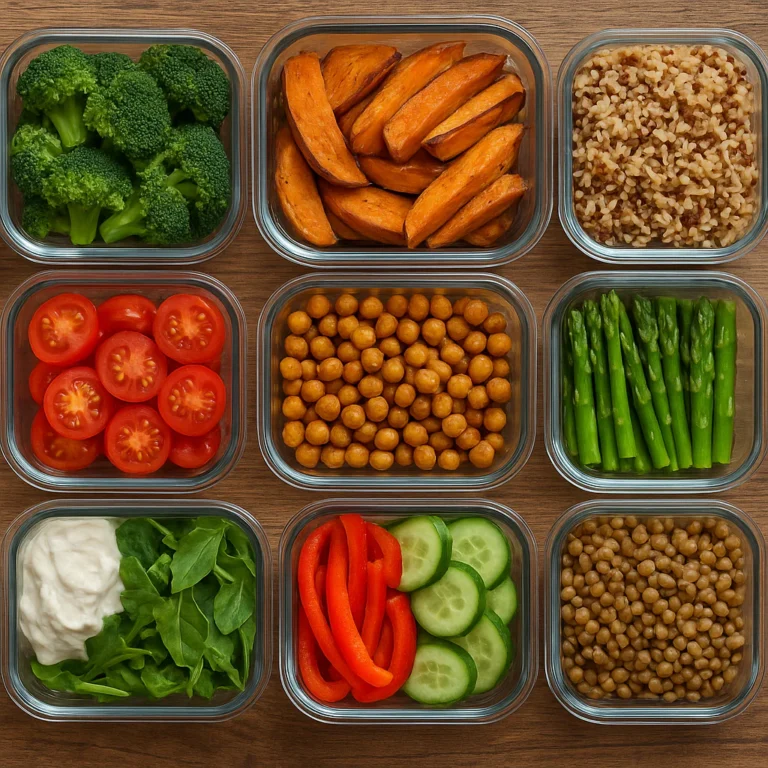
- Food Storage Containers: Essential for meal prepping leftovers. We love Pyrex Glass Food Storage Containers Amazon.com | Walmart.com.
Equipping your kitchen with these tools will not only make semi-vegetarian cooking easier but also more enjoyable, allowing you to explore new recipes and techniques with confidence. Happy cooking!
👩 🍳 Expert Tips: How to Transition Smoothly to a Semi Vegetarian Diet
So, you’re ready to embrace the delicious world of semi-vegetarian eating? Fantastic! As health coaches at Flexitarian Diet™, we know that making any dietary change can feel like navigating a new landscape. But with the right approach, transitioning to a semi-vegetarian diet can be incredibly smooth, enjoyable, and sustainable. Remember, the beauty of this lifestyle is its flexibility, so let go of the pressure to be perfect!
Here are our top expert tips to help you make the switch with ease and confidence:
1. Start Small, Go Gradual 🐢
Don’t try to overhaul your entire diet overnight. This is the number one reason people get overwhelmed and give up.
- Meatless Mondays: Begin by dedicating one day a week to entirely plant-based meals. Once that feels comfortable, add a second day.
- One Meal at a Time: Focus on making one meal a day (e.g., breakfast or lunch) consistently plant-based. My colleague, David, our lead health coach, often advises, “Just swap your usual bacon for avocado toast or a veggie scramble a few mornings a week. Small wins build big habits!”
- Reduce, Don’t Eliminate: Instead of cutting out meat entirely, simply reduce the portion size and fill the rest of your plate with extra vegetables and grains.
2. Focus on What You Can Eat, Not What You Can’t 🌈
Shift your mindset from restriction to abundance. The semi-vegetarian diet opens up a whole new world of ingredients!
- Explore New Produce: Wander through the produce aisle and pick up a vegetable you’ve never cooked before.
- Discover Plant Proteins: Experiment with lentils, chickpeas, black beans, tofu, tempeh, and edamame. You’ll be amazed at their versatility and how satisfying they are.
- Flavor First: Prioritize recipes that genuinely excite you. If it tastes good, you’ll stick with it!
3. Master the Art of the Swap 🔄
Learning simple substitutions is a game-changer.
- Ground Meat Alternatives: For dishes like tacos, chili, or pasta sauce, try Beyond Meat Beyond Beef Crumbles Amazon.com | Walmart.com | Beyond Meat Official or cooked lentils.
- Dairy-Free Options: Swap cow’s milk for almond, oat, or soy milk (like Silk Unsweetened Organic Soymilk Amazon.com | Walmart.com). Use nutritional yeast for a cheesy flavor in sauces.
- Egg Replacements: For baking, try flax eggs (1 tbsp ground flaxseed + 3 tbsp water) or mashed banana.
4. Prioritize Meal Planning & Prep 🗓️
This is arguably the most crucial tip for long-term success, as highlighted by A Love Letter to Food‘s emphasis on minimizing prep time.
- Weekly Menu: Plan your meals for the week, incorporating a mix of plant-based and occasional animal protein dishes.
- Batch Cooking: Cook larger quantities of grains (quinoa, brown rice) and roasted vegetables at the beginning of the week. These can be the base for multiple meals.
- Smart Snacking: Keep healthy, plant-based snacks on hand (nuts, seeds, fruit, veggie sticks, hummus) to avoid reaching for less healthy options when hunger strikes. This is key for a sustainable flexitarian lifestyle.
5. Don’t Forget the Flavor Boosters! ✨
Plant-based cooking is anything but bland!
- Herbs & Spices: Stock your pantry with a wide array of spices. They add incredible depth and complexity.
- Acids: Lemon juice, lime juice, and vinegars brighten flavors.
- Umami: Mushrooms, nutritional yeast, soy sauce/tamari, and sun-dried tomatoes add savory richness.
- Healthy Fats: Avocado, nuts, seeds, and olive oil add richness and satiety.
6. Educate Yourself on Nutrition 📚
Understanding your nutritional needs will empower you to make informed choices.
- Key Nutrients: Pay attention to protein, iron, Vitamin B12, and Omega-3s. (We covered this in our Nutritional Breakdown section!)
- Fortified Foods: Look for plant milks and cereals fortified with B12 and calcium.
- Consider Supplements: If you’re significantly reducing animal products, discuss a B12 supplement with your doctor or dietitian.
7. Be Patient and Celebrate Progress 🎉
This is a journey, not a race. There will be days when you eat more meat than planned, or a meal doesn’t turn out perfectly. That’s okay!
- No Guilt: Avoid self-criticism. Every plant-based meal is a step in the right direction.
- Focus on How You Feel: Pay attention to increased energy, better digestion, and improved mood. These positive changes are powerful motivators.
By following these tips, you’ll find that transitioning to a semi-vegetarian diet is not only manageable but also incredibly rewarding, leading to a healthier, happier you!
🌍 Environmental Impact: Why Semi Vegetarianism Is a Green Choice
At Flexitarian Diet™, our commitment extends beyond personal health to the well-being of our planet. It’s no secret that our food choices have a profound impact on the environment, and this is where the semi-vegetarian diet truly shines as a green choice. While going fully vegan has the largest environmental footprint reduction, even a partial shift towards plant-based eating, as in semi-vegetarianism, makes a significant difference. As A Love Letter to Food succinctly states, “Eating a semi-vegetarian diet is an excellent choice for your health, your budget, and the planet.” Source
Let’s dive into why embracing more semi-vegetarian meal ideas is a powerful way to support Mother Earth.
1. Reducing Greenhouse Gas Emissions 💨
- Livestock’s Footprint: The livestock sector is a major contributor to greenhouse gas (GHG) emissions, including methane (a potent GHG) from animal digestion and nitrous oxide from manure.
- The Power of Plants: Producing plant-based foods generally requires significantly less energy and generates fewer emissions than producing meat. By reducing your meat consumption, even by a few meals a week, you’re directly contributing to a lower carbon footprint.
- Fact: A study published in Nature Food found that meat production is responsible for nearly 60% of agriculture’s greenhouse gas emissions Source: Nature Food. Opting for semi-vegetarianism helps chip away at this substantial figure.
2. Conserving Water Resources 💧
- Water-Intensive Meat: Meat production, particularly beef, is incredibly water-intensive. This includes water for growing feed crops, hydrating animals, and processing.
- Plant-Based Efficiency: Most plant-based foods require far less water to produce. For example, producing one pound of beef can require thousands of gallons of water, while producing one pound of lentils requires a fraction of that.
- Fact: The Water Footprint Network estimates that producing 1 kg of beef requires approximately 15,415 liters of water, compared to 1,250 liters for 1 kg of lentils Source: Water Footprint Network.
3. Minimizing Land Use and Deforestation 🌳
- Grazing & Feed Crops: A vast amount of land worldwide is dedicated to grazing livestock or growing crops to feed them. This often leads to deforestation, particularly in critical ecosystems like the Amazon rainforest.
- Biodiversity Loss: Deforestation for agriculture contributes to habitat destruction and biodiversity loss.
- Semi-Vegetarian Solution: By shifting towards more plant-based meals, we reduce the demand for animal agriculture, thereby lessening the pressure on land resources and helping to preserve natural habitats.
4. Reducing Pollution and Waste 🗑️
- Manure Runoff: Large-scale animal farming generates significant amounts of animal waste, which can pollute waterways with excess nutrients, leading to harmful algal blooms and dead zones.
- Antibiotic Use: The widespread use of antibiotics in livestock contributes to antibiotic resistance, a growing global health crisis.
- Cleaner Choices: A semi-vegetarian diet naturally reduces your contribution to these forms of pollution and the demand for antibiotic-laden animal products.
Our dietitian, Sarah, often shares her perspective: “When I started looking into the environmental impact of my food choices, it was a huge motivator to embrace more plant-based meals. It’s empowering to know that every time I choose a lentil burger over a beef burger, I’m not just doing something good for my body, but for the planet too.”
Choosing a semi-vegetarian diet is a tangible, delicious way to vote with your fork for a healthier planet. It’s a powerful step towards a more sustainable and ethical food system, proving that small, consistent changes in our daily habits can lead to monumental positive impacts globally. It’s a core tenet of the flexitarian lifestyle.
📚 Recommended Books and Resources on Semi Vegetarian Eating
Feeling inspired and ready to dive deeper into the world of semi-vegetarian eating? That’s fantastic! At Flexitarian Diet™, we believe that knowledge is power, especially when it comes to nourishing your body and the planet. Our team has curated a list of our favorite books, cookbooks, and online resources that will further guide, educate, and inspire your semi-vegetarian journey.
These resources offer everything from delicious recipes and meal plans to in-depth nutritional advice and philosophical insights into plant-forward living.
Top Books for Your Semi-Vegetarian Journey
-
“The Flexitarian Diet: The Mostly Vegetarian Way to Lose Weight, Be Healthier, Prevent Disease, and Add Years to Your Life” by Dawn Jackson Blatner, RDN
- Why we love it: This is the book that popularized the term “flexitarian” and laid the groundwork for this flexible eating style. Blatner provides a clear, actionable plan, including meal ideas and recipes, making it perfect for beginners. It’s a fantastic starting point for understanding the core principles.
- Find it on: Amazon.com | Walmart.com
-
“Forks Over Knives—The Cookbook: Over 300 Recipes for Plant-Based Eating All Through the Year” by Del Sroufe
- Why we love it: While “Forks Over Knives” advocates for a fully plant-based diet, its recipes are incredibly delicious, wholesome, and easily adaptable for semi-vegetarians. It’s a treasure trove of inspiration for making vegetables the star of your plate and expanding your plant-based repertoire.
- Find it on: Amazon.com | Walmart.com
-
“The Mediterranean Diet Cookbook for Beginners: The Complete Guide – 1000 Healthy & Delicious Recipes” by Elena Garcia
- Why we love it: The Mediterranean diet is a classic example of a semi-vegetarian approach, emphasizing plants, healthy fats, and moderate fish/poultry. This cookbook offers a vast array of recipes that align perfectly with semi-vegetarian principles, focusing on fresh, whole ingredients.
- Find it on: Amazon.com | Walmart.com
-
“Cook Once, Eat All Week: 26 Weeks of Gluten-Free, Affordable Meal Prep to Simplify Your Life” by Cassy Joy Garcia
- Why we love it: While not exclusively semi-vegetarian, this book’s focus on efficient meal prep is invaluable. Many recipes are naturally plant-based or easily adaptable, making it a fantastic resource for anyone looking to streamline their cooking and ensure healthy meals are always on hand.
- Find it on: Amazon.com | Walmart.com
Recommended Online Resources & Websites
-
Flexitarian Diet™ (flexitariandiet.org)
- Why we love it: (Of course!) Our own website is packed with articles, recipes, and guides tailored specifically for the flexitarian and semi-vegetarian lifestyle. Explore our categories like Flexitarian Basics, Benefits of Flexitarian Diet, and Healthy Meal Planning for comprehensive insights.
- Visit: https://www.flexitariandiet.org/
-
Simply Quinoa (simplyquinoa.com)
- Why we love it: As seen in our competitive analysis, Simply Quinoa offers a wealth of “easy and healthy flexitarian recipes” with a focus on plant-based ingredients, often featuring quinoa. Their approach to recipe flexibility is inspiring.
- Visit: https://www.simplyquinoa.com/category/diet-preference/flexitarian/
-
Minimalist Baker (minimalistbaker.com)
- Why we love it: This site is a goldmine for plant-based recipes that require 10 ingredients or less, 1 bowl, or 30 minutes or less to prepare. While fully vegan, their recipes are incredibly flavorful and perfect for inspiring semi-vegetarian meals.
- Visit: https://minimalistbaker.com/
-
EatingWell (eatingwell.com)
- Why we love it: A fantastic resource for healthy recipes and nutrition advice, EatingWell often features “flexitarian” and “meatless Monday” meal plans, making it easy to find balanced, delicious semi-vegetarian options.
- Visit: https://www.eatingwell.com/
-
The New York Times Cooking (cooking.nytimes.com)
- Why we love it: With a vast recipe database, you can filter by “vegetarian” or “pescatarian” to find high-quality, chef-tested recipes. It’s a great place for culinary inspiration and expanding your cooking skills. (Subscription may be required for full access).
- Visit: https://cooking.nytimes.com/
These resources, combined with the insights from our Flexitarian Diet™ team, will provide you with a robust foundation for building a delicious, healthy, and sustainable semi-vegetarian lifestyle. Happy reading and happy cooking!
🏁 Conclusion: Embrace the Semi Vegetarian Way for Health and Flavor

There you have it — a deep dive into the vibrant, flexible, and downright delicious world of semi-vegetarian meal ideas! From the origins and health benefits to practical meal plans, grocery shopping tips, and kitchen essentials, we’ve covered every angle to help you confidently embrace this lifestyle.
Remember, the magic of semi-vegetarianism lies in balance and flexibility. You don’t have to give up your favorite dishes or feel restricted. Instead, you get to enjoy the best of both worlds: plant-powered nutrition with the occasional inclusion of lean animal proteins, seafood, or poultry. This approach not only supports your health and fitness goals but also benefits the planet and your wallet.
Whether you’re inspired by the hearty lentil soups, fresh Mediterranean salads, or the quick stir-fries with tofu and shrimp, there’s a semi-vegetarian meal idea here for every palate and schedule. And if you’re wondering how to start, our FREE 3-day reset guide offers a gentle, tasty introduction to this lifestyle.
Our expert team at Flexitarian Diet™ encourages you to experiment, savor the flavors, and listen to your body. Transitioning to a semi-vegetarian diet is a journey, not a sprint — and every plant-forward meal is a step toward a healthier, happier you.
So, what are you waiting for? Grab your spiralizer, stock your pantry, and get cooking! Your taste buds, your body, and the planet will thank you. 🌍💚
🔗 Recommended Links
👉 Shop Key Ingredients & Tools Mentioned in This Article:
-
Canned Chickpeas:
Amazon Fresh | Walmart Grocery | Instacart -
Feta Cheese:
Amazon Fresh | Walmart Grocery | Instacart -
Salmon Fillets:
Amazon Fresh | Walmart Grocery | Instacart -
Quinoa:
Amazon.com | Walmart.com | Instacart -
Kikkoman Less Sodium Soy Sauce:
Amazon.com | Walmart.com -
Beyond Sausage (Plant-Based):
Amazon.com | Walmart.com | Beyond Meat Official -
Barilla Traditional Basil Pesto:
Amazon.com | Walmart.com -
Orgain Organic Plant Based Protein Powder:
Amazon.com | Walmart.com | Orgain Official -
Lightlife Smart Sausages:
Amazon.com | Walmart.com | Lightlife Official -
Silk Almond Milk:
Amazon.com | Walmart.com | Silk Official -
Vitamix Explorian E310 Blender:
Amazon.com | Walmart.com | Vitamix Official -
Cuisinart 14-Cup Food Processor:
Amazon.com | Walmart.com | Cuisinart Official -
Lodge 12-inch Cast Iron Skillet:
Amazon.com | Walmart.com | Lodge Cast Iron Official -
Nordic Ware Natural Aluminum Commercial Baker’s Half Sheet:
Amazon.com | Walmart.com -
OXO Good Grips 3-Blade Tabletop Spiralizer:
Amazon.com | Walmart.com | OXO Official
Recommended Books:
-
The Flexitarian Diet by Dawn Jackson Blatner:
Amazon.com -
Forks Over Knives—The Cookbook by Del Sroufe:
Amazon.com -
The Mediterranean Diet Cookbook for Beginners by Elena Garcia:
Amazon.com -
Cook Once, Eat All Week by Cassy Joy Garcia:
Amazon.com
🧩 Common Questions Answered: Semi Vegetarian FAQ

What are some quick and healthy vegetarian dinner ideas for weeknights?
Quick and healthy vegetarian dinners can be simple yet satisfying. Think stir-fries with tofu and mixed veggies, lentil soups, vegetable fajitas, or zucchini noodles with pesto and grilled chicken. These meals are nutrient-dense, easy to prepare, and can be customized with your favorite proteins. Batch cooking grains and chopping veggies ahead of time can make weeknight dinners a breeze.
How do I plan a balanced semi-vegetarian meal plan?
A balanced semi-vegetarian meal plan includes a variety of plant-based foods (vegetables, fruits, whole grains, legumes, nuts, and seeds) complemented by occasional lean animal proteins like fish, poultry, or dairy. Aim for 70-80% plant-based meals and 20-30% animal protein. Incorporate diverse protein sources, healthy fats, and fiber-rich carbohydrates. Planning meals around seasonal produce and batch cooking can improve adherence and reduce waste.
What are some delicious and easy vegetarian lunch ideas?
Delicious vegetarian lunches include Mediterranean chickpea salads, quinoa and roasted vegetable bowls, black bean burgers, vegetable wraps with hummus, and lentil soups. These meals are portable, nutrient-rich, and can be prepped in advance. Adding a small portion of cheese, eggs, or grilled chicken can turn them into semi-vegetarian options.
Can I still get enough protein on a semi-vegetarian diet?
Absolutely! Combining plant proteins like lentils, beans, tofu, tempeh, nuts, seeds, and whole grains with occasional animal proteins ensures you meet your protein needs. For example, quinoa is a complete protein, and pairing legumes with grains provides all essential amino acids. Including eggs, dairy, fish, or poultry a few times a week further supports protein intake.
What are some healthy vegetarian options for breakfast?
Healthy vegetarian breakfasts include overnight oats with nuts and berries, smoothies with plant protein powder, vegetable omelets, whole-grain toast with avocado and tomato, and chia pudding. These options provide fiber, protein, and healthy fats to keep you energized throughout the morning.
How can I incorporate more plant-based meals into my diet?
Start by designating a few days a week as meat-free (e.g., Meatless Mondays). Experiment with plant-based proteins like beans, lentils, tofu, and tempeh. Swap meat in familiar recipes for plant-based alternatives, and explore new vegetables and grains. Meal planning and prepping can help make plant-based meals convenient and delicious.
What are some easy vegetarian meal ideas for beginners?
Begin with simple recipes like vegetable stir-fries, pasta with tomato sauce and veggies, bean chili, salads with nuts and cheese, and scrambled eggs with spinach and mushrooms. These dishes require minimal ingredients and cooking skills but offer great nutrition and flavor.
What are some easy semi vegetarian dinner recipes?
Easy semi-vegetarian dinners include grilled salmon with quinoa and roasted vegetables, lentil soup with turkey sausage, shrimp tacos with mango salsa, black bean burgers with avocado, and zucchini noodles with pesto and grilled chicken. These meals balance plant-based ingredients with lean animal proteins for satisfying, wholesome dinners.
How can I incorporate more whole foods into a semi vegetarian diet?
Focus on unprocessed or minimally processed foods like fresh fruits and vegetables, whole grains (brown rice, quinoa, oats), nuts, seeds, legumes, and lean animal proteins. Cook meals from scratch when possible, avoid packaged snacks with added sugars and preservatives, and choose whole-food snacks like nuts, fruit, and yogurt.
What are the health benefits of a mostly vegetarian meal plan?
Mostly vegetarian meal plans are linked to improved heart health, weight management, better blood sugar control, enhanced gut health, and reduced risk of chronic diseases like diabetes and certain cancers. They provide abundant fiber, antioxidants, vitamins, and minerals while reducing intake of saturated fats and processed meats.
Can semi vegetarian meals help with weight loss?
Yes! Semi-vegetarian meals tend to be lower in calories and higher in fiber, which promotes satiety and reduces overeating. The emphasis on whole, plant-based foods supports a healthy metabolism and sustainable weight loss when combined with regular physical activity.
What protein sources are best for semi vegetarian meals?
Best protein sources include legumes (lentils, beans, chickpeas), tofu and tempeh, quinoa, nuts and seeds, eggs and dairy, and lean animal proteins like fish, poultry, and seafood. Combining plant and animal proteins ensures a complete amino acid profile and optimal nutrition.
How do I plan a balanced semi vegetarian weekly menu?
Start by selecting 4-5 plant-based meals and 2-3 meals with animal protein per week. Include a variety of vegetables, whole grains, legumes, and healthy fats daily. Plan breakfasts, lunches, dinners, and snacks to cover all food groups. Batch cook staples like grains and legumes to simplify meal prep.
What are quick and healthy semi vegetarian lunch ideas?
Quick lunches include Mediterranean chickpea salad, quinoa bowls with grilled tofu or chicken, vegetable and hummus wraps, lentil soups, and black bean tacos. These meals are nutrient-dense, easy to prepare, and portable for busy days.
🔗 Reference Links
- American Heart Association: Plant-Based Diets and Heart Health
- PLoS One: Vegetarian Diets and Glycemic Control
- Water Footprint Network: Water Footprint of Animal and Crop Products
- Nature Food: Environmental Impact of Meat Production
- Journal of Applied Physiology: Dietary Nitrates and Exercise Performance
- Simply Quinoa: Flexitarian Recipes
- A Love Letter to Food: Semi-Vegetarian Weekly Meal Plans
- CookTogether: Semi-vegetarian | Health and Diet
- Flexitarian Diet™ Official Site
Ready to take your semi-vegetarian journey to the next level? Explore these resources and recipes, and remember: every plant-forward meal is a step toward a healthier, happier, and more sustainable life! 🌱🍽️