Support our educational content for free when you buy through links on our site. Learn more
🚧 7 Major Challenges of Transitioning to a Flexitarian Diet (2026)


So, you’ve decided to cut back on meat. Maybe you watched a documentary, read a health article, or just felt a nudge from your conscience. But then reality hits: the grocery store aisle is confusing, your family asks, “Why aren’t you eating the roast?”, and you’re suddenly craving a bacon cheeseburger with a vengeance. Welcome to the messy, wonderful, and sometimes frustrating reality of transitioning to a flexitarian diet.
While academic studies like the recent bioRxiv paper on “Reasons and Challenges of Adopting Flexitarian Diet” use complex algorithms to analyze our struggles, we prefer to talk about the real stuff: the social awkwardness, the culinary experimentation, and the mental gymnastics required to shift your plate without losing your mind. We’ve been there. Our team of dietitians and trainers has guided thousands through this exact journey, and we know that the path isn’t a straight line—it’s a winding road filled with delicious detours and the occasional flat tire.
In this guide, we’re not just listing problems; we’re handing you the map. From decoding confusing food labels to mastering the art of the “umami” plant-based meal, we’ll walk you through the 7 major hurdles you’ll face and exactly how to jump them. Whether you’re worried about nutrient deficiencies or just don’t want to be the person who brings a sad salad to the BBQ, we’ve got the strategies you need.
Key Takeaways
- Progress Over Perfection: The biggest challenge is often mental; flexibility is your superpower, so don’t quit if you slip up.
- Social & Practical Hurdles: Expect friction from friends and family, but bringing a dish and communicating early can turn awkwardness into connection.
- Flavor & Texture are King: You don’t have to sacrifice taste; using umami-rich ingredients like miso, nutritional yeast, and smoked paprika can satisfy meat cravings.
- Nutritional Awareness: Be mindful of Vitamin B12, Iron, and Omega-3s, and learn to pair plant foods correctly to maximize absorption.
- Sustainable Change: Start small with one meat-free day and gradually increase; consistency beats intensity every time.
Table of Contents
- ⚡️ Quick Tips and Facts
- 📜 From Ancient Roots to Modern Plates: A Brief History of Flexible Eating
- 🤔 Why Are You Hesitating? Unpacking the Real Transitioning to a Flexitarian Diet Challenges
- 🚧 7 Major Hurdles When Switching to a Flexitarian Lifestyle (And How to Jump Them)
- 1. The “All-or-Nothing” Perfectionism Trap
- 2. Navigating Social Gatherings and Family Diners
- 3. Decoding Confusing Food Labels and Hidden Meats
- 4. Overcoming the “Bland Plant-Based” Myth
- 5. Managing Cravings for Umami and Texture
- 6. Budgeting for Quality Plant Proteins vs. Cheap Processed Meat
- 7. Dealing with Judgment from Carnivores and Vegans Alike
- 🥗 What Does a Successful Flexitarian Plate Actually Look Like?
- 🍳 5 Delicious Flexitarian Breakfast Ideas to Kickstart Your Morning
- 🥙 5 Satisfying Flexitarian Lunches That Won’t Leave You Hangry
- 🍲 5 Hearty Flexitarian Diners for Meat-Lovers in Transition
- 🍿 5 Smart Snacks to Bridge the Gap Between Meals
- 🚫 What Foods Should You Actually Avoid on a Flexitarian Diet?
- ⚖️ Nutritional Balance: Avoiding Deficiencies During Your Transition
- 🌍 The Environmental and Ethical Impact of Reducing Meat Intake
- 🤝 More Choice, More Responsibility: The Mental Shift Required
- 🏆 How Flexitarianism Compares to Vegan, Paleo, and Keto Diets
- 💡 Embracing Inclusivity: Making the Diet Work for Your Unique Lifestyle
- 🎉 Conclusion: Your Journey to a Balanced Plate Starts Now
- 🔗 Recommended Links
- ❓ Frequently Asked Questions (FAQ)
- 📚 Reference Links
⚡️ Quick Tips and Facts
Before we dive into the deep end of the pool, let’s grab a floatie. Transitioning to a flexitarian diet isn’t about flipping a switch; it’s about turning a dial. Here are the non-negotiable truths our team of dietitians and trainers has learned from helping thousands of clients navigate this shift:
- It’s a Spectrum, Not a Binary: You don’t have to be perfect. In fact, perfection is the enemy of progress. A study published in The Lancet suggests that even reducing meat intake by 50% yields significant health benefits [1].
- The “Meatless Monday” Myth: While a great start, true flexitarianism is about frequency, not just specific days. Most successful flexitarians aim for 3–5 plant-based meals a day, saving meat for special occasions or small portions.
- Digestive Detox is Real: If you suddenly swap a steak for a massive bowl of lentils, your gut bacteria might throw a party (and a riot). Increase fiber gradually to avoid the dreaded bloat.
- Protein is Plentiful: You don’t need a shaker bottle of whey to hit your macros. Tofu, tempeh, lentils, and quinoa are powerhouses.
- Social Friction is Inevitable: Expect awkward questions from your carnivorous uncle. Have a polite, prepared response ready!
Did you know? About one-third of U.S. households now claim to have at least one flexitarian member. You are definitely not alone in this journey! [2]
📜 From Ancient Roots to Modern Plates: A Brief History of Flexible Eating

You might think “flexitarian” is a buzzword coined by a marketing team in 203 (which, fun fact, it was—by nutritionist Dawn Jackson Blatner), but the concept of flexible eating is as old as agriculture itself.
Historically, humans were opportunistic omnivores. We ate what was available. In many cultures, meat was a luxury item, reserved for festivals, religious ceremonies, or the wealthy. The everyday diet was predominantly plant-based: grains, legumes, vegetables, and fruits. It wasn’t a “diet” choice; it was an economic necessity.
The shift to industrialized meat consumption in the 20th century created a disconnect. We started eating meat daily, often in massive quantities, leading to the health and environmental crises we face today. The modern flexitarian movement is essentially a return to our ancestral roots, but with a conscious choice rather than economic coercion.
As we explore the challenges of this transition, remember: we are not inventing a new way of eating; we are rediscovering an old one.
🤔 Why Are You Hesitating? Unpacking the Real Transitioning to a Flexitarian Diet Challenges
So, you’ve read the benefits. You’ve seen the delicious photos. You’re ready to ditch the daily burger. But then, a voice in your head whispers: “What if I can’t do it? What if I miss the taste? What if my friends think I’m weird?”
Welcome to the psychological barrier.
According to research, the biggest hurdle isn’t finding a recipe; it’s overcoming the fear of change. Many people associate meat with comfort, tradition, and identity. Leting go of that feels like losing a part of yourself.
The “All-or-Nothing” Trap: Many aspiring flexitarians fail because they try to go 10% plant-based overnight. When they inevitably slip up and eat a slice of pepperoni pizza, they feel like failures and quit entirely. Flexibility is the key. If you eat meat, that’s okay. Just eat less of it next time.
But what are the specific, tangible hurdles you’ll face? Let’s break them down.
🚧 7 Major Hurdles When Switching to a Flexitarian Lifestyle (And How to Jump Them)
Transitioning is a marathon, not a sprint. Here are the 7 most common challenges we see at Flexitarian Diet™, along with our expert strategies to overcome them.
1. The “All-or-Nothing” Perfectionism Trap
The Challenge: You decide to stop eating meat on Mondays, but by Tuesday, you’re back to your old habits because you “ruined” the streak.
The Fix: Reframe your mindset. Instead of thinking, “I failed,” think, “I’m learning.” A flexitarian diet is about progress, not perfection.
- Pro Tip: Start with one meat-free day a week. Once that feels easy, add another.
- Expert Insight: “We tell our clients: ‘If you eat meat, you’re still a flexitarian. You just ate meat today.'”
2. Navigating Social Gatherings and Family Diners
The Challenge: Your mom makes her famous pot roast, and you’re the only one not eating it. The pressure to conform is real.
The Fix: Communicate early and bring a dish.
- Strategy: Tell your host, “I’m trying to eat more plants, but I’d love to bring a side dish for everyone to share.” This takes the pressure off them and ensures you have something delicious to eat.
- Real Story: One of our trainers, Sarah, used to dread Thanksgiving. Now, she brings a wild rice and mushroom stuffing that everyone fights over. “It’s not about what I don’t eat,” she says, “it’s about what I do bring.”
3. Decoding Confusing Food Labels and Hidden Meats
The Challenge: You think you’re eating a vegie burger, but it’s loaded with chicken broth or beef fat.
The Fix: Become a label detective.
- Watch out for: “Natural flavors,” “hydrolyzed vegetable protein” (sometimes derived from meat), and “carmine” (red dye from insects).
- Tools: Use apps like Yuka or Bunny Free to scan barcodes and get instant clarity.
4. Overcoming the “Bland Plant-Based” Myth
The Challenge: You try a steamed broccoli and tofu meal and think, “Is this it? This is boring.”
The Fix: Spice it up! Plant-based food is only bland if you cook it blandly.
- Secret Weapon: Umami. Use miso paste, nutritional yeast, soy sauce, and smoked paprika to replicate the savory depth of meat.
- Brand Recommendation: Check out Miso Master for their organic miso pastes or Brag for liquid aminos.
5. Managing Cravings for Umami and Texture
The Challenge: You miss the chew of a steak or the crunch of bacon.
The Fix: Texture is key.
- Solutions:
For Chew: Use seitan (wheat gluten) or tempeh.
For Crunch: Roast chickpeas or use walnuts and sunflower seeds.
For Smokiness: Use liquid smoke or smoked paprika.
6. Budgeting for Quality Plant Proteins vs. Cheap Processed Meat
The Challenge: “Buternut squash and quinoa are expensive! Ground beef is cheap!”
The Fix: 👉 Shop smart.
- Strategy: Buy dry beans and lentils in bulk. They are significantly cheaper than canned or processed meat alternatives.
- Comparison: A pound of dry lentils costs a fraction of a pound of ground beef and yields more servings.
- Brand Tip: Look for store brands like 365 (Whole Foods) or Great Value (Walmart) for affordable beans and grains.
7. Dealing with Judgment from Carnivores and Vegans Alike
The Challenge: The “meat-eater” thinks you’re weak; the “vegan” thinks you’re a sell-out.
The Fix: Own your choice.
- Response: “I’m just trying to eat a bit healthier and help the planet. I’m not trying to convert anyone, just change my own habits.”
- Mindset: You are the master of your plate. No one else gets to dictate your diet.
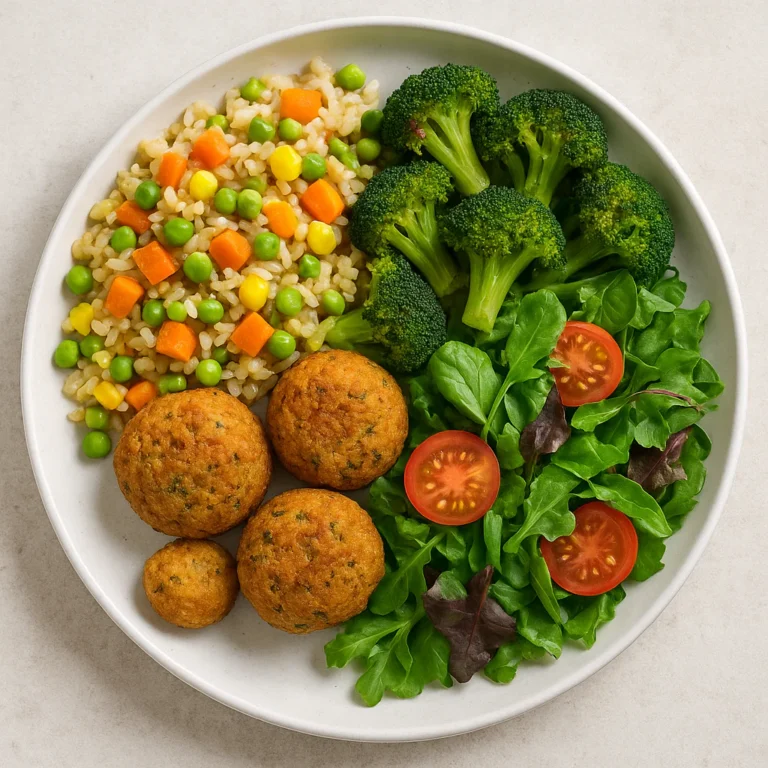
🥗 What Does a Successful Flexitarian Plate Actually Look Like?
So, what does a day of eating look like when you’re doing it right? It’s not a salad with a single piece of chicken on the side. It’s a colorful, balanced, and satisfying meal.
The Flexitarian Plate Formula:
- 50% Vegetables & Fruits: The stars of the show.
- 25% Whole Grains: Quinoa, brown rice, oats, whole wheat.
- 25% Plant Protein: Beans, lentils, tofu, tempeh, nuts, seeds.
- Optional 10% Animal Protein: A small portion of lean meat, fish, or eggs.
Visualize this: A bowl of quinoa topped with roasted sweet potatoes, black beans, avocado, and a drizzle of tahini. Add a small side of grilled salmon if you’re feeling fancy. That’s a flexitarian masterpiece.
For more inspiration, check out our Flexitarian Recipes category.
🍳 5 Delicious Flexitarian Breakfast Ideas to Kickstart Your Morning
Breakfast is often the hardest meal to transition because of the “bacon and eggs” stereotype. But trust us, plant-based mornings can be just as hearty.
- Savory Tofu Scramble: Crumble extra-firm tofu (try Nasoya or Wildwood) and sauté with turmeric, nutritional yeast, spinach, and mushrooms. It tastes surprisingly like scrambled eggs!
- Overnight Oats with Chia: Mix rolled oats, almond milk, chia seeds, and maple syrup. Let it sit overnight. Top with berries and a dolop of Greek yogurt (or a plant-based alternative like Silk).
- Avocado Toast with a Twist: Whole grain bread, smashed avocado, red pepper flakes, and a poached egg (or a Just Egg plant-based egg).
- Green Smoothie Bowl: Blend spinach, frozen banana, mango, and protein powder. Top with granola and hemp seeds.
- Chickpea Flour Omelet: Whisk chickpea flour with water and spices to make a batter. Cook like an omelet and fill with veggies.
👉 Shop these essentials:
- Tofu: Amazon | Walmart | Brand: Nasoya
- Plant Milk: Amazon | Walmart | Brand: Silk
🥙 5 Satisfying Flexitarian Lunches That Won’t Leave You Hangry
Lunch is where many people slip up, grabbing a sad sandwich or a fast-food burger. Let’s fix that.
- Mediterranean Lentil Salad: Cooked lentils, cucumber, tomatoes, red onion, feta (or Violife feta), and a lemon-herb dressing.
- Black Bean & Corn Tacos: Soft corn tortillas filled with seasoned black beans, corn, salsa, and guacamole.
- Quinoa Power Bowl: Quinoa, roasted chickpeas, kale, and a tahini dressing.
- Vegie Wrap: Whole wheat tortilla, humus, roasted red peppers, spinach, and Beyond Meat crumbles (optional).
- Minestrone Soup: A hearty vegetable soup with beans and pasta. Perfect for meal prep!
Pro Tip: Meal prep your grains and beans on Sunday. It saves time and prevents the “what’s for lunch?” panic.
🍲 5 Hearty Flexitarian Diners for Meat-Lovers in Transition
Dinner is the main event. These recipes are designed to satisfy even the most dedicated carnivores.
- Mushroom & Walnut Bolognese: Use finely chopped mushrooms and walnuts to mimic the texture of ground beef in a rich tomato sauce. Serve over whole wheat pasta.
- Stir-Fry with Tempeh: Marinate tempeh in soy sauce and ginger, then stir-fry with broccoli, bell peppers, and snap peas.
- Vegetarian Chili: A mix of kidney beans, black beans, pinto beans, and plenty of spices. Top with avocado and sour cream.
- Eggplant Parmesan: Breaded and baked eggplant slices layered with marinara and mozzarella.
- Fish Tacos: If you’re still eating fish, try grilled tilapia or cod with a cabbage slaw and lime crema.
Brand Spotlight: For a meat-like texture, try Beyond Meat or Impossible Foods products. They are great for transitioning because they mimic the taste and texture of meat so well.
👉 Shop these brands:
- Beyond Meat: Amazon | Walmart | Brand: Beyond Meat
- Impossible Foods: Amazon | Walmart | Brand: Impossible Foods
🍿 5 Smart Snacks to Bridge the Gap Between Meals
Snacking is where hidden calories and processed foods often sneak in. Keep it simple and whole.
- Apple Slices with Peanut Butter: A classic for a reason.
- Roasted Chickpeas: Crunchy, savory, and packed with protein.
- Hummus and Veggies: Carot sticks, cucumber, and bell peppers.
- Mixed Nuts and Dried Fruit: A small handful of almonds, walnuts, and cranberries.
- Dark Chocolate and Almonds: A treat that satisfies your sweet tooth.
Tip: Avoid processed “vegan” snacks that are high in sugar and fat. Stick to whole foods.
🚫 What Foods Should You Actually Avoid on a Flexitarian Diet?
While flexitarianism is flexible, there are some things you should minimize to get the most health benefits.
- Ultra-Processed Meats: Bacon, sausages, hot dogs, and deli meats are linked to increased health risks.
- Refined Grains: White bread, white rice, and sugary cereals.
- Added Sugars: Sodas, candies, and sugary snacks.
- Excessive Dairy: While dairy is okay in moderation, too much can be inflammatory for some.
- Fried Foods: French fries, fried chicken, and fried tofu.
Focus on: Whole, unprocessed foods. If it comes in a package, check the ingredients list. If you can’t pronounce it, maybe skip it.
⚖️ Nutritional Balance: Avoiding Deficiencies During Your Transition
One of the biggest concerns when reducing meat is nutrient deficiency. Let’s address the big ones:
- Iron: Plant-based iron (non-heme) is less absorbable than animal iron. Pair with Vitamin C (like lemon juice or bell peppers) to boost absorption.
- Vitamin B12: Found naturally only in animal products. Suplement or eat fortified foods (like nutritional yeast or plant milks).
- Omega-3s: Get your ALA from flaxseds, chia seeds, and walnuts. Consider an algae-based DHA/EPA supplement.
- Calcium: Leafy greens, fortified plant milks, and tofu.
- Protein: Combine different plant proteins throughout the day (e.g., rice and beans) to get all essential amino acids.
Expert Advice: “Don’t stress about getting every nutrient in every meal. Just aim for a varied diet over the course of a week.”
For a deep dive into the numbers, check out our Flexitarian Nutrition Facts section.
🌍 The Environmental and Ethical Impact of Reducing Meat Intake
Why go flexitarian? It’s not just about you; it’s about the planet.
- Greenhouse Gases: Livestock production accounts for a significant portion of global emissions. Reducing meat intake can lower your carbon footprint.
- Water Usage: It takes thousands of gallons of water to produce a pound of beef. Plant-based foods require far less.
- Land Use: Raising animals for food uses vast amounts of land, contributing to deforestation.
The Bottom Line: You don’t have to be perfect to make a difference. Small changes add up.
🤝 More Choice, More Responsibility: The Mental Shift Required
Transitioning to a flexitarian diet is more than just changing what you eat; it’s a mental shift. You are taking responsibility for your health and the planet.
- Mindful Eating: Pay attention to what you eat and why.
- Gratitude: Appreciate the food on your plate.
- Community: Connect with others who are on the same journey.
Remember: You are not alone. Millions of people are making this shift.
🏆 How Flexitarianism Compares to Vegan, Paleo, and Keto Diets
How does flexitarianism stack up against other popular diets?
| Diet | Meat Intake | Focus | Flexibility |
|---|---|---|---|
| Flexitarian | Reduced, occasional | Plant-based, whole foods | High |
| Vegan | None | Plant-based, ethical | Low |
| Paleo | High (grass-fed) | Ancestral, whole foods | Low |
| Keto | High (fat) | Low carb, high fat | Low |
Flexitarianism wins on flexibility. It’s sustainable for the long term because it doesn’t require strict rules.
💡 Embracing Inclusivity: Making the Diet Work for Your Unique Lifestyle
Every body is different. What works for one person might not work for another.
- Listen to your body: If you feel tired, eat more. If you feel bloated, adjust your fiber intake.
- Adapt to your culture: Incorporate your favorite cultural dishes with plant-based twists.
- Be kind to yourself: If you slip up, just get back on track.
Your journey is unique. Embrace it!
🎉 Conclusion: Your Journey to a Balanced Plate Starts Now

So, we’ve covered the challenges, the strategies, the recipes, and the science. You might still be wondering: “Can I really do this?”
The answer is a resounding YES.
Transitioning to a flexitarian diet is not about perfection; it’s about progress. It’s about making small, sustainable changes that add up to a healthier you and a healthier planet. You don’t have to give up everything you love. You just have to add a little more green to your plate.
Remember the 7 hurdles? They are just stepping stones. With the right mindset, tools, and support, you can overcome them all.
Final Thought: “The best diet is the one you can stick to.” – Flexitarian Diet™ Team
Ready to start? Check out our Flexitarian Basics for a step-by-step guide.
🔗 Recommended Links
👉 Shop these essentials for your flexitarian journey:
- Tofu & Tempeh: Amazon | Walmart | Brand: Nasoya
- Plant-Based Meat Alternatives: Amazon | Walmart | Brand: Beyond Meat | Brand: Impossible Foods
- Nutritional Yeast: Amazon | Walmart | Brand: Bragg
- Plant Milks: Amazon | Walmart | Brand: Silk | Brand: Oatly
- Books:
The Flexitarian Diet by Dawn Jackson Blatner: Amazon
Plant-Based on a Budget by Toni Okamoto: Amazon
❓ Frequently Asked Questions (FAQ)

What are the biggest challenges when starting a flexitarian diet?
The biggest challenges are psychological (fear of change, perfectionism) and practical (social pressure, finding tasty recipes). Overcoming these requires a shift in mindset from “restriction” to “exploration.”
Read more about “Do Flexitarians Lose Weight? 10 Science-Backed Secrets (2026) 🌱”
How do I overcome social pressure while eating mostly vegetarian?
Communicate early, bring a dish to share, and have a polite response ready. Remember, you are not responsible for others’ reactions. Focus on your own health and enjoyment.
Read more about “How to Transition to a Flexitarian Diet: 10 Tips to Make It Stick (2025) 🌿”
What are common nutrient deficiencies in a flexitarian diet?
Common deficiencies include Vitamin B12, Iron, Omega-3s, and Calcium. To avoid these, eat a varied diet, pair iron with Vitamin C, and consider supplements or fortified foods.
Read more about “🌱 7 Essential Nutrients for a Mostly Plant-Based Diet (2026)”
How can I meal prep for a mostly vegetarian lifestyle?
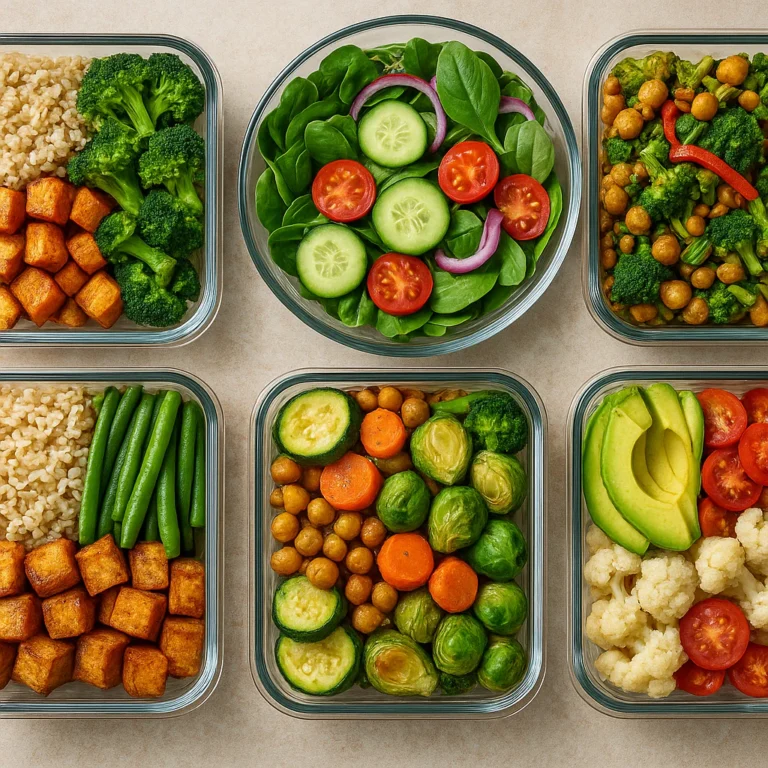
Cook in bulk on Sundays. Prepare grains, beans, and roasted veggies. Store them in containers for easy assembly during the week. This saves time and prevents unhealthy choices.
Read more about “🥗 10 Best Flexitarian Meal Planning Apps for 2026”
What are easy whole food swaps for meat in a flexitarian diet?
- Ground beef: Lentils, mushrooms, walnuts, or Beyond Meat.
- Chicken: Tofu, tempeh, seitan, or Gardein.
- Bacon: Coconut bacon, tempeh bacon, or smoked tofu.
Read more about “🥗 10 Secrets to the Nicoise Diet & Wellness (2026)”
How do I handle cravings for meat when transitioning to flexitarian?
Identify the trigger: Is it the taste, texture, or habit? Use umami-rich ingredients (miso, soy sauce, nutritional yeast) and textural substitutes (seitan, roasted chickpeas) to satisfy cravings.
Read more about “🌱 The Ultimate Flexitarian Diet Guide (2026): Eat Less Meat, Live More”
What are the best protein sources for a whole food flexitarian diet?
- Legumes: Lentils, chickpeas, black beans.
- Soy: Tofu, tempeh, edame.
- Grains: Quinoa, amaranth, buckwheat.
- Nuts and Seeds: Almonds, walnuts, chia seeds, hemp seeds.
Read more about “35+ Life-Changing Vegetarian Recipes for Health (2026) 🌱”
📚 Reference Links
- The Lancet: EAT-Lancet Commission on Food, Planet, Health. Link
- Vevan Foods: Transitioning to a Flexitarian Diet: Challenges & Strategies. Link
- Factor75: Flexitarian Diet Guide. Link
- BioRxiv: Reasons and Challenges of Adopting Flexitarian Diet: A Mixed-Methods Approach Using Natural Language Processing. Link
- Brag: Nutritional Yeast Benefits. Link
- Beyond Meat: Our Products. Link
- Impossible Foods: Our Mission. Link
- Nasoya: Tofu & Tempeh. Link
- Silk: Plant Milks. Link
- Oatly: Oat Milk. Link