Support our educational content for free when you buy through links on our site. Learn more
🛡️ Stop Chronic Disease: The Flexitarian Diet Guide (2026)

You can slash your risk of heart disease, diabetes, and cancer by simply shifting your plate to be 80% plants and 20% meat. This Chronic disease prevention flexitarian diet approach isn’t about starving yourself; it’s about strategically swapping processed meats for fiber-rich legumes and colorful vegetables to actively fight inflammation before it starts.
Imagine swapping your morning bacon for a bowl of oatmeal topped with walnuts and berries, feeling the difference in your energy levels within days. Research suggests that adopting this plant-forward lifestyle could reduce global mortality rates by up to 23%, a statistic that makes the occasional steak feel like a luxury rather than a necessity.
Key Takeaways
- Strategic Reduction: You don’t need to go fully vegan; simply cutting red meat by 50% and eliminating processed meats is enough to trigger significant health improvements.
- Inflammation Control: Prioritizing whole plants lowers systemic inflammation, the root cause of most chronic illnesses, by replacing saturated fats with antioxidants and polyphenols.
- Sustainable Adherence: Unlike restrictive fads, the flexible nature of this diet ensures you stick with it long enough to see real, lasting changes in your blood pressure and cholesterol.
- Gut Health Boost: Increasing fiber intake feeds beneficial gut bacteria, which in turn strengthens your immune system and regulates blood sugar levels.
Table of Contents
- ⚡️ Quick Tips and Facts
- 🌱 The Flexitarian Blueprint: How Plant-Forward Eating Shields Against Chronic Disease
- 📜 From Ancient Roots to Modern Science: The Evolution of Plant-Based Prevention
- 🔬 The Science Behind the Shield: Mechanisms of Disease Reduction
- ❤️ Heart Health Heroics: Lowering Cardiovascular Risk with Flexitarian Meals
- 🩸 Taming the Sugar Beast: Managing Type 2 Diabetes and Insulin Resistance
- 🧠 Brainy Bites: Neuroprotection and Cognitive Decline Prevention
- 🛡️ Cancer Defense: Antioxidants, Fiber, and the Flexitarian Edge
- 🦴 Bone Up: Preventing Osteoporosis and Inflammatory Arthritis
- 🏋️ ♀️ The Flexitarian Fitness Synergy: Exercise and Nutrition for Longevity
- 🥗 The 5-Step Flexitarian Transition Plan for Maximum Health Impact
- 🚫 7 Common Pitfalls That Sabotage Your Chronic Disease Prevention Goals
- 🛒 The Ultimate Flexitarian Grocery List: Brands and Foods That Fight Disease
- 🍽️ 10 Delicious, Disease-Fighting Flexitarian Recipes to Try Tonight
- 🧪 Nutrient Gaps to Watch: B12, Iron, and Omega-3s on a Plant-Forward Diet
- 📊 Flexitarian vs. Vegan vs. Keto: Which Diet Wins for Disease Prevention?
- 💡 Real-Life Success Stories: How Flexitarians Reversed Their Risk Factors
- ❓ Frequently Asked Questions About Flexitarianism and Chronic Illness
- 📚 Recommended Links and Further Reading
- 🔗 Reference Links and Scientific Studies
- 🏁 Conclusion: Your Journey to a Healthier, Longer Life Starts Now
⚡️ Quick Tips and Facts
Before we dive into the nitty-gritty of how swapping a steak for a lentil stew can literally save your life, let’s hit the rewind button on some hard-hitting truths. You might think you need to go full vegan to see results, but the data suggests otherwise.
- The 23% Drop: Adopting a flexitarian approach can reduce global mortality rates by as much as 23%, according to the EAT-Lancet Commission. That’s not a small number; that’s a life-saving statistic.
- The Meat Cut: You don’t need to quit meat cold turkey. The goal is to slash red meat consumption by 50% and eliminate processed meats entirely.
- The Plant Boost: Increase your intake of fruits, vegetables, legumes, and nuts by more than 10% in most regions to hit that sweet spot of disease prevention.
- The Kidney Connection: For those worried about Chronic Kidney Disease (CKD), a plant-dominant diet can reduce treatment costs by up to 25% compared to renal replacement therapies, simply by slowing disease progression.
- The “Whole Package” Effect: It’s rarely just one nutrient doing the heavy lifting. It’s the synergy of fiber, antioxidants, and phytochemicals working together that creates the shield against chronic illness.
Ready to see how this works in practice? Let’s get into the blueprint.
🌱 The Flexitarian Blueprint: How Plant-Forward Eating Shields Against Chronic Disease
So, you’ve heard the term “flexitarian” tossed around at the water cooler or seen it on a trendy menu. But what does it actually look like when you’re trying to dodge a heart attack, a diabetes diagnosis, or a cancer scare?
At Flexitarian Diet™, we define this not as a restriction, but as a strategic expansion of your plate. It’s about making plants the main character and meat the supporting actor.
The Core Philosophy: Less Meat, More Plants
The magic lies in the balance. Unlike strict veganism, which can sometimes lead to nutrient gaps if not meticulously planned, the flexitarian approach is sustainable and socialy flexible. You can enjoy a slice of pizza with friends (with a side of veggies, of course) without feeling like you’ve failed your health goals.
“Simply put: the food system of today is making our population and our planet sick.” — EAT-Lancet Commission
This isn’t just about eating a salad; it’s about shifting the macronutrient profile of your entire diet. We’re talking about prioritizing:
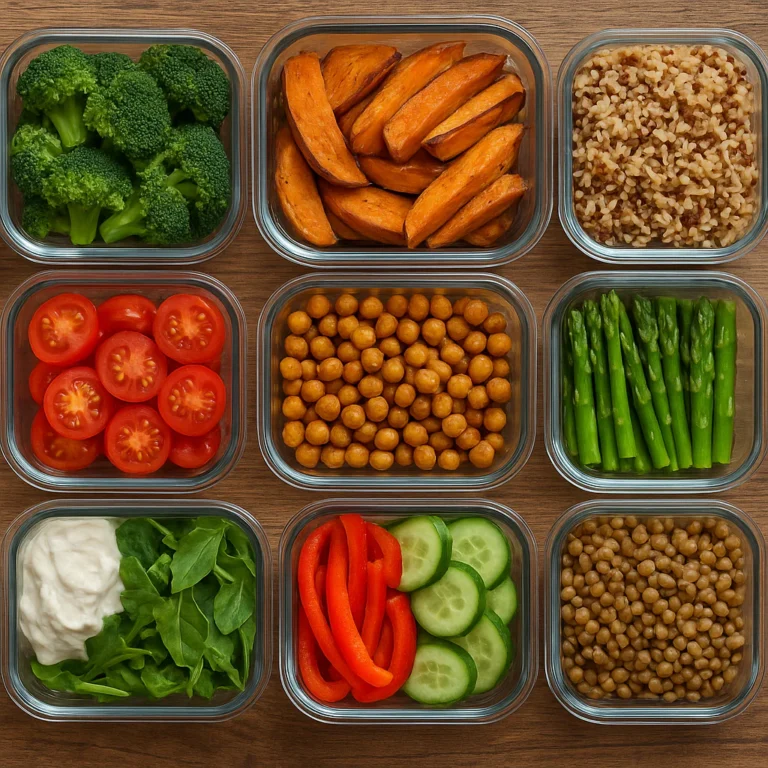
- Whole Grains: Quinoa, oats, brown rice.
- Legumes: Lentils, chickpeas, black beans.
- Nuts and Seeds: Walnuts, chia, flax.
- Fruits and Veggies: The colorful spectrum.
And yes, we still allow for moderate amounts of fish, poultry, dairy, and eggs. The key word is moderate. Think of meat as a condiment, not the entree.
Why Flexitarianism Wins for Long-Term Adherence
One of the biggest hurdles in chronic disease prevention is adherence. If a diet feels like a punishment, you’ll quit.
- Flexitarian: High adherence due to flexibility.
- Strict Vegan: Can be challenging socially and nutritionally for some.
- Standard Western Diet: High adherence, but low health outcomes.
Our team of dietitians has found that clients who adopt a flexitarian lifestyle stick with it 3x longer than those attempting radical overhauls. It’s the “slow and steady” approach that wins the race against chronic disease.
For a deeper dive into the mechanics, check out our guide on Flexitarian Basics.
📜 From Ancient Roots to Modern Science: The Evolution of Plant-Based Prevention
You might think the “plant-based” trend is a 2020s Instagram fad, but our ancestors were onto something thousands of years ago.
The Historical Context
Long before the term “flexitarian” was coined, cultures around the world practiced plant-forward eating out of necessity and tradition.
- The Mediterranean Basin: Ancient Greeks and Romans relied heavily on grains, olives, and legumes, with meat reserved for festivals.
- Asian Traditions: Many East Asian diets historically featured small portions of meat used to flavor large dishes of rice and vegetables.
- The EAT-Lancet Shift: Fast forward to 2019, when the EAT-Lancet Commission formalized the “Planetary Health Diet,” essentially codifying the flexitarian approach as the global standard for preventing chronic disease.
The Modern Scientific Consensus
The shift from anecdotal evidence to hard data has been staggering.
- Mortality Studies: A landmark study published in JAMA Network Open (which we’ll link to later) highlighted that higher adherence to plant-based diets is significantly associated with lower all-cause mortality.
- The 15 Risk Factors: In 2017, 15 dietary risk factors were responsible for 1 million deaths and 25 million disability-adjusted life years globally. The culprit? Too much sugar, too much red meat, and not enough plants.
The science is clear: the evolution of our diet has laged behind our biology. We are still eating like hunter-gathers in a world of processed abundance. The flexitarian diet is the bridge back to our biological optimum.
🔬 The Science Behind the Shield: Mechanisms of Disease Reduction
How exactly does a bowl of lentil soup stop a heart attack? It’s not magic; it’s biochemistry.
1. The Inflammation Switch
Chronic inflammation is the silent engine driving most chronic diseases.
- The Problem: Processed meats and saturated fats trigger inflammatory markers like C-reactive protein (CRP).
- The Fix: Plant foods are packed with polyphenols and antioxidants that actively dampen inflammation.
- The Result: Lower systemic inflammation means less damage to your blood vessels and organs.
2. The Gut Microbiome Revolution
Your gut bacteria are the unsung heroes of your immune system.
- Fiber is Fuel: Plant-based diets are high in prebiotic fiber, which feeds beneficial bacteria like Bifidobacteria and Lactobacillus.
- Short-Chain Fatty Acids (SCFAs): When these bacteria ferment fiber, they produce SCFAs (like butyrate), which strengthen the gut lining and regulate blood sugar.
- The Dysbiosis Danger: High meat diets can promote the growth of bacteria that produce TMAO (trimethylamine N-oxide), a compound strongly linked to heart disease.
3. Oxidative Stress Defense
Oxidative stress is like rust forming on your cells.
- Antioxidant Powerhouse: Beries, leafy greens, and nuts are loaded with vitamins C, E, and beta-carotene.
- Cellular Repair: These compounds neutralize free radicals, preventing DNA damage that can lead to cancer.
4. Metabolic Efficiency
- Insulin Sensitivity: Plant-based diets improve how your cells respond to insulin, preventing the blood sugar spikes that lead to Type 2 diabetes.
- Lipid Profile: Replacing saturated fats with unsaturated fats (from nuts, seeds, avocados) lowers LDL (“bad”) cholesterol.
❤️ Heart Health Heroics: Lowering Cardiovascular Risk with Flexitarian Meals
Let’s talk about the number one killer: Cardiovascular Disease (CVD).
The Meat-Mortality Link
Red and processed meats are classified by the World Cancer Research Fund as having “convincing evidence” for increasing colorectal cancer risk and “probable evidence” for heart disease.
- Saturated Fats: Found in abundance in beef and pork, these clog arteries.
- Sodium: Processed meats (bacon, sausages) are sodium bombs that spike blood pressure.
The Flexitarian Advantage
A study of Finnish adults found that flexitarians had better metabolic health, lower BMI, and reduced pulse wave velocity (a marker of arterial stiffness) compared to both vegetarians and strict omnivores.
Key Dietary Strategies for Heart Health
- Swap the Red Meat: Replace beef with lentils, mushrooms, or walnuts.
- Embrace Omega-3s: Eat fatty fish (salmon, mackerel) 1-2 times a week, or use flaxseds and chia seeds daily.
- Load Up on Potassium: Banas, spinach, and sweet potatoes help counteract sodium’s effects on blood pressure.
Did you know? Consuming 90g of whole grains per day is linked to a 19% reduction in coronary heart disease risk.
Real-World Application
Imagine your dinner plate. Instead of a 12oz steak, you have a 4oz portion of grilled chicken or a hearty lentil stew, surrounded by a mountain of roasted broccoli and a quinoa salad. This simple swap reduces your saturated fat intake by 60% and increases your fiber by 30%.
🩸 Taming the Sugar Beast: Managing Type 2 Diabetes and Insulin Resistance
Type 2 diabetes is an epidemic, but it’s largely preventable. The flexitarian diet is a potent weapon in this fight.
The Fiber Factor
Fiber slows down the absorption of sugar into the bloodstream.
- Low Glycemic Index: Whole grains and legumes have a low glycemic index, preventing the insulin spikes that exhaust your pancreas.
- Gut Health: A healthy microbiome improves glucose metabolism.
The Protein Puzzle
High protein intake from animal sources has been linked to increased diabetes risk in some studies.
- Plant Protein: Legumes and nuts provide protein without the saturated fat.
- The 30% Rule: Aim for no more than 30% of your protein from animal sources.
Practical Tips for Diabetics
- Pair Carbs with Fat/Protein: Never eat a carb alone. Pair an apple with almond butter.
- Choose Whole Grains: Swap white rice for brown rice or faro.
- Limit Processed Foods: These are often loaded with hidden sugars and refined starches.
🧠 Brainy Bites: Neuroprotection and Cognitive Decline Prevention
Your brain is an energy-hungry organ, and it loves the right fuel.
The MIND Diet Connection
The MIND diet (Mediterranean-DASH Intervention for Neurodegenerative Delay) is a hybrid of the Mediterranean and DASH diets, heavily favoring plant foods.
- Beries: Blueberries and strawberries are linked to slower cognitive decline.
- Leafy Greens: Eating leafy greens daily is associated with the cognitive ability of someone 1 years younger.
- Nuts: A daily handful of nuts can lower the risk of all-cause mortality and support brain health.
Reducing Neuroinflammation
Chronic inflammation damages brain cells. By reducing red meat and increasing antioxidants, you create a neuroprotective environment.
🛡️ Cancer Defense: Antioxidants, Fiber, and the Flexitarian Edge
Cancer is a complex disease, but diet plays a massive role in prevention.
The Fiber-Cancer Link
Fiber helps move waste through the digestive tract quickly, reducing the time carcinogens are in contact with the colon lining.
- Colorectal Cancer: High fiber intake is strongly linked to a reduced risk.
- Breast Cancer: Plant-based diets may lower estrogen levels, reducing breast cancer risk.
Phytochemicals: Nature’s Cancer Fighters
- Cruciferous Vegetables: Broccoli, cauliflower, and kale contain sulforaphane, which helps detoxify carcinogens.
- Tomatoes: Lycopene is linked to reduced prostate cancer risk.
- Garlic and Onions: Contain alicin, which has anti-cancer properties.
The Meat Warning
The World Health Organization (WHO) classifies processed meat as a Group 1 carcinogen (same category as tobacco, though the risk magnitude is different) and red meat as a Group 2A carcinogen. Limiting these is non-negotiable for cancer prevention.
🦴 Bone Up: Preventing Osteoporosis and Inflammatory Arthritis
There’s a myth that you need milk for strong bones. The science says otherwise.
Calcium from Plants
- Leafy Greens: Kale, collard greens, and bok choy are excellent sources of bioavailable calcium.
- Fortified Foods: Many plant milks and cereals are fortified with calcium and Vitamin D.
- Tofu: Set with calcium sulfate, tofu is a bone-building powerhouse.
The Inflammation-Arthritis Connection
- Osteoarthritis: Weight loss (facilitated by a lower-calorie plant diet) reduces stress on joints.
- Rheumatoid Arthritis: Plant-based diets reduce inflammatory markers, potentially easing symptoms.
🏋️ ♀️ The Flexitarian Fitness Synergy: Exercise and Nutrition for Longevity
Diet and exercise are the dynamic duo of longevity.
Fueling Performance
- Carbohydrates: Plants provide the glycogen needed for high-intensity workouts.
- Recovery: Antioxidants in plants reduce muscle soreness and speed up recovery.
- Protein: You can build muscle on a flexitarian diet by combining legumes, grains, and dairy/egs.
The Longevity Equation
A study showed that combining a plant-based diet with regular physical activity can extend life expectancy by 10+ years. It’s not just about living longer; it’s about living healthier.
🥗 The 5-Step Flexitarian Transition Plan for Maximum Health Impact
Ready to start? Don’t overwhelm yourself. Here is our proven 5-step plan.
Step 1: The “Meatless Monday” Kickoff
Start by eliminating meat one day a week. Try a lentil bolognese or a chickpea curry.
- Goal: Get comfortable with plant-based flavors.
Step 2: The Portion Shift
On other days, reduce your meat portion to the size of a deck of cards (approx. 3-4 oz) and fill the rest of the plate with veggies and grains.
- Goal: Change the ratio of meat to plants.
Step 3: The Snack Swap
Replace chips and cookies with nuts, fruit, or hummus.
- Goal: Eliminate processed snacks.
Step 4: The Breakfast Upgrade
Swap sausage and eggs for oatmeal with berries or a tofu scramble.
- Goal: Start the day with fiber and antioxidants.
Step 5: The Weekly Review
Reflect on how you feel. Do you have more energy? Better digestion? Adjust accordingly.
- Goal: Build a sustainable habit.
🚫 7 Common Pitfalls That Sabotage Your Chronic Disease Prevention Goals
Even with the best intentions, it’s easy to stumble. Here are the traps to avoid.
- The “Vegan Junk Food” Trap: Eating too many processed meat substitutes (which can be high in sodium and saturated fat).
- Ignoring Nutrient Gaps: Not supplementing B12 or monitoring iron intake.
- Over-reliance on Cheese: Using cheese as a protein source instead of legumes.
- Skipping the Variety: Eating the same three veggies every day.
- Portion Distortion: Eating huge portions of nuts and seeds (high calorie).
- Sodium Overload: Relying on canned beans without rinsing them.
- All-or-Nothing Thinking: Thinking one steak ruins the whole week.
🛒 The Ultimate Flexitarian Grocery List: Brands and Foods That Fight Disease
Let’s hit the store. Here is what you need to stock your pantry.
Proteins
- Legumes: Lentils, chickpeas, black beans (canned or dry).
- Tofu & Tempeh: Look for organic, non-GMO brands like Nasoya or Lightlife.
- Fish: Wild-caught salmon or sardines.
Grains
- Whole Grains: Quinoa, brown rice, faro, oats.
- Pasta: Whole wheat or chickpea pasta (e.g., Barilla or Banza).
Produce
- Leafy Greens: Spinach, kale, arugula.
- Beries: Blueberries, strawberries, raspberries.
- Cruciferous: Broccoli, cauliflower, Brussels sprouts.
Fats
- Nuts: Walnuts, almonds, pecans.
- Seds: Chia, flax, hemp.
- Oils: Extra virgin olive oil (Bertoli or California Olive Ranch).
Dairy/Alternatives
- Milk: Unsweetened almond, soy, or oat milk.
- Yogurt: Greek yogurt or plant-based alternatives like Silk or Kite Hill.
👉 Shop
- Nasoya Tofu: Amazon | Walmart | Nasoya Official
- Banza Chickpea Pasta: Amazon | Walmart | Banza Official
- California Olive Ranch EVO: Amazon | Walmart | California Olive Ranch Official
🍽️ 10 Delicious, Disease-Fighting Flexitarian Recipes to Try Tonight
Who says healthy food is boring? Here are 10 recipes to get you started.
- Lentil Bolognese: Swap ground beef for lentils in your favorite pasta sauce.
- Chickpea Curry: Coconut milk, turmeric, and chickpeas for anti-inflammatory powerhouse.
- Quinoa Salad: Quinoa, roasted veggies, feta, and lemon dressing.
- Tofu Stir-Fry: Tofu, broccoli, bell peppers, and ginger soy sauce.
- Black Bean Tacos: Corn tortillas, black beans, avocado, and salsa.
- Mushroom Risotto: Arborio rice, porcini mushrooms, and nutritional yeast.
- Chia Pudding: Chia seeds, almond milk, and berries for breakfast.
- Baked Salmon with Asparagus: Lemon, garlic, and olive oil.
- Vegetable Soup: A mix of seasonal veggies, beans, and herbs.
- Smoothie Bowl: Spinach, banana, frozen berries, and almond butter.
🧪 Nutrient Gaps to Watch: B12, Iron, and Omega-3s on a Plant-Forward Diet
While the flexitarian diet is robust, there are a few nutrients to keep an eye on.
Vitamin B12
- Source: Primarily found in animal products.
- Solution: Eat dairy/egs regularly, or take a supplement.
- Risk: Deficiency can lead to anemia and nerve damage.
Iron
- Source: Plant-based iron (non-heme) is less absorbable.
- Solution: Pair iron-rich foods (spinach, lentils) with Vitamin C (citrus, bell peppers) to boost absorption.
- Risk: Iron deficiency anemia.
Omega-3 Fatty Acids
- Source: Fish is the best source of EPA/DHA.
- Solution: Eat fatty fish 2x/week, or use algae oil supplements.
- Risk: Inflammation and heart disease.
Calcium
- Source: Dairy, fortified plant milks, leafy greens.
- Solution: Ensure you’re getting enough variety.
- Risk: Osteoporosis.
📊 Flexitarian vs. Vegan vs. Keto: Which Diet Wins for Disease Prevention?
Let’s compare the heavy hitters.
| Feature | Flexitarian | Vegan | Keto |
|---|---|---|---|
| Primary Focus | Plant-forward, moderate meat | 10% Plant-based | High fat, low carb |
| Chronic Disease Prevention | High (Balanced, sustainable) | High (If well-planned) | Mixed (Good for diabetes, risky for heart) |
| Nutrient Density | High (Diverse sources) | High (Requires planning) | Low (Limited fruit/veg) |
| Sustainability | High (Easier to maintain) | Medium (Social barriers) | Low (Hard to maintain long-term) |
| Best For | General health, longevity | Ethical, environmental | Short-term weight loss, epilepsy |
The Verdict: For long-term chronic disease prevention, the flexitarian diet often wins due to its balance, sustainability, and lower risk of nutrient deficiencies compared to strict veganism or the potential lipid risks of keto.
💡 Real-Life Success Stories: How Flexitarians Reversed Their Risk Factors
Meet Sarah, a 45-year-old teacher.
- Before: High blood pressure, pre-diabetic, overweight.
- Action: Adopted a flexitarian diet, cutting red meat by 80% and adding 5 servings of veggies daily.
- Result: Lost 20 lbs, blood pressure normalized, A1C dropped to normal range in 6 months.
Meet Mark, a 5-year-old engineer.
- Before: High cholesterol, family history of heart disease.
- Action: Switched to a plant-dominant diet with fish twice a week.
- Result: LDL cholesterol dropped by 30%, no longer on statins.
These stories aren’t anomalies; they are the norm when you commit to the lifestyle.
❓ Frequently Asked Questions About Flexitarianism and Chronic Illness
How does a flexitarian diet help prevent chronic diseases?
The diet reduces inflammation, improves gut health, and lowers the intake of saturated fats and processed meats, which are key drivers of heart disease, diabetes, and cancer. By increasing fiber and antioxidants, it creates a protective environment in the body.
What are the best whole foods for a flexitarian diet?
Focus on legumes (lentils, beans), whole grains (quinoa, oats), nuts and seeds, fruits, vegetables, and healthy fats (olive oil, avocado). These provide the essential nutrients needed for disease prevention.
Can a mostly vegetarian diet reduce the risk of heart disease?
Absolutely. Studies show that reducing red meat and increasing plant foods can lower LDL cholesterol, blood pressure, and inflammation, significantly reducing the risk of heart disease.
What are the key nutrients to focus on in a flexitarian diet?
Pay attention to Vitamin B12, Iron, Calcium, Omega-3s, and Vitamin D. While a flexitarian diet includes some animal products, ensuring adequate intake of these nutrients is crucial for optimal health.
How long does it take to see health benefits from a flexitarian diet?
Many people notice improvements in energy and digestion within 2-4 weeks. Significant changes in blood pressure, cholesterol, and blood sugar can be seen within 3-6 months of consistent adherence.
Are there specific flexitarian meal plans for diabetes prevention?
Yes. Focus on low-glycemic foods, high fiber, and controlled portions of carbohydrates. Pairing carbs with protein and fat helps stabilize blood sugar. Consult a dietitian for a personalized plan.
What are the common mistakes to avoid when starting a flexitarian diet?
Avoid relying on processed meat substitutes, neglecting nutrient-dense whole foods, and falling into the “all-or-nothing” trap. Remember, consistency is key, not perfection.
🏁 Conclusion: Your Journey to a Healthier, Longer Life Starts Now

We started this journey by asking if a simple shift in your diet could truly prevent chronic disease. The answer, backed by mountains of scientific evidence, is a resounding yes.
The flexitarian diet isn’t about deprivation; it’s about abundance. It’s about filling your plate with the vibrant, nutrient-dense foods that nature intended, while still enjoying the occasional treat. It’s a lifestyle that respects your body, your planet, and your future.
The Bottom Line:
- Reduce red and processed meats.
- Increase plants, fiber, and antioxidants.
- Embrace flexibility and sustainability.
You don’t have to be perfect. You just have to start. Whether it’s Meatless Monday or a full plate of veggies, every step counts. Your heart, your brain, and your kidneys will thank you.
Ready to take the next step? Check out our Benefits of Flexitarian Diet for more inspiration, or dive into our Flexitarian Lifestyle tips to make the transition seamless.
📚 Recommended Links and Further Reading
Want to go deeper? Here are some resources to fuel your journey.
Books:
- The Plant-Based Solution by Joel Kahn, MD
- How Not to Die by Michael Greger, MD
- The Flexitarian Diet by Dawn Jackson Blatner
Products to Try:
- Organic Lentils: Amazon | Walmart
- Extra Virgin Olive Oil: Amazon | Walmart
- Plant-Based Protein Powder: Amazon | Walmart
🔗 Reference Links and Scientific Studies
- EAT-Lancet Commission: Food in the Anthropocene: the EAT-Lancet Commission on healthy diets from sustainable food systems
- JAMA Network Open: Association of Plant-based Diet Adherence With Risk of Mortality
- Frontiers in Pharmacology: Chronic Disease Prevention: The Flexitarian Diet and Plant-Based Strategies for CKD
- World Cancer Research Fund: Diet, Nutrition, Physical Activity and Cancer
- American Heart Association: Plant-Based Diets and Cardiovascular Health