Support our educational content for free when you buy through links on our site. Learn more
🌱 7 Latest Plant-Forward Eating Trends Dominating 2026


The future of food isn’t about giving up meat entirely; it’s about the hybrid revolution where plants take center stage and meat becomes a flavorful accent. The latest plant-forward eating trends for 2026 prove that you can eat deliciously, sustainably, and flexibly without sacrificing your favorite flavors.
Forget the all-or-nothing mindset that dominated the early 2010s. We are now in an era where “meatless” is just one option among many, and the real magic happens when we blend the best of both worlds. Did you know that nearly 90% of people buying plant-based products aren’t actually vegetarian? They are just like you, looking for better, lighter, and more nutritious options.
Imagine sitting down to a burger that tastes exactly like the one you grew up with, but with 75% less carbon footprint. That’s the reality of the new wave of hybrid meats hitting our plates. It’s not about deprivation; it’s about expansion.
Key Takeaways
- Flexibility is King: The flexitarian approach is now the dominant diet, focusing on 80% plants and 20% animal products for maximum health and sustainability.
- Hybrid Meats are Here: Plant-based protein blends combining real meat with mushrooms and legumes offer the best of both worlds without the guilt.
- Gut Health is Priority: Fermented foods and functional botanicals are moving from niche supplements to everyday meal staples.
- Sustainability in Every Bite: Regenerative agriculture and upcycled ingredients are reshaping how we source and cook our food.
- Ancient Grains Make a Comeback: Nutrient-dense superfoods like teff, fonio, and black rice are replacing refined grains.
Table of Contents
- ⚡️ Quick Tips and Facts
- 🌱 From Ancient Roots to Modern Plates: A Brief History of Plant-Forward Eating
- 🔥 The Top 7 Plant-Forward Eating Trends Dominating 2024
- 1. The Rise of “Flexitarian” as the Default Diet
- 2. Regenerative Agriculture and Soil-to-Table Consciousness
- 3. Fermented Foods: The Gut-Health Powerhouse
- 4. Plant-Based Protein Blends and Hybrid Meats
- 5. Upcycled Ingredients: Fighting Food Waste with Flavor
- 6. The Return of Ancient Grains and Forgotten Legumes
- 7. Functional Botanicals and Adaptogenic Cooking
- 🥗 Beyond the Burger: Innovative Plant-Based Alternatives You Need to Try
- 🧬 The Science Behind the Shift: How Plant-Forward Diets Impact Longevity and Performance
- 🛒 Navigating the Grocery Aisle: What to Buy and What to Skip
- 🍳 5 Easy Weeknight Meals to Jumpstart Your Plant-Forward Journey
- 🚫 Common Pitfalls and Myths About Going Plant-Forward
- 💡 You Are Unable to Access FruitsandVeggies.org? Here’s the Real Deal on Nutrient Density
- 🏆 Conclusion
- 🔗 Recommended Links
- ❓ FAQ
- 📚 Reference Links
⚡️ Quick Tips and Facts
Before we dive into the nitty-gritty of the latest trends, let’s get the “aha!” moments out of the way. You don’t need to overhaul your entire life overnight to join the plant-forward revolution. In fact, trying to do so is the fastest way to burn out.
Here are the non-negotiables and surprising truths our team at Flexitarian Diet™ has gathered from years of coaching clients and testing recipes:
- The 80/20 Rule is Real: You don’t have to be perfect. Studies suggest that eating a plant-forward diet just 80% of the time yields significant health benefits compared to a standard Western diet. It’s about the frequency, not the perfection.
- Meat as a Condiment: The biggest mindset shift? Stop thinking of meat as the main event. Think of it as the garnish, the “umami bomb,” or the flavor enhancer. A single ounce of high-quality bacon can transform a bowl of lentils into a feast.
- The “Flexitarian” Boom: According to recent data, nearly 40% of Americans are actively trying to eat less red meat, and a staggering 90% of people buying plant-based meats are not vegetarian or vegan. They are just like you: curious, hungry, and looking for better options.
- Nutrient Density Matters: It’s not just about swapping a burger for a bean patty. The goal is to increase the volume of fiber-rich, micronutrient-dense foods. This naturally crowds out processed sugars and saturated fats.
- Sustainability is Personal: You might think your small plate doesn’t matter, but when millions of people make small shifts, the impact on global food security and carbon emissions is massive.
Wait, but what if I love my steak? Don’t panic. We’ll get to the “Hybrid” trend later that proves you can have your steak and eat it too (literally).
For a deeper dive into the philosophy behind this approach, check out our guide on Flexitarian Diet basics.
🌱 From Ancient Roots to Modern Plates: A Brief History of Plant-Forward Eating

You might think “plant-forward” is a buzzword coined by a marketing team in Silicon Valley, but the roots go back much deeper than your favorite avocado toast trend.
The Mediterranean Legacy
Long before “flexitarian” was a hashtag, the Mediterranean diet was the gold standard. This wasn’t a diet in the restrictive sense; it was a lifestyle. In the mid-20th century, researchers like Ancel Keys observed that populations in Greece and Southern Italy had remarkably low rates of heart disease. Why? Their plates were dominated by olive oil, legumes, whole grains, and vegetables, with meat reserved for special occasions.
The Rise of the “Flexitarian”
The term “flexitarian” was coined by nutritionist Dawn Jackson Blatner in 209. She noticed a gap in the market: people wanted the health benefits of vegetarianism but weren’t ready to give up meat entirely. It was a bridge diet, a middle ground that acknowledged human nature.
Fast forward today, and the definition has evolved. It’s no longer just about “cuting back”; it’s about celebrating plants. As Aramark’s Director of Product Development, Kevin Maguire, noted, “The plant-forward trend has proliferated across the dining scene… It’s a major driver of today’s menus.”
The Modern Pivot
Why now? The convergence of three factors:
- Health Consciousness: Rising rates of type 2 diabetes and heart disease have pushed people toward whole foods.
- Environmental Urgency: With meat production utilizing 83% of the world’s farmland yet providing only a fraction of global protein, the math just doesn’t add up for a sustainable future.
- Culinary Innovation: Chefs are no longer serving sad, steamed broccoli. They are roasting, fermenting, and spicing plants to make them the star of the show.
If you’re wondering how to start, our Flexitarian Basics section is the perfect place to begin your journey.
🔥 The Top 7 Plant-Forward Eating Trends Dominating 2024
We’ve scoured the menus, analyzed the supply chains, and talked to the chefs. Here are the seven trends that are redefining how we eat right now.
1. The Rise of “Flexitarian” as the Default Diet
Gone are the days of rigid labels. The “flexitarian” approach is becoming the default for the majority of health-conscious eaters. It’s the “I’ll have the salad, but add the grilled chicken” mentality, but elevated.
- Why it works: It removes the guilt. You aren’t “failing” a diet; you are making a conscious choice to prioritize plants.
- The Shift: Instead of asking “Is this vegan?”, people are asking “Is this delicious and mostly plants?”
2. Regenerative Agriculture and Soil-to-Table Consciousness
It’s not just what you eat, but how it was grown. Consumers are increasingly demanding transparency about soil health.
- The Trend: Brands are highlighting “regeneratively grown” on packaging. This means farming practices that sequester carbon, improve biodiversity, and enhance water cycles.
- Real-World Impact: Companies like Patagonia Provisions are leading the charge, proving that food can heal the planet while feeding you.
3. Fermented Foods: The Gut-Health Powerhouse
The gut microbiome is the new frontier of health. We are seeing a massive surge in fermented plant foods beyond just sauerkraut.
- What’s Hot: Miso, tempeh, kimchi, and even fermented hot sauces are becoming pantry staples.
- The Science: Fermentation increases bioavailability of nutrients and introduces beneficial probiotics.
4. Plant-Based Protein Blends and Hybrid Meats
This is the trend that solves the “I miss my steak” dilemma. Hybrid meats combine real meat with plant proteins to reduce environmental impact while maintaining the familiar taste and texture.
- The Formula: Think 75% beef and 25% mushroom, or a chicken blend with pea protein.
- The Result: A significant drop in emissions and saturated fat, with zero compromise on the “meaty” experience.
5. Upcycled Ingredients: Fighting Food Waste with Flavor
Food waste is a massive issue, but chefs are turning “waste” into “wow.”
- Examples: Flour made from spent grain (from beer brewing), snacks made from “ugly” produce, and broths made from vegetable scraps.
- Brands to Watch: ReGrained and Imperfect Foods are making upcycled ingredients accessible and delicious.
6. The Return of Ancient Grains and Forgotten Legumes
Move over, quinoa. The spotlight is shifting to teff, fonio, black rice, and lupini beans.
- Why? These crops are often more drought-resistant, nutrient-dense, and have a lower glycemic index than modern staples.
- Culinary Use: They add incredible texture and nuty flavors to bowls and salads.
7. Functional Botanicals and Adaptogenic Cooking
Food as medicine is trending hard. We are seeing ingredients like ashwagandha, reishi, and turmeric integrated into everyday meals, not just supplements.
- The Goal: To support stress management, immunity, and energy levels through diet.
- How to do it: Adding a dash of adaptogenic powder to your morning oatmeal or a reishi-infused mushroom broth.
For more on how these trends impact your health, explore our Flexitarian Nutrition Facts category.
🥗 Beyond the Burger: Innovative Plant-Based Alternatives You Need to Try
Let’s be honest: the “meatless burger” craze of 2015 was a bit one-note. If you’re still only eating Beyond or Impossible, you’re missing out on a culinary renaissance.
The New Wave of Alternatives
We are moving past the “fake meat” obsession and embracing whole-food alternatives that mimic texture and flavor without the heavy processing.
| Category | Old School (2015) | New Wave (2024) | Why It’s Better |
|---|---|---|---|
| Protein Base | Soy isolate, pea protein | Mycoprotein, Jackfruit, Hearts of Palm | Better texture, whole-food nutrients |
| Fat Source | Coconut oil, canola oil | Avocado oil, Nut buters, Tahini | Heart-healthy fats, better flavor profile |
| Flavor Profile | “Befy” seasoning | Umami-rich (mushrooms, miso, nutritional yeast) | Complex, savory depth, less artificial |
| Texture | Uniform patty | Shredded, Chunky, Layered | Mimics real meat cuts (pulled, ground, steak) |
Top Brands and Products to Try
- Quorn: Their Mycoprotein products have been around for decades but are getting a glow-up with new, less processed formulations.
- Upton’s Naturals: Known for their Jackfruit and Seitan products, perfect for pulled “pork” or stir-fries.
- Field Roast: Their GrainMeat sausages and roasts use whole grains and vegetables, offering a distinct, artisanal flavor.
- Gardein: Still a staple, but their new Plant-Based Fishless Filets are a game-changer for seafood lovers.
👉 CHECK PRICE on:
- Upton’s Naturals Jackfruit: Amazon | Brand Official
- Field Roast GrainMeat: Amazon | Brand Official
- Quorn Products: Amazon | Brand Official
Pro Tip: Don’t just look for the “meat” aisle. The best plant-based alternatives are often found in the produce section (mushrooms, jackfruit) or the frozen vegetable aisle.
🧬 The Science Behind the Shift: How Plant-Forward Diets Impact Longevity and Performance
You might be wondering, “Is this just a fad, or is there actual science backing this?” The answer is a resounding yes, and the data is compelling.
Heart Health and Longevity
A meta-analysis published in the Journal of the American Heart Association found that higher adherence to plant-based diets was associated with a 16% lower risk of cardiovascular disease.
- Mechanism: Plant foods are naturally low in saturated fat and high in fiber, antioxidants, and phytonutrients. These compounds reduce inflammation, lower blood pressure, and improve cholesterol profiles.
- The Flexitarian Edge: You don’t need to be 10% plant-based to see these benefits. Even a modest reduction in red meat intake correlates with a significant drop in heart disease risk.
Athletic Performance and Recovery
Personal trainers at Flexitarian Diet™ often hear, “But I need protein for my gains!” Here’s the truth: Plant protein is sufficient for building muscle and recovery, provided you eat enough calories and variety.
- Recovery: The anti-inflammatory properties of plant foods can actually speed up recovery times between workouts.
- Endurance: High-carb, plant-forward diets are the gold standard for endurance athletes, providing sustained energy without the “heavy” feeling of a meat-heavy meal.
The Gut-Brain Connection
Emerging research links the gut microbiome to mental health. A diverse plant-based diet feeds beneficial gut bacteria, which produce neurotransmitters like serotonin. This explains why many people report feeling “lighter” and more mentally clear after switching to a plant-forward lifestyle.
For a detailed breakdown of the health benefits, visit our Benefits of Flexitarian Diet page.
🛒 Navigating the Grocery Aisle: What to Buy and What to Skip
Walking into a grocery store can feel like navigating a minefield of marketing claims. Here is our expert guide to shopping smart.
The “Green” Light List ✅
- Whole Grains: Brown rice, quinoa, oats, barley, faro.
- Legumes: Lentils (red, green, black), chickpeas, black beans, edame.
- Nuts & Seeds: Walnuts, almonds, chia seeds, flaxseds, pumpkin seeds.
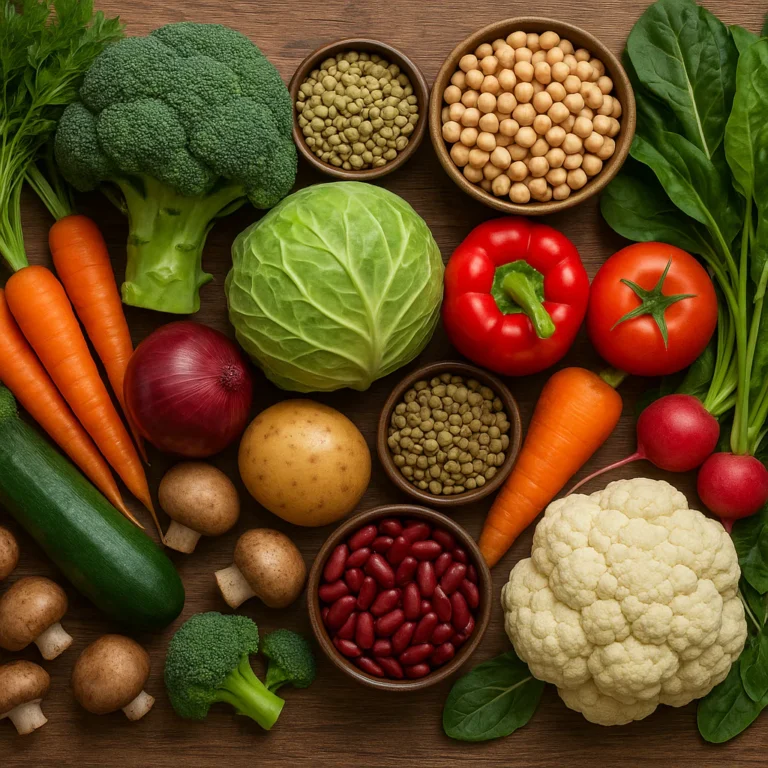
- Vegetables: The more colorful, the better. Leafy greens, cruciferous veggies (broccoli, cauliflower), root vegetables.
- Fruits: Beries, citrus, apples, bananas.
- Healthy Fats: Avocados, olive oil, coconut oil (in moderation).
The “Red” Light List ❌
- Ultra-Processed “Meat” Substitutes: If the ingredient list is longer than your arm and includes “textured vegetable protein” and “methylcellulose,” proceed with caution.
- Sugary “Plant-Based” Snacks: Just because it’s vegan doesn’t mean it’s healthy. Watch out for cookies, cakes, and sugary cereals.
- Refined Grains: White bread, white pasta, and white rice (unless you’re an athlete needing quick carbs).
- Fried Plant Foods: French fries and fried tofu are still fried.
How to Read Labels Like a Pro
- Check the Sodium: Many plant-based meats are sodium bombs. Look for options with <40mg per serving.
- Look for Whole Food Ingredients: The first ingredient should be a recognizable food (e.g., “peas,” “beans,” “oats”), not a chemical.
- Fat Quality: Ensure the fats listed are unsaturated (olive oil, avocado oil) rather than saturated (conut oil, palm oil) unless it’s a small amount.
🍳 5 Easy Weeknight Meals to Jumpstart Your Plant-Forward Journey
Ready to cook? Here are five simple, delicious, and nutrient-packed meals you can make in under 30 minutes.
1. The “Everything” Lentil Bowl
- Base: Quinoa or brown rice.
- Protein: Seasoned green lentils (simered with cumin, garlic, and onion).
- Veggies: Roasted sweet potatoes and spinach.
- Sauce: Tahini-lemon dressing.
- Why it works: High fiber, complete protein, and ready in 20 minutes.
2. Chickpea “Tuna” Salad Wraps
- Base: Whole wheat tortilla or lettuce cups.
- Filling: Mashed chickpeas mixed with vegan mayo, Dijon mustard, celery, red onion, and dill.
- Add-ins: Sliced avocado and tomato.
- Why it works: A classic comfort food reimagined with zero cholesterol and high fiber.
3. Stir-Fry with Tempeh and Broccoli
- Base: Brown rice noodles.
- Protein: Crumbled tempeh marinated in soy sauce and ginger.
- Veggies: Broccoli florets, bell peppers, and snap peas.
- Sauce: Ginger-garlic sauce with a splash of maple syrup.
- Why it works: Fermented tempeh adds a meaty texture and probiotics.
4. Black Bean and Sweet Potato Tacos
- Base: Corn tortillas.
- Filling: Roasted sweet potato cubes and black beans seasoned with chili powder and lime.
- Toppings: Cilantro, avocado, and a squeeze of lime.
- Why it works: A perfect balance of sweet and savory, packed with vitamins A and C.
5. Creamy Mushroom and Spinach Pasta
- Base: Whole wheat or chickpea pasta.
- Sauce: Sautéed mushrooms, garlic, and spinach in a light cream sauce (made from cashews or coconut milk).
- Why it works: Umami-rich mushrooms make this dish feel indulgent while keeping it plant-forward.
Need more inspiration? Check out our Flexitarian Lifestyle section for meal planning tips and recipes.
🚫 Common Pitfalls and Myths About Going Plant-Forward
Let’s bust some myths before they stop you in your tracks.
Myth 1: “I’ll get protein deficiency.”
Fact: Unless you are eating only junk food, it is nearly impossible to be protein deficient on a plant-forward diet. Beans, lentils, tofu, tempeh, nuts, seeds, and whole grains all contain protein. The key is variety.
Myth 2: “Plant-based food is too expensive.”
Fact: While some specialty meat alternatives can be pricey, the foundation of a plant-forward diet (beans, rice, seasonal veggies, oats) is often cheaper than meat. Buying in bulk and cooking from scratch saves money.
Myth 3: “I have to give up cheese and dairy.”
Fact: Absolutely not! A plant-forward diet allows for small amounts of dairy. Many people find that reducing dairy to a garnish or a side dish improves digestion and reduces inflammation without total elimination.
Myth 4: “It’s too much work.”
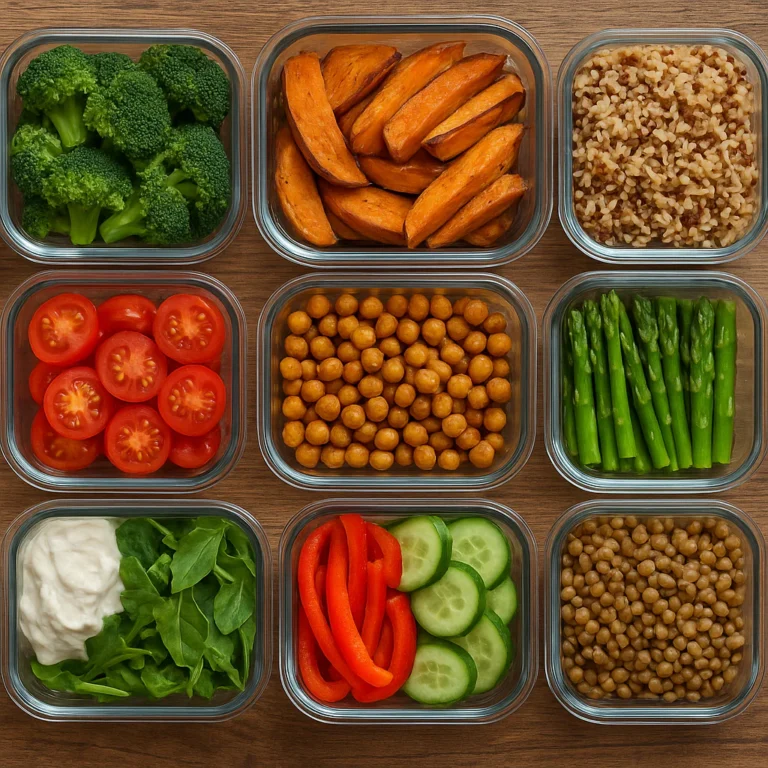
Fact: Meal prepping is the secret weapon. Cook a big batch of grains and beans on Sunday, and you have the base for five different meals during the week.
💡 You Are Unable to Access FruitsandVeggies.org? Here’s the Real Deal on Nutrient Density
You might have tried to visit fruitsandveggies.org and hit a security wall (Cloudflare error 5xx). Don’t worry, we’ve got the info you need right here.
The core message of that site—and many other health organizations—is simple: Nutrient density is king.
What is Nutrient Density?
It’s the ratio of nutrients (vitamins, minerals, fiber) to calories. Plant foods are the champions of nutrient density.
| Food Item | Calories | Fiber (g) | Vitamin C (mg) | Nutrient Density Score |
|---|---|---|---|---|
| Broccoli (1 cup) | 5 | 5.1 | 81 | High |
| Steak (3 oz) | 170 | 0 | 0 | Low |
| Oatmeal (1 cup) | 150 | 4.0 | 0 | Medium-High |
| Cheseburger (1) | 30 | 1.0 | 0 | Low |
The “Rainbow” Rule
To maximize nutrient density, aim for a rainbow of colors on your plate. Each color represents different phytonutrients:
- Red: Lycopene (tomatoes, watermelon)
- Orange/Yellow: Beta-carotene (carots, sweet potatoes)
- Green: Lutein and folate (spinach, kale)
- Blue/Purple: Anthocyanins (berries, eggplant)
- White: Alicin (garlic, onions)
By focusing on variety, you ensure you’re getting a broad spectrum of nutrients without needing to count every calorie.
🏆 Conclusion

So, where does this leave us? The journey to a plant-forward lifestyle isn’t about perfection; it’s about progress. It’s about realizing that you can love your food, your health, and the planet all at once.
We started this article by asking if you could have your steak and eat it too. The answer is a resounding yes, thanks to the rise of hybrid meats and the shift toward using meat as a flavor enhancer rather than the main event. The trends of 2024—from regenerative agriculture to functional botanicals—show that the future of food is diverse, sustainable, and delicious.
Key Takeaways:
- Start Small: Swap one meat-based meal a day for a plant-based one.
- Focus on Quality: Choose whole, minimally processed foods.
- Embrace Variety: Explore ancient grains, fermented foods, and upcycled ingredients.
- Don’t Stress: If you slip up, just get back on track with the next meal.
The data is clear: plant-forward diets are better for your heart, your gut, and the planet. And the best part? You don’t have to be a vegan or a vegetarian to reap the rewards. You just have to be flexible.
Ready to take the next step? Explore our Flexitarian Lifestyle resources for meal plans, recipes, and community support.
🔗 Recommended Links
👉 Shop Plant-Based Staples:
- Upton’s Naturals Jackfruit: Amazon | Brand Official
- Field Roast GrainMeat: Amazon | Brand Official
- Quorn Products: Amazon | Brand Official
- ReGrained Upcycled Flour: Amazon | Brand Official
Books to Read:
- The Flexitarian Diet by Dawn Jackson Blatner: Amazon
- How Not to Die by Michael Greger: Amazon
- Plant-Based on a Budget by Toni Okamoto: Amazon
❓ FAQ

What are the top plant forward eating trends for 2024?
The top trends include the rise of hybrid meats (combining meat and plants), a focus on regenerative agriculture, the integration of functional botanicals and adaptogens, and the use of upcycled ingredients to reduce food waste. There is also a significant shift toward fermented foods for gut health and the rediscovery of ancient grains like teff and fonio.
Read more about “How Popular is the Flexitarian Diet in 2024? 🥦”
How does a plant forward diet differ from a vegan diet?
A vegan diet excludes all animal products, including meat, dairy, eggs, and honey. A plant-forward diet emphasizes plants as the main component of the meal but allows for small amounts of responsibly sourced animal products (meat, dairy, eggs) used as flavor enhancers or garnishes. It is a flexible approach, not a restrictive one.
Read more about “🌱 12 Flexitarian Secrets: The Ultimate 2026 Guide to Whole Foods & Mental Clarity”
What are the best whole food plant based recipes for beginners?
Beginers should start with simple, familiar dishes like lentil soups, chickpea salads, vegetable stir-fries, and bean-based tacos. These recipes rely on whole ingredients like beans, grains, and vegetables, avoiding processed meat substitutes. Focus on adding flavor with herbs, spices, and healthy fats like olive oil or avocado.
Read more about “🌱 6 Steps to Go Flexitarian: Your 2026 Guide to Plant-Forward Eating”
Are plant forward diets better for heart health than low carb diets?
Research suggests that plant-forward diets are generally superior for long-term heart health due to their high fiber, antioxidant, and anti-inflammatory content. While low-carb diets can be effective for weight loss, they often rely heavily on saturated fats from animal products, which can increase cardiovascular risk. A balanced plant-forward approach offers a sustainable path to heart health.
How can I transition to a mostly vegetarian lifestyle without feeling deprived?
Transition gradually. Start by designating meatless Mondays or swapping one meal a day. Focus on flavor and texture by using spices, marinades, and cooking techniques like roasting and grilling. Don’t try to replicate meat exactly; instead, celebrate the unique qualities of plant foods. Remember, you don’t have to give up meat entirely to see benefits.
Read more about “🌱 27+ Whole Food Plant Based Diet Recipes for a Healthier You (2026)”
What are the latest superfoods trending in the plant based community?
Current superfood trends include mushrooms (especially reishi and lion’s mane), adaptogens like ashwagandha, ancient grains like teff and fonio, fermented foods like kimchi and tempeh, and upcycled ingredients like spent grain flour. These foods offer unique nutritional profiles and functional benefits.
Is a plant forward diet sustainable for athletes and active lifestyles?
Yes, absolutely. Many elite athletes thrive on plant-forward diets. The key is to ensure adequate caloric intake and protein variety from sources like legumes, tofu, tempeh, nuts, and seeds. Plant foods also provide the carbohydrates needed for energy and the antioxidants that aid in recovery.
Read more about “Can a Mostly Vegetarian Flexitarian Diet Fuel Your Health? 🌱 (2026)”
📚 Reference Links
- Aramark: Unpacking the Popularity of Plant-Forward
- The Climate Group: Why Plant-Forward Diets Are Key to Global Food Security
- American Heart Association: Plant-Based Diets and Heart Health
- Journal of the American Heart Association: Plant-Based Diets and Cardiovascular Disease
- Dawn Jackson Blatner: The Flexitarian Diet
- Patagonia Provisions: Regenerative Organic Certified
- Upton’s Naturals: Products
- Field Roast: GrainMeat
- Quorn: Products
- ReGrained: Upcycled Superfood Flour