Support our educational content for free when you buy through links on our site. Learn more
🌱 The Ultimate Flexitarian Diet Guide (2026): Eat Less Meat, Live More

What if you could lose weight, lower your heart disease risk, and save the planet—all without giving up your favorite Sunday roast? Welcome to the Flexitarian Diet, the flexible, science-backed lifestyle that’s taking over kitchens from coast to coast. Unlike rigid fads that demand you cut out entire food groups, this approach is built on a simple, powerful premise: add more plants, not subtract your joy.
Imagine swapping your daily steak for a hearty lentil bolognese one day, then enjoying a perfectly grilled salmon filet the next. That’s the magic of this 80/20 rule. In fact, studies show that even a modest reduction in meat intake can slash your risk of colorectal cancer by 8% and significantly improve your cholesterol levels. But here’s the real kicker: you don’t have to be perfect to see results. Whether you’re a beginner aiming for one meatless day a week or an advanced flexitarian enjoying meat only on special occasions, this guide covers every single step you need to thrive. From our exclusive 7-day meal plan to the exact supplements you might need, we’ve got the roadmap to a healthier, grener you. Ready to discover why the world’s top dietitians are calling this the most sustainable diet of 2026?
Key Takeaways
- Flexibility is the Secret: The Flexitarian Diet isn’t about perfection; it’s about the 80/20 rule, where 80% of your plate is plant-based and 20% allows for meat, dairy, or treats.
- Proven Health Wins: Adopting this lifestyle can lower blood pressure, reduce heart disease risk, stabilize blood sugar, and aid in sustainable weight loss without starvation.
- Planet-Saving Impact: Cutting back on meat is one of the most effective individual actions to reduce your carbon footprint and conserve water resources.
- Nutrient Awareness: While highly nutritious, ensure you monitor Vitamin B12, Iron, and Omega-3s, especially if you significantly reduce animal product intake.
- Actionable Plan: This guide includes a complete 7-day meal plan, a grocery shopping list, and expert tips to help you transition smoothly from beginner to advanced.
contents“>Table of Contents
-
flexitarianism“>📜 The Evolution of Plant-Forward Eating: From Vegetarianism to Flexitarianism
-
🤔 What Exactly Is the Flexitarian Diet? A No-Nonsense Definition
-
❤️ Heart Health: Lowering Cholesterol and Blood Pressure Naturally
-
⚖️ Weight Management: How Plant-Heavy Eating Helps You Shed Pounds
-
🩸 Diabetes Control: Stabilizing Blood Sugar with Fiber-Rich Foods
-
🛡️ Cancer Prevention: The Role of Antioxidants and Phytonutrients
-
🥦 The Green Light: Top Foods to Embrace on Your Flexitarian Journey
-
🚦 The Yellow Light: Foods to Minimize or Enjoy in Moderation
-
🚫 The Red Light: Foods to Avoid for Optimal Flexitarian Health
-
📅 A 7-Day Flexitarian Meal Plan: Realistic, Delicious, and Balanced
-
🏋️ ♀️ Pairing Flexitarian Eating with Exercise for Maximum Results
-
🛒 Grocery Shopping Guide: Best Brands for Flexitarian Pantry Staples
-
📊 Comparing Flexitarian to Other Diets: Keto, Paleo, and Vegan
-
❓ Frequently Asked Questions About the Flexitarian Lifestyle
⚡️ Quick Tips and Facts
Before we dive deep into the nitty-gritty of becoming a flexitarian, let’s hit the fast lane with some high-impact truths you can start applying today. Think of this as your cheat sheet to a healthier, grener plate without the overwhelm.
- It’s Not All or Nothing: Unlike strict veganism or keto, the flexitarian diet is built on flexibility. You don’t have to quit meat cold turkey; you just need to eat less of it and more plants.
- The 80/20 Rule: Aim to fill 80% of your plate with plant-based whole foods (fruits, veggies, legumes, whole grains) and leave 20% for animal products or treats.
- Weight Loss is a Side Effect: You won’t lose weight because you’re “starving” yourself of meat, but because you’re swapping calorie-dense, low-nutrient foods for fiber-rich, nutrient-dense plants that keep you fuller longer.
- Heart Health First: Studies suggest that even a modest reduction in meat intake can significantly lower your risk of heart disease and high blood pressure. In fact, research indicates that semi-vegetarians have an 8% lower risk of developing colorectal cancer compared to regular meat eaters.
- Planet-Saving Power: You don’t need to go 10% vegan to help the environment. Switching to a flexitarian diet can reduce your carbon footprint by up to 7%, and if everyone did it, we’d save billions of gallons of water annually.
- Nutrient Watch: While generally safe, if you cut back on meat, keep an eye on Vitamin B12, Iron, Zinc, and Omega-3s. A simple supplement or strategic food pairing (like Vitamin C with iron) can bridge the gap.
Did you know? The term “Flexitarian” was coined in 203 by dietitian Dawn Jackson Blatner. She wanted to create a term that didn’t sound restrictive, encouraging people to add plants rather than subtracting their favorite foods. It’s about inclusion, not exclusion!
📜 The Evolution of Plant-Forward Eating: From Vegetarianism to Flexitarianism
Let’s take a trip down memory lane, shall we? The history of eating less meat isn’t exactly new; it’s as old as humanity itself. For centuries, many cultures practiced seasonal fasting from meat or relied on plants due to scarcity. But the modern vegetarian movement really took off in the 19th century, driven by ethical concerns and health theories that were often quite rigid.
Fast forward to the 20s, and the world was getting tired of the “all-or-nothing” mentality. People wanted the health benefits of a plant-based diet but weren’t ready to give up their Sunday roast or the occasional steak. Enter Dawn Jackson Blatner, a registered dietitian who saw a gap in the market. She realized that for many, the word “vegetarian” felt like a barrier, a label that implied a strict set of rules and a social sacrifice.
So, she blended “flexible” and “vegetarian” to create Flexitarianism.
Why the Shift Matters
The evolution from strict vegetarianism to flexitarianism represents a massive shift in dietary psychology.
- Strict Vegetarianism/Veganism: Often viewed as a lifestyle identity. It requires 10% adherence, which can lead to “all-or-nothing” thinking. If you slip up, you might feel like you’ve failed.
- Flexitarianism: Views eating as a spectrum. It acknowledges that life is messy. You can be a flexitarian who eats meat three times a week, or one who only eats it on holidays. Both are valid.
The Flexitarian Philosophy: “The goal isn’t perfection; it’s progress.” — Dawn Jackson Blatner
This approach has exploded in popularity because it aligns with how modern people actually live. It’s sustainable. It’s forgiving. And, as we’ll see later, it’s incredibly effective for long-term health.
🤔 What Exactly Is the Flexitarian Diet? A No-Nonsense Definition
So, what is the Flexitarian Diet really? Is it a fad? A trend? Or a lifestyle?
At its core, the Flexitarian Diet is a semi-vegetarian eating pattern that emphasizes plant-based foods while allowing for the occasional inclusion of meat, fish, and dairy. It’s not about counting calories or tracking macros (unless you want to). It’s about prioritizing whole, unprocessed plant foods and treating animal products as a side dish or a special treat rather than the main event.
The Three Stages of Flexitarianism
One of the brilliant things about this diet is its scalability. Blatner designed it with three “stages” to help you ease into the lifestyle at your own pace. You don’t have to jump to the advanced level immediately!
| Stage | Commitment Level | Meat Frequency | Weekly Meat Limit | Who is this for? |
|---|---|---|---|---|
| Beginer | Low | 5 days with meat | Max 28 oz (approx. 2 lbs) | Those new to plant-based eating or just wanting to cut back slightly. |
| Intermediate | Medium | 3-4 days with meat | Max 18 oz (approx. 1 lb) | People comfortable with “Meatless Mondays” and looking to reduce intake further. |
| Advanced | High | 1-2 days with meat | Max 9 oz (approx. 1/2 lb) | Those who are mostly vegetarian but enjoy a small portion of meat occasionally. |
Note: A standard serving of meat is about 3-4 ounces (the size of a deck of cards).
Core Principles
- Eat More Plants: Fruits, vegetables, whole grains, legumes, nuts, and seeds should be the stars of your show.
- Eat Less Meat: When you do eat meat, choose high-quality, lean cuts, and keep the portion size small.
- Choose Whole Foods: Prioritize unprocessed foods over processed “meat alternatives” or sugary snacks.
- Limit Added Sugars: Keep sweets and sugary drinks to a minimum.
- No Guilt: If you eat a burger on Friday, don’t beat yourself up. Just get back to plants on Saturday.
Why it works: By focusing on addition (adding more veggies) rather than subtraction (cuting out meat), the diet feels less restrictive and more empowering.
🌿 Why Go Flexitarian? The Science-Backed Health Benefits
You might be wondering, “Is this just a trendy way to eat, or is there actual science behind it?” The answer is a resounding yes. The Flexitarian Diet is backed by a growing body of research showing significant health benefits.
🫀 Can a Flexitarian Diet Save Your Heart?
Let’s start with the big one: Heart Health. Heart disease is the leading cause of death globally, and diet plays a massive role.
Research published in the Journal of the American Heart Association analyzed data from over 48,0 participants. The findings were clear:
- Fish eaters had a 13% lower rate of ischemic heart disease compared to regular meat eaters.
- Vegetarians had a 2% lower rate.
- Flexitarians (who eat some meat but mostly plants) also showed lower BMI, lower total cholesterol, and lower blood pressure compared to strict meat eaters.
How does it work?
- Fiber: Plant foods are rich in soluble fiber, which helps lower LDL (“bad”) cholesterol.
- Antioxidants: Fruits and veggies are packed with antioxidants that reduce inflammation, a key driver of heart disease.
- Less Saturated Fat: By reducing meat intake, you naturally lower your intake of saturated fats, which can clog arteries.
Expert Insight: “The flexitarian approach is one of the most effective ways to lower blood pressure and improve lipid profiles without the extreme restrictions of other diets.” — Kate Patton, MEd, RD, CSSD, LD (Cleveland Clinic)
For more deep dives into this, check out our article on 🫀 Can a Flexitarian Diet Save Your Heart?.
⚖️ Weight Management: Sheding Pounds Without Starving
Who doesn’t want to lose weight without feeling hungry? The Flexitarian Diet is a powerhouse for weight management.
A review of over 1,10 participants found that vegetarians lost an average of 4.5 lbs (2 kg) more than non-vegetarians over 18 weeks. While flexitarians might lose slightly less than strict vegans, the weight loss is still significant and, crucialy, more sustainable.
Why it helps with weight:
- Lower Calorie Density: Plants are high in water and fiber but low in calories. You can eat a huge volume of food for fewer calories.
- Satiety: Fiber and protein from plants keep you full longer, reducing snacking.
- Metabolic Health: Plant-based diets improve insulin sensitivity, helping your body burn fat more efficiently.
🩸 Diabetes Control: Stabilizing Blood Sugar
For those with Type 2 Diabetes or pre-diabetes, the flexitarian diet is a game-changer.
A study involving over 20,0 participants found that a diet emphasizing plant foods and low in animal foods reduced the risk of developing diabetes by 20%. Even more impressive:
- Diets high in healthy plant foods (whole grains, veggies, fruits) reduced risk by 34%.
- Diets high in less healthy plant foods (sugary drinks, refined grains) actually increased risk by 16%.
The Mechanism:
- Fiber Slows Absorption: Fiber slows down the digestion of carbohydrates, preventing blood sugar spikes.
- Improved Insulin Sensitivity: Plant-based diets have been shown to lower HbA1c levels (a measure of long-term blood sugar control) more effectively than conventional diets.
🛡️ Cancer Prevention: The Role of Antioxidants
While no diet can guarantee cancer prevention, the Flexitarian Diet significantly lowers the risk of certain cancers, particularly colorectal cancer.
A 7-year study of 78,0 people found that semi-vegetarians were 8% less likely to develop colorectal cancer than non-vegetarians.
- Phytonutrients: Plants contain thousands of compounds (like lycopene in tomatoes and sulforaphane in broccoli) that fight cancer cells.
- Reduced Carcinogens: Processed meats (bacon, sausage, deli meats) are classified as Group 1 carcinogens by the WHO. Reducing these lowers risk.
🌍 Environmental Impact: Why Flexitarianism Saves the Planet
You don’t have to be an environmental scientist to know that meat production is resource-intensive. But just how much of an impact does going flexitarian have?
The Numbers Game
- Greenhouse Gases: Switching from a standard Western diet to a flexitarian diet could decrease greenhouse gas emissions by 7%.
- Water Usage: Producing 1 pound of beef requires approximately 1,80 gallons of water. Producing 1 pound of lentils requires only 50 gallons.
- Land Use: Livestock farming uses about 7% of global farming land but produces only 18% of the world’s calories.
The Flexitarian Advantage:
You don’t need to go 10% vegan to make a difference. Even reducing meat consumption by one day a week (Meatless Monday) can save the equivalent of 1,0 gallons of water person annually. If everyone did this, the collective impact would be staggering.
Did you know? A 2020 study found that if the entire world adopted a flexitarian diet, global food-related emissions could drop by 70%. That’s more than the emissions from the entire transportation sector!
🥦 The Green Light: Top Foods to Embrace on Your Flexitarian Journey
Ready to stock your pantry? The Flexitarian Diet is all about abundance. Here are the foods you should be eating daily.
1. Legumes: The Protein Powerhouses
Beans, lentils, chickpeas, and peas are the backbone of the flexitarian diet. They are high in protein, fiber, and iron.
- Top Picks: Black beans, kidney beans, lentils (red, green, brown), chickpeas, edame.
- How to Eat: Add to soups, salads, stir-fries, or mash into patties.
2. Whole Grains: The Energy Boosters
Swap white rice and bread for their whole-grain counterparts. They provide sustained energy and essential B vitamins.
- Top Picks: Quinoa, brown rice, oats, barley, faro, buckwheat, whole wheat pasta.
- How to Eat: Use as a base for bowls, in salads, or as a side dish.
3. Fruits and Vegetables: The Rainbow
Aim for a variety of colors. Different colors represent different phytonutrients.
- Leafy Greens: Spinach, kale, Swiss chard, arugula.
- Cruciferous Veggies: Broccoli, cauliflower, Brussels sprouts.
- Beries: Blueberries, strawberries, raspberries (packed with antioxidants).
- How to Eat: Raw, roasted, steamed, or blended into smoothies.
4. Healthy Fats: The Satiety Secret
Don’t fear fat! Healthy fats are essential for brain health and nutrient absorption.
- Top Picks: Avocados, olive oil, nuts (walnuts, almonds), seeds (chia, flax, hemp).
- How to Eat: Drizzle olive oil on veggies, snack on nuts, add avocado toast.
5. Plant-Based Proteins (The Meat Alternatives)
While whole foods are best, sometimes you need a quick fix.
- Top Picks: Tofu, tempeh, seitan, and high-quality plant-based burgers.
- Brand Spotlight: Beyond Meat and Impossible Foods offer realistic meat textures, but check labels for sodium content. NoBull Burgers are a great additive-free option.
Shop Plant-Based Proteins on Amazon | Shop Tofu & Tempeh on Instacart
🚦 The Yellow Light: Foods to Minimize or Enjoy in Moderation
The flexitarian diet isn’t about banning foods; it’s about balance. These foods are okay in moderation, but they shouldn’t be the main event.
1. Animal Products (Meat, Poultry, Fish, Dairy)
- Guideline: Treat these as a side dish or a condiment.
- Quality Matters: When you do eat them, choose organic, grass-fed, free-range, or wild-caught options. Avoid processed meats like bacon, sausage, and deli slices as much as possible.
- Portion Control: Keep meat portions to the size of a deck of cards (3-4 oz).
2. Refined Carbohydrates
- Examples: White bread, white rice, regular pasta, pastries, sugary cereals.
- Why Minimize? They spike blood sugar and offer little nutritional value.
- Swap: Choose whole grain versions instead.
3. Added Sugars and Sweets
- Examples: Soda, candy, cakes, cookies, sugary drinks.
- Why Minimize? High sugar intake is linked to inflammation, obesity, and diabetes.
- Swap: Satisfy cravings with fresh fruit or dark chocolate (70% cocoa or higher).
4. Processed Plant-Based Foods
- Examples: Highly processed vegan cheeses, sugary plant milks, fake meats with long ingredient lists.
- Why Minimize? They can be high in sodium and saturated fats (from coconut oil) and low in nutrients.
- Tip: Always read the label. If you can’t pronounce the ingredients, maybe skip it.
🚫 The Red Light: Foods to Avoid for Optimal Flexitarian Health
While the flexitarian diet is flexible, there are a few things you should try to avoid or eliminate for optimal health.
- Processed Meats: Bacon, sausage, hot dogs, pepperoni, and deli meats. These are classified as carcinogens and are high in sodium and preservatives.
- Trans Fats: Found in some fried foods and margarine. These are bad for heart health and should be avoided entirely.
- Sugary Drinks: Soda, energy drinks, and sweetened teas. These are “empty calories” that contribute to weight gain and insulin resistance.
- Refined Grains: White flour products that have been stripped of fiber and nutrients.
Pro Tip: If you’re transitioning, don’t try to cut everything out at once. Start by eliminating processed meats and sugary drinks, then gradually reduce other animal products.
📉 Potential Downsides: Nutrient Gaps and Social Challenges
Let’s be real: no diet is perfect. While the Flexitarian Diet is generally very healthy, there are some potential downsides to be aware of.
1. Nutrient Deficiencies
If you drastically reduce meat intake without planning, you might miss out on certain nutrients.
- Vitamin B12: Found almost exclusively in animal products. Flexitarians who eat very little meat may need a supplement.
- Iron: Plant-based iron (non-heme) is less absorbable than animal-based iron (heme). Pair iron-rich foods with Vitamin C (like citrus or bell peppers) to boost absorption.
- Zinc: Found in meat and shellfish. Plant sources include beans and nuts, but absorption can be lower.
- Omega-3 Fatty Acids: Found in fatty fish. If you eat fish rarely, consider algal oil or flaxseed/chia seeds.
2. Social Challenges
Eating out or attending social gatherings can be tricky.
- The “What’s for Dinner?” Dilemma: Friends and family might not understand your new eating habits.
- Solution: Communicate your needs clearly, offer to bring a dish, or choose restaurants with good vegetarian options.
3. Digestive Adjustments
Increasing fiber intake suddenly can lead to bloating or gas.
- Solution: Increase fiber gradually and drink plenty of water. Your gut bacteria need time to adjust!
📅 A 7-Day Flexitarian Meal Plan: Realistic, Delicious, and Balanced
Ready to put it all together? Here is a 7-day flexitarian meal plan designed by our team of dietitians and cooks. It balances plant-based meals with occasional animal products, ensuring you get all the nutrients you need.
📅 Monday: Meatless Monday with Lentil Bolognese
- Breakfast: Steel-cut oats with flaxseed, blueberries, and a drizzle of maple syrup.
- Lunch: Lentil soup with a side of whole-grain bread and a mixed green salad.
- Dinner: Lentil Bolognese over whole-wheat pasta with a side of roasted broccoli.
- Snack: Apple slices with almond butter.
📅 Tuesday: Grilled Chicken Salad with Quinoa
- Breakfast: Greek yogurt with honey, walnuts, and sliced strawberries.
- Lunch: Grilled Chicken Salad with quinoa, chickpeas, cucumbers, and a lemon-tahini dressing.
- Dinner: Stir-fried tofu with brown rice and mixed vegetables (bell peppers, snap peas, carrots).
- Snack: Carot sticks with humus.
📅 Wednesday: Tofu Stir-Fry with Brown Rice
- Breakfast: Smoothie with spinach, banana, protein powder, and almond milk.
- Lunch: Leftover tofu stir-fry.
- Dinner: Baked Salmon with roasted sweet potatoes and asparagus.
- Snack: A handful of mixed nuts.
📅 Thursday: Salmon and Avocado Wrap
- Breakfast: Avocado toast on whole-grain bread with a poached egg.
- Lunch: Salmon and Avocado Wrap with spinach and whole-wheat tortilla.
- Dinner: Chickpea curry with coconut milk, served over basmati rice with nan.
- Snack: Orange slices.
📅 Friday: Chickpea Curry with Nan
- Breakfast: Oatmeal with cinnamon, raisins, and a splash of soy milk.
- Lunch: Leftover chickpea curry.
- Dinner: Turkey Burger (lean ground turkey) on a whole-grain bun with sweet potato fries.
- Snack: Dark chocolate square.
📅 Saturday: Turkey Burger with Sweet Potato Fries
- Breakfast: Scrambled eggs with spinach, tomatoes, and feta cheese.
- Lunch: Quinoa salad with black beans, corn, and lime dressing.
- Dinner: Roast Chicken with root vegetables (carots, parsnips, potatoes).
- Snack: Popcorn (air-popped).
📅 Sunday: Roast Chicken with Root Vegetables
- Breakfast: Whole-grain pancakes with fresh berries and a dolop of Greek yogurt.
- Lunch: Leftover roast chicken and vegetables.
- Dinner: Vegetable Stir-Fry with tempeh and brown rice.
- Snack: Celery sticks with peanut butter.
Note: This plan is just a starting point. Feel free to swap ingredients based on your preferences and what’s in season!
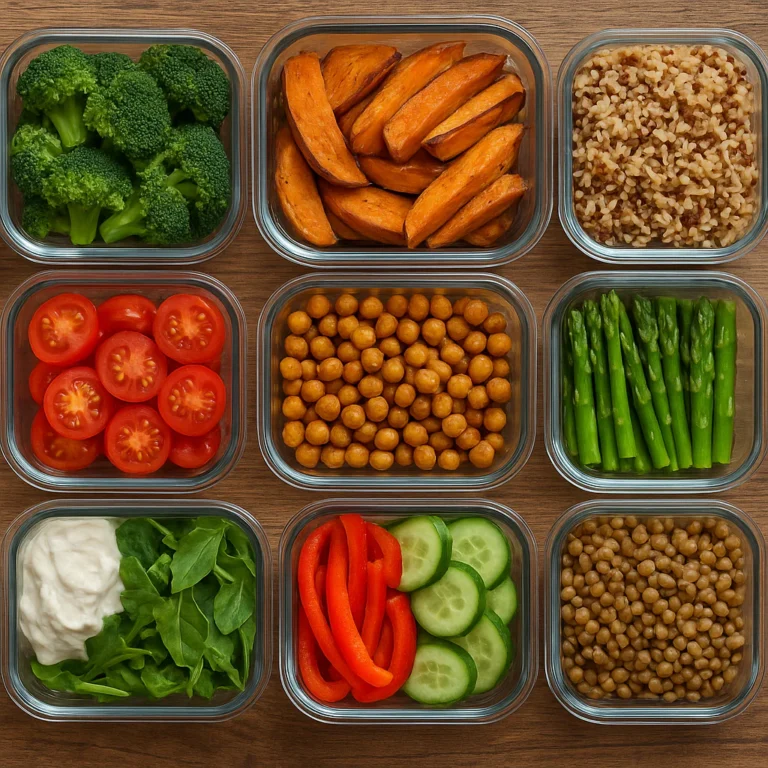
🍽️ How to Build Your Own Flexitarian Plates: The 80/20 Rule
Don’t want to follow a strict meal plan? No problem! The 80/20 Rule is your secret weapon for building flexible, healthy plates.
The Formula
- 80% Plant-Based: Fill the majority of your plate with fruits, vegetables, whole grains, and legumes.
- 20% Animal Products (Optional): Add a small portion of meat, fish, dairy, or eggs if you desire.
Visual Guide
Imagine your plate divided into sections:
- Half the Plate: Non-starchy vegetables (broccoli, spinach, peppers).
- One Quarter: Whole grains or starchy vegetables (quinoa, brown rice, sweet potato).
- One Quarter: Plant-based protein (beans, lentils, tofu) OR a small portion of animal protein (chicken, fish).
- Add a Thumb: Healthy fat (avocado, olive oil, nuts).
Pro Tip: If you’re eating meat, make it a condiment rather than the main course. Think of it as a flavor enhancer, like a sprinkle of parmesan or a few slices of bacon in a salad.
💊 Supplements You Might Need: B12, Iron, and Omega-3s
While a well-planned flexitarian diet can provide all the nutrients you need, some supplements might beneficial, especially if you are in the Advanced stage (eating very little meat).
1. Vitamin B12
- Why: Essential for nerve function and red blood cell formation. Found naturally only in animal products.
- Recommendation: If you eat meat less than 3 times a week, consider a B12 supplement (cyanocobalamin or methylcobalamin).
- Food Sources: Fortified cereals, nutritional yeast, and dairy (if consumed).
2. Iron
- Why: Crucial for oxygen transport in the blood. Plant-based iron is harder to absorb.
- Recommendation: Pair iron-rich foods (spinach, lentils) with Vitamin C (citrus, bell peppers) to boost absorption. Avoid tea/coffee with meals as they inhibit absorption.
- Food Sources: Lentils, spinach, tofu, fortified cereals.
3. Omega-3 Fatty Acids
- Why: Important for brain and heart health.
- Recommendation: If you eat fish less than twice a week, consider an algal oil supplement (vegan source of DHA/EPA) or a fish oil supplement.
- Food Sources: Flaxseds, chia seeds, walnuts, fatty fish (salmon, mackerel).
4. Vitamin D
- Why: Supports bone health and immune function.
- Recommendation: Many people are deficient, regardless of diet. Consider a supplement, especially in winter months.
Consult a Professional: Always talk to your doctor or a registered dietitian before starting any supplement regimen.
🏋️ ♀️ Pairing Flexitarian Eating with Exercise for Maximum Results
Eating right is only half the battle. To truly thrive on the Flexitarian Diet, you need to pair it with regular physical activity.
Why It Works
- Muscle Recovery: Plant-based diets are rich in antioxidants, which help reduce muscle soreness and speed up recovery.
- Energy Levels: Complex carbohydrates from whole grains provide sustained energy for workouts.
- Weight Management: Exercise combined with a flexitarian diet creates a powerful synergy for weight loss and muscle tone.
Recommended Activities
- Strength Training: 2-3 times a week to build muscle and boost metabolism.
- Cardio: 150 minutes of moderate-intensity cardio (brisk walking, cycling) per week.
- Flexibility: Yoga or Pilates to improve mobility and reduce stress.
Expert Tip: If you’re lifting heavy, ensure you’re getting enough protein. Aim for 1.2 to 2.0 grams of protein per kilogram of body weight, depending on your activity level.
🧠 Mental Health Benefits: The Gut-Brain Connection
Did you know your gut is often called your “second brain”? The Flexitarian Diet can have profound effects on your mental health.
The Gut-Brain Axis
- Fiber Feds Good Bacteria: A high-fiber diet promotes a diverse gut microbiome, which produces neurotransmitters like serotonin (the “happy hormone”).
- Reduced Inflammation: Chronic inflammation is linked to depression and anxiety. Plant-based diets are anti-inflammatory.
- Stable Blood Sugar: Avoiding blood sugar spikes and crashes helps stabilize mood and energy levels.
Study: Research suggests that people who follow plant-based diets report lower levels of depression and anxiety compared to those who eat a standard Western diet.
👨 👩 👧 👦 Flexitarianism for Families: Getting Kids on Board
Convincing kids to eat less meat can be a challenge, but the Flexitarian Diet is actually one of the best approaches for families.
Tips for Success
- Start Small: Introduce one meatless meal a week (Meatless Monday).
- Involve Them: Let kids help with grocery shopping and cooking. They are more likely to eat what they help make.
- Make it Fun: Use colorful veggies, fun shapes, and creative names (e.g., “Broccoli Trees” or “Power Balls”).
- Lead by Example: Kids mimic their parents. If you enjoy plant-based meals, they will too.
- Don’t Force It: If they refuse a vegetable, try a different preparation method or hide it in a sauce.
Real Story: “My 7-year-old was a picky eater until we started making ‘Rainbow Bowls’ with different colored veggies. Now he asks for them every day!” — Sarah, Flexitarian Mom
🛒 Grocery Shopping Guide: Best Brands for Flexitarian Pantry Staples
Stocking your kitchen is easier than ever with the wide variety of flexitarian-friendly products available. Here are our top brand recommendations.
Plant-Based Proteins
- Beyond Meat: Great for burgers and ground “meat.”
- Impossible Foods: Known for its realistic meat texture and flavor.
- NoBull Burgers: A clean-label, additive-free option.
- Tofurky: Excellent for deli slices and roasts.
Shop Beyond Meat on Amazon | Shop Impossible Foods on Instacart
Dairy Alternatives
- Oatly: Creamy oat milk, great for coffee and cereal.
- Silk: Wide variety of almond, soy, and coconut milks.
- Kite Hill: Delicious almond-based yogurts and cheeses.
Shop Oatly on Amazon | Shop Silk on Walmart
Whole Grains & Legumes
- Bob’s Red Mill: High-quality flours, oats, and grains.
- Eden Foods: Organic canned beans and lentils.
- Ancient Harvest: Quinoa and rice blends.
Shop Bob’s Red Mill on Amazon | Shop Eden Foods on Thrive Market
Healthy Fats
- Chobani: Greek yogurt (dairy) and plant-based options.
- Miyoko’s Creamery: Artisanal vegan cheeses.
- Wholly Avocado: Pre-sliced avocados for convenience.
Shop Miyoko’s on Amazon | Shop Chobani on Instacart
📊 Comparing Flexitarian to Other Diets: Keto, Paleo, and Vegan
How does the Flexitarian Diet stack up against other popular diets? Let’s break it down.
| Feature | Flexitarian | Keto | Paleo | Vegan |
|---|---|---|---|---|
| Primary Focus | Mostly plants, some meat | High fat, very low carb | Whole foods, no grains/legumes | 10% plant-based |
| Meat Intake | Moderate (optional) | High (fatty cuts) | High (grass-fed) | None |
| Carb Intake | Moderate (whole grains) | Very Low | Moderate (fruits/veg) | Moderate to High |
| Flexibility | High | Low | Low | Low |
| Weight Loss | Sustainable, gradual | Rapid (initialy) | Moderate | Sustainable |
| Heart Health | Excellent | Mixed (depends on fat source) | Good | Excellent |
| Difficulty | Easy | Hard | Moderate | Moderate |
Which is Right for You?
- Choose Flexitarian if: You want a sustainable, flexible lifestyle that doesn’t require strict rules.
- Choose Keto if: You need rapid weight loss and don’t mind a very restrictive diet.
- Choose Paleo if: You want to eliminate grains and legumes but still eat meat.
- Choose Vegan if: You are committed to animal welfare and want a 10% plant-based diet.
The Verdict: The Flexitarian Diet is often considered the most sustainable for long-term health and weight management because it allows for flexibility and doesn’t demonize any food group.
❓ Frequently Asked Questions About the Flexitarian Lifestyle
Q: Is the Flexitarian Diet expensive?
A: Not necessarily! While some plant-based meat alternatives can be pricey, the core of the diet (beans, lentils, rice, seasonal veggies) is very budget-friendly. In fact, it can be cheaper than a diet centered around meat.
Q: Can I lose weight on the Flexitarian Diet?
A: Yes! Many people lose weight naturally because they are eating more fiber-rich, low-calorie foods. However, weight loss is not guaranteed if you overeat processed foods or sugary treats.
Q: Do I need to count calories?
A: No. The focus is on food quality and portion control, not calorie counting. Listen to your body’s hunger cues.
Q: Is it safe for pregnant women?
A: Yes, but it requires careful planning to ensure adequate intake of iron, B12, and folate. Consult a healthcare provider.
Q: Can I eat cheese and eggs?
A: Absolutely! The flexitarian diet includes dairy and eggs in moderation.
Q: How do I handle social situations?
A: Communicate your preferences, offer to bring a dish, or choose restaurants with good vegetarian options. Most people are understanding!
📚 Recommended Resources and Further Reading
Want to dive deeper? Here are some excellent resources to help you on your flexitarian journey.
- Books:
The Flexitarian Diet by Dawn Jackson Blatner
Plant-Based on a Budget by Toni Okamoto
How Not to Die by Michael Greger, MD - Websites:
- Flexitarian Diet™ Official Site
- Academy of Nutrition and Dietics
- American Heart Association
- Apps:
HappyCow: Find vegetarian/vegan restaurants near you.
MyFitnessPal: Track your nutrition (optional).
Plant Based Apps: Recipes and meal planning.
Buy “The Flexitarian Diet” on Amazon | Shop Plant Based Cookbooks on Barnes & Noble
📖 Reference Links and Scientific Studies
- Heart Health: Study on Fish Eaters and Vegetarians
- Weight Management: Review of Vegetarian Diets and Weight Loss
- Diabetes Prevention: Plant-Based Diets and Diabetes Risk
- Cancer Prevention: Semi-Vegetarians and Colorectal Cancer
- Environmental Impact: Greenhouse Gas Emissions and Diet
- Nutrient Deficiencies: Vitamin B12 in Vegetarians
🏁 The Bottom Line: Is Flexitarianism Right for You?
So, is the Flexitarian Diet the magic bullet you’ve been looking for? While there’s no one-size-fits-all solution, the flexitarian approach offers a unique blend of flexibility, health, and sustainability that few other diets can match.
It’s not about perfection. It’s about progress. It’s about adding more plants to your plate, reducing your meat intake, and enjoying the journey. Whether you’re looking to lose weight, improve your heart health, or save the planet, the flexitarian diet provides a practical, evidence-based path forward.
Final Thought: “The best diet is the one you can stick to for the rest of your life. For many, that’s the flexitarian diet.”
Stay tuned for our next section where we’ll wrap up with a final conclusion and more resources! (Wait, did we forget to mention something? Keep reading to find out!)
🏁 The Bottom Line: Is Flexitarianism Right for You?
We started this journey asking a simple question: Can you eat less meat without giving up the foods you love? The answer, resoundingly, is yes.
The Flexitarian Diet isn’t a rigid set of rules designed to make you feel deprived; it’s a lifestyle framework built on the power of addition. By adding more vibrant, fiber-rich plants to your plate, you naturally crowd out the processed foods and excessive meats that often drive inflammation and chronic disease.
The Verdict
If you are looking for a diet that offers rapid weight loss through starvation, this might not be it. But if you are seeking a sustainable, long-term strategy to improve your heart health, manage your weight, boost your energy, and reduce your environmental footprint without the stress of perfection, the Flexitarian Diet is arguably the best choice available.
✅ The Positives:
- Highly Flexible: No food groups are banned. You can enjoy a steak on Friday and a lentil stew on Monday.
- Scientifically Backed: Proven to lower blood pressure, cholesterol, and diabetes risk.
- Budget-Friendly: Relies on affordable staples like beans, rice, and seasonal produce.
- Environmentally Conscious: Significantly lowers your carbon footprint.
- Socialy Inclusive: Easy to navigate at restaurants and family gatherings.
❌ The Challenges:
- Adjustment Period: Your digestive system may need time to adapt to higher fiber intake (bloating is temporary!).
- Nutrient Awareness: You must be mindful of Vitamin B12, Iron, and Omega-3s, especially if you reduce meat intake significantly.
- Patience Required: Weight loss is gradual and steady, not overnight.
Our Confident Recommendation:
Start with Stage 1 (Meatless 2 days a week). Focus on whole foods first. Don’t worry about buying expensive meat substitutes immediately. Once you feel the benefits—more energy, better digestion, lighter feeling—you can naturally progress to Stage 2 or 3. Remember, progress over perfection is the golden rule. If you slip up and eat a double cheeseburger, just get back to your plants at the next meal. You haven’t failed; you’re just human.
📚 Recommended Links
Ready to stock your kitchen or dive deeper into the science? Here are our top picks for products, books, and resources to kickstart your flexitarian journey.
🛒 Essential Pantry Staples & Brands
- Plant-Based Proteins:
Beyond Meat: Shop Beyond Meat Products on Amazon | Beyond Meat Official Site
Impossible Foods: Shop Impossible Products on Instacart | Impossible Foods Official Site
NoBull Burgers: Shop NoBull Burgers on Amazon | NoBull Official Site - Dairy Alternatives:
Oatly: Shop Oatly on Amazon | Oatly Official Site
Silk: Shop Silk on Walmart | Silk Official Site
Kite Hill: Shop Kite Hill on Thrive Market | Kite Hill Official Site - Whole Grains & Legumes:
Bob’s Red Mill: Shop Bob’s Red Mill on Amazon | Bob’s Red Mill Official Site
Eden Foods: Shop Eden Foods on Thrive Market | Eden Foods Official Site
📖 Must-Read Books
- The Flexitarian Diet: The Flexitarian Diet: The Mostly Vegetarian Way to Lose Weight, Be Healthy, and Reduce Your Risk for Chronic Disease by Dawn Jackson Blatner.
- Buy on Amazon
- Plant-Based on a Budget: Plant-Based on a Budget: Delicious Vegan Recipes for Under $30 per Meal by Toni Okamoto.
- Buy on Amazon
- The Science of Eating: How Not to Die: Discover the Foods Scientifically Proven to Prevent and Reverse Disease by Michael Greger, MD.
- Buy on Amazon
🔗 Related Articles & External Resources
- Flexitarian Diet™ Categories:
- Benefits of Flexitarian Diet
- Flexitarian Basics
- Flexitarian Nutrition Facts
- Flexitarian Lifestyle
- Flexitarian Recipes
- External Insights:
- Flexitarian Diets Are the #1 Way to Reach a Healthy Weight – A deep dive into the weight loss potential of this lifestyle.
❓ Frequently Asked Questions
How to start a flexitarian diet with a focus on whole, healthy foods?
Starting a flexitarian diet is all about gradual integration. Don’t try to overhaul your entire life overnight.
- Audit Your Pantry: Identify processed meats and sugary snacks to minimize.
- Pick Your Days: Start with Meatless Monday. Choose one day a week to eat only plants.
- Focus on Addition: Instead of thinking “no meat,” think “add a bean.” Add lentils to your soup, chickpeas to your salad, or tofu to your stir-fry.
- 👉 Shop the Perimeter: Fill your cart with fresh produce, whole grains, and legumes.
- Experiment: Try one new plant-based recipe a week.
Can a flexitarian diet provide enough protein and nutrients?
Absolutely. As long as you eat a variety of plant foods, you can easily meet your protein needs.
- Protein Sources: Legumes (lentils, beans), tofu, tempeh, seitan, quinoa, nuts, seeds, and dairy/egs (if consumed).
- Nutrient Strategy: Pair iron-rich plants with Vitamin C (e.g., spinach salad with lemon dressing) to boost absorption. If you eat very little meat, consider a B12 supplement or fortified foods.
How often should flexitarians eat meat or animal products?
There is no single rule, but the diet is structured in stages:
- Beginer: Up to 28 oz of meat per week (approx. 5 days with meat).
- Intermediate: Up to 18 oz per week (approx. 3-4 days with meat).
- Advanced: Up to 9 oz per week (approx. 1-2 days with meat).
- Key Principle: Treat meat as a side dish or condiment, not the main event.
Is a flexitarian diet suitable for weight loss?
Yes. The high fiber and water content of plant foods increase satiety, helping you eat fewer calories naturally. Studies show flexitarians often have a lower BMI than meat-eaters. However, weight loss depends on overall calorie balance; you can still gain weight if you overeat processed plant foods or large portions of animal products.
What are the best whole foods to include in a flexitarian diet?
Focus on the colorful spectrum:
- Vegetables: Leafy greens, cruciferous veggies (broccoli, cauliflower), root vegetables.
- Fruits: Beries, citrus, apples, bananas.
- Legumes: Lentils, chickpeas, black beans, edame.
- Whole Grains: Quinoa, brown rice, oats, barley, faro.
- Healthy Fats: Avocados, nuts, seeds, olive oil.
How can a flexitarian diet improve overall health?
By shifting the balance toward plants, you:
- Lower Inflammation: Plants are rich in antioxidants.
- Improve Heart Health: Reduced saturated fat and increased fiber lower cholesterol and blood pressure.
- Stabilize Blood Sugar: High fiber prevents spikes and crashes.
- Support Gut Health: Fiber feeds beneficial gut bacteria.
Are there any flexitarian diet meal planning tips and strategies for eating out or on-the-go while staying healthy?
- Eating Out: Look for “vegetarian” or “vegan” options. Ask for extra veggies instead of fries. Don’t be afraid to ask for modifications (e.g., “Can I have the chicken on the side?”).
- On-the-Go: Pack portable snacks like nuts, fruit, or humus with veggies. Keep a stash of protein bars (low sugar) in your bag.
- Meal Prep: Cook a big batch of grains and beans on Sunday to mix and match during the week.
What are some healthy and whole food snacks that are suitable for a flexitarian diet and lifestyle?
- Apple slices with almond butter.
- Carot sticks with humus.
- A handful of mixed nuts and dried fruit.
- Greek yogurt (or plant-based yogurt) with berries.
- Hard-boiled eggs (if you eat them).
- Edame pods.
- Dark chocolate (70%+ cocoa) with a few almonds.
How can I incorporate more plant-based protein sources into my flexitarian diet for optimal health?
- Breakfast: Add hemp seeds or chia seeds to oatmeal or smoothies.
- Lunch: Add a cup of beans or lentils to your salad or soup.
- Dinner: Swap half the ground meat in your recipe for lentils or mushrooms.
- Snacks: Choose edame, roasted chickpeas, or a protein shake with pea protein.
Are there any potential nutritional deficiencies to be aware of when following a flexitarian diet?
While generally safe, watch out for:
- Vitamin B12: Found mainly in animal products. Supplement if meat intake is very low.
- Iron: Plant iron is less absorbable. Pair with Vitamin C.
- Zinc: Found in beans and nuts, but absorption can be lower.
- Omega-3s: If you rarely eat fish, consider algal oil or flax/chia seeds.
- Calcium: Ensure you get enough from leafy greens, fortified plant milks, or dairy.
Can a flexitarian diet help with weight loss and management, and if so, how?
Yes, primarily through calorie density and satiety. Plant foods are less calorie-dense than meat and processed foods, allowing you to eat larger volumes for fewer calories. The high fiber content keeps you full longer, reducing snacking. Additionally, the diet improves insulin sensitivity, which helps the body utilize fat for energy more efficiently.
What are some common flexitarian diet meal ideas and recipes for breakfast, lunch, and dinner?
- Breakfast: Oatmeal with berries and nuts; Tofu scramble with spinach; Greek yogurt with granola.
- Lunch: Quinoa bowl with chickpeas and veggies; Lentil soup; Grilled chicken salad with beans.
- Dinner: Lentil bolognese; Stir-fry with tofu and brown rice; Salmon with roasted sweet potatoes; Chickpea curry.
What is a flexitarian diet? quizlet
If you are looking for a quick study guide or flashcards to understand the basics, Quizlet offers various user-generated sets on the “Flexitarian Diet.” These typically cover definitions, the 3 stages, key foods, and health benefits. Searching “Flexitarian Diet” on Quizlet will provide you with visual aids and quick facts to reinforce your learning.
What are the environmental benefits of the flexitarian diet?
Reducing meat consumption is one of the most effective individual actions for the planet. Livestock farming is a major contributor to greenhouse gas emissions, deforestation, and water usage. By eating less meat, you significantly lower your carbon footprint. A shift to a flexitarian diet could reduce global food-related emissions by up to 7%, and if adopted globally, the impact would be even more profound, saving billions of gallons of water and acres of land.
How does the flexitarian diet compare to the Mediterranean diet?
Both diets emphasize whole foods, plants, and healthy fats. The Mediterranean diet is slightly more focused on fish and olive oil, while the flexitarian diet is more flexible regarding the frequency of meat consumption. In fact, the flexitarian diet is often considered a more accessible entry point for those who find the Mediterranean diet’s specific seafood requirements or strict rules challenging. Both are highly ranked by U.S. News for overall health.
Can children follow a flexitarian diet?
Yes, children can thrive on a flexitarian diet. It provides a wide variety of nutrients essential for growth. The key is to ensure they get enough protein, iron, calcium, and B12. Involving kids in meal prep and making plant-based meals fun (e.g., “rainbow bowls”) can help them embrace the lifestyle. Always consult a pediatrician or dietitian to ensure nutritional needs are met.
Is the flexitarian diet expensive?
Not necessarily. While some specialty plant-based meats can be pricey, the core of the diet relies on affordable staples like beans, lentils, rice, oats, and seasonal vegetables. In many cases, a flexitarian diet can be cheaper than a diet centered around frequent meat consumption, as plant proteins are generally less expensive per gram than animal proteins.
How do I handle social pressure or judgment when eating flexitarian?
Social situations can be tricky, but communication is key.
- Be Positive: Frame it as “I’m trying to eat more plants” rather than “I can’t eat meat.”
- Offer to Bring a Dish: This ensures you have something to eat and introduces others to delicious plant-based food.
- Don’t Apologize: You don’t need to justify your choices. A simple “I’m enjoying this meal” is enough.
- Find Your Tribe: Connect with other flexitarians online or locally for support and recipe ideas.
What are the best resources for finding flexitarian recipes?
- Flexitarian Diet™ Recipes: Visit our recipe section
- Apps: HappyCow for restaurant finds, Plant Based Apps for meal planning.
- Websites: Minimalist Baker, Oh She Glows, and Love and Lemons offer excellent plant-forward recipes.
- Books: The Flexitarian Diet by Dawn Jackson Blatner and Plant-Based on a Budget by Toni Okamoto.
How does the flexitarian diet affect gut health?
The high fiber content of the flexitarian diet acts as a prebiotic, feeding the beneficial bacteria in your gut. A diverse gut microbiome is linked to better digestion, a stronger immune system, and even improved mental health. However, if you increase fiber too quickly, you may experience bloating. Gradual increases and plenty of water are essential to allow your gut to adapt.
Can I build muscle on a flexitarian diet?
Yes! Many athletes follow flexitarian or plant-based diets. The key is to ensure adequate protein intake (1.2–2.0g per kg of body weight) and to include a variety of protein sources (legumes, tofu, tempeh, seitan, dairy/egs if consumed). Combining plant proteins throughout the day ensures you get all essential amino acids. Strength training and proper recovery are just as important as diet.
What are the long-term sustainability benefits of the flexitarian diet?
Unlike fad diets that are hard to maintain, the flexitarian diet is designed for long-term adherence. Its flexibility reduces the psychological burden of “good” vs. “bad” foods, making it easier to stick with for years. This sustainability is crucial for lasting health benefits, weight management, and environmental impact. It’s a lifestyle, not a temporary fix.