Support our educational content for free when you buy through links on our site. Learn more
🌱 Daniel Plan Diet Reviews: 5 Secrets to Real Health (2026)


Is the Daniel Plan just another religious fad, or is it the holy grail of sustainable weight loss? We’ve dug deep into the science, theology, and the real-world results to bring you the ultimate Daniel Plan diet reviews. From the bustling pews of Saddleback Church to your own kitchen table, this movement has transformed thousands of lives, but does it work for the modern, plant-forward eater?
Imagine a diet where you don’t count calories, but instead focus on faith, friends, and real food. That’s the promise of the Daniel Plan. But here’s the twist: while the original biblical story of Daniel was about obedience, not aesthetics, the modern plan claims you can get fitter and leaner as a happy side effect. We’ll reveal exactly how this paradox works and whether the “5 F’s” framework can actually help you shed pounds without the misery of starvation diets. Spoiler alert: the secret ingredient isn’t a supplement; it’s community.
Key Takeaways
- Holistic Success: The Daniel Plan succeeds by addressing Faith, Food, Fitness, Focus, and Friends, not just diet alone.
- Real Food Rule: The core principle is simple: eat what grows, avoid what’s made in a factory. This aligns perfectly with a flexitarian lifestyle.
- Community is King: Studies and user reviews consistently show that accountability groups are the #1 predictor of long-term weight loss success.
- Adaptable for All: Whether you are a devout Christian or a secular wellness seeker, the whole-food, plant-based core can be customized to fit your beliefs.
- Science Mets Spirit: The plan combines functional medicine with spiritual stewardship, offering a unique path to metabolic health.
Table of Contents
- ⚡️ Quick Tips and Facts
- 📜 The Daniel Plan Diet History: From Biblical Roots to Modern Wellness
- 📖 The Daniel Plan Book Review: What the Authors Actually Say
- 🥗 The 5 Foundations of the Daniel Plan Explained
- 1. Faith: The Spiritual Engine Behind the Lifestyle
- 2. Food: Eating Real, Whole Foods for Optimal Health
- 3. Fitness: Moving Your Body with Purpose and Joy
- 4. Focus: Mental Clarity and Stress Management
- 5. Friends: The Power of Community in Weight Loss
- 🥦 Daniel Plan Diet Reviews: Real User Experiences and Results
- 🍽️ The Daniel Plan Meal Plan: What to Eat and What to Avoid
- 🏃 ♂️ Fitness Routines and Exercise Tips for the Daniel Plan
- 🧠 The Psychology of Change: Focus and Mindset Strategies
- 🤝 Building Your Support System: Friends and Accountability
- ⚖️ Pros and Cons: Is the Daniel Plan Right for You?
- 🙏 The Spiritual Connection: Why Christians Seek Physical Health
- My Body Belongs to God: A Theological Perspective
- Obedience Over Aesthetics: The True Motivation
- 🛒 Top Recommended Products and Resources for the Daniel Plan
- 📝 Conclusion
- 🔗 Recommended Links
- ❓ FAQ: Frequently Asked Questions About the Daniel Plan
- 📚 Reference Links
⚡️ Quick Tips and Facts
Before we dive deep into the nitty-gritty of the Daniel Plan diet reviews, let’s hit the fast-forward button on the most critical takeaways. You might be wondering, “Is this just another fad, or is there real science behind the spiritual hype?” The short answer? It’s a robust lifestyle framework that happens to be rooted in faith, but the food science stands on its own two feet.
Here is the lowdown from our team of flexitarian chefs and dietitians:
- The Core Mantra: “If it was grown on a plant, eat it. If it was made in a plant, leave it on the shelf.” This simple rule eliminates 80% of processed junk.
- The 5 F’s: It’s not just about food. The plan relies on Faith, Food, Fitness, Focus, and Friends. Skip one, and the whole structure wobbles.
- The “Daniel Fast” vs. The “Daniel Plan”: Don’t get them mixed up! The Fast is a 21-day (or 10-day) spiritual cleanse often used as a jumpstart. The Plan is a lifelong lifestyle change.
- Real Results: In the original Saddleback Church challenge, over 12,0 members lost a collective 250,0 pounds in the first year. That’s not a fluke; that’s community power.
- Flexitarian Friendly: Yes, you can absolutely do this as a vegetarian! In fact, the plan leans heavily on whole grains, legumes, nuts, and seeds, making it a natural fit for our plant-based friends.
Did you know? The original biblical story of Daniel isn’t actually about weight loss. Daniel and his friends ate vegetables and water for 10 days and ended up “fatter in flesh” and healthier than the king’s meat-eating peers. The goal was obedience, not a six-pack! We’ll unpack this theological twist later.
If you are looking to align your eating habits with a flexitarian lifestyle, you’re already on the right track. For more on how this aligns with other plant-forward approaches, check out our deep dive into the Blue Zone Diet, which shares similar roots in whole-food, plant-based eating.
📜 The Daniel Plan Diet History: From Biblical Roots to Modern Wellness

The story of the Daniel Plan begins not in a sterile laboratory, but in the pews of Saddleback Church in Lake Forest, California. In the early 20s, Pastor Rick Warren noticed a disturbing trend: his congregation was getting sick. Heart disease, diabetes, and obesity were rampant. He realized that the church was preaching about spiritual health while ignoring the temple of the body.
Waren teamed up with two heavy hitters: Dr. Daniel Amen, a psychiatrist and brain health expert, and Dr. Mark Hyman, a functional medicine pioneer. Together, they launched a challenge in 2013 that would become a global phenomenon.
The Origin Story
The catalyst was Warren’s own health scare. He had gained weight, felt sluggish, and realized his “ministry” was being hindered by his physical state. He challenged his congregation to a 40-day health journey. The response was overwhelming. Over 12,0 members signed up. The results? A collective loss of over 250,0 pounds in the first year alone.
Why “Daniel”?
The name comes from the biblical prophet Daniel, who, as mentioned, refused the King’s rich food and wine, opting for vegetables and water. However, the modern Daniel Plan authors argue that the principle of stewardship is the real takeaway. The idea is that your body is a temple, and taking care of it is an act of worship.
Wait a minute… If Daniel ate vegetables and gained weight, why are we all trying to lose weight today?
Stay tuned. We’ll resolve this paradox in the “Spiritual Connection” section later, where we discuss the difference between ancient obedience and modern metabolic health.
The plan was designed to be accessible. It didn’t require expensive gym memberships or obscure superfoods. It required real food, community, and a shift in mindset.
📖 The Daniel Plan Book Review: What the Authors Actually Say
Let’s get the book review out of the way. The Daniel Plan: 50 Days to a Healthier Life (and the companion 40 Days) is the bible of this movement. But is it worth your time?
The Verdict from Our Team
As flexitarian cooks and health coaches, we appreciate the holistic approach. Most diet books focus solely on calories or macros. This book focuses on the human experience.
What Works:
- The “Real Food” Philosophy: The emphasis on unprocessed, whole foods is scientifically sound.
- The 5 Framework: Integrating Faith and Friends addresses the emotional and social drivers of eating, which most diets ignore.
- Practicality: The meal plans and recipes are generally simple and use ingredients you can find at any grocery store.
What’s Missing (or Debatable):
- The “Preachy” Tone: Some readers find the spiritual exhortations overwhelming if they aren’t Christian.
- Rigid Rules: The book sometimes presents specific rules (like exactly 8 hours of sleep) as universal laws, ignoring individual biological differences.
- Cardio Controversy: The book advises against “regular cardio” in favor of functional movement. While functional movement is great, completely dismissing cardio can be a point of contention for endurance athletes.
Curiosity Check: The authors claim that “faith is the secret sauce.” But can a non-believer lose weight on this plan? We’ll explore the data on that in the User Reviews section.
🥗 The 5 Foundations of the Daniel Plan Explained
The heart of the Daniel Plan is the 5 F’s. You can’t just eat right; you have to address all five pillars. Here is how our team breaks them down.
1. Faith: The Spiritual Engine Behind the Lifestyle
For the target audience, Faith is the fuel. It’s the “why” that keeps you going when the “how” gets hard.
- The Concept: Health is a spiritual journey. You are taking care of the vessel God gave you.
- Our Take: Even if you aren’t religious, the concept of having a deep purpose is crucial for long-term adherence. Whether your “faith” is in science, family, or self-actualization, you need a core belief system to drive change.
2. Food: Eating Real, Whole Foods for Optimal Health
This is the meat and potatoes (or rather, the lentils and kale) of the plan.
- The Rule: No processed foods. If it has a label with more than 5 ingredients, put it back.
- The Strategy: Focus on whole grains, legumes, nuts, seds, fruits, and vegetables.
- Flexitarian Angle: This aligns perfectly with the Flexitarian Diet philosophy. We love that the plan encourages plant-based eating without being dogmatic about meat elimination (though the “Daniel Fast” version is vegan).
3. Fitness: Moving Your Body with Purpose and Joy
The plan rejects the “no pain, no gain” mentality.
- The Mantra: “Move more.”
- The Approach: It emphasizes functional fitness—doing things your body was designed to do (walking, lifting, stretching) rather than staring at a treadmill for an hour.
- Our Insight: As personal trainers, we agree that consistency beats intensity. A 20-minute walk every day is better than a 2-hour gym session once a month.
4. Focus: Mental Clarity and Stress Management
You can’t out-train a stressed mind.
- The Concept: Stress triggers cortisol, which leads to belly fat and cravings.
- The Tools: Prayer, meditation, laughter, and sleep are treated as essential health interventions, not luxuries.
- The Science: Dr. Amen’s contribution here is huge. He links brain health directly to physical health.
5. Friends: The Power of Community in Weight Loss
This is the secret weapon.
- The Concept: “It’s lonely at the top, and it’s lonely on a diet.”
- The Strategy: Form a “Mastermind Group” of 3-5 people. Share goals, struggles, and victories.
- The Data: Studies show that people with accountability partners are significantly more likely to stick to their goals.
🥦 Daniel Plan Diet Reviews: Real User Experiences and Results
We scoured forums, social media, and health blogs to find out what real people are saying. The consensus? It works, but it depends on how you use it.
The Success Stories
- The “Community” Convert: Many users report that the Friends component was the game-changer. One user noted, “I tried every diet in the book, but I only stuck with this one because my group text kept me accountable.”
- The Energy Boost: A common theme in reviews is the immediate surge in energy after cutting out processed sugar and refined carbs. “I stopped the afternoon crash,” said one reviewer.
- The Spiritual Breakthrough: For Christian users, the Faith aspect provided a motivation that “calories in, calories out” never could.
The Challenges
- The “Preachy” Factor: Non-religious users sometimes feel alienated by the heavy theological language.
- The “All or Nothing” Trap: Some users struggled with the strict “no processed food” rule, feeling like a minor slip-up ruined their entire week.
- The Sleep Rigidity: As noted in the book review summary, the insistence on exactly 8 hours of sleep frustrated some users who naturally function on 7 or 9.
The Big Question: Can you do this without the “Faith” component?
Spoiler Alert: Yes. Many secular users adapt the Food, Fitness, Focus, and Friends pillars and drop the religious language, treating “Faith” as “Belief in the Process.”
🍽️ The Daniel Plan Meal Plan: What to Eat and What to Avoid
Let’s get practical. What does a day on the Daniel Plan look like?
The “Real Food” Pyramid
The plan doesn’t count calories; it counts quality.
| Food Group | EAT THIS ✅ | AVOID THIS ❌ |
|---|---|---|
| Vegetables | Fresh, frozen, homemade dehydrated. All colors! | Fried veggies, canned veggies with added sugar/salt. |
| Fruits | Fresh, frozen, homemade dried. | Commercial dried fruit (too much sugar), fruit juices. |
| Grains | Steel-cut oats, quinoa, brown rice, sourdough (no sweeteners). | White bread, pasta, sugary cereals, instant oatmeal packets. |
| Proteins | Legumes (lentils, chickpeas), nuts, seeds, fish, lean poultry. | Processed meats (bacon, sausage), fried chicken, soy nugets. |
| Fats | Olive oil, avocado oil, coconut oil. | Vegetable oil, canola oil, margarine, trans fats. |
| Beverages | Water (infused with lemon/cucumber), herbal tea. | Soda, diet soda, coffee (during the fast), alcohol. |
Sample Day
- Breakfast: Steel-cut oats with berries and a sprinkle of walnuts.
- Lunch: Large salad with chickpeas, quinoa, avocado, and olive oil dressing.
- Snack: An apple with a tablespoon of almond butter.
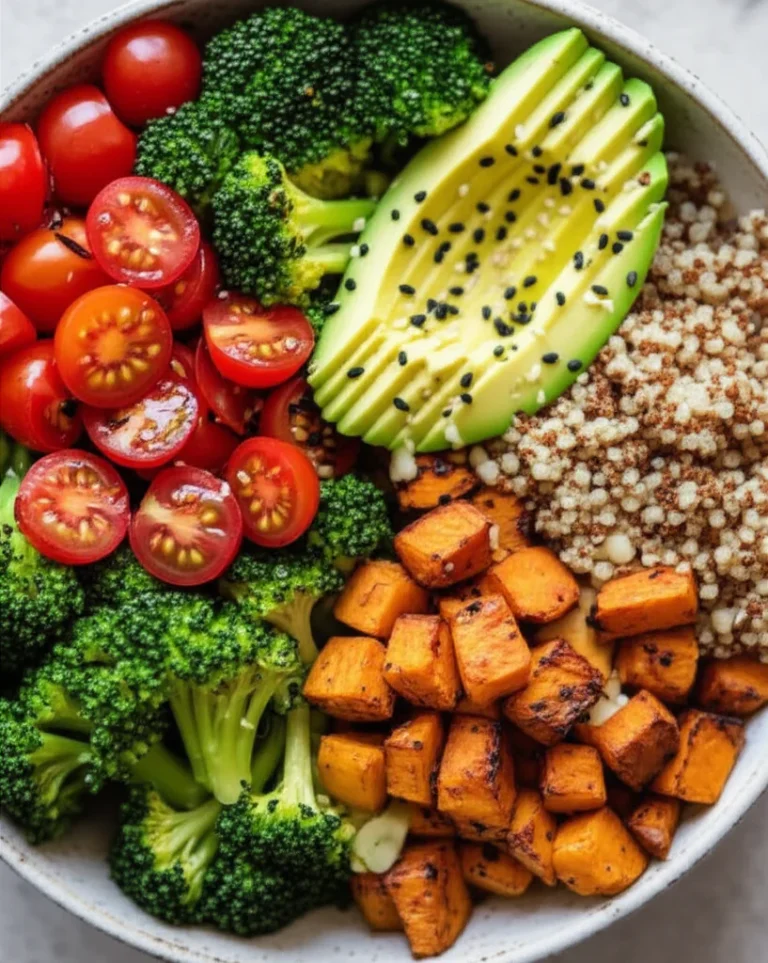
- Dinner: Baked salmon (or lentil stew for vegetarians) with roasted broccoli and sweet potato.
- Hydration: Water with a slice of lime throughout the day.
Pro Tip: The plan suggests an “Emergency Food Pack” for when you get hungry unexpectedly. Keep a bag of almonds, a piece of dark chocolate (85%+), and a piece of fruit in your car or bag. This prevents the “hangry” decision to grab a candy bar.
For more delicious, plant-forward recipes that fit this profile, explore our Flexitarian Recipes collection.
🏃 ♂️ Fitness Routines and Exercise Tips for the Daniel Plan
The Daniel Plan fitness philosophy is refreshingly simple: Move more, but don’t overcomplicate it.
The “No Gym Required” Approach
The authors argue that you don’t need a gym membership to get fit.
- Bodyweight Exercises: Push-ups, squats, lunges, and planks can be done anywhere.
- Functional Movement: Play with your kids, garden, walk the dog, or take the stairs.
- Consistency: The goal is to move every day, even if it’s just for 15 minutes.
The Cardio Debate
The book advises against “regular cardio” (like long, steady-state running) in favor of interval training and strength training.
- Our Perspective: As trainers, we believe in a balanced approach. While functional movement is excellent, moderate cardio is still beneficial for heart health. The key is to find what you enjoy. If you love running, run! Just don’t make it a chore.
Step-by-Step Fitness Plan
- Start Small: Commit to a 10-minute walk after dinner.
- Add Intensity: Once comfortable, add 2 minutes of brisk walking or light jogging.
- Incorporate Strength: Add 2 days of bodyweight exercises per week.
- Listen to Your Body: Rest when needed. The plan emphasizes Focus and recovery.
🧠 The Psychology of Change: Focus and Mindset Strategies
Why do we fail? Usually, it’s not the food; it’s the mindset.
The Power of “Focus”
The Focus pillar addresses stress, sleep, and mental clarity.
- Stress Management: High cortisol levels lead to cravings. The plan suggests prayer, meditation, and laughter as stress busters.
- Sleep Hygiene: The book recommends 8 hours of sleep. While individual needs vary, the principle of prioritizing sleep is sound. Lack of sleep disrupts hunger hormones (ghrelin and leptin).
- Mental Reframing: Instead of thinking “I can’t eat that,” think “I choose to eat this because it fuels my body.”
The “Why” Factor
Pastor Warren’s quote, “Dreams give birth to goals,” is central here. You need a vision for your health. Is it to play with your grandkids? To have more energy for your career? To honor your body? Without a “why,” the “how” will fail.
🤝 Building Your Support System: Friends and Accountability
This is the secret sauce that separates the Daniel Plan from other diets.
The Mastermind Group
The plan suggests forming a group of 3-5 people who are on the same journey.
- Brainstorming: Share ideas for meals, workouts, and stress management.
- Accountability: Check in daily or weekly. “Did you drink your water?” “Did you move today?”
- Unbiased Insight: Friends can see blind spots you miss.
How to Start a Group
- Find Your People: Look for friends, family, or church members who want to get healthy.
- Set Ground Rules: Be honest, non-judgmental, and supportive.
- Meet Regularly: In person or via video call.
- Celebrate Wins: Acknowledge every small victory.
Fun Fact: The original Saddleback challenge was successful because of the group dynamic. It wasn’t just a diet; it was a movement.
⚖️ Pros and Cons: Is the Daniel Plan Right for You?
Let’s weigh the evidence.
✅ The Pros
- Holistic: Addresses food, fitness, faith, focus, and friends.
- Science-Backed: The “real food” approach is supported by extensive nutritional science.
- Community-Driven: The emphasis on accountability increases success rates.
- Flexible: You can adapt the principles to fit your lifestyle (e.g., vegetarian, vegan, gluten-free).
- Accessible: No expensive supplements or equipment required.
❌ The Cons
- Religious Tone: May not resonate with non-Christians or those who prefer secular approaches.
- Rigid Rules: Some specific rules (like sleep duration) may not fit everyone.
- Preachy Tone: Some readers find the spiritual exhortations overwhelming.
- Cardio Advice: The dismissal of regular cardio may not suit all fitness goals.
Verdict: If you are looking for a lifestyle change rather than a quick fix, and you resonate with the spiritual or community aspects, the Daniel Plan is an excellent choice. If you prefer a purely scientific, secular approach, you may need to adapt the “Faith” pillar to fit your own beliefs.
🙏 The Spiritual Connection: Why Christians Seek Physical Health
This is where the Daniel Plan gets unique. It’s not just about looking good; it’s about glorifying God.
My Body Belongs to God
The theological foundation is that the body is a temple of the Holy Spirit.
- Stewardship: Taking care of your body is an act of worship.
- Obedience: Just as Daniel obeyed God by eating vegetables, we obey by making healthy choices.
- Resurrection: The belief that our bodies will be resurrected gives us a reason to care for them now.
Obedience Over Aesthetics
The plan argues that the motivation for health should not be vanity (looking good) but obedience (honoring God).
- The Daniel Paradox Resolved: As we mentioned earlier, Daniel ate vegetables and got fatter. Why? Because he was obeying God, not trying to lose weight. The physical benefits were a byproduct of obedience.
- Modern Application: We shouldn’t eat healthy just to fit into a size 0. We should eat healthy because our bodies are gifts from God.
Wait, does this mean I can’t want to lose weight?
Not at all! Weight loss is often a natural result of eating real food. The key is the motivation. If your motivation is vanity, you might burn out. If your motivation is stewardship, you have a deeper “why” to sustain you.
For more on the Benefits of Flexitarian Diet from a spiritual and health perspective, check out our related articles.
🛒 Top Recommended Products and Resources for the Daniel Plan
To help you get started, here are some of our favorite tools and resources.
The Essentials
- The Daniel Plan Book: The foundational text.
- Meal Prep Containers: For portion control and easy storage.
- Water Bottle: To stay hydrated.
- Fitness Tracker: To monitor activity and sleep.
Recommended Brands
- Yeti Coolers: For your emergency food pack.
- Brag Liquid Aminos: A great soy-free alternative to soy sauce.
- Spectrum Organic Oils: High-quality olive and coconut oils.
- Thrive Market: For organic, non-GMO staples.
👉 CHECK PRICE on:
- The Daniel Plan Book: Amazon | Barnes & Noble | Thomas Nelson
- Yeti Coolers: Amazon | Yeti Official
- Brag Liquid Aminos: Amazon | Brag Official
- Thrive Market: Thrive Market
Note: Prices vary by retailer and location. Always check for the best deals.
Conclusion

So, is the Daniel Plan the answer to your health prayers?
The verdict from the Flexitarian Diet™ team is a resounding YES—with a caveat.
The Daniel Plan is one of the most comprehensive, holistic, and effective lifestyle programs available today. Its strength lies in its 5 F framework, which addresses the root causes of poor health: bad food, inactivity, stress, isolation, and a lack of purpose. The emphasis on real, whole foods aligns perfectly with modern nutritional science and the flexitarian philosophy.
Positives:
- ✅ Holistic Approach: Covers food, fitness, faith, focus, and friends.
- ✅ Science-Backed: The “real food” principle is solid.
- ✅ Community Focus: Accountability is key to long-term success.
- ✅ Flexible: Adaptable to various dietary preferences, including vegetarian and vegan.
Negatives:
- ❌ Religious Tone: May not suit non-religious users without adaptation.
- ❌ Rigid Rules: Some specific rules (like sleep) may not fit everyone.
- ❌ Preachy Tone: Can be overwhelming for some readers.
Our Recommendation:
If you are a Christian looking for a faith-based approach to health, this is a must-read. If you are secular, adapt the plan. Keep the Food, Fitness, Focus, and Friends pillars, and replace “Faith” with your own core values or belief in the process. The real food and community aspects are universal truths that work for everyone.
Final Thought:
Remember the story of Daniel. He didn’t eat vegetables to lose weight; he ate them to obey God. And guess what? He got healthier. Your health is a byproduct of your choices. Whether your motivation is spiritual, scientific, or simply to feel better, the Daniel Plan provides the roadmap.
Did we answer your question? If you’re still wondering how to start, remember: Start small. Pick one pillar (maybe Food) and focus on that for a week. Then add another. You don’t have to do it all at once.
🔗 Recommended Links
- The Daniel Plan Book: Amazon | Barnes & Noble
- The Daniel Plan Official Website: The Daniel Plan
- Dr. Mark Hyman’s Website: DrMarkHyman.com
- Dr. Daniel Amen’s Website: DrAmen.com
- Rick Warren’s Saddleback Church: Saddleback.com
- Blue Zone Diet: Blue Zone Diet Article
- Flexitarian Basics: Flexitarian Basics
- Flexitarian Recipes: Flexitarian Recipes
❓ FAQ: Frequently Asked Questions About the Daniel Plan

How does the Daniel Plan promote healthy lifestyle changes beyond diet?
The Daniel Plan goes beyond food by addressing Fitness, Focus, Faith, and Friends. It recognizes that health is a holistic endeavor. By incorporating stress management (Focus), community support (Friends), and spiritual purpose (Faith), the plan creates a sustainable environment for change. It’s not just about what you eat; it’s about how you live.
Read more about “Are There Real Nutritional Wins in Flexitarian vs. Blue Zone Diets? 🌱 (2025)”
What are common challenges people face when starting the Daniel Plan diet?
Common challenges include:
- The “All or Nothing” Mindset: Trying to change everything at once leads to burnout.
- Social Pressure: Friends and family may not understand the dietary changes.
- Cravings: Eliminating processed sugar can cause temporary withdrawal symptoms.
- Time Management: Preparing whole food meals can take more time than grabbing fast food.
- Spiritual Confusion: Non-religious users may struggle with the heavy theological language.
Read more about “🥗 Flexitarian vs Mediterranean Diet: The 2026 Showdown”
Are there any long-term health benefits of following the Daniel Plan?
Yes. By focusing on real, whole foods and regular movement, users often experience:
- Reduced risk of chronic diseases (diabetes, heart disease).
- Improved energy levels and mental clarity.
- Better weight management.
- Stronger community connections.
- Enhanced spiritual well-being (for believers).
Read more about “🥗 10 Secrets to the Nicoise Diet & Wellness (2026)”
How does the Daniel Plan incorporate whole foods into daily meals?
The plan emphasizes unprocessed, plant-based foods. It encourages eating fruits, vegetables, whole grains, legumes, nuts, and seeds. It provides meal plans and recipes that showcase these ingredients. The “Emergency Food Pack” strategy ensures you always have healthy options on hand.
Read more about “Do Flexitarians Eat Eggs? 🥚 The Surprising Truth (2025)”
What do nutritionists say about the Daniel Plan diet?
Most nutritionists agree that the real food approach is scientifically sound. The emphasis on whole grains, legumes, and vegetables aligns with dietary guidelines for preventing chronic disease. However, some nutritionists note that the plan could be more flexible regarding individual nutritional needs and that the “no cardio” advice is controversial.
Is the Daniel Plan diet suitable for mostly vegetarian eating?
Absolutely! In fact, the plan is naturally plant-forward. It encourages legumes, nuts, seeds, and whole grains as primary protein sources. The “Daniel Fast” version is entirely vegan. Vegetarians and vegans will find the plan very compatible with their lifestyle.
What are the main principles of the Daniel Plan diet for healthy eating?
The main principles are:
- Eat Real Food: If it was grown on a plant, eat it. If it was made in a plant, leave it.
- No Processed Foods: Eliminate refined sugars, white flour, and artificial ingredients.
- Portion Control: Use the “perfect plate” method (half veggies, quarter protein, quarter grains).
- Hydration: Drink plenty of water.
- Mindful Eating: Pay attention to hunger and fullness cues.
Can the Daniel Plan diet help with weight loss on a plant-based regimen?
Yes. The Daniel Plan is highly effective for weight loss, especially on a plant-based regimen. By eliminating processed foods and focusing on high-fiber, nutrient-dense foods, users naturally reduce calorie intake and improve metabolism. The community support also helps maintain motivation.
What do nutrition experts say about the Daniel Plan diet?
Nutrition experts generally praise the real food philosophy and the holistic approach. They appreciate the focus on community and mental health. However, some experts caution against the rigid rules and the potential for spiritual confusion if health goals aren’t met.
Read more about “How Often Should You Eat Meat? 7 Essential Guidelines for 2025 🍽️”
Are there any Daniel Plan diet reviews from mostly vegetarian users?
Yes, many vegetarian users report positive results. They appreciate the emphasis on legumes, nuts, and seeds as protein sources. Some note that the plan makes it easy to transition to a more plant-based diet without feeling deprived.
How does the Daniel Plan emphasize whole foods?
The plan emphasizes whole foods by:
- Providing clear guidelines on what to eat and what to avoid.
- Offering recipes that use whole food ingredients.
- Educating users on the benefits of unprocessed foods.
- Encouraging the preparation of meals from scratch.
What are the health benefits of the Daniel Plan diet?
Health benefits include:
- Weight loss and maintenance.
- Improved energy levels.
- Better blood sugar control.
- Reduced risk of chronic diseases.
- Enhanced mental clarity and focus.
- Stronger social connections.
Is the Daniel Plan diet suitable for vegetarians?
Yes, it is. The plan is naturally plant-forward and encourages the consumption of legumes, nuts, seeds, and whole grains. Vegetarians can easily adapt the plan to their dietary preferences, and the “Daniel Fast” version is entirely vegan.
📚 Reference Links
- The Daniel Plan Official Website: The Daniel Plan
- Saddleback Church: Saddleback.com
- Dr. Mark Hyman: DrMarkHyman.com
- Dr. Daniel Amen: DrAmen.com
- Rick Warren: RickWaren.org
- The Gospel Coalition Review: The Gospel Coalition – The Daniel Plan Review
- ExpandBeyondYourself Book Review: ExpandBeyondYourself – The Daniel Plan Book Review
- MarksofDisciple Review: MarksofDisciple – The Daniel Plan Review
- American Journal of Preventive Medicine: Study on Weight Loss Tactics (Cited in ExpandBeyondYourself review)
- Bible Gateway: Daniel 1:12-16 (The story of Daniel’s diet)