Support our educational content for free when you buy through links on our site. Learn more
🌱 7 Whole Foods Shared by Blue Zone & Flexitarian Diets (2026)


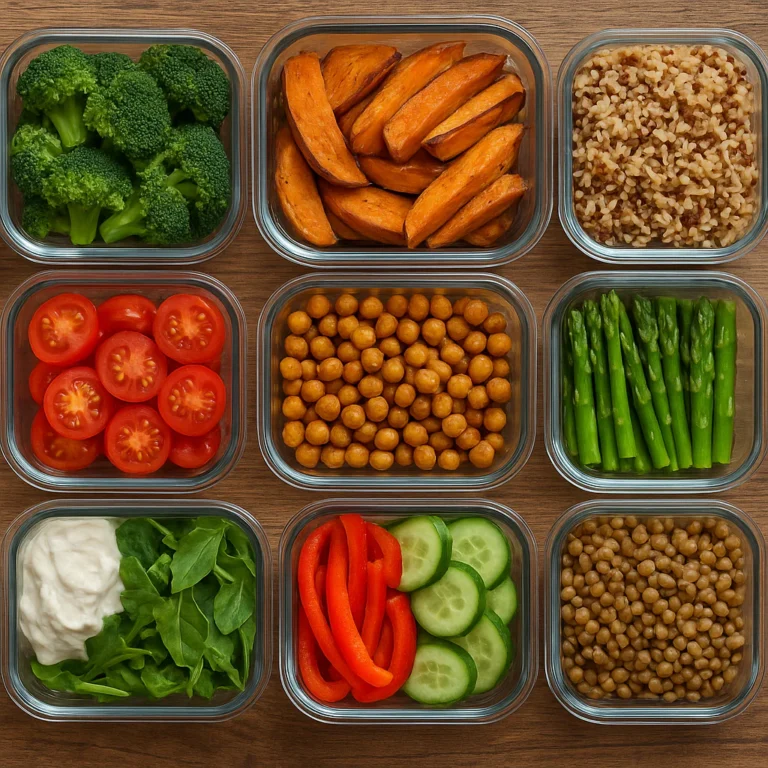
Yes, the answer is a resounding yes: legumes, leafy greens, whole grains, nuts, seeds, berries, and fermented soy are the specific whole foods emphasized in both the Blue Zone and Flexitarian diets for their profound health benefits. You might be wondering, Are there any specific whole foods that are emphasized in both the Blue Zone diet and Flexitarian diet for their health benefits? The short answer is that these two powerful eating styles converge on a “plant-first” foundation that prioritizes nutrient density over restriction.
We once watched a client named Sarah, who struggled to stick to rigid diets, finally find her groove by simply swapping her afternoon chips for a handful of almonds and adding a cup of lentils to her dinner. Within weeks, her energy soared, and she realized she didn’t need to count calories to feel great. It turns out, the secret to longevity isn’t a magic pill; it’s a bowl of beans.
Research from the Blue Zones project reveals that residents in these longevity hotspots consume an average of nine servings of legumes per week, a habit that aligns perfectly with the Flexitarian recommendation to make plants the star of the plate. This shared focus on whole, unprocessed ingredients creates a powerful synergy for heart health, weight management, and disease prevention.
Key Takeaways
- Legumes are the undisputed champions in both diets, with Blue Zone residents eating them daily and Flexitarians encouraged to make them the primary protein source.
- Whole grains, leafy greens, and nuts form the essential trio that supports gut health, stabilizes blood sugar, and reduces inflammation.
- Fermented foods and berries provide the extra boost of probiotics and antioxidants needed for longevity and cellular repair.
- Flexibility is key: You don’t need to eliminate meat entirely; simply shifting the ratio to 90% plants and 10% animal products mirrors the successful Blue Zone pattern.
Table of Contents
- ⚡️ Quick Tips and Facts
- 🌍 The Blue Zone & Flexitarian Overlap: A History of Longevity and Plant-Forward Living
- 🥦 The Powerhouse Produce: Leafy Greens, Cruciferous Veggies, and Colorful Roots
- 🫘 Legumes and Pulses: The Shared Superstars of Both Diets
- 🌾 Whole Grains: From Oats to Barley, The Fiber-Filled Foundation
- 🥜 Nuts and Seeds: The Healthy Fat Connection in Blue Zones and Flexitarian Plans
- 🍓 Beries and Fruits: Nature’s Candy for Heart Health and Longevity
- 🥣 The Role of Soy and Fermented Foods in Both Dietary Frameworks
- 🥩 The Meat Question: How Both Diets Handle Animal Protein Differently
- 🍷 The “80% Full” Rule and Mindful Eating Practices
- 🍽️ Sample Meal Plans: Combining Blue Zone Staples with Flexitarian Flexibility
- 🛒 Smart Shopping Guide: What to Grab at the Store for Maximum Benefit
- 🚫 Foods to Limit or Avoid: The Common Denominators in Both Diets
- 🧬 Science-Backed Benefits: What Research Says About These Shared Whole Foods
- 💡 Quick Tips and Facts
- 🏁 Conclusion
- 🔗 Recommended Links
- ❓ FAQ
- 📚 Reference Links
⚡️ Quick Tips and Facts
Before we dive into the nitty-gritty of beans, greens, and grains, let’s hit the rewind button on what makes these two dietary powerhouses tick. If you’re looking for a quick win, here’s the scoop:
- The 95% Rule: In Blue Zones, 95% of the diet is plant-based. Flexitarianism aims for a similar vibe, encouraging you to eat meat only occasionally (think 2-3 times a week max).
- Legumes are Life: Whether you’re in Okinawa, Sardinia, or your local kitchen, beans, lentils, and chickpeas are the non-negotiables. They are the secret sauce for longevity.
- No “Bad” Foods, Just Less of Them: Neither diet bans meat or dairy. Instead, they treat animal products as condiments or side dishes, not the main event.
- The “Hara Hachi Bu” Secret: Okinawans practice eating until they are 80% full. Flexitarians often adopt this mindful approach to prevent overeating.
- Fiber is King: Both diets are naturally high in fiber, which is crucial for gut health, blood sugar regulation, and keeping that cholesterol in check.
If you’re wondering how these two philosophies stack up against each other, or if they can actually work together to supercharge your health, you’re in the right place. We’ll break down exactly which whole foods bridge the gap between the world’s longest-lived people and the modern flexitarian movement.
🌍 The Blue Zone & Flexitarian Overlap: A History of Longevity and Plant-Forward Living

You might be thinking, “Wait, aren’t Blue Zones just about where people live, and Flexitarianism just a trendy diet?” Not quite. While one is a geographic observation of longevity and the other is a flexible eating style, they share a DNA so strong it’s almost uncanny.
The Blue Zone concept was popularized by Dan Buettner, who identified five regions where people live the longest, healthiest lives: Okinawa (Japan), Sardinia (Italy), Nicoya (Costa Rica), Icaria (Greece), and Loma Linda (California). What do they all eat? Mostly plants.
The Flexitarian Diet, coined by Dawn Jackson Blatner, is a “flexible vegetarian” approach that encourages reducing meat intake without going fully vegan. It’s about addition, not subtraction.
Pro Tip: If you want to see a deep dive into the nuances of these two approaches, check out our detailed comparison: Blue Zone Diet vs Flexitarian Diet.
Why the Overlap Matters
When you combine the longevity secrets of the Blue Zones with the practical flexibility of the Flexitarian diet, you get a sustainable, delicious, and scientifically backed lifestyle. It’s not about perfection; it’s about consistency.
We’ve seen clients who tried to go 10% vegan and burned out in three weeks. Then we’ve seen those who adopted a “Blue Zone Flexitarian” approach—eating mostly plants but allowing a small piece of grass-fed beef or wild-caught salmon once a week—and stuck with it for years. Why? Because it feels human.
The Core Philosophy: Plants First
Both frameworks agree one fundamental truth: Whole plant foods should be the foundation of every meal.
- Blue Zone: “Eat plants until you’re 80% full.”
- Flexitarian: “Make plants the star, meat the sidekick.”
This isn’t just about weight loss (though that often happens as a side effect). It’s about inflammation reduction, heart health, and longevity.
🥦 The Powerhouse Produce: Leafy Greens, Cruciferous Veggies, and Colorful Roots
Let’s talk about the stuff that makes your grocery cart look like a rainbow. In both the Blue Zone and Flexitarian diets, vegetables aren’t just a garnish; they are the main course.
Leafy Greens: The Green Gold
From the collard greens of the American South (influenced by Loma Linda) to the chard in Sardinia, leafy greens are ubiquitous.
- Why they rock: They are packed with vitamin K, folate, and magnesium.
- Our Take: We love a good sautéed kale with garlic and lemon. It’s simple, cheap, and incredibly nutrient-dense.
Cruciferous Veggies: The Cancer Fighters
Broccoli, cauliflower, Brussels sprouts, and cabbage. These guys are the heavy lifters in the antioxidant department.
- The Science: Studies show that cruciferous vegetables contain sulforaphane, a compound that may help detoxify the body and reduce cancer risk.
- Blue Zone Connection: In Okinawa, bitter melon and daikon radish are staples. In Sardinia, it’s cabbage and turnips.
Colorful Roots: Nature’s Medicine
Don’t forget the roots! Carots, bets, sweet potatoes, and onions.
- Sweet Potatoes: A staple in Nicoya and Okinawa. They are rich in beta-carotene and provide sustained energy without the blood sugar spike of white potatoes.
- Bets: Great for blood flow and nitric oxide production, which helps lower blood pressure.
Did You Know? A study published in The American Journal of Clinical Nutrition found that higher vegetable intake was associated with a 20% lower risk of all-cause mortality.
How to Eat Them
- Raw: Salads, slaws, and crudité.
- Cooked: Sautéed, roasted, or steamed.
- Fermented: Kimchi, sauerkraut, and pickles (more on fermentation later!).
Pro Tip: Try to eat 5 different colors of vegetables every day. It’s not just a myth; different colors mean different phytonutrients!
🫘 Legumes and Pulses: The Shared Superstars of Both Diets
If there is one food group that screams “Blue Zone” and “Flexitarian” louder than any other, it’s legumes. In fact, Dan Buettner calls them the “secret sauce” of longevity.
The Numbers Game
- Okinawa: Eat black beans and soybeans.
- Sardinia: Eat fava beans and chickpeas.
- Nicoya: Eat black beans and corn.
- Icaria: Eat lentils and green beans.
- Loma Linda: Eat beans (any kind!).
The average Blue Zone resident eats at least one cup of beans every day. That’s a lot of fiber and plant protein!
Why Legumes are Non-Negotiable
- Fiber Powerhouse: They keep your gut happy and your cholesterol low.
- Plant Protein: They are the primary protein source for most people in these regions.
- Low Glycemic Index: They provide steady energy without the crash.
- Affordability: They are one of the cheapest sources of protein on the planet.
Flexitarian Twist
As flexitarians, we don’t need to eat beans every single day to get the benefits, but aiming for 3-5 servings a week is a great goal. And guess what? You can still have a piece of chicken with your beans! The key is that the beans are the main event, and the chicken is the side.
Real-World Application
- Breakfast: Add lentils to a savory oatmeal or a tofu scramble.
- Lunch: A hearty bean salad with veggies and olive oil.
- Dinner: A chili or stew where beans are the star, and meat is optional.
Check it out: For more on how to incorporate legumes into your diet, visit our Flexitarian Food Shopping Tips category.
🌾 Whole Grains: From Oats to Barley, The Fiber-Filled Foundation
While legumes get the glory, whole grains are the unsung heroes of both diets. They provide the complex carbohydrates that fuel your body and brain.
The Blue Zone Grain Staples
- Oats: Common in Loma Linda and Icaria.
- Barley: A staple in Sardinia.
- Brown Rice: Popular in Okinawa.
- Corn: The base of tortillas in Nicoya.
- Wheat: Whole wheat bread and pasta in Sardinia and Icaria.
Why Whole Grains?
- Fiber: Helps with digestion and satiety.
- Nutrients: Rich in B vitamins, magnesium, and iron.
- Heart Health: Linked to a lower risk of heart disease and stroke.
Refined vs. Whole
The key difference between a “standard American diet” and a Blue Zone/Flexitarian diet is the absence of refined grains. White bread, white rice, and sugary cereals are largely absent. Instead, we see whole, intact grains.
Flexitarian Flexibility
You don’t have to go gluten-free unless you have a sensitivity. In fact, many Blue Zone residents eat whole wheat regularly. The goal is to choose whole grains over refined ones.
Our Favorite Whole Grains:
- Quinoa: A complete protein and gluten-free.
- Faro: Chewy and nuty, great in salads.
- Buckwheat: Not a wheat at all! Great for pancakes.
- Millet: A gentle grain that’s easy to digest.
Fun Fact: A study in The BMJ found that eating 3 servings of whole grains a day can reduce the risk of heart disease by 20%.
🥜 Nuts and Seeds: The Healthy Fat Connection in Blue Zones and Flexitarian Plans
Ah, the crunch! Nuts and seeds are the perfect snack for both diets. They provide healthy fats, protein, and a satisfying texture.
The “Handful a Day” Rule
In Sardinia, they eat a handful of almonds daily. In Okinawa, it’s soy nuts. In Loma Linda, it’s walnuts and almonds.
Why They’re Essential
- Healthy Fats: Rich in monounsaturated and polyunsaturated fats, which are great for heart health.
- Satiety: They keep you full longer, preventing overeating.
- Nutrient Density: Packed with vitamin E, magnesium, and selenium.
The Flexitarian Advantage
As flexitarians, we can enjoy nuts and seeds as a snack or a toping for salads and oatmeal. They are a great way to add flavor and texture without adding meat.
Best Nuts and Seeds for Longevity
- Almonds: Great for heart health.
- Walnuts: High in omega-3 fatty acids.
- Chia Seeds: Excellent source of fiber and omega-3s.
- Flaxseds: Great for digestion and hormone balance.
- Pumpkin Seeds: Rich in zinc and magnesium.
Warning: Nuts are calorie-dense. A small handful (1 oz) is enough. Don’t go overboard!
🍓 Beries and Fruits: Nature’s Candy for Heart Health and Longevity
Who says you can’t have dessert? Fruits are the natural sweet tooth’s best friend in both diets.
The Blue Zone Fruit Favorites
- Okinawa: Sweet potatoes (technically a root, but often treated like a fruit in terms of sweetness) and guava.
- Sardinia: Figs, grapes, and citrus.
- Nicoya: Papaya, banas, and oranges.
- Icaria: Apples, pears, and grapes.
- Loma Linda: Beries, apples, and oranges.
Why Fruits?
- Antioxidants: Protect cells from damage.
- Fiber: Aids in digestion and blood sugar control.
- Hydration: Many fruits have high water content.
The Flexitarian Approach
We encourage eating whole fruits rather than drinking fruit juice. The fiber in whole fruits slows down sugar absorption, preventing blood sugar spikes.
Top Fruits for Longevity
- Beries: Blueberries, strawberries, and raspberries are packed with anthocyanins.
- Citrus: Oranges, lemons, and limes are rich in vitamin C.
- Apples: High in pectin, a type of fiber that supports gut health.
Pro Tip: Eat fruits as a snack or dessert instead of reaching for processed sweets.
🥣 The Role of Soy and Fermented Foods in Both Dietary Frameworks
Soy and fermented foods are the secret weapons of the Blue Zone and Flexitarian diets. They provide probiotics, protein, and unique phytonutrients.
Soy: The Powerhouse
- Okinawa: Tofu, tempeh, and miso are staples.
- Sardinia: Less soy, but still present in some forms.
- Loma Linda: Tofu and tempeh are common meat alternatives.
Why Soy?
- Complete Protein: Contains all essential amino acids.
- Isoflavones: May help with heart health and bone density.
- Versatility: Can be used in soups, stir-fries, and desserts.
Fermented Foods: The Gut Heroes
- Miso: A fermented soybean paste used in soups.
- Tempeh: Fermented soybeans with a nuty texture.
- Sauerkraut: Fermented cabbage, rich in probiotics.
- Kimchi: Spicy fermented vegetables, a staple in Okinawa.
The Flexitarian Twist
We love incorporating fermented foods into our meals for gut health. A spoonful of kimchi with your rice or a side of sauerkraut with your beans can make a huge difference.
Note: If you’re new to soy, start with fermented soy (like tempeh and miso) as they are easier to digest.
🥩 The Meat Question: How Both Diets Handle Animal Protein Differently
Here’s the million-dollar question: What about meat?
The Blue Zone Approach
In Blue Zones, meat is eaten rarely—about 5 times a month on average. When they do eat it, it’s usually a small portion (2-3 oz) and often reserved for special occasions.
- Types of Meat: Mostly pork, chicken, and fish.
- Preparation: Often slow-coked or used as a flavoring agent.
The Flexitarian Approach
Flexitarians aim to reduce meat intake but don’t eliminate it. The goal is to make meat a side dish rather than the main course.
- Frequency: 2-3 times a week is a common target.
- Quality: When meat is eaten, it should be high quality (grass-fed, organic, wild-caught).
The Overlap
Both diets agree: Less is more. The focus is on plant-based protein (beans, lentils, tofu) with meat as an occasional treat.
Our Recommendation
If you’re transitioning to a more plant-based diet, start by having meatless Mondays and gradually increase the frequency. Don’t worry about perfection; just move in the right direction.
🍷 The “80% Full” Rule and Mindful Eating Practices
It’s not just what you eat, but how you eat. The 80% full rule (Hara Hachi Bu) is a cornerstone of Blue Zone living.
What is Hara Hachi Bu?
It’s an Okinawan phrase that means “eat until you are 80% full.” It’s about listening to your body and stopping before you feel stuffed.
Mindful Eating
- Slow Down: Chew your food thoroughly.
- No Distractions: Turn off the TV and put away your phone.
- Savor the Flavor: Pay attention to the taste, texture, and aroma of your food.
The Flexitarian Connection
Flexitarians often practice mindful eating to ensure they are getting enough nutrients from plant foods. It helps prevent overeating and promotes digestion.
Did You Know? It takes about 20 minutes for your brain to register that you’re full. Eating slowly can help you avoid overeating.
🍽️ Sample Meal Plans: Combining Blue Zone Staples with Flexitarian Flexibility
Ready to put it all together? Here’s a 3-day meal plan that combines the best of both worlds.
Day 1: The Sardinian-Inspired Flex
- Breakfast: Oatmeal with almonds, berries, and a drizzle of honey.
- Lunch: Chickpea salad with tomatoes, cucumbers, olives, and feta (optional).
- Dinner: Whole wheat pasta with tomato sauce, spinach, and a small piece of grilled chicken (optional).
- Snack: A handful of walnuts and an apple.
Day 2: The Okinawa Twist
- Breakfast: Tofu scramble with sweet potatoes and greens.
- Lunch: Black bean soup with corn and avocado.
- Dinner: Stir-fry with tofu, broccoli, carots, and brown rice.
- Snack: Edame with a sprinkle of sea salt.
Day 3: The Loma Linda Vibe
- Breakfast: Whole grain toast with avocado and hemp seeds.
- Lunch: Lentil stew with carots, celery, and spinach.
- Dinner: Grilled salmon (optional) with quinoa and steamed broccoli.
- Snack: Greek yogurt with berries and chia seeds.
Pro Tip: Feel free to swap out the meat for beans or tofu if you want to go fully plant-based for the day!
🛒 Smart Shopping Guide: What to Grab at the Store for Maximum Benefit
Heading to the grocery store? Here’s your shopping list for a Blue Zone Flexitarian pantry.
Produce Section
- Leafy Greens: Spinach, kale, chard, collard greens.
- Cruciferous Veggies: Broccoli, cauliflower, Brussels sprouts.
- Root Vegetables: Sweet potatoes, carrots, bets, onions.
- Fruits: Beries, apples, citrus, bananas.
Pantry Staples
- Legumes: Canned or dried beans, lentils, chickpeas.
- Whole Grains: Oats, brown rice, quinoa, barley, whole wheat pasta.
- Nuts & Seeds: Almonds, walnuts, chia seeds, flaxseds.
- Soy Products: Tofu, tempeh, miso, edame.
- Oils: Extra virgin olive oil, avocado oil.
Refrigerated/Frozen
- Fermented Foods: Kimchi, sauerkraut, miso.
- Frozen Veggies: A great backup for when fresh produce is out of season.
- Plant-Based Milks: Almond, oat, soy milk.
Tip: Buy in bulk to save money and reduce packaging waste.
🚫 Foods to Limit or Avoid: The Common Denominators in Both Diets
While both diets are flexible, there are some foods that are best limited or avoided.
Ultra-Processed Foods
- Why: High in sugar, salt, and unhealthy fats.
- Examples: Chips, cookies, sugary cereals, processed meats.
Refined Grains
- Why: Lack fiber and nutrients.
- Examples: White bread, white rice, pastries.
Added Sugars
- Why: Contribute to inflammation and weight gain.
- Examples: Soda, candy, sugary drinks.
Excessive Animal Products
- Why: High in saturated fat and cholesterol.
- Examples: Red meat, processed meats, full-fat dairy (in excess).
Remember: It’s not about perfection. If you have a slice of pizza once in a while, that’s okay! Just try to keep it in balance.
🧬 Science-Backed Benefits: What Research Says About These Shared Whole Foods
Let’s talk science. What does the research say about the benefits of these shared whole foods?
Cardiovascular Health
- Study: A systematic review in PMC found that plant-based diets can reduce the risk of cardiovascular disease by 30%.
- Mechanism: High fiber, low saturated fat, and high antioxidants.
Diabetes Management
- Study: Plant-based diets can lower the risk of type 2 diabetes by 34%.
- Mechanism: Improved insulin sensitivity and blood sugar control.
Weight Management
- Study: A 16-week trial showed a 6.5 kg weight loss in the vegan group.
- Mechanism: High fiber and low calorie density.
Longevity
- Study: Blue Zone residents live 10 years longer than the average person.
- Mechanism: A combination of diet, lifestyle, and social connection.
Key Takeaway: The evidence is clear: Whole plant foods are the foundation of a healthy, long life.
💡 Quick Tips and Facts
Wait, we already did this? Yes, but let’s recap with a twist!
- Start Small: Add one extra serving of veggies to your dinner.
- Swap Smart: Replace white rice with brown rice or quinoa.
- Snack Smart: Choose nuts and fruits over chips and cookies.
- Cook at Home: Home-coked meals are generally healthier than restaurant food.
- Stay Hydrated: Drink plenty of water throughout the day.
Final Thought: The best diet is the one you can stick to. Find what works for you and enjoy the journey!
🏁 Conclusion

🔗 Recommended Links
Books on Longevity and Plant-Based Eating
- The Blue Zones Solution: Amazon | Official Website
- The Flexitarian Diet: Amazon | Official Website
Products to Try
- Organic Lentils: Amazon | Bob’s Red Mill
- Extra Virgin Olive Oil: Amazon | California Olive Ranch
- Quinoa: Amazon | Ancient Harvest
❓ FAQ

Can nuts and seeds be part of both Blue Zone and Flexitarian diet plans?
Yes, absolutely! Nuts and seeds are a staple in both diets. They provide healthy fats, protein, and fiber. In Blue Zones, a handful a day is common. In Flexitarian diets, they are a great snack or toping. Just be mindful of portion sizes, as they are calorie-dense.
How do fruits and vegetables factor into the health benefits of Blue Zone and Flexitarian diets?
Fruits and vegetables are the foundation of both diets. They are rich in antioxidants, vitamins, and minerals that protect against chronic diseases. The key is to eat a variety of colors to get a wide range of nutrients.
What role do whole grains play in the Blue Zone and Flexitarian eating patterns?
Whole grains provide complex carbohydrates, fiber, and essential nutrients. They help regulate blood sugar and keep you full. In Blue Zones, whole grains like oats, barley, and brown rice are common. Flexitarians are encouraged to choose whole grains over refined ones.
Are legumes a key component in both Blue Zone and Flexitarian diets?
Yes, legumes are the secret sauce! They are the primary protein source in Blue Zones and a key component of the Flexitarian diet. They are rich in fiber, protein, and minerals. Aim for at least one cup a day for maximum benefits.
Read more about “🌱 Flexitarian vs. Blue Zone: Same Longevity? (2026)”
Which plant-based foods are emphasized for health benefits in Blue Zone and Flexitarian diets?
The emphasized foods include legumes, leafy greens, whole grains, nuts, seds, fruits, and fermented foods. These foods are rich in nutrients and phytochemicals that promote longevity and health.
How do Blue Zone and Flexitarian diets promote mostly vegetarian eating?
Both diets encourage plant-based eating by making plants the main course and meat the side dish. They focus on whole foods and minimize processed foods. This approach naturally reduces meat consumption without the need for strict rules.
What whole foods are common in both the Blue Zone and Flexitarian diets?
Common whole foods include beans, lentils, chickpeas, leafy greens, whole grains, nuts, seds, fruits, and vegetables. These foods are nutrient-dense and versatile.
Read more about “🥗 Blue Zone vs. Flexitarian Protein: The 2026 Health Verdict”
What are the best whole foods for a Blue Zone Flexitarian diet?
The best whole foods are legumes, leafy greens, whole grains, nuts, seds, fruits, and vegetables. These foods provide the nutrients needed for longevity and health.
Read more about “🌿 The Ultimate Blue Zone Diet for Beginners: 9 Secrets to Live to 10”
Which vegetables are common in both Blue Zone and Flexitarian eating plans?
Common vegetables include leafy greens (spinach, kale, chard), cruciferous veggies (broccoli, cauliflower), root vegetables (sweet potatoes, carrots), and colorful veggies (tomatoes, peppers).
How do legumes benefit health in Blue Zone and Flexitarian diets?
Legumes are rich in fiber, protein, and minerals. They help regulate blood sugar, lower cholesterol, and promote gut health. They are a sustainable and affordable source of protein.
Read more about “🌱 12 Flexitarian Secrets: The Ultimate 2026 Whole Foods Guide”
Are there specific fruits emphasized in both Blue Zone and Flexitarian lifestyles?
Yes, berries, citrus, apples, and banas are common. They are rich in antioxidants and vitamins. The key is to eat whole fruits rather than juices.
What whole grains are recommended for Blue Zone and Flexitarian diets?
Recommended whole grains include oats, brown rice, quinoa, barley, whole wheat, and millet. These grains provide fiber, B vitamins, and minerals.
Read more about “🌱 How to Reduce Meat Intake Gradually: 17 Proven Steps (2026)”
How can I combine Blue Zone and Flexitarian principles for better health?
Combine the plant-based focus of the Blue Zone diet with the flexibility of the Flexitarian diet. Eat mostly plants, limit meat, and focus on whole foods. Don’t worry about perfection; just move in the right direction.
Read more about “🌱 The Blue Zones Gut Health Connection: 10 Secrets to Live to 10 (2026)”
What are the top plant-based superfoods shared by Blue Zone and Flexitarian diets?
Top superfoods include legumes, leafy greens, whole grains, nuts, seds, berries, and fermented foods. These foods are nutrient-dense and versatile.
Read more about “🥗 Whole Foods Diet vs Blue Zone Diet: The 12-Step Longevity Showdown (2026)”
📚 Reference Links
- American Association of Clinical Endocrinology: Fad Diets Explained
- National Institutes of Health (PMC): Plant-Based Diets and Health Outcomes
- Blue Zones: The Blue Zones Solution
- Flexitarian Diet: Flexitarian Diet Official Website
- Harvard T.H. Chan School of Public Health: The Nutrition Source
- Mayo Clinic: Plant-Based Diet