Support our educational content for free when you buy through links on our site. Learn more
🌿 The Ultimate Blue Zone Diet for Beginners: 9 Secrets to Live to 10

The secret to living a longer, healthier life isn’t a magic pill; it’s simply eating 95% plants, moving naturally, and stopping when you’re 80% full. If you are looking to start the blue zone diet for beginners, you are about to discover that the path to longevity is paved with beans, whole grains, and community, not restrictive calorie counting.
Imagine a place where 10-year-olds are still gardening, dancing, and laughing with friends, free from the chronic diseases that plague modern society. These aren’t myths; they are the real residents of the five “Blue Zones” identified by researchers, where people routinely live past 10 in vibrant health.
You might be wondering how a simple shift in your plate can add decades to your life. The answer lies in the “Power 9” principles that these centenarians share, from the Okinawan practice of Hara Hachi Bu (eating until 80% full) to the Sardinian tradition of strong family bonds.
We’ve broken down exactly how to adopt this lifestyle without feeling overwhelmed or deprived. Whether you are a seasoned flexitarian or just starting your plant-based journey, this guide will show you how to eat like a centenarian starting today.
Key Takeaways
- The 95/5 Rule: Focus on filling 95% of your plate with plants (beans, veggies, whole grains) and limit animal products to just 5% of your diet.
- Stop at 80%: Adopt the Hara Hachi Bu technique to stop eating when you feel satisfied, not stuffed, to naturally manage weight and improve digestion.
- Beans are Non-Negotiable: Aim for at least ½ cup of beans daily, as they are the common dietary thread across all five Blue Zones.
- Lifestyle Matters: Longevity isn’t just about food; it requires daily natural movement, strong social connections, and a clear sense of purpose.
- Start Small: You don’t need to be perfect; simply swapping one processed snack for nuts or adding a bean dish to your dinner can kickstart your journey.
Table of Contents
- ⚡️ Quick Tips and Facts
- 🌍 The Origins: Unearthing the Secrets of the World’s Longest-Lived People
- 🧠 How the Blue Zones Diet Actually Works: The 9 Power Laws Explained
- ❤️ Potential Health Benefits: Beyond Just Living Longer
- ⚖️ Can the Blue Zones Diet Lead to Weight Loss? The Real Story
- ⚠️ Are There Any Disadvantages to the Blue Zones Diet?
- 🥗 The Ultimate Blue Zones Diet Food List: What to Eat and Why
- 🌱 Top 10 Plant-Based Powerhouses You Need Now
- 🚫 Top 10 Foods to Limit or Avoid for Longevity
- 🥩 Proteins: Beans, Nuts, and the 5% Meat Rule
- 🥦 Produce: The 95% Plant Rule in Action
- 🌾 Grains: Whole Grains Over Refined Ones
- 🥚 Eggs and Dairy: The Occasional Treats
- 🧂 Condiments and Seasonings: Flavor Without the Salt
- 🍷 Drinks: Wine, Water, and Tea Habits
- 🍯 Sweeteners: Natural vs. Processed Sugars
- 🛒 Blue Zones Diet Shopping List: Your Weekly Game Plan
- 📅 A 7-Day Blue Zones Diet Sample Menu for Beginners
- 🍕 Easy Ways to Make Pizza Night Healthier (Blue Zones Style)
- 🚀 Getting Started With the Blue Zones Diet: 5 Beginner Tips for Success
- 🥣 Eat Lots of Fruits, Veggies, and Beans: The Foundation of Longevity
- 🥩 Limit Meat and Ultra-Processed Foods: The 80/20 Rule
- 👩 🍳 Cook at Home: The Secret Ingredient You’re Missing
- 🍽️ Pay Attention to Portions: The Hara Hachi Bu Technique
- 💧 Stay Hydrated: Water, Tea, and Herbal Infusions
- 🏃 ♀️ Lifestyle Factors: Movement, Community, and Purpose
- 🧘 ♀️ The Takeaway: Your Journey to a Longer, Healthier Life Starts Today
- Conclusion
- Recommended Links
- FAQ
- Reference Links
⚡️ Quick Tips and Facts
Before we dive into the nitty-gritty of how to eat like a centenarian, let’s hit the rewind button on some common misconceptions. You might think the Blue Zones Diet is just another restrictive fad that demands you count every calorie or banish your favorite foods forever. Spoiler alert: It’s not.
Here are the rapid-fire facts you need to know to get your head in the game:
- It’s Not Just About Food: While diet is the star, the “Blue Zones” concept is actually a lifestyle. It’s 80% food, 20% movement, community, and purpose. You can’t out-eat a sedentary, lonely life.
- The 95/5 Rule: In most Blue Zones, 95% of calories come from plants. That leaves a tiny 5% for meat or animal products, usually reserved for celebrations.
- Beans are the Secret Weapon: If there’s one food group you should obsess over, it’s beans. Blue Zone residents eat at least ½ cup of beans daily—four times the average American intake.
- No Supplements Needed: The philosophy here is “food first.” The nutrients you need are found in whole, unprocessed foods, not in a bottle.
- The 80% Rule: Stop eating when you are 80% full. This ancient Okinawan practice, known as Hara Hachi Bu, prevents overeating and caloric overload.
If you’re wondering how this fits into your current lifestyle, you’re not alone. Many people ask, “Can I be a flexitarian and still get the Blue Zone benefits?” The answer is a resounding yes. In fact, our team at Flexitarian Diet™ believes the Blue Zones approach is the perfect blueprint for a sustainable, mostly plant-based life. For a deeper dive into how these two philosophies merge, check out our guide on the Blue Zone Diet.
🌍 The Origins: Unearthing the Secrets of the World’s Longest-Lived People
How did we find these places? It wasn’t by accident. It was a collision of demographics, geography, and a bit of detective work.
In the early 20s, National Geographic fellow Dan Buettner teamed up with demographers to find the places on Earth where people lived the longest. They didn’t just look for people who lived to 90; they looked for “supercentenarians” (10+) and, more importantly, those who lived those years in good health, free from the chronic diseases that plague the modern world.
They identified five specific regions, dubbed “Blue Zones” because they were marked with a blue circle on a map:
- Okinawa, Japan: Known for sweet potatoes and tofu.
- Sardinia, Italy: Famous for its mountain-dwelling shepherds and goat cheese.
- Nicoya, Costa Rica: A peninsula where men live exceptionally long lives.
- Ikaria, Greece: An island where dementia is rare and naps are sacred.
- Loma Linda, California: Home to Seventh-day Adventists who often live a decade longer than the average American.
The “Power 9” Principles
Dan Buettner didn’t just look at what they ate; he looked at how they lived. He distilled their habits into the Power 9, which serve as the pillars of the Blue Zones lifestyle:
| Principle | Description |
|---|---|
| Move Naturally | No gym memberships. Walking, gardening, and manual labor are built into daily life. |
| Purpose | The Okinawans call it Ikigai; the Nicoyans call it Plan de Vida. Knowing why you wake up adds years to your life. |
| Down Shift | Daily rituals to shed stress. Ikarians nap; Adventists pray. |
| 80% Rule | Stop eating before you’re stuffed. |
| Plant Slant | Meat is a condiment, not a main course. |
| Wine @ 5 | Moderate alcohol consumption (usually red wine) with friends and food. |
| Belong | Faith-based communities add 4-14 years to life expectancy. |
| LOVED Ones | Prioritize family. Keep aging parents and grandparents close. |
| Right Tribe | Your social circle influences your health habits. |
Did you know? In Loma Linda, the Seventh-day Adventist community has a life expectancy of 83 years for men and 85 for women, compared to the US average of 76 and 81, respectively. That’s a massive gap driven largely by lifestyle choices.
🧠 How the Blue Zones Diet Actually Works: The 9 Power Laws Explained
So, how does this translate to your dinner plate? The Blue Zones Diet isn’t a rigid set of rules like “no carbs” or “no fat.” Instead, it’s a set of guidelines that encourage a shift in perspective.
The 95% Plant-Based Foundation
The core mechanic is simple: Fill 95% of your plate with plants. This includes vegetables, fruits, whole grains, legumes, nuts, and seeds. The remaining 5% is for animal products. This isn’t about perfection; it’s about proportion.
The “Retreat from Meat” Strategy
In the Blue Zones, meat isn’t the centerpiece. It’s the garnish.
- Frequency: Meat is eaten on average only 5 times a month.
- Portion: When they do eat it, it’s a small portion (about 2 ounces), often used to flavor a bean stew rather than served as a steak.
- Type: Pork, chicken, and beef are rare. Fish is more common in coastal zones like Sardinia and Ikaria, but even then, it’s small, fatty fish like sardines.
The Bean Daily Habit
If you take one thing away from this article, let it be this: Eat beans every single day.
Beans are the common denominator across all five zones. They are packed with fiber, protein, and complex carbohydrates that keep blood sugar stable.
- Okinawa: Soybeans (tofu, miso).
- Sardinia: Fava beans, chickpeas.
- Nicoya: Black beans.
- Ikaria: Lentils, garbanzo beans.
- Loma Linda: A wide variety of beans and lentils.
The 80% Full Rule (Hara Hachi Bu)
This is a mindfulness technique. In Okinawa, there’s a Confucian saying: Hara Hachi Bu. It means “eat until you are eight parts full.”
- Why it works: It takes about 20 minutes for your brain to register that your stomach is full. By stopping early, you avoid the “food coma” and the extra 20-30 calories that often lead to weight gain.
The Social Connection Factor
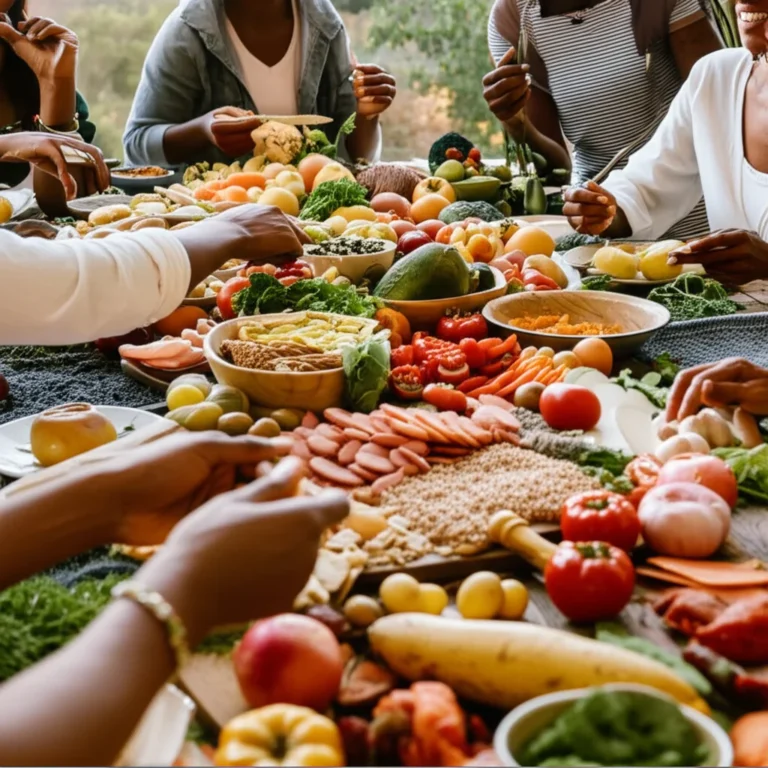
You can’t separate the diet from the social environment. In the Blue Zones, meals are rarely eaten alone. They are communal events.
- The Science: Studies show that eating with others improves digestion and reduces stress hormones.
- The Takeaway: If you’re eating a perfect Blue Zone meal but doing it in front of a TV while scrolling through your phone, you’re missing half the benefit.
❤️ Potential Health Benefits: Beyond Just Living Longer
Why should you care about living to 10? It’s not just about the number on the birthday cake. It’s about the quality of those years.
1. Reduced Risk of Chronic Disease
The plant-heavy, low-sugar, low-processed-food nature of the diet directly combats the “Big Three” killers:
- Heart Disease: High fiber and healthy fats (olive oil, nuts) lower cholesterol and blood pressure.
- Type 2 Diabetes: The low glycemic load of beans and whole grains prevents insulin spikes.
- Cancer: The high intake of antioxidants from colorful vegetables helps fight cellular damage.
2. Weight Management Without Counting Calories
Because the diet is high in fiber and water-rich foods, you feel full faster and stay full longer. You naturally reduce your calorie intake without feeling deprived.
- The Result: Many people on the Blue Zones diet lose weight naturally, often dropping a few dress or pant sizes within the first few months.
3. Improved Gut Health
The diversity of plant foods feeds a diverse microbiome. A healthy gut is linked to better immunity, improved mood, and even reduced inflammation.
- The Fiber Factor: With 30-40 grams of fiber a day (compared to the average American’s 15 grams), your digestive system runs like a well-oiled machine.
4. Mental Clarity and Longevity
The diet is rich in nutrients that support brain health, such as omega-3s (from fish and walnuts) and antioxidants (from berries and leafy greens).
- Dementia Prevention: In Ikaria, the rate of dementia is significantly lower than in the US, likely due to the combination of diet, social engagement, and low stress.
⚖️ Can the Blue Zones Diet Lead to Weight Loss? The Real Story
Let’s address the elephant in the room: Will this diet help you lose weight?
The short answer is yes, but not in the way you might expect.
The “Natural” Weight Loss Mechanism
Unlike fad diets that ban entire food groups or require you to eat only grapefruit, the Blue Zones diet focuses on adding nutrient-dense foods.
- Volume Eating: You can eat a massive bowl of lentil soup or a huge salad and still be under your calorie limit because these foods are low in energy density.
- Satiety: The combination of protein (beans), fat (nuts/olive oil), and fiber keeps hunger at bay. You stop craving the sugary snacks that derail most diets.
Real-World Results
In the “10-week challenge” mentioned in the featured video, participants didn’t just lose weight; they saw dramatic improvements in their biomarkers.
- Cholesterol: Levels dropped significantly.
- Blood Pressure: Many participants normalized their blood pressure without medication.
- Energy: The “afternoon slump” disappeared as blood sugar stabilized.
However, there’s a caveat. If you replace your processed snacks with processed “Blue Zone” snacks (like store-bought granola bars with added sugar), you won’t see results. The key is whole foods.
⚠️ Are There Any Disadvantages to the Blue Zones Diet?
No diet is perfect for everyone, and the Blue Zones approach has its challenges. Being transparent is part of our mission at Flexitarian Diet™.
1. The “Social Isolation” Risk
If your friends and family are obsessed with fast food and BBQs, sticking to a 95% plant-based diet can feel isolating.
- The Fix: You have to be the one to host. Bring a delicious bean dish to the potluck. Educate your tribe.
2. Time Commitment
Cooking from scratch takes time. The Blue Zones residents didn’t have 30-minute meal apps; they spent hours in the kitchen.
- The Reality: In our busy modern lives, finding time to soak beans, chop veggies, and cook whole grains can be daunting.
- The Solution: Batch cooking on Sundays or using a slow cooker can bridge the gap.
3. Nutrient Deficiencies (If Not Careful)
While the diet is generally nutrient-dense, strict adherence without planning can lead to deficiencies in:
- Vitamin B12: Since animal products are rare, vegans and strict vegetarians need to supplement or eat fortified foods.
- Vitamin D: Especially in northern latitudes like Loma Linda or Sardinia winters.
- Iron: Plant-based iron (non-heme) is harder to absorb. Pairing beans with Vitamin C (like lemon juice) helps absorption.
4. Cost of Whole Foods
Organic produce, high-quality olive oil, and nuts can be expensive.
- The Counter-Argument: Beans, rice, and seasonal vegetables are actually some of the cheapest foods in the grocery store. The cost comes in if you buy “premium” versions of everything.
🥗 The Ultimate Blue Zones Diet Food List: What to Eat and Why
Ready to stock your pantry? Here is your comprehensive guide to the foods that will fuel your longevity.
🌱 Top 10 Plant-Based Powerhouses You Need Now
These are the non-negotiables. If your grocery cart doesn’t have these, you aren’t doing it right.
- Beans (All kinds): Black, pinto, kidney, lentils, chickpeas, soy. The ultimate protein and fiber source.
- Leafy Greens: Kale, spinach, chard, collards, beet greens. Packed with vitamins A, C, and K.
- Whole Grains: Oats, barley, brown rice, quinoa, whole wheat (sourdough). Slow-burning energy.
- Nuts: Walnuts, almonds, pistachios, peanuts. Healthy fats and protein.
- Sweet Potatoes: The Okinawan staple. Rich in beta-carotene.
- Cruciferous Veggies: Broccoli, cauliflower, Brussels sprouts. Cancer-fighting compounds.
- Beries: Blueberries, strawberries, figs. Antioxidant powerhouses.
- Tomatoes: Cooked with olive oil for better absorption of lycopene.
- Olive Oil: Extra virgin. The primary fat source.
- Herbs and Spices: Turmeric, garlic, rosemary, sage. Anti-inflammatory magic.
🚫 Top 10 Foods to Limit or Avoid for Longevity
These are the “red flags” in the Blue Zones. They are either absent or eaten very rarely.
- Processed Meats: Bacon, sausages, deli meats. High in sodium and nitrates.
- Refined Grains: White bread, white rice, pastries. Spikes blood sugar.
- Added Sugars: Soda, candy, sugary cereals. Inflammation trigger.
- Ultra-Processed Snacks: Chips, crackers, frozen meals. Lack nutrients, high in additives.
- Sugary Beverages: Fruit juices with added sugar, energy drinks. Liquid calories.
- Excessive Dairy: Cow’s milk and cheese (except in Sardinia/Ikaria in moderation). Hard to digest for many.
- Fried Foods: French fries, fried chicken. Oxidized oils.
- Red Meat: Beef, pork, lamb. Limit to <5 times a month.
- Artificial Sweeteners: Aspartame, sucralose. Disrupts gut microbiome.
- Alcohol (Excessive): More than 1-2 drinks a day. Toxic to the liver.
🥩 Proteins: Beans, Nuts, and the 5% Meat Rule
Protein is the most misunderstood part of the Blue Zones diet. You don’t need a steak to get enough protein.
- The Math: 1 cup of cooked beans has about 15g of protein. 1/4 cup of nuts has about 5-7g.
- The Strategy: Combine beans with rice or corn to get a “complete” protein profile.
- The Meat Exception: If you eat meat, keep it to a 2-ounce portion, no more than 5 times a month. Think of it as a garnish.
🥦 Produce: The 95% Plant Rule in Action
Variety is key. Aim for 5-10 servings of fruits and vegetables a day.
- Color Coding: Eat the rainbow. Red (tomatoes), Orange (carots), Green (spinach), Blue/Purple (berries), White (cauliflower).
- Preparation: In the Blue Zones, veggies are often stewed, roasted, or pickled. Raw is fine, but cooked can make some nutrients more bioavailable.
🌾 Grains: Whole Grains Over Refined Ones
Forget the “low carb” craze. The Blue Zones eat plenty of carbs, but they are complex carbs.
- Sourdough is King: In Sardinia, bread is almost always sourdough. The fermentation process breaks down gluten and lowers the glycemic index.
- Whole Grains: Barley, oats, and brown rice are staples. Avoid anything with “enriched wheat flour” as the first ingredient.
🥚 Eggs and Dairy: The Occasional Treats
- Egs: Limit to 2-4 times a week. In Okinawa, they are almost non-existent. In Sardinia, they are a side dish, not a main.
- Dairy: Goat and sheep milk are preferred over cow milk because they are easier to digest. Cheese is eaten in small amounts, often as a flavoring.
🧂 Condiments and Seasonings: Flavor Without the Salt
Blue Zone cooks don’t reach for the salt shaker. They reach for the herb garden.
- Garlic and Onions: The base of almost every savory dish.
- Herbs: Rosemary, sage, thyme, oregano.
- Spices: Turmeric (anti-inflammatory), cumin, paprika.
- Acid: Lemon juice and vinegar to brighten flavors.
🍷 Drinks: Wine, Water, and Tea Habits
- Water: The primary beverage. 7+ glasses a day.
- Coffee: Green tea (Okinawa) or boiled coffee (Ikaria) are common.
- Wine: 1-2 glasses of red wine (specifically Cannonau in Sardinia) with meals. Note: Do not start drinking if you don’t already.
- Herbal Teas: Rosemary, sage, and dandelion teas are popular for their health properties.
🍯 Sweeteners: Natural vs. Processed Sugars
- Honey: Used in moderation (Ikaria).
- Fruit: The primary source of sweetness.
- Avoid: Refined sugar, high-fructose corn syrup, and artificial sweeteners.
🛒 Blue Zones Diet Shopping List: Your Weekly Game Plan
Let’s get practical. Here is a sample shopping list to get you started.
Produce Section:
- Leafy greens (Kale, Spinach, Chard)
- Sweet potatoes
- Onions, garlic, carrots, celery
- Tomatoes
- Seasonal fruits (Beries, Apples, Banas)
- Cruciferous veggies (Broccoli, Cauliflower)
Pantry Aisle:
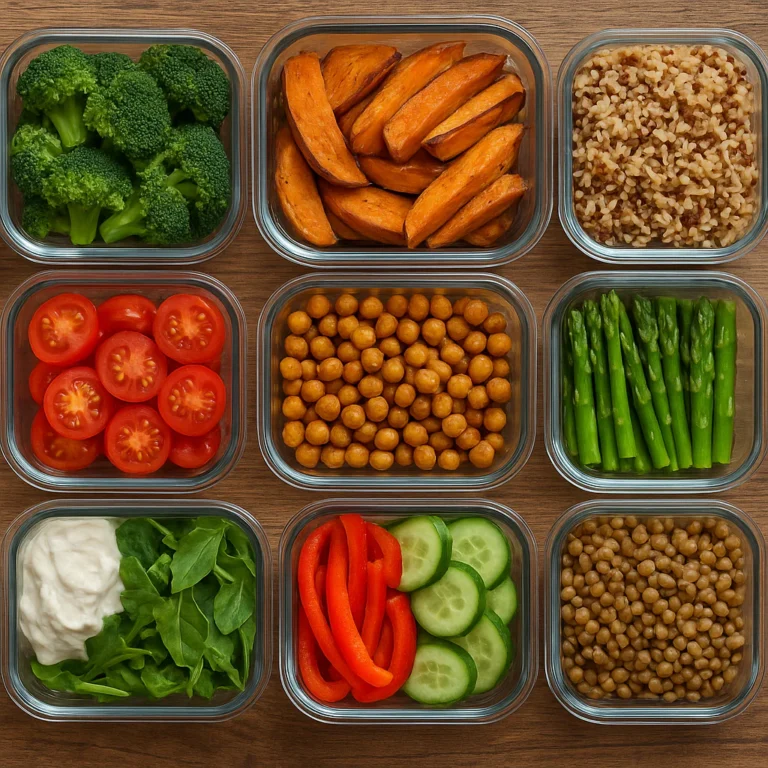
- Dried or canned beans (Black, Pinto, Lentils, Chickpeas)
- Whole grains (Brown rice, Oats, Barley, Quinoa)
- Nuts (Walnuts, Almonds, Peanuts)
- Extra Virgin Olive Oil
- Sourdough bread (check the label for whole wheat)
- Herbs and spices (Turmeric, Garlic powder, etc.)
Refrigerated/Frozen:
- Tofu or Tempeh
- Frozen berries or veggies (great for quick meals)
- Goat or sheep cheese (optional)
- Eggs (optional, limit quantity)
Beverages:
- Water (filter if needed)
- Green tea or herbal tea bags
- Red wine (optional)
Pro Tip: Buy dried beans in bulk! They are cheaper and have fewer additives than canned. Soak them overnight and cook a big batch on Sunday.
📅 A 7-Day Blue Zones Diet Sample Menu for Beginners
Confused about what to actually eat? Here is a simple, delicious 7-day plan.
| Day | Breakfast | Lunch | Dinner | Snack |
|---|---|---|---|---|
| Mon | Oatmeal with walnuts & berries | Lentil soup with sourdough | Black bean tacos with salsa | Apple & almonds |
| Tue | Green smoothie (spinach, banana, flax) | Chickpea salad with olive oil | Roasted sweet potato & kale | Humus & carrots |
| Wed | Whole grain toast with avocado | Quinoa bowl with roasted veggies | Fish (sardines) with rice & greens | Handful of pistachios |
| Thu | Chia pudding with coconut milk | Leftover quinoa bowl | Vegetable stew with beans | Pear & walnuts |
| Fri | Scrambled eggs (1) with spinach | Tuna salad (light) on greens | Pasta with tomato sauce & lentils | Dark chocolate (small piece) |
| Sat | Sourdough toast with humus | Bean burito bowl | Grilled chicken (small portion) with roasted veggies | Beries |
| Sun | Fruit salad with yogurt (goat) | Leftover burito bowl | Vegetable stir-fry with tofu | Nuts & dried fruit |
Note: Adjust portions based on your hunger levels (remember the 80% rule!).
🍕 Easy Ways to Make Pizza Night Healthier (Blue Zones Style)
Who says you can’t have pizza? You just have to Blue Zone-ify it.
- The Crust: Use whole wheat or sourdough flour. Better yet, make a cauliflower crust.
- The Sauce: Skip the sugary jared sauce. Make your own with crushed tomatoes, garlic, and oregano.
- The Toppings: Load it up! Spinach, mushrooms, onions, peppers, artichokes.
- The Cheese: Use a small amount of goat or sheep cheese, or just nutritional yeast for a cheesy flavor without the dairy.
- The Meat: Skip the pepperoni. Use a few slices of grilled chicken or just leave it vegie.
- The Portion: Eat two slices with a huge side salad, not the whole pie.
🚀 Getting Started With the Blue Zones Diet: 5 Beginner Tips for Success
Ready to jump in? Don’t try to change everything overnight. That’s a recipe for failure.
- Start with Beans: Add one serving of beans to your diet every day. It’s the easiest win.
- Swap Your Snacks: Replace chips and cookies with nuts and fruit.
- Cook at Home: Commit to cooking 5 nights a week. It’s the single biggest predictor of success.
- Practice the 80% Rule: Stop eating when you feel satisfied, not stuffed.
- Find Your Tribe: Join a community, a cooking class, or a walking group. Social connection is fuel.
🥣 Eat Lots of Fruits, Veggies, and Beans: The Foundation of Longevity
This is the heart of the diet. If you do nothing else, eat your plants.
- Why? Plants are low in calories but high in volume, fiber, and nutrients. They fill you up without filling you out.
- How? Make vegetables the main event, not the side dish. A plate should be 2/3 vegetables and 1/3 grains/beans.
🥩 Limit Meat and Ultra-Processed Foods: The 80/20 Rule
Think of meat as a condiment. If you eat a burger, it should be a small patty on a big bed of greens.
- Ultra-Processed Foods: These are foods with ingredients you can’t pronounce. If it comes in a box with a cartoon character, put it back.
- The 80/20 Rule: 80% of the time, eat whole, plant-based foods. 20% of the time, enjoy your favorites in moderation.
👩 🍳 Cook at Home: The Secret Ingredient You’re Missing
Research shows that home cooks eat fewer calories and more nutrients.
- Control: You control the salt, sugar, and oil.
- Mindfulness: Cooking is a meditative act. It connects you to your food.
- Skill: The more you cook, the better you get at making healthy food taste amazing.
🍽️ Pay Attention to Portions: The Hara Hachi Bu Technique
This is the hardest part for Americans. We are trained to “clean our plates.”
- The Technique: Stop eating when you feel 80% full. It takes a few minutes for your brain to catch up.
- The Trick: Use smaller plates. It tricks your brain into thinking you have more food.
💧 Stay Hydrated: Water, Tea, and Herbal Infusions
Water is life.
- Goal: 7-8 glasses a day.
- Flavor it: Add lemon, cucumber, or mint if plain water is boring.
- Tea: Green tea and herbal teas are excellent sources of hydration and antioxidants.
🏃 ♀️ Lifestyle Factors: Movement, Community, and Purpose
You can’t eat your way to longevity without moving and connecting.
- Move Naturally: Walk to the store, garden, take the stairs.
- Community: Join a club, volunteer, or just call a friend.
- Purpose: Ask yourself, “Why do I wake up in the morning?”
🧘 ♀️ The Takeaway: Your Journey to a Longer, Healthier Life Starts Today
The Blue Zones Diet isn’t a diet; it’s a lifestyle. It’s about slowing down, eating real food, and connecting with the people you love. It’s not about perfection; it’s about progress.
But here’s the question: Are you ready to make the shift? Or will you keep waiting for the “perfect time”? The perfect time is now. Start with one bean, one walk, one conversation. Your future self will thank you.
Conclusion
The Blue Zones Diet offers a proven, sustainable path to longevity and vitality. By focusing on 95% plant-based foods, limiting processed items, and embracing a lifestyle of movement and community, you can significantly improve your health and potentially add years to your life.
Positives:
- ✅ Reduces risk of chronic diseases (heart disease, diabetes, cancer).
- ✅ Promotes natural weight loss without calorie counting.
- ✅ Encourages a diverse, nutrient-dense diet.
- ✅ Focuses on whole, unprocessed foods.
- ✅ Integrates social and mental well-being.
Negatives:
- ❌ Requires time and effort to cook from scratch.
- ❌ Can be socially challenging if your circle doesn’t support the lifestyle.
- ❌ May require supplementation (B12, Vitamin D) for strict adherents.
- ❌ Cost of high-quality whole foods can be a barrier for some.
Our Recommendation:
Start small. Incorporate one bean dish a day, swap your snacks for nuts, and try to stop eating at 80% full. You don’t need to be perfect. As Dan Buettner says, “Diet’s fail almost all the people almost all the time.” But the Blue Zones approach isn’t a diet; it’s a way of life. Embrace the journey, find your tribe, and enjoy the food.
Recommended Links
If you’re ready to dive deeper into the Blue Zones lifestyle, here are some essential resources and products to get you started:
- The Blue Zones Kitchen: 10 Recipes to Live to 10 by Dan Buettner
👉 Shop on: Amazon | Barnes & Noble | Blue Zones Official - The Blue Zones Solution: Eating and Living Like the World’s Healthiest People by Dan Buettner
👉 Shop on: Amazon | Book Depository - Nutritional Yeast (Vegan Cheese Flavor) – Great for adding cheesy flavor without dairy.
👉 Shop on: Amazon | Whole Foods Market - Extra Virgin Olive Oil – Look for cold-pressed, organic options.
👉 Shop on: Amazon | Instacart - Sourdough Bread – Find a local bakery or buy frozen sourdough.
👉 Shop on: Instacart | Local Bakeries
FAQ
What are the best vegetarian blue zone foods for beginners?
The absolute best starting points are beans (black beans, lentils, chickpeas), leafy greens (kale, spinach), whole grains (oats, brown rice), and nuts (walnuts, almonds). These foods are nutrient-dense, affordable, and easy to incorporate into any meal.
Read more about “🌱 15 Flexible Vegetarian Cooking Tips for Effortless Meals (2026)”
How do I start a blue zone diet without eating meat?
You don’t need meat! Focus on plant-based proteins like beans, lentils, tofu, and tempeh. Combine these with whole grains to ensure you get all essential amino acids. The Blue Zones diet is naturally 95% plant-based, so going meat-free is actually the default, not the exception.
Read more about “🌱 12 Flexitarian Secrets: The Ultimate 2026 Whole Foods Guide”
Are beans and legumes the main protein in the blue zone diet?
Yes. Beans are the cornerstone of the Blue Zones diet. Residents in these regions consume at least ½ cup of beans daily, which is four times the average American intake. They provide fiber, protein, and complex carbohydrates that keep you full and energized.
Read more about “🌱 25 Blue Zone Diet Budget Friendly Meals for Longevity (2026)”
What are the 5 blue zone rules for a whole food plant based lifestyle?
While there are 9 Power 9 principles, the top 5 dietary rules are:
- Plant Slant: 95% of your diet should be plants.
- Beans Daily: Eat at least ½ cup of beans every day.
- 80% Rule: Stop eating when you are 80% full.
- Limit Meat: Eat meat only 5 times a month, in small portions.
- Whole Foods: Avoid ultra-processed foods and added sugars.
Read more about “🌱 Plant Based vs Flexitarian: The Ultimate 2026 Showdown”
Can you follow the blue zone diet as a vegan?
Absolutely. In fact, the Loma Linda Blue Zone is largely vegan. The diet is naturally plant-forward, so a vegan approach fits perfectly. Just ensure you get enough Vitamin B12 and Vitamin D through fortified foods or supplements.
Read more about “🌱 7 Latest Plant-Forward Eating Trends Dominating 2026”
What are the easiest blue zone recipes for beginners?
- Lentil Soup: A one-pot meal with lentils, carrots, celery, and tomatoes.
- Black Bean Tacos: Use corn tortillas, black beans, salsa, and avocado.
- Chickpea Salad: Chickpeas, cucumber, tomato, red onion, and olive oil.
- Oatmeal with Nuts: Oats cooked with water or plant milk, topped with walnuts and berries.
Read more about “🌿 7-Day Blue Zone Diet Meal Plan for Vegetarians (2026)”
How much wine is allowed on the blue zone diet?
Moderation is key. The recommendation is 1-2 glasses of red wine per day, preferably with meals and friends. However, do not start drinking if you don’t already. The benefits come from the social aspect and the antioxidants in the wine, not the alcohol itself.
Read more about “🥗 Whole Foods Diet vs Blue Zone Diet: The 12-Step Longevity Showdown (2026)”
Reference Links
- Healthline: Blue Zone Diets: What They Are and How to Follow Them
- Blue Zones Official: Food Guidelines
- Everyday Health: Blue Zones Diet for Beginners: Key Guidelines
- National Geographic: The Blue Zones
- Seventh-day Adventist Health: Loma Linda University Health
- Dan Buettner: The Blue Zones Kitchen
- Okinawa Tourism: Okinawan Diet
- Sardinia Tourism: Sardinian Diet
- Ikaria Tourism: Ikarian Lifestyle
- Nicoya Peninsula: Nicoya Lifestyle