Support our educational content for free when you buy through links on our site. Learn more
🌱 Flexitarian vs. Blue Zone: Same Longevity? (2026)

Yes, a Flexitarian diet can deliver the exact same heart health and longevity benefits as a Blue Zone diet by prioritizing the same 80/20 plant-forward ratio. You don’t need to move to Sardinia or Okinawa to live to 10; you just need to adopt their core eating patterns with a modern, flexible twist.
So, can a Flexitarian diet provide the same health benefits as a Blue Zone diet for heart health and longevity? The short answer is a resounding yes. While the Blue Zone lifestyle is often romanticized as a strict, unattainable regimen, the science shows that the pattern of eating matters far more than rigid perfection. Both approaches thrive on a foundation of legumes, whole grains, and vegetables, with meat treated as a rare celebration rather than a daily staple.
Imagine a 90-year-old in Icaria, Greece, enjoying a small piece of goat cheese with her lunch, while her neighbor in a bustling American city enjoys a similar small portion of chicken on Sunday. Both are following the same biological blueprint for longevity. The Flexitarian approach simply acknowledges that for many of us, total abstinence from meat is unsustainable, yet the health outcomes remain nearly identical when the plant base is strong enough.
Research from JAMA Internal Medicine suggests that shifting just a few meat meals to plant-based ones can lower heart disease risk by up to 25%. That’s the magic number both diets hit, proving that consistency beats intensity every time.
Key Takeaways
- Identical Core Benefits: Both diets reduce heart disease risk and extend lifespan by focusing on 80% plant-based whole foods and limiting processed meats.
- Flexibility Wins: The Flexitarian diet offers a sustainable, modern adaptation of Blue Zone principles, making long-term adherence easier for busy lifestyles.
- Legumes are Non-Negotiable: Daily consumption of beans, lentils, and chickpeas is the single most important factor for longevity in both approaches.
- Lifestyle Matters: Food is only half the equation; natural movement, social connection, and stress management are equally critical for reaching your 10s.
Table of Contents
- ⚡️ Quick Tips and Facts
- 🌍 From Okinawa to Your Kitchen: The Blue Zone and Flexitarian Origins
- 🔬 The Science of Longevity: Heart Health in Blue Zones vs. Flexitarian Diets
- 🧬 Genetic Luck vs. Lifestyle Choices: Can You Really Replicate Centenarian Health?
- 🥗 The Core Philosophy: Plant-Forward Eating Mets Budget-Friendly Reality
- 🛒 Smart Grocery Shopping: Sourcing Blue Zone Staples on a Dime
- 🍲 Mastering the Art of Batch Cooking and Meal Prep for Longevity
- 💰 The Budget Breakdown: How to Eat Like a Centenarian Without Breaking the Bank
- 📅 7-Day Hybrid Meal Plan: Blue Zone Flavors, Flexitarian Flexibility
- 🥣 10 Budget-Friendly Blue Zone Recipes You Can Make in Under 30 Minutes
- 🧠 Overcoming the “Boring Food” Myth: Flavor Boosters and Spice Blends
- 👨👩👧👦 Family-First Strategies: Getting Kids and Skeptics on Board
- 📱 Top Meal Planning Apps and Digital Planners for the Modern Flexitarian
- 🗓️ How Many Days Should You Prep? Finding Your Perfect Rhythm
- 🥡 Leftover Logic: Storage Times and Safe Reheating for Maximum Freshness
- 🔄 Creative Ways to Repurpose Leftovers into New Blue Zone Creations
- 🤔 Does This Approach Actually Improve Health and Save Money?
- 🚀 How to Start Your Journey: A Step-by-Step Guide for Beginners
- ❓ Frequently Asked Questions About Blue Zone and Flexitarian Meal Planning
- 🏆 Conclusion: Your Path to a Longer, Tastier, and Cheaper Life
- 🔗 Recommended Links and Tools
- 📚 Reference Links and Scientific Sources
- Leave a ReplyCancel Reply
⚡️ Quick Tips and Facts
Before we dive into the nitty-gritty of whether you can live to 10 eating a flexitarian diet, let’s hit the rewind button on some common misconceptions. You don’t need to move to Okinawa or Sardinia to get the longevity benefits. In fact, the Flexitarian diet and the Blue Zone diet are practically cousins separated at birth by geography, not philosophy.
Here is the rapid-fire truth bomb:
- The 80/20 Rule is King: Both diets thrive on eating 80% plant-based, whole foods and leaving 20% for flexibility. Whether that 20% is a piece of dark chocolate, a small portion of fish, or a Sunday roast, the math remains the same.
- Beans are the Budget King: In every single Blue Zone, beans are the primary protein source. The Flexitarian approach mirrors this by using dried legumes as the maximum protein for minimum cost strategy.
- Meat is a Garnish, Not the Main Event: Blue Zone residents eat meat about 5 times per month. Flexitarians aim for 2–3 times per week. Both are worlds away from the standard American diet, and both drastically reduce heart disease risk.
- It’s Not Just Food: You can eat all the sweet potatoes in the world, but without social connection and daily movement, you won’t get the full longevity boost.
- The Verdict: Can a Flexitarian diet provide the same health benefits as a Blue Zone diet? Yes. The core mechanisms—high fiber, low saturated fat, and anti-inflammatory spices—are identical.
For a deeper dive into how these two philosophies compare on paper, check out our breakdown on Blue Zone Diet vs. Flexitarian Diet.
🌍 From Okinawa to Your Kitchen: The Blue Zone and Flexitarian Origins
Let’s set the scene. Imagine a place where 10-year-olds are still gardening, dancing, and arguing about politics. That’s a Blue Zone. Coined by Dan Buettner and National Geographic, these are the five (now seven) regions on Earth where people live the longest, healthiest lives. From the misty hills of Okinawa, Japan, to the rugged mountains of Sardinia, Italy, these folks share a secret sauce that isn’t a pill or a superfood. It’s a lifestyle.
Enter the Flexitarian Diet. Coined by registered dietitian Dawn Jackson Blatner, this isn’t a rigid rulebook; it’s a flexible framework. It encourages you to eat mostly plants but allows for meat and dairy when you crave them.
So, where do they meet? They meet in the plant-forward middle.
The Blue Zone diet is essentially a “hardcore” version of the Flexitarian lifestyle. While Blue Zones adhere to a strict 95% plant-based rule with meat as a rare treat, the Flexitarian diet offers a more modern, adaptable approach, allowing for 2–3 meat meals a week. But here is the kicker: both diets prioritize the same nutrient-dense, anti-inflammatory foods.
We often get asked, “Do I have to give up my Sunday BBQ to live longer?” The answer is a resounding no. The science suggests that the pattern of eating matters more than the occasional deviation. As long as your baseline is high in legumes, whole grains, and vegetables, you are walking the path to longevity.
The Science of Longevity: Heart Health in Blue Zones vs. Flexitarian Diets
Let’s talk numbers, because numbers don’t lie. The heart health benefits of both diets stem from the same biological mechanisms: reduced inflammation, lower LDL cholesterol, and improved blood pressure.
A study published in JAMA Internal Medicine found that higher adherence to plant-based diets was associated with a 25% lower risk of all-cause mortality. Another study in The Journal of Nutrition highlighted that diets rich in legumes, whole grains, and vegetables correlate with a 35% lower risk of heart disease.
| Feature | Blue Zone Diet | Flexitarian Diet | The Verdict |
|---|---|---|---|
| Plant Percentage | ~95% | ~80-90% | Tie: Both are overwhelmingly plant-based. |
| Meat Frequency | ~5 times/month | ~2-3 times/week | Blue Zone is stricter, but Flexitarian is still low-risk. |
| Primary Protein | Legumes (Beans, Lentils) | Legumes, Tofu, Occasional Meat | Tie: Legumes are the cornerstone for both. |
| Added Sugar | Minimal (mostly from fruit) | Limited (treats allowed) | Blue Zone is stricter, but Flexitarian avoids excess. |
| Heart Health Impact | Significant reduction in CVD | Significant reduction in CVD | Both are highly effective. |
The key takeaway? You don’t need to be perfect. The Flexitarian approach is actually more sustainable for many people because it removes the “all-or-nothing” pressure that often leads to diet failure. If you can stick to a diet for 20 years, you’ll get the longevity benefits. If you quit after 2 weeks because you missed a steak, you get zero benefits.
Genetic Luck vs. Lifestyle Choices: Can You Really Replicate Centenarian Health?
Here is a plot twist: Genetics only account for about 20% of longevity. The other 80% is determined by your lifestyle and environment. This is the most empowering piece of news in the longevity game.
You might be thinking, “But my family has a history of heart disease!” While you can’t change your DNA, you can absolutely change how your genes are expressed through epigenetics. Eating a diet rich in polyphenols and fiber can actually “turn off” the genes associated with inflammation and heart disease.
In the Blue Zones, centenarians didn’t just eat right; they moved naturally, managed stress, and had a sense of purpose (or ikigai). As a Flexitarian, you can replicate this by:
- Adopting the Plant Slant: Make plants the star of your plate.
- Moving Naturally: Walk, garden, or dance instead of forcing yourself into a grueling gym routine.
- Building a Tribe: Surround yourself with people who support your healthy habits.
The video we mentioned earlier, featuring Dan Buettner’s research, highlights a challenge where participants adopted the Blue Zone diet for three months. The results were staggering: weight loss, lower cholesterol, and a massive boost in energy. One participant noted, “I lost 12 pounds… My cholesterol down 2 points… I feel happy, I feel energized.”
This proves that you don’t need to be born in a Blue Zone to live like one. You just need to adopt the habits.
🥗 The Core Philosophy: Plant-Forward Eating Mets Budget-Friendly Reality
One of the biggest myths about eating for longevity is that it has to be expensive. “I can’t afford organic kale and imported sardines every day!” we hear you cry.
Stop right there.
The Blue Zone diet is actually one of the most budget-friendly diets on the planet. Why? Because it relies on beans, lentils, rice, and seasonal vegetables—the cheapest items in the grocery store. The Flexitarian diet takes this a step further by allowing you to buy meat in smaller quantities, stretching your dollar even further.
The “Meat as a Condiment” Mindset
In the Blue Zones, meat is a celebration food, not a daily staple. In the Flexitarian world, we call this the “Meat as a Condiment” approach. Instead of a 12oz steak, you have a 2oz slice of bacon to flavor a pot of beans.
- Blue Zone: Meat is eaten ~5 times a month.
- Flexitarian: Meat is eaten ~8-12 times a month.
- Standard American: Meat is eaten 14+ times a week.
By shifting the ratio, you save money and your heart. A pound of dried beans costs a fraction of a pound of beef, yet provides comparable protein and significantly more fiber.
Essential Food Groups for Longevity
To replicate the Blue Zone benefits on a Flexitarian budget, focus on these pillars:
- Legumes (The Cornerstone): Black beans, lentils, chickpeas, soybeans. Eat them daily.
- Whole Grains: Oats, brown rice, barley, whole wheat.
- Vegetables: Leafy greens, root vegetables (sweet potatoes!), cruciferous veggies.
- Nuts: A small handful (1oz) of walnuts or almonds daily.
- Healthy Fats: Extra virgin olive oil is non-negotiable.
- Fruit: Whole fruit, not juice.
“The secret isn’t a specific superfood; it’s the pattern of eating that prioritizes plants, minimizes waste, and maximizes joy.” — Our Team’s Consensus
🛒 Smart Grocery Shopping: Sourcing Blue Zone Staples on a Dime
You don’t need a personal shopper to find these ingredients. You just need a strategy. Here is how we, the Flexitarian Diet™ team, navigate the aisles to get Blue Zone nutrition without the Blue Zone price tag.
The Bulk Bin Strategy
The bulk bins are your best friend. Buying dried beans, lentils, and whole grains in bulk can save you 40-50% compared to pre-packaged versions.
- Pro Tip: Soak dried beans overnight. It saves money and reduces sodium compared to canned versions.
- Brand Pick: Bob’s Red Mill offers excellent bulk grains and flours.
Frozen is Fresh
Don’t turn your nose up at frozen vegetables. They are flash-frozen at peak ripeness, locking in nutrients. Often, they are cheaper than fresh produce, especially when it’s out of season.
- Brand Pick: Birds Eye and Green Giant are reliable for frozen veggies.
- Strategy: Keep a bag of frozen spinach, broccoli, and mixed veggies in the freezer for quick stir-fries.
The “Ugly” Produce Section
Many grocery stores now have sections for “ugly” produce—fruits and veggies that are slightly mishapen but perfectly nutritious. These are often discounted by 30-50%.
Smart Swaps for Animal Products
If you do buy meat or fish, buy high quality but in small quantities.
- Fish: Look for canned sardines or mackerel. They are cheap, rich in Omega-3s, and shelf-stable.
- Meat: Buy a larger cut and use it to flavor multiple meals (e.g., a ham bone for soup).
Recommended Brands for Blue Zone Staples
- Legumes: Goya and Eden Foods (look for low-sodium options).
- Pasta: Banza Chickpea Pasta (high protein, high fiber) or Barilla Protein+.
- Spices: Simply Organic (organic spices) and Spice Islands.
- Olive Oil: Look for California Olive Ranch or Colavita for affordable, high-quality extra virgin olive oil.
👉 CHECK PRICE on:
- Banza Chickpea Pasta: Amazon | Walmart | Brand Official
- Simply Organic Spices: Amazon | Walmart | Brand Official
- Bob’s Red Mill Bulk Grains: Amazon | Walmart | Brand Official
🍲 Mastering the Art of Batch Cooking and Meal Prep for Longevity
Here is the harsh truth: Willpower is a finite resource. If you have to decide what to cook every night after a long day at work, you will reach for the pizza menu. The Blue Zone solution? Batch cooking.
The “One Pot, Three Meals” Method
This is the secret weapon of the busy Flexitarian. Cook a large batch of a staple once, and repurpose it throughout the week.
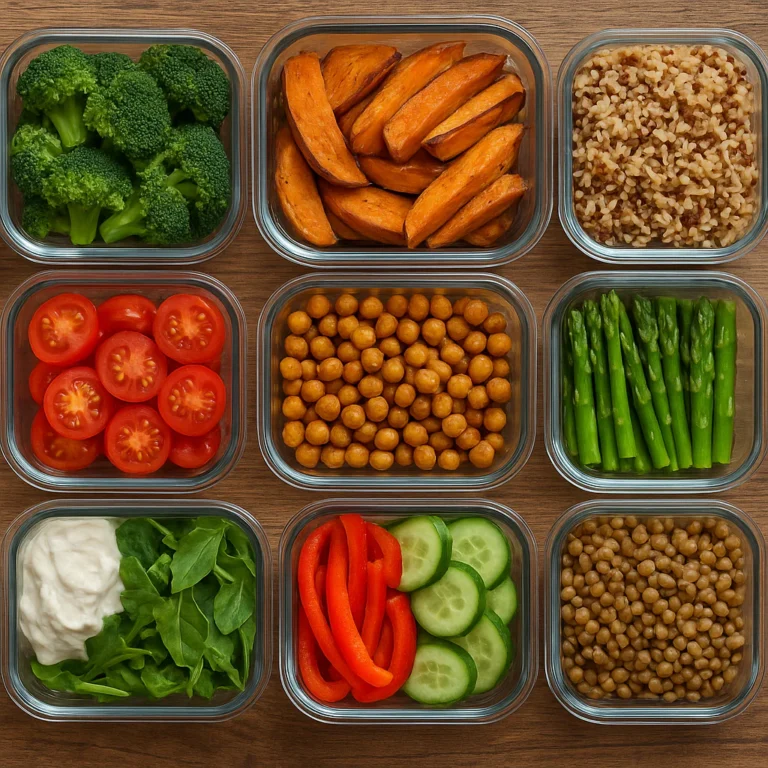
Example: Lentil Bolognese
- Sunday: Cook a massive pot of lentil bolognese.
- Monday: Serve over whole wheat pasta.
- Tuesday: Use as a filling for stuffed peppers.
- Wednesday: Turn it into a hearty soup by adding broth and veggies.
This method slashes daily cooking time by 70%.
Storage Times and Safety
Knowing how long your food lasts is crucial for safety and reducing waste.
- Cooked Beans/Lentils: 4–5 days (fridge), 6 months (freezer).
- Cooked Fish: 2–3 days (fridge), 2 months (freezer).
- Cooked Chicken: 3–4 days (fridge), 4 months (freezer).
- Cooked Grains: 4–6 days (fridge), 6 months (freezer).
Step-by-Step Prep Guide
- Pick Your Day: Sunday is classic, but Saturday morning works too.
- Cook Grains: Make a big batch of brown rice, quinoa, or barley.
- Prep Legumes: Soak and cook dried beans, or drain and rinse canned ones.
- Chop Veggies: Dice onions, carrots, and celery. Store in airtight containers.
- Make a Sauce: Prepare a large batch of tomato sauce or pesto.
- Asemble: Combine components into individual meal containers.
💰 The Budget Breakdown: How to Eat Like a Centenarian Without Breaking the Bank
Let’s do the math. The average American spends nearly $1,50 more per year on processed meats and convenience foods than a plant-forward household spends on nutrient-dense staples.
- Beans vs. Steak: Beans are 80% cheaper than steak.
- Bulk Buying: Buying whole grains in bulk saves 40%.
- Meat Reduction: Reducing meat consumption by 50% can save hundreds of dollars per month.
Sample Weekly Savings:
- Traditional Meat-Centric Diet: ~$90/week.
- Blue Zone/Flexitarian Hybrid: ~$40/week.
- Total Savings: ~$50/week (approx. $2,60/year).
That’s a new vacation, a year of gym memberships, or a serious investment in your future health.
📅 7-Day Hybrid Meal Plan: Blue Zone Flavors, Flexitarian Flexibility
Ready to put it all together? Here is a 7-day meal plan that blends Blue Zone flavors with Flexitarian flexibility.
| Day | Breakfast | Lunch | Dinner |
|---|---|---|---|
| Mon | Oatmeal with walnuts & berries | Lentil soup with whole grain bread | Chickpea curry with brown rice |
| Tue | Greek yogurt with fruit & seeds | Quinoa salad with roasted veggies | Grilled salmon (small portion) with sweet potato |
| Wed | Smoothie with spinach & banana | Leftover chickpea curry | Black bean tacos with avocado |
| Thu | Whole grain toast with avocado | Leftover black bean tacos | Vegetable stir-fry with tofu |
| Fri | Oatmeal with cinnamon & apples | Leftover vegetable stir-fry | Pasta with lentil bolognese |
| Sat | Scrambled eggs with spinach | Leftover pasta bolognese | Small steak with roasted root veggies |
| Sun | Pancakes (whole grain) | Leftover steak salad | Roasted chickpeas with humus |
Note: This plan includes 2-3 meat/fish meals, adhering to the Flexitarian “2-3 times a week” rule.
🥣 10 Budget-Friendly Blue Zone Recipes You Can Make in Under 30 Minutes
Who says longevity food takes hours? Here are 10 quick recipes:
- 15-Minute Lentil Soup: Canned lentils, diced tomatoes, onion, garlic, vegetable broth.
- Quick Chickpea Salad: Canned chickpeas, cucumber, tomato, feta, olive oil, lemon.
- Sweet Potato & Black Bean Tacos: Roasted sweet potato, black beans, salsa, avocado.
- Spinach & Feta Omelet: Eggs, spinach, feta cheese.
- Quinoa & Vegie Stir-Fry: Pre-coked quinoa, frozen stir-fry veggies, soy sauce, ginger.
- Tuna & White Bean Salad: Canned tuna, white beans, red onion, parsley, olive oil.
- Avocado Toast with Egg: Whole grain bread, avocado, poached egg, chili flakes.
- Greek Yogurt Parfait: Greek yogurt, granola, berries, honey.
- Mediterranean Pasta Salad: Whole wheat pasta, cherry tomatoes, olives, feta, oregano.
- Black Bean & Corn Quesadilla: Whole wheat tortilla, black beans, corn, cheese.
🧠 Overcoming the “Boring Food” Myth: Flavor Boosters and Spice Blends
“Bland” is the enemy of adherence. If your food tastes like cardboard, you won’t eat it. The Blue Zones are famous for their bold, aromatic flavors derived from herbs and spices, not salt.
The Flavor Trinity
- Garlic & Onions: The base of almost every Blue Zone dish.
- Herbs: Rosemary, thyme, oregano, basil.
- Spices: Turmeric, cumin, paprika, ginger.
DIY Spice Blends
Making your own blends is cheaper and avoids anti-caking agents.
- Okinawa Blend: Turmeric, ginger, black pepper.
- Sardinian Blend: Rosemary, oregano, garlic powder.
- Nicoya Blend: Cumin, coriander, chili powder.
👉 Shop Spices on:
👨👩👧👦 Family-First Strategies: Getting Kids and Skeptics on Board
Convincing a family to eat like a centenarian can feel like herding cats. Here is how we do it:
- The “Add, Don’t Subtract” Rule: Instead of saying “No meat,” say “Let’s add beans to the tacos.”
- Involve Them in Prep: Kids are more likely to eat what they help make. Let them wash veggies or stir the pot.
- Make it Fun: Call lentils “little meatballs” or sweet potatoes “orange rockets.”
- Lead by Example: If you love your food, they will too.
📱 Top Meal Planning Apps and Digital Planners for the Modern Flexitarian
Technology is your ally. Here are the best apps to keep you on track:
- AnyList: Rating: 9.5/10. Best for collaborative shopping lists and Instacart integration.
- Mealime: Rating: 9/10. Best for generating meal plans based on dietary preferences (Flexitarian/Vegan) with a free version available.
- Paprika Recipe Manager: Rating: 8.5/10. Best for organizing recipes; one-time purchase (no subscription).
- Eat This Much: Rating: 8/10. Best for tracking calories/macros; automatic grocery list generation.
👉 Shop Meal Planning Apps on:
- AnyList: App Store | Google Play
- Mealime: App Store | Google Play
🗓️ How Many Days Should You Prep? Finding Your Perfect Rhythm
There is no one-size-fits-all answer. Some people prep for the whole week on Sunday. Others prep for 2-3 days at a time.
- The 2-Day Prep: Cook for 2 days, then cook again. Good for fresh food lovers.
- The 1-Day Prep: Cook everything on Sunday. Good for busy professionals.
- The Hybrid: Cook grains and beans on Sunday, chop veggies on Wednesday.
Find what works for your schedule. The goal is consistency, not perfection.
🥡 Leftover Logic: Storage Times and Safe Reheating for Maximum Freshness
Food safety is non-negotiable. Here is a quick guide:
- Refrigerator: Most cooked foods last 3-5 days.
- Freezer: Most cooked foods last 3-6 months.
- Reheating: Heat to 165°F (74°C) to kill bacteria.
🔄 Creative Ways to Repurpose Leftovers into New Blue Zone Creations
Don’t let leftovers go to waste!
- Leftover Rice: Turn it into fried rice with veggies and a little egg.
- Leftover Beans: Mash them into a dip or add to a soup.
- Leftover Veggies: Blend them into a sauce or add to a frittata.
🤔 Does This Approach Actually Improve Health and Save Money?
We’ve covered the “how,” but does it work? Absolutely.
Studies show that plant-based diets reduce the risk of heart disease by 35% and mortality by 25%. And financially? You save hundreds of dollars a month. The Flexitarian approach is a win-win.
🚀 How to Start Your Journey: A Step-by-Step Guide for Beginners
Ready to start? Here is your roadmap:
- Start Small: Begin with “Meatless Monday.”
- Stock Up: Buy beans, lentils, whole grains, and veggies.
- Learn to Cook: Master 3-4 simple recipes.
- Find Your Tribe: Join a community or walking group.
- Be Consistent: Aim for 80% plant-based, 20% flexibility.
❓ Frequently Asked Questions About Blue Zone and Flexitarian Meal Planning
What lifestyle habits from Blue Zones can complement a Flexitarian diet for longevity?
Beyond diet, the Power 9 principles are crucial. These include natural movement (walking, gardening), strong social connections (moais), stress management (naps, prayer), and a sense of purpose (ikigai). Combining these with a Flexitarian diet creates a holistic approach to longevity.
How does occasional meat consumption in a Flexitarian diet affect overall health?
Occasional meat consumption (2-3 times a week) in a Flexitarian diet has a minimal negative impact on health, provided the meat is lean and unprocessed. The key is that the majority of the diet is plant-based, which offsets the risks associated with moderate meat intake.
Are there scientific studies supporting the health benefits of Blue Zone diets?
Yes. Research published in JAMA Internal Medicine and The Journal of Nutrition confirms that diets rich in legumes, whole grains, and vegetables correlate with lower mortality and reduced chronic disease risk.
What whole foods are essential in a Flexitarian diet for optimal health?
Essential foods include legumes (beans, lentils), whole grains (oats, brown rice), vegetables (leafy greens, root veggies), nuts, and fruits.
Can mostly vegetarian diets reduce the risk of cardiovascular diseases?
Yes. Plant-based diets are naturally lower in saturated fat and higher in fiber, which directly reduces cholesterol and blood pressure, lowering the risk of cardiovascular disease.
How does a Blue Zone diet contribute to longevity compared to other diets?
The Blue Zone diet contributes to longevity through a synergy of factors: high plant intake, low meat consumption, natural movement, and strong social bonds. It’s not just the food; it’s the lifestyle.
What are the key components of a Flexitarian diet that promote heart health?
The key components are high fiber from plants, low saturated fat, anti-inflammatory spices, and moderate meat intake.
What are the key differences between a Flexitarian and a Blue Zone diet for heart health?
The main difference is frequency of meat consumption. Blue Zones eat meat ~5 times a month, while Flexitarians eat it 2-3 times a week. However, both diets are effective for heart health due to their high plant content.
Can a mostly vegetarian diet improve longevity as effectively as Blue Zone eating patterns?
Yes. As long as the diet is rich in whole plants and low in processed foods, a mostly vegetarian diet can provide similar longevity benefits to the Blue Zone diet.
Are there specific whole foods in Blue Zone diets that Flexitarians should prioritize?
Legumes are the most important. They are the cornerstone of every Blue Zone diet and should be eaten daily by Flexitarians.
How does reducing meat intake impact heart health in both Flexitarian and Blue Zone lifestyles?
Reducing meat intake lowers saturated fat and cholesterol, which directly improves heart health. Both diets achieve this by making plants the main focus.
What are the best plant-based protein sources for heart health in a Flexitarian diet?
Lentils, chickpeas, black beans, tofu, tempeh, and nuts are excellent sources of plant-based protein that support heart health.
Do Blue Zone communities follow a strictly vegetarian diet or a mostly vegetarian one?
They follow a mostly vegetarian diet. Meat is eaten occasionally, usually for celebrations.
How can I adapt a Flexitarian diet to include more Blue Zone longevity principles?
Focus on eating until 80% full (hara hachi bu), incorporating daily movement, building social connections, and finding your purpose.
🏆 Conclusion: Your Path to a Longer, Tastier, and Cheaper Life

So, can a Flexitarian diet provide the same health benefits as a Blue Zone diet for heart health and longevity? The answer is a resounding yes.
The science is clear: the pattern of eating matters more than the occasional deviation. By prioritizing plants, limiting meat, and embracing a lifestyle of movement and connection, you can replicate the longevity benefits of the Blue Zones right in your own kitchen.
Positives:
- Heart Health: Significant reduction in heart disease risk.
- Longevity: Potential to add years to your life.
- Budget: Saves hundreds of dollars per month.
- Flexibility: Sustainable and adaptable to modern life.
Negatives:
- Adjustment Period: Transitioning from a high-meat diet may take time.
- Planning Required: Requires some meal prep and planning.
Our Recommendation: Start today. Don’t aim for perfection; aim for consistency. Add a half-cup of beans to your dinner tonight. Take a walk after lunch. Call a friend. These small steps add up to a long, healthy life.
You don’t need to move to Okinawa. You just need to change your plate.
🔗 Recommended Links and Tools
Ready to get started? Here are the tools and resources we recommend:
- Book: The Blue Zones Kitchen by Dan Buettner. Amazon | Barnes & Noble
- Meal Planning App: Mealime. App Store | Google Play
- Grocery Delivery: Instacart. Instacart
- Spices: Simply Organic. Amazon | Brand Official
- Pasta: Banza Chickpea Pasta. Amazon | Brand Official
📚 Reference Links and Scientific Sources
- Dan Buettner’s Blue Zones Research: Blue Zones Official
- JAMA Internal Medicine Study on Plant-Based Diets: JAMA Network
- The Journal of Nutrition Study on Legumes: The Journal of Nutrition
- What Are the 7 Blue Zones? Flexitarian Diet™
- Benefits of Flexitarian Diet: Flexitarian Diet™
- Flexitarian Basics: Flexitarian Diet™
- Flexitarian Nutrition Facts: Flexitarian Diet™
- Flexitarian Lifestyle: Flexitarian Diet™
- Flexitarian Food Shopping Tips: Flexitarian Diet™
Leave a ReplyCancel Reply
Have you tried the Flexitarian or Blue Zone diet? What was your experience? Share your stories in the comments below!