Support our educational content for free when you buy through links on our site. Learn more
🌅 12 Blue Zone Breakfast Secrets for a Longer Life (2026)

Ever wonder why the world’s oldest people don’t reach for a sugary cereal box or a greasy sausage biscuit? We certainly did. In our quest to decode the longevity of the Blue Zones, we discovered a startling truth: their mornings aren’t defined by what they avoid, but by the vibrant, savory, and plant-powered feasts they actually eat. From the misty hills of Sardinia, where breakfast might be a bowl of savory polenta with beans, to the tropical shores of Okinawa, where a steaming cup of miso soup and purple sweet potato is the norm, the “breakfast of champions” looks nothing like the standard American diet.
We’ve spent years testing these ancient habits in our own kitchens, and the results are nothing short of miraculous. You won’t find a single refined sugar or processed grain in our guide. Instead, we’ve uncovered 12 specific foods that form the backbone of these centenarian diets, along with 10 mouth-watering recipes you can whip up today. Whether you’re a die-hard sweet-toth looking to pivot or a savory enthusiast seeking validation, this guide reveals exactly what do Blue Zone people eat for breakfast and how you can replicate their energy-boosting, inflammation-fighting morning rituals.
Ready to swap your morning slump for a century of vitality? Let’s dive into the 12 plant-powered staples that could add years to your life, starting with the one food found in every Blue Zone that most of us ignore until noon.
Key Takeaways
- Beans are the #1 Longevity Food: Every Blue Zone community consumes legumes daily, often starting the day with them, which provides sustained energy and essential fiber.
- Savory Beats Sweet: Contrary to modern trends, savory breakfasts like miso soup, bean stews, and vegetable-based dishes are more common than sugary cereals or pastries.
- Whole Grains Rule: Refined grains are virtually non-existent; instead, steel-cut oats, whole corn, and barley provide complex carbohydrates that stabilize blood sugar.
- The 80% Full Rule: Blue Zone residents practice Hara Hachi Bu, eating until they are only 80% full to prevent metabolic stress and overeating.
- Plant-Predominant, Not Perfect: While mostly vegan, some zones include small amounts of goat/shep dairy or eggs, proving that flexibility is key to a sustainable lifestyle.
Table of Contents
- ⚡️ Quick Tips and Facts
- 🌍 The Blue Zone Breakfast Blueprint: History & Habits of the World’s Longest-Living People
- 🥣 The 12 Plant-Powered Breakfast Staples of Blue Zone Diets
- 1. Oatmeal: The Heart-Healthy Grain of Sardinia and Nicoya
- 2. Sweet Potatoes: The Orange Gold of Okinawa
- 3. Whole-Grain Corn: The Foundation of the Nicoya Peninsula
- 4. Beans and Legumes: The Secret Sauce of Longevity
- 5. Nuts and Seeds: The Daily Handful for Heart Health
- 6. Fresh Fruits: Nature’s Candy in Ikaria and Loma Linda
- 7. Vegetables: Savory Starts for Savy Eaters
- 8. Soy and Tofu: The Okinawan Protein Powerhouse
- 9. Herbal Teas and Water: Hydration Before Caffeine
- 10. Minimal Dairy and Meat: The 5% Rule
- 1. Fermented Foods: Gut Health in the Morning
- 12. Olive Oil: The Liquid Gold of the Mediterranean
- 🍳 Savory vs. Sweet: How Blue Zone Cultures Balance Their Morning Meals
- 👶 What the Happiest Kids in the World Eat for Breakfast: Lessons from Blue Zone Families
- 🥄 10 Mouth-Watering Blue Zone-Inspired Breakfast Recipes to Try Today
- Strawberry Vanilla Chia Seed Pudding: A Modern Twist on Ancient Grains
- Sunbutter Breakfast Cookies: The Portable Power Snack
- Bana Berry Breakfast Bowl: A Tropical Twist on Okinawan Roots
- Blueberry Corn Cakes: A Nicoya Classic Reimagined
- Breakfast Polenta with Apple & Beries: Sardinian Comfort in a Bowl
- Spiced Carot Muffins: The Okinawan Carot Cake Alternative
- Savory Oatmeal with Greens and Beans: The Ikarian Morning Favorite
- Miso Soup: The Umami Wake-Up Call from Japan
- Baked Sweet Potato with Turmeric & Ginger: The Anti-Inflammatory Start
- The Ultimate BZ Smoothie: Blend Your Way to Longevity
- 🧠 The Science of Longevity: Why These Breakfast Choices Matter for Your Health
- 🛒 Top Brands and Products to Stock Your Blue Zone Pantry
- 💡 Quick Tips and Facts: 7 Surprising Habits of Blue Zone Breakfast Eaters
- ❓ Frequently Asked Questions About Blue Zone Breakfasts
- 🔗 Recommended Links for Further Reading
- 📚 Reference Links and Scientific Sources
- 🏁 Conclusion: Your Journey to a Longer, Healthier Morning Starts Here
⚡️ Quick Tips and Facts
Before we dive into the culinary deep end of the world’s longest-living communities, let’s hit the pause button on your usual cereal-and-milk routine. Did you know that the average American breakfast is a sugar bomb, while a Blue Zone breakfast is a longevity elixir? 🍬 vs 🌱
Here are the non-negotiables you need to know right now:
- The 80% Rule: In Okinawa, they practice Hara Hachi Bu, which means eating until you are 80% full. This simple habit prevents overeating and reduces metabolic stress.
- Legumes are King: Beans, lentils, and chickpeas are the only food common to all five Blue Zones. If your breakfast doesn’t have a legume, you’re missing the main event! 🫘
- No Sugar, Please: Blue Zone breakfasts are virtually sugar-free. No syrups, no sweetened yogurts, no pastries. Sweetness comes from fruit or a tiny drizzle of honey.
- Front-Load Your Calories: Contrary to the “skip breakfast” fad, Blue Zones eat a hearty morning meal. Studies show that eating the majority of your calories before noon can help with weight management and blood sugar control.
- Savory is the New Sweet: While we love a good smoothie, many Blue Zone cultures (like Sardinia and Okinawa) start the day with savory soups, beans, or vegetables.
Curious why a bowl of beans is better than a donut for your brain? We’ll uncover the science behind the “brain food” of centenarians later in this article. Keep reading!
🌍 The Blue Zone Breakfast Blueprint: History & Habits of the World’s Longest-Living People
When we at Flexitarian Diet™ talk about the Blue Zone Diet, we aren’t just talking about a fad; we are talking about a lifestyle that has sustained communities for generations. The term “Blue Zone” was coined by researcher Dan Buettner to describe five specific regions where people live significantly longer, healthier lives.
But here is the plot twist: Breakfast looks different in every single one of these zones.
There is no single “Blue Zone Breakfast.” Instead, there is a philosophy. Whether it’s the misty hills of Sardinia or the tropical shores of Okinawa, the common thread is plant-predominant, whole-food nutrition.
The Regional Variations: A Global Tour
Let’s take a quick trip around the world to see how these cultures start their day.
| Region | Typical Breakfast | Key Ingredients | The “Secret” |
|---|---|---|---|
| Okinawa, Japan | Miso soup, sweet potato, rice, tofu | Purple sweet potato, miso, seaweed | Anti-inflammatory spices and fermented soy. |
| Sardinia, Italy | Goat milk yogurt, whole wheat bread, honey | Sheep/goat milk, sourdough, honey | Omega-3s from grass-fed animals and sourdough for gut health. |
| Nicoya, Costa Rica | Galo pinto (rice & beans), corn tortilla, fruit | Black beans, corn, papaya | The Three Sisters (corn, beans, squash) providing complete protein. |
| Icaria, Greece | Herbal tea, sourdough bread, olive oil, eggs | Olive oil, wild greens, goat cheese | Herbal teas (sage, oregano) and intermittent fasting (some skip breakfast). |
| Loma Linda, USA | Oatmeal, nuts, soy milk, prune juice | Whole grains, walnuts, almonds | Seventh-day Adventist influence: strict plant-based, no meat/dairy. |
Wait a minute! You might be thinking, “But I thought Blue Zones were all vegan?” Not quite. While Loma Linda is strictly plant-based, Sardinia and Ikaria include small amounts of dairy and eggs. The key is moderation. They don’t eat bacon and eggs every day; they eat them occasionally, if at all.
For a deeper dive into how these habits translate to modern life, check out our guide on the Benefits of Flexitarian Diet.
🥣 The 12 Plant-Powered Breakfast Staples of Blue Zone Diets
If you want to eat like a centenarian, you need to stock your pantry with these 12 powerhouses. These aren’t just ingredients; they are the building blocks of a long life.
1. Oatmeal: The Heart-Healthy Grain of Sardinia and Nicoya
In Loma Linda and Sardinia, oatmeal is a staple. But forget the sugary instant packets. We’re talking steel-cut or rolled oats, cooked with water or plant milk, topped with nuts and berries.
- Why it works: High in beta-glucan, a soluble fiber that lowers cholesterol.
- Pro Tip: Cook your oats with a pinch of cinnamon to stabilize blood sugar.
2. Sweet Potatoes: The Orange Gold of Okinawa
Okinawans eat more sweet potatoes than almost anyone else. They are often boiled or baked, not fried.
- Why it works: Packed with beta-carotene (Vitamin A) and fiber. They provide sustained energy without the crash.
3. Whole-Grain Corn: The Foundation of the Nicoya Peninsula
Corn tortillas are the vehicle for beans in Costa Rica. But it must be nixtamalized (treated with lime) to unlock the nutrients.
- Why it works: Provides complex carbohydrates and pairs perfectly with beans to form a complete protein.
4. Beans and Legumes: The Secret Sauce of Longevity
This is the number one food in every Blue Zone. Black beans, pinto beans, lentils, chickpeas.
- Why it works: They are loaded with fiber, protein, and magnesium. A daily half-cup can add years to your life.
5. Nuts and Seeds: The Daily Handful for Heart Health
Loma Linda residents eat about 2 ounces of nuts daily. Walnuts, almonds, and sunflower seeds are common.
- Why it works: Rich in healthy fats and Vitamin E. They keep you full and protect your heart.
6. Fresh Fruits: Nature’s Candy in Ikaria and Loma Linda
Fruit is the primary sweetener. Figs, papayas, bananas, and seasonal berries.
- Why it works: Provides antioxidants and vitamins without the processed sugar spike.
7. Vegetables: Savory Starts for Savy Eaters
Grens, tomatoes, onions, and garlic often start the day in savory dishes.
- Why it works: Phytonutrients that fight inflammation and support the immune system.
8. Soy and Tofu: The Okinawan Protein Powerhouse
Tofu and fermented soy (natto) are staples in Japan.
- Why it works: High-quality plant protein that supports muscle health and bone density.
9. Herbal Teas and Water: Hydration Before Caffeine
Coffee is consumed, but often alongside or after herbal teas like sage, rosemary, or dandelion.
- Why it works: Hydration kickstarts metabolism, while herbal teas offer anti-inflammatory benefits.
10. Minimal Dairy and Meat: The 5% Rule
Meat and dairy make up less than 5% of the diet in most Blue Zones. When eaten, it’s often goat or sheep milk, not cow.
- Why it works: Reduces saturated fat intake while still providing essential nutrients like calcium.
1. Fermented Foods: Gut Health in the Morning
Miso, natto, and yogurt (goat/shep) are common.
- Why it works: Probiotics support a healthy gut microbiome, which is linked to mental health and immunity.
12. Olive Oil: The Liquid Gold of the Mediterranean
Used generously in Ikaria and Sardinia.
- Why it works: Monounsaturated fats that reduce heart disease risk and improve brain function.
Still wondering how to fit beans into a morning meal? Don’t worry, we have a whole section dedicated to savory oatmeal and bean-based bowls that will change your mind forever.
🍳 Savory vs. Sweet: How Blue Zone Cultures Balance Their Morning Meals
One of the biggest myths about healthy eating is that breakfast must be sweet. In the Blue Zones, savory is just as common, if not more so.
The Savory Advantage
In Okinawa, a bowl of miso soup with tofu and vegetables is a standard breakfast. In Sardinia, it might be a bowl of minestrone or sourdough bread dipped in olive oil.
- The Benefit: Savory meals are typically lower in sugar and higher in fiber and protein, leading to better satiety and stable blood sugar levels throughout the morning.
The Sweet Balance
When Blue Zone cultures do eat sweet, it’s natural. Think of a bowl of yogurt with honey and figs, or oatmeal with bananas.
- The Benefit: These meals provide quick energy but are buffered by fiber and fat, preventing the insulin spike associated with sugary cereals.
The Flexitarian Take: You don’t have to choose one forever. Try savory oatmeal with greens and beans on Monday, and a fruit and nut bowl on Tuesday. Variety is the spice of life (and longevity)!
👶 What the Happiest Kids in the World Eat for Breakfast: Lessons from Blue Zone Families
How do you get a kid to eat beans for breakfast? In the Blue Zones, it’s not a battle; it’s just dinner leftovers.
In Costa Rica, kids eat galo pinto (rice and beans) for breakfast because it’s what’s left from the night before. In Okinawa, kids might have a small bowl of miso soup.
- The Lesson: Kids adapt to what they are exposed to. If you grow up eating whole foods, you crave them.
- The Strategy: Don’t force “healthy” food. Instead, make the food delicious. A well-seasoned bean dish or a sweet potato with a dash of cinnamon is a hit with kids.
Can your kids handle a savory breakfast? We bet they can if you present it right. Let’s look at some kid-friendly recipes that even picky eaters will love.
🥄 10 Mouth-Watering Blue Zone-Inspired Breakfast Recipes to Try Today
Ready to get cooking? Here are 10 recipes that bring the Blue Zone lifestyle to your kitchen. These aren’t just recipes; they are longevity in a bowl.
Strawberry Vanilla Chia Seed Pudding: A Modern Twist on Ancient Grains
Chia seeds are a modern superfood that fits perfectly into the Blue Zone philosophy.
- Ingredients: Chia seeds, almond milk, vanilla extract, fresh strawberries.
- Why it works: High in omega-3s and fiber. Prep it the night before for a grab-and-go breakfast.
- 👉 Shop Chia Seeds: Amazon | Brand Official
Sunbutter Breakfast Cookies: The Portable Power Snack
Perfect for busy mornings.
- Ingredients: Oats, sunflower butter, mashed banana, flax seeds.
- Why it works: Nut-free alternative to peanut butter, packed with healthy fats.
- 👉 Shop Sunbutter: Amazon | Brand Official
Banana Berry Breakfast Bowl: A Tropical Twist on Okinawan Roots
A simple, nutrient-dense bowl.
- Ingredients: Sliced banana, mixed berries, walnuts, drizzle of honey.
- Why it works: Antioxidant powerhouse.
Blueberry Corn Cakes: A Nicoya Classic Reimagined
Whole-grain corn cakes topped with fresh fruit.
- Ingredients: Cornmeal, baking powder, almond milk, blueberries.
- Why it works: Uses nixtamalized corn for better nutrient absorption.
Breakfast Polenta with Apple & Beries: Sardinian Comfort in a Bowl
Creamy polenta is a great alternative to oatmeal.
- Ingredients: Polenta, diced apples, cinnamon, fresh berries.
- Why it works: Gluten-free and comforting.
Spiced Carot Muffins: The Okinawan Carot Cake Alternative
Vegetables in a muffin? Yes, please!
- Ingredients: Grated carrots, whole wheat flour, cinnamon, walnuts.
- Why it works: Hidden vegetables for kids and adults alike.
Savory Oatmeal with Greens and Beans: The Ikarian Morning Favorite
This is the game-changer.
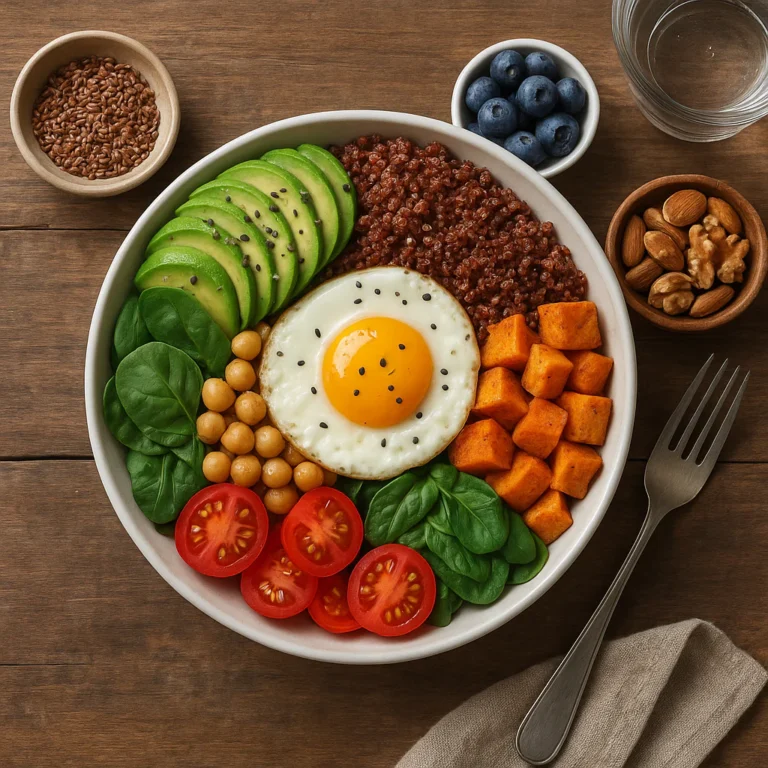
- Ingredients: Steel-cut oats, sautéed spinach, garlic, black beans, olive oil.
- Why it works: A complete meal with protein, fiber, and healthy fats.
Miso Soup: The Umami Wake-Up Call from Japan
Simple and warming.
- Ingredients: Miso paste, tofu, seaweed, green onions, dashi (or water).
- Why it works: Probiotics and umami flavor.
- 👉 Shop Miso: Amazon | Brand Official
Baked Sweet Potato with Turmeric & Ginger: The Anti-Inflammatory Start
The ultimate immune booster.
- Ingredients: Sweet potato, turmeric, ginger, black pepper, avocado.
- Why it works: Anti-inflammatory spices and healthy fats.
The Ultimate BZ Smoothie: Blend Your Way to Longevity
Green and delicious.
- Ingredients: Spinach, frozen banana, almond milk, flax seeds, ginger.
- Why it works: Quick, nutrient-dense, and hydrating.
Which recipe will you try first? We recommend starting with the Savory Oatmeal if you want to break the sweet breakfast cycle. It’s surprisingly delicious!
🧠 The Science of Longevity: Why These Breakfast Choices Matter for Your Health
Why do these specific foods lead to longer lives? It’s not magic; it’s biology.
The Role of Fiber
Blue Zone breakfasts are incredibly high in fiber. Fiber feeds the good bacteria in your gut, which produces short-chain fatty acids that reduce inflammation and improve insulin sensitivity.
- Fact: A diet high in fiber is linked to a 20-30% lower risk of heart disease and type 2 diabetes.
The Power of Polyphenols
Fruits, vegetables, tea, and spices are rich in polyphenols. These compounds act as antioxidants, protecting your cells from damage.
- Fact: The high intake of polyphenols in Blue Zones is linked to reduced cognitive decline.
The Impact of Glycemic Index
By avoiding refined sugars and focusing on whole grains and legumes, Blue Zone breakfasts have a low glycemic index. This means they provide a slow, steady release of energy, preventing the “crash” that leads to mid-morning snacking.
But what about the “breakfast is the most important meal” debate? While some studies suggest skipping breakfast can beneficial for intermittent fasting, the Blue Zone data suggests that front-loading calories with nutrient-dense foods is the key. It’s not about when you eat, but what you eat.
🛒 Top Brands and Products to Stock Your Blue Zone Pantry
You can’t make Blue Zone meals without the right ingredients. Here are our top picks for real brands that deliver quality.
Whole Grains & Legumes
- Bob’s Red Mill: Known for high-quality steel-cut oats and whole grain flours.
👉 CHECK PRICE on: Amazon | Walmart | Brand Official - Eden Foods: Excellent for organic beans and miso paste.
👉 CHECK PRICE on: Amazon | Brand Official
Nuts & Seeds
- Terrasoul Superfoods: Great for bulk chia seeds, flax seeds, and walnuts.
👉 CHECK PRICE on: Amazon | Brand Official - SunButer: The go-to for sunflower butter.
👉 CHECK PRICE on: Amazon | Brand Official
Spices & Teas
- Frontier Co-op: High-quality organic spices like turmeric and cinnamon.
👉 CHECK PRICE on: Amazon | Brand Official - Traditional Medicinals: Herbal teas like Sage and Dandelion.
👉 CHECK PRICE on: Amazon | Brand Official
💡 Quick Tips and Facts: 7 Surprising Habits of Blue Zone Breakfast Eaters
Let’s wrap up the facts with some surprising habits you can start today.
- Eat Slowly: Blue Zone residents take their time. It takes 20 minutes for your brain to register fullness.
- Socialize: Breakfast is often a social event. Eating with family or friends reduces stress and improves digestion.
- No Screens: They don’t scroll through phones while eating. They focus on the food and the conversation.
- Leftovers are Gold: In many Blue Zones, breakfast is just dinner leftovers. This reduces waste and ensures a balanced meal.
- Hydrate First: A glass of water before coffee or tea is a common habit.
- Seasonal Eating: They eat what is in season. This ensures maximum nutrient density.
- Mindful Portions: They stop eating when they are 80% full.
Ready to transform your morning? The journey to a longer, healthier life starts with the first bite of your breakfast.
Conclusion: Your Journey to a Longer, Healthier Morning Starts Here
So, what do Blue Zone people eat for breakfast? The answer is simple yet profound: Whole, plant-based foods, eaten with intention and joy.
Whether it’s a bowl of savory oatmeal with beans, a cup of miso soup, or a slice of sourdough with goat yogurt, the common thread is nutrient density. These communities don’t count calories; they count nutrients.
The Verdict:
- ✅ Do: Eat more beans, whole grains, and vegetables.
- ✅ Do: Embrace savory breakfasts.
- ✅ Do: Slow down and enjoy your meal.
- ❌ Don’t: Reach for sugary cereals or processed pastries.
- ❌ Don’t: Rush through your breakfast.
You don’t need to move to Okinawa or Sardinia to live like a centenarian. You just need to rethink your breakfast. Start small. Try one Blue Zone-inspired meal this week. Your body (and your future self) will thank you.
Still have questions? We’ve got answers in the FAQ section below!
🔗 Recommended Links for Further Reading
Dive deeper into the world of longevity and flexitarian eating with these resources:
- The Blue Zones Solution: Amazon | Brand Official
- How Not to Die: Amazon | Brand Official
- Flexitarian Diet Recipes: Flexitarian Recipes
- Benefits of Flexitarian Diet: Flexitarian Benefits
- 5 Unexpected Breakfast Foods from the Longest-Living People: Business Insider
❓ Frequently Asked Questions About Blue Zone Breakfasts
What role do fruits and vegetables play in Blue Zone breakfasts?
Fruits and vegetables are the foundation of every Blue Zone breakfast. They provide essential vitamins, minerals, fiber, and antioxidants. In Okinawa, sweet potatoes and bitter melon are staples. In Sardinia, it’s tomatoes and greens. They are eaten fresh, cooked, or fermented, but always in abundance.
How can I make a Blue Zone-inspired breakfast at home?
Start by swapping processed foods for whole foods. Replace sugary cereal with oatmeal topped with nuts and fruit. Try a savory option like beans on toast or a vegetable omelet (if you eat eggs). Use herbs and spices for flavor instead of salt or sugar.
Do Blue Zone communities eat dairy or meat for breakfast?
Rarely and in moderation. In Sardinia and Ikaria, small amounts of goat or sheep milk/yogurt and occasional eggs are consumed. In Loma Linda and Okinawa, meat and dairy are virtually non-existent at breakfast. The focus is always on plant-based proteins.
What whole foods do Blue Zone people include in their morning meals?
The core foods are beans, whole grains (oats, corn, barley), nuts, seeds, fruits, and vegetables. Fermented foods like miso and yogurt are also common.
Are Blue Zone breakfasts mostly plant-based?
Yes. While there are minor exceptions (like goat yogurt in Sardinia), the vast majority of the diet is plant-based. This is the key to their longevity.
How do Blue Zone breakfasts support longevity?
They are high in fiber, antioxidants, and healthy fats, which reduce inflammation, support heart health, and maintain stable blood sugar levels. They also promote a healthy gut microbiome.
What are common breakfast foods in Blue Zones?
- Okinawa: Miso soup, sweet potato, tofu.
- Sardinia: Goat yogurt, sourdough bread, honey.
- Nicoya: Rice and beans, corn tortillas, fruit.
- Ikaria: Herbal tea, sourdough, olive oil, eggs.
- Loma Linda: Oatmeal, nuts, soy milk.
Are eggs eaten in Blue Zones?
Occasionally. In Ikaria and Sardinia, eggs might be eaten a few times a week. In Loma Linda and Okinawa, they are rarely eaten. The focus is on plant-based proteins.
Do people in Blue Zones eat oatmeal?
Yes. Oatmeal is a staple in Loma Linda and Sardinia. It is always steel-cut or rolled, not instant, and topped with nuts and fruit.
What do people in Blue Zone eat for breakfast?
They eat a variety of whole, plant-based foods including beans, grains, fruits, vegetables, nuts, and seeds. The specific combination depends on the region.
What is a typical Blue Zone vegetarian breakfast?
A typical vegetarian breakfast might be a bowl of savory oatmeal with beans and greens, or a fruit and nut bowl with yogurt, or a miso soup with tofu.
Do Blue Zone people eat eggs for breakfast?
Sometimes. In some regions like Ikaria, eggs are eaten occasionally. However, they are not the main protein source. Plant-based proteins are preferred.
What whole grains do Blue Zone residents eat in the morning?
Oats, corn, barley, and whole wheat are common. They are always in their whole, unrefined form.
Are beans and legumes common in Blue Zone breakfasts?
Yes. Beans are the number one food in all Blue Zones. They are often eaten for breakfast, either in soups, stews, or as a side dish.
What fruits do Blue Zone people eat for breakfast?
Seasonal fruits like figs, papayas, bananas, berries, and melons. They are eaten fresh or dried, but never in the form of juice or syrup.
How much sugar do Blue Zone people consume at breakfast?
Very little. Added sugars are virtually non-existent. Sweetness comes from fruit or a small amount of honey.
What are some easy Blue Zone inspired vegetarian breakfast recipes?
- Savory Oatmeal: Oats cooked with vegetable broth, topped with sautéed greens and beans.
- Chia Pudding: Chia seeds soaked in almond milk with vanilla and berries.
- Sweet Potato Toast: Sliced sweet potato topped with avocado and hemp seeds.
- Miso Soup: Miso paste dissolved in hot water with tofu and seaweed.
📚 Reference Links and Scientific Sources
- Dan Buettner, The Blue Zones: Blue Zones Official Site
- National Institute on Aging: Blue Zones Research
- Harvard T.H. Chan School of Public Health: The Nutrition Source – Beans
- American Heart Association: Fiber and Heart Health
- Business Insider: 5 Breakfast Foods from the Areas People Live the Longest
- Road Scholar: What Do People Who Live to Be 10 Eat for Breakfast?
- Blue Zones: Best Breakfast Ideas for Eating Breakfast Like a King