Support our educational content for free when you buy through links on our site. Learn more
25 Flexitarian Breakfast Ideas to Power Your Morning 🌱

The best flexitarian breakfast combines a plant-forward base with satisfying protein, such as oats with Greek yogurt and berries, tofu scramble with whole-grain toast, or black beans with eggs and avocado. You get the fiber and variety of mostly vegetarian eating without banning the occasional egg, yogurt, smoked salmon, or rasher of bacon.
We recommend using this simple formula: protein + high-fiber carbohydrate + fruit or vegetables + a little healthy fat. It takes breakfast from “coffee and optimistic thoughts” to a meal that can genuinely carry you through the morning.
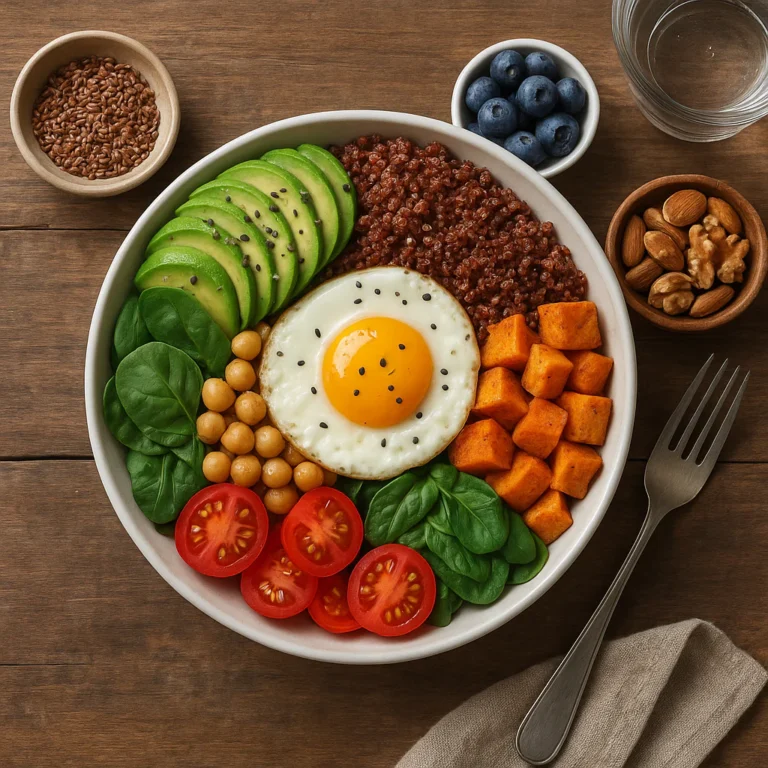
A few years ago, one of our coaches rescued a hectic Monday with leftover roasted sweet potato, black beans, spinach, and a fried egg. It looked like fridge confetti, tasted like a breakfast bowl from a very competent café, and became a weekly staple. That is the charm of flexitarian eating: flexible ingredients, no perfectionism, and plenty of flavor.
Key Takeaways
- Build breakfast around plants: Use oats, beans, lentils, tofu, whole grains, fruit, and vegetables as the foundation.
- Include reliable protein: Eggs, Greek yogurt, cottage cheese, soy milk, tempeh, tofu, beans, seafood, and occasional meat all fit.
- Use a simple formula: Combine protein, fiber-rich carbohydrates, produce, and healthy fats for better satisfaction.
- Keep meat optional: Bacon, sausage, salmon, or chicken can appear occasionally, preferably as a supporting ingredient rather than the main event.
- Meal prep strategically: Batch-cook grains, roasted vegetables, beans, tofu, or egg muffins for quick weekday breakfasts.
- Make it taste exciting: Salsa, harissa, curry powder, herbs, citrus, smoked paprika, and chili crisp can turn humble ingredients into breakfast heroes.
- Watch key nutrients: Mostly plant-based eaters should pay attention to iron, vitamin B12, calcium, vitamin D, zinc, and omega-3 fats.
Table of Contents
- ⚡ Quick Tips and Facts About Flexitarian Breakfasts
- 🌱 What Is a Flexitarian Breakfast? Plant-Forward Eating With Flexible Choices
- How Flexitarian Breakfast Differs From Vegetarian, Vegan, Mediterranean, and Omnivore Diets
- The Flexitarian Family: Making Plant-Forward Mornings Work for Everyone
- A Brief History of Flexible, Plant-Based Eating
- 🍳 What Goes Into a Balanced Flexitarian Breakfast?
- Protein-Rich Breakfast Foods: Eggs, Tofu, Yogurt, Beans, and Meat
- Whole-Grain Carbohydrates and High-Fiber Breakfast Ideas
- Healthy Fats, Fruits, Vegetables, and Micronutrients
- How Much Protein Should Breakfast Provide?
- 🛒 The Flexitarian Breakfast Grocery List
- Best Plant-Based Staples for Quick Morning Meals
- Smart Meat and Seafood Choices for Occasional Breakfasts
- Recommended Brands for Yogurt, Tofu, Oats, Bread, and Meat Alternatives
- ⏱️ 25 Flexitarian Breakfast Ideas for Busy Mornings
- Overnight Oats With Berries, Chia Seeds, and Greek Yogurt
- Curied Tofu Scramble With Spinach and Avocado
- Smashed Avocado Toast With a Poached Egg and Harissa
- Individual Vegetable Frittatas With Feta
- Waffle-Maker Hash Browns With Eggs and Salsa
- Carot Halwa Oatmeal With Pistachios and Cardamom
- Maple-Orange Bread Pudding French Toast
- Black Bean Breakfast Burritos With Sweet Potato
- Chickpea Flour Soca With Roasted Vegetables
- Cottage Cheese Toast With Tomatoes and Everything Seasoning
- Peanut Butter Banana Protein Smoothie
- Smoked Salmon, Cucumber, and Dill Rye Toast
- Mushroom and Spinach Breakfast Quesadillas
- Apple Cinnamon Quinoa Breakfast Bowl
- Tempeh Bacon, Egg, and Tomato Sandwich
- Shakshuka With White Beans and Crusty Whole-Grain Bread
- Greek Yogurt Parfait With Granola and Seasonal Fruit
- Savory Oatmeal With Mushrooms, Egg, and Scallions
- Bana-Oat Blender Pancakes With Berry Compote
- Lentil Breakfast Patties With Herbed Yogurt
- Warm Bacon, Honey, Asparagus, and Frisée Breakfast Salad
- Mediterranean Breakfast Bowl With Hummus and Soft-Boiled Eggs
- Miso Tofu Breakfast Rice Bowl
- Whole-Wheat Waffles With Fruit and Ricotta
- Plant-and-Meat Blended Breakfast Patties
- 🥣 Make-Ahead Flexitarian Breakfasts for Meal Prep
- Freezer-Friendly Breakfast Burritos and Sandwiches
- Overnight Oats, Chia Pudding, and Breakfast Jars
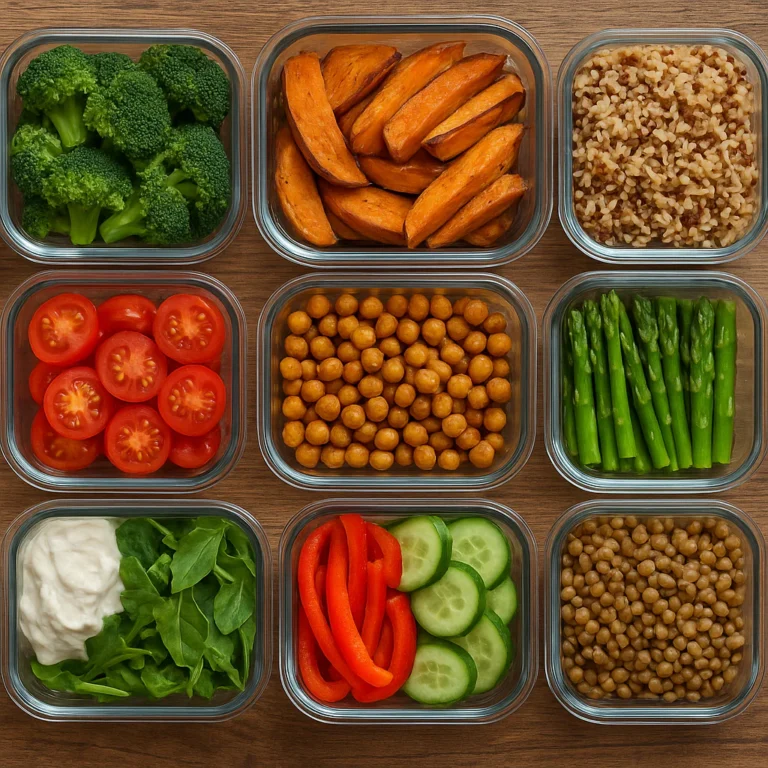
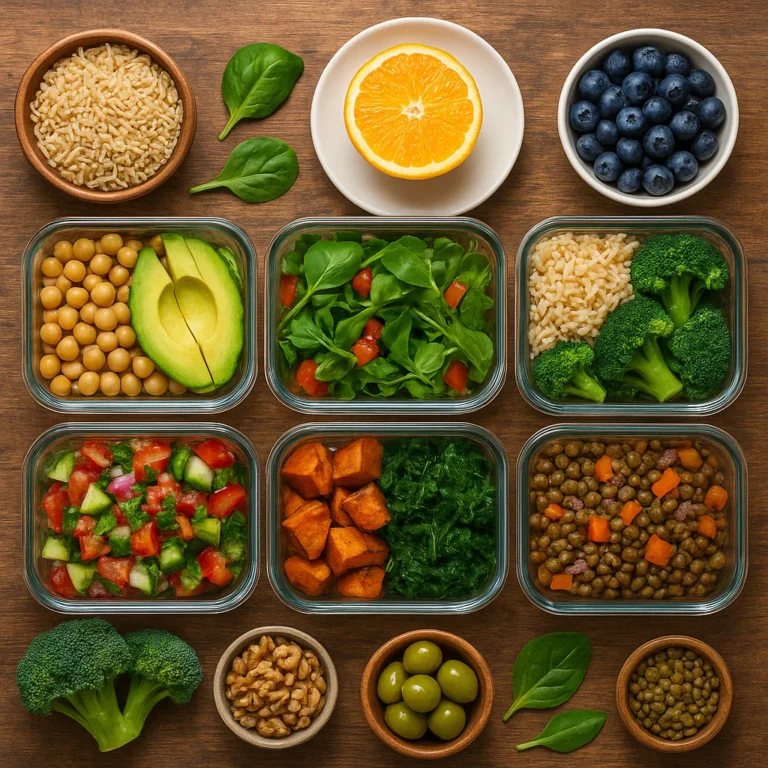
- Batch-Cooked Eggs, Grains, Beans, and Roasted Vegetables
- How Long Prepared Breakfasts Keep Safely
- 💪 High-Protein Flexitarian Breakfasts for Energy and Satiety
- High-Protein Vegetarian Breakfast Combinations
- Breakfasts for Strength Training and Active Mornings
- Post-Workout Flexitarian Breakfast Ideas
- 🎯 Flexitarian Breakfasts for Weight Management and Blood Sugar
- Fiber-Rich Foods That Help You Stay Full
- Lower-Sugar Breakfast Swaps
- Balanced Breakfasts for Steadier Energy
- 👨 👩 👧 👦 Family-Friendly Flexitarian Breakfasts
- Kid-Approved Plant-Forward Breakfast Recipes
- Allergen-Friendly Swaps for Dairy, Eggs, Gluten, and Nuts
- How to Serve Meat as an Optional Topping
- 🌍 Global Flavors for a More Exciting Flexitarian Morning
- Mexican-Inspired Breakfasts With Beans and Salsa
- Indian-Inspired Oatmeal, Tofu, and Egg Dishes
- Mediterranean Breakfasts With Legumes and Whole Grains
- Japanese-Inspired Miso, Rice, and Tofu Breakfasts
- 🥓 Meat, Eggs, and Seafood in a Flexitarian Breakfast
- Choosing Less-Processed Meat
- Plant-and-Meat Blended Recipes That Stretch Flavor and Nutrition
- Sustainable Seafood and Lower-Impact Breakfast Options
- 🌿 Sustainable Flexitarian Breakfast Choices
- Seasonal Produce, Food Waste, and Budget-Friendly Cooking
- How Plant-Forward Breakfasts Affect the Environment
- Buying Organic, Local, and Responsibly Raised Foods
- ☕ Drinks to Pair With a Flexitarian Breakfast
- Coffee, Tea, Smoothies, and Fortified Plant Milks
- How to Limit Added Sugar in Breakfast Drinks
- ✅ Flexitarian Breakfast Dos and ❌ Common Mistakes
- Avoiding Ultra-Processed “Health” Foods
- Getting Enough Iron, Vitamin B12, Calcium, and Omega-3s
- When Supplements or Professional Advice May Help
- 📅 How to Build a 7-Day Flexitarian Breakfast Plan
- A Simple Breakfast Formula for Every Day
- Sample Weekday and Weekend Meal Plan
- Mix-and-Match Ingredient Chart
- 💡 Quick Substitutions and Cooking Tips
- Vegan, Vegetarian, Gluten-Free, and Dairy-Free Swaps
- How to Make Plant-Based Breakfasts More Satisfying
- Flavor Boosters: Herbs, Spices, Sauces, and Toppings
- ❓ Frequently Asked Questions About Flexitarian Breakfast
- 🏁 Conclusion: Start With One Delicious Plant-Forward Breakfast
- 🔗 Recommended Links
- 💬 FAQ
- 📚 Reference Links
Quick Tips and Facts About Flexitarian Breakfasts
For a delicious starting point, browse our guide to 50 Iresistible Flexitarian Breakfast Recipes to Kickstart Your Day! 🥑. A flexitarian breakfast usually centers on plants, then leaves room for eggs, dairy, seafood, or meat when you genuinely want them.
The simplest formula we use at Flexitarian Diet™ is:
Protein + high-fiber carbohydrate + produce + satisfying fat
That might look like Greek yogurt, berries, oats, and walnuts; or a tofu scramble with whole-grain toast and avocado. No breakfast police are issuing citations for choosing an egg.
The 60-Second Flexitarian Breakfast Formula
| Breakfast component | Good choices | Why it earns a place |
|---|---|---|
| Protein | Tofu, eggs, Greek yogurt, cottage cheese, beans, tempeh, smoked salmon | Supports fullness and muscle repair |
| Fiber-rich carbohydrate | Oats, potatoes, quinoa, whole-grain bread, fruit | Provides energy and digestive benefits |
| Produce | Berries, spinach, tomatoes, peppers, mushrooms | Adds vitamins, minerals, color, and volume |
| Healthy fat | Avocado, nuts, seeds, olive oil, tahini | Improves flavor and satisfaction |
| Flavor | Salsa, harissa, cinnamon, herbs, curry powder | Makes “healthy” taste like actual food |
The Harvard T.H. Chan School of Public Healthy Eating Plate similarly emphasizes vegetables and fruit, whole grains, and healthy protein sources. We use that as a practical compass rather than treating breakfast like a chemistry exam.
Five Fast Facts
- Flexitarian does not mean meat-free. It means eating mostly plant foods while keeping animal products flexible.
- A meatless breakfast can be high-protein. Tofu, eggs, dairy, beans, lentils, and soy milk make that easy.
- Fiber matters. Adults generally need around 25–38 grams of fiber daily, depending on age and sex, according to the National Academies.
- Processed meat is not the same as minimally processed meat. Bacon and sausage can fit occasionally, but they should not be the daily foundation.
- Breakfast is optional. If you are not hungry in the morning, a later balanced meal can work perfectly well. The body does not own an alarm clock.
A Quick Breakfast Quality Check
✅ Contains a meaningful protein source
✅ Includes fruit or vegetables
✅ Uses whole grains or another high-fiber carbohydrate
✅ Limits added sugar
✅ Is satisfying enough to prevent desperate 10:37 a.m. pastry negotiations
❌ A giant sweetened coffee plus a muffin every morning
❌ Calling a smoothie “balanced” when it contains only fruit juice and fruit
❌ Assuming every plant-based packaged food is automatically nutritious
❌ Eating bacon because it is the only available protein, then deciding flexitarianism has failed
Our Coaches’ Morning Shortcut
When mornings are chaotic, we prepare one protein, one grain, and one produce component in advance:
- Bake or scramble tofu, eggs, or a bean mixture.
- Cook oats, quinoa, potatoes, or brown rice.
- Wash fruit or roast vegetables.
- Assemble different combinations throughout the week.
That approach keeps breakfast flexible without requiring a sunrise farmers’ market expedition.
What Is a Flexitarian Breakfast? Plant-Forward Eating With Flexible Choices
A flexitarian breakfast is a mostly vegetarian, plant-forward morning meal that can include animal products according to your preferences, culture, budget, health goals, and appetite.
The word “flexitarian” combines flexible and vegetarian. The Academy of Nutrition and Dietics recognizes that well-planned vegetarian-style eating patterns can meet nutritional needs, while a flexitarian pattern adds practical flexibility.
The article Flexitarian Breakfast: 7 Recipes to Start Your Morning describes flexitarian eating as “a more flexible approach to vegetarian eating.” That is a useful plain-English definition. We would add one important detail: the quality of the overall pattern matters more than counting every bite of meat.
What a Flexitarian Breakfast Usually Includes
A typical plate might feature:
- Plants first: vegetables, fruit, beans, oats, whole grains, nuts, or seeds
- A reliable protein: tofu, tempeh, eggs, yogurt, cottage cheese, legumes, or occasional meat
- Mostly minimally processed ingredients
- Room for enjoyment: maple syrup on French toast, cheese in a frittata, or bacon scattered over a salad
Think of meat and seafood as optional supporting players, not the lead actor in every breakfast production.
The Three Flexitarian Lanes
There is no universal rulebook, but these three lanes help people identify their preferred level of flexibility:
| Lane | Typical pattern | Example breakfast |
|---|---|---|
| Plant-forward | Plants at nearly every meal; animal foods occasional | Tofu scramble with potatoes and spinach |
| Balanced flexitarian | Vegetarian breakfasts most days; eggs, dairy, seafood, or meat included regularly but selectively | Avocado toast with egg; smoked salmon toast on another day |
| Gentle transition | Gradually replacing some meat-centered meals | Half plant-based breakfast paty with half lean meat |
Our health coaches recommend choosing a lane that is realistic enough to repeat. A perfect plan that collapses by Thursday is less helpful than an imperfect plan you can enjoy for years.
How This Fits Into the Wider Flexitarian Lifestyle
Breakfast is a manageable place to start because many classic morning foods already adapt easily:
- Replace sausage with mushrooms, beans, or tempeh.
- Add spinach, peppers, or tomatoes to eggs.
- Use lentils or black beans in burritos.
- Blend silken tofu into smoothies.
- Choose oats with nuts and fruit instead of a sugary pastry.
For more practical guidance, explore our Flexitarian Basics and Flexitarian Lifestyle categories.
How Flexitarian Breakfast Differs From Vegetarian, Vegan, Mediterranean, and Omnivore Diets
These eating patterns overlap, but they are not interchangeable. A tofu scramble does not automatically tell us someone’s entire dietary identity.
| Eating pattern | Animal foods | Main emphasis | Breakfast example |
|---|---|---|---|
| Flexitarian | Allowed, usually reduced | Mostly plants with personal flexibility | Oatmeal most days; egg or salmon occasionally |
| Vegetarian | Usually excludes meat, poultry, and seafood | Plant foods, dairy, and/or eggs depending on subtype | Vegetable frittata with yogurt |
| Vegan | Excludes animal-derived foods | Entirely plant-based eating | Tofu scramble with fortified soy milk |
| Mediterranean-style | Fish, dairy, eggs, and occasional meat may appear | Vegetables, legumes, whole grains, olive oil, seafood | Beans, tomatoes, whole-grain bread, and egg |
| Omnivore | No categorical exclusions | Animal and plant foods | Sausage, eggs, toast, and fruit |
The Mediterranean diet pattern and flexitarian eating both emphasize vegetables, legumes, whole grains, nuts, and healthier fats. The practical distinction is that “Mediterranean” describes a regional eating pattern, while “flexitarian” describes a flexible reduction in animal foods.
What Can We Trust When Definitions Conflict?
Some articles imply that flexitarians must eat meat only a few times per week. Others leave the frequency completely open. Neither position is a universal medical standard. There is no single official flexitarian quota.
Trust these principles instead:
- Make plant foods the foundation.
- Reduce highly processed meat.
- Include enough protein, fiber, iron, calcium, vitamin B12, and omega-3 fats.
- Adjust the pattern to your health needs and culture.
- Avoid turning a flexible approach into a rigid diet identity.
The Flexitarian Family: Making Plant-Forward Mornings Work for Everyone
Family breakfasts often resemble a tiny restaurant where every customer has a different menu and someone is crying because a blueberry “looks wet.” Flexitarian meals work well here because the base can be shared while toppings stay optional.
The Build-Your-Own Breakfast Strategy
Prepare a few components:
- Whole-grain tortillas or toast
- Scrambled eggs or tofu
- Black beans
- Roasted potatoes
- Fruit
- Salsa
- Shredded cheese
- Avocado
- Optional cooked bacon or sausage
Children can assemble a breakfast burrito, adults can add hot sauce, and meat eaters can use a small amount of sausage without turning the entire meal into a meat-centered plate.
Family-Friendly Meal Design
| Goal | Helpful approach |
|---|---|
| Reduce food waste | Serve small portions and allow seconds |
| Encourage vegetables | Offer familiar vegetables beside one new option |
| Avoid mealtime battles | Let children choose from a limited selection |
| Include meat eaters | Serve meat separately as an optional topping |
| Increase protein | Add yogurt, eggs, tofu, beans, or nut butter |
| Keep mornings calm | Prep components on weekends |
We avoid labeling foods “good” or “bad” around children. Instead, we talk about foods that help us feel energized, foods we enjoy, and foods we eat sometimes. The American Academy of Pediatrics supports responsive feeding approaches that help children develop a healthy relationship with food.
A Brief History of Flexible, Plant-Based Eating

People have combined grains, legumes, vegetables, dairy, eggs, and occasional meat for centuries. Traditional cuisines across South Asia, the Mediterranean, Latin America, and East Asia often feature plant foods as the main event, with animal products used selectively for flavor, celebration, or availability.
The modern word flexitarian became popular in the early 200s as more people looked for a middle ground between an unrestricted omnivorous diet and strict vegetarian or vegan eating. Today, the pattern is often connected with:
- Personal health goals
- Environmental concerns
- Animal welfare
- Food affordability
- Cultural eating traditions
- A desire for flexibility rather than dietary perfection
Our perspective is deliberately practical: you do not need to adopt a label to eat more plants. The label is useful only if it helps you make choices that feel sustainable.
What Goes Into a Balanced Flexitarian Breakfast?
A balanced breakfast does not need to be elaborate. It needs enough protein, fiber, energy, and flavor to support the morning ahead.
The Core Plate
Use this visual guide:
 ┌────────────────┐
 │ ½ Produce │
 │ vegetables and/or fruit │
 ├────────┬────────┤
 │ ¼ Protein │ ¼ Whole │
 │ tofu, eggs, │ grain or │
 │ yogurt, │ starchy veg │
 │ beans, fish │ oats, toast │
 └────────┴────────┘
 + healthy fat: nuts, seeds, avocado, olive oil
``

This is a breakfast adaptation of the [Harvard Healthy Eating Plate](https://www.hsph.harvard.edu/nutritionsource/healthy-eating-plate/), not a requirement to measure your food with a ruler.

### A Practical Nutrition Target

For many adults, a breakfast with roughly **20–30 grams of protein** can be a useful starting point, especially for active people or those who struggle with morning hunger. Individual requirements vary with body size, age, activity level, pregnancy, medical conditions, and total daily intake.

| Breakfast | Approximate protein profile |
|---|---|
| Oats with chia, peanut butter, and soy milk | Moderate to high |
| Greek yogurt, berries, granola, and hemp seeds | High |
| Tofu scramble with whole-grain toast | Moderate to high |
| Avocado toast alone | Low to moderate |
| Smoothie made with fruit juice only | Low |

Numbers are estimates and depend on portions and brands. For specific nutrition needs, consult a registered dietitian through the [Academy of Nutrition and Dietics](https://www.eatright.org/find-a-nutrition-expert).

### Why Fiber Deserves Breakfast Billing

Fiber supports digestive health, helps increase fullness, and is associated with better cardiometabolic health. Beans, oats, berries, pears, chia seeds, flaxseed, whole-grain bread, and vegetables are excellent choices. The [U.S. Dietary Guidelines](https://www.dietaryguidelines.gov/) recommend emphasizing fiber-rich foods within a healthy dietary pattern.

A simple upgrade:

- White toast → whole-grain toast
- Sugary cereal → oats with fruit and seeds
- Fruit juice → whole fruit
- Meat-only breakfast → beans, vegetables, or tofu alongside it

---

## Protein-Rich Breakfast Foods: Eggs, Tofu, Yogurt, Beans, and Meat

Protein is often the first question people ask when reducing meat. Our answer: **look at the whole breakfast, not one ingredient**.

### Plant and Animal Protein Options

| Food | Flexitarian role | Practical tip |
|---|---|---|
| Extra-firm tofu | Vegan scramble or hash | Press, crumble, and season assertively |
| Tempeh | Firm, nuty protein | Crumble into breakfast tacos |
| Fortified soy milk | Smoothies and oats | Choose unsweetened when possible |
| Greek yogurt | High-protein dairy option | Pair with fruit and seeds |
| Cottage cheese | Toast, bowls, pancakes | Add savory toppings, not only pineapple |
| Eggs | Versatile vegetarian protein | Combine with vegetables and whole grains |
| Black beans | Burritos and bowls | Add salsa, lime, and cumin |
| Lentils | Patties and savory bowls | Use cooked leftovers |
| Smoked salmon | Occasional seafood choice | Pair with rye bread and cucumber |
| Chicken or lean meat | Optional component | Use a modest portion with plant foods |

### Tofu Scramble: The Texture Trick

Tofu can be wonderfully satisfying or resemble a damp kitchen sponge. The difference is usually preparation:

1. Choose **extra-firm tofu**.
2. Drain and press it for 10–20 minutes.
3. Crumble into irregular pieces.
4. Cook vegetables until their water evaporates.
5. Add tofu and let it brown slightly.
6. Season with turmeric, cumin, garlic, pepper, and black salt.
7. Finish with lemon juice or nutritional yeast.

Brands such as [Nasoya](https://www.nasoya.com/) and [Tofurky](https://tofurky.com/) offer useful plant-based options, though labels and availability vary.

### Eggs Without the Breakfast Rut

Eggs fit a flexitarian pattern beautifully, but they do not have to appear as a lonely fried oval beside toast. Try:

- Egg and black bean tacos
- Vegetable frittata cups
- Shakshuka with white beans
- Poached egg over avocado toast
- Soft-boiled egg on a grain bowl

### Dairy and Plant-Based Yogurt

Greek yogurt and skyr provide concentrated protein. Plant-based yogurts vary widely: coconut yogurt is often creamy but lower in protein, while soy yogurt may offer more. Check the nutrition panel for:

- Protein
- Added sugar
- Calcium
- Vitamin D
- Vitamin B12 in fortified products

---

## Whole-Grain Carbohydrates and High-Fiber Breakfast Ideas

Carbohydrates are not breakfast villains. They provide fuel, especially for active people. The better question is: **which carbohydrates bring fiber, nutrients, and staying power?**

### High-Fiber Choices

- Steel-cut or rolled oats
- Quinoa
- Barley
- Whole-grain bread
- Sprouted-grain bread
- Sweet potatoes
- Beans and lentils
- Fresh fruit
- Chia and ground flaxseed

Brands such as [Bob’s Red Mill](https://www.bobsredmill.com/) and [Food for Life](https://www.foodforlife.com/) offer common whole-grain staples, but always check the ingredient list and serving information.

### The “Carb Plus” Rule

Pair a carbohydrate with protein or fat:

- Banana + peanut butter
- Oats + Greek yogurt
- Toast + eggs
- Potato + beans
- Fruit + cottage cheese
- Whole-grain waffle + ricotta and berries

This combination tends to be more satisfying than eating a carbohydrate alone, although individual responses differ.

---

## Healthy Fats, Fruits, Vegetables, and Micronutrients

Healthy fats make breakfast taste better and can help a meal feel complete:

- Avocado
- Walnuts
- Almonds
- Pumpkin seeds
- Chia seeds
- Flaxseed
- Olive oil
- Tahini
- Nut butter

Add colorful produce for vitamin C, carotenoids, potassium, folate, and polyphenols. A breakfast with spinach, berries, tomatoes, peppers, or citrus is doing more nutritional work than a beige pastry army.

### Key Nutrients to Watch

| Nutrient | Flexitarian sources | Why it matters |
|---|---|---|
| Iron | Lentils, beans, tofu, spinach, eggs, meat | Oxygen transport and energy metabolism |
| Vitamin B12 | Dairy, eggs, seafood, meat, fortified foods | Nerve and blood-cell health |
| Calcium | Dairy, fortified soy milk, tofu, tahini | Bones and muscle function |
| Vitamin D | Fortified foods, eggs, fatty fish, sunlight exposure | Bone and immune function |
| Omega-3 fats | Chia, flax, walnuts, salmon, sardines | Cardiovascular and brain health |
| Zinc | Beans, seeds, dairy, eggs, meat | Immune and metabolic functions |

The [National Institutes of Health Office of Dietary Supplements](https://ods.od.nih.gov/) provides detailed nutrient fact sheets. People eating fully vegan breakfasts most of the time should pay special attention to **reliable vitamin B12-fortified foods or supplementation**.

---

## How Much Protein Should Breakfast Provide?

There is no magical breakfast protein number for every person. A useful range for many adults is **20–30 grams**, but a smaller breakfast can be appropriate for someone who eats more later, while a larger serving may suit an athlete or someone with high energy needs.

### Protein by Activity Level

| Person | Breakfast consideration |
|---|---|
| Sedentary adult | Prioritize overall daily balance and satiety |
| Strength trainee | Include a substantial protein serving and carbohydrates |
| Endurance athlete | Include carbohydrates plus moderate protein |
| Older adult | Protein-rich meals may support muscle maintenance |
| Person with low appetite | Use compact options such as yogurt, eggs, tofu, or smoothies |

The [International Society of Sports Nutrition](https://jissn.biomedcentral.com/articles/10.1186/s12970-017-017-8) discusses protein distribution and exercise nutrition, though individual medical advice should come from a qualified professional.

---

## The Flexitarian Breakfast Grocery List

A well-stocked kitchen makes plant-forward eating feel less like a moral challenge and more like dinner with better lighting.

### Fresh and Frozen Produce

- Spinach
- Bell peppers
- Mushrooms
- Tomatoes
- Asparagus
- Potatoes and sweet potatoes
- Banas
- Apples
- Berries
- Oranges
- Frozen mango and cherries

Frozen fruit and vegetables are often convenient, nutritious, and less likely to become a sad science experiment in the refrigerator drawer.

### Pantry Essentials

- Roled oats
- Whole-grain bread
- Quinoa
- Brown rice
- Black beans
- Chickpeas
- Lentils
- Chia seeds
- Ground flaxseed
- Pumpkin seeds
- Nut butter
- Canned tomatoes
- Salsa
- Harissa
- Spices
- Maple syrup or dates

### Refrigerated Proteins

- Eggs
- Greek yogurt
- Cottage cheese
- Extra-firm tofu
- Tempeh
- Fortified soy milk
- Cheese in modest portions

### Occasional Animal Proteins

- Smoked salmon
- Sardines
- Chicken
- Lean pork
- Bacon or sausage for flavor-focused meals rather than everyday staples

The [USDA MyPlate](https://www.myplate.gov/) offers a useful framework for balancing food groups, while our [Flexitarian Food Shopping Tips](https://www.flexitariandiet.org/category/flexitarian-food-shopping-tips/) category focuses on making the cart practical.

---

## Best Plant-Based Staples for Quick Morning Meals

### Our “Emergency Breakfast” Kit

Keep these on hand:

1. Roled oats
2. Shelf-stable soy milk
3. Frozen berries
4. Banas
5. Peanut or almond butter
6. Whole-grain tortillas
7. Canned beans
8. Salsa
9. Eggs or tofu
10. Chia or ground flaxseed

With those ingredients, you can make oatmeal, smoothies, burritos, toast, bowls, or scrambles without negotiating with an empty refrigerator.

### Best Convenience Foods

✅ Frozen vegetables
✅ Canned low-sodium beans
✅ Microwaveable whole grains
✅ Pre-washed greens
✅ Plain Greek yogurt
✅ Vacuum-packed cooked lentils
✅ Frozen fruit

❌ Sugary cereal marketed as “natural”
❌ Plant-based patties with very high sodium eaten every morning
❌ Juice used as the main smoothie liquid
❌ Tiny granola portions disguised as a complete breakfast

---

## Smart Meat and Seafood Choices for Occasional Breakfasts

Flexitarian eating is not a contest to find the most ethically perfect piece of bacon. We recommend focusing on **frequency, portion, processing, and the rest of the plate**.

### Better Breakfast Meat Habits

- Use bacon as a garnish rather than the primary protein.
- Choose less-processed options more often.
- Pair meat with vegetables, beans, fruit, or whole grains.
- Consider seafood such as salmon or sardines when it suits your preferences.
- Buy only what you can use to reduce waste.

The [World Health Organization](https://www.who.int/news-room/questions-and-answers/item/cancer-carcinogenicity-of-the-consumption-of-red-meat-and-processed-meat) distinguishes processed meat from unprocessed red meat and discusses associated health evidence. That does not mean one breakfast sandwich determines your health; it means **habitual intake deserves attention**.

### A Small Amount Can Do a Lot

Try:

- Two slices of bacon chopped into a vegetable frittata
- A little smoked salmon over rye toast
- A small amount of sausage mixed with lentils
- Chicken added to a bean-and-vegetable breakfast bowl

This is the “seasoning, not centerpiece” approach.

---

## Recommended Brands for Yogurt, Tofu, Oats, Bread, and Meat Alternatives

Brand quality varies by product, and formulations change, so read the label. These are useful starting points rather than universal winners.

| Category | Brands to explore | What to check |
|---|---|---|
| Oats | Bob’s Red Mill, Quaker, McCann’s | Plain ingredients and fiber |
| Greek yogurt | FAGE, Chobani, Sigi’s | Protein and added sugar |
| Plant milk | Silk, Califia Farms, Oatly | Fortification and sugar |
| Tofu | Nasoya, House Foods, Wildwood | Protein, firmness, ingredients |
| Tempeh | Lightlife, Tofurky | Protein and sodium |
| Whole-grain bread | Dave’s Killer Bread, Food for Life, Ezekiel 4:9 | Whole grain as a leading ingredient |
| Meat alternatives | MorningStar Farms, Beyond Meat, Impossible Foods | Sodium, protein, processing |
| Nut butter | Justin’s, MaraNatha, Smucker’s Natural | Added sugar and oils |

👉 **Shop these brands:**

- **Oats:** [Amazon](https://www.amazon.com/s?k=Bob%27s+Red+Mill+old+fashioned+oats&tag=bestbrands0a9-20) | [Walmart](https://www.walmart.com/search?q=Bob%27s+Red+Mill+old+fashioned+oats) | [Bob’s Red Mill Official Website](https://www.bobsredmill.com/)
- **Greek yogurt:** [Amazon](https://www.amazon.com/s?k=FAGE+Greek+yogurt&tag=bestbrands0a9-20) | [Walmart](https://www.walmart.com/search?q=FAGE+Greek+yogurt) | [FAGE Official Website](https://usa.fage/)
- **Tofu:** [Amazon](https://www.amazon.com/s?k=extra+firm+tofu&tag=bestbrands0a9-20) | [Nasoya Official Website](https://www.nasoya.com/) | [House Foods Official Website](https://www.house-foods.com/)
- **Plant milk:** [Amazon](https://www.amazon.com/s?k=unsweetened+fortified+soy+milk&tag=bestbrands0a9-20) | [Walmart](https://www.walmart.com/search?q=unsweetened+fortified+soy+milk) | [Silk Official Website](https://silk.com/)
- **Whole-grain bread:** [Amazon](https://www.amazon.com/s?k=Food+for+Life+Ezekiel+4%3A9+bread&tag=bestbrands0a9-20) | [Walmart](https://www.walmart.com/search?q=Food+for+Life+Ezekiel+4%3A9+bread) | [Food for Life Official Website](https://www.foodforlife.com/)

---

## 25 Flexitarian Breakfast Ideas for Busy Mornings

The following recipes combine **plant-forward ingredients, flexible protein options, and realistic preparation**. Several ideas were inspired by common flexitarian breakfast formats, including the seven recipes highlighted by ButcherBox. We have expanded the concepts to make them more balanced and adaptable.

### 1. Overnight Oats With Berries, Chia Seeds, and Greek Yogurt

**Ingredients:**

- Roled oats
- Plain Greek yogurt or soy yogurt
- Unsweetened soy milk
- Chia seeds
- Berries
- Cinnamon
- Optional walnuts or hemp seeds

**Method:**

1. Stir oats, yogurt, milk, chia, and cinnamon in a jar.
2. Refrigerate overnight.
3. Add berries and nuts in the morning.
4. Adjust texture with extra milk.

**Why it works:** Fiber from oats and chia meets protein from yogurt or soy milk. For a vegan version, use soy yogurt and fortified soy milk.

**Brand tip:** [Chobani](https://www.chobani.com/) and [Silk](https://silk.com/) offer convenient options, but choose plain varieties when possible.

### 2. Curied Tofu Scramble With Spinach and Avocado

The original ButcherBox recipe describes extra-firm tofu, vegetables, curry spices, and black salt. We love the concept because it turns tofu into something savory and breakfast-worthy rather than asking it to impersonate an egg with no seasoning.

**Method:**

1. Press extra-firm tofu.
2. Sauté onion, peppers, and mushrooms.
3. Crumble in tofu.
4. Add curry powder, cumin, garam masala, turmeric, and black salt.
5. Fold in spinach.
6. Serve with avocado and whole-grain toast.

**Drawback:** Tofu can stick if the pan is too dry. Use a nonstick skillet or a little olive oil.

### 3. Smashed Avocado Toast With a Poached Egg and Harissa

The original recipe highlights “fiery harissa and runy eggs.” That pairing earns its reputation.

**Method:**

1. Toast whole-grain bread.
2. Mash avocado with lemon juice, salt, and pepper.
3. Poach or soft-boil an egg.
4. Spread avocado over toast.
5. Add the egg and a small spoonful of harissa.
6. Finish with pumpkin seeds or chopped herbs.

**Vegan swap:** Use seasoned white beans or marinated tofu instead of egg.

**Watch-out:** Avocado toast alone may not provide enough protein for some people. Add an egg, beans, yogurt, or tofu.

### 4. Individual Vegetable Frittatas With Feta

Individual frittatas are excellent for families because each muffin cup can be customized.

**Ingredients:**

- Eggs
- Broccoli
- Bell peppers
- Cherry tomatoes
- Mushrooms
- Spinach
- Feta
- Optional chopped bacon or sausage

**Method:**

1. Heat the oven and grease a muffin tin.
2. Cook watery vegetables first.
3. Whisk eggs with pepper and a little milk.
4. Divide vegetables among cups.
5. Pour in egg mixture.
6. Add feta or a small amount of meat.
7. Bake until set.

**Meal-prep note:** Cool promptly and refrigerate. Reheat gently to avoid rubbery eggs.

### 5. Waffle-Maker Hash Browns With Eggs and Salsa

The ButcherBox version uses a baseball-sized mound of shredded potato. We prefer a smaller portion for easier cooking.

**Method:**

1. Grate potatoes.
2. Squeeze out excess moisture with a clean towel.
3. Season with salt, pepper, and paprika.
4. Oil the waffle maker.
5. Add potatoes and cook until deeply crisp.
6. Serve with eggs, salsa, fruit, or beans.

**Why squeeze?** Water is the sworn enemy of crisp potatoes.

### 6. Carot Halwa Oatmeal With Pistachios and Cardamom

This oatmeal takes inspiration from the “spiced carrot cake vibes” described in the ButcherBox recipe.

**Method:**

1. Simer grated carrots with oats and milk.
2. Add cinnamon, cardamom, ginger, and vanilla.
3. Sweeten lightly with chopped dates.
4. Top with pistachios.
5. Add yogurt or soy yogurt for protein.

**Best for:** People who like a warm, gently sweet breakfast without turning the bowl into dessert.

### 7. Maple-Orange Bread Pudding French Toast

This is a weekend breakfast with a clever leftover-bread mission.

**Method:**

1. Cube stale bread or croissants.
2. Whisk eggs, milk, orange zest, cinnamon, and a little maple syrup.
3. Soak the bread.
4. Bake until puffed and set.
5. Serve with berries and plain yogurt.

**Balance it:** Add protein and fruit rather than serving it with syrup alone.

### 8. Black Bean Breakfast Burritos With Sweet Potato

**Ingredients:**

- Whole-grain tortilla
- Roasted sweet potato
- Black beans
- Scrambled egg or tofu
- Salsa
- Avocado
- Cilantro

**Method:**

1. Warm the tortilla.
2. Add sweet potato, beans, and protein.
3. Top with salsa and avocado.
4. Fold tightly.
5. Refrigerate or freeze for meal prep.

### 9. Chickpea Flour Soca With Roasted Vegetables

Chickpea flour creates a savory, naturally gluten-free pancake.

**Method:**

1. Whisk chickpea flour with water, salt, pepper, and cumin.
2. Rest the batter for 15–30 minutes.
3. Pour into a hot, oiled skillet.
4. Add roasted vegetables.
5. Cook until the edges crisp.

Serve with [Sriracha](https://www.huyfong.com/) or herbed yogurt.

### 10. Cottage Cheese Toast With Tomatoes and Everything Seasoning

**Method:**

1. Toast whole-grain bread.
2. Spread cottage cheese.
3. Add sliced tomatoes.
4. Sprinkle with everything seasoning.
5. Finish with black pepper and basil.

**High-protein shortcut:** Choose cottage cheese with a protein-rich nutrition profile and keep added sodium in mind.

### 11. Peanut Butter Banana Protein Smoothie

The first featured video’s breakfast centers on a fruit smoothie with ingredients such as orange juice, cherries, pineapple, blueberries, mango, and strawberries. Its bright, frozen-fruit approach is appealing, but we would add protein and reduce reliance on juice.

Watch the [featured video](#featured-video) for that creator’s smoothie routine and broader meal-preparation perspective.

**Our version:**

- Frozen banana
- Frozen berries
- Unsweetened soy milk
- Peanut butter
- Greek or soy yogurt
- Spinach
- Cinnamon
- Ice as needed

Blend until smooth. If using orange juice, use a small splash for flavor rather than the entire liquid base.

### 12. Smoked Salmon, Cucumber, and Dill Rye Toast

**Method:**

1. Spread Greek yogurt or whipped cottage cheese on rye toast.
2. Add cucumber and smoked salmon.
3. Finish with dill, lemon, and capers.
4. Serve with berries or an orange.

**Flexitarian note:** Seafood can be occasional; beans, eggs, and tofu can fill the rotation on other days.

### 13. Mushroom and Spinach Breakfast Quesadillas

**Method:**

1. Sauté mushrooms and spinach.
2. Add black beans.
3. Fill a whole-grain tortilla with vegetables and a modest amount of cheese.
4. Fold and cook until crisp.
5. Serve with salsa.

For a vegan version, use mashed beans or a plant-based cheese such as [Follow Your Heart](https://followyourheart.com/).

### 14. Apple Cinnamon Quinoa Breakfast Bowl

**Ingredients:**

- Cooked quinoa
- Apple
- Milk or soy milk
- Cinnamon
- Walnuts
- Greek yogurt or hemp seeds

Warm the quinoa with milk and cinnamon, then top with apple and walnuts. It is a useful way to repurpose leftover grains.

### 15. Tempeh Bacon, Egg, and Tomato Sandwich

**Method:**

1. Cook tempeh strips with smoked paprika and maple.
2. Toast whole-grain bread.
3. Add egg, tomato, greens, and tempeh.
4. Use mustard or hot sauce instead of a heavy sauce.

Tempeh’s firm texture makes it especially satisfying in sandwiches.

### 16. Shakshuka With White Beans and Crusty Whole-Grain Bread

**Method:**

1. Sauté onion and bell pepper.
2. Add canned tomatoes, garlic, cumin, and smoked paprika.
3. Stir in white beans.
4. Make wells and add eggs.
5. Cover until eggs set.
6. Serve with whole-grain bread.

**Vegan option:** Add chickpeas and finish with tahini instead of eggs.

### 17. Greek Yogurt Parfait With Granola and Seasonal Fruit

Layer:

- Plain Greek yogurt
- Berries or peaches
- Low-sugar granola
- Chia or hemp seeds
- Walnuts

Read the granola label: some varieties are essentially cookies wearing oat costumes.

### 18. Savory Oatmeal With Mushrooms, Egg, and Scallions

**Method:**

1. Cook oats in low-sodium broth.
2. Sauté mushrooms.
3. Add spinach.
4. Top with a soft-boiled egg.
5. Finish with scallions, sesame seeds, and chili crisp.

For vegan diners, use tofu and a drizzle of tahini.

### 19. Banana-Oat Blender Pancakes With Berry Compote

Blend:

- Roled oats
- Banana
- Egg or ground flax “egg”
- Soy milk
- Baking powder
- Cinnamon

Cook on a lightly oiled skillet and top with warmed berries and yogurt.

### 20. Lentil Breakfast Patties With Herbed Yogurt

**Method:**

1. Combine cooked lentils, oats, grated carrot, egg or flax, and spices.
2. Form patties.
3. Pan-cook until browned.
4. Serve with yogurt, herbs, and tomato.

This is a clever leftover-lentil strategy and a strong meatless alternative to sausage.

### 21. Warm Bacon, Honey, Asparagus, and Frisée Breakfast Salad

The ButcherBox recipe pairs shaved asparagus and frisée with a warm bacon-honey vinaigrette. We like the flavor logic, but the bacon can be optional.

**Vegetarian version:**

1. Warm olive oil with garlic.
2. Add white wine vinegar, lemon juice, and a touch of honey.
3. Toss with shaved asparagus, frisée, spinach, and toasted seeds.
4. Add poached egg for protein.

**Flexitarian version:** Use a small amount of bacon as a flavor accent.

### 22. Mediterranean Breakfast Bowl With Hummus and Soft-Boiled Eggs

Add to a bowl:

- Hummus
- Cucumber
- Tomatoes
- Olives
- Whole-grain pita
- Soft-boiled egg
- Parsley

Use chickpeas or baked tofu for a vegan version.

### 23. Miso Tofu Breakfast Rice Bowl

**Method:**

1. Warm cooked brown rice.
2. Add miso-glazed tofu.
3. Include steamed greens and shredded carrots.
4. Top with sesame seeds and scallions.
5. Add a soft-boiled egg if desired.

Use low-sodium miso and soy sauce if sodium is a concern.

### 24. Whole-Wheat Waffles With Fruit and Ricotta

Top whole-wheat waffles with:

- Ricotta
- Fresh berries
- Sliced banana
- Chopped walnuts
- Cinnamon
- A small drizzle of maple syrup

For dairy-free waffles, use a fortified soy yogurt topping.

### 25. Plant-and-Meat Blended Breakfast Patties

Blend a modest amount of lean meat with mushrooms, lentils, oats, onion, and herbs.

**Method:**

1. Finely chop or pulse mushrooms and cooked lentils.
2. Mix with ground meat, oats, onion, garlic, and paprika.
3. Form small patties.
4. Cook thoroughly.
5. Serve with eggs, greens, or whole-grain toast.

This approach stretches meat, adds fiber, and keeps the paty satisfying. It also helps answer a question we have been circling: can a flexitarian breakfast feel familiar without being meat-heavy? Yes—and the answer is hiding in the mushrooms.

---

## Make-Ahead Flexitarian Breakfasts for Meal Prep

Meal prep works best when it creates **components**, not seven identical containers of sadness.

### A Two-Hour Weekend Prep

1. Roast sweet potatoes and peppers.
2. Cook a pot of oats, quinoa, or brown rice.
3. Bake egg or tofu muffins.
4. Wash fruit and greens.
5. Portion nuts, seeds, and spices.
6. Prepare one sauce, such as salsa, tahini dressing, or herbed yogurt.

### Freezer-Friendly Options

- Breakfast burritos
- Vegetable frittata cups
- Lentil patties
- Whole-grain waffles
- Baked oatmeal squares
- Plant-based breakfast sandwiches

Cool foods before freezing, label them, and reheat thoroughly. The [USDA Food Safety and Inspection Service](https://www.fsis.usda.gov/food-safety/safe-food-handling-and-preparation/food-safety-basics/refrigeration) provides guidance on refrigeration and storage.

### Meal-Prep Storage Guide

| Food | Refrigerator guidance | Freezer guidance |
|---|---|---|
| Cooked eggs | Use promptly and store cold | Texture may change |
| Overnight oats | Best within several days | Usually not necessary |
| Cooked beans | Store in airtight containers | Freeze in portions |
| Breakfast burritos | Refrigerate or freeze | Reheat until steaming |
| Cut fruit | Refrigerate promptly | Freeze berries and bananas |
| Cooked grains | Cool quickly and refrigerate | Freeze flat in portions |

### The Mix-and-Match Grid

| Base | Protein | Produce | Sauce |
|---|---|---|---|
| Whole-grain toast | Egg | Tomato | Harissa |
| Quinoa | Tofu | Spinach | Tahini |
| Potato | Black beans | Peppers | Salsa |
| Oats | Greek yogurt | Berries | Cinnamon |
| Tortilla | Tempeh | Avocado | Lime crema |

---

## Freezer-Friendly Breakfast Burritos and Sandwiches

### Breakfast Burrito Method

1. Use a whole-grain tortilla.
2. Add a thin layer of beans.
3. Include tofu, egg, or a small amount of meat.
4. Add cooked vegetables.
5. Avoid watery salsa inside the burrito.
6. Fold tightly.
7. Wrap individually.
8. Label and freeze.

Thaw overnight when possible, then reheat until hot throughout.

### Breakfast Sandwich Method

Layer:

- Whole-grain English muffin
- Egg or tofu paty
- Cheese or avocado
- Spinach
- Optional tempeh bacon or lean meat

Wrap separately and reheat gently. Add fresh tomato after heating rather than before.

---

## Overnight Oats, Chia Pudding, and Breakfast Jars

These no-cook breakfasts are excellent for hot weather and rushed mornings.

### Basic Overnight Oats Ratio

- ½ cup rolled oats
- ½–¾ cup milk
- ¼ cup yogurt
- 1 tablespoon chia seeds
- Fruit and spices

Adjust thickness to preference. Add nut butter for flavor and energy.

### Chia Pudding

1. Stir chia seeds into milk.
2. Add vanilla and cinnamon.
3. Refrigerate.
4. Stir again after 15 minutes.
5. Top with berries, yogurt, or nuts.

Chia pudding can be low in protein unless paired with soy milk, yogurt, protein-rich toppings, or another protein source.

---

## Batch-Cooked Eggs, Grains, Beans, and Roasted Vegetables

Our coach’s favorite formula is **cook once, remix three times**:

- Monday: roasted potato and egg bowl
- Tuesday: sweet potato and black bean burrito
- Wednesday: potato-and-vegetable hash with tofu

The ingredients remain familiar, but breakfast never feels like it is wearing the same shirt all week.

---

## High-Protein Flexitarian Breakfasts for Energy and Satiety

People often expect high-protein breakfasts to involve bacon, eggs, and a heroic amount of whey powder. Plants have more to say.

### High-Protein Combinations

- Greek yogurt + hemp seeds + berries
- Tofu + edame + whole-grain toast
- Cottage cheese + tomatoes + rye bread
- Eggs + beans + avocado
- Tempeh + potatoes + spinach
- Soy milk smoothie + peanut butter + yogurt
- Lentil patties + herbed yogurt

### Why Combination Matters

Many plant proteins are lower in one or more essential amino acids than animal proteins, but eating a varied diet across the day supplies what you need. The [Harvard Nutrition Source](https://www.hsph.harvard.edu/nutritionsource/what-should-you-eat/protein/) explains how plant and animal proteins can fit within a healthy pattern.

---

## Breakfasts for Strength Training and Active Mornings

Our personal trainers recommend considering:

- Carbohydrates before training for fuel
- Protein after training for recovery
- Fluids throughout the day
- A meal size that matches training intensity

### Pre-Workout Options

- Banana with peanut butter
- Toast with honey and yogurt
- Oats with berries
- Small smoothie with soy milk

### Post-Workout Options

- Tofu scramble with potatoes
- Greek yogurt bowl with oats
- Egg and bean burrito
- Soy smoothie with banana and nut butter

Avoid forcing a huge breakfast immediately before intense exercise. Your stomach is not a motivational speaker; it may object.

---

## Flexitarian Breakfasts for Weight Management and Blood Sugar

A flexitarian pattern may support weight-management goals when it emphasizes minimally processed foods, high-fiber carbohydrates, adequate protein, and realistic portions. It is not magic, and no breakfast can override the rest of the day.

### Build a More Satisfying Bowl

1. Start with protein.
2. Add fruit or vegetables.
3. Choose a high-fiber carbohydrate.
4. Include a modest amount of fat.
5. Taste before adding sweeteners.

### Lower-Sugar Swaps

| Instead of | Try |
|---|---|
| Sweetened cereal | Plain oats with berries |
| Pastry | Whole-grain toast with nut butter |
| Fruit juice smoothie | Whole fruit with soy milk |
| Flavored yogurt | Plain yogurt with cinnamon |
| Syrup-heavy pancakes | Berry compote and yogurt |

People with diabetes or blood sugar concerns should personalize carbohydrate choices with a qualified clinician. The [American Diabetes Association](https://diabetes.org/food-nutrition) offers evidence-based nutrition information.

---

## Fiber-Rich Foods That Help You Stay Full

High-fiber breakfast choices include:

- Oats
- Pears
- Berries
- Apples with skin
- Beans
- Chia
- Flaxseed
- Whole-grain bread
- Lentils
- Vegetables

Increase fiber gradually and drink enough fluid. Otherwise, your digestive system may respond with a strongly worded memo.

---

## Family-Friendly Flexitarian Breakfasts

### Kid-Approved Ideas

- Banana-oat pancakes
- Mini frittatas
- Bean-and-chese quesadillas
- Yogurt parfaits
- Toast strips with nut butter
- Smoothies with frozen fruit and soy milk
- Waffle-maker hash browns

### Serving Meat as an Optional Topping

Place cooked bacon, sausage, or shredded chicken in a separate bowl. This makes the main breakfast plant-forward while respecting different preferences.

---

## Global Flavors for a More Exciting Flexitarian Morning

### Mexican-Inspired

- Black bean breakfast tacos
- Sweet potato burritos
- Huevos rancheros with beans
- Avocado and salsa toast

### Indian-Inspired

- Masala tofu scramble
- Savory spiced oats
- Chickpea pancakes
- Aloo-style potato hash with eggs

### Mediterranean-Inspired

- Hummus and egg bowls
- Tomato and feta toast
- White bean shakshuka
- Yogurt with fruit, nuts, and herbs

### Japanese-Inspired

- Miso tofu rice bowls
- Rice with nato, scallions, and egg
- Sesame greens with edame
- Miso soup with tofu and leftover grains

Global flavors help replace the “meat equals flavor” assumption with spices, acidity, herbs, fermented ingredients, and texture.

---

## Meat, Eggs, and Seafood in a Flexitarian Breakfast

### Choosing Less-Processed Meat

Use processed meat less often and in smaller portions. Choose leaner, minimally processed options more frequently when meat fits your meal.

### Plant-and-Meat Blended Recipes That Stretch Flavor and Nutrition

Mushrooms, lentils, beans, grated vegetables, and oats can be folded into patties, hashes, and burritos. The result often has more texture and flavor than meat alone.

### Sustainable Seafood and Lower-Impact Breakfast Options

If you eat seafood, explore options such as salmon, sardines, trout, mussels, and responsibly sourced canned fish. The [Monterey Bay Aquarium Seafood Watch](https://www.seafoodwatch.org/) offers species and sourcing guidance.

---

## Sustainable Flexitarian Breakfast Choices

Plant-forward breakfasts can reduce reliance on animal products, but sustainability is not a simple “plant good, animal bad” equation. Farming systems, food waste, transportation, packaging, and production methods all matter.

### Practical Environmental Wins

- Eat more beans, lentils, whole grains, and seasonal vegetables.
- Reduce food waste.
- Use frozen produce when fresh food spoils.
- Choose meat less often rather than wasting it.
- Buy only the amount your household will eat.
- Repurpose leftovers.

The [EAT-Lancet Commission](https://eatforum.org/eat-lancet-commission/) discusses dietary patterns that support human and planetary health, while the [U.S. Environmental Protection Agency](https://www.epa.gov/land-research/food-waste-research) provides food-waste resources.

---

## Drinks to Pair With a Flexitarian Breakfast

Good options include:

- Water
- Coffee
- Unsweetened tea
- Fortified soy milk
- Smoothies with whole fruit
- Sparkling water with citrus

### Smoothie Upgrade Formula

Use:

- 1 cup liquid
- 1 cup fruit
- 1 protein source
- 1 tablespoon seeds or nut butter
- Optional handful of greens

Avoid using fruit juice as the only liquid if you want a more balanced, satisfying smoothie.

---

## Flexitarian Breakfast Dos and Common Mistakes

### Do

✅ Make plants the foundation
✅ Include protein
✅ Choose whole grains regularly
✅ Use meat intentionally
✅ Keep convenient staples available
✅ Read labels on plant-based products
✅ Enjoy indulgent breakfasts without guilt

### Don’t

❌ Replace meat with refined carbohydrates alone
❌ Assume vegan automatically means nutritious
❌ Ignore vitamin B12 if eating few animal products
❌ Let “healthy” mean flavorless
❌ Turn flexibility into perfectionism

### Nutrients That Deserve Attention

People who eat mostly plant-based breakfasts should be especially mindful of:

- Iron
- Vitamin B12
- Calcium
- Vitamin D
- Omega-3 fats
- Zinc

Pair plant iron sources with vitamin C-rich foods such as berries, citrus, tomatoes, or peppers. The [NIH Office of Dietary Supplements iron fact sheet](https://ods.od.nih.gov/factsheets/Iron-Consumer/) explains absorption and food sources.

---

## How to Build a 7-Day Flexitarian Breakfast Plan

A successful week includes repetition without monotony.

### Sample Plan

| Day | Breakfast |
|---|---|
| Monday | Overnight oats with berries, chia, and yogurt |
| Tuesday | Tofu scramble with spinach and toast |
| Wednesday | Black bean and sweet potato burrito |
| Thursday | Greek yogurt parfait with walnuts |
| Friday | Avocado toast with poached egg |
| Saturday | Whole-wheat waffles with ricotta and fruit |
| Sunday | Shakshuka with white beans and whole-grain bread |

### The Simple Weekly Formula

- 2 oat or grain breakfasts
- 2 tofu, bean, egg, or tempeh breakfasts
- 1 yogurt or cottage cheese breakfast
- 1 flexible weekend breakfast
- 1 leftover-remix breakfast

This keeps animal foods optional while making sure protein sources rotate.

---

## Quick Substitutions and Cooking Tips

### Vegan Swaps

- Egg → tofu scramble or chickpea flour batter
- Greek yogurt → soy yogurt
- Milk → fortified soy milk
- Cheese → nutritional yeast, tahini, or plant-based cheese
- Honey → maple syrup or date paste

### Gluten-Free Swaps

- Bread → certified gluten-free bread
- Oats → certified gluten-free oats
- Tortilla → corn tortilla
- Couscous → quinoa or rice

### Dairy-Free Swaps

- Yogurt → fortified soy yogurt
- Cow’s milk → fortified soy milk
- Ricotta → blended tofu or cashew cheese
- Feta → marinated tofu crumble

### Flavor Boosters

- Lemon juice
- Lime juice
- Fresh herbs
- Smoked paprika
- Curry powder
- Harissa
- Salsa
- Nutritional yeast
- Toasted seeds
- Chili crisp

A bland breakfast rarely inspires a lasting habit. Season generously, then adjust salt.

---

## Frequently Asked Questions About Flexitarian Breakfast

### What are some easy and quick flexitarian breakfast recipes?

Try overnight oats, avocado toast with egg, Greek yogurt with fruit and seeds, black bean tacos, tofu scramble, or a protein-rich smoothie. Most can be made in under 15 minutes, especially with prewashed greens, canned beans, frozen fruit, and cooked grains.

### How often should I include meat in my flexitarian breakfast?

There is no medically required frequency. Many flexitarians eat meat occasionally, while others include it several times per week. We recommend making plant foods the default and using meat intentionally, especially limiting processed meat.

### What are the benefits of eating a flexitarian breakfast?

A well-planned flexitarian breakfast can increase intake of fiber, legumes, whole grains, fruit, vegetables, nuts, and seeds while reducing dependence on meat. Benefits depend on what replaces the meat: tofu and beans are very different from sugary refined carbohydrates.

### What are some healthy flexitarian breakfast ideas for weight loss?

Choose protein-and-fiber combinations such as Greek yogurt with berries and chia, tofu scramble with vegetables, black bean breakfast tacos, or oats with soy milk and nut butter. Portion needs vary, so focus on fullness and overall intake rather than chasing the lowest-calorie breakfast.

### Are there vegan options for a flexitarian breakfast?

Absolutely. Vegan choices include tofu scramble, chickpea pancakes, overnight oats with soy milk, chia pudding, avocado toast with beans, tempeh sandwiches, and fruit smoothies with fortified soy milk.

### How can I make my breakfast more flexitarian-friendly?

Start by changing one meal:

1. Keep your favorite breakfast structure.
2. Replace half the meat with beans, mushrooms, lentils, or tofu.
3. Add fruit or vegetables.
4. Choose a whole-grain base.
5. Keep eggs, dairy, seafood, or meat available as optional ingredients.

### What are some high-protein flexitarian breakfast options?

Greek yogurt, cottage cheese, eggs, tofu, tempeh, soy milk, black beans, lentils, edame, smoked salmon, and plant-and-meat blended patties are all useful options. Combine foods when you want a larger protein serving.

### What is a typical flexitarian breakfast?

There is no single standard. A typical example might be oatmeal with berries, chia, and yogurt; tofu scramble with toast; or eggs with beans, vegetables, and avocado. The common thread is **plants as the foundation with flexible animal foods**.

### What does a flexitarian not eat?

Flexitarians do not have one universal list of forbidden foods. Most reduce meat, poultry, seafood, or processed meat rather than eliminating every animal product. Some flexitarians eat dairy and eggs regularly; others limit them too.

### What do flexitarians eat for snacks?

Common snacks include fruit with nut butter, hummus with vegetables, roasted chickpeas, yogurt, edame, trail mix, whole-grain crackers with cheese, or a boiled egg. The same plant-forward principle applies.

### What would a flexitarian eat for dinner?

Dinner might be lentil curry, bean chili, vegetable stir-fry with tofu, a Mediterranean grain bowl, fish with roasted vegetables, or a smaller portion of chicken alongside beans and salad. Flexitarian eating applies across the day, not just breakfast.

### What would a flexitarian eat for lunch?

Good options include lentil soup, chickpea salad, tofu grain bowls, black bean quesadillas, vegetable sandwiches, or salads with eggs, beans, or occasional seafood. Aim for protein, produce, fiber, and satisfying flavor.

### Can a flexitarian breakfast include bacon?

Yes, but bacon is best treated as an occasional flavor ingredient rather than the main protein every morning. Add a small amount to a vegetable frittata or breakfast salad with beans, eggs, or whole grains.

### Is a flexitarian breakfast suitable for athletes?

It can be, provided total energy, protein, carbohydrates, fluids, iron, and other nutrients meet training demands. Athletes may benefit from larger portions and deliberate protein distribution. A sports dietitian can personalize the plan.

### Do flexitarians need vitamin B12 supplements?

Not necessarily if they regularly eat reliable B12 sources such as dairy, eggs, seafood, meat, or fortified foods. People eating mostly vegan foods should discuss fortified foods or supplementation with a healthcare professional. The [NIH vitamin B12 fact sheet](https://ods.od.nih.gov/factsheets/VitaminB12-Consumer/) provides background.

### Can a flexitarian breakfast be gluten-free?

Yes. Choose oats labeled gluten-free, quinoa, potatoes, corn tortillas, eggs, tofu, yogurt, beans, fruit, and vegetables. Check packaged foods for cross-contact and hidden gluten.

### Is a smoothie enough for breakfast?

It can be, but fruit-only smoothies may be low in protein and fiber. Add soy milk, yogurt, tofu, nut butter, chia, flax, or oats for a more complete meal.

### How do I make a flexitarian breakfast affordable?

Use oats, beans, lentils, potatoes, eggs, frozen fruit, seasonal produce, and store-brand whole grains. Meat can be used in smaller amounts as a flavor accent, which may also stretch the grocery budget. Our [Flexitarian Food Shopping Tips](https://www.flexitariandiet.org/category/flexitarian-food-shopping-tips/) offers more strategies.