Support our educational content for free when you buy through links on our site. Learn more
15 Blue Zone Diet Breakfast Ideas for Longevity 🌱

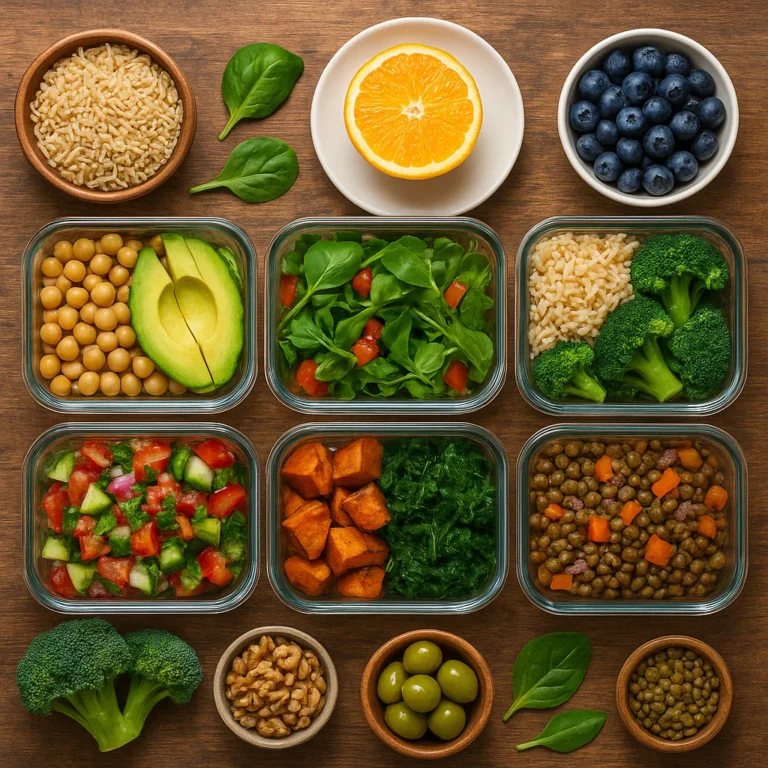
The best blue zone diet breakfast ideas combine whole grains, beans or soy foods, fruit, vegetables, nuts, and seeds into satisfying meals. Start with one fiber-rich carbohydrate, one protein source, colorful produce, and a little healthy fat—think savory oats with white beans, Costa Rican-style gallo pinto, miso soup with tofu, or berries with soy yogurt and walnuts.
Blue Zone-inspired breakfasts are not about hunting for a mythical longevity superfood. They borrow practical eating patterns from regions associated with healthy aging, including Okinawa, Ikaria, Sardinia, Nicoya, and Loma Linda, where simple plant foods often appear more regularly than sugary pastries or heavily processed meats.
Our Flexitarian Diet™ team has seen the same pattern in busy kitchens and training plans: when breakfast contains beans, tofu, oats, or fortified soy yogurt, people tend to stay satisfied longer than they do after a coffee and a lonely muffin. And yes, beans before noon are perfectly legal.
You will find sweet, savory, vegan, vegetarian, make-ahead, high-fiber, and higher-protein options here. The goal is not to copy another culture’s meals perfectly—it is to make your own breakfast more plant-forward, minimally processed, flavorful, and repeatable.
Key Takeaways
- Build breakfast around plants: Use oats, beans, whole-grain bread, corn, rice, sweet potatoes, fruit, vegetables, nuts, and seeds.
- Include a protein anchor: Try tofu, black beans, chickpeas, lentils, fortified soy yogurt, Greek yogurt, eggs, or hemp seeds.
- Choose savory options, too: Miso soup, gallo pinto, chickpea hash, and savory oatmeal can be just as breakfast-worthy as poridge.
- Prioritize fiber and healthy fats: Berries, oats, beans, chia, flax, walnuts, avocado, tahini, and olive oil help create a more satisfying meal.
- Keep added sugar modest: Sweeten oats and yogurt mainly with fruit, cinnamon, vanilla, or a small amount of maple syrup.
- Adapt portions to your day: A light breakfast may suit a low-activity morning, while athletes and active adults may need more protein and energy.
- Prepare ahead: Cook beans and grains, bake sweet potatoes, and assemble chia pudding or smoothie packs for quick weekday meals.
- Remember the real lesson: Blue Zone breakfasts are about a consistent eating pattern—not a magic ingredient, rigid menu, or longevity guarantee.
Table of Contents
- ⚡️ Quick Tips and Facts for Blue Zone Diet Breakfasts
- 🌍 What Is the Blue Zone Diet? Breakfast Traditions Linked With Longevity
- The Five Blue Zones and Their Morning Eating Patterns
- What the Longest-Living People Eat Before Noon
- Blue Zone Breakfast Nutrition: Fiber, Protein, Plants, and Healthy Fats
- 🥣 15 Blue Zone Diet Breakfast Ideas for Energy and Longevity
- Savory Mediterranean Oatmeal With Greens and Beans
- What the Happiest Kids in the World Eat for Breakfast: Yogurt, Fruit, and Whole Grains
- Strawberry Vanilla Chia Seed Pudding With Walnuts
- SunButter Breakfast Cookies With Oats and Dates
- Bana Berry Breakfast Bowl With Seeds and Plant-Based Yogurt
- Blueberry Corn Cakes With Fresh Fruit
- Breakfast Polenta With Apple, Berries, and Cinnamon
- Spiced Carot Muffins With Whole-Grain Flour
- Miso Soup With Tofu, Greens, and Brown Rice
- Baked Sweet Potato With Turmeric, Ginger, and Tahini
- BZ Smoothie With Beans, Berries, Greens, and Nut Butter
- Mediterranean Breakfast Toast With Hummus and Vegetables
- Ikarian-Style Chickpea Breakfast Hash With Herbs
- Costa Rican Gallo Pinto With Black Beans and Brown Rice
- Sardinian Fava Bean and Whole-Grain Breakfast Bowl
- 🌱 How to Build a Blue Zone Breakfast Bowl
- The Plant-Based Breakfast Formula
- Best Longevity Foods for the Morning
- How Much Protein Is in a Blue Zone Breakfast?
- Fiber-Rich Breakfast Ingredients to Keep You Full
- Healthy Fats: Olive Oil, Nuts, Seeds, and Avocado
- 🥬 Blue Zone Breakfast Ingredients Shopping List
- Whole Grains and Traditional Breakfast Staples
- Beans, Lentils, Tofu, and Other Plant Proteins
- Fruits, Vegetables, Herbs, and Spices
- Best Nuts, Seeds, and Nut Buters
- Smart Store-Bought Options From Bob’s Red Mill, Eden Foods, and Califia Farms
- ⏱️ Quick Blue Zone Breakfasts for Busy Mornings
- Five-Minute No-Cook Breakfasts
- Make-Ahead Breakfasts for Meal Prep
- Freezer-Friendly Longevity Breakfasts
- Portable Blue Zone Breakfasts for Work and Travel
- 📅 Seven-Day Blue Zone Breakfast Meal Plan
- Day 1: Oatmeal With Berries and Walnuts
- Day 2: Miso Soup With Tofu and Greens
- Day 3: Gallo Pinto With Avocado
- Day 4: Chia Pudding With Strawberries
- Day 5: Sweet Potato With Tahini and Fruit
- Day 6: Savory Chickpea and Vegetable Hash
- Day 7: Berry, Bean, and Greens Smoothie
- ☕ What to Drink With a Blue Zone Breakfast
- Coffee, Green Tea, and Herbal Tea
- Water and Hydration Habits
- Breakfast Drinks to Limit
- 🍳 Do Blue Zone Diets Include Eggs, Dairy, Meat, and Fish?
- How to Use Eggs in a Flexitarian Longevity Breakfast
- Choosing Yogurt, Cheese, and Milk
- Where Occasional Meat and Fish Fit
- ❌ Common Blue Zone Breakfast Mistakes
- Too Much Added Sugar
- Not Enough Protein or Fiber
- Confusing Processed “Health” Foods With Traditional Foods
- Oversized Portions and Mindless Eating
- 🧠 Blue Zone Breakfasts for Weight Management, Blood Sugar, and Heart Health
- Low-Glycemic Breakfast Swaps
- Breakfast Ideas for Prediabetes and Diabetes
- Heart-Healthy Morning Meals
- Higher-Protein Options for Active Adults
- 🛒 Blue Zone Breakfast Meal Prep and Pantry Guide
- A 30-Minute Sunday Prep Routine
- How to Store Cooked Grains, Beans, and Breakfast Bowls
- Budget-Friendly Longevity Breakfast Swaps
- 📩 Get More Flexitarian Longevity Recipes
- ✅ Conclusion: Start With One Blue Zone Breakfast This Week
- 🔗 Recommended Links
- ❓ FAQ About Blue Zone Diet Breakfast Ideas
- What Is the Best Breakfast for Longevity?
- Do People in Blue Zones Eat Breakfast Every Day?
- Are Blue Zone Breakfasts Always Vegan?
- Can I Eat Oatmeal on the Blue Zone Diet?
- What Is a Good Blue Zone Breakfast for Weight Loss?
- How Much Fruit Should I Eat at Breakfast?
- Can I Drink Coffee on the Blue Zone Diet?
- Are Blue Zone Breakfasts Suitable for Children?
- 📚 Reference Links
⚡️ Quick Tips and Facts for Blue Zone Diet Breakfasts
The Blue Zone diet is less a rigid menu than a pattern: mostly whole plant foods, modest portions, regular movement, and meals enjoyed with other people. Breakfast can be hearty, savory, sweet, or occasionally skipped, depending on the culture and your appetite.
Blue Zone Breakfast at a Glance
| Principle | What it looks like on your plate | Why we like it |
|---|---|---|
| Plants first | Beans, oats, vegetables, fruit, herbs | Adds fiber, potassium, antioxidants, and variety |
| Protein at breakfast | Beans, tofu, soy yogurt, nuts, seeds, dairy, or eggs | Supports fullness and muscle maintenance |
| Whole-food carbohydrates | Oats, corn, brown rice, quinoa, whole-grain bread | Provides sustained energy and fiber |
| Healthy fats | Walnuts, chia, flax, avocado, olive oil, tahini | Helps absorb fat-soluble vitamins and improves satisfaction |
| Minimal ultra-processing | Plain oats instead of sugary cereal; fruit instead of juice | Usually means less added sugar and more chewing |
| Cultural flexibility | Miso soup, gallo pinto, oatmeal, or sweet potato | There is no single “correct” longevity breakfast |
Five Fast Facts
- Beans are breakfast food. Costa Rican breakfasts often feature black beans, rice, tortillas, fruit, and coffee. The bean is not waiting politely until dinner.
- Savory breakfasts count. Miso soup, tofu, greens, and rice can be more satisfying than a pastry-and-coffee routine.
- Breakfast size varies by Blue Zone. The popular phrase “breakfast like a king” is useful inspiration, not a universal rule. Blue Zones notes that meal timing differs across Okinawa, Ikaria, Sardinia, Nicoya, and Loma Linda.
- Earlier eating may help some people. Research on meal timing suggests that eating more calories earlier can improve appetite control, but overall diet quality and total intake still matter. Read the National Institute on Aging overview of healthy eating.
- A smoothie is not automatically healthy. A blender can turn spinach, berries, beans, and seeds into breakfast—or turn fruit juice and sweetened protein powder into dessert wearing gym clothes.
Our Flexitarian shortcut: Start with one fiber-rich carbohydrate + one protein + one fruit or vegetable + one healthy fat. For example: oats + soy yogurt + berries + walnuts.
🌍 What Is the Blue Zone Diet? Breakfast Traditions Linked With Longevity
The Blue Zone diet is a plant-forward eating pattern inspired by regions identified by researchers as having unusually high rates of healthy longevity. It is not a branded diet with a certified breakfast menu, and no bowl of oatmeal comes with a centenarian guarantee.
The common thread is remarkably practical: beans, whole grains, vegetables, fruit, nuts, seeds, herbs, and minimally processed foods appear often; meat, sweets, and heavily processed foods appear less often. That fits naturally with a flexitarian lifestyle because you can emphasize plants without declaring war on every egg or yogurt container in the refrigerator.
The Five Blue Zones and Their Morning Eating Patterns
| Blue Zone | Traditional food pattern | Breakfast inspiration |
|---|---|---|
| Nicoya, Costa Rica | Corn, beans, squash, rice, tropical fruit | Gallo pinto, corn tortillas, fruit, coffee |
| Okinawa, Japan | Sweet potatoes, soy foods, vegetables, rice, tea | Miso soup, tofu, rice, greens, sweet potato |
| Ikaria, Greece | Beans, greens, vegetables, olive oil, sourdough, herbs | Whole-grain toast, beans, fruit, yogurt, herbal tea |
| Sardinia, Italy | Beans, whole grains, vegetables, sheep’s-milk foods | Whole-grain bread, beans, fruit, modest cheese |
| Loma Linda, California | Vegetarian meals, oats, beans, nuts, fruit, vegetables | Oatmeal, tofu scramble, whole-grain toast, fruit |
These are patterns, not prescriptions. Blue Zone communities are not identical, and individual households eat differently. The Blue Zones food guidelines are best used as a framework rather than a promise that one ingredient will extend your life.
What the Longest-Living People Eat Before Noon
A traditional Blue Zone-style first meal commonly includes:
- A staple carbohydrate: oats, corn, rice, potatoes, or whole-grain bread.
- A plant protein: beans, tofu, lentils, soy milk, or nuts and seeds.
- Produce: fruit, leafy greens, squash, tomatoes, berries, or herbs.
- A small amount of fat: olive oil, avocado, tahini, walnuts, or chia.
- A beverage: water, coffee, or unsweetened tea.
The result is less “perfect superfood” and more steady, repeatable nourishment. Our trainers see this in practice: clients who add beans or tofu to breakfast often report fewer emergency trips to the snack drawer at 10:30 a.m.
Blue Zone Breakfast Nutrition: Fiber, Protein, Plants, and Healthy Fats
The Dietary Guidelines for Americans encourage nutrient-dense foods, vegetables, fruits, whole grains, dairy or fortified alternatives, seafood, beans, peas, lentils, nuts, and seeds. That language overlaps heavily with Blue Zone-style breakfasts.
| Nutrient or feature | Breakfast sources | Practical target |
|---|---|---|
| Fiber | Oats, beans, berries, chia, flax, whole grains | Build gradually toward the adult daily recommendation of about 25–38 g |
| Protein | Tofu, soy yogurt, beans, lentils, eggs, Greek yogurt, nuts | Include a clearly recognizable protein source |
| Calcium | Fortified soy milk, yogurt, tofu set with calcium, tahini | Check labels on plant milks and yogurts |
| Iron | Beans, tofu, oats, pumpkin seeds, fortified cereal | Pair plant iron with vitamin-C-rich fruit or vegetables |
| Omega-3 fats | Walnuts, chia, ground flax, hemp seeds | Use ground flax or soaked chia for easy digestion |
| Potassium | Banas, beans, potatoes, greens, avocado | Particularly useful when replacing salty packaged foods |
A note about protein: Blue Zone eating is not necessarily low-protein. It is often plant-protein-forward. Older adults, athletes, and people trying to preserve muscle may benefit from a more deliberate protein distribution across meals. The International Society of Sports Nutrition discusses higher protein needs for active people, while individual medical conditions require personalized advice.
🥣 15 Blue Zone Diet Breakfast Ideas for Energy and Longevity
The following meals borrow flavors and principles from Blue Zone traditions while remaining realistic for a modern kitchen. Some are traditional-inspired rather than historically exact. We label the useful distinctions because “Blue Zone-inspired” is not the same as “authentic regional breakfast.”
1. Savory Mediterranean Oatmeal With Greens and Beans
Sweet oats get all the attention, but savory oatmeal is the breakfast equivalent of a reliable black blazer: unexpectedly versatile.
Ingredients
- ½ cup rolled oats
- 1 cup low-sodium vegetable broth or water
- ½ cup white beans or chickpeas
- 1 cup chopped spinach or kale
- 1 tablespoon extra-virgin olive oil
- 1 tablespoon pumpkin seeds or walnuts
- Lemon juice, black pepper, and smoked paprika
- Optional: crumbled feta or grated Parmesan
Method
- Simer oats in broth for 5–7 minutes.
- Stir in beans and greens during the final 2 minutes.
- Spoon into a bowl.
- Finish with olive oil, seeds, lemon, and pepper.
Why it works
- Beans add fiber and plant protein.
- Grens add folate, vitamin K, and volume.
- Olive oil and seeds improve satiety and flavor.
- The broth makes the bowl taste savory without requiring bacon to perform all the emotional labor.
For a convenient base, compare Bob’s Red Mill Old Fashioned Roled Oats on Amazon with steel-cut oats. Roled oats cook faster; steel-cut oats offer a chewier texture, but both are nutritious whole grains.
2. What the Happiest Kids in the World Eat for Breakfast: Yogurt, Fruit, and Whole Grains
Dutch-style breakfasts often feature bread, dairy, fruit, and simple toppings. The “happiest kids” phrase is catchy, but happiness cannot be pinned to one breakfast. Still, a balanced meal can support concentration and steady energy.
Build the bowl
- Plain Greek yogurt or unsweetened soy yogurt
- Berries, sliced pear, or apple
- Whole-grain muesli or rye toast
- Ground flaxseed or walnuts
- Cinnamon
- Optional: a teaspoon of honey or maple syrup
Choose plain yogurt and sweeten it with fruit. For dairy-free versions, select a fortified, unsweetened soy yogurt because soy generally provides more protein than many almond or coconut alternatives. The Harvard T.H. Chan School of Public Health offers a useful visual model: half produce, a quarter whole grains, and a quarter healthy protein.
Kid-friendly tip: Serve toppings separately. Children get to assemble their own bowl, and you avoid the breakfast-table negotiation usually reserved for international diplomacy.
3. Strawberry Vanilla Chia Seed Pudding With Walnuts
Chia pudding is essentially overnight oats’ stylish cousin. It needs no cooking and rewards minimal effort.
Ingredients
- 3 tablespoons chia seeds
- ¾ cup unsweetened fortified soy milk
- ½ teaspoon vanilla extract
- ½ cup chopped strawberries
- 1 tablespoon chopped walnuts
- Optional: grated lemon zest or cinnamon
Method
- Whisk chia seeds, milk, and vanilla.
- Rest for 10 minutes, whisk again, and refrigerate overnight.
- Top with strawberries and walnuts in the morning.
Chia provides fiber and alpha-linolenic acid, a plant omega-3 fat. However, chia pudding is not a complete breakfast for everyone. Add soy yogurt, hemp seeds, or a side of whole-grain toast if you need more protein or calories.
Bob’s Red Mill chia seeds and California Walnuts are easy pantry staples. Start with a modest serving if your usual diet is low in fiber, and drink fluids throughout the day.
4. SunButter Breakfast Cookies With Oats and Dates
Breakfast cookies can be useful, but the word “cookie” does not grant nutritional immunity. These should be soft oat-and-sed breakfast bites, not frosted cake disguised as meal prep.
Ingredients
- 1½ cups rolled oats
- ½ cup sunflower-sed butter
- ½ cup mashed banana or unsweetened applesauce
- ¼ cup finely chopped dates
- 2 tablespoons ground flaxseed
- 1 teaspoon cinnamon
- ½ teaspoon baking powder
- Pinch of salt
- Optional: pumpkin seeds or raisins
Method
- Heat the oven to 350°F.
- Mix all ingredients into a thick dough.
- Rest for 5 minutes so the oats absorb moisture.
- Form 8–10 cookies on a lined baking sheet.
- Bake for 12–15 minutes and cool fully.
Pair two cookies with soy milk, plain yogurt, or fruit. Without a protein-rich side, they may leave you hungry quickly.
SunButter is a useful peanut-free option, while MaraNatha almond butter works for those without nut allergies. Always follow school and household allergy policies.
5. Banana Berry Breakfast Bowl With Seeds and Plant-Based Yogurt
This bowl looks cheerful enough to improve a Monday, though we cannot promise miracles before coffee.
Ingredients
- 1 banana, sliced
- 1 cup berries
- ¾ cup unsweetened soy yogurt
- 2 tablespoons rolled oats
- 1 tablespoon hemp seeds
- 1 tablespoon ground flaxseed
- Cinnamon or unsweetened cocoa
Assembly
- Add yogurt to a bowl.
- Arrange fruit over the top.
- Sprinkle with oats, hemp, flax, and cinnamon.
- Add a spoonful of nut butter if you need more energy.
Protein upgrade: Choose soy yogurt and add hemp seeds. Coconut-based yogurt can be delicious but is usually low in protein. Check the nutrition panel rather than trusting the word “plant-based” to do all the work.
6. Blueberry Corn Cakes With Fresh Fruit
Corn cakes connect nicely with Central American food traditions, although this recipe is a modern breakfast adaptation rather than a universal Costa Rican dish.
Ingredients
- 1 cup finely ground cornmeal
- ½ cup whole-wheat or spelt flour
- 1 teaspoon baking powder
- ½ teaspoon baking soda
- 1½ cups unsweetened fortified plant milk
- 1 tablespoon maple syrup
- 1 teaspoon vanilla
- 1 cup blueberries
- Pinch of cinnamon and salt
Method
- Combine dry ingredients.
- Stir in plant milk, maple syrup, and vanilla.
- Fold in blueberries and rest the batter for 5 minutes.
- Cook small cakes on a lightly oiled skillet over medium heat.
- Flip when bubbles form and cook until set.
Serve with berries, plain yogurt, or nut butter instead of a large pour of syrup. Make a double batch and freeze leftovers between sheets of parchment.
For whole-grain baking staples, see King Arthur Baking whole-grain flour and Bob’s Red Mill cornmeal on Amazon.
7. Breakfast Polenta With Apple, Berries, and Cinnamon
Polenta is cornmeal’s creamy Italian cousin. It makes a comforting breakfast base and uses inexpensive pantry ingredients.
Ingredients
- ½ cup coarse or medium cornmeal
- 2 cups water or unsweetened soy milk
- 1 chopped apple
- ½ cup berries
- 1 tablespoon walnuts
- Cinnamon and orange zest
- Optional: 1 teaspoon maple syrup
Method
- Bring liquid to a simmer.
- Whisk in cornmeal slowly.
- Cook until creamy, stirring often.
- Top with apple, berries, walnuts, and cinnamon.
For extra protein, stir in hemp hearts after cooking or serve with soy yogurt. If using dairy milk, unsweetened milk adds protein and calcium but also changes the saturated-fat profile, so portion size matters.
8. Spiced Carot Muffins With Whole-Grain Flour
Muffins can be breakfast, but many commercial muffins are cupcakes with plausible deniability. Our version includes carrots, oats, seeds, and less added sugar.
Ingredients
- 1 cup whole-wheat flour
- ½ cup rolled oats
- 1 cup grated carrots
- ½ cup unsweetened applesauce
- 2 tablespoons ground flax mixed with 5 tablespoons water
- ¼ cup chopped walnuts
- 1 teaspoon cinnamon
- ½ teaspoon ground ginger
- 1 teaspoon baking powder
- ½ teaspoon baking soda
- 2 tablespoons maple syrup
- ¼ cup unsweetened soy milk
Method
- Heat the oven to 350°F.
- Mix flax and water; rest 5 minutes.
- Combine dry ingredients.
- Stir in carrots, applesauce, flax mixture, maple syrup, and soy milk.
- Divide into muffin cups and bake 18–22 minutes.
Pair one muffin with yogurt, tofu scramble, or a glass of fortified soy milk. The muffin is the carbohydrate and produce component; it should not be forced to impersonate the whole meal.
9. Miso Soup With Tofu, Greens, and Brown Rice
Okinawan-inspired breakfasts often make room for soup, vegetables, and soy foods. This version is warm, salty, savory, and wonderfully unfussy.
Ingredients
- 2 cups water or low-sodium vegetable broth
- 1 tablespoon white or yellow miso
- ½ cup cubed firm tofu
- 1 cup sliced mushrooms or greens
- ½ cup cooked brown rice
- Scallions, grated ginger, and nori
Method
- Warm broth and vegetables until tender.
- Add tofu and rice.
- Remove from heat.
- Whisk miso with a little warm broth in a cup.
- Stir the diluted miso back into the pot. Do not boil it aggressively.
Miso can be high in sodium, so use a modest amount and choose low-sodium broth. Add fruit or edame on the side if you need more energy.
Try Hikari Miso or compare organic miso options on Amazon. People who dislike tofu often accept it in soup because it absorbs the broth’s flavor—our cooks call this the “tofu diplomatic mission.”
10. Baked Sweet Potato With Turmeric, Ginger, and Tahini
Sweet potatoes are a practical Blue Zone-style staple: filling, colorful, inexpensive, and naturally sweet.
Ingredients
- 1 medium baked sweet potato
- 1 tablespoon tahini
- Fresh ginger or ground ginger
- Turmeric and black pepper
- Lemon juice
- 2 tablespoons pumpkin seeds
- Optional: chickpeas or white beans
Method
- Bake sweet potatoes at 400°F until tender, usually 40–55 minutes.
- Split open and fluff the center.
- Add tahini, ginger, turmeric, lemon, and seeds.
- Add chickpeas for a more substantial breakfast.
The National Center for Complementary and Integrative Health notes that turmeric research is still evolving; culinary turmeric is fine, but it should not be presented as a cure-all. Flavor first, miracle claims last.
11. BZ Smoothie With Beans, Berries, Greens, and Nut Butter
A smoothie is a useful bridge for people who cannot face solid food early. The trick is adding enough structure that it does not vanish from your stomach like a fruit-flavored rumor.
Ingredients
- 1 cup unsweetened fortified soy milk
- ½ cup frozen berries
- ½ banana
- 1 cup spinach
- ¼ cup cooked white beans or silken tofu
- 1 tablespoon peanut or almond butter
- 1 tablespoon ground flaxseed
- Ice as needed
Method
- Add liquid first.
- Add greens, fruit, beans or tofu, nut butter, and flax.
- Blend until smooth.
- Drink slowly, preferably alongside chewing food if you remain hungry.
Beans are optional, but they add body and fiber with little flavor when blended well. If the texture is too thick, reduce the beans to 2 tablespoons and add more next time.
Smoothie caution: Blending does not remove calories, and drinking quickly may be less satisfying than chewing. The American Diabetes Association offers useful guidance on pairing carbohydrates with protein, fiber, and healthy fats.
12. Mediterranean Breakfast Toast With Hummus and Vegetables
Ingredients
- 1–2 slices whole-grain sourdough or rye bread
- 3 tablespoons hummus
- Sliced tomato, cucumber, or roasted peppers
- Parsley or dill
- Extra-virgin olive oil and lemon
- Optional: boiled egg or pumpkin seeds
Method
- Toast bread until crisp.
- Spread with hummus.
- Add vegetables, herbs, lemon, and olive oil.
- Add seeds or egg if you need more protein.
Choose hummus with a short ingredient list and moderate sodium. Sabra hummus is widely available, while homemade hummus lets you control salt and oil.
13. Ikarian-Style Chickpea Breakfast Hash With Herbs
This is not a strict historical reconstruction, but it borows from Greek and Mediterranean ingredients: chickpeas, greens, olive oil, lemon, and herbs.
Ingredients
- ¾ cup cooked chickpeas
- 1 cup chopped greens
- ½ cup diced tomatoes
- ¼ onion
- 1 teaspoon olive oil
- Oregano, dill, lemon, and black pepper
- Optional: whole-grain pita or feta
Method
- Sauté onion in olive oil.
- Add tomatoes and chickpeas.
- Stir in greens until wilted.
- Season with oregano, dill, lemon, and pepper.
- Serve with whole-grain pita.
For canned chickpeas, rinse them thoroughly to reduce surface sodium. Eden Foods offers canned organic beans, while dry chickpeas are economical if you have time for soaking.
14. Costa Rican Gallo Pinto With Black Beans and Brown Rice
Gallo pinto is a classic example of breakfast that refuses to be boxed into “morning food.” It combines rice, beans, aromatics, and often fresh toppings.
Ingredients
- ½ cup cooked brown rice
- ¾ cup black beans
- ¼ cup diced onion and bell pepper
- 1 teaspoon olive oil
- Cilantro and a splash of lime
- Optional: corn tortilla, avocado, or scrambled egg
Method
- Sauté onion and pepper in oil.
- Add black beans and rice.
- Season with cilantro, lime, and a little salsa.
- Warm until the edges become lightly crisp.
- Serve with avocado or fruit.
The rice-and-bean combination provides complementary amino acids across the day. You do not need to calculate every amino acid at every bite; variety and adequate total protein matter more.
La Costeña black beans can save time, although low-sodium canned beans are preferable when available.
15. Sardinian Fava Bean and Whole-Grain Breakfast Bowl
Fava beans, greens, whole grains, and herbs create a savory bowl with Mediterranean character.
Ingredients
- ¾ cup cooked fava beans or lima beans
- ½ cup cooked faro or barley
- 1 cup arugula or spinach
- 1 tablespoon olive oil
- Lemon juice and fresh herbs
- Optional: a small amount of sheep’s-milk cheese
Method
- Warm beans and grains together.
- Fold in greens until just wilted.
- Add olive oil, lemon, and herbs.
- Top with cheese if desired.
Safety note: People with glucose-6-phosphate dehydrogenase deficiency, known as G6PD deficiency, may need to avoid fava beans. The MedlinePlus Genetics guide explains why medical guidance matters here.
🌱 How to Build a Blue Zone Breakfast Bowl
A satisfying bowl is not about collecting every fashionable seed in the supermarket. It is about arranging a few dependable components so the meal has enough fiber, protein, flavor, and staying power.
The Plant-Based Breakfast Formula
Use this five-part template:
- Choose a base
- Oats
- Brown rice
- Quinoa
- Polenta
- Sweet potato
- Whole-grain toast
- Add protein
- Beans or lentils
- Tofu or tempeh
- Fortified soy yogurt
- Eggs
- Greek yogurt
- Hemp seeds
- Add produce
- Berries
- Banana
- Apple
- Greens
- Tomatoes
- Mushrooms
- Roasted squash
- Add healthy fat
- Walnuts
- Chia
- Ground flax
- Tahini
- Avocado
- Olive oil
- Finish with flavor
- Cinnamon
- Ginger
- Garlic
- Lemon
- Fresh herbs
- Salsa
- Miso
Best Longevity Foods for the Morning
| Food | Easy serving | Breakfast use |
|---|---|---|
| Oats | ½–1 cup cooked | Porridge, savory oats, overnight oats |
| Beans | ½–¾ cup | Hash, toast topping, gallo pinto |
| Tofu | ½–1 cup | Scramble, soup, smoothie |
| Berries | ½–1 cup | Yogurt, oats, chia pudding |
| Walnuts | 1 tablespoon | Topping or snack pairing |
| Ground flax | 1 tablespoon | Smoothies, muffins, oats |
| Greens | 1 cup raw or ½ cup cooked | Soup, scramble, savory bowls |
| Sweet potato | 1 medium | Tahini bowl or side dish |
These portions are starting points, not medical prescriptions. A petite person with a sedentary morning and a cyclist heading into a long training session need different amounts. Our personal trainers often use a simple test: Are you comfortably satisfied for three to four hours, or are you negotiating with a vending machine before midmorning?
How Much Protein Is in a Blue Zone Breakfast?
There is no official Blue Zone breakfast protein target. However, protein needs rise with age, resistance training, pregnancy, recovery, and some medical conditions.
A practical flexitarian approach:
- Include one obvious protein anchor at breakfast.
- Combine two sources when the meal is small.
- Choose fortified soy milk or soy yogurt more often if you eat mostly vegan.
- Add tofu, beans, or lentils to savory meals.
- Use nuts and seeds for healthy fats, but remember they are not as protein-dense as tofu, beans, or yogurt.
| Breakfast | Approximate protein pattern |
|---|---|
| Oats with berries only | Mostly carbohydrate; add soy milk, seeds, or yogurt |
| Oats with soy milk, walnuts, and hemp | More balanced |
| Gallo pinto with avocado | High fiber; add tofu or egg if needed |
| Chia pudding with almond milk | Often low-to-moderate protein; use soy milk and yogurt |
| Tofu scramble with whole-grain toast | Strong protein-centered option |
| Greek yogurt, berries, and walnuts | Convenient high-protein option |
Check individual labels because brands vary. Silk unsweetened soy milk, Trader Joe’s tofu, and Nasoya tofu are examples of widely available products, but availability differs by location.
Fiber-Rich Breakfast Ingredients to Keep You Full
Fiber comes from plants, not from a marketing halo. The Academy of Nutrition and Dietics recommends increasing fiber gradually and drinking enough fluid.
Try this progression:
- Add berries or an apple to breakfast.
- Replace refined bread with whole-grain bread.
- Use oats instead of sugary cereal.
- Add ¼ cup beans to savory meals.
- Sprinkle ground flax or chia.
- Increase portions slowly if digestion protests.
Common drawback: A sudden jump from low fiber to bean-heavy breakfasts can cause gas and bloating. That is not a moral failure; it is your gut microbiome requesting a staff meeting.
Healthy Fats: Olive Oil, Nuts, Seeds, and Avocado
Healthy fats improve flavor and help meals feel complete, but portions still count because fats are energy-dense.
Use:
- 1 teaspoon olive oil for cooking
- 1 tablespoon tahini on sweet potato
- 1 tablespoon walnuts on oats
- ¼ avocado with beans and tortillas
- 1 tablespoon ground flax in smoothies
The American Heart Association recommends replacing saturated fats with unsaturated fats when possible. Extra-virgin olive oil is a pantry favorite, but the best oil is one you will actually use sensibly.
🥬 Blue Zone Breakfast Ingredients Shopping List
A good shopping list prevents the classic 7:15 a.m. tragedy: opening the refrigerator and discovering three sauces, half a lemon, and a mysterious container nobody claims.
Whole Grains and Traditional Breakfast Staples
- Roled or steel-cut oats
- Brown rice
- Quinoa
- Faro or barley
- Whole-grain cornmeal
- Whole-grain tortillas
- Rye or whole-grain sourdough
- Sweet potatoes
- Polenta
Look for products with whole grains listed first and modest added sugar. Oldways Whole Grains Council provides practical guidance for identifying whole-grain foods.
Beans, Lentils, Tofu, and Other Plant Proteins
- Black beans
- Cannellini beans
- Chickpeas
- Lentils
- Fava beans or lima beans
- Edame
- Firm tofu
- Silken tofu
- Tempeh
- Unsweetened soy yogurt
- Unsweetened fortified soy milk
Canned beans are convenient and nutritious. Rinse them under running water if you want to reduce surface sodium. Dry beans are budget-friendly but require planning, soaking, and cooking.
Fruits, Vegetables, Herbs, and Spices
Fresh or frozen both work:
- Berries
- Banas
- Apples
- Pears
- Mango
- Spinach
- Kale
- Mushrooms
- Tomatoes
- Bell peppers
- Carots
- Avocado
- Garlic
- Ginger
- Turmeric
- Cinnamon
- Oregano
- Dill
- Cilantro
- Parsley
- Lemons and limes
Frozen berries and spinach are particularly useful. They are picked at peak ripeness, require no chopping, and do not judge you forgetting them overnight.
Best Nuts, Seeds, and Nut Buters
- Walnuts
- Almonds
- Pumpkin seeds
- Hemp hearts
- Chia seeds
- Ground flaxseed
- Sunflower-sed butter
- Peanut butter
- Tahini
Store ground flax and walnuts in the refrigerator or freezer to protect freshness. Choose nut buters with nuts or seeds as the main ingredient and little or no added sugar.
Smart Store-Bought Options From Bob’s Red Mill, Eden Foods, and Califia Farms
Store-bought products can support a whole-food pattern, but labels deserve a quick look.
| Product category | What to look for | Brands to consider |
|---|---|---|
| Oats | Plain oats, minimal added ingredients | Bob’s Red Mill |
| Canned beans | Low sodium or no salt added | Eden Foods |
| Plant milk | Unsweetened, fortified, preferably higher protein | Califia Farms, Silk |
| Tofu | Short ingredient list, calcium-set when possible | Nasoya, Trader Joe’s |
| Hummus | Chickpeas, tahini, lemon, garlic; moderate sodium | Sabra, Cedar’s |
| Whole-grain bread | Whole grain first, meaningful fiber | Dave’s Killer Bread, local bakeries |
Shopping Links
- Bob’s Red Mill oats: Amazon | Brand Official Website
- Eden Foods organic beans: Amazon | Eden Foods Official Website
- Califia Farms unsweetened plant milk: Amazon | Califia Farms Official Website
- Nasoya tofu: Amazon | Nasoya Official Website
- Hikari Miso: Amazon | Hikari Miso Official Website
⏱️ Quick Blue Zone Breakfasts for Busy Mornings
A Blue Zone-inspired meal does not require a sunrise yoga session, a ceramic bowl handmade in Tuscany, or 45 minutes of contemplative oat stirring.
Five-Minute No-Cook Breakfasts
Option 1: Soy Yogurt Power Bowl
- Unsweetened soy yogurt
- Berries
- Walnuts
- Ground flax
- Cinnamon
Option 2: Hummus and Avocado Toast
- Whole-grain toast
- Hummus
- Avocado
- Tomato
- Lemon and pepper
Option 3: Overnight Chia Oats
- Roled oats
- Chia seeds
- Fortified soy milk
- Banana
- Pumpkin seeds
Option 4: Bean-and-Salsa Tortilla
- Corn tortilla
- Prepared black beans
- Salsa
- Avocado
- Cilantro
Option 5: Smoothie Plus Chewable Side
- Soy milk
- Berries
- Spinach
- Silken tofu
- Flax
- Whole-grain toast on the side
Make-Ahead Breakfasts for Meal Prep
Prepare two or three components rather than seven identical breakfasts. Variety improves adherence.
Sunday preparation plan
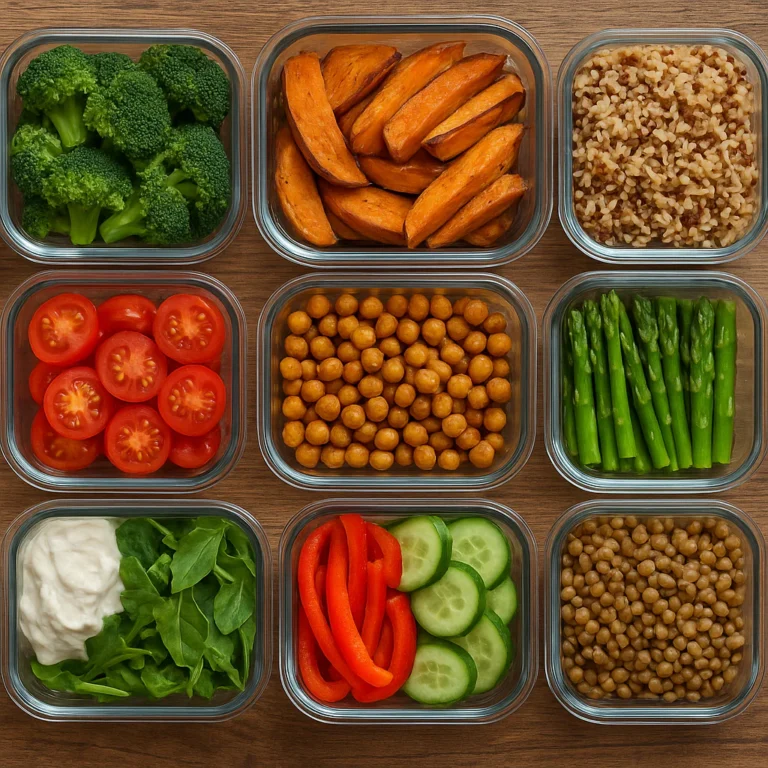
- Cook a pot of brown rice, quinoa, or faro.
- Bake four sweet potatoes.
- Rinse three cans of beans.
- Wash greens and berries.
- Make chia pudding for two days.
- Toast walnuts or pumpkin seeds lightly.
- Prepare a lemon-tahini dressing.
The USDA FoodKeeper offers storage guidance. Refrigerate cooked foods promptly, use clean containers, and reheat leftovers thoroughly.
Freezer-Friendly Longevity Breakfasts
Freeze:
- Blueberry corn cakes
- Carot muffins
- Cooked beans
- Cooked grains
- Smoothie packs
- Portion-size sweet potatoes
- Tofu scramble
Avoid freezing watery fresh toppings such as cucumber or dressed greens. Add those after reheating for better texture.
Portable Blue Zone Breakfasts for Work and Travel
Portable options include:
- Overnight oats in a leakproof jar
- Chia pudding
- Homemade oat-and-sed cookies
- A banana with peanut butter
- Whole-grain wrap with hummus and beans
- Unsalted nuts plus fruit
- A smoothie in an insulated bottle
- Leftover gallo pinto in a food-safe container
A portable breakfast is still a meal, not a personality test. Sit down when possible, even for five minutes. The CDC’s healthy eating guidance supports planning ahead as a practical strategy for improving food choices.
📅 Seven-Day Blue Zone Breakfast Meal Plan
This plan is mostly vegetarian, flexible, and designed around repeatable ingredients rather than culinary theatrics.
| Day | Breakfast | Protein anchor | Prep note |
|---|---|---|---|
| 1 | Savory oats with beans and greens | Beans | Cook oats fresh |
| 2 | Miso soup with tofu and brown rice | Tofu | Use leftover rice |
| 3 | Gallo pinto with avocado | Black beans | Make extra beans |
| 4 | Strawberry chia pudding with soy yogurt | Soy yogurt and chia | Prepare overnight |
| 5 | Sweet potato with tahini and pumpkin seeds | Tahini and seeds | Bake potatoes ahead |
| 6 | Chickpea hash with whole-grain pita | Chickpeas | Use frozen greens |
| 7 | Berry-tofu smoothie with toast | Tofu and soy milk | Blend to order |
Day 1: Oatmeal With Berries and Walnuts
Use rolled oats, fortified soy milk, berries, walnuts, and ground flax. Add cinnamon, but skip the sugar avalanche. If you train in the morning, add a side of soy yogurt or toast.
Day 2: Miso Soup With Tofu and Greens
Use low-sodium broth, tofu, mushrooms, spinach, and brown rice. Keep miso below a boil after adding it. Pair with fruit if you need a larger meal.
Day 3: Gallo Pinto With Avocado
Combine black beans and brown rice with onions, peppers, cilantro, and lime. Add avocado and a corn tortilla. For an ovo-flexitarian version, include one egg.
Day 4: Chia Pudding With Strawberries
Use soy milk rather than low-protein coconut milk, then top with strawberries, walnuts, and plain soy yogurt. This is a cooler option for warm mornings.
Day 5: Sweet Potato With Tahini and Fruit
Top a baked sweet potato with tahini, pumpkin seeds, ginger, and lemon. Add a side of berries or an orange for vitamin C.
Day 6: Savory Chickpea and Vegetable Hash
Sauté chickpeas with tomatoes, greens, onions, and herbs. Serve with whole-grain pita or leftover faro. Add tofu if you need a higher-protein meal.
Day 7: Berry, Bean, and Greens Smoothie
Blend soy milk, berries, spinach, silken tofu, flax, and a small portion of white beans. Pair with toast so the meal is not entirely liquid.
☕ What to Drink With a Blue Zone Breakfast
Coffee, Green Tea, and Herbal Tea
Coffee and tea appear in several longevity-associated cultures, but sugar and cream can change the nutritional picture.
Good options:
- Black coffee
- Coffee with unsweetened soy milk
- Green tea
- Unsweetened black tea
- Hibiscus tea
- Mint tea
- Ginger tea
The FDA caffeine guidance notes that caffeine sensitivity varies. Pregnant people, adolescents, and people with certain heart or anxiety conditions may need individualized limits.
Water and Hydration Habits
Drink water according to thirst, climate, activity, and medical guidance. Add citrus, mint, or cucumber if plain water bores you to tears.
Personal trainers often recommend drinking water before a workout and carrying a reusable bottle, but there is no need to force excessive amounts. Pale-yellow urine is a rough everyday indicator, not a diagnostic tool.
Breakfast Drinks to Limit
- Sugary coffee drinks
- Fruit juice in large servings
- Sweetened plant milks
- Energy drinks
- Dessert-style smoothies
- Alcohol, obviously, despite the occasional internet attempt to turn it into a longevity tonic
🍳 Do Blue Zone Diets Include Eggs, Dairy, Meat, and Fish?
Yes, but the answer varies by region and individual. A Blue Zone diet is generally plant-centered, not necessarily plant-exclusive.
How to Use Eggs in a Flexitarian Longevity Breakfast
Eggs can add protein and nutrients to a breakfast built mostly from plants.
Good pairings:
- Egg with black beans and corn tortilla
- Vegetable tofu scramble with one egg
- Whole-grain toast with egg and avocado
- Oatmeal plus yogurt instead of adding eggs to every meal
People with diabetes, high cholesterol, or cardiovascular disease should discuss individual dietary patterns with a qualified clinician. The American Heart Association cholesterol guidance emphasizes overall dietary pattern and replacing saturated fats with unsaturated fats.
Choosing Yogurt, Cheese, and Milk
- Prefer plain, unsweetened yogurt.
- Choose fortified soy milk for a higher-protein dairy alternative.
- Use cheese as a flavor accent rather than the entire protein strategy.
- Check added sugar and saturated fat.
- For vegan diets, prioritize calcium- and vitamin-D-fortified products.
Shep’s-milk foods appear in Sardinian and Greek food traditions, but they are not magic foods. A small amount of cheese can fit a flexitarian breakfast; it should not displace beans, grains, fruit, and vegetables.
Where Occasional Meat and Fish Fit
Some Blue Zone communities eat small amounts of fish, eggs, dairy, or meat. A flexitarian approach may include:
- Fish occasionally with a savory breakfast
- Egg several times weekly, depending on preference
- Yogurt or cheese in moderate portions
- Meat rarely and in smaller portions
The World Cancer Research Fund recommends limiting red and processed meat. Bacon is not required for a “king-sized” breakfast; beans have been waiting patiently for their promotion.
❌ Common Blue Zone Breakfast Mistakes
Too Much Added Sugar
Maple syrup, honey, dates, granola, sweetened yogurt, and flavored plant milks can stack quickly.
Better approach:
- Let fruit provide most sweetness.
- Use cinnamon, vanilla, and citrus zest.
- Measure syrup rather than free-pouring.
- Choose plain yogurt and unsweetened milk.
Not Enough Protein or Fiber
A bowl of fruit may be refreshing but may not carry you through a demanding morning. Add tofu, beans, soy yogurt, hemp, or nuts.
Confusing Processed “Health” Foods With Traditional Foods
A breakfast bar may contain oats but still be high in sugar and low in fiber. A plant-based sausage may be useful occasionally but is not automatically equivalent to beans and vegetables.
Read the label for:
- Protein
- Fiber
- Added sugar
- Sodium
- Saturated fat
- Ingredient length and recognizable foods
Oversized Portions and Mindless Eating
The “breakfast like a king” phrase can be misread as “eat a banquet before work.” The original Blue Zone examples are culturally specific, and some traditions make lunch the largest meal.
Use hunger and activity as guides:
- Light breakfast if you are not hungry
- Larger meal before an active morning
- Smaller portions if breakfast follows a late dinner
- Additional protein if training or aging-related muscle loss is a concern
🧠 Blue Zone Breakfasts for Weight Management, Blood Sugar, and Heart Health
A Blue Zone-style breakfast may support health because it tends to be rich in fiber and minimally processed, but it is not a treatment by itself.
Low-Glycemic Breakfast Swaps
Swap:
- Sugary cereal → oats with berries and walnuts
- White toast with jam → whole-grain toast with hummus and tomato
- Pastry → carrot muffin plus soy yogurt
- Juice → whole orange or berries
- Sweetened coffee drink → coffee with unsweetened fortified soy milk
- Refined pancake stack → whole-grain corn cakes with fruit and yogurt
Pair carbohydrate foods with protein, fiber, and fat. That combination often improves satisfaction and may moderate the speed of glucose absorption.
Breakfast Ideas for Prediabetes and Diabetes
Useful combinations include:
- Eggs or tofu with vegetables and one slice whole-grain toast
- Plain Greek or soy yogurt with berries, chia, and walnuts
- Black beans with avocado and corn tortilla
- Steel-cut oats with peanut butter and berries
- Miso soup with tofu, greens, and a measured portion of brown rice
Medication timing, carbohydrate targets, and glucose response vary. The American Diabetes Association recommends individualized nutrition care rather than a one-size-fits-all breakfast.
Heart-Healthy Morning Meals
Focus on:
- Beans and oats for soluble fiber
- Walnuts, flax, and chia for unsaturated fats
- Fruit and vegetables for potassium and polyphenols
- Unsalted or low-sodium ingredients
- Less processed meat and butter
- Olive oil in sensible portions
A breakfast can be plant-based and still high in sodium or saturated fat, especially if it relies on packaged meat substitutes, coconut products, or large amounts of cheese. “Vegan” and “heart-healthy” are overlapping circles, not identical ones.
Higher-Protein Options for Active Adults
Before training:
- Banana with peanut butter
- Oats with soy milk and hemp
- Toast with tofu scramble
- Yogurt with berries and walnuts
After training:
- Tofu and rice bowl
- Greek or soy yogurt with oats and fruit
- Bean-and-egg breakfast tacos
- Smoothie with soy milk, tofu, berries, and flax
The Academy of Nutrition and Dietics sports nutrition guidance supports matching food timing and composition to the activity. Heavy, high-fiber bean meals may be excellent after training but uncomfortable immediately before a run. Your digestive tract has opinions, and it will share them loudly.
🛒 Blue Zone Breakfast Meal Prep and Pantry Guide
A 30-Minute Sunday Prep Routine
Minutes 0–5: Start cooking
- Put oats, rice, quinoa, or sweet potatoes on to cook.
- Preheat the oven if baking muffins or potatoes.
Minutes 5–15: Wash and portion
- Wash fruit and greens.
- Portion nuts and seeds.
- Rinse canned beans.
Minutes 15–25: Assemble
- Make two chia puddings.
- Portion smoothie ingredients into freezer bags.
- Mix a lemon-tahini dressing.
Minutes 25–30: Label and chill
- Label containers with dates.
- Refrigerate cooked foods promptly.
- Keep delicate toppings separate.
How to Store Cooked Grains, Beans, and Breakfast Bowls
- Cool cooked grains and beans promptly in shallow containers.
- Refrigerate and use within recommended food-safety windows.
- Reheat leftovers until steaming hot.
- Keep sauces and greens separate when possible.
- Do not repeatedly cool and reheat the same container.
Consult FoodSafety.gov for current storage recommendations.
Budget-Friendly Longevity Breakfast Swaps
| More expensive or less practical | Budget-friendly alternative |
|---|---|
| Fresh berries | Frozen berries or seasonal apples |
| Quinoa | Oats, brown rice, barley, or cornmeal |
| Packaged smoothie | Homemade soy smoothie |
| Single-serve yogurt cups | Large tub of plain yogurt |
| Pre-cut vegetables | Whole carrots, cabbage, or frozen greens |
| Specialty nut butter | Peanut butter or sunflower-sed butter |
| Prepared grain bowls | Batch-cooked rice and beans |
Our coaches recommend spending first on beans, oats, frozen produce, whole-grain staples, and a few flavor boosters. You do not need twelve superfood powders to make breakfast nutritious. Your pantry is not a botanical research station.
📩 Get More Flexitarian Longevity Recipes
If these breakfasts spark ideas, browse our Benefits of Flexitarian Diet, Flexitarian Basics, Flexitarian Nutrition Facts, and Flexitarian Food Shopping Tips categories for practical ways to eat more plants without demanding perfection.
A simple weekly rhythm works well:
- Pick one sweet breakfast.
- Pick one savory breakfast.
- Prepare one portable option.
- Keep beans, oats, fruit, and greens available.
- Adjust portions for hunger, training, and health goals.
You do not need to transform breakfast overnight. Start with one swap—perhaps beans in a tortilla instead of a packaged pastry—and notice what happens by 10 a.m. That question we left hanging at the beginning, “Can a plant-forward breakfast actually keep you satisfied?”, has a very practical answer: yes, when it contains enough protein, fiber, and energy for your day.