Support our educational content for free when you buy through links on our site. Learn more
🌱 The Ultimate 14-Day Whole Foods Diet Plan for Real Life (2026)

Ever feel like your grocery cart is full of “healthy” labels that somehow still leave you feeling sluggish? You’re not alone. In a landmark study by the National Institutes of Health, researchers discovered that people eating an ultra-processed diet consumed 50 more calories per day than those on a whole foods diet, even when the meals were matched for calories and nutrients. That’s the hidden trap of modern eating: our bodies are screaming for real fuel, but we’re feeding them industrial imitations.
At Flexitarian Diet™, we’ve seen countless clients transform their energy, sleep, and waistlines simply by swapping the “cluster of industrial ingredients” for single-ingredient powerhouses. But let’s be honest: the internet is flooded with rigid, 7-day plans that feel more like a punishment than a lifestyle. That’s why we created this 14-Day Whole Foods Diet Plan. It’s not about perfection; it’s about a flexible, plant-forward approach that fits your busy life, your budget, and your taste buds. From our “Anchor Meal” strategy to our budget-busting shopping hacks, we’re giving you the tools to succeed without the burnout.
Ready to ditch the confusion and finally feel the difference real food makes? Keep reading to unlock the full two-week menu, the secret to beating the 3 PM crash, and why your gut bacteria will thank you.
Key Takeaways
- Real Food, Real Results: Switching to a whole foods diet naturally regulates appetite and boosts energy without the need for obsessive calorie counting.
- The 14-Day Advantage: Our extended 14-day meal plan offers more variety and sustainability than standard 7-day guides, helping you build lasting habits.
- Flexibility is Key: This plan embraces a flexitarian approach, prioritizing plants while allowing for eggs, dairy, and lean meats in moderation.
- Smart Shopping Wins: Learn how to navigate the grocery store perimeter, decode labels, and save money by choosing frozen produce and bulk staples.
- Science-Backed Benefits: From improved gut health to reduced inflammation, the evidence for whole foods is overwhelming and accessible to everyone.
Table of Contents
- ⚡️ Quick Tips and Facts
- 🌱 The Whole Foods Diet Plan: A Brief History and Evolution
- 🥦 What Exactly Counts as a Whole Food? Defining the Spectrum
- 🚫 The Great Divide: Whole Foods vs. Ultra-Processed Foods Explained
- 🏆 Top 10 Science-Backed Health Benefits of a Whole Foods Diet
- 🥗 The Ultimate Whole Foods Diet Plan: What You Can and Cannot Eat
- 🛒 Smart Shopping Strategies: Navigating the Aisles Like a Pro
- 🍽️ Your 14-Day Whole Foods Diet Meal Plan (With Recipes!)
- 👩 🍳 Meal Prep Mastery: How to Batch Cook for Success
- 🥤 Smoothies, Snacks, and Sides: Creative Whole Food Ideas
- 🌍 Sustainability and Ethics: Eating Green for the Planet
- ⚖️ Are There Downsides? Navigating Challenges and Myths
- 💰 Budget-Friendly Whole Foods: Eating Clean on a Dime
- 🏃 ♀️ Fitness and Fuel: Optimizing Workouts with Whole Foods
- 🧠 The Psychology of Eating: Breaking Bad Habits for Good
- 🌟 Conclusion
- 🔗 Recommended Links
- ❓ FAQ: Your Burning Questions Answered
- 📚 Reference Links
⚡️ Quick Tips and Facts
Before we dive into the nitty-gritty of transforming your kitchen and your life, let’s hit the fast-forward button on the most critical takeaways. If you’re reading this on your lunch break, here is your 10-minute cheat sheet to the whole foods diet plan.
- It’s Not About Perfection: As the team at Ideal Nutrition wisely puts it, “This diet isn’t about perfection but about making wise choices to fuel your body with the nutrients it needs every day.” You don’t need to be a monk; you just need to be mindful.
- The “Cluster” Rule: How do you spot a trap? Look for a cluster of industrial ingredients on the label. If you see multiple sweeteners, artificial colors, and modified starches all in one list, run (or at least walk away quickly).
- The Plate Formula: Aim for 50% vegetables/fruits, 25% protein, and 25% whole grains on your plate. It’s the visual hack that never fails.
- Weight Loss Magic: Did you know a landmark study by Hall et al. (2019) found that people on an ultra-processed diet ate ~50 more calories per day than those on an unprocessed diet, even when the meals were matched for calories and nutrients? Your body knows the difference!
- Flexitarian Friendly: This isn’t a meat-free mandate. It’s a mostly plant-based approach that welcomes eggs, dairy, and lean meats in moderation. For more on how this aligns with our philosophy, check out our guide on the Benefits of Flexitarian Diet.
Did you know? The concept of “whole foods” isn’t new. It actually traces back to the Blue Zone lifestyles, where people live the longest and healthiest lives. If you want to see how this diet overlaps with the world’s longest-living communities, read our deep dive on the Blue Zone Diet.
🌱 The Whole Foods Diet Plan: A Brief History and Evolution

You might think the “whole foods” movement is a trendy Instagram hashtag from 2024, but the roots go much deeper. The term was popularized in the 1960s and 70s by pioneers like Alice Waters and the Whole Foods Market founders, but the philosophy is ancient. It’s a return to how our ancestors ate: food that grew from the ground, not a factory assembly line.
From Farm to Fork (and Back Again)
In the mid-20th century, the food industry exploded with convenience. Canned goods, frozen dinners, and sugary cereals promised to save us time. But as we traded time for ultra-processed convenience, we lost something vital: nutrient density.
The modern whole foods diet is a reaction to this. It’s not just about eating “clean”; it’s about rejecting the NOVA classification system’s Group 4 foods (ultra-processed). This framework, developed by researchers at the University of São Paulo, categorizes foods by how much they’ve been altered.
- Group 1: Unprocessed or minimally processed foods (fresh fruit, milk, eggs).
- Group 2: Processed culinary ingredients (oils, butter, sugar).
- Group 3: Processed foods (canned vegetables, cheese, bread).
- Group 4: Ultra-processed foods (soda, chips, frozen pizza).
The whole foods diet focuses heavily on Groups 1 and 2, with occasional Group 3, while aggressively minimizing Group 4.
The Flexitarian Twist
At Flexitarian Diet™, we believe you don’t have to be extreme to be effective. The evolution of this diet has moved away from rigid “no meat” rules toward a flexible, sustainable approach. We focus on plant-forward eating, where vegetables, legumes, and whole grains take center stage, but animal proteins are enjoyed as accents rather than the main event.
🥦 What Exactly Counts as a Whole Food? Defining the Spectrum
Here is where things get tricky. Is a bag of frozen spinach a whole food? What about a jar of marinara sauce? The answer lies on a spectrum of processing.
The “Minimally Processed” Gray Area
Many people think “processed” is a dirty word. But coking is processing. Chopping, freezing, and fermenting are all forms of processing that can actually enhance nutrition.
- ✅ Acceptable: Frozen berries (flash-frozen at peak ripeness), canned beans (rinsed to remove excess sodium), plain yogurt, and baged salad greens.
- ❌ Avoid: Anything with a list of ingredients longer than your arm, especially if you can’t pronounce them.
The NOVA Framework Explained
To truly master the whole foods diet, you need to understand the NOVA framework. It’s the gold standard for distinguishing between a healthy snack and a health trap.
| NOVA Group | Description | Examples | Verdict |
|---|---|---|---|
| Group 1 | Unprocessed/Minimally Processed | Fresh apples, raw carrots, milk, eggs, nuts | Eat Frely ✅ |
| Group 2 | Processed Culinary Ingredients | Olive oil, butter, salt, sugar, vinegar | Use in Moderation ⚖️ |
| Group 3 | Processed Foods | Canned tuna, cheese, fresh bread, cured meats | Eat Occasionally 🤔 |
| Group 4 | Ultra-Processed Foods | Soda, candy, instant noodles, chicken nugets | Avoid ❌ |
Pro Tip from our Dietitians: If you see high-fructose corn syrup, hydrogenated oils, or artificial flavors on the label, it’s almost certainly a Group 4 food.
🚫 The Great Divide: Whole Foods vs. Ultra-Processed Foods Explained
Why is the distinction between “processed” and “ultra-processed” so critical? Because your body reacts to them differently.
The Science of Satiety
In the Hall et al. (2019) study mentioned earlier, participants on the ultra-processed diet ate significantly more calories and gained weight, while those on the unprocessed diet lost weight. Why?
- Speed of Eating: Ultra-processed foods are soft and easy to chew, leading to faster consumption before the brain registers fullness.
- Nutrient Displacement: These foods are often “empty calories,” displacing nutrient-dense options.
- Addictive Formulation: They are engineered to hit the “bliss point” of sugar, fat, and salt, hijacking your reward system.
The “Healthy” Trap
Have you ever bought a “whole grain” granola bar only to find it has more sugar than a candy bar? This is the marketing trap.
- Real Whole Food: A handful of almonds and an apple.
- Fake Whole Food: A “protein bar” with 15g of sugar, soy protein isolate, and artificial vanilla.
Key Insight: Don’t trust the front of the package. Read the back. If the first three ingredients aren’t recognizable, put it back on the shelf.
🏆 Top 10 Science-Backed Health Benefits of a Whole Foods Diet
Why bother? Why give up the convenience of the drive-thru? Because the benefits are profound and backed by hard science.
- Weight Management: As seen in the Hall study, whole foods naturally regulate appetite, leading to weight loss without calorie counting.
- Reduced Inflammation: Ultra-processed foods trigger systemic inflammation. Whole foods, rich in antioxidants, fight it.
- Gut Health: The high fiber content feeds your good gut bacteria, improving digestion and immunity.
- Heart Health: Lower sodium and saturated fat intake reduces the risk of hypertension and heart disease.
- Stable Blood Sugar: Complex carbs and fiber prevent the insulin spikes associated with refined sugars.
- Better Mental Health: Emerging research links gut health to mental well-being. A healthy gut often means a happier mind.
- Lower Cancer Risk: Limiting processed meats (classified as carcinogenic by the WHO) and increasing phytochemicals reduces cancer risk.
- Increased Energy: No more 3 PM crashes! Stable blood sugar means sustained energy throughout the day.
- Skin Glow: Hydration and vitamins from fresh produce improve skin elasticity and clarity.
- Longevity: Aligning with Blue Zone principles, this diet is linked to a longer, healthier life.
For a deeper dive into how these benefits overlap with our core philosophy, explore our Flexitarian Nutrition Facts section.
🥗 The Ultimate Whole Foods Diet Plan: What You Can and Cannot Eat
Ready to build your plate? Let’s break down exactly what belongs in your grocery cart and what should stay in the aisle.
The “Green Light” List (Eat Frely)
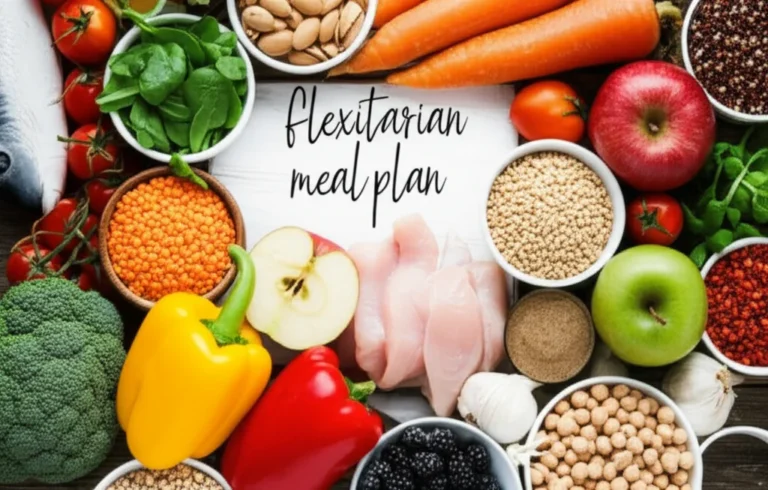
- Vegetables: Leafy greens, broccoli, carrots, peppers, mushrooms, zucchini.
- Fruits: Beries, apples, bananas, citrus, melons.
- Whole Grains: Quinoa, brown rice, oats, barley, faro, whole wheat.
- Legumes: Lentils, chickpeas, black beans, kidney beans.
- Proteins: Eggs, fish, poultry, tofu, tempeh, plain Greek yogurt.
- Fats: Avocado, olive oil, nuts, seeds.
- Flavor: Herbs, spices, garlic, onion, lemon juice.
The “Yellow Light” List (Eat in Moderation)
- Dairy: Cheese, milk, yogurt (choose plain, unsweetened).
- Processed Meats: Occasional lean cuts of turkey or chicken (not deli meats).
- Canned Goods: Beans and tomatoes (rinse to reduce sodium).
- Frozen Produce: Vegetables and fruits without added sauces or sugar.
The “Red Light” List (Avoid)
- Sugary Drinks: Soda, sweet tea, energy drinks.
- Refined Grains: White bread, white pasta, pastries.
- Ultra-Processed Snacks: Chips, cookies, candy bars, granola bars with added sugar.
- Processed Meats: Hot dogs, sausages, bacon, deli ham.
- Fast Food: Burgers, fries, pizza (unless homemade with whole ingredients).
Wait, what about bread? Not all bread is created equal. Look for 10% whole grain or sprouted grain breads where the first ingredient is whole flour. Avoid “wheat bread” that is just white bread with caramel coloring.
🛒 Smart Shopping Strategies: Navigating the Aisles Like a Pro
Walking into a supermarket can feel like walking into a minefield. Here is how our team navigates the aisles without blowing the budget or the diet.
The “Perimeter” Rule
Most supermarkets are designed so that the fresh, whole foods are on the outer perimeter (produce, meat, dairy), while the processed junk is in the middle aisles.
- Strategy: Stick to the perimeter 80% of the time. Only venture into the aisles for specific staples like oats, quinoa, or canned beans.
The “One-Ingredient” Check
When you pick up a package, ask: “Does this have only one ingredient?”
- Yes? (e.g., “Almonds”) -> Buy it.
- No? -> Check the label. If the ingredient list is short and recognizable, it’s likely a Group 3 food (okay in moderation). If it’s long, put it back.
Seasonal and Local
Buying in season is cheaper and tastier. Join a CSA (Community Supported Agriculture) box or visit a farmers’ market.
- Pro Tip: Frozen produce is often more nutritious than “fresh” produce that has sat on a truck for weeks. Don’t fear the freezer aisle!
Brand Recommendations
We love brands that prioritize transparency.
- Seds: Bob’s Red Mill (Great for chia, flax, and quinoa).
- Canned Beans: Eden Foods (BPA-free cans, low sodium).
- Oats: Quaker Old Fashioned Oats (Simple, just oats).
- Nut Buters: Justin’s Classic Almond Butter (Just almonds, maybe a pinch of salt).
👉 CHECK PRICE on:
- Bob’s Red Mill Quinoa: Amazon | Walmart | Brand Official
- Eden Foods Organic Beans: Amazon | Instacart | Brand Official
🍽️ Your 14-Day Whole Foods Diet Meal Plan (With Recipes!)
You asked for a plan that beats the standard 7-day list. Here is a 14-day flexitarian whole foods meal plan designed to keep you full, energized, and excited. This plan emphasizes variety, color, and ease.
The “Anchor Meal” Strategy
To prevent decision fatigue, we repeat 3-4 meals per week. This simplifies shopping and prep.
Week 1: The Reset
- Day 1:
Breakfast: Overnight oats with chia seeds, berries, and almond butter.
Lunch: Quinoa salad with chickpeas, cucumber, tomatoes, and lemon-tahini dressing.
Dinner: Baked salmon with roasted asparagus and sweet potato.
Snack: Apple slices with walnuts. - Day 2:
Breakfast: Scrambled eggs with spinach and mushrooms.
Lunch: Lentil soup with a side of mixed greens.
Dinner: Stir-fry with tofu, broccoli, bell peppers, and brown rice.
Snack: Plain Greek yogurt with a drizzle of honey. - Day 3:
Breakfast: Smoothie bowl (spinach, frozen banana, protein powder, topped with seeds).
Lunch: Leftover lentil soup.
Dinner: Turkey (or lentil) chili with avocado and corn.
Snack: Carot sticks with humus. - Day 4:
Breakfast: Whole grain toast with avocado and a poached egg.
Lunch: Tuna salad (made with olive oil, not mayo) on whole grain crackers.
Dinner: Sheet-pan chicken thighs with Brussels sprouts and potatoes.
Snack: Handful of pistachios. - Day 5:
Breakfast: Oatmeal with banana and cinnamon.
Lunch: Leftover sheet-pan dinner.
Dinner: Whole wheat pasta with homemade marinara, zucchini, and white beans.
Snack: Dark chocolate (80%+) and strawberries. - Day 6:
Breakfast: Vegie omelet with feta cheese.
Lunch: Grain bowl with quinoa, black beans, corn, salsa, and guacamole.
Dinner: Baked cod with roasted cauliflower and quinoa.
Snack: Cottage cheese with pineapple. - Day 7:
Breakfast: Chia seed pudding made with almond milk and mango.
Lunch: Big salad with grilled chicken, bets, and walnuts.
Dinner: Homemade pizza on a whole wheat crust with veggies and mozzarella.
Snack: Popcorn (air-popped, lightly salted).
Week 2: The Expansion
- Day 8:
Breakfast: Greek yogurt parfait with granola (homemade) and berries.
Lunch: Leftover pizza slices with a side salad.
Dinner: Beef (or mushroom) stir-fry with bok choy and brown rice.
Snack: Hard-boiled egg. - Day 9:
Breakfast: Smoothie with kale, frozen berries, and flaxseed.
Lunch: Chickpea salad wrap (whole wheat tortilla).
Dinner: Roasted chicken thighs with root vegetables.
Snack: Celery with almond butter. - Day 10:
Breakfast: Scrambled tofu with turmeric and peppers.
Lunch: Leftover stir-fry.
Dinner: Baked sweet potato stuffed with black beans, corn, and salsa.
Snack: Sliced pear with cheese. - Day 1:
Breakfast: Whole grain toast with peanut butter and banana.
Lunch: Lentil and vegetable soup.
Dinner: Shrimp (or tempeh) scampi with zucchini noodles.
Snack: Trail mix (nuts, seeds, no candy). - Day 12:
Breakfast: Overnight oats with pumpkin pure and spices.
Lunch: Quinoa and black bean bowl.
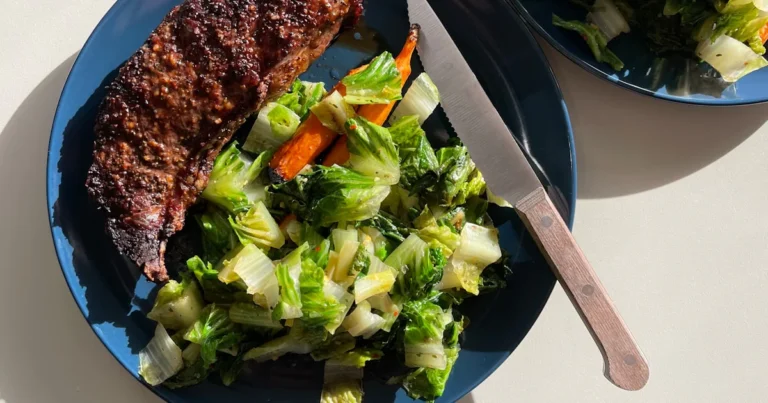
Dinner: Grilled steak (or portobello mushroom) with roasted asparagus.
Snack: Greek yogurt with cinnamon. - Day 13:
Breakfast: Vegie frittata.
Lunch: Leftover steak/mushroom salad.
Dinner: Homemade burito bowl with brown rice, beans, salsa, and guac.
Snack: Dark chocolate and almonds. - Day 14:
Breakfast: Smoothie bowl with granola and fruit.
Lunch: Leftover burito bowl.
Dinner: Roasted whole chicken (or tofu) with roasted vegetables and quinoa.
Snack: Fresh fruit.
Curious about the “Dinner Formula”? We’ll break down exactly how to construct a perfect plate in the next section, so you never have to guess again.
👩 🍳 Meal Prep Mastery: How to Batch Cook for Success
The biggest reason people fail at whole foods? Time. You come home tired, and the pizza box looks so much easier than chopping vegetables. The solution? Meal Prep.
The Sunday Ritual
Dedicate 2 hours on Sunday to prep.
- Cook Grains: Make a big batch of quinoa, brown rice, or faro.
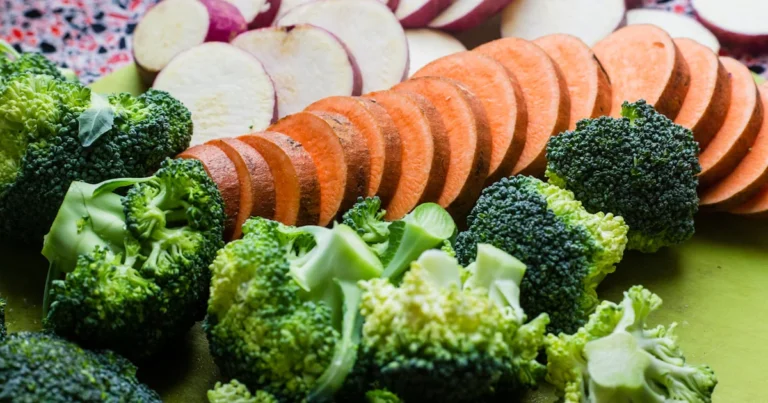
- Roast Veggies: Toss broccoli, carrots, and sweet potatoes in olive oil and roast them.
- Prep Protein: Hard-boil eggs, cook a batch of chicken or tofu, or rinse canned beans.
- Make Sauces: Whisk up a big jar of lemon-tahini or a simple vinaigrette.
Assembly Line Style
When you need lunch, just grab a container, add a scoop of grain, a scoop of protein, and a handful of veggies. Drizzle with sauce. Done in 30 seconds.
Pro Tip: Use glass containers for storage. They don’t stain and are microwave-safe.
🥤 Smoothies, Snacks, and Sides: Creative Whole Food Ideas
Don’t let your diet become boring. Here are some creative ways to keep your palate excited.
Smoothie Secrets
- The Base: Use unsweetened almond milk or water.
- The Green: Spinach is flavorless in smoothies! Add a handful.
- The Creaminess: Frozen banana or avocado.
- The Boost: Chia seeds, flax seeds, or a scoop of protein powder.
- Avoid: Store-bought smoothies (often loaded with sugar).
Snack Attack
- DIY Popcorn: Air-pop kernels, sprinkle with nutritional yeast and sea salt.
- Energy Bites: Mix oats, peanut butter, honey, and chocolate chips. Roll into balls.
- Vegie Sticks: Cut carrots, celery, and bell peppers. Pair with humus or guacamole.
- Fruit & Nut: An apple with a handful of almonds.
Side Dish Swaps
- Instead of fries: Roasted sweet potato wedges with paprika.
- Instead of chips: Kale chips (baked with olive oil and salt).
- Instead of white rice: Cauliflower rice or quinoa.
🌍 Sustainability and Ethics: Eating Green for the Planet
A whole foods diet isn’t just good for you; it’s good for the planet.
The Environmental Impact
- Reduced Waste: Whole foods often come with less packaging than ultra-processed items.
- Lower Carbon Footprint: Plant-based whole foods generally have a lower carbon footprint than meat-heavy diets.
- Supporting Local: Buying from farmers’ markets supports local agriculture and reduces food miles.
Ethical Eating
By choosing organic and free-range options when possible, you support better animal welfare and soil health. Even small changes, like reducing meat consumption, make a difference.
Did you know? The Blue Zone populations often eat mostly plants and locally sourced foods, contributing to their longevity and low environmental impact.
⚖️ Are There Downsides? Navigating Challenges and Myths
Is the whole foods diet perfect? No. Like any lifestyle change, it has challenges.
The Fiber Shock
If you’re used to a low-fiber diet, suddenly eating lots of beans and veggies can cause bloating and gas.
- Solution: Increase fiber intake gradually. Drink plenty of water to help your body adjust.
The Cost Myth
“Whole foods are too expensive!”
- Reality: Ultra-processed foods are cheap now, but expensive in the long run due to health costs.
- Budget Tips: Buy in bulk, choose frozen produce, focus on beans and lentils (cheapest proteins), and eat seasonally.
The Time Commitment
Cooking takes time.
- Solution: Use the meal prep strategies mentioned above. Invest in good tools (a good knife, a slow cooker, an Instant Pot).
Nutrient Deficiencies
If you go fully plant-based, watch out for Vitamin B12, Iron, and Omega-3s.
- Solution: Include fortified foods or consider a supplement. Consult a dietitian for personalized advice.
💰 Budget-Friendly Whole Foods: Eating Clean on a Dime
You don’t need a trust fund to eat well. Here is how to do it on a budget.
- Buy in Bulk: Grains, beans, and nuts are cheaper in bulk bins.
- Frozen is Fine: Frozen vegetables are often cheaper and just as nutritious as fresh.
- Plant Proteins: Beans, lentils, and tofu are significantly cheaper than meat.
- Seasonal Produce: Buy what’s in season. Strawberries in winter are expensive; apples in fall are cheap.
- Cook at Home: Eating out is the biggest budget breaker.
👉 CHECK PRICE on:
- Bulk Oats: Amazon | Walmart | Brand Official
- Canned Beans: Amazon | Instacart | Brand Official
🏃 ♀️ Fitness and Fuel: Optimizing Workouts with Whole Foods
As personal trainers, we see a huge difference in clients who switch to whole foods.
Pre-Workout Fuel
- Carbs: Oats, banana, or sweet potato for sustained energy.
- Avoid: Sugary sports drinks; water or herbal tea is usually enough.
Post-Workout Recovery
- Protein: Eggs, Greek yogurt, or a plant-based protein shake.
- Carbs: Fruit or whole grain toast to replenish glycogen.
- Hydration: Water with a pinch of salt for electrolytes.
The Result
Clients report better endurance, faster recovery, and reduced inflammation after switching to a whole foods diet.
🧠 The Psychology of Eating: Breaking Bad Habits for Good
Changing your diet is 20% food and 80% mindset.
The “All or Nothing” Trap
Don’t beat yourself up if you eat a cookie. Just get back on track with the next meal.
- Quote: “This diet isn’t about perfection but about making wise choices.”
Mindful Eating
Slow down. Chew your food. Listen to your body’s hunger cues.
- Tip: Put your fork down between bites.
The “Wind-Down” Routine
As mentioned in the video summary, create a routine to signal the end of the day. Avoid late-night snacking by brushing your teeth early or drinking herbal tea.
🌟 Conclusion

So, is the whole foods diet plan the magic bullet you’ve been looking for? Yes and no. It’s not a magic pill, but it is the most sustainable, science-backed path to long-term health. By focusing on minimally processed foods, you naturally regulate your weight, boost your energy, and protect your body from chronic disease.
We started this journey by asking: Can you really eat well without spending hours in the kitchen or a fortune at the grocery store? The answer is a resounding yes. With smart planning, the “Anchor Meal” strategy, and a focus on the perimeter of the store, you can transform your health without sacrificing your sanity.
Remember, the goal isn’t perfection. It’s progress. Start with one swap today. Maybe it’s swapping your sugary cereal for overnight oats. Maybe it’s choosing a piece of fruit over a candy bar. Small steps lead to big changes.
As you embark on this journey, keep in mind the wisdom of the Blue Zones and the Flexitarian philosophy: eat mostly plants, enjoy animal products in moderation, and savor the food you eat. Your body, your mind, and the planet will thank you.
🔗 Recommended Links
Ready to get started? Here are some essential resources and products to kickstart your whole foods journey.
👉 Shop Essentials on:
- High-Quality Oats: Amazon | Walmart | Brand Official
- Organic Canned Beans: Amazon | Instacart | Brand Official
- Nut Buters (No Sugar Added): Amazon | Walmart | Brand Official
- Frozen Vegetables: Amazon | Instacart | Brand Official
Recommended Books:
❓ FAQ: Your Burning Questions Answered

How do I transition to a whole foods diet with mostly plant-based meals?
Start slowly. Replace one processed meal a day with a whole food alternative. Focus on adding more vegetables and legumes to your plate. For a step-by-step guide, check out our Flexitarian Basics section.
Read more about “🌱 10 Plant-Forward Eating Benefits for Whole Health (2026)”
What are some easy whole foods recipes for a mostly vegetarian lifestyle?
Try Lentil Bolognese (lentils, tomatoes, herbs over whole wheat pasta), Chickpea Curry (conut milk, spinach, spices), or Quinoa Stuffed Peppers. These are high in protein and fiber.
Read more about “🌾 5 Whole Grain Secrets of the Blue Zone Diet (2026)”
Can a whole foods diet be balanced and nutritious for vegetarians?
Absolutely! By combining legumes, whole grains, nuts, seeds, and vegetables, you can get all the essential amino acids and nutrients. Just pay attention to Vitamin B12 and Iron intake.
Read more about “Blue Zone Diet Meal Plan for Vegetarians: 7 Secrets to Longevity 🌱 (2025)”
How does a whole foods diet support weight loss and overall health?
Whole foods are naturally lower in calories and higher in fiber, which increases satiety. This leads to a natural reduction in calorie intake without counting. Plus, the nutrient density supports overall metabolic health.
What are the best whole foods to include in a healthy vegetarian diet?
- Legumes: Lentils, chickpeas, black beans.
- Whole Grains: Quinoa, brown rice, oats.
- Nuts & Seeds: Almonds, chia seeds, flaxseds.
- Vegetables: Leafy greens, cruciferous veggies.
- Fruits: Beries, apples, bananas.
Read more about “🫒 7 Blue Zone Fats That Add Years to Your Life (2026)”
How can I create a mostly vegetarian whole foods meal plan?
Use the Plate Method: 50% veggies, 25% protein (tofu, beans, eggs), 25% whole grains. Plan your meals around these ratios.
Read more about “🌿 Can You Lose Weight on the Blue Zone Diet? (2026)”
What are the benefits of a whole foods diet plan for vegetarians?
It reduces the risk of heart disease, diabetes, and certain cancers. It also improves gut health and energy levels.
Read more about “Flexitarian vs. Vegetarian: Which Plant-Forward Path Wins in 2026? 🌱🥩”
What is a simple 7-day whole foods diet plan for vegetarians?
See our 14-Day Meal Plan above! You can easily adapt it by swapping meat for tofu, tempeh, or extra beans.
Read more about “Do Flexitarians Lose Weight? 10 Science-Backed Secrets (2026) 🌱”
How do I start a whole foods plant-based diet on a budget?
Buy in bulk, choose frozen produce, focus on beans and lentils, and cook at home. Avoid expensive “vegan” processed substitutes.
Read more about “🌱 7 Flexitarian Secrets: The Ultimate Whole-Food Guide (2026)”
Are whole foods diet plans effective for weight loss?
Yes, studies show that people on whole food diets lose more weight than those on ultra-processed diets, even without calorie counting.
Read more about “🥗 What Do You Eat on a Flexitarian Diet? (2026)”
What are the best whole foods recipes for a mostly vegetarian diet?
Chickpea Salad, Black Bean Tacos, Vegetable Stir-Fry, and Lentil Soup are all excellent options.
Read more about “🐟 The Ultimate Pescatarian Diet Guide: 7-Day Plan & 12 Surprising Benefits (2026)”
Can you lose weight on a whole foods diet without counting calories?
Yes! The high fiber and protein content of whole foods naturally regulate your appetite, leading to a calorie deficit without the need for tracking.
What are the benefits of a whole foods diet for energy levels?
Stable blood sugar levels from complex carbs and fiber prevent energy crashes, providing sustained energy throughout the day.
Read more about “🕰️ When Was the Flexitarian Diet Created? The 203 Origin Story Revealed”
How to meal prep whole foods vegetarian meals for the week?
Cook a large batch of grains, roast a tray of veggies, and prepare a protein source (like tofu or beans) on Sunday. Assemble meals as needed.
How do I handle social situations and dining out?
Look for restaurants with whole food options. Ask for substitutions (brown rice instead of white, extra veggies). Don’t be afraid to ask the server about ingredients.
What if I crave sugar?
Cravings often pass. Try a piece of fruit or a square of dark chocolate. Over time, your palate will adjust, and you’ll crave less sugar.
Read more about “🌱 Flexitarian Meaning: The Ultimate Guide to Eating Mostly Plants (2026)”
📚 Reference Links
- Hall, K. D., et al. (2019). “Ultra-Processed Diets Cause Excess Calorie Intake and Weight Gain: An Inpatient Randomized Controlled Trial of Ad Libitum Food Intake.” Cell Metabolism. Link to Study
- World Health Organization (WHO). “Processed Meat and Cancer.” Link to WHO
- NOVA Classification System. University of São Paulo. Link to NOVA
- USDA MyPlate. Link to MyPlate
- BodySpec. “Whole Foods Diet: Benefits and 7-Day Meal Plan.” Link to BodySpec
- Ideal Nutrition. “7-Day Whole Foods Meal Plan.” Link to Ideal Nutrition
- Everyday Health. “Whole Foods Diet.” Link to Everyday Health
- Flexitarian Diet™. Benefits of Flexitarian Diet | Flexitarian Basics | Flexitarian Nutrition Facts | Flexitarian Lifestyle | Flexitarian Recipes | Blue Zone Diet