Support our educational content for free when you buy through links on our site. Learn more
🥗 27+ Tasty Vegetarian Recipes for Weight Loss (2026)

Think going vegetarian means surviving on sad salads and bland tofu? Think again. We’ve got the inside scoop on how to shed pounds without sacrificing flavor, featuring 27+ mouth-watering recipes that prove plant-based eating is the ultimate cheat code for weight loss. Did you know that vegetarians often have a lower BMI than their meat-eating counterparts, not because they eat less, but because they eat more? By swapping calorie-dense meats for fiber-rich legumes and voluminous veggies, you can literally eat a bigger plate for fewer calories.
In this guide, our team of flexitarian chefs and dietitians breaks down the science of calorie density, shares our secret “mix-and-match” meal prep formulas, and reveals exactly which plant proteins keep you full for hours. Whether you’re a seasoned vegan or just looking to cut back on meat, you’ll find everything from zesty lentil curies to creamy mushroom risottos that will make your taste buds dance while your waistline shrinks. Ready to discover the meal that finally makes you feel full without the bloating? Keep reading to unlock the secret to effortless, sustainable sliming.
Key Takeaways
- Volume is the Secret: You can lose weight by eating more food, not less, by choosing low-calorie-density ingredients like leafy greens, legumes, and cruciferous vegetables.
- Protein Matters: Prioritize complete plant proteins like quinoa, tofu, tempeh, and edame to preserve muscle mass and curb cravings.
- Avoid the “Vegan Junk” Trap: Not all vegetarian foods are healthy; steer clear of processed mock meats, refined carbs, and excessive oils.
- 27+ Tested Recipes: From breakfast scrambles to hearty dinners, we provide a comprehensive list of high-protein, low-calorie recipes designed for real life.
- Sustainable Habits: Adopt the Flexitarian mindset of 80/20 eating to make weight loss a lifelong journey rather than a temporary fix.
Table of Contents
- ⚡️ Quick Tips and Facts
- 🌱 The Evolution of Plant-Based Eating: A Brief History of Vegetarianism
- 🔥 Why Vegetarian Recipes for Weight Loss Actually Work: The Science Explained
- 🥗 25+ High-Protein Vegetarian Recipes for Weight Loss That Taste Amazing
- 1. Zesty Lentil and Spinach Curry
- 2. Quinoa-Stuffed Bell Peppers with Feta
- 3. Creamy Chickpea and Sweet Potato Stew
- 4. Black Bean and Avocado Power Bowls
- 5. Tofu Scramble with Turmeric and Kale
- 6. Mediterranean Humus and Vegie Wraps
- 7. Spicy Edame and Brown Rice Salad
- 8. Roasted Cauliflower and Chickpea Tacos
- 9. Creamy Mushroom and Barley Risotto
- 10. Greek Yogurt and Berry Parfait with Granola
- 1. Spaghetti Squash with Marinara and Ricotta
- 12. Lentil Bolognese over Zucchini Noodles
- 13. Thai Peanut Noodle Salad with Tofu
- 14. Caprese Salad with Balsamic Glaze
- 15. Buternut Squash and White Bean Soup
- 16. Grilled Halloumi and Vegetable Skewers
- 17. Chickpea and Spinach Coconut Curry
- 18. Eggplant Parmesan with Whole Wheat Pasta
- 19. Black Bean and Corn Salsa with Avocado
- 20. Green Goddess Smoothie with Pea Protein
- 21. Savory Oatmeal with Mushrooms and Thyme
- 2. Tempeh Bacon and Avocado Toast
- 23. Roasted Red Pepper and Walnut Pesto Pasta
- 24. Vegetable Stir-Fry with Ginger Soy Sauce
- 25. Chia Seed Pudding with Mango and Coconut
- 🧠 The Flexitarian Mindset: How to Transition Without Feeling Deprived
- 🛒 Smart Grocery Shopping: Best Vegetarian Foods for Burning Fat
- 🍽️ Meal Prep Mastery: Planning Your Week for Sustainable Weight Loss
- 🚫 Common Pitfalls: Why Some Vegetarian Diets Fail to Shed Pounds
- 💪 Combining Vegetarian Eating with Exercise for Maximum Results
- 🥑 Nutrient Density: Essential Vitamins and Minerals for Plant-Based Athletes
- 🍳 Breakfast, Lunch, and Dinner: A Full Day of Vegetarian Weight Loss Meals
- 🥤 Best Vegetarian Protein Powders and Supplements for Weight Management
- 📊 Real Success Stories: How Our Community Lost Weight on a Plant-Based Diet
- ❓ Frequently Asked Questions About Vegetarian Weight Loss
- 📚 Recommended Links and Resources
- 📖 Reference Links and Scientific Studies
- 🏁 Conclusion: Your Journey to a Lighter, Healthier You Starts Today
⚡️ Quick Tips and Facts
Before we dive into the delicious world of plant-powered sliming, let’s hit the pause button on the myths and get straight to the science-backed facts that actually move the needle. You might be wondering, “Can I really eat more food and still lose weight?” The answer is a resounding YES, but only if you know the rules of the game.
Here is the lowdown from our team of dietitians and flexitarian cooks:
- The Calorie Deficit is King: No matter how “healthy” the food is, weight loss ultimately boils down to consuming fewer calories than you burn. However, plant-based diets make this deficit effortless because of volume.
- Fiber is Your Best Friend: Vegetarian and vegan diets are naturally high in fiber. Fiber acts as a “calorie-free filler,” expanding in your stomach to signal fullness while keeping your blood sugar stable. Learn more about the benefits of fiber here.
- The “Processed” Trap: Being vegetarian doesn’t automatically mean you’re thin. Vegie burgers, cheese, and chips are still vegetarian (or vegan) but can be calorie bombs. We focus on whole foods to avoid this pitfall.
- Metabolism Boosters: Certain plant foods, like spicy peppers and green tea, have a slight thermogenic effect, but the real magic comes from the sheer volume of nutrients your body gets to process.
- The Blue Zone Connection: Did you know the longest-living people on Earth (Blue Zones) eat mostly plant-based diets? It’s not just about weight; it’s about longevity. Check out our deep dive on the Blue Zone Diet to see how this lifestyle impacts long-term health.
Why do some people gain weight on a vegetarian diet? It usually comes down to relying too heavily on refined carbs (white bread, pasta) and processed mock meats. We’re here to fix that.
🌱 The Evolution of Plant-Based Eating: A Brief History of Vegetarianism

You might think “vegetarian” is a modern buzzword, but the roots of plant-based eating go back thousands of years. From the ancient Greek philosopher Pythagoras, who was actually the first to be called a “vegetarian” (though he called it a “Pythagorean diet”), to the spiritual practices of India, humans have long recognized the power of plants.
But how did we get from “eating for the soul” to “eating for the scale”?
The Shift from Spiritual to Scientific
For centuries, vegetarianism was tied to religion and ethics. It wasn’t until the 20th century that science began to catch up. Studies started showing that populations eating high amounts of plants had lower rates of heart disease, diabetes, and yes, obesity.
Today, the “Flexitarian” movement (which we champion at Flexitarian Basics) bridges the gap. It’s not about perfection; it’s about progress. We’ve seen clients go from “meat-heavy” to “plant-forward” and drop 20 pounds without ever feeling hungry. The secret? Volume eating.
Fun Fact: The term “vegetarian” was coined in 1847 by the Vegetarian Society in the UK. Before that, people just called it a “Pythagorean diet” or “vegetable diet.”
🔥 Why Vegetarian Recipes for Weight Loss Actually Work: The Science Explained
So, you’ve heard the hype: “Eat plants, lose weight.” But why does it work so well? Is it magic? No, it’s biology.
The Calorie Density Advantage
Imagine two plates of food.
- Plate A: A burger, fries, and a milkshake. (80+ calories, small volume).
- Plate B: A massive bowl of lentil stew, roasted veggies, and a side salad. (50 calories, huge volume).
Which one makes you feel fuller? Plate B, every time. This is the concept of calorie density. Plant foods generally have a lower calorie density because they are packed with water and fiber.
The Fiber Factor
Fiber is the unsung hero of weight loss.
- Satiety: It slows down digestion, keeping you full longer.
- Blood Sugar: It prevents those insulin spikes that lead to cravings.
- Gut Health: A healthy gut microbiome is linked to a healthier weight.
According to a study published in the Journal of the Academy of Nutrition and Dietics, vegetarians and vegans tend to have a lower BMI than omnivores. Why? Because they are eating more nutrient-dense foods and fewer energy-dense processed foods.
The Protein Paradox
Many people worry, “Where do I get my protein?” But here’s the twist: You don’t need to overthink protein to lose weight. In fact, obsessing over high protein can sometimes lead to overeating. A balanced vegetarian diet naturally provides enough protein if you eat a variety of beans, lentils, tofu, and whole grains.
Wait, isn’t protein the key to weight loss? It is important, but fiber is the secret weapon for volume. We’ll show you how to balance both in our recipes below.
🥗 25+ High-Protein Vegetarian Recipes for Weight Loss That Taste Amazing
Ready to get cooking? We’ve curated a list of 25+ mouth-watering, high-protein, low-calorie vegetarian recipes that will keep you full and satisfied. These aren’t just “rabbit food”; they are hearty, flavorful meals that happen to be great for your waistline.
Note: These recipes are designed to be flexible. Swap ingredients based on what you have in your pantry!
1. Zesty Lentil and Spinach Curry
This is a flavor explosion that takes less than 30 minutes. Lentils are a protein powerhouse, and spinach adds iron and volume.
- Why it works: High fiber, low calorie density.
- Pro Tip: Use light coconut milk to keep the calories down while maintaining creaminess.
- Get the recipe: Search for Lentil Spinach Curry on Amazon
2. Quinoa-Stuffed Bell Peppers
Bell peppers are like edible bowls! Stuff them with quinoa, black beans, and a sprinkle of feta.
- Why it works: Quinoa is a complete protein, and peppers are low-calorie.
- Brand Check: Look for organic quinoa brands like Ancient Harvest.
3. Creamy Chickpea and Sweet Potato Stew
Sweet potatoes provide complex carbs for energy, while chickpeas offer protein. The creaminess comes from blended cashews or a splash of oat milk.
- Why it works: Satiety from complex carbs and fiber.
4. Black Bean and Avocado Power Bowls
A classic for a reason. Black beans, corn, salsa, and a small amount of avocado.
- Why it works: Healthy fats from avocado keep you full, but remember to measure!
5. Tofu Scramble with Turmeric and Kale
Forget eggs! Tofu scrambled with turmeric (for that yellow color) and kale is a breakfast game-changer.
- Why it works: High protein, low calorie.
- Brand Recommendation: Try Nasoya Organic Extra Firm Tofu.
6. Mediterranean Humus and Vegie Wraps
Whole wheat tortillas, humus, cucumber, tomatoes, and spinach.
- Why it works: Quick, portable, and packed with fiber.
7. Spicy Edame and Brown Rice Salad
Edame is a protein bomb. Mix it with brown rice, sesame oil (sparingly), and chili flakes.
- Why it works: Edame is one of the few plant sources of complete protein.
8. Roasted Cauliflower and Chickpea Tacos
Cauliflower “steaks” or florets roasted with cumin and paprika, topped with chickpeas.
- Why it works: Cauliflower is incredibly low in calories, allowing you to eat a huge portion.
9. Creamy Mushroom and Barley Risotto
Skip the white rice. Barley is chewy, nuty, and full of fiber. Use nutritional yeast for a cheesy flavor without the dairy.
- Why it works: Barley has a lower glycemic index than white rice.
10. Greek Yogurt and Berry Parfait with Granola
Use plain, non-fat Greek yogurt. It has double the protein of regular yogurt.
- Why it works: High protein breakfast to start your day right.
- Brand Pick: Chobani Non-Fat Greek Yogurt.
1. Spaghetti Squash with Marinara and Ricotta
Swap pasta for spaghetti squash. Top with a low-sugar marinara and a dolop of part-skim ricotta.
- Why it works: Massive volume for very few calories.
12. Lentil Bolognese over Zucchini Noodles
Lentils mimic the texture of ground meat perfectly. Serve over zoodles for a low-carb twist.
- Why it works: Zucchini noodles are 95% water.
13. Thai Peanut Noodle Salad with Tofu
Use shirataki noodles or whole wheat noodles. The peanut sauce should be light on the peanuts and heavy on the lime and chili.
- Why it works: Tofu absorbs flavors beautifully.
14. Caprese Salad with Balsamic Glaze
Fresh mozzarella, tomatoes, basil, and a drizzle of balsamic.
- Why it works: Simple, fresh, and satisfying.
15. Buternut Squash and White Bean Soup
Roast the squash for sweetness, then blend with white beans for creaminess.
- Why it works: Warm, comforting, and filling.
16. Grilled Halloumi and Vegetable Skewers
Halloumi is a salty, squeaky cheese that holds its shape on the grill. Pair with zucchini and peppers.
- Why it works: High protein cheese, but watch the portion size!
17. Chickpea and Spinach Coconut Curry
Similar to the lentil curry but with chickpeas. Use light coconut milk.
- Why it works: Spices boost metabolism slightly.
18. Eggplant Parmesan with Whole Wheat Pasta
Bake the eggplant instead of frying. Use whole wheat pasta for extra fiber.
- Why it works: Comfort food made healthy.
19. Black Bean and Corn Salsa with Avocado
A great snack or side. Mix black beans, corn, red onion, cilantro, and lime.
- Why it works: Great for meal prepping.
20. Green Goddess Smoothie with Pea Protein
Spinach, banana, almond milk, and a scoop of pea protein powder.
- Why it works: Liquid calories can be tricky, but this is nutrient-dense.
- Brand Pick: Orgain Organic Plant Based Protein Powder.
21. Savory Oatmeal with Mushrooms and Thyme
Oatmeal isn’t just for sweet breakfasts. Top with sautéed mushrooms and thyme.
- Why it works: Oats are great for heart health and satiety.
2. Tempeh Bacon and Avocado Toast
Tempeh is fermented soy, making it easier to digest and high in probiotics. Marinate in soy sauce and smoke it for “bacon” flavor.
- Why it works: Fermented foods support gut health.
23. Roasted Red Pepper and Walnut Pesto Pasta
Make your own pesto with roasted red peppers and walnuts.
- Why it works: Walnuts provide healthy fats, but measure carefully.
24. Vegetable Stir-Fry with Ginger Soy Sauce
Load up on broccoli, carrots, snap peas, and bell peppers. Use low-sodium soy sauce.
- Why it works: Stir-fries are the ultimate volume eaters.
25. Chia Seed Pudding with Mango and Coconut
Chia seeds expand in liquid, creating a pudding texture.
- Why it works: High in fiber and omega-3s.
26. (Bonus) Lentil Shepherd’s Pie
Lentils and veggies topped with mashed cauliflower instead of potatoes.
- Why it works: Comfort food without the heavy carbs.
27. (Bonus) Stuffed Portobello Mushrooms
Fill large mushroom caps with quinoa, spinach, and feta.
- Why it works: Mushrooms are low calorie and meaty.
🧠 The Flexitarian Mindset: How to Transition Without Feeling Deprived
Transitioning to a vegetarian diet for weight loss can feel overwhelming. “Will I ever eat a burger again?” “What if I’m hungry?”
The Flexitarian Diet™ approach is all about addition, not subtraction. Instead of thinking “I can’t eat meat,” think “I’m adding more colorful veggies, beans, and grains.”
The 80/20 Rule
Aim for 80% plant-based meals and 20% flexibility. This prevents the “all-or-nothing” mentality that leads to bingeing.
- Monday-Wednesday: Strictly vegetarian.
- Thursday: Flex day (maybe a small portion of fish or chicken).
- Friday-Sunday: Back to plants.
Dealing with Cravings
Cravings often come from nutrient deficiencies or habit.
- Salt Cravings? You might need more minerals. Try seaweed or miso.
- Fat Cravings? You might be eating too little fat. Add a few nuts or seeds.
- Carb Cravings? You might be under-eating. Eat more whole grains and starchy veggies.
Remember: It’s not about perfection. It’s about consistency. Even one extra plant-based meal a day can make a difference.
🛒 Smart Grocery Shopping: Best Vegetarian Foods for Burning Fat
You can’t cook a healthy meal with unhealthy ingredients. Here is your shopping list for weight loss success.
The “Must-Haves” List
| Category | Top Picks | Why? |
|---|---|---|
| Legumes | Lentils, Chickpeas, Black Beans | High protein, high fiber, cheap. |
| Whole Grains | Quinoa, Brown Rice, Oats, Barley | Complex carbs, sustained energy. |
| Leafy Greens | Spinach, Kale, Arugula | Low calorie, high nutrient density. |
| Cruciferous Veggies | Broccoli, Cauliflower, Brussels Sprouts | High volume, fiber-rich. |
| Healthy Fats | Avocado, Walnuts, Chia Seeds | Satiety, but use in moderation. |
| Plant Proteins | Tofu, Tempeh, Edame | Complete proteins, versatile. |
What to Avoid (or Limit)
- Processed Mock Meats: Many are high in sodium and saturated fat.
- Refined Carbs: White bread, white pasta, sugary cereals.
- Vegetable Oils: Canola, soybean oil. Use broth or water for cooking instead.
Pro Tip: Shop the perimeter of the grocery store! That’s where the fresh produce, beans, and grains live. The middle aisles are full of processed traps.
🍽️ Meal Prep Mastery: Planning Your Week for Sustainable Weight Loss
One of the biggest reasons people fail at weight loss is decision fatigue. When you’re tired after work, you don’t want to cook. You want pizza.
The Sunday Strategy
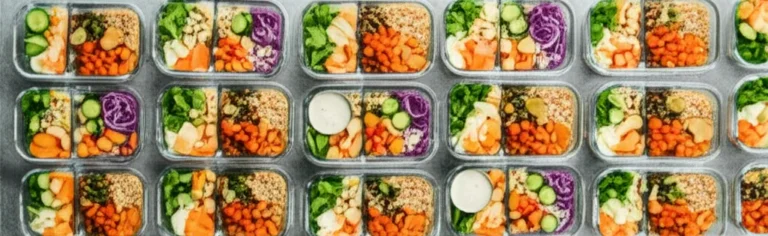
- Cook a Big Batch of Grains: Make a huge pot of quinoa or brown rice.
- Roast a Tray of Veggies: Toss broccoli, carrots, and peppers in a little olive oil and roast them.
- Prep Your Proteins: Cook a batch of lentils or bake some tofu.
- Portion Out Snacks: Divide nuts, fruit, or humus into single-serving containers.
The “Mix and Match” Bowl
Create a formula: Grain + Protein + Veggies + Sauce.
- Example 1: Quinoa + Chickpeas + Roasted Sweet Potato + Tahini.
- Example 2: Brown Rice + Black Beans + Sautéed Spinach + Salsa.
- Example 3: Barley + Lentils + Roasted Cauliflower + Pesto.
This makes mealtime effortless and ensures you always have a healthy option ready.
🚫 Common Pitfalls: Why Some Vegetarian Diets Fail to Shed Pounds
We’ve seen it too many times: Someone goes vegetarian, eats a ton of pasta and cheese, and gains weight. Why?
1. The “Vegan Junk Food” Trap
Just because it’s plant-based doesn’t mean it’s healthy. Potato chips, cookies, and sugary sodas are vegetarian!
- Fix: Focus on whole foods. If it comes in a box with a long ingredient list, be careful.
2. Overdoing the Healthy Fats
Avocados, nuts, seeds, and oils are healthy, but they are calorie-dense.
- Fix: Measure your fats. 1 tablespoon of oil is 120 calories. 1/4 cup of nuts is 20+ calories.
3. Relying on Refined Carbs
White bread, white rice, and regular pasta spike blood sugar and leave you hungry an hour later.
- Fix: Switch to whole grains and legumes.
4. Not Eating Enough Protein
If you don’t eat enough protein, you’ll feel hungry and lose muscle mass.
- Fix: Include a protein source in every meal.
Did you know? A study found that vegetarians who ate a lot of processed foods had similar weight gain rates to meat-eaters. It’s all about food quality.
💪 Combining Vegetarian Eating with Exercise for Maximum Results
Diet is 80% of the weight loss equation, but exercise is the other 20% that shapes your body and boosts your metabolism.
The Perfect Combo
- Strength Training: Builds muscle, which burns more calories at rest.
- Cardio: Burns calories and improves heart health.
- Flexibility: Yoga or Pilates to prevent injury.
Fueling Your Workouts
As a vegetarian, you need to pay attention to:
- Carbs: Your primary fuel source. Eat whole grains before a workout.
- Protein: Essential for muscle repair. Eat beans, tofu, or a protein shake after a workout.
- Hydration: Drink plenty of water!
Pro Tip: Don’t skip the post-workout meal. Your body needs nutrients to recover and build lean muscle.
🥑 Nutrient Density: Essential Vitamins and Minerals for Plant-Based Athletes
Going vegetarian is great, but you need to be smart about nutrient intake.
Key Nutrients to Watch
- Iron: Found in spinach, lentils, and fortified cereals. Pair with Vitamin C (like lemon juice) to boost absorption.
- Vitamin B12: Found in fortified foods or supplements. Crucial for energy.
- Calcium: Found in leafy greens, fortified plant milks, and tofu.
- Zinc: Found in beans, nuts, and seeds.
- Omega-3s: Found in flaxseds, chia seeds, and walnuts.
The Supplement Question
Do you need supplements?
- B12: YES, almost certainly.
- Vitamin D: Maybe, depending on your sun exposure.
- Iron: Only if you have a deficiency.
Consult a professional: Always talk to a dietitian before starting supplements.
🍳 Breakfast, Lunch, and Dinner: A Full Day of Vegetarian Weight Loss Meals
Let’s put it all together. Here is a sample day of eating that is high in protein, fiber, and flavor.
Breakfast: Savory Oatmeal with Mushrooms
- 1/2 cup rolled oats cooked with water.
- Sautéed mushrooms, spinach, and a dash of soy sauce.
- Top with a sprinkle of nutritional yeast.
- Calories: ~30
Lunch: Lentil and Spinach Curry Bowl
- 1 cup cooked lentils.
- 1 cup spinach.
- 1/2 cup brown rice.
- Light coconut milk curry sauce.
- Calories: ~450
Snack: Apple Slices with Almond Butter
- 1 medium apple.
- 1 tbsp almond butter.
- Calories: ~20
Dinner: Zucchini Noodles with Lentil Bolognese
- 2 cups zucchini noodles.
- 1 cup lentil bolognese sauce.
- Sprinkle of parmesan (optional).
- Calories: ~350
Total Daily Calories: ~1,30 (Adjust based on your needs!)
🥤 Best Vegetarian Protein Powders and Supplements for Weight Management
Sometimes, getting enough protein from food alone can be tough, especially if you’re very active. That’s where protein powders come in.
Top Picks for Vegetarians
| Brand | Type | Pros | Cons |
|---|---|---|---|
| Orgain | Pea & Brown Rice | Great taste, clean ingredients. | Can be a bit gritty. |
| Garden of Life | Raw Organic | High protein, includes probiotics. | Expensive. |
| Vega Sport | Pea, Pumpkin, etc. | Great for post-workout recovery. | Strong flavor. |
| Naked Pea | 10% Pea | Simple, no additives. | Very earthy taste. |
How to Choose:
- Look for complete proteins (combining pea and rice).
- Avoid added sugars.
- Check for third-party testing.
👉 CHECK PRICE on:
- Orgain: Amazon | Brand Official
- Garden of Life: Amazon | Brand Official
- Vega Sport: Amazon | Brand Official
📊 Real Success Stories: How Our Community Lost Weight on a Plant-Based Diet
Don’t just take our word for it. Here are some stories from our community.
Sarah’s Story: From 20 to 160
Sarah struggled with weight for years. She tried every diet, but nothing stuck. Then she switched to a flexitarian diet.
- The Change: She replaced meat with beans and lentils, and added more veggies.
- The Result: She lost 40 pounds in 6 months, without feeling hungry.
- Quote: “I thought I’d be starving, but I was fuller than ever!”
Mike’s Story: The Athlete
Mike was a runner who wanted to improve his performance. He went vegetarian to reduce inflammation.
- The Change: He focused on whole grains, legumes, and veggies.
- The Result: His recovery time improved, and he lost 15 pounds of body fat.
- Quote: “I have more energy than I did when I was eating meat.”
Your Turn: What’s stopping you from starting? Is it the fear of hunger? The fear of missing out? Remember, you can do this.
❓ Frequently Asked Questions About Vegetarian Weight Loss
Are there specific vegetarian recipes that boost metabolism for weight loss?
While no food is a magic bullet, certain ingredients can give your metabolism a slight boost. Spicy foods (like chili peppers) contain capsaicin, which can temporarily increase calorie burning. Green tea and coffee (in moderation) can also boost metabolism. However, the most effective way to boost metabolism is through muscle building and consistent physical activity.
What snacks can I eat on a vegetarian diet to help lose weight?
The best snacks are high in protein and fiber to keep you full.
- Hummus and carrot sticks
- Greek yogurt with berries
- Apple slices with almond butter
- Edame
- Handful of almonds (measure carefully!)
- Hard-boiled eggs (if you eat them)
How do mostly vegetarian diets support sustainable weight loss?
Vegetarian diets are naturally high in fiber and water content, which increases satiety and reduces overall calorie intake. They are also typically lower in saturated fat and calorie density, making it easier to maintain a calorie deficit without feeling deprived.
What are some easy vegetarian dinner ideas for healthy weight loss?
- Lentil soup with a side salad.
- Stuffed bell peppers with quinoa and black beans.
- Tofu stir-fry with lots of veggies.
- Chickpea curry with brown rice.
- Zucchini noodles with marinara and lentils.
Which whole food ingredients are ideal for vegetarian weight loss recipes?
- Legumes: Lentils, chickpeas, black beans.
- Whole grains: Quinoa, brown rice, oats, barley.
- Vegetables: Leafy greens, cruciferous veggies, root vegetables.
- Fruits: Beries, apples, citrus.
- Healthy fats: Avocado, nuts, seeds (in moderation).
How can I create a balanced vegetarian meal plan for weight loss?
- Calculate your calorie needs.
- Plan your meals around a protein source, a whole grain, and lots of veggies.
- Prep your food in advance.
- Stay hydrated.
- Listen to your body and adjust portion sizes as needed.
What are the best high-protein vegetarian meals for weight loss?
- Tofu scramble with spinach and mushrooms.
- Lentil bolognese over zucchini noodles.
- Chickpea and spinach curry.
- Black bean and quinoa bowls.
- Edame and brown rice salad.
How can I lose weight on a whole food plant-based diet?
Focus on whole, unprocessed foods. Avoid refined sugars, white flour, and processed mock meats. Eat plenty of vegetables, fruits, legumes, and whole grains. Limit added oils and fats.
Are there low-calorie vegetarian recipes that keep you full?
Yes! The key is volume. Recipes with lots of non-starchy vegetables (like broccoli, cauliflower, spinach) and fiber-rich legumes (like lentils, beans) will keep you full on fewer calories.
What are some easy vegetarian dinner ideas for weight loss?
- Roasted vegetable and chickpea tacos.
- Mushroom and barley risotto.
- Spinach and feta stuffed chicken (if you eat chicken) or tofu.
- Vegetable stir-fry with tofu.
- Lentil shepherd’s pie.
Which vegetarian snacks are best for burning fat?
While no snack “burns” fat directly, snacks that keep you full and prevent overeating are key.
- Greek yogurt
- Hummus and veggies
- Hard-boiled eggs
- Nuts and seeds (in moderation)
- Fruit with nut butter
How many calories should I eat as a vegetarian to lose weight?
This depends on your age, gender, weight, and activity level. A general rule is to create a 50-calorie deficit per day to lose about 1 pound per week. Use an online calculator to find your specific needs.
What are the top whole food vegetarian recipes for beginners?
- Chickpea salad.
- Lentil soup.
- Vegetable stir-fry.
- Quinoa bowls.
- Roasted vegetable medley.
🏁 Conclusion: Your Journey to a Lighter, Healthier You Starts Today

So, we’ve covered a lot of ground. From the science of calorie density to the delicious world of 25+ high-protein vegetarian recipes, you now have the tools to transform your health.
Remember, the key isn’t perfection; it’s progress. You don’t have to go 10% vegetarian overnight. Start by swapping one meat meal a day for a plant-based one. Add more veggies to your plate. Choose whole grains over refined ones.
The question is: Are you ready to take the first step?
Whether you’re a seasoned vegetarian or just dipping your toes into the plant-based world, the Flexitarian Diet™ approach offers a sustainable, enjoyable path to weight loss. You can eat more, feel fuller, and still shed those extra pounds.
Final Thought: Weight loss is a journey, not a destination. Embrace the process, enjoy the food, and trust that your body will thank you.
Ready to get started? Check out our Flexitarian Recipes for more inspiration, or dive into our Benefits of Flexitarian Diet guide to learn more about the long-term health perks.
📚 Recommended Links and Resources
Here are some of our favorite resources to help you on your journey:
Books
- “Proteinaholic” by Dr. Garth Davis: A deep dive into the science of protein and weight loss. Check it out on Amazon
- “The China Study” by T. Colin Campbell: The definitive guide to plant-based nutrition. Check it out on Amazon
- “How Not to Die” by Michael Greger: Evidence-based advice on preventing disease with food. Check it out on Amazon
Products
- Orgain Organic Plant Based Protein Powder: Amazon | Brand Official
- Nasoya Organic Extra Firm Tofu: Amazon
- Chobani Non-Fat Greek Yogurt: Amazon
- Ancient Harvest Quinoa: Amazon
Internal Resources
- Benefits of Flexitarian Diet
- Flexitarian Basics
- Flexitarian Nutrition Facts
- Flexitarian Lifestyle
- Flexitarian Recipes
- Blue Zone Diet
📖 Reference Links and Scientific Studies
- Journal of the Academy of Nutrition and Dietics: “Vegetarian Diets and Weight Status” – Read the study
- Harvard Health: “Plant-Based Diets: A Guide” – Read the article
- Mayo Clinic: “Vegetarian Diet: How to Get the Best Nutrition” – Read the article
- It Doesn’t Taste Like Chicken: “Vegan Recipes for Weight Loss” – Read the article
- Karissa’s Vegan Kitchen: “18 Easy Vegan Recipes for Weight Loss” – Read the article
- Happy Veggien Kitchen: “Lighter Recipes” – Read the article
🎥 Featured Video: The 50-Pound Weight Loss Secret
If you’re still wondering how to make this work in real life, check out this incredible story from a creator who lost 50 pounds using a simple, versatile plant-based meal.
The Secret: A one-pot meal of chickpeas, brown rice, and frozen mixed vegetables cooked in vegetable broth.
- Why it works: High volume, high fiber, low calorie.
- Key Tip: “Crowd out” the calories by adding more non-starchy veggies.
- Watch the video: Featured Video
This simple approach proves that you don’t need fancy ingredients or expensive diets to lose weight. You just need whole foods and a little bit of creativity.
Ready to try it? Grab a pot, some chickpeas, and some veggies, and get cooking!