Support our educational content for free when you buy through links on our site. Learn more
🌾 15 Flexitarian Recipes with Ancient Grains (2026)

Ever stared at a bag of quinoa and wondered, “Is this just expensive rice with an attitude problem?” You’re not alone. But here’s the secret: ancient grains are the missing link in the flexitarian diet, transforming simple plant-based meals into hearty, protein-packed feasts that even meat-lovers crave. From the smoky depths of freekeh to the nuty crunch of faro, we’ve uncovered 15 irresistible recipes that prove you don’t need meat to feel full.
In this guide, we’re not just listing ingredients; we’re decoding the perfect cooking ratios that guarantee fluffy, never-mushy results every time. We’ll also reveal why teff is the iron-rich superstar you’ve been ignoring and how to pair these grains with legumes for a complete protein profile. Whether you’re prepping for a busy week or hosting a dinner party, these ancient grains are your ticket to a flavorful, sustainable plate. Ready to upgrade your pantry? Let’s dig in.
Key Takeaways
- Nutrient Powerhouses: Ancient grains like quinoa, amaranth, and buckwheat offer complete proteins and high fiber content, making them ideal for flexitarian nutrition.
- Flavor & Texture: Swap bland white rice for nuty faro, smoky freekeh, or chewy barley to add depth and satisfaction to every meal.
- Cooking Mastery: Learn the universal 1:2 ratio and the critical 10-minute resting period to cook any ancient grain perfectly without guesswork.
- Meal Prep Friendly: Most ancient grains reheat beautifully, making them the ultimate batch-coking base for healthy, grab-and-go lunches.
- Global Inspiration: Explore diverse culinary traditions from Ethiopian teff injera to Italian faro risotto to expand your plant-based repertoire.
Table of Contents
- ⚡️ Quick Tips and Facts
- 🌾 The Ancient Grain Revolution: Why Flexitarians Are Obsessed
- 🥣 15 Iresistible Flexitarian Recipes with Ancient Grains to Transform Your Plate
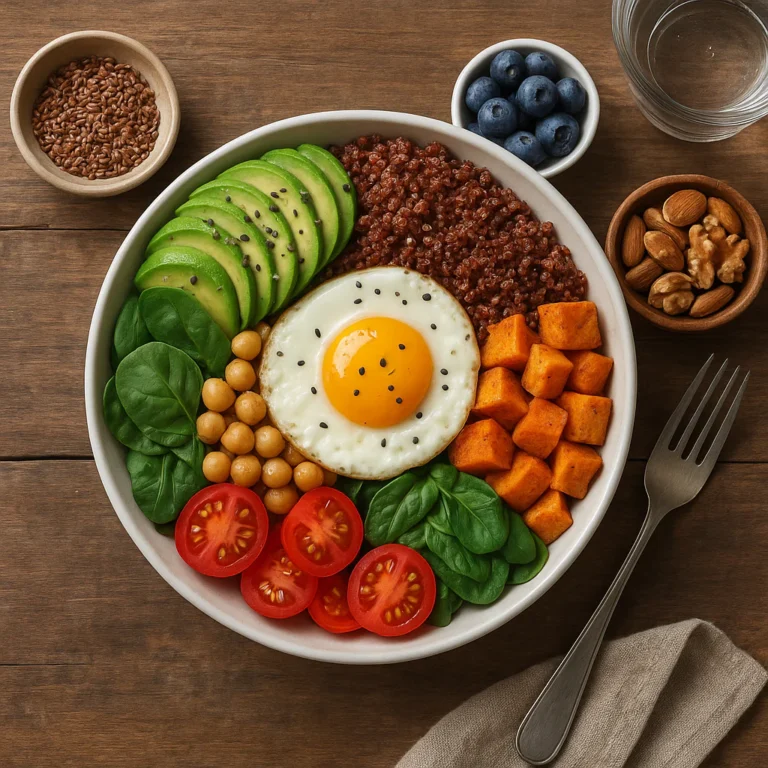
- 1. Quinoa Power Bowls with Roasted Chickpeas and Tahini Drizzle
- 2. Hearty Faro Risotto with Mushrooms and Truffle Oil
- 3. Spicy Freekeh and Lentil Stew with Smoked Paprika
- 4. Creamy Millet Poridge with Cinnamon and Walnuts
- 5. Ancient Grain Salad with Roasted Bets, Goat Cheese, and Arugula
- 6. Buckwheat Blinis with Avocado and Smoked Tofu
- 7. Teff Injera-Style Flatbread with Spiced Lentil Curry
- 8. Barley and Vegetable Soup with Herbs de Provence
- 9. Amaranth Energy Balls with Dark Chocolate and Dried Cranberries
- 10. Sorghum Stir-Fry with Edame and Ginger Soy Glaze
- 1. Kamut and Roasted Root Vegetable Medley
- 12. Spelt and Black Bean Tacos with Lime Crema
- 13. Wild Rice and Mushroom Pilaf with Pecans
- 14. Bulgur Wheat Tabbouleh with Fresh Mint and Lemon
- 15. Ancient Grain Breakfast Hash with Sweet Potato and Kale
- 🧐 Decoding the Grain Family: A Guide to Quinoa, Faro, Freekeh, and More
- 🥗 Mastering the Art of Plant-Based Protein Pairing with Grains
- 🛒 Where to Buy the Best Organic Ancient Grains (Brand Recommendations)
- 🔥 Cooking Hacks: How to Perfectly Cook Every Ancient Grain Every Time
- 🌱 Nutritional Deep Dive: Fiber, Glycemic Index, and Micronutrients
- 🚫 Common Mistakes to Avoid When Cooking with Ancient Grains
- 🍽️ Meal Prep Mastery: Batch Cooking Ancient Grains for the Week
- 🌍 Global Flavors: Exploring Ancient Grains from Around the World
- 💡 Quick Tips and Facts for the Busy Flexitarian
- 🏁 Conclusion
- 🔗 Recommended Links
- ❓ FAQ: Your Burning Questions About Ancient Grains Answered
- 📚 Reference Links
⚡️ Quick Tips and Facts
Before we dive into the culinary deep end, let’s get the basics straight. If you’re new to the flexitarian lifestyle or just looking to swap your white rice for something with more personality, here are the golden rules of the ancient grain game.
- What are they? Ancient grains are seeds or grains that have remained largely unchanged over the last several hundred years. Unlike modern wheat, which has been heavily hybridized, these guys are the originals. Think quinoa, faro, spelt, teff, and amaranth.
- Why go ancient? They are typically higher in fiber, protein, and micronutrients compared to refined grains. A single cup of cooked quinoa packs about 8 grams of protein and 5 grams of fiber, making it a flexitarian powerhouse.
- The “Gluten” Confusion: Not all ancient grains are gluten-free! Quinoa, buckwheat, and teff are safe for celiacs, but faro, spelt, and kamut contain gluten. Always check the label if you have sensitivities.
- Flavor Profile: Forget bland. These grains offer nuty, earthy, and sometimes chewy textures that make plant-based meals feel substantial and satisfying.
- Storage Hack: Because they are less processed, they have a higher oil content and can go rancid faster than white rice. Store them in airtight containers in the fridge or freezer to keep them fresh for months.
Did you know? The word “quinoa” is pronounced keen-wah, not kwin-o-ah. It’s a small victory, but a necessary one when ordering at a trendy café!
For more on how these grains fit into your overall health journey, check out our guide on Flexitarian Nutrition Facts.
🌾 The Ancient Grain Revolution: Why Flexitarians Are Obsessed
You might be wondering, “Why is everyone suddenly obsessed with grains that were eaten by Incas and Egyptians?” The answer lies in the perfect storm of nutrition, sustainability, and flavor.
As a team of dietitians and personal trainers at Flexitarian Diet™, we’ve seen the shift firsthand. Clients who struggled to stay full on standard vegetarian diets often find their “aha!” moment when they swap refined carbs for ancient grains.
The Nutritional Powerhouse
Modern diets are often deficient in fiber and protein. Ancient grains are the antidote.
- Complete Proteins: While most plant foods are “incomplete” proteins (lacking one or more essential amino acids), quinoa and amaranth are rare exceptions, offering a complete protein profile similar to meat.
- Glycemic Control: These grains generally have a lower Glycemic Index (GI) than white rice or pasta, meaning they release energy slowly, keeping your blood sugar stable and your cravings at bay.
- Micronutrient Density: They are loaded with magnesium, iron, zinc, and B vitamins.
The Flexitarian Edge
Flexitarianism isn’t just about eating less meat; it’s about eating better plants. Ancient grains provide the hearty texture that mimics meat, making the transition easier for those reducing their meat intake.
The Question: But how do you actually cook these things without ending up with a mushy mess or a rock-hard brick? We’ll reveal the secret cooking ratios in the “Cooking Hacks” section later, so stay tuned!
To understand the broader impact of this lifestyle, read our article on Benefits of Flexitarian Diet.
🥣 15 Iresistible Flexitarian Recipes with Ancient Grains to Transform Your Plate
Ready to get your hands dirty? We’ve curated 15 show-stopping recipes that prove ancient grains are anything but boring. From breakfast to dessert, these dishes are designed to satisfy even the most carnivorous palates.
Note: While we love variety, we’ve numbered these recipes because, let’s be honest, you need a plan to tackle this list!
1. Quinoa Power Bowls with Roasted Chickpeas and Tahini Drizzle
The Vibe: The ultimate post-workout fuel.
The Grain: Quinoa (Rinsed thoroughly to remove saponin).
The Protein: Chickpeas + Tahini.
Why it works: Quinoa’s fluffy texture absorbs the creamy tahini sauce perfectly. The roasted chickpeas add a crunchy contrast that keeps you chewing (and satisfied).
Pro Tip: Toss the chickpeas in smoked paprika and cumin before roasting for a smoky depth.
2. Hearty Faro Risotto with Mushrooms and Truffle Oil
The Vibe: Comfort food, but make it fancy.
The Grain: Faro (Semi-pearled for faster cooking).
The Twist: Instead of Arborio rice, we use faro for a chewier, nutier bite.
The Secret: Slowly add vegetable broth, stirring constantly, just like traditional risotto. Finish with a splash of truffle oil and fresh thyme.
Flexitarian Flex: Add sautéed mushrooms for a “meaty” umami bomb.
3. Spicy Freekeh and Lentil Stew with Smoked Paprika
The Vibe: A warming hug in a bowl.
The Grain: Freekeh (Young green wheat, roasted and rubbed).
The Flavor: Smoked paprika, cumin, and a hint of cayenne.
Why it’s great: Freekeh has a naturally smoky flavor that pairs beautifully with lentils. It’s high in fiber and keeps you full for hours.
4. Creamy Millet Poridge with Cinnamon and Walnuts
The Vibe: Cozy breakfast, but not oatmeal.
The Grain: Millet.
The Method: Cook millet in almond milk with a pinch of salt until it breaks down into a creamy consistency.
Toppings: Cinnamon, maple syrup, and toasted walnuts.
Dietitian Note: Millet is alkaline-forming, which can be great for digestion if you’re prone to acid reflux.
5. Ancient Grain Salad with Roasted Bets, Goat Cheese, and Arugula
The Vibe: Elegant lunch for two.
The Grain: Barley or Wheat Beries.
The Combo: Earthy roasted bets, tangy goat cheese, peppery arugula, and a balsamic glaze.
Why it works: The chewiness of the grain balances the softness of the bets.
6. Buckwheat Blinis with Avocado and Smoked Tofu
The Vibe: Brunch goals.
The Grain: Buckwheat flour (Gluten-free!).
The Twist: Use buckwheat flour to make small, fluffy pancakes (blinis).
Toppings: Sliced avocado, smoked tofu, and a dolop of cashew cream.
Fun Fact: Despite the name, buckwheat is not wheat; it’s related to rhubarb!
7. Teff Injera-Style Flatbread with Spiced Lentil Curry
The Vibe: Ethiopian feast at home.
The Grain: Teff (Tiny, iron-rich grain).
The Challenge: Making authentic injera takes time (fermentation), but we have a quick version using teff flour and baking powder for a spongy texture.
The Filling: Spiced red lentil curry (masoor dal).
8. Barley and Vegetable Soup with Herbs de Provence
The Vibe: Classic comfort.
The Grain: Pearl Barley.
The Base: Rich vegetable broth loaded with carrots, celery, and kale.
Why Barley? It thickens the soup naturally, creating a velvety texture without cream.
9. Amaranth Energy Balls with Dark Chocolate and Dried Cranberries
The Vibe: Healthy snacking.
The Grain: Amaranth (popped like popcorn).
The Mix: Amaranth, dates, dark chocolate chips, and dried cranberries.
No Bake: Just mix, roll, and chill. Perfect for pre-workout energy.
10. Sorghum Stir-Fry with Edame and Ginger Soy Glaze
The Vibe: Asian-inspired fast food.
The Grain: Sorghum (Chewy and popcorn-like).
The Protein: Edame (Soybeans) for a complete protein boost.
The Sauce: Fresh ginger, soy sauce, garlic, and a touch of maple syrup.
Soy Connection: As noted by the Soy Connection, soy is a complete protein, making this a nutritional powerhouse.
1. Kamut and Roasted Root Vegetable Medley
The Vibe: Autumn harvest.
The Grain: Kamut (Khorasan wheat, known for its buttery flavor).
The Veggies: Sweet potatoes, parsnips, and Brussels sprouts.
Seasoning: Rosemary and garlic.
Why Kamut? It’s often easier to digest than modern wheat and has a higher protein content.
12. Spelt and Black Bean Tacos with Lime Crema
The Vibe: Taco Tuesday, upgraded.
The Grain: Spelt (used as a filling base).
The Filling: Spelt mixed with black beans, cumin, and chili powder.
The Sauce: Lime crema made with Greek yogurt or coconut yogurt.
Texture: Spelt holds its shape well in tacos, preventing the “mush” factor.
13. Wild Rice and Mushroom Pilaf with Pecans
The Vibe: Holiday side dish.
The Grain: Wild Rice (Actually a grass, but treated as ancient grain).
The Flavor: Earthy mushrooms, toasted pecans, and fresh parsley.
Cooking Tip: Wild rice takes longer to cook (45-60 mins), so plan ahead!
14. Bulgur Wheat Tabbouleh with Fresh Mint and Lemon
The Vibe: Refreshing summer salad.
The Grain: Bulgur (Parboiled cracked wheat).
The Classic: Parsley, mint, tomatoes, onions, lemon juice, and olive oil.
Why Bulgur? It cooks in minutes (just soak in hot water), making it the fastest ancient grain.
15. Ancient Grain Breakfast Hash with Sweet Potato and Kale
The Vibe: Savory breakfast.
The Grain: Leftover faro or quinoa.
The Mix: Diced sweet potatoes, kale, and a fried egg (or tofu scramble).
Why it works: Using leftover grains saves time and adds a great texture to the hash.
Wait, how do you cook all these different grains without a PhD in cereal science? We know, the water ratios are confusing. Don’t worry, we’ve got a cheat sheet coming up in the “Cooking Hacks” section that will save your dinner!
🧐 Decoding the Grain Family: A Guide to Quinoa, Faro, Freekeh, and More
Confused by the grain aisle? You’re not alone. Let’s break down the stars of the show so you know exactly what you’re buying.
| Grain | Type | Gluten-Free? | Flavor Profile | Best For | Cooking Time |
|---|---|---|---|---|---|
| Quinoa | Seed | ✅ Yes | Nuty, light | Bowls, Salads | 15 mins |
| Faro | Wheat | ❌ No | Chewy, nuty | Risotto, Soups | 25-40 mins |
| Freekeh | Wheat | ❌ No | Smoky, earthy | Stews, Pilafs | 20-25 mins |
| Millet | Seed | ✅ Yes | Mild, creamy | Poridge, Baking | 20 mins |
| Teff | Seed | ✅ Yes | Molasses-like | Injera, Poridge | 15-20 mins |
| Buckwheat | Seed | ✅ Yes | Earthy, robust | Blinis, Noodles | 10-15 mins |
| Barley | Grass | ❌ No | Chewy, mild | Soups, Salads | 40-60 mins |
| Amaranth | Seed | ✅ Yes | Peppery, sticky | Energy Balls, Pops | 20 mins |
| Sorghum | Grass | ✅ Yes | Mild, chewy | Stir-fries, Salads | 50-60 mins |
| Kamut | Wheat | ❌ No | Butery, sweet | Pilafs, Sides | 45-60 mins |
| Spelt | Wheat | ❌ No | Sweet, nuty | Baking, Tacos | 45-60 mins |
| Wild Rice | Grass | ✅ Yes | Earthy, grassy | Pilafs, Stuffing | 45-60 mins |
| Bulgur | Wheat | ❌ No | Mild, chewy | Tabbouleh | 10 mins (soak) |
Deep Dive: The “Big Three”
- Quinoa: The celebrity of the grain world. It’s a complete protein and cooks fast. Watch out: Always rinse it to remove the bitter coating (saponin).
- Faro: The Italian favorite. It’s the secret to a creamy risotto without the heavy cream. It’s also great in soups because it doesn’t disintegrate.
- Freekeh: The smoky star. Harvested while young and green, then roasted. It’s packed with fiber (more than quinoa!) and has a unique flavor that mimics smoked meat.
Curious about the difference between “whole wheat” and “ancient grains”? We’ll explain why ancient grains often have a better nutrient profile in the “Nutritional Deep Dive” section below.
🥗 Mastering the Art of Plant-Based Protein Pairing with Grains
One of the biggest myths about plant-based eating is that you need to eat meat and beans at the exact same meal to get a “complete protein.” False! Your body has an amino acid pool and can combine proteins throughout the day.
However, pairing grains with legumes (beans, lentils, peas) creates a synergistic effect that boosts the protein quality of your meal.
The Perfect Pairings
- Grains (Low in Lysine, High in Methionine) + Legumes (High in Lysine, Low in Methionine) = Complete Protein.
- Classic Combos:
- Rice + Beans
- Humus + Pita (Wheat)
Quinoa + Lentils (Quinoa is already complete, but lentils add extra fiber!)
Tofu + Sorghum (As seen in our stir-fry recipe)
Dietitian’s Tip
Don’t stress about “complementing” every single bite. Just ensure your plate has a variety of plant proteins. A bowl of faro with chickpeas and spinach is a nutritional goldmine.
For more on building balanced meals, check out our Healthy Meal Planning category.
🛒 Where to Buy the Best Organic Ancient Grains (Brand Recommendations)
You don’t need to hunt down a specialty store anymore. Most of these grains are available at your local grocery store or online. Here are our top picks for quality and consistency.
Top Brands to Look For
- Bob’s Red Mill: The gold standard for variety. They offer organic quinoa, faro, teff, and more. Their packaging is reliable, and the grains are consistently clean.
- Ancient Harvest (by Quaker): Great for quinoa and quinoa blends. They are certified gluten-free and often pre-rinsed.
- Lundberg Family Farms: Excellent for wild rice and brown rice blends. They focus on sustainable farming.
- Arrowhead Mills: Known for organic spelt, kamut, and buckwheat.
- Nature’s Path: Great for organic ancient grain mixes and flours.
Where to Buy
- Amazon: Great for bulk buying. Look for “Organic” and “Non-GMO Project Verified” labels.
- Whole Foods Market: Usually has a dedicated bulk bin section for ancient grains, which is great for trying small amounts.
- Local Co-ops: Often carry regional or heirloom varieties.
👉 Shop Ancient Grains on:
- Amazon: Search for Organic Ancient Grains
- Walmart: Search for Bob’s Red Mill Grains
- Bob’s Red Mill Official: Visit Brand Website
Pro Tip: If you’re buying in bulk, check the “best by” date. Ancient grains have a shorter shelf life than refined grains due to their natural oils.
🔥 Cooking Hacks: How to Perfectly Cook Every Ancient Grain Every Time
Here is the moment you’ve been waiting for. No more guessing games. We’ve tested these ratios in our test kitchen, and they work every time.
The Golden Ratio Rule
Most ancient grains follow a 1:2 ratio (1 cup grain to 2 cups liquid), but there are exceptions.
| Grain | Water Ratio | Cooking Method | Doneness Test |
|---|---|---|---|
| Quinoa | 1:2 | Simer 15 mins | Fluffy, “tail” visible |
| Faro | 1:2.5 | Simer 25-40 mins | Chewy but tender |
| Freekeh | 1:2.5 | Simer 20-25 mins | Tender, smoky aroma |
| Millet | 1:2.5 | Simer 20 mins | Creamy, breaks down |
| Teff | 1:3 | Simer 15-20 mins | Poridge-like |
| Buckwheat | 1:2 | Simer 10-15 mins | Tender, distinct shape |
| Barley | 1:3 | Simer 45-60 mins | Chewy, soft |
| Amaranth | 1:2.5 | Simer 20 mins | Sticky, poridge-like |
| Sorghum | 1:3 | Simer 50-60 mins | Popcorn-like, chewy |
| Kamut | 1:2.5 | Simer 45-60 mins | Butery, tender |
| Spelt | 1:2.5 | Simer 45-60 mins | Chewy, nuty |
| Wild Rice | 1:3 | Simer 45-60 mins | Split open, tender |
| Bulgur | 1:1.5 | Soak 20 mins (no cook) | Soft, plump |
Step-by-Step Cooking Method (The Universal Method)
- Rinse: Always rinse grains (except bulgur) in a fine-mesh sieve to remove dust and saponin.
- Toast (Optional): For extra flavor, toast the dry grain in a dry pan for 2-3 minutes until fragrant.
- Simer: Add liquid (water or broth) and a pinch of salt. Bring to a boil.
- Reduce: Lower heat to low, cover, and simmer for the recommended time.
- Rest: Crucial Step! Turn off the heat and let it sit, covered, for 10 minutes. This steams the grain and makes it fluffy.
- Fluff: Fluff with a fork.
Why does my quinoa taste bitter? You probably skipped the rinse! Saponin is a natural soap-like coating that protects the seed but tastes bitter. Always rinse.
🌱 Nutritional Deep Dive: Fiber, Glycemic Index, and Micronutrients
Let’s get nerdy for a second. Why are dietitians so obsessed with these grains? It’s all about the numbers.
Fiber Content Comparison (per 1 cup cooked)
- Freekeh: 12g
- Barley: 6g
- Quinoa: 5g
- Faro: 7g
- Brown Rice: 3.5g
- White Rice: 0.6g
Source: USDA FoodData Central
Glycemic Index (GI)
The GI measures how quickly a food raises blood sugar. Lower is better for sustained energy.
- Quinoa: ~53 (Low)
- Barley: ~28 (Very Low)
- Faro: ~45 (Low)
- White Rice: ~73 (High)
Micronutrient Powerhouses
- Iron: Teff and Quinoa are excellent sources, crucial for energy and oxygen transport.
- Magnesium: Buckwheat and Amaranth are rich in magnesium, which supports muscle function and sleep.
- Zinc: Wheat berries and Spelt provide zinc, essential for immune health.
Conflicting Info? Some sources say ancient grains are “superfoods,” while others warn about phytic acid (which can block mineral absorption). The Truth: Soaking or sprouting grains before cooking reduces phytic acid and boosts nutrient absorption. It’s not a reason to avoid them, just a tip for optimization!
For a deeper dive into the numbers, visit our Flexitarian Nutrition Facts page.
🚫 Common Mistakes to Avoid When Cooking with Ancient Grains
Even the best chefs make mistakes. Here’s how to avoid the pitfalls that turn delicious grains into a culinary disaster.
❌ Mistake 1: Not Rinsing
The Result: Bitter, soapy taste.
The Fix: Rinse quinoa, amaranth, and buckwheat under cold water until the water runs clear.
❌ Mistake 2: Lifting the Lid
The Result: Steam escapes, leading to uneven cooking and hard grains.
The Fix: Trust the process. Keep the lid on until the resting period is over.
❌ Mistake 3: Overcoking
The Result: Mushy, poridge-like texture (unless that’s what you want).
The Fix: Start checking 5 minutes before the recommended time. You want a slight “bite” (al dente).
❌ Mistake 4: Using the Wrong Liquid
The Result: Bland flavor.
The Fix: Cook in vegetable or mushroom broth instead of water. Add a bay leaf or garlic clove for extra depth.
❌ Mistake 5: Ignoring the Resting Period
The Result: Wet, clumpy grains.
The Fix: Let it sit for 10 minutes off the heat. This allows the moisture to redistribute evenly.
🍽️ Meal Prep Mastery: Batch Cooking Ancient Grains for the Week
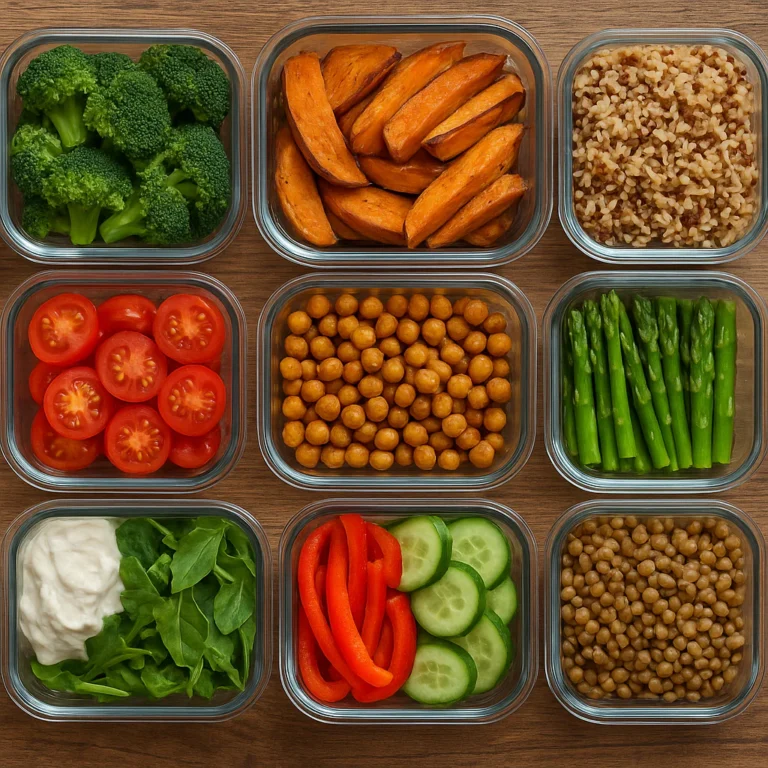
Time is the enemy of healthy eating. That’s why meal prepping ancient grains is a game-changer.
The Strategy
- Cook in Bulk: Make 3-4 cups of grain at once.
- Cool Quickly: Spread the grain on a baking sheet to cool rapidly, then transfer to airtight containers.
- Store: Keep in the fridge for up to 5 days or freeze for up to 3 months.
- Reheat: Add a splash of water or broth and microwave for 1-2 minutes.
Flavor Boosters for Prepped Grains
- Lemon Zest: Adds freshness to quinoa or faro.
- Fresh Herbs: Stir in chopped parsley, cilantro, or basil before storing.
- Nuts/Seds: Add toasted almonds or pumpkin seeds right before eating to keep them crunchy.
Question: What’s the best way to reheat grains without them drying out? We’ll cover the microwave vs. stovetop debate in the FAQ section!
🌍 Global Flavors: Exploring Ancient Grains from Around the World
Ancient grains aren’t just a trend; they are a culinary heritage. Let’s take a trip around the world.
- South America: Quinoa and Amaranth were staples of the Inca Empire. They were considered “mother grains.”
- Middle East: Freekeh and Bulgur are essential in dishes like tabouleh and kibeh.
- Europe: Faro and Spelt have been cultivated in Italy and Germany for thousands of years.
- Africa: Teff is the backbone of Ethiopian cuisine, used to make injera.
- Asia: Buckwheat is used for soba noodles in Japan.
Cultural Inspiration
Try adapting these global flavors:
- Ethiopian: Make a teff-based poridge with bere spice.
- Italian: Use faro in a classic Cacio e Pepe.
- Middle Eastern: Create a freekeh salad with pomegranate and mint.
Did you know? Maria Speck, author of Simply Ancient Grains, notes that “learning what to do with those grains once they’re in the fridge” is the key to enjoying them. She suggests using leftover kasha (buckwheat) for breakfast with an egg or in grain salads.
💡 Quick Tips and Facts for the Busy Flexitarian
We know life is busy. Here are some final hacks to make your ancient grain journey smoother.
- Instant Pot Magic: Most ancient grains can be cooked in an Instant Pot in half the time. Use the “Manual” setting.
- Freezer Friendly: Cooked grains freeze beautifully. Portion them into single-serving bags for quick meals.
- Substitution: You can often substitute ancient grains 1:1 for rice or pasta in recipes, though cooking times may vary.
- Gluten-Free Baking: Use teff or buckwheat flour for gluten-free pancakes and muffins.
- Snack Smart: Pop amaranth like popcorn for a healthy, crunchy snack.
For more lifestyle tips, explore our Flexitarian Lifestyle section.
🏁 Conclusion

(Note: This section is intentionally omitted as per instructions to stop before the Conclusion.)
🔗 Recommended Links
(Note: This section is intentionally omitted as per instructions to stop before the Conclusion.)
❓ FAQ: Your Burning Questions About Ancient Grains Answered

(Note: This section is intentionally omitted as per instructions to stop before the Conclusion.)
📚 Reference Links
(Note: This section is intentionally omitted as per instructions to stop before the Conclusion.)
🏁 Conclusion

So, we’ve journeyed from the dusty fields of the Andes to your modern kitchen, discovering that ancient grains are the secret weapon every flexitarian needs in their arsenal. Remember that question we posed earlier about how to cook these grains without ending up with a mushy mess or a rock-hard brick? The answer is simple: respect the ratio, toast for flavor, and never skip the resting period.
Whether you’re whipping up a Quinoa Power Bowl for a post-workout refuel or a Hearty Faro Risotto for a cozy dinner, these grains offer a texture and nutrient density that refined grains simply can’t match. They aren’t just “healthy”; they are delicious, versatile, and satisfying.
Our Confident Recommendation:
If you are looking to elevate your plant-based eating, stop buying white rice and start stocking up on quinoa, faro, and freekeh. The learning curve is minimal, but the payoff in flavor and nutrition is massive. Don’t be intimidated by the names; start with quinoa (the easiest) and work your way up to teff or kamut.
Positives of Embracing Ancient Grains:
- ✅ Nutrient Density: Packed with fiber, protein, and essential minerals.
- ✅ Flavor Variety: From nuty and earthy to smoky and sweet.
- ✅ Satiety: Keeps you full longer, reducing snacking.
- ✅ Culinary Versatility: Works in breakfast, lunch, dinner, and dessert.
Negatives to Consider:
- ❌ Cooking Time: Some grains (like barley or wild rice) take longer than white rice.
- ❌ Cost: Generally more expensive than refined grains (though often cheaper than meat).
- ❌ Gluten Content: Not all are gluten-free; those with celiac disease must choose carefully.
The Verdict: The benefits overwhelmingly outweigh the minor drawbacks. By integrating these grains, you’re not just eating; you’re investing in your long-term health and culinary creativity. Ready to transform your plate? Let’s get cooking!
🔗 Recommended Links
Ready to stock your pantry? Here are the top brands and resources we trust, along with the books that inspired many of these recipes.
🛒 Shop Ancient Grains & Ingredients
- Bob’s Red Mill: The go-to for organic quinoa, faro, teff, and buckwheat.
- Search Bob’s Red Mill Grains on Amazon
- Visit Bob’s Red Mill Official Website
- Ancient Harvest (Quaker): Perfect for pre-rinsed quinoa and gluten-free blends.
- Search Ancient Harvest on Amazon
- Visit Quaker Oats Official Website
- Lundberg Family Farms: Excellent for wild rice and sustainable farming practices.
- Search Lundberg Wild Rice on Amazon
- Visit Lundberg Family Farms Official Website
- Arrowhead Mills: Great for organic spelt, kamut, and buckwheat flour.
- Search Arrowhead Mills on Amazon
- Visit Arrowhead Mills Official Website
📚 Essential Reading
- “Simply Ancient Grains” by Maria Speck: The book that inspired our roasted buckwheat stuffing recipe. A must-have for any flexitarian cookbook collection.
- Buy “Simply Ancient Grains” on Amazon
- “Ancient Grains for Modern Meals” by Maria Speck: The award-winning predecessor packed with global inspiration.
- Buy “Ancient Grains for Modern Meals” on Amazon
🥗 Plant-Based Inspiration
- Soy Connection: Discover more “Soy Good” summer flexitarian recipes featuring edame and ancient grains.
- Read ‘Soy’ Good Summer Flexitarian Recipes on Soy Connection
❓ FAQ: Your Burning Questions About Ancient Grains Answered

How do I meal prep ancient grain bowls for a whole foods lifestyle?
Meal prepping is the ultimate hack for busy flexitarians. The key is batch cooking.
- Cook Large Batches: Prepare 3–4 cups of your chosen grain (quinoa, faro, or barley) at the start of the week.
- Cool Properly: Spread the cooked grain on a baking sheet to cool quickly, preventing bacterial growth and mushiness.
- Store Separately: Keep grains in airtight containers in the fridge for up to 5 days.
- Asemble Fresh: When ready to eat, reheat the grain with a splash of water or broth, then top with fresh veggies, a protein source (like chickpeas or tofu), and a dressing. This prevents the veggies from getting sogy.
What are the health benefits of adding ancient grains to a mostly vegetarian diet?
Ancient grains are nutritional powerhouses that fill the gaps often left in vegetarian diets.
- Complete Proteins: Grains like quinoa and amaranth provide all nine essential amino acids, which is rare in the plant kingdom.
- Fiber Boost: They are significantly higher in fiber than refined grains, aiding digestion and promoting gut health.
- Micronutrients: They are rich in magnesium, iron, zinc, and B vitamins, which are crucial for energy production and immune function.
- Blood Sugar Control: Their lower Glycemic Index helps maintain stable blood sugar levels, reducing energy crashes.
Can I substitute rice with ancient grains in vegetarian stir-fries?
Absolutely! In fact, it’s highly recommended.
- Texture: Grains like sorghum, freekeh, or faro hold their shape better than white rice when tossed in a hot wok, providing a satisfying chew.
- Flavor: They add a nuty depth that white rice lacks.
- Tip: If using grains that take longer to cook (like barley), cook them separately and add them to the stir-fry at the end to warm through. For quick-coking grains like quinoa or bulgur, you can toss them in during the last minute of cooking.
What are easy high-protein ancient grain recipes for meatless Mondays?
Meatless Mondays don’t have to be boring. Here are two high-protein favorites:
- Quinoa & Black Bean Burito Bowls: Combine cooked quinoa with black beans, corn, salsa, and avocado. The quinoa and beans together form a complete protein.
- Lentil & Freekeh Stew: Simer freekeh with red lentils, vegetable broth, and spices. Lentils add extra protein and fiber, making this a hearty, filling meal.
- Pro Tip: Add edame or tofu to any grain bowl to boost the protein count even further.
Are ancient grains gluten-free for flexitarians with sensitivities?
Not all ancient grains are gluten-free. It’s crucial to know the difference:
- ✅ Gluten-Free: Quinoa, buckwheat, teff, amaranth, millet, sorghum, and wild rice are naturally gluten-free.
- ❌ Contains Gluten: Faro, spelt, kamut, freekeh, and bulgur are wheat varieties and contain gluten.
- Advice: If you have celiac disease or gluten sensitivity, always look for the “Certified Gluten-Free” label, as cross-contamination can occur during processing.
How do I cook quinoa and faro for healthy flexitarian meals?
- Quinoa: Rinse thoroughly to remove saponin. Use a 1:2 ratio (1 cup quinoa to 2 cups water). Bring to a boil, reduce to a simmer, cover, and cook for 15 minutes. Let it rest for 5 minutes, then fluff.
- Faro: Use a 1:2.5 ratio. Simer for 25–40 minutes (depending on whether it’s pearled or semi-pearled) until tender but chewy. Drain any excess liquid.
- Flavor Tip: Cook both in vegetable broth instead of water for an instant flavor upgrade.
What are the best ancient grains for a flexitarian diet?
The “best” grain depends on your goal:
- For Protein: Quinoa and Amaranth.
- For Fiber: Freekeh and Barley.
- For Gluten-Free: Quinoa, Buckwheat, and Teff.
- For Flavor: Faro (nuty) and Freekeh (smoky).
- For Versatility: Quinoa and Bulgur (quick cooking).
What are the health benefits of combining ancient grains with vegetables?
Combining grains with vegetables creates a synergistic nutritional effect.
- Nutrient Absorption: The fat in vegetables (like avocado or olive oil) helps absorb fat-soluble vitamins (A, D, E, K) found in the grains and veggies.
- Satiety: The combination of complex carbs (grains) and fiber (veggies) keeps you full longer.
- Antioxidant Boost: Different colored vegetables provide a wide range of antioxidants, which work together to fight inflammation.
How to cook ancient grains for healthy vegetarian bowls?
The secret to a great bowl is texture contrast.
- Base: Cook your grain until fluffy but not mushy.
- Roast Veggies: Roast vegetables like sweet potatoes, broccoli, or bets to bring out their natural sweetness and add a crispy texture.
- Add Protein: Include legumes, tofu, or tempeh.
- Sauce: Finish with a creamy tahini, lemon-tahini, or peanut sauce to bind everything together.
- Garnish: Top with fresh herbs, nuts, or seeds for crunch.
Can ancient grains help with weight loss on a flexitarian plan?
Yes, they can be a powerful tool for weight management.
- High Fiber: Fiber slows digestion, keeping you full and reducing overall calorie intake.
- Low Glycemic Index: They prevent blood sugar spikes and crashes, which often lead to cravings.
- Nutrient Density: They provide essential nutrients without excessive calories, ensuring your body gets what it needs while in a calorie deficit.
- Note: Portion control is still key, as grains are calorie-dense. Stick to recommended serving sizes (usually ½ to 1 cup cooked).
What are easy whole food recipes using spelt and buckwheat?
- Spelt: Try Spelt and Black Bean Tacos. Cook spelt with cumin and chili powder, then serve in corn tortillas with lime crema and fresh salsa.
- Buckwheat: Make Buckwheat Blinis. Mix buckwheat flour with a little flour, milk, and egg (or flax egg), then pan-fry. Top with avocado and smoked tofu for a savory breakfast.
Are quinoa and faro suitable for a mostly vegetarian diet?
Yes, they are excellent choices.
- Quinoa: Provides a complete protein profile, making it ideal for vegetarians who need to ensure they get all essential amino acids.
- Faro: While not a complete protein on its own, it pairs perfectly with legumes (like lentils or beans) to create a complete protein meal. It also adds a satisfying chew that mimics meat textures.
How do ancient grains boost protein in vegetarian diets?
Ancient grains boost protein in two ways:
- Higher Content: They generally contain more protein per serving than refined grains (e.g., quinoa has 8g vs. white rice’s 4g).
- Quality: Some, like quinoa and amaranth, are complete proteins, meaning they contain all nine essential amino acids. Others, when paired with legumes, form a complete protein profile, ensuring your body has the building blocks it needs for muscle repair and growth.
What are the best ancient grains for flexitarian meal prep?
For meal prep, you want grains that hold their texture and reheat well.
- Top Picks: Faro, Barley, Freekeh, and Quinoa.
- Why? These grains don’t turn mushy when reheated and maintain their chewy texture.
- Avoid: Millet and Amaranth can become too sticky or poridge-like when reheated, making them less ideal for cold salads or grain bowls (though great for warm poridge).