Support our educational content for free when you buy through links on our site. Learn more
Is Beef Part of the Blue Zones Diet? 🥩 The Surprising Truth (2026)

Ever wondered if that juicy steak fits into the diet of the world’s longest-lived people? The Blue Zones diet has captivated health enthusiasts worldwide, promising secrets to longevity and vibrant living. But when it comes to beef, the answer might surprise you. Spoiler: it’s not a mainstay, but there’s more nuance than a simple yes or no.
In this article, we unravel the role of beef in Blue Zones diets, explore why these communities favor plants over meat, and share expert tips from our Flexitarian Diet™ team on how you can flexibly adopt these longevity principles. Curious about how often beef actually appears on their plates, or what protein sources take center stage instead? Stick around — the answers might just change the way you think about meat forever.
Key Takeaways
- Blue Zones diets are overwhelmingly plant-based, with beef rarely consumed and only in very small amounts.
- Meat, including beef, is typically a celebratory or flavoring ingredient, not a daily staple.
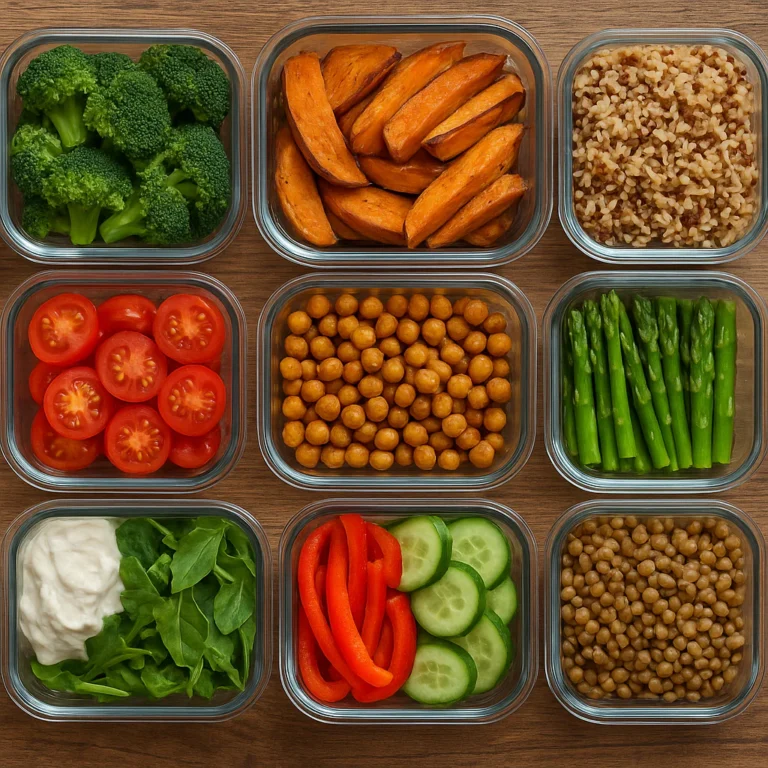
- Beans, nuts, whole grains, and seasonal vegetables form the protein and nutrient foundation.
- Fish and poultry appear moderately, while processed meats and factory-farmed beef are avoided.
- Adopting Blue Zones principles means prioritizing whole, minimally processed plant foods and limiting red meat for longevity and health.
Table of Contents
- ⚡️ Quick Tips and Facts About Beef and the Blue Zones Diet
- 🌍 The Blue Zones Diet Uncovered: Origins and Longevity Secrets
- 🥩 Is Beef Part of the Blue Zones Diet? The Meat Question Explored
- 🌱 See That Your Diet Is 95-100% Plant-Based: Why Plants Rule in Blue Zones
- 🚫 Retreat from Meat: How Blue Zones Natives Limit Animal Protein
- 🐟 Go Easy on Fish: The Blue Zones Approach to Seafood
- 🥛 Reduce Dairy: Dairy’s Role in Blue Zones Longevity
- 🥚 Eliminate or Limit Eggs? What Blue Zones Teach Us About Eggs
- 🌱 Daily Dose of Beans: The Powerhouse Protein of Blue Zones
- 🍬 Slash Sugar: How Blue Zones Keep Sweet Temptations in Check
- 🥜 Snack on Nuts: The Blue Zones Secret to Healthy Fats
- 🍞 Sour on Bread: The Role of Whole Grains and Fermented Foods
- 🌾 Go Wholly Whole: Whole Foods and Their Blue Zones Benefits
- 💧 Drink Mostly Water: Hydration Habits in Blue Zones
- 🥩 Beef Alternatives in Blue Zones: What Do They Eat Instead?
- 🧬 Health Benefits and Risks of Beef: What Science Says
- 🍽️ How to Incorporate Blue Zones Principles Into Your Diet Today
- 📊 Comparative Table: Beef Consumption vs. Blue Zones Eating Patterns
- 💡 Expert Tips from Flexitarian Diet™ Team on Balancing Meat and Plant-Based Foods
- 🤔 Common Myths About Beef and Longevity Debunked
- 📚 Recommended Links for Further Reading on Blue Zones and Diet
- ❓ FAQ: Your Burning Questions About Beef and the Blue Zones Diet Answered
- 🔗 Reference Links: Trusted Sources and Studies on Blue Zones and Beef
⚡️ Quick Tips and Facts About Beef and the Blue Zones Diet
Welcome to the juicy question: Is beef part of the Blue Zones diet? 🥩 Spoiler alert: it’s a hard no as a staple, but a maybe as a rare celebratory treat. The Blue Zones diet is all about longevity secrets from the world’s longest-lived people, and beef doesn’t play a starring role.
Here’s a quick cheat sheet from our Flexitarian Diet™ experts:
| Fact/Tip | Yes ✅ / No ❌ | Notes |
|---|---|---|
| Blue Zones diet is mostly plant-based | ✅ | 95-100% plant foods, including beans, greens, nuts, and whole grains. |
| Beef is a regular part of the diet | ❌ | Beef is rarely eaten, usually less than 2 oz, about 5 times per month across zones. |
| Meat is used as a flavoring or celebration | ✅ | Meat is a side dish, not the main event. |
| Fish is consumed moderately | ✅ | Up to 3 small servings per week, favoring sustainable species. |
| Beans are a daily staple | ✅ | At least half a cup daily, cornerstone of longevity diets worldwide. |
| Nuts are eaten daily | ✅ | Two handfuls a day linked to longer life. |
| Sugar is slashed | ✅ | Added sugar limited to 7 teaspoons daily or less. |
| Dairy is reduced and mostly fermented | ✅ | Goat and sheep milk products preferred over cow’s milk. |
| Eggs are limited | ✅ | Usually 2-4 times per week, small portions. |
Want to dive deeper? Keep reading to explore the fascinating details behind these facts — and discover how you can flex your diet for longevity! 🌱
For a great comparison, check out our Blue Zone Diet vs Flexitarian Diet article.
🌍 The Blue Zones Diet Uncovered: Origins and Longevity Secrets
The Blue Zones diet is inspired by five regions worldwide where people live significantly longer lives: Okinawa (Japan), Sardinia (Italy), Nicoya (Costa Rica), Ikaria (Greece), and among Seventh-day Adventists in Loma Linda (California). These “Blue Zones” share common dietary and lifestyle habits that promote health and longevity.
What Makes the Blue Zones Diet Special?
- Plant-First Focus: The diet is 95-100% plant-based, emphasizing beans, leafy greens, nuts, fruits, and whole grains.
- Minimal Meat: Meat, including beef, is consumed sparingly, often as a celebratory or flavoring ingredient.
- Local and Seasonal: Foods are mostly grown within a 10-mile radius, often organic or pesticide-free.
- Simple Preparation: Traditional cooking methods, including fermentation and sourdough bread, preserve nutrients.
- Lifestyle Integration: Diet is just one pillar; physical activity, social connections, rest, and purpose are equally vital.
Our Flexitarian Diet™ team loves how this approach aligns with flexitarian principles — mostly plant-based but flexible with occasional animal proteins. You can learn more about the benefits of a flexitarian lifestyle in our Benefits of Flexitarian Diet section.
🥩 Is Beef Part of the Blue Zones Diet? The Meat Question Explored
Let’s get to the meat of the matter: Is beef part of the Blue Zones diet? The answer is nuanced but clear: Bef is not a regular part of the Blue Zones diet and is generally avoided or consumed very rarely.
How Often Do Blue Zones People Eat Beef?
- Across the Blue Zones, meat consumption averages about two ounces or less, about five times per month.
- Beef and turkey are notably absent or very rare in traditional Blue Zones diets.
- Meat is typically a small side dish or flavor enhancer, not a main course.
- When meat is eaten, it’s usually free-range chicken, pork, or lamb, not processed or factory-farmed beef.
Why Avoid Beef?
- Health Concerns: High consumption of red and processed meats is linked to increased risks of heart disease, certain cancers, and inflammation.
- Environmental Impact: Beef production has a larger carbon footprint compared to plant foods or even other meats.
- Cultural Traditions: Blue Zones populations historically relied on plant foods and occasional meat, often reserved for celebrations.
What About Processed Meats?
- Processed meats like hot dogs, sausages, and luncheon meats are strictly avoided in Blue Zones diets.
- These are associated with negative health outcomes and are not part of longevity-promoting eating patterns.
Our dietitians recommend limiting red meat intake and choosing grass-fed, hormone-free, and antibiotic-free options if you do consume beef occasionally. For more on balancing meat and plant-based foods, see our Flexitarian Nutrition Facts.
🌱 See That Your Diet Is 95-100% Plant-Based: Why Plants Rule in Blue Zones
The cornerstone of the Blue Zones diet is a 95-100% plant-based diet. This means the bulk of your calories come from:
- Beans and legumes (kidney beans, chickpeas, lentils)
- Leafy greens (spinach, kale, chard, collards)
- Whole grains (brown rice, barley, oats, quinoa)
- Nuts and seeds (almonds, walnuts, Brazil nuts)
- Seasonal fruits and vegetables
Why So Plant-Heavy?
- Nutrient Density: Plants provide fiber, antioxidants, vitamins, and minerals essential for health.
- Disease Prevention: Diets rich in plants reduce risks of cardiovascular disease, diabetes, and cancer.
- Longevity Link: Studies show Blue Zones inhabitants who eat mostly plants live longer and healthier lives.
Our Flexitarian Take
We love this principle because it’s flexible and sustainable. You don’t have to go 100% vegan overnight — just prioritize plants and let animal foods be occasional treats. This approach supports gut health, weight management, and energy levels.
🚫 Retreat from Meat: How Blue Zones Natives Limit Animal Protein
In Blue Zones, meat is a luxury, not a staple. Here’s how they keep meat consumption in check:
- Frequency: Meat is eaten about 1-5 times per month.
- Portion Size: Small servings, typically 2 ounces or less.
- Type: Mostly chicken, pork, or lamb; beef is rare.
- Purpose: Meat is often used to flavor dishes or during celebrations.
Flexitarian Tips for Meat Moderation
- Use meat as a garnish or flavor enhancer rather than the main dish.
- Try plant-based protein swaps like tofu, tempeh, or mushroom “meat” in recipes.
- Plan “meatless days” to boost plant intake and reduce saturated fat.
🐟 Go Easy on Fish: The Blue Zones Approach to Seafood
Fish is part of the Blue Zones diet but consumed in moderation:
- Up to 3 small servings per week (about 3 ounces each).
- Prefer small, sustainable fish like sardines, anchovies, trout, and snaper.
- Avoid large predator fish (tuna, swordfish) due to mercury and overfishing concerns.
- Farmed fish are generally avoided due to antibiotics and environmental issues.
Why Fish?
Fish provides omega-3 fatty acids, which support heart and brain health. However, Blue Zones people don’t rely heavily on fish — it’s a complement, not a cornerstone.
🥛 Reduce Dairy: Dairy’s Role in Blue Zones Longevity
Dairy is minimized in Blue Zones diets, with some exceptions:
- Cow’s milk is rarely consumed due to lactose intolerance and fat content.
- Goat and sheep milk products (yogurt, cheese) are common in Ikaria and Sardinia.
- Fermented dairy products are preferred for gut health.
What Our Dietitians Say
If you tolerate dairy, choose fermented options like Greek yogurt or kefir from goat or sheep milk. Otherwise, plant-based milks (almond, oat, soy) are excellent alternatives.
🥚 Eliminate or Limit Eggs? What Blue Zones Teach Us About Eggs
Eggs are limited but not eliminated:
- Typically eaten 2-4 times per week.
- Usually just one egg per serving, as a side dish.
- Prefer eggs from free-range, hormone-free chickens.
Health Considerations
- Eggs may raise cholesterol in some people and are linked to prostate cancer risk in men.
- People with diabetes or kidney issues may want to avoid eggs.
🌱 Daily Dose of Beans: The Powerhouse Protein of Blue Zones
Beans are the cornerstone of the Blue Zones diet:
- At least half a cup of cooked beans daily.
- Provide 21% protein, 77% complex carbs, and fiber.
- Linked to an 8% reduction in mortality risk when eaten regularly.
Why Beans Rock
- They’re affordable, nutrient-dense, and versatile.
- Help regulate blood sugar and cholesterol.
- Perfect for flexitarians looking to boost plant protein.
🍬 Slash Sugar: How Blue Zones Keep Sweet Temptations in Check
Sugar is strictly limited in Blue Zones:
- Added sugar capped at about 7 teaspoons (28 grams) daily.
- Sweets are reserved for special occasions.
- Blue Zones inhabitants consume about 1/5th the sugar of the average American.
Tips to Slash Sugar
- Avoid sugary drinks and processed snacks.
- Use natural sweeteners like fruit or small amounts of honey.
- Read labels carefully — sugar can hide under many names.
🥜 Snack on Nuts: The Blue Zones Secret to Healthy Fats
Nuts are a daily snack in Blue Zones:
- About two handfuls (2 ounces) daily.
- Nut eaters live 2-3 years longer on average.
- Provide healthy fats, fiber, vitamins, and minerals.
Our Favorite Nuts
- Almonds
- Walnuts
- Brazil nuts
- Cashews
- Peanuts
🍞 Sour on Bread: The Role of Whole Grains and Fermented Foods
Bread in Blue Zones is mostly:
- Sourdough or 100% whole wheat.
- Avoid refined white bread.
- Sourdough lowers glycemic load and aids digestion.
- Whole grains like barley and rye are common.
Why Whole Grains?
- Rich in fiber, vitamins, and minerals.
- Support gut health and steady blood sugar.
- Linked to longevity in Sardinia and other zones.
🌾 Go Wholly Whole: Whole Foods and Their Blue Zones Benefits
Blue Zones diets focus on whole, recognizable foods:
- Single-ingredient, minimally processed.
- Examples: fresh vegetables, fruits, beans, nuts, whole grains.
- Avoid highly processed foods and additives.
Local Sourcing
- Most food is grown within a 10-mile radius.
- Seasonal and organic when possible.
💧 Drink Mostly Water: Hydration Habits in Blue Zones
Hydration is simple but effective:
- Water is the main beverage.
- Coffee and tea are common, linked to health benefits.
- Red wine consumed moderately in some zones (1-3 small glasses daily).
- Soda and sugary drinks are avoided.
Hydration Tips
- Aim for 7-8 glasses of water daily.
- Enjoy herbal teas like rosemary or dandelion for anti-inflammatory benefits.
- Moderate coffee intake for brain health.
🥩 Beef Alternatives in Blue Zones: What Do They Eat Instead?
Since beef is rare, what do Blue Zones people eat for protein?
- Beans and legumes: The primary protein source.
- Tofu and tempeh: Especially in Okinawa.
- Nuts and seeds: Healthy fats and protein.
- Small amounts of fish and poultry.
- Dairy from goat and sheep in some regions.
Flexitarian Inspiration
Try swapping beef for:
- Black bean burgers
- Lentil stews
- Mushroom “meat” dishes
- Tempeh stir-fries
🧬 Health Benefits and Risks of Beef: What Science Says
Benefits
- Rich in complete protein, iron, zinc, and B vitamins.
- Supports muscle maintenance and energy.
Risks
- High saturated fat and cholesterol.
- Linked to heart disease, colorectal cancer, and inflammation when consumed in excess.
- Processed beef products carry additional risks.
Our health coaches recommend moderation and quality: choose grass-fed, organic beef occasionally if desired, but prioritize plants for longevity.
🍽️ How to Incorporate Blue Zones Principles Into Your Diet Today
Ready to flex your diet Blue Zones style? Here’s how:
- Load up on beans, greens, nuts, and whole grains.
- Limit meat to small portions a few times a month.
- Choose sustainable fish and fermented dairy.
- Cut added sugars drastically.
- Snack on nuts daily.
- Drink mostly water, tea, and coffee.
- Eat whole, minimally processed foods.
- Practice mindful eating — stop at 80% full.
For meal ideas and planning, visit our Healthy Meal Planning section.
📊 Comparative Table: Beef Consumption vs. Blue Zones Eating Patterns
| Aspect | Blue Zones Diet | Typical Western Diet | Flexitarian Diet™ Recommendation |
|---|---|---|---|
| Beef Frequency | < 2 oz, ~5 times/month | Multiple servings per week | Occasional, grass-fed, small portions |
| Plant-Based Percentage | 95-100% | ~30-40% | 75-90% |
| Added Sugar | < 7 tsp/day | ~22 tsp/day | < 10 tsp/day |
| Nuts Consumption | 2 handfuls daily | Rare or processed snacks | 1-2 handfuls daily, raw or roasted |
| Dairy Consumption | Limited, mostly fermented goat/shep milk | High cow’s milk and cheese | Reduced, prefer fermented or plant-based |
| Fish Consumption | Up to 3 servings/week, small fish | Variable, often farmed or large fish | Moderate, sustainable species preferred |
💡 Expert Tips from Flexitarian Diet™ Team on Balancing Meat and Plant-Based Foods
- Start small: Replace one meat meal per week with beans or lentils.
- Celebrate meat: Use it as a flavor enhancer or for special occasions.
- Choose quality: Opt for organic, pasture-raised, hormone-free meats.
- Experiment: Try plant-based “meats” like Beyond Meat or Impossible Foods for variety.
- Listen to your body: Notice how you feel with less meat and more plants.
🤔 Common Myths About Beef and Longevity Debunked
-
Myth: You need beef for protein and strength.
Fact: Beans, nuts, and plant proteins provide ample protein for muscle and energy. -
Myth: All red meat is bad.
Fact: Quality, portion size, and frequency matter. Blue Zones show longevity with minimal red meat. -
Myth: Cutting beef means boring meals.
Fact: Blue Zones cuisines are vibrant, flavorful, and diverse — meat is just a sidekick.
📚 Recommended Links for Further Reading on Blue Zones and Diet
- Blue Zones Food Guidelines
- Oak Street Health: 4 Key Principles of the Blue Zone Diet
- Blue Zones Diet: Food Secrets of the World’s Longest-Lived People
- Flexitarian Diet™ Benefits
- Flexitarian Diet™ Healthy Meal Planning
❓ FAQ: Your Burning Questions About Beef and the Blue Zones Diet Answered

Q: Can I eat beef occasionally on a Blue Zones diet?
A: Yes, but very sparingly — think a small 2 oz serving a few times a month, ideally grass-fed and hormone-free.
Q: Why is beef avoided in Blue Zones?
A: Due to health risks linked to high red meat intake and cultural traditions favoring plant-based foods.
Q: What are good beef alternatives?
A: Beans, lentils, tofu, tempeh, nuts, and small amounts of fish or poultry.
Q: Does eating beef reduce longevity?
A: Excessive beef consumption is associated with health risks, but occasional, high-quality beef in a mostly plant-based diet is less concerning.
Q: How do Blue Zones people stay strong without beef?
A: Their diets are rich in plant proteins, nuts, and legumes, combined with active lifestyles.
🔗 Reference Links: Trusted Sources and Studies on Blue Zones and Beef
- Blue Zones Food Guidelines – Blue Zones Official
- Blue Zones Diet and Longevity – Oak Street Health
- Blue Zones Diet Secrets – Blue Zones Blog
- American Heart Association: Red Meat and Heart Disease
- Harvard T.H. Chan School of Public Health: Protein Sources and Health
Don’t miss our featured video where participants share their 10-week Blue Zones diet challenge experience — weight loss, better cholesterol, and more energy. It’s a powerful testament to how simple plant-based changes can transform your life!
Conclusion

After diving deep into the Blue Zones diet, one thing is crystal clear: bef is not a staple in the world’s longest-lived communities. Instead, these longevity hotspots embrace a mostly plant-based diet—rich in beans, greens, nuts, whole grains, and seasonal fruits—with meat, including beef, reserved for rare celebrations or flavoring dishes in tiny amounts.
Our Flexitarian Diet™ team confidently recommends adopting this mostly vegetarian, whole-foods approach if you want to boost your healthspan and vitality. You don’t have to swear off beef forever, but think of it like a rare guest star rather than the main act. When you do indulge, choose grass-fed, organic, and hormone-free beef in small portions, and balance it with plenty of plant proteins and fiber-rich foods.
By embracing Blue Zones principles—slashing sugar, snacking on nuts, daily beans, and drinking mostly water—you’re setting yourself up for a vibrant, energetic life. Plus, the diet’s emphasis on whole, locally sourced foods and mindful eating aligns beautifully with the Flexitarian lifestyle’s flexibility and sustainability.
Ready to start your Blue Zones-inspired journey? Explore our meal planning tips and recipes, and remember: longevity is a marathon, not a sprint. Small, consistent changes add up to big results!
Recommended Links
Shop Blue Zones-Inspired Staples and Alternatives
- Bob’s Red Mill Organic Beans & Lentils:
Amazon | Walmart - Eden Foods Organic Tofu (Extra Firm):
Amazon | Eden Foods Official Website - Blue Diamond Almonds (Raw or Roasted):
Amazon | Walmart - King Arthur Sourdough Bread Mix:
Amazon | King Arthur Baking Company - Organic Extra Virgin Olive Oil (California Olive Ranch):
Amazon | California Olive Ranch Official Website
Recommended Books on Blue Zones and Longevity
- The Blue Zones: Lessons for Living Longer From the People Who’ve Lived the Longest by Dan Buettner
Amazon - The Blue Zones Solution: Eating and Living Like the World’s Healthiest People by Dan Buettner
Amazon
❓ FAQ: Your Burning Questions About Beef and the Blue Zones Diet Answered

How can adopting a mostly vegetarian diet, like the Blue Zones diet, improve overall health and wellbeing?
Adopting a mostly vegetarian diet rich in whole plant foods provides abundant fiber, antioxidants, vitamins, and minerals that support heart health, reduce inflammation, and improve gut microbiome diversity. This diet lowers risks of chronic diseases such as cardiovascular disease, diabetes, and certain cancers, which are common causes of premature death. The Blue Zones diet’s emphasis on beans, nuts, and leafy greens promotes sustained energy and longevity. Plus, it encourages mindful eating and balanced nutrition without calorie counting, making it sustainable and enjoyable.
What are some healthy, whole food alternatives to beef in the Blue Zones diet?
Blue Zones communities rely heavily on:
- Beans and legumes (kidney beans, chickpeas, lentils) for protein and fiber.
- Tofu and tempeh, especially in Okinawa, as excellent plant-based protein sources.
- Nuts and seeds for healthy fats and micronutrients.
- Small amounts of fish and poultry consumed occasionally.
- Fermented dairy from goat or sheep milk in some regions.
These alternatives provide complete or complementary proteins and are nutrient-dense, supporting health without the risks associated with frequent red meat consumption.
Are there any specific types of meat that are allowed in moderation on the Blue Zones diet?
Yes. Blue Zones diets typically include:
- Free-range chicken
- Family-farmed pork
- Lamb
These meats are eaten sparingly—usually no more than two ounces per serving and about five times per month. Processed meats and factory-farmed beef are avoided. The focus is on quality, small portions, and using meat as a flavoring or celebratory food rather than a daily staple.
How does the Blue Zones diet recommend incorporating protein sources into your meals?
Protein in the Blue Zones diet primarily comes from plant sources like beans and legumes, which are eaten daily (at least half a cup cooked). Nuts and seeds provide additional protein and healthy fats. Animal proteins—fish, poultry, and occasionally meat—are consumed in small amounts and infrequently. Eggs are limited to 2-4 times per week, usually as a side dish. This approach balances protein intake with fiber and micronutrients from plants, supporting longevity and metabolic health.
What are the key components of a mostly vegetarian Blue Zones diet?
- Beans and legumes daily
- Leafy greens and seasonal vegetables
- Whole grains such as barley, oats, and brown rice
- Nuts and seeds as daily snacks
- Limited meat and fish, mostly poultry and small fish
- Fermented dairy from goat or sheep milk
- Minimal added sugar and processed foods
- Water, coffee, tea, and moderate red wine as primary beverages
- Sourdough or 100% whole wheat bread
Can you eat meat on the Blue Zones diet, or is it strictly plant-based?
You can eat meat, but it’s very limited. Meat is used as a small side dish or flavoring, not a main course, and consumed about five times per month in small portions (2 ounces or less). Beef is particularly rare or absent. The diet is mostly plant-based but flexible enough to include occasional animal protein.
What is the Blue Zones diet and how does it promote longevity?
The Blue Zones diet is a nutritional pattern observed in regions with high concentrations of centenarians. It promotes longevity by emphasizing:
- A 95-100% plant-based diet
- Daily consumption of beans, nuts, and whole grains
- Minimal meat and processed foods
- Low sugar intake
- Drinking mostly water, tea, and coffee
- Eating whole, locally sourced foods
- Incorporating lifestyle habits like physical activity, social connection, and purpose
This combination reduces chronic disease risk and supports healthy aging.
Do Blue Zones eat beef?
Bef is rarely eaten in Blue Zones communities. When consumed, it is in very small amounts and infrequently—about two ounces or less, five times per month on average. Beef is not a significant part of their diets and is often replaced by other protein sources.
What types of meat are consumed in the Blue Zones diet?
Primarily:
- Free-range chicken
- Family-farmed pork
- Lamb
Fish is also consumed moderately, favoring small, sustainable species. Processed meats and factory-farmed beef are avoided.
How often is beef eaten in Blue Zones communities?
Bef is eaten very rarely, averaging less than two ounces per serving, about five times per month across all Blue Zones. It is not a dietary staple.
Is the Blue Zones diet mostly vegetarian or vegan?
It is mostly vegetarian, with 95-100% of calories from plant foods. It is not strictly vegan because small amounts of animal products like fish, poultry, eggs, and fermented dairy are included occasionally.
What are the main protein sources in the Blue Zones diet?
- Beans and legumes (daily staple)
- Nuts and seeds
- Small amounts of fish and poultry
- Occasional eggs and fermented dairy
How does the Blue Zones diet promote whole foods and plant-based eating?
By emphasizing foods that are:
- Single-ingredient or minimally processed
- Grown locally and seasonally
- Prepared simply, often fermented or sourdough
- Rich in fiber, antioxidants, and micronutrients
This approach supports gut health, reduces inflammation, and avoids additives and processed ingredients.
Can eating beef fit into a Blue Zones lifestyle?
Eating beef occasionally in small portions of high-quality, grass-fed meat can fit into a Blue Zones-inspired lifestyle. However, it should be rare and balanced with a predominantly plant-based diet to maximize health and longevity benefits.
What are the health benefits of a mostly vegetarian Blue Zones diet?
- Reduced risk of heart disease, diabetes, and cancer
- Improved gut microbiome diversity and digestion
- Lower inflammation and oxidative stress
- Better weight management and metabolic health
- Increased lifespan and healthspan
🔗 Reference Links: Trusted Sources and Studies on Blue Zones and Beef
- Blue Zones Food Guidelines – Blue Zones Official
- Blue Zones Diet and Longevity – Oak Street Health
- Blue Zones Diet: Food Secrets of the World’s Longest-Lived People – Blue Zones Blog
- American Heart Association: Red Meat and Heart Disease
- Harvard T.H. Chan School of Public Health: Protein Sources and Health
- Eden Foods Official Website
- California Olive Ranch Official Website
- King Arthur Baking Company