Support our educational content for free when you buy through links on our site. Learn more
🥚 Do Flexitarians Eat Eggs? The Surprising Truth (2026)


Yes, flexitarians absolutely eat eggs, and they are often a cornerstone of this flexible, plant-forward lifestyle. If you’ve ever wondered, “Do flexitarians eat eggs?” while staring at a carton in the grocery aisle, the answer is a resounding yes, provided they are used strategically alongside plenty of vegetables and whole grains.
Unlike strict vegans who avoid all animal products or traditional vegetarians who may have rigid rules, flexitarians embrace a “mostly plant-based” approach that leaves room for high-quality animal proteins like eggs. In fact, many nutritionists consider eggs a perfect bridge for those transitioning away from a meat-heavy diet, offering a complete protein source without the environmental footprint of red meat.
Imagine a Sunday morning brunch where the centerpiece isn’t a massive steak, but a vibrant vegie scramble with two pasture-raised eggs. This is the essence of the flexitarian philosophy: enjoying the foods you love while prioritizing health and sustainability. Recent studies suggest that shifting just a few meals a week to plant-based options with occasional eggs can significantly lower your risk of heart disease and reduce your carbon footprint.
Key Takeaways
- ✅ Eggs are allowed: Flexitarians do eat eggs, viewing them as a nutritious supplement rather than a daily staple.
- 🌱 Quality counts: Prioritize pasture-raised or free-range eggs to align with the diet’s ethical and nutritional standards.
- ⚖️ Balance is key: The goal is to keep the plate mostly plant-based, using eggs to boost protein without displacing vegetables and legumes.
- 🧠 Nutrient power: Eggs provide essential B12, choline, and complete protein, filling gaps often found in strict vegetarian diets.
Table of Contents
- ⚡️ Quick Tips and Facts
- 🥚 The Big Question: Do Flexitarians Actually Eat Eggs?
- 📜 A Brief History of the Flexitarian Lifestyle and the Rise of Plant-Forward Eating
- 🥗 What Is the Flexitarian Diet? Defining the Flexible Vegetarian Approach
- 🍳 Eggs in the Flexitarian Pantry: Nutritional Powerhouses or Occasional Treats?
- 🌱 Core Principles: How to Build a Balanced Flexitarian Plate
- 🥦 Foods to Embrace: The Ultimate Flexitarian Grocery List
- 🚫 Foods to Minimize: Navigating the “Sometimes” List
- 📅 7-Day Flexitarian Meal Plan: From Monday Morning to Sunday Super
- Monday: The Meatless Kickoff
- Tuesday: Taco Tuesday (But Make It Vegie-First)
- Wednesday: Midweek Fish and Egg Power
- Thursday: Plant-Based Protein Packed
- Friday: Flexitarian Fish Night
- Saturday: The Weekend Brunch with Eggs
- Sunday: Roast Veggies and a Side of Chicken (Optional)
- ❤️ Heart Health and Weight Management: The Flexitarian Advantage
- 🩸 Diabetes Prevention and Blood Sugar Control
- 🛡️ Cancer Risk Reduction and Longevity
- 🌍 Environmental Impact: How Skipping Meat Saves the Planet
- ⚖️ Potential Downsides: What to Watch Out For on a Flexitarian Diet
- 🥚 Egg Alternatives: When You Want to Go Fully Plant-Based
- 🏋️ ♀️ Fitness and Nutrition: Fueling Your Workouts as a Flexitarian
- 🧐 Common Myths About Flexitarianism and Eggs Debunked
- 🏆 The Bottom Line: Is This Lifestyle Right for You?
- ✅ Was This Article Helpful?
- 📚 Recommended Links
- ❓ Frequently Asked Questions (FAQ)
- 📖 Reference Links
⚡️ Quick Tips and Facts
Before we dive into the yolk of the matter, let’s hit the fast-forward button on the most critical takeaways. If you’re in a rush, here is your cheat sheet for navigating eggs on a flexitarian journey:
- ✅ The Short Answer: Yes, flexitarians eat eggs. They are a staple protein source for many, often enjoyed as a “flexible” animal product rather than a daily requirement.
- 🥚 Quality Matters: Not all eggs are created equal. We strongly recommend opting for pasture-raised or free-range eggs to align with the ethical and nutritional pillars of the diet.
- 📉 Moderation is Key: While you can eat them, the goal is to prioritize plant proteins (like lentils and tofu) for the majority of your meals, using eggs as a supplement or a special treat.
- 🌍 Environmental Win: Swapping a few meat meals for egg-based meals significantly lowers your carbon footprint compared to a standard omnivorous diet, though it’s slightly higher than a fully plant-based approach.
- 🧀 Dairy Connection: If you are curious about how other animal products fit in, check out our deep dive on 🧀 Do People in Blue Zones Eat Dairy? The Surprising Truth (2026).
🥚 The Big Question: Do Flexitarians Actually Eat Eggs?
Let’s cut through the confusion immediately. If you’ve ever stood in the grocery aisle staring at a carton of eggs, wondering if you’re “breaking the rules” of your new lifestyle, take a deep breath. Flexitarians absolutely eat eggs.
In fact, eggs are often the bridge that helps many people transition from a standard meat-heavy diet to a plant-forward one. Unlike vegans, who exclude all animal products, or strict vegetarians who might have specific restrictions depending on their sub-group, the flexitarian approach is defined by flexibility.
The term “flexitarian” is a portmanteau of “flexible” and “vegetarian.” It was popularized by dietitian Dawn Jackson Blatner to describe a diet that is mostly plant-based but allows for the occasional inclusion of meat, fish, dairy, and egs.
“Because flexitarians eat animal products, they’re not considered vegetarians or vegans.” — Healthline
However, the nuance lies in the frequency and quality. While a strict vegetarian might eat eggs daily, a flexitarian might view them as a “sometimes” food or a high-quality protein source to be used strategically. Some definitions of the flexitarian diet even suggest consuming animal products (including eggs) less than once a week, while others allow for daily consumption as long as the overall diet remains predominantly plant-based.
So, why the confusion? It often stems from the varying definitions of “semi-vegetarian” in scientific literature. Some studies define flexitarians as those who eat meat less than once a week, while others focus on the reduction of red meat specifically. But the consensus among nutritionists at Flexitarian Diet™ is clear: Egs are on the menu, provided they don’t displace the vegetables, legumes, and whole grains that form the diet’s foundation.
📜 A Brief History of the Flexitarian Lifestyle and the Rise of Plant-Forward Eating

The concept of eating less meat isn’t new, but the branding of “Flexitarian” is a relatively modern phenomenon. The term was coined by Dawn Jackson Blatner, R.D., in her 209 book, The Flexitarian Diet. Blatner noticed that many people wanted to eat healthier and reduce their meat intake but found the all-or-nothing approach of veganism or strict vegetarianism too restrictive to maintain long-term.
She realized that sustainability was the missing link. A diet that feels like a punishment rarely lasts. By introducing the idea of “flexible vegetarianism,” she created a framework that allowed for real-life scenarios—like a family BBQ or a dinner party—without guilt.
Historically, plant-forward eating has deep roots. Many cultures around the world have traditionally eaten meat only on special occasions or as a side dish rather than the main event. The Mediterranean diet, often cited as the gold standard for longevity, is inherently flexitarian in nature, relying heavily on plants with small amounts of fish, dairy, and eggs.
The rise of the flexitarian label in the 21st century coincides with growing awareness of:
- Climate Change: The environmental impact of industrial meat production.
- Public Health: The link between processed meats and chronic diseases.
- Animal Welfare: Ethical concerns regarding factory farming.
Today, consumer insights show a massive shift. More Americans are identifying as “flexitarian” than as strictly vegetarian or vegan. It’s no longer about perfection; it’s about progress. As one study noted, “Following a flexitarian dietary pattern in terms of reducing or limiting red meat is feasible and even implicitly recommended by the official dietary guidance of several countries.”
🥗 What Is the Flexitarian Diet? Defining the Flexible Vegetarian Approach
So, what exactly does this lifestyle look like on a plate? The Flexitarian Diet is not a rigid set of rules with a strict calorie count. Instead, it’s a lifestyle framework built on five core principles:
- Eat Mostly Plants: The foundation of every meal should be fruits, vegetables, whole grains, legumes, nuts, and seeds.
- Be Flexible with Animal Products: You can eat meat, fish, dairy, and eggs, but the goal is to reduce the frequency and portion sizes.
- Choose Quality: When you do eat animal products, opt for the least processed, most natural forms. This means choosing organic, free-range, or pasture-raised options.
- Avoid Processed Foods: Limit refined sugars, white flour, and highly processed snacks, regardless of whether they are plant-based or animal-based.
- Make It Sustainable: The diet is designed to be a lifelong habit, not a short-term fix.
The Three Stages of Flexitarianism
To help you get started, the diet is often broken down into three stages, allowing you to ease into the lifestyle:
| Stage | Meat-Free Days | Weekly Meat Limit | Focus |
|---|---|---|---|
| Beginer | 2 days | 28 oz total | Start small. Swap meat for beans or eggs on two days. |
| Intermediate | 3-4 days | 18 oz total | Make plant-based the default. Meat becomes the side dish. |
| Advanced | 5 days | 9 oz total | Meat is a rare treat. Focus on high-quality, ethical sources. |
Note: A standard portion of meat is roughly the size of a deck of cards (3 oz).
For a deeper dive into the mechanics of this lifestyle, explore our guide on Flexitarian Basics.
🍳 Eggs in the Flexitarian Pantry: Nutritional Powerhouses or Occasional Treats?
Now, let’s get back to our star of the show: the egg. Is it a nutritional powerhouse or just an occasional treat? The answer is both, depending on how you use it.
The Nutritional Profile of an Egg
One large egg contains approximately:
- 70-75 calories
- 6 grams of high-quality protein (containing all 9 essential amino acids)
- Healthy fats (including omega-3s if pasture-raised)
- Vitamins: B12, D, A, and choline (crucial for brain health)
- Minerals: Selenium and iron
For a flexitarian, eggs are a complete protein source, which is a significant advantage when reducing meat intake. While plant proteins like beans and lentils are excellent, they often lack one or more essential amino acids. Eggs fill that gap perfectly.
The “Quality” Debate: Cage-Free vs. Pasture-Raised
Not all eggs fit the flexitarian ethos equally. The conditions in which hens are raised affect the nutritional content of the egg and the ethical alignment of the diet.
- Cage-Free: Hens are not in cages but may still be crowded indoors.
- Free-Range: Hens have access to the outdoors, but the duration and quality of that access can vary.
- Pasture-Raised: Hens spend most of their time outdoors on grass. These eggs typically have higher levels of Omega-3s, Vitamin D, and Vitamin E.
Our Recommendation: As a flexitarian, if you choose to eat eggs, prioritize pasture-raised. It aligns better with the diet’s values of animal welfare and nutrient density.
How Often Should You Eat Them?
There is no single “rule,” but here is a balanced approach:
- Daily: If your diet is heavily plant-based otherwise, eating an egg daily is generally considered safe for most healthy individuals.
- 2-4 Times a Week: A common sweet spot for those looking to minimize animal products while enjoying the convenience and taste of eggs.
- Occasional: For those treating eggs as a “meat substitute” only on specific days.
“The goal is to eat more nutritious plant foods and less meat.” — Healthline
If you are concerned about cholesterol, current research suggests that for most people, dietary cholesterol (like that in eggs) has a minimal impact on blood cholesterol levels compared to saturated and trans fats. However, always consult with your healthcare provider if you have specific health conditions.
🌱 Core Principles: How to Build a Balanced Flexitarian Plate
Building a flexitarian meal is an art form, but it follows a simple formula. We call it the “50-25-25” Rule (roughly):
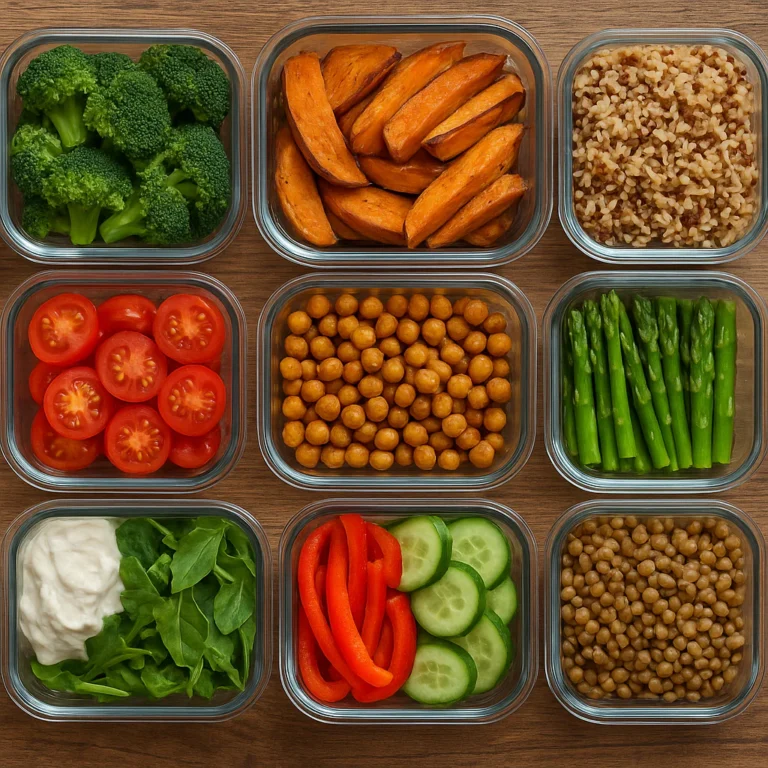
- 50% Vegetables & Fruits: Fill half your plate with colorful produce. This provides fiber, vitamins, and antioxidants.
- 25% Plant Protein: Add a serving of beans, lentils, tofu, tempeh, or edame.
- 25% Whole Grains or Starchy Veggies: Quinoa, brown rice, sweet potatoes, or whole-wheat pasta.
- The “Flex” Element: This is where the egg (or a small piece of fish/chicken) comes in. It can be the star of a breakfast or a side dish for dinner.
Step-by-Step: Constructing Your Plate
- Start with the Base: Choose a whole grain or a large bed of greens.
- Add the Bulk: Toss in your legumes or plant protein.
- Color It Up: Add roasted or raw vegetables.
- The Protein Boost: Crack an egg over the top, or add a fried egg on the side.
- Season Generously: Use herbs, spices, and healthy fats like olive oil.
This approach ensures you get the fiber and phytonutrients from plants while enjoying the satiety and complete protein of the egg.
🥦 Foods to Embrace: The Ultimate Flexitarian Grocery List
To succeed on this diet, your pantry needs to be stocked with the right ingredients. Here is your shopping list for a thriving flexitarian kitchen:
Plant Proteins (The Daily Drivers)
- Legumes: Lentils (green, red, brown), chickpeas, black beans, kidney beans.
- Soy Products: Tofu (firm, silken), tempeh, edame.
- Nuts & Seeds: Almonds, walnuts, chia seeds, flaxseds, hemp hearts.
- Grains: Quinoa, faro, bulgur, oats, brown rice.
Animal Proteins (The “Sometimes” Stars)
- Egs: Look for Pasture-Raised brands like Vital Farms or Happy Egg Co.
👉 Shop Vital Farms Pasture-Raised Eggs on: Amazon | Walmart | Instacart - Fish: Wild-caught salmon, sardines, mackerel.
- Poultry: Organic, free-range chicken or turkey breast.
Produce (The Foundation)
- Leafy Greens: Spinach, kale, arugula, Swiss chard.
- Cruciferous Veggies: Broccoli, cauliflower, Brussels sprouts.
- Colorful Veggies: Bell peppers, carrots, bets, sweet potatoes.
- Fruits: Beries, apples, bananas, citrus.
Healthy Fats & Flavor
- Oils: Extra virgin olive oil, avocado oil.
- Spices: Turmeric, cumin, paprika, garlic powder.
- Condiments: Nutritional yeast (for cheesy flavor), tahini, humus.
🚫 Foods to Minimize: Navigating the “Sometimes” List
The flexitarian diet isn’t just about what you can eat; it’s about what you limit. These foods should be treated as occasional indulgences rather than staples:
- Processed Meats: Bacon, sausage, hot dogs, deli meats. These are linked to higher risks of heart disease and cancer.
- Refined Carbohydrates: White bread, white rice, sugary cereals. They spike blood sugar and lack fiber.
- Added Sugars: Sodas, candy, pastries.
- Highly Processed Plant Foods: Meatless burgers that are loaded with sodium and saturated fats (unless they are your only option, choose the whole-food versions).
- Factory-Farmed Animal Products: Conventionally raised eggs, chicken, and beef often come from animals with poor welfare standards and lower nutritional profiles.
“Decreasing meat consumption while continuing to eat many refined foods with lots of added sugar and salt will not lead to the same benefits.” — Healthline
📅 7-Day Flexitarian Meal Plan: From Monday Morning to Sunday Super
Ready to put theory into practice? Here is a sample week that balances plant-based meals with strategic egg and fish inclusions.
Monday: The Meatless Kickoff
- Breakfast: Oatmeal topped with chia seeds, berries, and a side of sautéed spinach.
- Lunch: Lentil soup with a slice of whole-grain bread.
- Dinner: Chickpea and vegetable curry over brown rice.
- Why: A fully plant-based start to the week sets a strong foundation.
Tuesday: Taco Tuesday (But Make It Vegie-First)
- Breakfast: Poached eggs on whole-grain toast with avocado.
- Lunch: Black bean and corn salad with lime dressing.
- Dinner: Vegetable tacos with a side of refried beans (no meat).
- Why: Eggs provide a protein boost for the morning, while the rest of the day stays plant-focused.
Wednesday: Midweek Fish and Egg Power
- Breakfast: Greek yogurt parfait with granola and fruit.
- Lunch: Quinoa bowl with roasted sweet potatoes and kale.
- Dinner: Baked wild-caught salmon with asparagus and quinoa.
- Why: Incorporating fish mid-week provides Omega-3s without the heaviness of red meat.
Thursday: Plant-Based Protein Packed
- Breakfast: Smoothie with spinach, banana, protein powder, and flaxseed.
- Lunch: Humus and vegie wrap with a side of fruit.
- Dinner: Tofu stir-fry with broccoli, bell peppers, and ginger-soy sauce.
- Why: A day dedicated to plant proteins to reinforce the habit.
Friday: Flexitarian Fish Night
- Breakfast: Scrambled egs with mushrooms and spinach.
- Lunch: Leftover tofu stir-fry.
- Dinner: Grilled shrimp skewers with a large mixed green salad.
- Why: A light, protein-rich dinner to end the work week.
Saturday: The Weekend Brunch with Eggs
- Breakfast: Over-easy eggs with sautéed veggies and a fruit salad.
- Lunch: Grilled vegetable and halloumi cheese sandwich.
- Dinner: Homemade vegie pizza with a side of arugula salad.
- Why: Enjoying eggs as a centerpiece for a leisurely brunch.
Sunday: Roast Veggies and a Side of Chicken (Optional)
- Breakfast: Whole-grain pancakes with maple syrup and berries.
- Lunch: Leftover pizza or a large salad.
- Dinner: Roasted root vegetables with a small portion of organic, free-range chicken breast (optional).
- Why: A flexible dinner that allows for a small meat portion if desired, but keeps the focus on the roasted vegetables.
❤️ Heart Health and Weight Management: The Flexitarian Advantage
One of the primary reasons people adopt the flexitarian lifestyle is for better health. The data is compelling.
Heart Disease
A study of 48,18 participants found that fish eaters and vegetarians had 13% and 2% lower rates of ischemic heart disease, respectively, compared to meat eaters. By reducing red meat and increasing fiber-rich plants, flexitarians naturally lower their risk of high blood pressure and high cholesterol.
Weight Management
Because plant-based foods are generally lower in calories and higher in fiber, they promote satiety. A review of studies involving 1,10+ people found that vegetarians lost 4.5 pounds (2 kg) more than non-vegetarians over 18 weeks. Flexitarians, by adopting a similar pattern, often see sustainable weight loss without the extreme restrictions of other diets.
“Most diets imply a start and stop and the weight can creep back on, but the flexitarian diet places a large emphasis on eating a mostly plant-based diet, which is always recommended for long-term weight loss.” — Kate Patton, MEd, RD, CSSD, LD
🩸 Diabetes Prevention and Blood Sugar Control
The high fiber content in a flexitarian diet is a game-changer for blood sugar regulation. Fiber slows down the absorption of sugar, preventing spikes and crashes.
A study of 20,0+ participants linked a plant-heavy, low-animal-food diet to a 20% reduced risk of type 2 diabetes. Furthermore, diets emphasizing healthy plant foods were linked to a 34% decrease in diabetes risk.
Key Insight: It’s not just about removing meat; it’s about adding healthy plants. A diet high in sugary drinks and refined grains, even if meat-free, does not offer the same protection.
🛡️ Cancer Risk Reduction and Longevity
Emerging research suggests a strong link between plant-based diets and reduced cancer risk. A 7-year study of 78,0 people found that semi-vegetarians (flexitarians) were 8% less likely to develop colorectal cancer than non-vegetarians.
The antioxidants and phytochemicals found in fruits, vegetables, and legumes help protect cells from damage. Additionally, reducing the intake of processed meats, which are classified as carcinogens, further lowers risk.
🌍 Environmental Impact: How Skipping Meat Saves the Planet
You don’t have to be a vegan to make a difference. Switching to a flexitarian diet could decrease greenhouse gas emissions by 7%. While vegan diets reduce emissions by ~50% and vegetarian diets by ~35%, the flexitarian approach offers a realistic middle ground that is easier for the average person to adopt.
By choosing pasture-raised eggs and wild-caught fish over factory-farmed meat, you are supporting more sustainable agricultural practices. Every meal is a vote for the kind of world you want to live in.
⚖️ Potential Downsides: What to Watch Out For on a Flexitarian Diet
No diet is perfect, and the flexitarian approach has its pitfalls if not managed correctly.
Nutrient Deficiencies
Since you are reducing animal products, you need to be mindful of:
- Vitamin B12: Found primarily in animal products. Flexitarians who eat eggs and dairy regularly may be fine, but those who eat them rarely should consider fortified foods or supplements.
- Iron: Plant-based iron (non-heme) is less easily absorbed than heme iron from meat. Pairing iron-rich foods with Vitamin C (like citrus or bell peppers) enhances absorption.
- Zinc and Calcium: Ensure you are getting enough from nuts, seeds, and leafy greens.
The “Junk Food Flexitarian” Trap
Just because you aren’t eating meat doesn’t mean you’re healthy. A diet of french fries, soda, and processed meatless burgers is still unhealthy. The key is to focus on whole foods.
“Following a flexitarian dietary pattern in terms of reducing or limiting red meat is feasible and even implicitly recommended by the official dietary guidance of several countries.” — PMC Study
🥚 Egg Alternatives: When You Want to Go Fully Plant-Based
Sometimes, you might want to skip the eggs entirely. Here are some excellent plant-based alternatives for baking and cooking:
- Flax or Chia Eggs: Mix 1 tablespoon of ground flaxseed or chia seeds with 3 tablespoons of water. Let it sit for 5 minutes to gel. Perfect for baking.
- Silken Tofu: Blended silken tofu works great in scrambles and custards.
- Commercial Egg Replacers: Brands like Bob’s Red Mill offer egg replacer powders.
👉 Shop Bob’s Red Mill Egg Replacer on: Amazon | Walmart | Brand Official - Aquafaba: The liquid from a can of chickpeas. It whips up like egg whites and is great for meringues.
🏋️ ♀️ Fitness and Nutrition: Fueling Your Workouts as a Flexitarian
As a personal trainer at Flexitarian Diet™, I often get asked: “Can I build muscle on this diet?” The answer is a resounding yes.
- Protein Timing: Spread your protein intake throughout the day. Combine plant proteins (like rice and beans) to ensure you get all essential amino acids.
- Egs for Recovery: Post-workout, a couple of eggs can be an excellent source of fast-digesting protein to aid muscle repair.
- Hydration: Plant-based diets are high in fiber, so drink plenty of water to aid digestion and performance.
🧐 Common Myths About Flexitarianism and Eggs Debunked
Let’s bust some myths that might be holding you back:
- Myth 1: “Flexitarians must eat meat every day.”
Fact: No. The goal is to reduce meat, not necessarily eliminate it. Some flexitarians eat meat once a week; others eat it daily but in small portions. - Myth 2: “Egs are bad for your cholesterol.”
Fact: For most people, dietary cholesterol has a minimal impact on blood cholesterol. The real culprits are saturated and trans fats. - Myth 3: “You can’t get enough protein without meat.”
Fact: With a variety of plant foods and the occasional egg, getting enough protein is easy. - Myth 4: “Flexitarianism is too expensive.”
Fact: Beans, lentils, and seasonal produce are often cheaper than meat. Eggs are a cost-effective protein source compared to steak or salmon.
🏆 The Bottom Line: Is This Lifestyle Right for You?
So, do flexitarians eat eggs? Yes. But more importantly, does the flexitarian diet work? Absolutely.
It offers a sustainable, flexible, and scientifically backed approach to eating that prioritizes health, the environment, and animal welfare without the rigidity of other diets. Whether you choose to eat eggs daily or just on weekends, the key is to focus on the big picture: a plate filled with vibrant plants, whole grains, and high-quality proteins.
If you are looking for a diet that fits into your real life, allows for the foods you love, and still delivers incredible health benefits, the flexitarian lifestyle might just be your perfect match.
🏆 The Bottom Line: Is This Lifestyle Right for You?
(Note: This section serves as the conclusion to the main body, summarizing the key points before the final sections.)
We’ve covered a lot of ground, from the nutritional profile of the humble egg to the global impact of reducing meat consumption. The answer to “Do flexitarians eat eggs?” is a definitive yes, but with a caveat: quality and moderation are paramount.
The flexitarian diet is not about perfection; it’s about progress. It’s about making conscious choices that align with your values and health goals. Whether you choose to start with two meat-free days a week or aim for a fully plant-based week with an egg here and there, every step counts.
Key Takeaways:
- Egs are a valid part of the diet, especially when pasture-raised.
- Plant foods should be the foundation of every meal.
- Flexibility is the secret sauce that makes this diet sustainable for life.
- Health benefits include improved heart health, weight management, and reduced disease risk.
- Environmental impact is significantly reduced compared to a standard omnivorous diet.
If you are ready to embrace a lifestyle that is good for you and the planet, start small. Swap one meat meal for a bean or egg-based meal this week. You might be surprised by how good you feel.
✅ Was This Article Helpful?
We hope this deep dive into the world of flexitarianism and eggs has clarified your questions and inspired your next meal. Did you learn something new about how eggs fit into a plant-forward lifestyle? Or perhaps you have a favorite flexitarian egg recipe you’d like to share? Let us know in the comments below!
📚 Recommended Links
Ready to stock your kitchen or dive deeper into the science? Check out these resources:
Essential Kitchen Staples
- Pasture-Raised Eggs:
Vital Farms: Amazon | Walmart | Vital Farms Official
Happy Egg Co: Amazon | Happy Egg Co Official - Plant-Based Protein Powders:
Orgain Organic Plant Based Protein: Amazon | Walmart | Orgain Official - Egg Replacers:
Bob’s Red Mill Egg Replacer: Amazon | Walmart | Bob’s Red Mill Official
Books to Expand Your Knowledge
- “The Flexitarian Diet” by Dawn Jackson Blatner: Amazon
- “How Not to Die” by Michael Greger, M.D.: Amazon
- “Plant-Based on a Budget” by Toni Okamoto: Amazon
❓ Frequently Asked Questions (FAQ)

How do eggs fit into a healthy, mostly plant-based diet?
Egs serve as a complete protein source, meaning they contain all nine essential amino acids that the body cannot produce on its own. In a mostly plant-based diet, where protein sources like beans and grains might need to be combined to achieve this, eggs offer a convenient and nutrient-dense option. They are rich in choline, Vitamin D, and B12, which are nutrients that can sometimes be lacking in strict vegan diets. For flexitarians, eggs can be a strategic addition to ensure adequate protein intake without relying heavily on meat.
Read more about “🛡️ Stop Chronic Disease: The Flexitarian Diet Guide (2026)”
Do flexitarians avoid eggs from factory-farmed chickens?
While there is no strict rule, the core philosophy of the flexitarian diet emphasizes choosing the “least processed, most natural forms of foods.” This generally implies avoiding factory-farmed eggs due to ethical concerns and lower nutritional quality. Most flexitarians prefer pasture-raised or free-range eggs, which come from hens that have access to the outdoors and a more natural diet, resulting in eggs with higher levels of Omega-3s and vitamins.
Are eggs a good protein source for flexitarians?
Absolutely. Eggs are considered a high-quality protein source with a high biological value, meaning the body can easily utilize the protein for muscle repair and growth. For flexitarians who may not eat meat daily, eggs provide a reliable and efficient way to meet protein needs. A single large egg contains about 6 grams of protein, making it a versatile addition to breakfast, lunch, or dinner.
Read more about “🌱 7 New Flexitarian Secrets for a Healthier Plate (2026)”
How do flexitarians incorporate eggs into whole food meals?
Flexitarians often use eggs to enhance whole food meals rather than as the sole focus. For example:
- Breakfast: Scrambled eggs with spinach, mushrooms, and whole-grain toast.
- Lunch: A salad topped with a hard-boiled egg and a variety of colorful vegetables.
- Dinner: A vegetable stir-fry with a poached egg on top.
The key is to ensure that the majority of the plate consists of vegetables, whole grains, and legumes, with the egg acting as a complementary protein source.
Read more about “🌱 Daniel Plan Diet Reviews: 5 Secrets to Real Health (2026)”
What are the benefits of including eggs in a mostly vegetarian diet?
Including eggs in a mostly vegetarian diet offers several benefits:
- Nutrient Density: Eggs are packed with essential nutrients like Vitamin B12, Vitamin D, and choline.
- Protein Completeness: They provide all essential amino acids, simplifying meal planning.
- Satiety: The protein and fat in eggs help keep you full longer, reducing the urge to snack on less healthy options.
- Versatility: Eggs can be prepared in countless ways, making it easy to add variety to meals.
Read more about “🌱 Flexitarian vs. Blue Zone: The Real Nutritional Benefits (2026)”
Can flexitarians eat eggs daily and still be healthy?
For most healthy individuals, eating an egg daily is considered safe and nutritious. Current research suggests that dietary cholesterol has a minimal impact on blood cholesterol levels for the majority of people. However, individuals with specific health conditions, such as diabetes or a history of heart disease, should consult with a healthcare provider or dietitian to determine the appropriate frequency of egg consumption.
Read more about “🥑 25+ Best Snacks for a Flexitarian Diet (2026)”
Are eggs considered vegetarian in a flexitarian diet?
Yes, eggs are considered vegetarian (specifically ovo-vegetarian) and are fully compatible with the flexitarian diet. The flexitarian approach allows for the inclusion of animal products like eggs and dairy, provided the overall diet remains predominantly plant-based.
Read more about “🚨 7 Critical Steps to Addressing B12 Deficiency Flexitarian (2026)”
How does a flexitarian diet contribute to overall health and wellness?
The flexitarian diet contributes to overall health by:
- Reducing Chronic Disease Risk: Lowering the risk of heart disease, type 2 diabetes, and certain cancers.
- Promoting Weight Management: High fiber and nutrient density help with satiety and weight control.
- Improving Gut Health: A diet rich in plant fibers supports a healthy gut microbiome.
- Enhancing Longevity: Studies suggest that plant-forward diets are associated with increased lifespan.
Read more about “🥩 How Many Times a Week Do Flexitarians Eat Meat? (2026)”
Do flexitarians eat fish and seafood, and if so, how often?
Yes, flexitarians can eat fish and seafood. The frequency varies by individual, but the general guideline is to limit meat and poultry while allowing for occasional fish. Some flexitarians might eat fish 1-2 times a week, while others might reserve it for special occasions. The focus is always on choosing wild-caught varieties to minimize environmental impact.
Can flexitarians eat dairy products like milk and cheese?
Yes, flexitarians can consume dairy products like milk, cheese, and yogurt. Similar to eggs, the recommendation is to choose organic or grass-fed options when possible to align with the diet’s emphasis on quality and animal welfare. However, the overall diet should still prioritize plant-based foods.
Read more about “🧀 Do People in Blue Zones Eat Dairy? The Surprising Truth (2026)”
What is the difference between a flexitarian and a vegetarian diet?
The primary difference lies in flexibility. A vegetarian diet typically excludes meat, poultry, and fish, though some vegetarians may eat eggs and dairy (lacto-ovo vegetarian). A flexitarian diet, on the other hand, is mostly plant-based but allows for the occasional inclusion of meat, fish, dairy, and eggs. The flexitarian approach is designed to be more adaptable and sustainable for those who are not ready to commit to a fully vegetarian lifestyle.
Read more about “🌱 12 Smart Ways to Master Omega-3 for Plant-Forward Diets (2026)”
📖 Reference Links
For further reading and verification of the facts presented in this article, please refer to the following reputable sources:
- Cleveland Clinic Health Essentials: What Is the Flexitarian Diet?
- Healthline: Flexitarian Diet Guide
- PMC (National Library of Medicine): Flexitarian Diets and Global Food-Based Dietary Guidance
- U.S. News & World Report: Best Diets Rankings
- Vital Farms: Pasture-Raised Eggs
- Happy Egg Co: Free-Range Eggs
- Bob’s Red Mill: Egg Replacer
- Orgain: Plant-Based Protein