Support our educational content for free when you buy through links on our site. Learn more
12 Blue Zone Diet Healthy Snacks to Try 🌱

The best Blue Zone diet healthy snacks are simple, mostly plant-based choices built around fruit, vegetables, beans, whole grains, nuts, and seeds. Start with easy pairings like hummus and crunchy vegetables, fruit with nuts, or edame—no longevity-themed snack bar required.
Blue Zones are known for food traditions that often feature beans and other plant foods, but there’s no single snack that guarantees a longer life. The practical takeaway is the everyday pattern: keep nourishing foods handy, make them taste good, and enjoy them in a way that works for you.
Our cooks’ reliable move for busy afternoons? Put washed fruit next to a small bowl of nuts, or set out hummus with carrots and whole-grain pita. It takes less effort than scrolling for a snack idea—and usually disappears faster.
Key Takeaways
- Choose mostly whole, plant-forward foods: Fruit, vegetables, beans, whole grains, nuts, and seeds make useful Blue Zone–inspired snack foundations.
- Keep it simple: Try fruit with nuts, hummus with vegetables, edame, or plain popcorn.
- Build for your appetite: Add beans, nuts, seeds, or another suitable protein source when you want a more filling snack.
- Treat recipes as inspiration, not rules: Tofu musubi, sweet potato hummus, and banana-oat snacks can all fit a flexible approach.
- Focus on the overall pattern: No single snack guarantees longevity; consistency, enjoyment, and your individual needs matter.
Table of Contents
- ⚡️ Quick Tips and Facts: Blue Zone Diet Healthy Snacks
- 🌍 Blue Zones and the Plant-Forward Snack Tradition
- What Are the Blue Zones?
- How Blue Zone Eating Habits Shape Everyday Snacks
- 🥜 What Makes a Snack Blue Zone–Inspired?
- The Plant-Slant Approach: Beans, Whole Grains, Nuts, and Produce
- Foods to Enjoy Often and Foods to Limit
- Blue Zone Snacks vs. Mediterranean Diet Snacks
- 🍽️ 12 Blue Zone Diet Healthy Snack Recipes
- 1. Tofu Musubi with Brown Rice and Savory Nori
- 2. Purple Sweet Potato Hummus with Crunchy Vegetables
- 3. Sedy Avocado Toast Arepas
- 4. Herbal Iced Tea with Fresh Peaches
- 5. Blueberry Muffin Energy Bites
- 6. Blueberry Chia Muffins Made with Whole Grains
- 7. Strawberry Lemonade Breakfast Soft-Serve
- 8. Plant-Slant Banana Bread
- 9. Banana Oatmeal Cookies with Nuts and Seeds
- 10. Lemony White Bean Dip with Whole-Grain Pita
- 11. Roasted Chickpeas with Herbs and Spices
- 12. Seasonal Fruit with Walnuts or Almonds
- 🧺 Easy Blue Zone Snack Ideas You Can Assemble in Minutes
- 🛒 Shopping List and Pantry Staples for Plant-Based Snacking
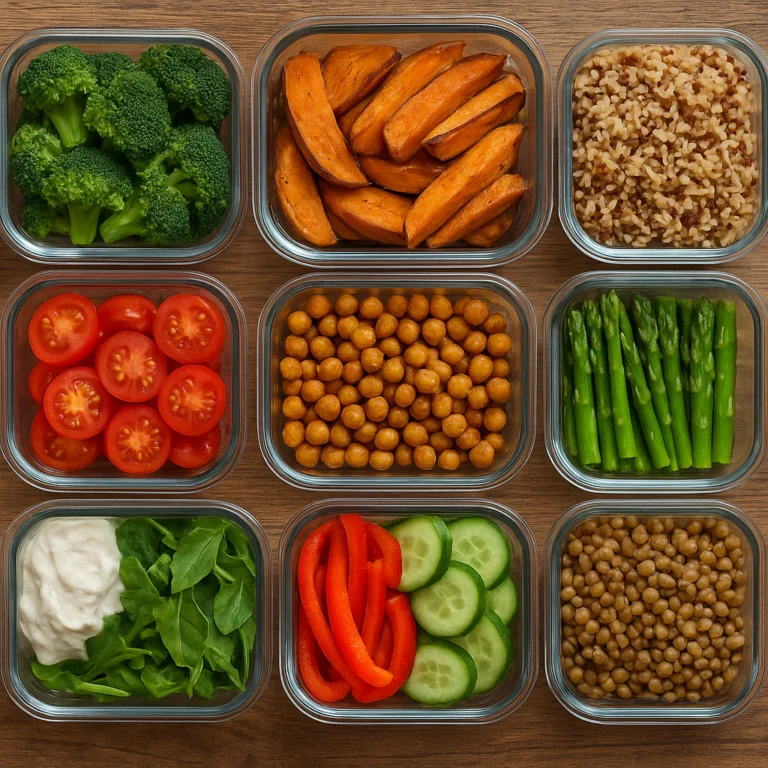
- 📅 How to Meal-Prep Blue Zone Snacks for the Week
- 🥗 Building a Balanced Snack: Protein, Fiber, and Healthy Fats
- 👨 👩 👧 Blue Zone Snacks for Kids, Work, Travel, and Different Diets
- ⚖️ Portions, Hunger Cues, and When to Snack
- 🔎 Common Blue Zone Snacking Mistakes to Avoid
- 💡 Quick Tips for Making Healthy Snacks More Delicious
- Conclusion
- Recommended Links
- FAQ
- Reference Links
⚡️ Quick Tips and Facts: Blue Zone Diet Healthy Snacks
Blue Zone snacking isn’t about hunting down a magical longevity bar. It’s about making everyday choices that lean toward whole grains, beans, vegetables, fruit, nuts, and other minimally processed plant foods. For the bigger picture, start with our guide to the Blue Zone diet.
| Quick fact | What it means for your snack plate |
|---|---|
| Plant-forward is the pattern | Build snacks around foods such as fruit, vegetables, beans, corn, oats, nuts, and seeds. |
| Beans are a Blue Zone staple | Try hummus, edame, or roasted chickpeas. The Blue Zones food guidelines recommend eating beans regularly. |
| Whole fruit beats fruit-flavored snacks | Choose an apple, berries, or seasonal fruit more often than candy or highly sweetened fruit snacks. |
| Nuts can be satisfying | A small handful pairs well with fruit or whole grains. Individual needs vary, especially with allergies and energy requirements. |
| A snack is optional | Eat when you’re hungry or need food to bridge a long gap—not because the clock says it’s snack o’clock. |
| Simple counts | A bowl of popcorn, fruit with nuts, or vegetables with bean dip can be plenty. |
The Blue Zones site describes its snack collection as plant-forward inspiration, including fruit-based treats, tofu musubi, and hummus. Those are ideas, not proof that any one recipe extends lifespan. We can borrow the useful pattern without turning a snack into a health claim. Explore more flexitarian nutrition facts as you tailor portions and ingredients to your needs. 🌱
🌍 Blue Zones and the Plant-Forward Snack Tradition
What Are the Blue Zones?
“Blue Zones” is a term popularized for regions identified with notable longevity, including Okinawa in Japan, Sardinia in Italy, Ikaria in Greece, Nicoya in Costa Rica, and Loma Linda in California. Their food traditions aren’t identical, and people within any region don’t all eat the same way. Still, the shared themes often highlighted include beans, vegetables, fruits, whole grains, and nuts, alongside strong social and cultural traditions.
The Blue Zones overview is a useful starting point, but it’s wise to read longevity claims carefully. Population patterns can suggest interesting connections; they don’t prove that a particular food or snack causes someone to live longer.
How Blue Zone Eating Habits Shape Everyday Snacks
A Blue Zone–inspired snack is less a strict recipe category than a food-choice mindset. Think local and seasonal when practical, use familiar ingredients, and let plant foods do most of the work.
Some Blue Zones articles also frame snacks as something to share with a moai, or social group. That’s a lovely reminder: food is not just nutrients on a plate. It can be a reason to pause, chat, and hand someone the last peach slice. The Blue Zones snack collection offers creative examples, while the National Institute on Aging gives general healthy-eating guidance for older adults.
🥜 What Makes a Snack Blue Zone–Inspired?
The Plant-Slant Approach: Beans, Whole Grains, Nuts, and Produce
Use this flexible formula when assembling a snack:
- Choose a plant-food base: fruit, vegetables, whole-grain toast, oats, corn, or beans.
- Add staying power if you want it: nuts, seeds, tofu, edame, or bean dip can add protein and/or unsaturated fat.
- Bring in flavor: lemon, herbs, spices, garlic, cinnamon, or a little olive oil.
- Make it convenient: wash produce, portion nuts, or keep bean dip ready in the fridge.
Beans deserve special mention. The Blue Zones food guidelines recommend at least half a cup of cooked beans daily as part of their broader eating pattern. That’s a guideline from Blue Zones, not a universal prescription; your needs, digestion, and clinician’s advice matter. The USDA’s MyPlate guidance also recognizes beans and peas as nutritious foods that can fit into different food groups.
Our cooks often reach for the simplest pairing first: apple slices plus peanut butter, or carots plus hummus. It’s the snack equivalent of a reliable friend—never flashy, always welcome.
Foods to Enjoy Often and Foods to Limit
| Choose more often | Enjoy mindfully or less often |
|---|---|
| Fresh or frozen fruit | Candy and sweets eaten routinely |
| Raw or cooked vegetables | Highly salted snack foods |
| Beans, lentils, hummus, edame | Refined-grain snacks with little fiber |
| Oats, popcorn, whole-grain bread | Packaged snacks with lots of added sugar |
| Nuts and seeds, as suitable | Foods that don’t suit your allergies or health needs |
“Limit” doesn’t mean “ban.” A flexitarian approach makes room for culture, pleasure, budget, and real life. The CDC’s guidance on added sugars explains why it’s useful to check labels, while the FDA Nutrition Facts label guide can help you compare packaged choices. For more practical shopping strategies, see Flexitarian Food Shopping Tips.
Blue Zone Snacks vs. Mediterranean Diet Snacks
These approaches overlap: both can emphasize vegetables, fruit, legumes, nuts, and whole grains. But neither is one fixed menu, and Mediterranean eating patterns vary by region. Blue Zone–inspired snacks tend to be described through the food traditions of specific communities; “Mediterranean snack” is often used more broadly.
| Feature | Blue Zone–inspired snack | Mediterranean-style snack |
|---|---|---|
| Common building blocks | Beans, produce, nuts, whole grains | Produce, legumes, nuts, whole grains, often olive oil |
| Useful example | Edame or fruit with nuts | Hummus with vegetables or whole-grain bread |
| Best takeaway | Borrow the plant-forward pattern, not a rigid rulebook | Focus on overall eating habits, not a single “superfood” |
For a flexible approach that can draw inspiration from both, browse Flexitarian Basics.
🍽️ 12 Blue Zone Diet Healthy Snack Recipes
The Blue Zones snack recipe page features nine ideas, including the first nine recipes below. We’ve added three simple options to round out your snack rotation. Treat the Blue Zones versions as inspiration: use the linked source for original recipe details, and adjust ingredients to your taste and needs.
| Recipe | Main ingredients | Handy for |
|---|---|---|
| Tofu musubi | Tofu, rice, nori | A savory, make-ahead bite |
| Purple sweet potato hummus | Sweet potato, chickpeas, tahini | Dipping and spreading |
| Sedy avocado toast arepas | Corn cakes, avocado, seeds | A satisfying mini-meal |
| Herbal peach iced tea | Tea, herbs, peaches | A refreshing drink |
| Blueberry muffin energy bites | Blueberries, oats, nuts or seeds | Lunchboxes and outings |
| Blueberry chia muffins | Blueberries, chia, flour | Batch baking |
| Strawberry lemonade soft-serve | Strawberries, lemon, maple syrup | A fruit-forward treat |
| Plant-slant banana bread | Banas, grains, baking ingredients | Sharing or freezing |
| Banana oatmeal cookies | Banas, oats | A simple sweet snack |
| White bean dip | White beans, lemon, herbs | A quick savory spread |
| Roasted chickpeas | Chickpeas, spices | A crunchy alternative |
| Fruit and nuts | Seasonal fruit, nuts | No-cook convenience |
1. Tofu Musubi with Brown Rice and Savory Nori
Musubi is a portable snack with Hawaiian roots. This plant-forward take swaps in tofu for the traditional meat filling. Find the original Tofu Musubi recipe from Blue Zones.
To make a simple home version:
- Cook brown rice according to the package directions.
- Press firm tofu gently with a clean towel, then slice it into small rectangles.
- Pan-sear the tofu until golden, using a small amount of oil if needed.
- Season with a little low-sodium soy sauce or tamari, if suitable for you.
- Shape warm rice into compact portions, add tofu, and wrap with nori.
- Serve warm or chilled; keep refrigerated if packing for later.
Cook’s tip: Nori softens over time, so wrap close to serving if you like a crispier bite. For a lower-sodium option, use less soy sauce and add ginger or sesame instead.
2. Purple Sweet Potato Hummus with Crunchy Vegetables
This vivid dip combines the creamy appeal of hummus with sweet potato. It’s a good place to use leftover roasted sweet potato, and it pairs well with cucumber, bell pepper, carrots, or whole-grain pita. Blue Zones describes its Purple Sweet Potato Hummus as a spread that works on plenty of foods.
Easy method:
- Roast or steam sweet potato until tender, then cool.
- Blend it with chickpeas, tahini, lemon juice, garlic, and a splash of water.
- Taste and adjust the lemon, garlic, or salt.
- Serve with raw vegetables or spread onto whole-grain toast.
Dietitian’s note: Tahini and chickpeas contribute different nutrients, but the dip’s overall nutrition depends on the recipe and portion. If you have a sesame allergy, skip tahini and use a suitable alternative.
3. Sedy Avocado Toast Arepas
Arepas are corn cakes enjoyed in parts of Latin America. This snack pairs them with avocado and seeds for a creamy-crunchy contrast. See the original Blue Zones Sedy Avocado Toast Arepas for the featured version.
At home:
- Prepare small arepas with masa harina and water, following the package directions.
- Cook them on a hot skillet until browned and cooked through.
- Split or top with mashed avocado.
- Finish with pumpkin, sesame, or sunflower seeds and a squeeze of lime.
Make it your own: Add tomato, cilantro, or black beans. If you need a gluten-free snack, check the packaging for cross-contact statements and choose ingredients that meet your needs.
4. Herbal Iced Tea with Fresh Peaches
A peach steeped in herbal tea makes a flavorful drink without needing much sweetener. The Blue Zones version, by Diane Kochilas, is listed as making six cups and is associated with The Ikaria Way. See the original recipe listing.
Simple preparation:
- Brew herbal tea according to its package directions.
- Add sliced ripe peaches while the tea is warm.
- Chill until cold, then serve over ice.
- Taste before adding sweetener; ripe fruit may be enough.
For general hydration guidance, the CDC explains water’s role in health. Tea can be a pleasant option, but caffeine content and individual medical advice matter for some people.
5. Blueberry Muffin Energy Bites
The Blue Zones listing describes these as kid-friendly and suitable for on-the-go snacks, with no special kitchen equipment required. See the Blueberry Muffin Energy Bites recipe.
A practical prep sequence:
- Measure the recipe ingredients before mixing.
- Stir or mash until the mixture holds together.
- Chill if the recipe calls for it; cold dough is easier to shape.
- Roll into small bites and refrigerate in a covered container.
- Pack in an insulated lunch bag when they’ll be away from home.
Check for nut or seed allergens if sharing with children or a group. “Energy bite” is a recipe name, not a promise of a particular energy boost.
6. Blueberry Chia Muffins Made with Whole Grains
These muffins bring together blueberries and chia seeds in a baked snack. Blue Zones credits the recipe to Julie Morris; see the original Blueberry Chia Muffins.
For a more balanced batch:
- Consider whole-grain flour if it suits the original recipe and your preferred texture.
- Measure added sweetener rather than pouring by eye.
- Use fresh or frozen berries; frozen berries can go straight into many baters.
- Cool muffins completely before storing to avoid a sogy top.
Chia seeds absorb liquid, so don’t casually increase the amount without adjusting the recipe. That’s how a fluffy muffin can become a tiny edible sponge. 🫐
7. Strawberry Lemonade Breakfast Soft-Serve
The Blue Zones listing describes a fruit-based treat with a little maple syrup. See the Strawberry Lemonade Breakfast Soft-Serve recipe.
Quick serving idea: Blend frozen strawberries with lemon juice and a small amount of maple syrup, adding liquid gradually until smooth. The exact recipe may use specific proportions, so follow the linked version for its intended texture.
Use it as a fruit-forward dessert or snack, not as a substitute for a meal when you need something more filling. Add plain yogurt or a side of nuts if you want more staying power and those foods fit your diet.
8. Plant-Slant Banana Bread
Blue Zones describes its oil-free banana bread recipe as adaptable to one standard loaf, four mini loaves, or 12 muffins. Explore the Plant-Slant Banana Bread recipe.
Make-ahead steps:
- Mash ripe bananas until mostly smooth.
- Mix the wet ingredients separately from the dry ingredients if the recipe directs.
- Combine gently; overmixing can make quick bread dense.
- Bake in the recommended pan size and test the center before removing.
- Cool fully, then slice and freeze extra portions.
Oil-free doesn’t automatically mean low in calories or added sugar, and “plant-based” doesn’t automatically mean nutritionally complete. The useful question is: Does this fit your overall eating pattern and taste good enough to make again?
9. Banana Oatmeal Cookies with Nuts and Seeds
The Blue Zones listing connects banana oatmeal cookies with the grain-, fruit-, nut-, and vegetable-focused pattern associated with Loma Linda. See the Bana Oatmeal Cookies recipe.
A simple home approach uses mashed ripe banana, oats, and optional nuts or seeds. Follow a tested recipe for measurements and baking time; banana moisture varies, and “two-ingredient cookie” recipes can turn out very differently depending on the oats and fruit.
For a sturdier snack: Pair a cookie with plain yogurt, milk, or a small handful of nuts if you need more than a sweet bite.
10. Lemony White Bean Dip with Whole-Grain Pita
Blend drained white beans with lemon juice, garlic, herbs, and enough water or olive oil to reach a creamy texture. Serve with whole-grain pita or sliced vegetables.
Why it works: Beans supply fiber and plant protein. The USDA’s bean and pea guidance describes legumes as nutrient-rich foods that can be used in multiple ways.
11. Roasted Chickpeas with Herbs and Spices
Roasted chickpeas are a crunchy option inspired by the Blue Zones suggestion for savory chickpeas. The original Blue Zones snack article gives a seasoning idea using chickpeas, olive oil, cumin, chili powder, cayenne, and salt; see Finger-Lickin’ Good Snacks to Share with Your Moai.
For a crispier batch:
- Drain and rinse canned chickpeas, then dry them thoroughly.
- Toss with a modest amount of oil and your preferred spices.
- Roast on a single layer, turning or shaking the tray partway through.
- Cool before storing; they may crisp further as they cool.
- Season with salt to taste rather than adding it automatically.
Oven temperatures and timing vary, so follow a reliable recipe and check frequently near the end. If you’re watching sodium, choose no-salt-added beans and season lightly.
12. Seasonal Fruit with Walnuts or Almonds
Fruit and nuts make a quick snack with no cooking, and the Blue Zones snack article suggests a range of fresh fruit and nuts. The Blue Zones food guidelines discuss nuts as part of their eating pattern, but their “two handfuls” recommendation should not be treated as a universal portion target.
Easy pairings:
- Apple with walnuts
- Pear with almonds
- Berries with pumpkin seeds
- Orange segments with pistachios
- Banana with peanut butter
Choose a portion that fits your hunger and energy needs. If you have a nut allergy, use an appropriate alternative—or skip the pairing entirely.
🧺 Easy Blue Zone Snack Ideas You Can Assemble in Minutes
Short on time? You don’t need a recipe, a blender, and a ceremonial snack bowl. Try one of these:
| Snack | How to assemble |
|---|---|
| Fruit and nut butter | Slice an apple or banana; add peanut or seed butter if suitable. |
| Hummus and vegetables | Pair hummus with carrots, cucumber, or bell pepper. |
| Edame | Steam frozen edame and season lightly. |
| Popcorn | Pop plain kernels; add herbs or nutritional yeast. |
| Whole-grain toast | Top with avocado, mashed beans, or nut butter. |
| Yogurt and berries | Add fruit and a spoonful of seeds or oats. |
| Leftover beans | Season cooked beans with lemon, herbs, or salsa. |
| Fruit and nuts | Keep the pairing simple and adjust the portion to your appetite. |
The Blue Zones snack article also recommends popcorn made with whole kernels and a small amount of oil, as well as steamed edame and fresh fruit. Popcorn is a whole-grain food; the Whole Grains Council explains what makes a grain “whole.” For a practical primer on plant-forward eating, visit Benefits of Flexitarian Diet.
🛒 Shopping List and Pantry Staples for Plant-Based Snacking
A dependable snack pantry is not a museum of specialty powders. Stock ingredients you’ll genuinely eat.
| Pantry or fridge staple | What to look for | Snack use |
|---|---|---|
| Canned beans | No-salt-added or lower-sodium options, if preferred | Hummus, bean dip, quick salads |
| Frozen edame | Plain, sheled or in pods | Steam for a savory snack |
| Oats | Plain rolled or steel-cut oats | Muffins, cookies, overnight oats |
| Whole-grain bread or pita | Whole grain listed near the start of the ingredients | Toast, dips, small sandwiches |
| Popcorn kernels | Plain kernels | Stovetop or air-popped snack |
| Nuts and seeds | Unsalted or lightly salted, as desired | Pair with fruit or oats |
| Frozen fruit | Unsweetened | Smoothies and soft-serve-style treats |
| Fresh produce | Seasonal, washed, and ready to use | Fast grab-and-go choices |
| Tea | Herbal or caffeinated, according to preference | A no-sugar or lightly sweetened drink |
Shopping tip: Read the ingredient list and Nutrition Facts label, especially for sodium, added sugars, and allergens. The FDA label guide explains how to compare packaged foods.
Our kitchen rule: Buy the ingredient that makes the snack easier, not the ingredient that makes the pantry look impressive. For broader advice on building a realistic plant-forward routine, see Flexitarian Lifestyle.
📅 How to Meal-Prep Blue Zone Snacks for the Week
Meal prep works best when it saves time without giving you a fridge full of food you don’t want by Wednesday.
A simple 45-minute prep plan
- Choose two fresh options: Wash grapes or berries; slice sturdy vegetables such as carrots and peppers.
- Prepare one bean-based snack: Make hummus, white bean dip, or a batch of chickpeas.
- Cook one grain or bake one batch: Brown rice for musubi, or muffins for the freezer.
- Portion only what benefits from portioning: For example, nuts for a packed lunch. Keep whole fruit whole.
- Store safely: Refrigerate perishable foods promptly and use clean, sealed containers.
The USDA’s food safety guidance provides advice on refrigerating and storing leftovers. Follow ingredient-specific storage instructions, especially for cooked rice, tofu, dips, and dairy-based additions.
A sample snack-prep rotation
| Prep once | Mix and match |
|---|---|
| A container of hummus | Carots today, pita tomorrow |
| Cooked edame | Plain, with lemon, or with sesame |
| Washed fruit | With nuts, yogurt, or oats |
| A small batch of muffins | Fresh now, frozen portions later |
| Plain popcorn kernels | Season each batch differently |
🥗 Building a Balanced Snack: Protein, Fiber, and Healthy Fats
Not every snack must check every nutrient box. But if you need a snack to hold you over, combining fiber-rich carbohydrate with a source of protein and/or unsaturated fat can make it more satisfying for many people.
| Base | Add-on | Example |
|---|---|---|
| Fruit | Nuts or nut butter | Pear with almonds |
| Vegetables | Bean dip | Cucumber with hummus |
| Whole grains | Seeds or yogurt | Oatmeal with berries and chia |
| Corn | Beans or avocado | Arepa with black beans |
| Edame | Whole fruit | Edame and an orange |
The Harvard T.H. Chan School of Public Health’s Healthy Eating Plate encourages an overall pattern rich in vegetables, fruits, whole grains, and healthy protein sources. It is a meal-planning model, not a rule that every snack needs a perfectly balanced macro spreadsheet.
Trainer’s perspective: If you’re eating before exercise, choose something comfortable and familiar; a large, high-fiber snack right before training may not feel good for everyone. If you’re recovering from activity, hunger, duration, and the timing of your next meal all matter. Personalize rather than forcing a “perfect” snack.
👨 👩 👧 Blue Zone Snacks for Kids, Work, Travel, and Different Diets
For kids and lunchboxes
Try fruit, whole-grain crackers with hummus, or a muffin made with ingredients your child enjoys. Keep choking hazards in mind for young children; the CDC’s choking prevention advice explains how food shape and texture can affect risk.
For work and commuting
Pack sturdy items such as whole fruit, roasted chickpeas, or a sealed nut portion. For perishable foods, use an insulated lunch bag with cold packs and follow food safety guidance.
For travel
Choose foods that travel well and meet your dietary needs: whole fruit, plain popcorn, or sealed bean snacks. Check airline, school, and workplace allergy rules before packing nuts or sesame-containing foods.
For vegetarian, vegan, gluten-free, and nut-free needs
- Vegetarian or vegan: Fruit, vegetables, beans, edame, and many whole grains fit naturally; check packaged ingredients.
- Gluten-free: Choose suitable certified or clearly labeled grains and avoid cross-contact where needed.
- Nut-free: Use seeds only if they’re safe for you, or choose bean dip, fruit, or vegetables.
- Lower-sodium: Rinse canned beans and choose plain or lower-sodium packaged ingredients.
Dietary restrictions can have serious health implications. If you have a diagnosed allergy, celiac disease, diabetes, kidney disease, or another condition that changes your food needs, use advice from your clinician or registered dietitian.
⚖️ Portions, Hunger Cues, and When to Snack
A snack can be a small bridge between meals, a convenient source of energy, or simply something enjoyable. There is no universal snack schedule or portion that fits everyone.
Try this quick check-in:
- Am I physically hungry, or am I bored, stressed, or simply near the snack table? Any answer is valid; awareness helps you choose.
- How long until my next meal? A piece of fruit may work for a short gap; a more substantial snack may suit a longer one.
- What will feel good right now? Consider your appetite, activity, and digestion.
Blue Zones’ “two handfuls of nuts” guidance is specific to its food framework. It should not be treated as a requirement for every reader, particularly if you have allergies, need a medically tailored diet, or find that portion too large. For individualized nutrition needs, a registered dietitian can help adapt the pattern.
🔎 Common Blue Zone Snacking Mistakes to Avoid
- Assuming “plant-based” always means nutritious. Some plant-based packaged snacks are high in added sugar or sodium.
- Treating one food as a longevity shortcut. No snack can guarantee a health outcome.
- Overcomplicating simple choices. A banana and peanut butter may be more practical than a complicated recipe.
- Forgetting food safety. Dips, cooked grains, and tofu need appropriate storage.
- Ignoring allergens. Nuts, sesame, and soy are common ingredients in Blue Zone–inspired snacks.
- Treating guidelines as rigid laws. Blue Zone food guidance is a helpful lens, not a substitute for personalized medical care.
The headline-grabbing detail is often the handful of nuts or the photogenic purple hummus. But the more useful lesson is the overall pattern: mostly plant foods, enjoyed consistently and in a way that suits your life.
💡 Quick Tips for Making Healthy Snacks More Delicious
- Use contrast: Pair creamy hummus with crisp vegetables or soft fruit with crunchy oats.
- Season generously with flavor: Lemon, garlic, pepper, cinnamon, and fresh herbs can make simple foods sing.
- Keep produce visible: A bowl of fruit within reach is more inviting than berries hidden behind last week’s leftovers.
- Prep one component, not your entire life: Cook beans or wash vegetables once, then assemble different snacks.
- Make it social: Share a snack with a friend, family member, or moai—and let the conversation be part of the pleasure.
- Choose repetition without boredom: Keep a few reliable favorites, then rotate seasonal fruit, herbs, and spices.