Support our educational content for free when you buy through links on our site. Learn more
What Does a Flexitarian Eat? 🌱 Your Ultimate 2026 Guide

Ever wondered what exactly a flexitarian eats? Is it just a fancy way of saying “sometimes vegetarian,” or is there a delicious method to this mostly-plant madness? Spoiler alert: it’s way more than just “cutting back on meat.” From vibrant legumes to occasional grass-fed steaks, flexitarianism is a flexible, flavorful lifestyle that’s taking the world by storm. Did you know that nearly 14% of people worldwide now identify as flexitarians? That’s a lot of folks choosing to eat more plants without giving up their favorite animal-based dishes entirely!
In this guide, we’ll unpack everything you need to know about the flexitarian plate—from the seven essential food groups to the surprising health perks and environmental benefits. Plus, we’ll share a sample week-long meal plan and insider tips from our expert team at Flexitarian Diet™ to help you get started without the overwhelm. Curious about how often you can enjoy that juicy burger without derailing your progress? Or how to avoid common nutrient pitfalls? Stick around—we’ve got all the answers and then some!
Key Takeaways
- Flexitarianism means mostly plant-based eating with occasional meat or animal products, offering flexibility without strict rules.
- Seven key food groups form the foundation: legumes, whole grains, leafy greens, nuts & seeds, soy proteins, healthy fats, and quality animal products.
- Health benefits include improved heart health, weight management, and better gut function, supported by increased fiber and nutrient diversity.
- Flexitarianism significantly reduces environmental impact by lowering greenhouse gas emissions and conserving water compared to meat-heavy diets.
- Potential challenges like Vitamin B12 and iron intake can be managed with smart food choices and supplements.
- A sample flexitarian meal plan and kitchen essentials make transitioning easy and enjoyable.
Ready to flex your flexitarian muscles? Let’s dive in!
Table of Contents
- ⚡️ Quick Tips and Facts About Flexitarian Eating
- 🌱 Flexitarian Diet Origins: How Did It All Begin?
- 🥦 What Exactly Does a Flexitarian Eat? Defining the Flexitarian Plate
- 🍽️ 7 Essential Food Groups in a Flexitarian Diet
- 🥩 5 Foods to Minimize or Skip on a Flexitarian Plan
- 💪 Health Perks: Why Eating Flexitarian Can Boost Your Wellbeing
- 🌍 Flexitarianism and the Planet: How Your Plate Can Help Save Earth
- ⚠️ Potential Pitfalls: What to Watch Out for When Going Flexitarian
- 🗓️ A Week of Flexitarian Feasting: Sample Meal Plan to Get You Started
- 🍳 Kitchen Must-Haves: Tools and Ingredients Every Flexitarian Needs
- 📚 Flexitarian FAQs: Your Burning Questions Answered
- 🔍 The Bottom Line: Is Flexitarianism Right for You?
- 🔗 Recommended Links for Flexitarian Inspiration and Resources
- 📖 Reference Links and Scientific Sources on Flexitarian Eating
- 💬 Was This Article Helpful? Share Your Thoughts!
⚡️ Quick Tips and Facts About Flexitarian Eating
Before we dive into the delicious details of what’s on our plates, let’s look at the “cheat sheet” for the flexitarian lifestyle. We like to think of it as the “choose your own adventure” of the nutrition world! 🗺️
| Feature | Flexitarian Fact |
|---|---|
| Core Philosophy | Eat more plants, less meat—without the “never” rules. |
| Primary Protein | Beans, lentils, tofu, and tempeh. |
| Meat Frequency | Varies! Some eat it once a week; others a few times a month. |
| Weight Impact | Generally associated with lower BMI and body fat. |
| Ease of Use | Very high; no strict calorie counting or food bans. |
| Environmental Impact | Significantly lower carbon footprint than a standard meat-heavy diet. |
- Pro Tip: Start by designating “Meatless Mondays” and gradually increase your plant-based days.
- Fun Fact: About 14% of the global population now identifies as flexitarian, according to Wikipedia.
- Nutrient Focus: Keep an eye on Vitamin B12 and Iron, as these are harder to get solely from plants.
🌱 Flexitarian Diet Origins: How Did It All Begin?
The term “flexitarian” might sound like a trendy buzzword from a Silicon Valley yoga studio, but it actually has some solid roots. The word itself—a portmanteau of “flexible” and “vegetarian”—began popping up in the 1990s. However, it truly hit the mainstream when dietitian Dawn Jackson Blatner published her seminal book, The Flexitarian Diet, in 2009.
We’ve seen this movement grow from a niche “casual vegetarianism” into a global phenomenon. Why? Because people were tired of the “all or nothing” approach. As we discuss in our Flexitarian Basics, this isn’t about deprivation; it’s about addition. You’re adding more fiber, more antioxidants, and more variety.
Historically, many cultures have been “accidental flexitarians” for centuries. Think of the Mediterranean diet or traditional Okinawan eating—meat was often a garnish or reserved for special occasions, while legumes and grains did the heavy lifting. Today, it’s a conscious choice driven by health, ethics, and a desire to keep our planet green. 🌍
🥦 What Exactly Does a Flexitarian Eat? Defining the Flexitarian Plate
If you’re wondering how often does a flexitarian eat meat? 2024, the answer is: as often as you feel is right for your body, though the goal is “less.” At Flexitarian Diet™, we define the plate as a vibrant mosaic of colors where animal protein takes a backseat to the garden’s bounty.
The BBC Good Food guide notes that this style of eating recognizes meat and fish as important nutrient sources but emphasizes that they aren’t required at every meal.
The “Flex” Ratio
While there are no “food police” in this lifestyle, a common framework we recommend to our clients involves:
- The Plant-Forward Meal: 75% of your plate is veggies, fruits, and grains.
- The Protein Pivot: Swapping beef for Beyond Meat or Impossible Foods occasionally, or sticking to “OG” plant proteins like chickpeas.
- The Quality Quotient: When you do eat meat, you go for the good stuff—grass-fed, organic, or wild-caught.
🍽️ 7 Essential Food Groups in a Flexitarian Diet
To thrive on this plan, you need to know your heavy hitters. Here are the seven pillars of a well-stocked flexitarian pantry:
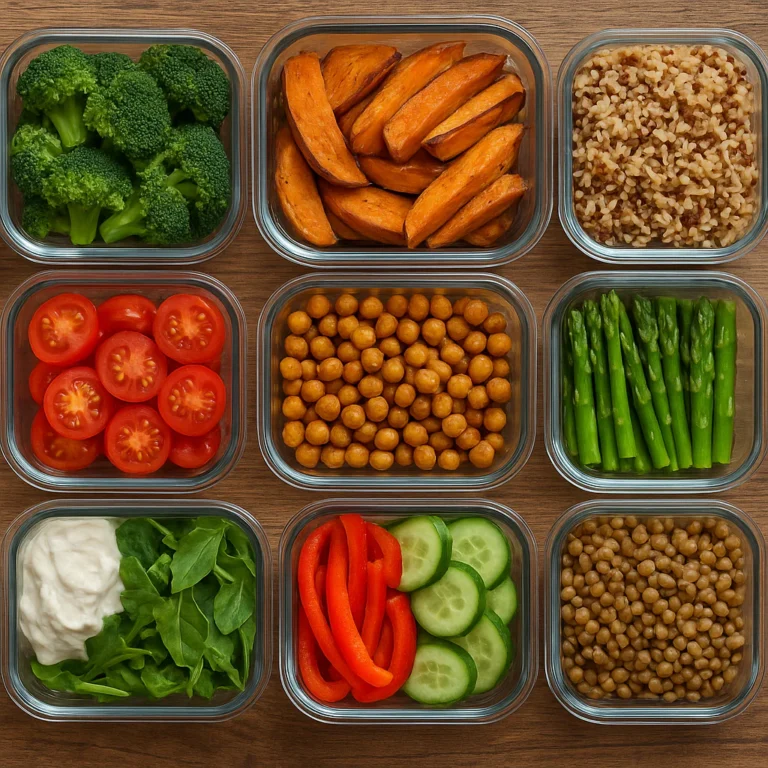
- Legumes & Pulses: The “meat” of the plant world. We’re talking lentils, black beans, chickpeas, and edamame. Brands like Goya or Eden Foods are staples.
- Whole Grains: Move over white rice! We love quinoa, farro, teff, and Bob’s Red Mill Steel Cut Oats.
- Cruciferous & Leafy Greens: Kale, spinach, broccoli, and Brussels sprouts. These provide the bulk and the micronutrients.
- Nuts & Seeds: For healthy fats and crunch. Think chia seeds, flaxseeds, walnuts, and Blue Diamond Almonds.
- Plant-Based Proteins (Soy): Tofu and tempeh are your best friends. We recommend Nasoya Tofu for its versatility.
- Healthy Fats: Avocados and high-quality California Olive Ranch Extra Virgin Olive Oil.
- Conscious Animal Products: Eggs (pasture-raised like Vital Farms), Greek yogurt, and occasional wild-caught salmon.
🥩 5 Foods to Minimize or Skip on a Flexitarian Plan
Just because it’s “flexible” doesn’t mean it’s a free-for-all for junk food. To reap the benefits of the flexitarian diet, you’ve got to cut the clutter.
- ❌ Processed Meats: Bacon, sausage, and deli meats are high in sodium and nitrates. Healthline strongly suggests limiting these due to heart disease links.
- ❌ Refined Carbohydrates: White bread, sugary cereals, and pastries. They spike your blood sugar and leave you hanging.
- ❌ Added Sugars: Soda and candy. They offer zero nutritional value.
- ❌ Fast Food: Most “drive-thru” options are loaded with trans fats and excessive calories.
- ❌ Highly Processed “Vegan” Junk: Just because it’s vegan doesn’t mean it’s healthy. Watch out for ultra-processed vegan cheeses and snacks.
💪 Health Perks: Why Eating Flexitarian Can Boost Your Wellbeing
Why do our personal trainers love this diet? Because it fuels workouts without the “heavy” feeling of a meat-laden gut. 🏃 ♂️
Heart Health & Diabetes
Research suggests that semi-vegetarians have a lower risk of heart disease and Type 2 diabetes. By focusing on fiber-rich plants, you’re naturally lowering your cholesterol and improving insulin sensitivity. Check out more on this in our Flexitarian Nutrition Facts section.
Weight Management
As mentioned in the featured video by Registered Dietitian Ann Kent, flexitarianism is a sustainable way to manage weight. You aren’t “dieting”; you’re shifting your caloric density. Plants take up more room in your stomach for fewer calories!
| Benefit | Impact Level | Why? |
|---|---|---|
| Blood Pressure | ✅ High | High potassium from fruits/veggies. |
| Gut Health | ✅ High | Massive fiber intake feeds good bacteria. |
| Longevity | ✅ Moderate/High | Reduced inflammation from antioxidants. |
🌍 Flexitarianism and the Planet: How Your Plate Can Help Save Earth
We aren’t just eating for our abs; we’re eating for the atmosphere! 🌡️ The environmental impact of meat production is staggering. According to Wikipedia, eliminating or drastically reducing beef and mutton could nearly halve global agricultural land use.
By choosing a bean burrito over a beef taco, you are:
- Saving Water: It takes significantly less water to grow a pound of pulses than a pound of beef.
- Reducing Emissions: Plant-based proteins produce fewer greenhouse gases.
- Preserving Biodiversity: Less land for grazing means more room for natural ecosystems.
As we often say in our Flexitarian Lifestyle coaching, every meal is a vote for the kind of world you want to live in.
⚠️ Potential Pitfalls: What to Watch Out for When Going Flexitarian
Is it all sunshine and kale smoothies? Not quite. There are a few traps you might fall into if you aren’t careful.
- The B12 Gap: Vitamin B12 is primarily found in animal products. If you go too light on meat/dairy, you might need a supplement like Garden of Life B12.
- Iron Absorption: Plant-based iron (non-heme) isn’t absorbed as easily as iron from meat. Tip: Pair your spinach with vitamin C (like lemon juice) to boost absorption! 🍋
- The “Carb-itarian” Trap: Replacing meat with nothing but pasta and bread. You still need protein!
- Protein Confusion: Not all plant proteins are “complete.” Mix your grains and legumes (like beans and rice) to get all your essential amino acids.
🗓️ A Week of Flexitarian Feasting: Sample Meal Plan to Get You Started
Ready to try it? Here is a sample week from our Flexitarian Recipes vault.
| Day | Breakfast | Lunch | Dinner |
|---|---|---|---|
| Mon | Overnight oats with chia | Quinoa & black bean bowl | Lentil “Bolognese” with zoodles |
| Tue | Greek yogurt with berries | Leftover Lentil Bolognese | Tofu Stir-fry with broccoli |
| Wed | Avocado toast with hemp seeds | Chickpea “Tuna” salad wrap | Grilled Salmon with asparagus |
| Thu | Green smoothie (spinach/mango) | Mediterranean salad with feta | Sweet potato & black bean tacos |
| Fri | Scrambled eggs with spinach | Roasted veggie grain bowl | Meatless Burger (Beyond/Impossible) |
| Sat | Whole grain pancakes | Hummus and veggie pita | Roast Chicken (small portion) & roots |
| Sun | Tofu scramble with peppers | Kale & apple salad with walnuts | Veggie Lasagna with ricotta |
🍳 Kitchen Must-Haves: Tools and Ingredients Every Flexitarian Needs
To make these Flexitarian Recipes sing, you need the right gear. We’ve tested dozens of products, and here is our top recommendation for the ultimate flexitarian kitchen tool.
Product Review: Vitamix A3500 Ascent Series
If you are serious about plant-based sauces, smoothies, and soups, a high-speed blender is non-negotiable.
| Category | Rating (1-10) | Notes |
|---|---|---|
| Power | 10/10 | Can pulverize even the toughest kale stems. |
| Versatility | 9/10 | Makes hot soup, frozen desserts, and nut butters. |
| Durability | 10/10 | These machines are built to last a decade. |
| Ease of Cleaning | 9/10 | Self-cleaning mode is a lifesaver. |
| Value | 7/10 | It’s an investment, but worth every penny. |
Our Analysis: We use the Vitamix A3500 daily for our “Cashew Cream” sauces which replace heavy dairy. It’s powerful, sleek, and the touchscreen is very intuitive.
👉 Shop Vitamix on:
- Vitamix A3500: Amazon | Walmart | Vitamix Official Website
Other Essentials:
- Cast Iron Skillet: Perfect for searing tofu or a rare steak.
- Lodge 12-Inch Skillet: Amazon | Lodge Official Website
- Tofu Press: To get that perfect crispy texture.
- EZ Tofu Press: Amazon
📚 Flexitarian FAQs: Your Burning Questions Answered

Q: Is flexitarianism just a fancy word for being a “lazy vegetarian”? A: Haha, we get this a lot! No. It’s a deliberate nutritional strategy. It’s about being pro-plant, not just anti-meat. It’s a way to enjoy the health benefits of vegetarianism without the social or nutritional restrictions that often lead people to quit.
Q: Can I build muscle on a flexitarian diet? A: Absolutely. Our personal trainers work with many athletes who use pea protein powders like Vega Sport and high-protein plants like seitan to hit their macros.
Q: How much meat is “allowed”? A: There are no hard rules, but Dawn Jackson Blatner’s original guide suggests starting with 26 ounces of meat per week and eventually aiming for 9 ounces or less as you become an “expert” flexitarian.
Q: Is it more expensive? A: Actually, it’s often cheaper! Beans and grains are some of the most affordable foods on the planet. You save money on the meat you don’t buy, which allows you to buy higher-quality meat when you do.
🔍 The Bottom Line: Is Flexitarianism Right for You?
If you’ve ever felt guilty about eating a burger but also can’t imagine a life without Sunday roast, the flexitarian diet is your “get out of jail free” card. It’s a scientifically backed, environmentally friendly, and incredibly delicious way to live.
We’ve seen hundreds of our community members lower their blood pressure, lose stubborn weight, and—most importantly—actually enjoy their food again. But wait, if you’re worried about missing out on specific nutrients or how to handle social dinners, we have a few more tricks up our sleeves…
Conclusion

So, what does a flexitarian eat? The answer is delightfully flexible: mostly plants, with occasional, thoughtful servings of animal products. This approach lets you enjoy the best of both worlds—nutrient-rich plant foods and the flavors and nutrients from quality meat, fish, eggs, and dairy—without the rigidity of strict vegetarianism or veganism.
Our team at Flexitarian Diet™ wholeheartedly recommends this way of eating for anyone seeking a sustainable, healthful, and environmentally conscious lifestyle. It’s not just a diet; it’s a lifestyle upgrade that’s as delicious as it is doable.
Remember the questions we teased earlier? Like how to avoid nutrient gaps or how often to eat meat? The key is balance and planning. Prioritize whole foods, diversify your protein sources, and listen to your body. Supplement wisely if needed, especially for Vitamin B12, and enjoy the journey of discovering new flavors and recipes.
If you’re ready to start, equip your kitchen with essentials like a high-quality blender (hello, Vitamix A3500!), a trusty cast iron skillet, and a tofu press. These tools will make flexitarian cooking a breeze and keep you inspired.
In short: ✅ Flexitarianism is flexible, healthy, and planet-friendly. It’s a win-win-win for your taste buds, your body, and the Earth.
Recommended Links
👉 Shop essential flexitarian kitchen tools and pantry staples:
-
Vitamix A3500 Ascent Series Blender:
Amazon | Walmart | Vitamix Official Website -
Lodge Cast Iron Skillet (12-inch):
Amazon | Lodge Official Website -
EZ Tofu Press:
Amazon -
Garden of Life Vitamin B12 Supplement:
Amazon -
Blue Diamond Almonds:
Amazon -
Nasoya Tofu:
Nasoya Official Website
Recommended books for flexitarian inspiration and guidance:
-
The Flexitarian Diet by Dawn Jackson Blatner
Amazon -
The Plant-Based Diet for Beginners by Gabriel Miller
Amazon -
How Not to Die by Michael Greger, MD
Amazon
📚 FAQ

What role do whole foods play in a flexitarian diet, and how can people prioritize whole foods in their eating habits?
Whole foods are the cornerstone of the flexitarian diet. They provide maximal nutrients with minimal processing, which supports overall health and satiety. Prioritize fresh fruits, vegetables, whole grains, legumes, nuts, and seeds. Avoiding highly processed foods helps maintain stable blood sugar and reduces inflammation. Start by cooking at home and shopping the perimeter of the grocery store, where whole foods typically reside.
How can flexitarians ensure they are getting enough protein in their diet, and what are some high-protein flexitarian food options?
Flexitarians can meet protein needs by combining plant-based proteins like lentils, chickpeas, tofu, tempeh, quinoa, and nuts with moderate amounts of animal products such as eggs, dairy, fish, and poultry. Mixing grains and legumes ensures complete amino acid profiles. Protein powders like Vega Sport (pea-based) can supplement active individuals. Tracking intake initially can help ensure adequacy.
Can a flexitarian diet be beneficial for weight loss or weight management, and what are some key principles to keep in mind?
Yes! The diet’s emphasis on fiber-rich plants and lower-calorie density foods promotes fullness and reduces overeating. Key principles include focusing on whole foods, minimizing processed snacks, balancing macronutrients, and incorporating regular physical activity. Flexibility helps sustainability, which is crucial for long-term weight management.
Are there any potential drawbacks or challenges to following a flexitarian diet, and how can they be overcome?
Potential challenges include nutrient gaps (especially Vitamin B12, iron, and omega-3 fatty acids), risk of relying too heavily on refined carbs, and social pressures. Overcome these by planning meals, incorporating fortified foods or supplements, diversifying protein sources, and communicating your dietary choices with friends and family.
How does a flexitarian diet impact the environment, and what are some ways that flexitarians can reduce their carbon footprint through food choices?
Flexitarianism reduces demand for resource-intensive animal agriculture, lowering greenhouse gas emissions, water use, and land degradation. To further reduce your footprint, choose local and seasonal produce, minimize food waste, and prefer sustainably sourced animal products like wild-caught fish or pasture-raised meats.
What are some delicious and easy-to-make flexitarian recipes for beginners, and where can people find inspiration for new meal ideas?
Start with simple dishes like lentil soups, tofu stir-fries, veggie-loaded grain bowls, and bean chili. Our Flexitarian Recipes section is packed with ideas. Cookbooks like Dawn Jackson Blatner’s The Flexitarian Diet also offer approachable recipes.
How can someone who is used to eating meat regularly transition to a flexitarian diet, and what are some tips for making the change?
Transition gradually by introducing “Meatless Mondays” or swapping one meat meal per day with plant-based alternatives. Experiment with flavorful legumes and plant proteins to avoid feeling deprived. Plan meals ahead and keep easy snacks on hand. Remember, flexibility means no guilt—progress over perfection!
Can a flexitarian diet be suitable for people with certain dietary restrictions or preferences, such as gluten-free or dairy-free?
Absolutely. The flexitarian framework is adaptable. Gluten-free grains like quinoa, teff, and buckwheat fit perfectly. Dairy-free options include plant-based milks (almond, soy, oat) and vegan yogurts. Just ensure nutrient needs are met, especially calcium and Vitamin D, through fortified foods or supplements.
Are there any specific nutrients or vitamins that flexitarians need to pay attention to in their diet, and how can they ensure they are getting enough?
Vitamin B12 is the most critical, as it’s primarily found in animal products. Supplementation or fortified foods are recommended if intake is low. Iron, calcium, omega-3 fatty acids, and zinc should also be monitored. Eating a variety of plant foods, pairing iron-rich plants with vitamin C, and including fatty fish or algae-based omega-3 supplements help cover these bases.
What are some common flexitarian food staples, and how can they be incorporated into daily meals?
Staples include beans, lentils, tofu, tempeh, whole grains (quinoa, brown rice), nuts, seeds, fresh vegetables, and fruits. Incorporate them by adding beans to salads, using tofu in stir-fries, snacking on nuts, and swapping white rice for quinoa. These ingredients form the foundation of balanced, nutrient-dense meals.
How does a flexitarian diet differ from a vegetarian or vegan diet, and what are the key similarities?
Flexitarianism is more flexible than vegetarianism or veganism, allowing occasional animal products. Vegetarians exclude meat but may consume dairy and eggs; vegans avoid all animal products. All three emphasize plant-based foods and share benefits like increased fiber intake and reduced chronic disease risk. Flexitarianism offers a middle ground for those seeking balance.
Reference Links and Scientific Sources on Flexitarian Eating
- Flexitarianism – Wikipedia
- Healthline: Flexitarian Diet Guide
- BBC Good Food: What is a Flexitarian Diet?
- USDA Dietary Guidelines
- American Heart Association: Plant-Based Diets
- Vitamix Official Website
- Nasoya Tofu Official Website
- Garden of Life Supplements
- Lodge Cast Iron
We hope this comprehensive guide has answered your burning questions and inspired you to embrace the flexitarian lifestyle with confidence and joy! 🌿✨