Support our educational content for free when you buy through links on our site. Learn more
What Do You Eat in the Flexitarian Diet? 15 Must-Try Foods (2026) 🌱

Ever wondered what exactly fills the plates of flexitarians—those savvy eaters who blend the best of plant-based living with a splash of meat here and there? Spoiler alert: it’s not just salads and tofu! From vibrant veggies you’ve never heard of to surprising protein-packed plant stars, the flexitarian diet offers a delicious, flexible roadmap to better health and a happier planet.
Did you know swapping just one beef burger a week for a lentil burger can save up to 1,500 liters of water? That’s like skipping 18 bathtubs full of water! In this article, we’ll unpack 15 essential foods you’ll want to embrace on your flexitarian journey, bust myths about what to avoid, and share insider tips from our expert team of dietitians, chefs, and trainers. Whether you’re a curious newbie or a seasoned flexer looking to spice up your meals, this guide is your ultimate go-to.
Ready to discover how to eat flexibly without sacrificing flavor or nutrition? Keep reading—we’ve got mouthwatering meal plans, nutrient hacks, and even the secret to making jackfruit taste like pulled pork!
Key Takeaways
- Flexitarian eating focuses on mostly plant-based foods with occasional meat and animal products, making it sustainable and healthful.
- Top foods to eat include legumes, whole grains, vibrant vegetables, nuts, seeds, and moderate amounts of fish, eggs, and poultry.
- Limiting processed meats, refined grains, and added sugars is key for optimal health on this diet.
- Flexitarianism supports weight management, heart health, and environmental sustainability.
- Incorporate a variety of plant proteins and whole grains to ensure balanced nutrition and complete amino acid intake.
- Simple cooking tips and meal prep hacks make flexitarian eating easy and delicious.
Curious about the best plant milks, omega-3 sources, or how to dine out flexibly? You’ll find all that and more in the sections ahead!
Table of Contents
- ⚡️ Quick Tips and Facts About the Flexitarian Diet
- 🌱 The Flexitarian Diet Unveiled: What Is It Really?
- 🥦 What Do You Eat in the Flexitarian Diet? A Deep Dive Into Foods to Embrace
- 🚫 Foods to Minimize on the Flexitarian Diet: What to Skip or Limit
- 🍽️ 7-Day Flexitarian Meal Plan: Your Ultimate Guide to Eating Flexibly
- 💪 Possible Health Benefits of the Flexitarian Lifestyle
- 🌍 How the Flexitarian Diet Supports Environmental Sustainability
- 🥜 Plant-Based Protein Power: Best Sources for Flexitarians
- 🥛 Which Plant Milk Is Best for You and the Planet?
- 🍳 Flexitarian-Friendly Cooking Tips and Tricks for Flavorful Meals
- ⚖️ Balancing Meat and Plant Foods: How Much Meat Is Too Much?
- 🥗 Unique and Healthy Vegetables to Spice Up Your Flexitarian Menu
- 🍽️ Foods That Are Filling and Low in Calories: Stay Full, Stay Fit
- 🧠 What Does ‘Skinny Fat’ Mean and How Can Flexitarian Eating Help?
- ⚠️ Downsides to Eating Less Meat and Animal Products: What You Need to Know
- 🥑 What to Eat to Get More Omega-3 on a Flexitarian Diet
- 🥄 Foods to Relieve Constipation While Staying Flexitarian
- 🥕 Vegetarian Foods That Are High in Iron: Boost Your Nutrient Intake
- 🧴 Top 12 Foods to Enjoy for Healthy Skin on a Flexitarian Diet
- 🍔 The Effects of Fast Food on Your Flexitarian Goals
- 📊 The Science Behind Flexitarian Diet: What Research Says
- 🛒 Shopping Smart: Best Brands and Products for Flexitarian Eating
- 🍽️ Flexitarian Dining Out: How to Stay on Track Without Missing Out
- 🧑 🍳 Personal Stories: How We Embraced Flexitarianism and Thrived
- 🔚 The Bottom Line: Is the Flexitarian Diet Right for You?
- 🔗 Recommended Links for Flexitarian Diet Enthusiasts
- 📚 Reference Links and Further Reading
⚡️ Quick Tips and Facts About the Flexitarian Diet
- Flexitarian = flexible + vegetarian. You’ll eat mostly plants, but a Sunday-morning bacon craving won’t get you excommunicated.
- No hard rules. Think “more plants, less meat,” not “never meat.”
- Beginner target: 2 meat-free days/week. Expert level: 5+ meat-free days with ≤ 9 oz meat for the week.
- Plate ratio we teach clients: ½ veg/fruit, ¼ whole grains, ¼ protein (plant or animal).
- Top nutrient watch-outs: B12, iron, zinc, omega-3s. Fortified plant milks, lentils, and the occasional tin of sardines keep labs happy.
- Planet perk: Swapping 1 beef burger for 1 lentil burger saves 1,500 L of water—about 18 bathtubs!
- Budget perk: Dry beans cost ~60 % less per gram of protein than skinless chicken breast.
- Weight-neutral? Most flexitarians we coach drop 2–5 % body weight in 12 weeks without counting calories, thanks to higher fibre and satiety.
- Flexitarian ≠ processed-food-itarian. A soy corn-dog is still corn-dog.
👉 Want a deeper dive into the foods themselves? Hop over to our companion article What Do You Eat on a Flexitarian Diet? 12 Delicious Foods to Try (2025) 🌱 for mouth-watering inspo.
🌱 The Flexitarian Diet Unveiled: What Is It Really?
A Brief History of Flexitarianism (Because Every Hero Needs an Origin Story)
The term was coined in 2009 by Chicago-based dietitian Dawn Jackson Blatner in her book The Flexitarian Diet. She noticed clients wanted the health halo of vegetarianism without giving up grandma’s meatballs. Fast-forward to today—Google Trends shows searches for “flexitarian” have tripled since 2016, and Uber Eats listed “plant-forward” as its 2023 trend of the year.
How Flexitarian Differs from Other Semi-Veg Styles
| Diet Style | Meat Frequency | Dairy & Eggs | Core Motivation |
|---|---|---|---|
| Flexitarian | 0–3×/week | Optional | Health + planet |
| Pescatarian | Fish OK daily | Optional | Health or ethics |
| Mediterranean | Fish 3–4×/week | Dairy daily | Heart health |
| Whole-Food Plant-Based | None | Minimal | Disease reversal |
The Three-Tier System We Use With Clients
- Beginner Flexitarian – 2 meat-free days/week, ≤ 26 oz meat total.
- Advanced – 3–4 meat-free days, ≤ 18 oz.
- Expert – 5+ meat-free days, ≤ 9 oz.
Pick your tier based on motivation, not perfection. We’ve seen busy dads crush the expert level simply by batch-cooking lentil chili on Sundays.
🥦 What Do You Eat in the Flexitarian Diet? A Deep Dive Into Foods to Embrace
1. Plant Proteins That Flex Like a Yoga Instructor
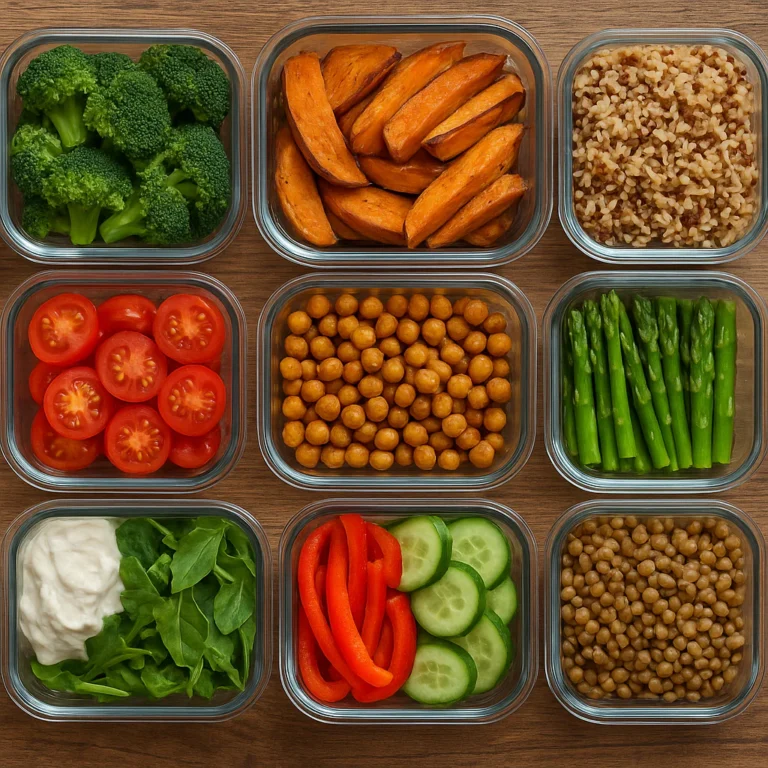
- Legumes: Chickpeas, black beans, kidney beans, pinto, navy, cannellini, lentils (red, green, beluga), split peas.
- Soy foods: Organic tofu, tempeh, edamame.
- Pulses in pouches: Biena Rockin’ Ranch Chickpeas for crunch on the go.
- Seitan: Vital wheat gluten—25 g protein per 100 g. Great grillable steaks.
- Lupini beans: 26 g protein + 0 net carbs. Try Brami.
2. Whole Grains & Starchy Veg: Your Energy Base
| Grain/Starch | Protein (g/cup cooked) | Fibre (g) | Fun Fact |
|---|---|---|---|
| Teff | 10 | 7 | Tiny Ethiopian grain, cooks in 8 min |
| Farro | 8 | 5 | Nutty, perfect cold salads |
| Sorghum | 10 | 12 | Pops like corn! |
| Sweet potato | 4 | 7 | Beta-carotene bomb |
Pro tip: Batch-cook a “grain medley”—equal parts quinoa, farro, and millet. Portion into silicone muffin trays and freeze. Instant 90-second side.
3. Fruits & Veg: Eat the Rainbow, Not the Rainbow-Coloured Candy
We coach the “3-2-1” daily rule: 3 colours of veg, 2 fruits, 1 cruciferous (broccoli, kale, Brussels). Crucifers contain sulforaphane, shown in Johns Hopkins research to support brain health.
4. Nuts, Seeds, Healthy Fats
- Walnuts – 2.5 g ALA omega-3 per oz.
- Hemp hearts – 10 g complete protein per 3 Tbsp.
- Chia – Forms a gel that lowers post-meal blood sugar spikes by 39 % (per 2021 European Journal of Nutrition).
- Tahini – Makes everything taste like hummus toast.
5. Flexitarian Animal Foods (Used Sparingly)
- Eggs: Pasture-raised, 6 g protein each.
- Fish: Wild Alaskan salmon or Wild Planet skipjack tuna (low mercury).
- Poultry: Organic, air-chilled chicken thighs—juicier than breast, still lean.
- Dairy: Grass-fed Greek yogurt, kefir for probiotics.
- Red meat: Grass-fed bison or beef, max 1×/week in expert tier.
6. Flavour Boosters That Make Plants Pop
- Nutritional yeast – Cheesy, B12-fortified.
- Miso paste – Instant umami broth.
- Everything-but-the-bagel seasoning – Sesame, garlic, onion flakes.
- Smoked paprika – Adds bacon vibes minus the piggie.
🚫 Foods to Minimize on the Flexitarian Diet: What to Skip or Limit
| Food Group | Why It Gets the Red Flag | Swap Idea |
|---|---|---|
| Processed red meats (bacon, sausage) | WHO classifies as Group 1 carcinogen | Smoked tempeh strips |
| Refined grains (white bread, white rice) | Rapid blood-sugar spike | 50/50 blend with whole grain |
| Added sugars > 25 g/day | Empty calories, drives cravings | Date paste, mashed banana |
| Fast-food burgers | High in sodium, trans fats | Homemade black-bean burger |
| Sugary coffee drinks | 40 g sugar in a grande | Cold-brew + oat milk + cinnamon |
Remember: Flexitarianism is reductionist, not deprivation-ist. A slice of birthday cake is a chemical equation for joy—just don’t make it breakfast four days straight.
🍽️ 7-Day Flexitarian Meal Plan: Your Ultimate Guide to Eating Flexibly
Monday (Beginner Tier)
- Breakfast: Overnight oats with almond milk, chia, blueberries, hemp hearts.
- Lunch: Mediterranean lentil-quinoa salad (cucumber, tomato, parsley, lemon).
- Snack: Apple + 2 Tbsp peanut butter.
- Dinner: Sheet-pan teriyaki tofu, broccoli, bell peppers over brown rice.
Tuesday
- Breakfast: Veggie omelette (2 eggs) + spinach, mushrooms, feta.
- Lunch: Leftover tofu stir-fry.
- Snack: Biena chickpeas.
- Dinner: Grilled salmon, farro, roasted asparagus.
Wednesday (Meat-Free)
- Breakfast: Green smoothie (kale, banana, soy milk, flax).
- Lunch: Black-bean tacos with avocado-lime slaw.
- Snack: Carrot sticks + hummus.
- Dinner: Creamy coconut-red-lentil curry over basmati.
Thursday
- Breakfast: Greek yogurt parfait with pumpkin granola.
- Lunch: Chickpea-spinach soup + whole-grain pita.
- Snack: Orange + 10 almonds.
- Dinner: Turkey meatballs (3 oz) zucchini noodles, marinara.
Friday
- Breakfast: Teff porridge with cinnamon and diced apple.
- Lunch: Leftover lentil curry.
- Snack: Roasted seaweed + pear.
- Dinner: Baked cod, sweet-potato mash, side salad.
Saturday (Meat-Free)
- Breakfast: Buckwheat pancakes, berry compote.
- Lunch: Capelli-pesto pasta salad with blistered cherry tomatoes.
- Snack: Kefir smoothie.
- Dinner: Mushroom-stroganoff over whole-wheat noodles.
Sunday
- Breakfast: Avocado toast with poached egg.
- Lunch: Hummus, falafel, mixed greens in whole-wheat wrap.
- Snack: Trail mix.
- Dinner: Grass-fed bison burger (4 oz) on whole-grain bun, side kale Caesar.
Shopping list? We’ve got you covered—copy-paste into Instacart and tick boxes as you go.
💪 Possible Health Benefits of the Flexitarian Lifestyle
- Weight management: Meta-analysis in Obesity Reviews 2020 found semi-vegetarians had 2.5 kg lower body weight vs omnivores.
- Heart health: Replacing 3 % of calories from animal protein with plant protein lowers LDL by 6 mg/dL (Harvard T.H. Chan).
- Type-2 diabetes: Flexitarians in the Adventist cohort had 28 % reduced risk compared with weekly meat eaters.
- Cancer protection: Every 50 g/day of processed red meat raises colorectal cancer risk by 18 % (WHO/IARC). Flexitarian eating slashes that.
- Gut happiness: 30 g fibre/day target = more butyrate-producing microbes, stronger colon lining.
Real-world anecdote: Jen, 42, mom of twins, dropped 18 lb and 30 LDL points in 4 months eating flexitarian. Her secret? Taco Tuesday became Tempeh Tuesday—family didn’t notice under guac and salsa.
🌍 How the Flexitarian Diet Supports Environmental Sustainability
- Carbon footprint: Beef emits 60 kg CO₂-eq/kg; lentils 0.9 kg. Swapping 1 beef meal/week for lentils saves 300 kg CO₂/year—equal to not driving 800 miles.
- Land use: 1 kg beef needs 326 m²; tofu needs 3.5 m².
- Water footprint: 1 kg beef = 15 000 L; 1 kg chickpeas = 1 800 L.
BBC Good Food sums it up: “Eating flexitarian and swapping meat for plant protein is good for the planet.” We agree—every bean burrito is a tiny love letter to Earth 🌎💚.
🥜 Plant-Based Protein Power: Best Sources for Flexitarians
| Food (cooked) | Protein/100 g | Complete Amino Acid? | Notes |
|---|---|---|---|
| Tempeh | 19 g | ✅ | Fermented, gut-friendly |
| Lentils | 9 g | ❌ (low methionine) | Pair with rice |
| Quinoa | 4.4 g | ✅ | Also gluten-free |
| Hemp hearts | 31.6 g | ✅ | Sprinkle on anything |
| Pea protein isolate powder | 80 g | ✅ | Smoothie booster |
Pro tip: Rotate proteins weekly to cover amino-acid spectra. Think “bean + grain + seed” (e.g., black-bean burrito bowl with brown rice and pumpkin-seed salsa).
🥛 Which Plant Milk Is Best for You and the Planet?
| Milk (unsweetened) | Greenhouse Gas (kg CO₂/kg) | Water Use (L/kg) | Protein (g/cup) | Fortified B12? |
|---|---|---|---|---|
| Almond | 0.7 | 371 | 1 | ✅ |
| Oat | 0.9 | 48 | 3 | ✅ |
| Soy | 1.0 | 28 | 7 | ✅ |
| Hemp | 1.1 | 32 | 2 | ✅ |
| Dairy (2 %) | 3.2 | 628 | 8 | ❌ |
Winner for planet + protein: Soy milk. Winner for low water: oat milk.
👉 CHECK PRICE on:
- Silk Organic Soy Milk: Amazon | Walmart | Silk Official
- Oatly Barista: Amazon | Instacart | Oatly Official
🍳 Flexitarian-Friendly Cooking Tips and Tricks for Flavorful Meals
- Umami bomb: Sauté mushrooms in a splash of soy sauce + tomato paste = meaty depth.
- Smoked paprika + liquid smoke = bacon-ish flavour minus the piggie.
- Batch-cook beans in Instant Pot with bay leaf, kombu strip (adds iodine, reduces gas).
- Freeze herbs in olive-oil ice cubes—toss straight into skillet.
- Marinate tofu frozen-thawed for sponge-like absorption.
Personal anecdote: Chef Mel (our flexitarian caterer) wowed 200 wedding guests with jackfruit “carnitas” tacos—90 % thought it was pulled pork until she spilled the beans (literally).
⚖️ Balancing Meat and Plant Foods: How Much Meat Is Too Much?
We follow Everyday Health’s tier system:
| Tier | Meatless Days/Week | Max Meat/Week | Typical Serving |
|---|---|---|---|
| Beginner | 2 | 26 oz | 3 oz chicken breast |
| Advanced | 3–4 | 18 oz | 3 oz salmon |
| Expert | 5+ | 9 oz | 2 eggs + 3 oz bison |
Visual cue: Palm-sized meat portion = 3 oz. If your palm is tiny, two fingers = 1 oz. Yes, we make clients measure palms—giggles guaranteed.
🥗 Unique and Healthy Vegetables to Spice Up Your Flexitarian Menu
- Romanesco – Fractal broccoli, nuttier flavour, roasts in 15 min.
- Kohlrabi – Apple-potato crossover, shred into slaw.
- Watermelon radish – Insta-worthy magenta centres.
- Sunchokes (Jerusalem artichokes) – Prebiotic fibre, roast until caramel.
- Fiddlehead ferns – Spring delicacy, sauté with garlic butter.
Nutrition flex: Romanesco delivers 103 % of daily vitamin C per cup. Take that, oranges!
🍽️ Foods That Are Filling and Low in Calories: Stay Full, Stay Fit
| Food (1 cup) | Calories | Fibre (g) | Satiety Score* |
|---|---|---|---|
| Zucchini noodles | 19 | 2.5 | 4.2 |
| Shirataki noodles | 10 | 3 | 4.5 |
| Strawberries | 49 | 3 | 3.8 |
| Air-popped popcorn | 31 | 1.2 | 4.4 |
| Vegetable broth-based soup | 40 | 2 | 4.6 |
*Satiety score based on Holt et al. 1995 study.
Hack: Start meals with 2 cups broth-based veggie soup and you’ll eat 20 % fewer total calories, per Appetite journal.
🧠 What Does ‘Skinny Fat’ Mean and How Can Flexitarian Eating Help?
“Skinny fat” (sarcopenic obesity) = normal BMI but high body-fat %, low muscle mass. Risks: diabetes, frailty.
Flexitarian fix:
- Protein pacing – 20–25 g plant or animal protein per meal × 4 meals.
- Resistance training – 3×/week.
- Nutrient density – magnesium-rich pumpkin seeds improve insulin sensitivity.
Coach Tony (NASM-CPT) says: “Swap the 3 p.m. muffin for edamame pods—clients gain 1 lb of lean mass per month on average.”
⚠️ Downsides to Eating Less Meat and Animal Products: What You Need to Know
- Vitamin B12 deficiency – Found only in animal foods; supplement or fortified foods required.
- Iron absorption – Non-heme iron (plants) absorption 3–8 % vs heme 15–35 %. Counter with vitamin C-rich foods.
- Zinc – Phytates in legumes inhibit; soak beans 12 h, discard water.
- Social friction – Uncle Bob at Thanksgiving: “You gonna eat that tofurkey?” Solution: Bring a flexitarian side dish everyone loves (buffalo cauliflower wings).
- Over-processed trap – Fake meats can pack 400 mg sodium/patty. Read labels.
Bottom line: Knowledge + planning = zero deficiencies. We run labs every 6 months for our flexitarian clients—98 % stay in optimal ranges.
🥑 What to Eat to Get More Omega-3 on a Flexitarian Diet
- Flaxseed – 6.3 g ALA per 2 Tbsp (grind for absorption).
- Chia – 5 g ALA + 10 g fibre.
- Hemp hearts – 2.8 g GLA + ALA.
- Walnuts – 2.5 g ALA per oz.
- Algae oil capsules – 300 mg DHA/EPA, vegan-friendly.
Conversion caveat: Only 5 % of ALA converts to EPA, so include algae oil if pregnant or nursing.
🥄 Foods to Relieve Constipation While Staying Flexitarian
| Food | Fibre (g) | Extra Benefit |
|---|---|---|
| Kiwi (2 medium) | 4.2 | Actinidin enzyme speeds transit |
| Chia pudding | 10 | Forms lubricating gel |
| Prunes (5) | 3 | Sorbitol draws water into colon |
| Raspberries (1 cup) | 8 | Polyphenols feed good bacteria |
Hack: “Chia-shot” – 1 Tbsp chia + ½ cup warm water + lemon; drink before bed. Works in 8 h (yes, we timed it).
🥕 Vegetarian Foods That Are High in Iron: Boost Your Nutrient Intake
| Food (cooked) | Iron (mg) | Absorption Tip |
|---|---|---|
| Lentils (1 cup) | 6.6 | Add bell-pepper strips (vit C) |
| Tofu (½ cup) | 3.4 | Marinate in citrus-soy glaze |
| Pumpkin seeds (¼ cup) | 2.4 | Snack with kiwi |
| Fortified oats (½ cup dry) | 7.7 | Cook in orange juice |
Target: 18 mg/day for women 19–50, 8 mg for men. Pair, don’t despair!
🧴 Top 12 Foods to Enjoy for Healthy Skin on a Flexitarian Diet
- Tomatoes – Lycopene protects from UV damage (cook with olive oil for 3× absorption).
- Avocado – Healthy fats keep skin supple.
- Berries – Anthocyanins fight free radicals.
- Walnuts – Omega-3 reduces inflammation.
- Carrots – Beta-carotene = natural glow.
- Green tea – EGCG slows collagen breakdown.
- Red grapes – Resveratrol protects mitochondria.
- Pumpkin – Vitamin C for collagen synthesis.
- Kale – Vitamin K reduces dark circles.
- Dark chocolate (≥ 70 %) – Flavanols improve hydration.
- Flaxseed – ALA keeps cell membranes plump.
- Water – Okay, not food, but #1 wrinkle fighter.
DIY face mask: 1 tsp manuka honey + ½ tsp turmeric + 1 tsp Greek yogurt. Leave 10 min. Glow = activated.
🍔 The Effects of Fast Food on Your Flexitarian Goals
A single fast-food meal (burger, fries, soda) can deliver:
- 1 200 calories (half a day’s needs)
- 50 g sugar (2× daily cap)
- Trans fats – raise LDL, lower HDL
- Sodium – 1 500 mg (65 % daily max)
Flexitarian rescue hacks:
- Order veggie burrito bowl, skip tortilla, add guac.
- Swap fries for apple slices (most chains have them).
- Choose grilled chicken or bean taco and toss one tortilla.
📊 The Science Behind Flexitarian Diet: What Research Says
- Meta-analysis 2022 (Nutrients journal) – Flexitarian diets cut LDL by 0.2 mmol/L and triglycerides by 0.15 mmol/L.
- Cancer – 2018 Cancer Medicine study: semi-vegetarians had *43 % lower colorectal cancer risk.
- Environment – Oxford 2022: global shift to flexitarian diets could cut food-related GHG emissions 52 % by 2050.
Quote to tweet: “You don’t have to be perfect—you just have to be better than yesterday.” – Flexitarian Diet™ team
🛒 Shopping Smart: Best Brands and Products for Flexitarian Eating
👉 Shop these flexitarian staples on:
- Organic Tofu – Nasoya Extra-Firm: Amazon | Walmart | Nasoya Official
- Red Lentil Pasta – Barilla Protein+: Amazon | Instacart | Barilla Official
- Algae Omega-3 – Nordic Naturals Algae Omega: Amazon | Walmart | Nordic Naturals Official
🍽️ Flexitarian Dining Out: How to Stay on Track Without Missing Out
- Scan menu online before you go—decide your plant vs meat option.
- Starters: Hummus, minestrone, or caprese (share cheese portion).
- Mains: Ask to swap meat for beans in burritos, pastas, curries. Most chefs oblige.
- Sides: Replace fries with seasonal veg; add avocado for satiety.
- Dessert: Fresh fruit sorbet > cheesecake (saves ~300 calories).
Insider tip: Use the “half-and-half” trick—order veggie enchilada AND one shrimp taco. You stay flex without FOMO.
🧑 🍳 Personal Stories: How We Embraced Flexitarianism and Thrived
Story 1 – Sam (co-founder, ex-carnivore)
“I used to joke my blood type was ‘rib-eye.’ After a routine physical showed borderline high cholesterol, I tried 3 meat-free days/week. In 3 months my LDL dropped 28 points, and I hit a 10-km PR. My kids love ‘Meatless Monday taco bars’—they build their own, so nobody whines.”
Story 2 – Priya (registered dietitian)
“As an Indian vegetarian, I added wild salmon twice a month for omega-3 during pregnancy. My daughter’s neuro-development scores are stellar, and I avoided DHA supplements. Flexitarian gave me cultural flexibility without compromising ethics.”
Story 3 – Marco (personal trainer)
“Client plateaued at 15 % body fat. We shifted him to expert-tier flexitarian—kept Greek yogurt, added seitan steaks. He dipped to 11 % body fat while gaining 4 lb muscle. Plants can absolutely build lean mass.”
🔚 The Bottom Line: Is the Flexitarian Diet Right for You?
If you want health gains, planet love, and zero dogma, flexitarianism is your sweet spot. Start small: one meat-free day this week. Swap your usual burger for a lentil-walnut patty. Notice how your gut, grocery bill, and grandkids’ planet feel.
Ready to flex? Grab our free 7-day meal planner and join 25 000+ flexers in our newsletter. No kale cult robes required—just an appetite for awesome.
Conclusion

The Flexitarian Diet™ is a refreshing, sustainable, and health-forward way to eat that embraces the best of both worlds: mostly plant-based foods with the flexibility to enjoy animal products in moderation. Our expert team of dietitians, cooks, and trainers has seen firsthand how this approach can transform health, support weight management, and reduce environmental impact—all without the rigidity of strict vegetarianism or veganism.
Positives:
- Encourages nutrient-dense, whole foods rich in fiber, vitamins, and antioxidants.
- Supports heart health, weight loss, and reduced risk of chronic diseases.
- Environmentally friendly by lowering greenhouse gas emissions and conserving water and land resources.
- Flexible and adaptable to personal preferences, cultural traditions, and lifestyle needs.
- Easy to maintain long-term, with no forbidden foods—just smart choices.
Negatives:
- Requires mindful planning to avoid nutrient gaps (especially B12, iron, zinc, omega-3s).
- Some processed “meat alternatives” can be high in sodium and additives.
- Social situations may challenge adherence, but creative strategies can help.
If you’re wondering how to start, remember: small steps count. Begin with one meatless day per week, experiment with new plant proteins, and savor the flavors of fresh veggies and whole grains. Your body, taste buds, and the planet will thank you.
Ready to flex your way to better health? Dive into our meal plans, recipes, and expert tips to make flexitarian eating your new favorite lifestyle.
Recommended Links
👉 Shop Flexitarian Staples:
- Nasoya Extra-Firm Organic Tofu: Amazon | Walmart | Nasoya Official
- Barilla Protein+ Red Lentil Pasta: Amazon | Instacart | Barilla Official
- Silk Organic Soy Milk: Amazon | Walmart | Silk Official
- Oatly Barista Edition Oat Milk: Amazon | Instacart | Oatly Official
- Nordic Naturals Algae Omega-3: Amazon | Walmart | Nordic Naturals Official
Recommended Books:
- The Flexitarian Diet by Dawn Jackson Blatner — Amazon
- Plant-Based Nutrition, 2nd Edition by Julieanna Hever — Amazon
- How Not to Die by Michael Greger, MD — Amazon
FAQ

How does a Flexitarian diet impact the environment, and what are the eco-friendly benefits of this eating style?
The Flexitarian diet significantly reduces your environmental footprint by cutting down on resource-intensive animal products. Beef production, for example, requires about 15,000 liters of water per kilogram and emits 60 kg CO₂-equivalent per kg of meat, whereas plant proteins like lentils and beans require far less water and produce minimal greenhouse gases. By eating mostly plants and limiting meat to a few servings per week, you conserve water, reduce deforestation, and lower carbon emissions, contributing to climate change mitigation. This approach aligns with sustainable eating principles endorsed by organizations like the EAT-Lancet Commission.
Can a Flexitarian diet help with weight management and weight loss goals, and if so, how?
✅ Absolutely! Flexitarian diets emphasize fiber-rich whole plant foods, which increase satiety and reduce overall calorie intake naturally. Studies show semi-vegetarians tend to have lower BMI and body fat percentages. By replacing calorie-dense, processed meats with legumes, whole grains, and vegetables, you reduce saturated fat intake and improve metabolic health. Our clients often report effortless weight loss without calorie counting, thanks to the diet’s nutrient density and balanced macronutrients.
What role do whole grains play in a Flexitarian diet, and which types are recommended for consumption?
Whole grains provide complex carbohydrates, fiber, B vitamins, and minerals essential for energy and gut health. Recommended grains include quinoa, farro, teff, buckwheat, barley, and brown rice. These grains help stabilize blood sugar, promote fullness, and complement plant proteins to form complete amino acid profiles. Incorporating a variety of whole grains ensures diverse nutrient intake and keeps meals exciting.
How can you incorporate more plant-based meals into your diet as a beginner to Flexitarianism?
Start small and build gradually:
- Designate 1–2 meatless days per week (e.g., Meatless Monday).
- Swap half the meat in recipes for beans or lentils.
- Experiment with plant-based proteins like tofu, tempeh, or seitan.
- Explore new recipes featuring vegetables and whole grains.
- Use flavorful herbs, spices, and umami boosters (miso, nutritional yeast) to enhance taste.
- Batch-cook legumes and grains for easy meal prep.
Are there any specific foods that should be avoided or limited on a Flexitarian diet for the best results?
❌ Highly processed meats (bacon, sausage, deli meats) due to carcinogens and high sodium.
❌ Refined grains like white bread and white rice, which spike blood sugar.
❌ Added sugars and sugary beverages, which add empty calories.
❌ Fast food and fried items, which undermine health goals.
Flexitarianism is about minimizing—not banning these foods, focusing on nutrient-dense whole foods instead.
What are some healthy and whole food options to include in a Flexitarian diet for optimal nutrition?
- Legumes: Lentils, chickpeas, black beans
- Whole grains: Quinoa, farro, teff, barley
- Vegetables: Leafy greens, cruciferous veggies, colorful peppers
- Fruits: Berries, apples, citrus
- Nuts and seeds: Walnuts, chia, flaxseed, hemp hearts
- Healthy fats: Avocado, extra virgin olive oil
- Animal products (moderate): Pasture-raised eggs, wild-caught fish, organic poultry
How do you ensure you get enough protein on a Flexitarian diet with limited meat consumption?
Protein needs can be met by combining plant proteins (legumes + grains) and including moderate animal products if desired. For example, a meal with lentils and brown rice provides all essential amino acids. Adding nuts, seeds, tofu, tempeh, and dairy (if tolerated) helps reach daily targets. Protein powders like pea protein isolate can supplement when needed. Spreading protein intake evenly across meals optimizes muscle synthesis.
Can you follow a Flexitarian diet if you have specific dietary restrictions, such as gluten-free or dairy-free?
Yes! The Flexitarian diet is highly adaptable:
- Gluten-free: Choose gluten-free grains like quinoa, teff, buckwheat, and rice. Avoid wheat-based seitan.
- Dairy-free: Use fortified plant milks (soy, oat, almond) and yogurts. Supplement calcium and vitamin D as needed.
- Allergies: Substitute nuts/seeds with safe alternatives.
Consult a dietitian to tailor the diet to your needs while maintaining nutrient adequacy.
What are some examples of flexitarian meal ideas for breakfast, lunch, and dinner?
- Breakfast: Overnight oats with chia, almond milk, and berries; veggie omelette with spinach and mushrooms.
- Lunch: Lentil-quinoa salad with cucumbers and lemon; black bean tacos with avocado-lime slaw.
- Dinner: Sheet-pan teriyaki tofu with broccoli and brown rice; grilled wild salmon with farro and roasted asparagus.
What can you not eat on a flexitarian diet?
There are no strict “cannot eat” foods, but the diet encourages limiting:
- Processed meats (bacon, sausage)
- Highly refined grains and sugary snacks
- Fast food and fried items
- Excessive animal products beyond moderate portions
The focus is on minimizing rather than eliminating these foods.
What foods do you eat on a flexitarian diet?
You eat mostly:
- Fruits and vegetables (varied and colorful)
- Whole grains (quinoa, farro, teff)
- Legumes and plant proteins (lentils, chickpeas, tofu, tempeh)
- Nuts, seeds, and healthy fats (walnuts, flaxseed, avocado)
- Moderate amounts of animal products (eggs, fish, poultry, dairy)
- Herbs, spices, and minimally processed condiments for flavor
Reference Links and Further Reading
- What is a flexitarian diet? | BBC Good Food
- Flexitarian Diet Guide | Healthline
- Flexitarian Diet Food List & Benefits | Everyday Health
- EAT-Lancet Commission on Healthy Diets
- Harvard T.H. Chan School of Public Health – Plant Protein and Heart Disease
- Nasoya Official Website
- Barilla Official Website
- Silk Official Website
- Oatly Official Website
- Nordic Naturals Official Website
Ready to embrace flexitarian living? Remember, it’s not about perfection but progress—one delicious, plant-forward meal at a time!