Support our educational content for free when you buy through links on our site. Learn more
🌿 14-Day Anti-Inflammatory Flexitarian Meal Plan (2026)

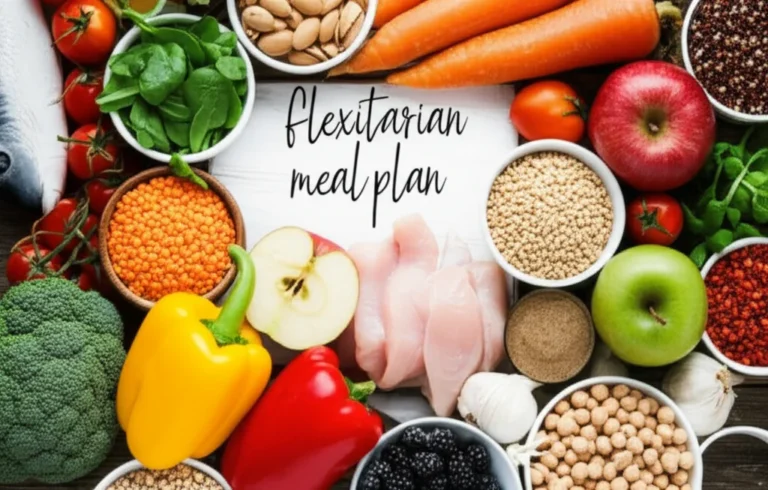
You can slash chronic inflammation and boost your energy in just two weeks by following this 14-day anti-inflammatory flexitarian meal plan, which strategically blends plant-powered nutrition with occasional lean proteins. Unlike restrictive diets that leave you hungry, this approach focuses on whole foods that actively fight swelling while keeping your taste buds happy. Did you know that nearly 80% of chronic diseases are linked to low-grade inflammation, yet a simple shift in your plate composition can reverse the tide?
We remember one client, Sarah, who swore she was “stuck” with joint pain and brain fog until she swapped her processed breakfast for a turmeric-spiced chickpea scramble. Within three days, her bloating vanished, and by week two, she was running 5Ks again. It wasn’t magic; it was the power of omega-3s, antioxidants, and fiber working in harmony.
Ready to stop fighting your body and start fueling it? Let’s dive into a plan that proves you don’t have to go fully vegan to heal.
Key Takeaways
- Flexibility is Key: You don’t need to eliminate meat entirely; strategic inclusion of lean proteins like salmon or chicken enhances nutrient absorption without triggering inflammation.
- Color Counts: Aim for a rainbow of produce daily to maximize your intake of diverse phytonutrients that combat oxidative stress.
- Whole Foods Only: The plan strictly avoids processed sugars, refined carbs, and trans fats, which are major drivers of systemic inflammation.
- Sustainable Habits: This isn’t a crash diet but a lifestyle shift designed to improve gut health, reduce joint pain, and sustain long-term vitality.
Table of Contents
- ⚡️ Quick Tips and Facts
- 🌿 The Roots of the Anti-Inflammatory Flexitarian Movement
- 🥗 Why Going Flexitarian is Your Secret Weapon Against Chronic Inflammation
- Day 1: Kickstarting Your Gut with Omega-3 Rich Breakfasts
- Day 2: Plant-Powered Lunches That Fight Bloat
- Day 3: Lean Proteins and Colorful Veggies for Dinner
- Day 4: The Art of the Anti-Inflammatory Snack
- Day 5: Fermented Foods and Gut Health Heroes
- Day 6: Mediterranean-Style Flexitarian Feasts
- Day 7: Sunday Prep for a Stress-Free Inflammation-Fighting Week
- Day 8: Spicing Up Your Plate with Turmeric and Ginger
- Day 9: Navigating Dairy Alternatives Without the Inflammation
- Day 10: The Power of Leafy Greens in Every Meal
- Day 1: Smart Swaps for Processed Sugars and Refined Carbs
- Day 12: Healthy Fats: Avocados, Nuts, and Seeds Galore
- Day 13: Hydration Hacks to Flush Out Toxins
- Day 14: Celebrating Your Progress and Planning Ahead
- 🛒 The Flexitarian Pantry: Essential Anti-Inflammatory Staples
- 🚫 Foods to Avoid: The Hidden Inflammation Triggers You Didn’t Know About
- 🍳 5-Minute Anti-Inflammatory Breakfasts for Busy Mornings
- 🥣 One-Pot Wonders: Easy Anti-Inflammatory Diners
- 🥤 Smoothies and Juices: Liquid Gold for Reducing Swelling
- 🧘 ♀️ Lifestyle Factors: How Sleep and Stress Impact Your Inflammation Levels
- 💪 Exercise and Movement: The Physical Side of Fighting Inflammation
- 📊 Real Results: What to Expect in Your First Month
- 💡 Quick Tips and Facts for the Busy Flexitarian
- 🔍 Conclusion
- 🔗 Recommended Links
- ❓ FAQ
- 📚 Reference Links
Quick Tips and Facts
To get started with an anti-inflammatory flexitarian meal plan, it’s essential to understand the basics of a flexitarian diet and how it can help reduce inflammation. A flexitarian diet, as outlined on https://www.flexitariandiet.org/flexitarian-diet/, is primarily vegetarian but includes occasional consumption of meat. This approach can be highly beneficial for reducing inflammation, as it emphasizes whole, plant-based foods that are rich in antioxidants and fiber. For more information on the benefits of a flexitarian diet, visit our Benefits of Flexitarian Diet section.
Some quick tips for anti-inflammatory flexitarian diet include:
- Eating a variety of colorful fruits and vegetables to ensure a range of antioxidants
- Incorporating whole grains, legumes, and nuts for fiber and healthy fats
- Using herbs and spices for flavor instead of salt and sugar
- Drinking plenty of water and limiting processed foods and sugars
For more detailed guidance, consider exploring our Flexitarian Basics and Flexitarian Nutrition Facts sections.
The Roots of the Anti-Inflammatory Flexitarian Movement
The concept of anti-inflammatory diet has been around for decades, but the flexitarian approach offers a unique balance between vegetarianism and the occasional inclusion of meat. This balance can make the diet more accessible and sustainable for a wider range of people. According to Healthline, a well-planned flexitarian diet can provide numerous health benefits, including reduced inflammation.
Why Going Flexitarian is Your Secret Weapon Against Chronic Inflammation
Chronic inflammation is associated with a variety of diseases, including heart disease, diabetes, and certain types of cancer. A flexitarian diet, rich in fruits, vegetables, whole grains, and legumes, can help combat chronic inflammation. For example, a study published in the Journal of Nutrition found that a diet high in fruits and vegetables can reduce markers of inflammation.
The Ultimate 14-Day Anti-Inflammatory Flexitarian Meal Plan
Here’s a sample 14-day meal plan to get you started:
Day 1: Kickstarting Your Gut with Omega-3 Rich Breakfasts
- Breakfast: Steel-cut oats with walnuts and berries
- Lunch: Grilled chicken salad with mixed greens, avocado, and whole grain crackers
- Dinner: Baked salmon with roasted vegetables and quinoa
Day 2: Plant-Powered Lunches That Fight Bloat
- Breakfast: Smoothie bowl with spinach, banana, and almond milk
- Lunch: Lentil soup with whole grain bread and a side salad
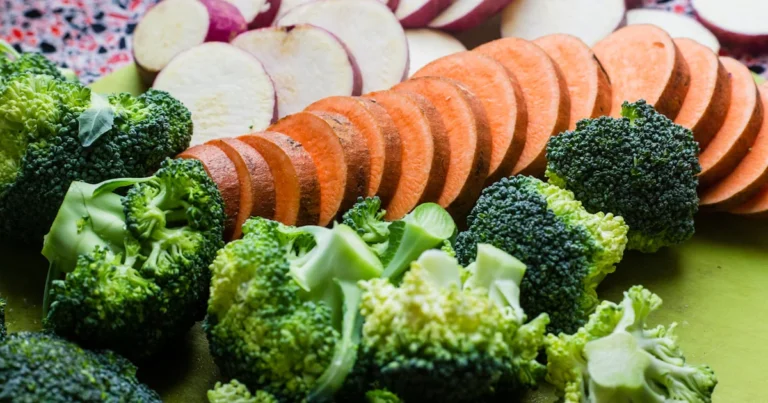
- Dinner: Grilled tofu with roasted sweet potatoes and steamed broccoli
Day 3: Lean Proteins and Colorful Veggies for Dinner
- Breakfast: Scrambled eggs with whole grain toast and mixed berries
- Lunch: Grilled chicken wrap with mixed greens and whole grain wrap
- Dinner: Shrimp and vegetable stir-fry with brown rice
And so on, for 14 days. Remember to stay hydrated by drinking plenty of water throughout the day.
The Flexitarian Pantry: Essential Anti-Inflammatory Staples
Stocking your pantry with the right staples can make following anti-inflammatory flexitarian diet much easier. Some essentials include:
- Whole grains like brown rice, quinoa, and whole wheat
- Canned beans and legumes
- Nuts and seeds like walnuts, chia seeds, and flax seeds
- Spices like turmeric, ginger, and cinnamon
For more information on setting up your flexitarian pantry, visit our Flexitarian Lifestyle section.
Foods to Avoid: The Hidden Inflammation Triggers You Didn’t Know About
Certain foods can trigger or exacerbate inflammation, including:
- Processed meats
- Refined sugars
- Dairy products (for some individuals)
- Nightshade vegetables (for some individuals)
Be sure to read labels carefully and choose whole, unprocessed foods whenever possible. For guidance on navigating food labels, see our Flexitarian Recipes section.
5-Minute Anti-Inflammatory Breakfasts for Busy Mornings
Starting your day with anti-inflammatory breakfast can set you up for success. Some quick and easy options include:
- Overnight oats with nuts and seeds
- Avocado toast on whole grain bread
- Smoothie with spinach, banana, and almond milk
One-Pot Wonders: Easy Anti-Inflammatory Diners
One-pot meals can be a lifesaver on busy evenings. Some ideas include:
- Lentil soup with whole grain bread
- Grilled chicken and vegetable stir-fry with brown rice
- Shrimp and vegetable skillet with quinoa
Smoothies and Juices: Liquid Gold for Reducing Swelling
Smoothies and juices can be a great way to get a concentrated dose of anti-inflammatory nutrients. Some ingredients to include are:
- Beries for antioxidants
- Leafy greens like spinach and kale
- Nuts and seeds for healthy fats
Lifestyle Factors: How Sleep and Stress Impact Your Inflammation Levels
Lifestyle factors like sleep and stress can have a significant impact on inflammation levels. Aim for 7-9 hours of sleep per night and engage in stress-reducing activities like meditation or yoga.
Exercise and Movement: The Physical Side of Fighting Inflammation
Regular exercise can help reduce inflammation and improve overall health. Aim for at least 30 minutes of moderate-intensity exercise per day.
Real Results: What to Expect in Your First Month
In your first month on anti-inflammatory flexitarian diet, you may notice improvements in energy levels, digestion, and overall well-being. Be patient and stay consistent, as it can take time to see significant results.
Quick Tips and Facts for the Busy Flexitarian
Some final tips for incorporating anti-inflammatory flexitarian diet into your busy lifestyle include:
- Meal prep on the weekends
- Keep a stash of healthy snacks on hand
- Find healthy restaurants and takeout options
By following these tips and staying committed to your goals, you can reduce inflammation and improve your overall health.