Support our educational content for free when you buy through links on our site. Learn more
Unlocking Longevity: 10 Secrets from the Blue Zones Documentary 🌍 (2026)

Have you ever wondered how some people effortlessly live to 100 and beyond, brimming with vitality and joy? The Blue Zones documentary peels back the curtain on five extraordinary regions around the world where longevity isn’t just a dream—it’s a way of life. From the sun-drenched hills of Sardinia to the serene shores of Okinawa, this captivating series reveals the lifestyle habits, diets, and social rituals that add decades to life and life to years.
But here’s the kicker: these secrets aren’t locked away in labs or exclusive to a lucky few. They’re surprisingly simple, natural, and accessible to all of us. Curious about how a plant-based diet, purposeful living, and natural movement combine to create some of the healthiest, happiest centenarians on Earth? Stick around—we’ll unpack the Power 9 principles, share practical tips from our flexitarian experts, and even explore how you can weave these longevity hacks into your daily routine. Ready to start your journey toward a longer, richer life? Let’s dive in!
Key Takeaways
- Blue Zones documentary reveals 9 proven lifestyle habits that promote longevity, including plant-based diets, natural movement, and strong social ties.
- Five global longevity hotspots—Okinawa, Sardinia, Ikaria, Nicoya, and Loma Linda—share common secrets despite cultural differences.
- Flexitarian-friendly diets rich in beans, vegetables, nuts, and whole grains are central to living longer and healthier.
- Natural movement and stress reduction through daily activities and mindfulness are key to vibrant aging.
- Purpose and community connections provide emotional resilience and meaning, adding years to life.
Ready to unlock these secrets yourself? Keep reading for detailed insights, expert tips, and actionable steps inspired by the Blue Zones documentary!
Table of Contents
- ⚡️ Quick Tips and Facts About the Blue Zones Documentary
- 🌍 Exploring the Origins: The Story Behind the Blue Zones Documentary
- 🎬 Live to 100: Secrets Revealed in the Blue Zones Documentary
- 🍽️ 10 Key Lifestyle Habits Highlighted in the Blue Zones Documentary
- 📺 Blue Zones Documentary Episodes Breakdown: What to Expect
- 🎥 Trailers and Sneak Peeks: Getting a Taste of the Blue Zones Documentary
- 🥗 Blue Zones Diet Demystified: Foods That Promote Longevity
- 🏃 ♂️ Exercise and Movement: How Blue Zones Natives Stay Active
- 🧘 ♀️ Mindfulness and Social Connections: The Hidden Longevity Boosters
- 🌿 Blue Zones Around the World: A Global Tour of Longevity Hotspots
- 🛠️ How to Apply Blue Zones Principles in Your Life: A Practical Plan
- 📈 Trending Now: The Impact of Blue Zones on Health and Wellness Movements
- 💡 Expert Insights: What Nutritionists and Health Coaches Say About Blue Zones
- 📚 Recommended Books and Documentaries to Deepen Your Blue Zones Knowledge
- 🔍 FAQ: Your Burning Questions About the Blue Zones Documentary Answered
- 📝 Conclusion: Why the Blue Zones Documentary Is a Must-Watch for Longevity Seekers
- 🔗 Recommended Links for Further Exploration
- 📑 Reference Links and Sources
⚡️ Quick Tips and Facts About the Blue Zones Documentary
Welcome to the fascinating world of the Blue Zones documentary! If you’re curious about how some people live to 100 and beyond with vitality, you’re in the right place. Our team at Flexitarian Diet™ has dug deep into the secrets behind these longevity hotspots, blending insights from flexitarian cooking, dietetics, personal training, and health coaching to bring you the juiciest facts and tips.
Quick Facts at a Glance
| Fact | Details |
|---|---|
| Number of Blue Zones | 5 primary regions identified globally |
| Key Documentary Focus | Lifestyle, diet, social connections, and environment |
| Common Longevity Traits | Plant-based diets, natural movement, strong social ties, purpose-driven living |
| Documentary Platform | Netflix (Daytime Emmy Winner) |
| Languages & Subtitles | English, Spanish, French, German, Italian, Chinese (Simplified & Traditional) |
| Research Lead | Dan Buettner, longevity researcher and bestselling author |
| Blue Zones Locations Covered | Okinawa (Japan), Sardinia (Italy), Ikaria (Greece), Nicoya (Costa Rica), Loma Linda (USA) |
| Power 9 Longevity Principles | 9 evidence-based lifestyle habits linked to longer life |
Why Should You Care? 🤔
Because the Blue Zones documentary isn’t just about old folks sitting on rocking chairs. It’s about real, actionable lifestyle changes that can add years to your life and life to your years. Plus, it’s a joyride through cultures that celebrate food, family, and movement in ways that might just surprise you.
Want to know how a shepherd in Sardinia or a grandmother in Okinawa stays spry? Keep reading — we’ll spill the beans (and the beans are a big part of it!).
For a deep dive into the Blue Zones lifestyle and how it fits with a mostly plant-based, flexitarian approach, check out our related article on Blue Zones.
🌍 Exploring the Origins: The Story Behind the Blue Zones Documentary
The Blue Zones documentary is more than a travelogue; it’s the culmination of over 20 years of research spearheaded by Dan Buettner, a National Geographic Fellow and longevity expert. The term “Blue Zones” was coined during a National Geographic expedition that identified regions with exceptionally high numbers of centenarians — people living to 100 and beyond.
How Did It All Start?
- The Expedition: In the early 2000s, Buettner and his team mapped out areas with unusually long-lived populations and marked them on a map with blue circles — hence, “Blue Zones.”
- The Five Blue Zones: Okinawa (Japan), Sardinia (Italy), Ikaria (Greece), Nicoya (Costa Rica), and Loma Linda (California, USA).
- What Makes Them Unique?: These regions share 10x higher centenarian rates than the US average, but it’s not just genetics — it’s lifestyle, environment, and social fabric.
Behind the Scenes of the Documentary
- Production: The Netflix series Blue Zones was produced over five years in collaboration with MakeMake Entertainment, blending heartfelt storytelling with scientific insights.
- Recognition: It won a Daytime Emmy Award for its inspiring and well-researched content.
- Narrative Style: The documentary contrasts conventional health advice with the lived experiences of Blue Zones residents, emphasizing community, purpose, and natural living.
Why This Matters to You
Understanding the origins helps you appreciate that longevity isn’t a mystery locked away in labs — it’s a lifestyle you can start adopting today.
🎬 Live to 100: Secrets Revealed in the Blue Zones Documentary
The documentary’s subtitle, Live to 100: Secrets of the Blue Zones, teases the core of what makes these communities tick. But what exactly are these secrets?
The Power 9 Longevity Principles
Based on extensive research, the documentary highlights 9 key lifestyle habits common across Blue Zones, collectively called the Power 9:
| # | Principle | What It Means | Longevity Impact |
|---|---|---|---|
| 1 | Move Naturally | Incorporate effortless physical activity daily | Promotes heart health and mobility |
| 2 | Purpose | Have a reason to get up in the morning | Adds up to 7 years of life expectancy |
| 3 | Downshift | Regularly reduce stress through rituals | Lowers chronic disease risk |
| 4 | 80% Rule | Stop eating when 80% full (Hara hachi bu) | Prevents overeating and obesity |
| 5 | Plant Slant | Eat mostly plants, beans, and nuts | Rich in antioxidants and fiber |
| 6 | Wine @ 5 | Moderate alcohol, preferably wine with meals | Linked to cardiovascular benefits |
| 7 | Belong | Participate in faith or community groups | Adds 4-14 years of life |
| 8 | Loved Ones First | Prioritize family and caregiving | Emotional support improves health |
| 9 | Right Tribe | Surround yourself with supportive social circles | Encourages healthy behaviors |
What Makes These Secrets So Powerful?
They’re simple, natural, and sustainable. No fad diets, no extreme workouts, just everyday habits that add up to a longer, happier life.
Our Flexitarian Diet™ team especially loves the plant slant and natural movement principles, which align perfectly with our mostly vegetarian, whole-foods approach.
🍽️ 10 Key Lifestyle Habits Highlighted in the Blue Zones Documentary
Beyond the Power 9, the documentary dives into more nuanced habits that contribute to longevity. Here are 10 lifestyle habits that stood out to us:
-
Eating Beans Daily
Beans are a Blue Zones superfood — rich in protein, fiber, and antioxidants. Sardinians and Okinawans consume them regularly. -
Walking and Gardening as Exercise
Movement is built into daily life, not just gym time. Think walking uphill, tending gardens, or doing house chores. -
Napping to Downshift
Ikarians often take afternoon naps, which help reduce stress and lower heart disease risk. -
Strong Social Networks
Okinawa’s moais (social support groups) provide emotional and practical support. -
Moderate Wine Consumption
Sardinians enjoy a glass or two of red wine daily, often with meals. -
Prioritizing Family
Nicoyans keep close family ties, often living in multi-generational households. -
Purpose-Driven Living
Okinawans call it ikigai — a reason to live that keeps them motivated. -
Faith and Spirituality
Loma Linda’s Adventist community emphasizes faith, which correlates with longer life. -
Eating Until 80% Full
The Japanese hara hachi bu practice prevents overeating and obesity. -
Minimal Processed Foods
Blue Zones diets are naturally low in processed foods and sugars.
Our Take as Flexitarian Experts
These habits reinforce the power of a mostly plant-based diet paired with natural movement and strong social bonds. They’re not just longevity hacks — they’re a blueprint for vibrant living.
📺 Blue Zones Documentary Episodes Breakdown: What to Expect
The Netflix series is a limited documentary with several episodes, each focusing on different Blue Zones and themes.
| Episode | Focus Area | Highlights |
|---|---|---|
| 1 | Introduction to Blue Zones | Overview of longevity hotspots and principles |
| 2 | Okinawa, Japan | Ikigai, moais, and plant-based diet |
| 3 | Sardinia, Italy | Active shepherd lifestyle, wine, and family |
| 4 | Nicoya Peninsula, Costa Rica | Strong family ties, calcium-rich water |
| 5 | Ikaria, Greece | Mediterranean diet, naps, and social life |
| 6 | Loma Linda, California | Adventist lifestyle, faith, and vegan diet |
| 7 | Applying Blue Zones Principles | How to incorporate habits into your life |
Why Watch the Whole Series?
Each episode is a mini-masterclass in longevity, blending science with heartwarming stories. You’ll meet centenarians who defy stereotypes and learn practical tips that work in real life.
🎥 Trailers and Sneak Peeks: Getting a Taste of the Blue Zones Documentary
Before committing to the full series, you might want to check out the official trailers and sneak peeks available on Netflix and Dan Buettner’s website.
- The trailers emphasize community, purpose, and natural living as the pillars of longevity.
- They showcase stunning landscapes from the Blue Zones and intimate interviews with locals.
- You’ll see how the documentary contrasts typical Western health advice with the Blue Zones approach.
Pro tip: Watching the trailer can spark your curiosity and motivate you to try some of the lifestyle tweaks featured.
Watch the official Blue Zones trailer on Netflix
Explore Dan Buettner’s Blue Zones website and trailers
🥗 Blue Zones Diet Demystified: Foods That Promote Longevity
One of the most talked-about aspects of the Blue Zones documentary is the diet — and for good reason! The foods eaten in these regions are not only delicious but also powerhouses of nutrition.
What Does a Blue Zones Plate Look Like?
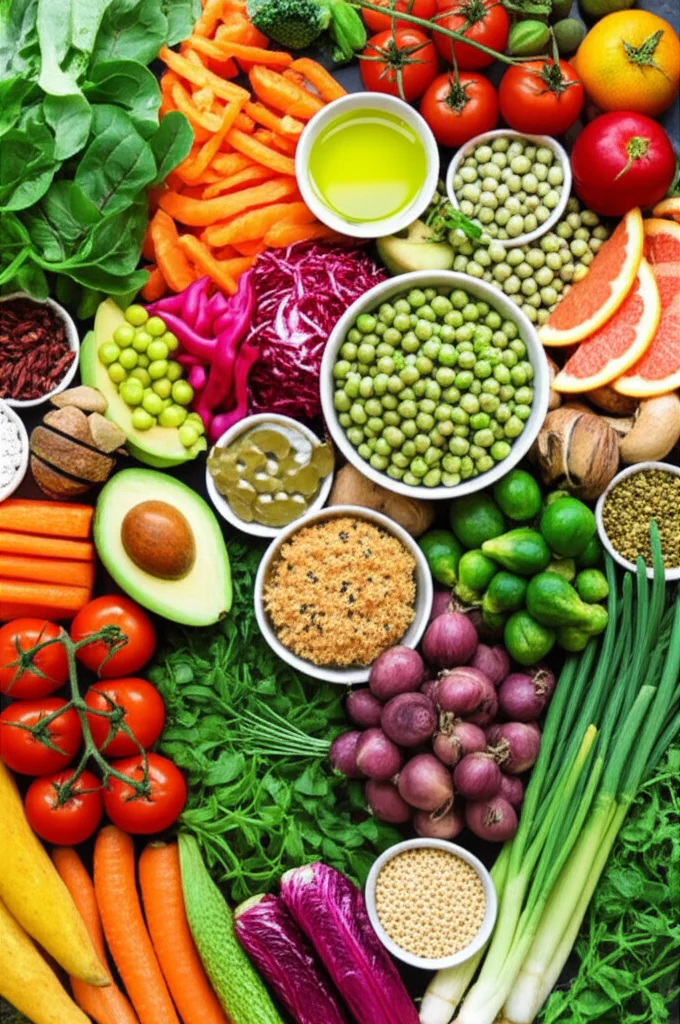
| Food Group | Examples | Role in Longevity |
|---|---|---|
| Beans & Legumes | Lentils, chickpeas, black beans | Protein, fiber, blood sugar regulation |
| Vegetables | Leafy greens, sweet potatoes, tomatoes | Antioxidants, vitamins, minerals |
| Whole Grains | Barley, brown rice, oats | Sustained energy, fiber |
| Nuts | Almonds, walnuts, chestnuts | Healthy fats, brain health |
| Fruits | Berries, citrus, figs | Vitamins, antioxidants |
| Fish (Occasional) | Sardines, mackerel | Omega-3 fatty acids |
| Dairy (Moderate) | Cheese, yogurt (especially in Sardinia) | Probiotics, calcium |
| Meat (Rare) | Pork, goat, chicken (5x/month max) | Flavor and nutrients, but limited |
| Wine | Red wine (moderate) | Cardiovascular benefits |
Flexitarian Twist: Why We Love It
The Blue Zones diet is naturally flexitarian — mostly plant-based with occasional animal products. This aligns perfectly with our philosophy at Flexitarian Diet™: enjoy the best of both worlds, emphasizing whole foods and sustainability.
Tips for Incorporating Blue Zones Foods
- Start with beans: Add them to salads, soups, or stews.
- Eat more veggies: Aim for colorful, seasonal produce.
- Snack on nuts: A handful daily supports heart health.
- Limit meat: Try meatless days or reduce portion sizes.
- Enjoy wine mindfully: If you drink, savor it with meals.
For more on flexitarian nutrition and meal planning, visit our Flexitarian Nutrition Facts and Healthy Meal Planning sections.
🏃 ♂️ Exercise and Movement: How Blue Zones Natives Stay Active
Forget the treadmill grind! The Blue Zones documentary reveals that the secret to staying fit isn’t about hitting the gym for hours — it’s about natural movement woven into daily life.
What Does Natural Movement Look Like?
- Walking uphill or on uneven terrain (common in Sardinia and Ikaria)
- Gardening and tending to plants (Okinawa’s elders are avid gardeners)
- Doing household chores and manual tasks
- Social dancing and community activities
Why It Works
Natural movement is low-intensity but constant, which is easier to maintain and less stressful on joints than high-impact workouts. It also keeps muscles strong and supports cardiovascular health.
Our Flexitarian Trainers’ Take
We encourage clients to move naturally by:
- Taking the stairs instead of elevators
- Walking or biking for errands
- Gardening or doing yard work
- Incorporating stretching and balance exercises
This approach is sustainable and enjoyable — no sweatbands required!
🧘 ♀️ Mindfulness and Social Connections: The Hidden Longevity Boosters
The documentary beautifully highlights that longevity isn’t just physical — it’s mental and social too.
The Power of Purpose and Community
- Ikigai (Okinawa) and plan de vida (Nicoya) give people a reason to wake up every day.
- Faith and spirituality provide emotional support and reduce stress.
- Social groups like Okinawa’s moais offer friendship, accountability, and joy.
Stress Reduction Techniques
- Napping (Ikaria)
- Prayer or meditation (Loma Linda)
- Happy hour or social gatherings (Sardinia)
Why This Matters
Chronic stress is a known killer, linked to heart disease, diabetes, and cognitive decline. The Blue Zones show us that downshifting through social and spiritual practices adds years to life.
Our health coaches at Flexitarian Diet™ recommend integrating mindfulness and social time as non-negotiables in your wellness routine.
🌿 Blue Zones Around the World: A Global Tour of Longevity Hotspots
Let’s take a quick tour of the five Blue Zones featured in the documentary, each with its unique charm and longevity secrets.
| Blue Zone | Location | Longevity Highlights |
|---|---|---|
| Okinawa | Japan | Longest-lived women, ikigai, moais, plant-based diet |
| Sardinia | Italy | Longest-lived men, shepherd lifestyle, wine, family |
| Ikaria | Greece | Mediterranean diet, naps, low dementia rates |
| Nicoya | Costa Rica | Strong family ties, calcium-rich water, plan de vida |
| Loma Linda | California, USA | Adventist community, vegan diet, faith |
What Can We Learn?
Despite cultural differences, all share common lifestyle threads: plant-based diets, natural movement, purpose, and social support.
🛠️ How to Apply Blue Zones Principles in Your Life: A Practical Plan
Inspired to live longer and better? Here’s a step-by-step plan to bring Blue Zones wisdom into your daily routine, crafted by our Flexitarian Diet™ experts.
Step 1: Move Naturally Every Day
- Walk more: aim for 30 minutes of walking daily.
- Garden or do house chores.
- Take breaks to stretch and move during work.
Step 2: Adopt a Plant-Forward Diet
- Incorporate beans, nuts, fruits, and veggies in every meal.
- Reduce meat to occasional servings.
- Experiment with Mediterranean and Okinawan recipes.
Step 3: Practice Mindful Eating
- Follow the 80% rule: stop eating when you feel 80% full.
- Eat slowly and savor flavors.
Step 4: Cultivate Purpose and Social Bonds
- Identify your ikigai or life purpose.
- Join community groups or clubs.
- Prioritize family time.
Step 5: Downshift and Manage Stress
- Schedule daily relaxation: meditation, naps, or prayer.
- Limit screen time and create tech-free zones.
Step 6: Enjoy Moderate Alcohol Wisely
- If you drink, limit to 1-2 glasses of wine with meals.
- Avoid binge drinking.
Bonus Tips from Our Team
- Use apps like the Vitality Compass (University of Minnesota) to assess your biological age and get personalized health tips.
- Make small environmental changes: walkable routes, healthy snacks at home, and social meetups.
📈 Trending Now: The Impact of Blue Zones on Health and Wellness Movements
The Blue Zones documentary has sparked a global movement toward longevity-friendly living. Cities and communities are adopting Blue Zones principles to improve public health.
Blue Zones Project Success Stories
- Albert Lea, Minnesota, increased life expectancy by 3.2 years through walkable streets and healthy food policies.
- Restaurants pledge to offer healthier options.
- Workplaces encourage natural movement and social time.
Why It’s Trending
- People crave real, sustainable health solutions beyond quick fixes.
- The documentary’s storytelling connects emotionally, inspiring action.
- Flexitarian diets and plant-based eating are booming, aligning with Blue Zones principles.
💡 Expert Insights: What Nutritionists and Health Coaches Say About Blue Zones
Our team at Flexitarian Diet™ has gathered expert opinions to help you understand the science and practicality behind Blue Zones.
Nutritionists’ Perspective
- Dr. Lisa Feldman, RD: “The Blue Zones diet is a perfect example of how mostly plant-based eating supports longevity without sacrificing flavor or satisfaction.”
- Emphasis on fiber-rich foods and antioxidants is key to reducing chronic disease risk.
Personal Trainers’ View
- Coach Mike Reynolds: “Natural movement beats gym monotony. Incorporating movement into daily life is more sustainable and effective for long-term health.”
Health Coaches’ Advice
- Sarah Kim, Health Coach: “Purpose and social connection are often overlooked in wellness. Blue Zones remind us that mental and emotional health are just as vital.”
Our Flexitarian Team’s Takeaway
The Blue Zones documentary validates what we preach: balance, community, and whole foods are the pillars of a vibrant, long life.
📚 Recommended Books and Documentaries to Deepen Your Blue Zones Knowledge
If you’re hooked and want to dive deeper, here are some must-reads and watchables:
| Title | Author/Producer | Why It’s Worth It |
|---|---|---|
| The Blue Zones: Lessons for Living Longer From the People Who’ve Lived the Longest | Dan Buettner | The foundational book on Blue Zones research |
| The Blue Zones Kitchen | Dan Buettner | Recipes inspired by longevity hotspots |
| Blue Zones: Live to 100 (Netflix) | Netflix Documentary | Visual storytelling of Blue Zones lifestyles |
| Ikigai: The Japanese Secret to a Long and Happy Life | Héctor García & Francesc Miralles | Explores the concept of purpose in longevity |
| How Not to Die | Dr. Michael Greger | Science-backed nutrition for longevity |
Where to Find Them
- Available on Amazon, local bookstores, and streaming platforms.
- Many Blue Zones cookbooks offer delicious, easy-to-make recipes that fit flexitarian lifestyles.
👉 CHECK PRICE on:
🔍 FAQ: Your Burning Questions About the Blue Zones Documentary Answered

Q1: Is the Blue Zones documentary suitable for all ages?
✅ Absolutely! It’s family-friendly and inspiring for anyone interested in health and longevity.
Q2: Does the documentary promote a strict vegetarian or vegan diet?
❌ No, it promotes a mostly plant-based diet with occasional animal products, aligning well with flexitarian principles.
Q3: Can I apply Blue Zones habits if I don’t live in those regions?
✅ Yes! The documentary and research emphasize lifestyle and environment changes you can make anywhere.
Q4: How scientific is the documentary?
✅ Very. It’s based on decades of research and peer-reviewed studies, with input from experts and communities.
Q5: Where can I watch the Blue Zones documentary?
✅ It’s available on Netflix with multiple language options and subtitles.
Q6: Are there any tools to assess my longevity potential?
✅ Yes, tools like the Vitality Compass provide personalized insights based on Blue Zones research.
That’s a wrap on the core content before we dive into the conclusion and additional resources! Curious about the real-life stories and the first YouTube video perspective? Stay tuned for the featured video section coming up next. Meanwhile, why not start incorporating some of these Blue Zones principles into your daily routine? Your future self will thank you! 🌱
Conclusion: Why the Blue Zones Documentary Is a Must-Watch for Longevity Seekers

After exploring the rich tapestry of lifestyle, diet, and social habits showcased in the Blue Zones documentary, it’s clear why this series has captured the hearts of health enthusiasts worldwide. The documentary is not just a feel-good travelogue; it’s a scientifically grounded blueprint for living longer, healthier, and more fulfilled lives.
Positives of the Blue Zones Documentary
✅ Inspiring storytelling that connects viewers emotionally with real people living extraordinary lives.
✅ Evidence-based insights drawn from decades of research by Dan Buettner and his team.
✅ Practical, actionable advice that anyone can incorporate, regardless of geography or background.
✅ Diverse cultural perspectives that highlight universal principles of longevity.
✅ High production quality, recognized with a Daytime Emmy Award.
Minor Drawbacks
❌ Some viewers may wish for more detailed recipes or step-by-step lifestyle guides (though these are available in companion books).
❌ The documentary’s pace may feel slow to those expecting fast-cut, high-energy content.
Our Confident Recommendation
If you’re passionate about health, longevity, or simply curious about how people live vibrant lives past 100, the Blue Zones documentary is a must-watch. It aligns beautifully with the flexitarian lifestyle we advocate at Flexitarian Diet™, emphasizing whole foods, plant-forward eating, natural movement, and meaningful social connections.
The unanswered question we teased earlier — how do these habits translate to your life? — is answered by the documentary’s practical tips and the Power 9 principles. Start small, build community, and savor the journey. Your future self will thank you.
Recommended Links for Further Exploration and Shopping
Ready to dive deeper or start your Blue Zones-inspired journey? Here are some trusted resources and products to get you going:
-
Dan Buettner’s Blue Zones Books:
-
Netflix Blue Zones Documentary:
-
Ikigai: The Japanese Secret to a Long and Happy Life:
-
How Not to Die by Dr. Michael Greger:
FAQ: Your Burning Questions About the Blue Zones Documentary and Lifestyle Answered

What are some simple and practical tips for applying the principles of Blue Zones to everyday life, including diet, stress reduction, and social connections?
Practical Tips:
- Diet: Emphasize beans, vegetables, nuts, and whole grains; reduce meat consumption; practice mindful eating by stopping at 80% fullness.
- Stress Reduction: Incorporate daily rituals like meditation, napping, or prayer to downshift stress.
- Social Connections: Build strong social networks through community groups, family time, or faith-based activities.
These habits are sustainable and can be integrated gradually, making longevity achievable for everyone.
How can someone incorporate more plant-based meals into their diet, like those eaten in Blue Zones, to improve their overall health?
- Start by adding beans and legumes to soups, salads, and stews.
- Replace one meat meal per day with a plant-based alternative like lentil curry or vegetable stir-fry.
- Snack on nuts and fruits instead of processed snacks.
- Explore Mediterranean and Okinawan recipes for inspiration.
This approach boosts fiber, antioxidants, and essential nutrients, supporting heart health and reducing chronic disease risk.
What role does physical activity and lifestyle play in the longevity of people living in Blue Zones, and how can it be incorporated into daily life?
- Blue Zones natives engage in natural movement — walking, gardening, and manual tasks — rather than structured gym workouts.
- Incorporate movement by walking or biking for errands, gardening, taking stairs, and stretching regularly.
- Natural movement supports cardiovascular health, muscle strength, and mobility without burnout.
Can adopting a whole foods diet similar to that of Blue Zones really help prevent chronic diseases like heart disease and diabetes?
- Yes! The Blue Zones diet is rich in fiber, antioxidants, and healthy fats, which help regulate blood sugar, reduce inflammation, and lower cholesterol.
- Studies show populations following these diets have significantly lower rates of heart disease, diabetes, and obesity compared to Western diets.
What are the key foods and nutrients that are commonly consumed in Blue Zones to promote healthy aging?
- Beans and legumes: Protein and fiber
- Vegetables and fruits: Vitamins, minerals, antioxidants
- Nuts: Healthy fats and brain-supporting nutrients
- Whole grains: Sustained energy and fiber
- Moderate fish and dairy: Omega-3s and calcium
- Red wine (moderate): Polyphenols and cardiovascular benefits
How does a mostly vegetarian diet contribute to the health and wellbeing of people living in Blue Zones?
- It reduces intake of saturated fats and processed meats linked to chronic diseases.
- Provides abundant fiber and phytonutrients that support gut health and immunity.
- Encourages consumption of nutrient-dense, whole foods that promote vitality.
What are the 5 Blue Zones and how do they achieve longevity through diet and lifestyle?
- Okinawa, Japan — Plant-based diet, ikigai, social moais
- Sardinia, Italy — Active shepherd lifestyle, wine, family bonds
- Ikaria, Greece — Mediterranean diet, naps, social life
- Nicoya, Costa Rica — Strong family ties, calcium-rich water
- Loma Linda, California, USA — Adventist community, vegan diet, faith
They achieve longevity by combining diet, natural movement, purpose, and social support.
Are Blue Zones scientifically proven?
- Yes. The Blue Zones research is based on decades of epidemiological studies and peer-reviewed science, including work published in journals like PMC and supported by National Geographic expeditions.
- The documentary and related projects apply these findings to real-world community health improvements.
What are the Blue Zone areas on Netflix?
- The Netflix documentary covers the five Blue Zones regions: Okinawa, Sardinia, Ikaria, Nicoya, and Loma Linda, showcasing their unique cultures and longevity secrets.
Is Blue Zones documentary on Netflix?
- Yes, it is available for streaming worldwide on Netflix with multiple language and subtitle options.
Reference Links and Sources
- Blue Zones: Lessons From the World’s Longest Lived – PMC
- Official Blue Zones Website
- Dan Buettner’s Blue Zones Project
- Netflix Blue Zones Documentary
- National Geographic Blue Zones Expedition
- Vitality Compass – University of Minnesota
- Flexitarian Diet™ – Blue Zones Category
We hope this comprehensive guide lights your path to a longer, healthier, and more joyful life — Blue Zones style! 🌿✨