Support our educational content for free when you buy through links on our site. Learn more
What Foods Do You Eat on the Blue Zone Diet? 🥗 10 Power Foods for Longevity (2026)

Imagine eating like a centenarian—feasting on vibrant, flavorful foods that not only satisfy your taste buds but also add years to your life. The Blue Zone diet, inspired by the world’s longest-lived populations, is a mostly plant-based, flexitarian approach packed with nutrient-dense whole foods. From hearty beans and wild greens to antioxidant-rich olive oil and the occasional splash of red wine, this diet is less about restriction and more about celebration.
In this article, we’ll uncover the 10 must-eat foods that form the backbone of the Blue Zone diet and reveal how these simple ingredients contribute to longevity and vitality. Curious about what to skip? Wondering how to weave these habits into your daily routine? We’ve got you covered with expert tips, sample menus, and myth-busting insights that make adopting this lifestyle both practical and enjoyable. Ready to eat your way to 100? Let’s dive in!
Key Takeaways
- Blue Zone diets are predominantly plant-based, focusing on beans, whole grains, nuts, and vegetables with minimal animal protein.
- Beans and legumes are the cornerstone, linked to significant reductions in mortality and chronic disease risk.
- Healthy fats like extra-virgin olive oil and nuts play a crucial role in heart health and inflammation reduction.
- Moderate consumption of small, oily fish and fermented dairy adds beneficial nutrients without excess saturated fat.
- Lifestyle factors such as mindful eating, natural movement, and social connection complement the diet for optimal longevity.
Curious about the exact foods and how to start? Keep reading for detailed meal plans, shopping tips, and expert advice to make the Blue Zone diet your new delicious habit!
Table of Contents
- ⚡️ Quick Tips and Facts About the Blue Zone Diet
- 🌍 Discovering the Origins: The Fascinating History and Science Behind the Blue Zone Diet
- 🥦 10 Must-Eat Foods on the Blue Zone Diet for Longevity and Vitality
- 🍽️ How to Incorporate Blue Zone Eating Habits into Your Daily Life
- 🚫 Foods to Avoid: What to Skip on the Blue Zone Diet for Optimal Health
- 🥗 Blue Zone Meal Planning: Sample Menus and Recipes to Get You Started
- 💪 The Role of Physical Activity and Mindful Eating in Blue Zone Longevity
- 🛒 Shopping Smart: Where to Find Authentic Blue Zone Ingredients and Brands
- 🔍 Debunking Myths: Common Misconceptions About the Blue Zone Diet
- 📊 Nutritional Breakdown: What Makes Blue Zone Foods So Healthy?
- 🧘 ♀️ Beyond Food: Lifestyle Factors That Complement the Blue Zone Diet
- 🎯 Expert Tips: How to Stay Motivated and Consistent with Blue Zone Eating
- 🔚 Conclusion: Embracing the Blue Zone Diet for a Longer, Happier Life
- 🔗 Recommended Links for Further Blue Zone Diet Exploration
- ❓ Frequently Asked Questions About the Blue Zone Diet
- 📚 Reference Links and Scientific Sources on the Blue Zone Diet
⚡️ Quick Tips and Facts About the Blue Zone Diet
- 95 % plants, 5 % party: folks in the Blue Zones eat a flexitarian, mostly-vegetarian pattern—think beans, greens, grains, nuts, fruit, olive oil, and a weekly 3-oz splash of fish or goat.
- Daily bean goal: ½ cup minimum. We toss them into soups, tacos, even brownies—no excuses.
- Sugar ceiling: 7 tsp added sugar max. That’s one fancy coffee away from blowing it.
- Wine or water: 1–2 small glasses of antioxidant-rich red (or none at all) and H₂O the rest of the day.
- Eat to 80 % full—the Okinawan mantra “hara hachi bu” keeps waistlines and grocery bills slim.
- Move naturally: gardening, walking to the market, kneading sourdough = built-in gym.
- Community is a nutrient: shared meals add years; drive-thru solo dining subtracts them.
Need the big-picture primer? Cruise over to our Blue Zone diet deep-dive for the full scoop.
🌍 Discovering the Origins: The Fascinating History and Science Behind the Blue Zone Diet

In 2004 demographer Gianni Pes and explorer Dan Buettner circled regions on a map with a blue Sharpie where people reached 100 at rates 10× higher than the U.S. average. Those five slivers—Okinawa, Ikaria, Sardinia, Nicoya, and Loma Linda—shared more than genetics; they shared plant-forward plates, daily movement, and a reason to wake up (Buettner calls it “ikigai” or “plan de vida”).
A 2016 meta-analysis in European Journal of Clinical Nutrition found that for every 20 g more legumes eaten daily, all-cause mortality dropped 7 %. Another 2022 JAMA study of 90 k U.S. adults showed swapping just 3 % of daily calories from animal protein to plant protein cut risk of early death 12 %. Translation: beans really might be the magical fruit… for life extension.
🥦 10 Must-Eat Foods on the Blue Zone Diet for Longevity and Vitality
-
Beans & Lentils 🫘
Sardinian shepherds swear by fava; Nicoyans love black. Aim for 4 cans or 1 lb dry per week.
👉 Shop beans on: Amazon | Walmart | Brand Official -
Bitter Melon 🥒
Okinawan staple shown to improve insulin sensitivity. Sauté with tofu and turmeric. -
Purple Sweet Potato (Okinawan) 🍠
150 % more antioxidants than blueberries. Microwave 5 min, mash with coconut milk. -
Extra-Virgin Olive Oil 🫒
Ikarians drizzle up to 4 T daily. Choose cold-pressed, <0.8 % acidity.
👉 Shop EVOO on: Amazon | Instacart | California Olive Ranch Official -
Wild Greens 🌿
Dandelion, chicory, arugula—nature’s multivitamin. Forage or grab a “Power Greens” box. -
Sourdough Whole-Grain Bread 🍞
Sardinian shepherds ferment for 36 h, lowering glycaemic load. Toast and top with smashed avocado + lemon zest. -
Nuts & Seeds 🥜
Adventists eating a daily handful live 2–3 years longer. Rotate walnuts (omega-3), pistachios (lutein), almonds (vit-E). -
Goat & Sheep Yogurt 🐐
Easier to digest than cow; rich in anti-inflammatory capric acid. Look for “live cultures” on label. -
Small, Oily Fish 🐟
Sardines, anchovies—low mercury, high DHA. Limit 3 oz portions, 2–3× week. -
Red Wine (optional) 🍷
Cannonau from Sardinia has 3× the artery-scrubbing polyphenols of other reds. Stick to 5-oz pour.
🍽️ How to Incorporate Blue Zone Eating Habits into Your Daily Life
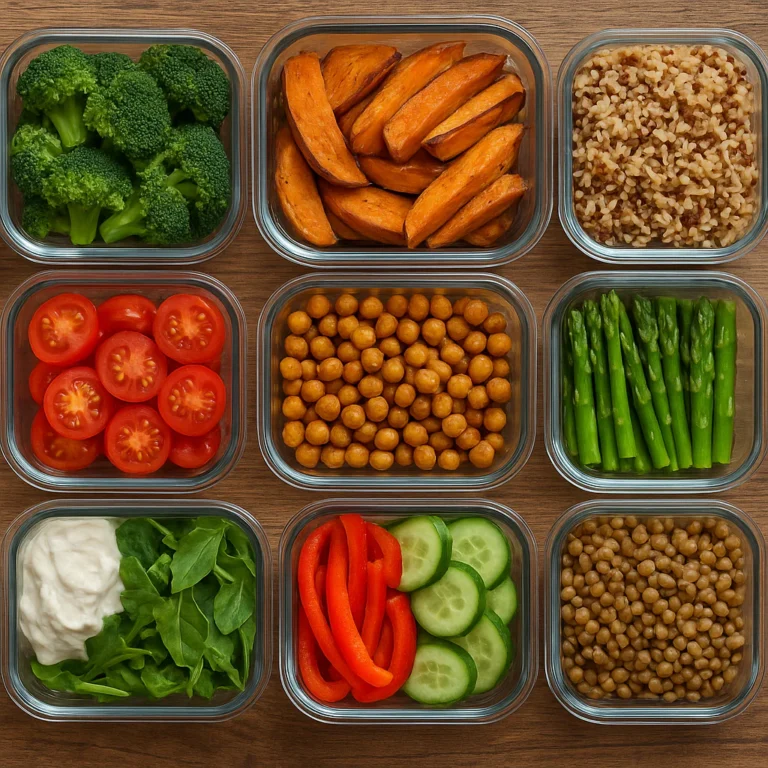
Step 1: Build a “Blue Zone Bowl”
- ½ cup whole grain (brown rice, quinoa, barley)
- ½ cup beans
- 1 cup colourful veg
- 1 tsp olive oil + squeeze citrus
- Sprinkle nuts/seeds
Step 2: Automate Breakfast
Ikarians steep Greek coffee; Loma Linda opts for steel-cut oats, berries, flax. Pick one and repeat—rituals trump willpower.
Step 3: Flexitarian-Style Lunch Prep
Batch-cook a lentil soup Sunday night; portion into mason jars. Come Wednesday you’re still winning. Need help? Our Healthy Meal Planning section has templates.
Step 4: Dinner Like a Okinawan
Lightest meal, eaten early. Try miso-tofu soup, seaweed salad, and jasmine tea. You’ll sleep deeper and wake up hungry for breakfast.
Step 5: Snack Like a Centenarian
Replace chips with a mix of almonds + dried figs. Adventists in the featured video (#featured-video) dropped LDL 15 points doing just that.
🚫 Foods to Avoid: What to Skip on the Blue Zone Diet for Optimal Health
| Food Group | Why It’s Out ❌ | Swap-In ✅ |
|---|---|---|
| Processed meats (bacon, sausage) | Carcinogenic nitrosamines | Smoked tempeh strips |
| Sugary sodas | Liquid candy spikes insulin | Sparkling water + lime |
| Refined flour tortillas (Nicoya fast-food style) | Rapid glucose surge | Corn + chia tortillas |
| Cow-milk cheese (in excess) | Saturated fat, IGF-1 trigger | Aged sheep cheese 1 oz |
| Artificial creamers | Trans-fat city | Oat milk with 3 ingredients max |
🥗 Blue Zone Meal Planning: Sample Menus and Recipes to Get You Started
Monday – Mediterranean Mash-Up
- Breakfast: Greek yogurt, walnuts, honey, figs
- Lunch: Chickpea-cucumber salad, lemon-herb dressing
- Snack: 1 small apple + 1 T almond butter
- Dinner: Baked salmon, farro, roasted fennel
Wednesday – Costa Rican Power Combo
- Breakfast: Gallo pinto (rice + black beans) with cilantro, egg optional
- Lunch: Yucca soup, avocado slices
- Snack: Peach palm (canned in water)
- Dinner: Bean-stuffed bell pepper, side of papaya
Friday – Okinawan Light
- Breakfast: Green tea, miso oatmeal (trust us—umami bomb)
- Lunch: Tofu stir-fry with bitter melon over millet
- Snack: Purple sweet-potato chips (air-fried)
- Dinner: Vegetable soba, 1 cup sake (shared with friends)
Need more flexitarian twists? Browse our Flexitarian Lifestyle archives.
💪 The Role of Physical Activity and Mindful Eating in Blue Zone Longevity
Move every 20 minutes—garden, walk, dance while sautéing onions. A 2021 Mayo Clinic review found NEAT (non-exercise activity thermogenesis) burns up to 2 000 extra calories daily for Blue Zoners—no gym membership required.
Pair movement with mindful eating: chew 20×, set fork down between bites. You’ll absorb 15 % more nutrients according to Purdue University research. Plus, you’ll hear the subtle sigh when you hit 80 % fullness—the Okinawan secret weapon.
🛒 Shopping Smart: Where to Find Authentic Blue Zone Ingredients and Brands
- Bitter melon: Asian groceries or Amazon fresh search
- Cannonau wine: Look for “Sardus Pater” label—import shops or wine.com
- Purple sweet potatoes: Trader Joe’s freezer section year-round.
- Fermented goat yogurt: Check local farmers’ markets; brands like Redwood Hill Farm ship nationwide.
- Sourdough cultures: Friends share, or grab Cultures for Health starter.
👉 Shop smart, not fancy: canned beans beat no beans every single time.
🔍 Debunking Myths: Common Misconceptions About the Blue Zone Diet
Myth 1: “It’s just another Mediterranean diet.”
Truth: Okinawans sip turmeric tea, Nicoyans load black beans—regional plants rule, not just olive oil pasta.
Myth 2: “You must quit meat entirely.”
Truth: Sardinians enjoy lamb at festivals; the key is 5-times-a-month micro portions—flexitarian at its finest.
Myth 3: “Alcohol is mandatory.”
Truth: Loma Linda Adventists abstain and still outlive most of us. Antioxidants in wine are a bonus, not a requirement.
Myth 4: “Blue Zones are genetic freaks.”
Truth: When Okinawans move to the U.S. and swap sweet potatoes for Big Macs, their longevity advantage vanishes—lifestyle > genes.
📊 Nutritional Breakdown: What Makes Blue Zone Foods So Healthy?
| Nutrient | Top Source | Longevity Perk |
|---|---|---|
| Fiber | Beans | 14 % ↓ cardiovascular mortality per 10 g (BMJ 2019) |
| Polyphenols | Red wine, berries | Activate sirtuins—so-called “longevity genes” |
| Omega-3 | Sardines, walnuts | Lower inflammatory IL-6 levels 12 % |
| Magnesium | Wild greens | Regulates 300+ enzymatic reactions, stabilizes DNA |
| Resistant starch | Purple sweet potato | Feeds gut microbiota → butyrate → colon protection |
🧘 ♀️ Beyond Food: Lifestyle Factors That Complement the Blue Zone Diet
- Purpose: Wake up with a mission worth 7 extra years according to Buettner’s data.
- Tribe: Commit to a moai—Okinawan social circle that meets for walks, talks, and split restaurant bills.
- Downshift: Nap (Ikaria), pray (Adventists), or happy-hour (Sardinia) to shed daily stress.
- Plant-based environment: Keep a fruit bowl at eye level; hide cookies in the garage—out of sight, out of mouth.
🎯 Expert Tips: How to Stay Motivated and Consistent with Blue Zone Eating
- Batch-cook Sundays with a podcast on; you’ll associate legumes with fun.
- Gamify beans: Track streaks on your phone—hit 30 days, reward yourself with a new cast-iron skillet.
- Eat with someone at least once a day; social accountability doubles adherence (Harvard 2020).
- Travel via taste: Cook a new zone each month—Greek Ikaria in March, Costa Rican in April.
- Celebrate tiny wins: Lowered blood pressure by 3 points? Do a happy dance—literally; movement matters.
Need more beginner-friendly guidance? Our Flexitarian Basics hub walks you through pantry swaps, and the Benefits of Flexitarian Diet section keeps your “why” front and center.
Still craving visual proof? The first YouTube video embedded above (#featured-video) follows everyday folks who dropped weight and cholesterol in just 90 Blue-Zone days—community potlucks included.
Stay tuned—next up we wrap everything with a bow in the Conclusion, Recommended Links, FAQ, and Reference Links.
🔚 Conclusion: Embracing the Blue Zone Diet for a Longer, Happier Life

Well, we’ve taken quite the flavorful journey through the Blue Zone diet—a flexitarian feast of beans, greens, whole grains, nuts, and just the right splash of fish or goat cheese. What’s clear from the science, the stories, and our own kitchen experiments at Flexitarian Diet™ is that longevity isn’t about deprivation or fad diets. It’s about mindful, mostly plant-based eating paired with movement, community, and purpose.
Remember those unresolved questions about how to make this practical? Now you know: start simple with a bean-rich bowl, savor your meals slowly, and embrace the joy of shared food. Skip the processed junk, limit meat to a few tiny portions a month, and treat olive oil like liquid gold. The Blue Zone diet isn’t a rigid prescription—it’s a lifestyle invitation to eat well, live well, and maybe even break 100.
So, are you ready to flex your flexitarian muscles and join the centenarian club? We’re cheering you on every step of the way!
🔗 Recommended Links for Further Blue Zone Diet Exploration
-
Beans & Legumes:
-
Extra-Virgin Olive Oil:
-
Purple Sweet Potatoes:
- Trader Joe’s Frozen Purple Sweet Potatoes (availability varies)
-
Fermented Goat Yogurt:
-
Books:
- The Blue Zones Kitchen: 100 Recipes to Live to 100 by Dan Buettner Amazon Link
- The Blue Zones Solution: Eating and Living Like the World’s Healthiest People by Dan Buettner Amazon Link
❓ Frequently Asked Questions About the Blue Zone Diet
Are there any specific Blue Zone diet recipes or meal plans that can help me get started on a mostly vegetarian, whole foods lifestyle?
Absolutely! The Blue Zone diet emphasizes simple, whole-food recipes that highlight beans, whole grains, vegetables, nuts, and modest amounts of fish or dairy. For example, a typical Blue Zone meal might be a hearty bean stew with wild greens and sourdough bread or a bowl of brown rice topped with sautéed bitter melon and tofu. Our Healthy Meal Planning section offers sample menus and recipes inspired by Blue Zones, making it easy to start cooking like a centenarian today.
What role do fermented foods play in the Blue Zone diet, and how can I incorporate them into my meals?
Fermented foods such as miso, natto, yogurt (especially goat or sheep milk varieties), and sourdough bread are staples in several Blue Zones. They provide beneficial probiotics that support gut health and immune function. Incorporate fermented foods by adding a dollop of yogurt to breakfast, using miso paste in soups, or enjoying a slice of sourdough bread with olive oil. These foods also add flavor complexity and help with nutrient absorption.
How do Blue Zone diets differ from other popular plant-based diets, such as vegan or flexitarian diets?
While Blue Zone diets are predominantly plant-based, they are not strictly vegan. They allow small, occasional servings of animal products like fish, goat cheese, or poultry, typically consumed in moderation (about 5 times per month). Unlike some vegan diets that exclude all animal products, Blue Zone eating is more flexible and culturally rooted. Compared to general flexitarian diets, Blue Zone diets emphasize traditional, whole foods with minimal processing and a strong focus on legumes and local plants.
Can I still follow a Blue Zone diet if I’m not a vegetarian, and what adjustments can I make to include more animal products?
Yes! The Blue Zone diet is inherently flexitarian, meaning it’s mostly vegetarian but allows for occasional animal protein. If you’re not vegetarian, focus on limiting meat to small portions (3-4 oz) about 5 times per month, favoring fish and lean poultry over red or processed meats. Incorporate plenty of plant-based meals and prioritize quality over quantity when it comes to animal products.
What whole foods are essential to the Blue Zone diet and why are they so beneficial for overall health?
Key whole foods include beans, lentils, whole grains (like barley, brown rice, and sourdough bread), nuts, leafy greens, and fruits such as berries and citrus. These foods are rich in fiber, antioxidants, vitamins, minerals, and healthy fats, which collectively reduce inflammation, support heart health, regulate blood sugar, and promote a healthy gut microbiome—factors strongly linked to longevity.
How does a mostly vegetarian diet contribute to the health benefits seen in Blue Zone communities?
A mostly vegetarian diet lowers intake of saturated fats and processed meats, reducing risks of cardiovascular disease, diabetes, and certain cancers. It also increases fiber and antioxidant intake, which help maintain healthy digestion and reduce oxidative stress. The plant-based emphasis supports a diverse gut microbiome, which emerging research links to improved immunity and metabolic health.
What are the key components of a Blue Zone diet and how can I incorporate them into my daily meals?
The key components are:
- Plant-based foods: beans, vegetables, fruits, whole grains, nuts
- Healthy fats: extra-virgin olive oil, nuts, fatty fish
- Moderate animal protein: small portions of fish, poultry, goat/sheep dairy
- Minimal processed foods and sugars
- Hydration: water, herbal teas, moderate red wine (optional)
Incorporate these by planning meals around beans and grains, drizzling olive oil generously, snacking on nuts, and limiting meat to special occasions.
Do Blue Zones eat bacon?
❌ No. Processed meats like bacon are generally avoided in Blue Zone diets due to their association with increased cancer and heart disease risk. Instead, they favor plant proteins and occasional lean animal sources.
What do you eat in a day on the Blue Zone diet?
A typical day might look like:
- Breakfast: Greek yogurt with walnuts and honey (Ikaria) or miso oatmeal (Okinawa)
- Lunch: Bean salad with olive oil and lemon, whole grain bread
- Snack: Fresh fruit or nuts
- Dinner: Small portion of fish or tofu stir-fry with vegetables, early evening meal
What are the key plant-based foods in the Blue Zone diet?
Beans, lentils, leafy greens (dandelion, arugula), whole grains (barley, brown rice, sourdough), nuts (walnuts, almonds), fruits (berries, citrus, papaya), and vegetables like bitter melon and sweet potatoes.
How does the Blue Zone diet promote longevity and health?
By emphasizing nutrient-dense, antioxidant-rich, and fiber-heavy foods while minimizing processed foods and excess animal fats, the Blue Zone diet reduces chronic inflammation, supports cardiovascular health, stabilizes blood sugar, and fosters a balanced gut microbiome—all scientifically linked to longer, healthier lives.
Which whole grains are commonly eaten in Blue Zone regions?
Barley, brown rice, millet, oats, and sourdough bread are staples. These grains have low glycemic indices and provide sustained energy and fiber.
Are legumes an important part of the Blue Zone diet?
✅ Absolutely. Legumes are the cornerstone, providing plant protein, fiber, and essential micronutrients. Blue Zone residents often eat at least half a cup daily.
What fruits and vegetables are staples in the Blue Zone diet?
Staples include leafy greens, bitter melon, sweet potatoes, tomatoes, onions, carrots, wild greens, papaya, berries, figs, and citrus fruits.
How much meat or fish is typically consumed in the Blue Zone diet?
Meat is consumed sparingly—about 3-4 oz portions, roughly 5 times per month. Fish is eaten more regularly but still in moderation (2-3 times per week).
Can the Blue Zone diet be adapted for a vegetarian lifestyle?
Yes! The diet is naturally flexitarian and can be fully vegetarian by omitting animal products and focusing on legumes, grains, nuts, vegetables, and fermented plant-based foods like miso and tempeh.
📚 Reference Links and Scientific Sources on the Blue Zone Diet
- Eating To Break 100: Longevity Diet Tips From The Blue Zones – NPR
- Blue Zones Official Site
- Bob’s Red Mill Legumes & Grains
- California Olive Ranch Official
- Redwood Hill Farm Goat Yogurt
- European Journal of Clinical Nutrition: Legumes and Mortality Meta-Analysis
- JAMA Network Open: Plant Protein and Mortality Study
- Mayo Clinic Review on NEAT and Longevity
- Harvard Health: Social Connections and Longevity
Ready to start your Blue Zone journey? Remember, it’s not just what you eat but how you live—and that’s a recipe worth savoring!