Support our educational content for free when you buy through links on our site. Learn more
🌍 12 Environmental Benefits of Flexitarian Eating


What are the environmental benefits of adopting a flexitarian eating style? Eating more plant foods and less high-impact meat—especially beef and lamb—can help reduce food-related greenhouse gas emissions, land use, and pressure on ecosystems. The biggest gains come from the foods you swap in, not simply from calling yourself flexitarian.
Think of dinner as a small steering wheel, not a magic wand. A lentil curry instead of beef stew can be a practical step toward a lighter food footprint, while still leaving room for the family barbecue or your favorite fish tacos.
Key Takeaways
- Make plants the main event more often: beans, lentils, tofu, whole grains, vegetables, fruit, nuts, and seeds are useful flexitarian staples.
- Reduce high-impact meats first: replacing some beef and lamb meals can often make a bigger environmental difference than focusing on food miles alone.
- The details matter: production methods, local water conditions, land use, and food waste all affect a food’s footprint.
- Choose a pattern you can sustain: a few enjoyable plant-forward meals each week are more practical than rigid rules you won’t keep.
Table of Contents
- ⚡️ Quick Tips and Facts
- 🌱 What Is Flexitarian Eating?
- How a Flexitarian Diet Differs From Vegetarian and Vegan Eating
- A Brief History of the Flexitarian Food Movement
- 🌍 12 Environmental Benefits of Adopting a Flexitarian Eating Style
- 1. Lower Greenhouse Gas Emissions
- 2. Reduced Demand for High-Impact Meat
- 3. Less Land Use and Habitat Conversion
- 4. Better Protection for Forests and Biodiversity
- 5. Lower Pressure on Freshwater Supplies
- 6. Reduced Water Pollution and Nutrient Runoff
- 7. Less Air Pollution from Livestock and Feed Production
- 8. More Efficient Use of Crops and Agricultural Resources
- 9. Support for Soil Health and Regenerative Farming
- 10. Less Food Waste Across the Supply Chain
- 11. Greater Resilience in Food Systems
- 12. A Smaller Food-Related Ecological Footprint
- 📊 How Flexitarian Foods Compare Environmentally
- Bef, Lamb, Pork, Poultry, Fish, and Plant Proteins
- Animal-Based and Plant-Based Foods: Emissions, Land, and Water
- Why Production Method and Location Matter
- 🔬 What the Research Says About Sustainable Diets
- Life-Cycle Assessments and Food Footprints
- How Much Can Eating Less Meat Reduce Environmental Impact?
- Why Environmental Estimates Can Differ
- 🥕 What to Eat on a Lower-Impact Flexitarian Diet
- Plant Proteins: Beans, Lentils, Tofu, Tempeh, and Peas
- Whole Grains, Vegetables, Fruit, Nuts, and Seeds
- Choosing Meat and Dairy More Mindfully
- Sustainable Seafood and Responsible Sourcing
- 🍽️ How to Adopt a Flexitarian Eating Style
- Set a Realistic Meat-Reduction Goal
- Build Satisfying Plant-Forward Meals
- Try Meatless Mondays and Other Easy Swaps
- Shop, Cook, and Store Food to Reduce Waste
- A Sample Low-Impact Flexitarian Meal Plan
- 🌾 Beyond the Plate: Food Choices and the Wider Climate Picture
- Seasonality, Local Food, and Food Miles
- Packaging, Processing, and Energy Use
- Organic, Regenerative, and Conventional Farming
- ⚖️ Limitations and Trade-Offs of Flexitarian Eating
- Why “Local” or “Organic” Does Not Always Mean Lower Impact
- Plant-Based Alternatives and Their Environmental Footprints
- Food Access, Affordability, and Cultural Considerations
- 💚 Health, Nutrition, and Environmental Benefits Together
- Meeting Protein, Iron, Calcium, and Vitamin B12 Needs
- Making Sustainable Changes That Last
- 🏡 How Communities and Food Businesses Can Support Flexitarian Choices
- Schools, Workplaces, and Public Food Programs
- Restaurants, Food Brands, and Better Menu Choices
- ✅ Conclusion
- 🔗 Recommended Links
- ❓ FAQ
- Is a flexitarian diet better for the environment?
- How much meat should you eat on a flexitarian diet?
- Which foods have the lowest environmental impact?
- Is eating less beef more effective than buying local food?
- Can a flexitarian diet help reduce climate change?
- Are plant-based meat alternatives environmentally friendly?
- Does a flexitarian diet use less water?
- Can flexitarian eating support biodiversity?
- 📚 Reference Links
⚡️ Quick Tips and Facts
A flexitarian diet is mostly plant-based, with room for meat, fish, dairy, and eggs. There’s no universal meat limit, so the environmental benefit depends on what you replace and how often. For a quick primer, see our guide to what flexitarian eating means.
| Quick fact | Why it matters |
|---|---|
| Less beef and lamb usually means a smaller food footprint. | Ruminant livestock produce methane and require substantial land and feed. |
| Plant proteins are useful swaps. | Beans, lentils, peas, tofu, and tempeh can provide protein with generally lower environmental impacts than beef. |
| The replacement matters. | Swapping beef for lentils is different from swapping it for a highly resource-intensive food or throwing away more produce. |
| Local isn’t automatically lower-carbon. | What you eat and how it was produced often matter more than how far it traveled. |
| A workable change beats a perfect plan you abandon. | Start with a few satisfying plant-forward meals each week, then build from there. |
✅ Our practical starting point: make plants the center of more meals, use meat as an accent rather than the main event, and choose beans, lentils, tofu, or nuts regularly. The EAT-Lancet Commission’s planetary health diet is one influential framework for balancing human health and environmental sustainability, though it is a population-level model—not a personal prescription.
The question isn’t simply “plants or meat?” It’s which foods, in what amounts, produced how. That distinction explains why two flexitarian plates can have very different footprints.
🌱 What Is Flexitarian Eating?
Flexitarian eating is a flexible, plant-forward dietary pattern: vegetables, fruits, whole grains, legumes, nuts, and seeds show up often, while meat and other animal foods remain optional. The word blends “flexible” and “vegetarian,” but there is no single official threshold for how much meat makes someone flexitarian. Harvard’s Nutrition Source offers a helpful plant-forward meal framework, while our flexitarian basics cover practical ways to make it work.
A useful way to think about it: the plate is plant-led, not rule-led. You might eat vegetarian most weekdays, have fish on Saturday, or simply make smaller meat portions and add more beans and vegetables. The environmental result depends on the actual pattern, not the label.
How a Flexitarian Diet Differs From Vegetarian and Vegan Eating
| Eating pattern | Typical approach | Environmental implications |
|---|---|---|
| Flexitarian | Mostly plant foods; animal foods allowed | Impact varies with the amount and type of animal foods |
| Vegetarian | Avoids meat and fish; may include dairy and eggs | Usually reduces impacts associated with meat, though dairy and eggs still have footprints |
| Vegan | Avoids animal-derived foods | Often has the lowest food-related impact among these patterns, depending on food choices and production |
These are broad descriptions, not scorecards. A flexitarian who eats beef at most meals may have a larger food footprint than a vegetarian whose diet relies heavily on resource-intensive products. The ingredients on the plate matter more than the identity on the menu.
A Brief History of the Flexitarian Food Movement
The term “flexitarian” became popular as more people looked for a middle path between meat-centered eating and strict vegetarianism. It captures an old habit with a newer name: eating meals built around grains, vegetables, and beans, with meat used less often or in smaller amounts.
Modern interest is tied to concerns about climate change, land use, biodiversity, and food-system resilience. A review of flexitarianism on Wikipedia notes both the environmental case for reducing meat and the lack of a universally agreed definition. That uncertainty is worth keeping in view: many studies model plant-forward diets or reduced meat intake rather than enrolling people under one standardized “flexitarian” label.
🌍 12 Environmental Benefits of Adopting a Flexitarian Eating Style
There isn’t one magic flexitarian menu, so no single number can predict every person’s impact. Still, shifting some meals from high-impact animal foods toward plant proteins can reduce pressure on several parts of the food system. The benefits below are strongest when the change is sustained and the new foods are genuinely lower-impact choices.
1. Lower Greenhouse Gas Emissions
Food production releases greenhouse gases through livestock digestion, manure, fertilizer use, energy, processing, and land-use change. Cattle and sheep produce methane during digestion, while clearing forests or grasslands for pasture and feed can release stored carbon. The IPCC identifies food systems and land use as important parts of climate mitigation.
Replacing some beef or lamb meals with beans, lentils, peas, or tofu can lower the emissions associated with those meals. That doesn’t mean a bowl of lentils is “zero impact”; growing, processing, and transporting food still use resources. But the overall comparison is often favorable for plant proteins. Our World in Data’s food emissions analysis shows why food type often outweighs transport in a food’s climate footprint.
2. Reduced Demand for High-Impact Meat
Not all animal foods have the same footprint. Bef and lamb generally produce more greenhouse gas emissions per unit of protein than poultry, pork, eggs, or plant proteins, although estimates vary by production system. Reducing the highest-impact foods first can make a meaningful difference without requiring an all-or-nothing diet.
For perspective, the competing article summaries cite claims such as large percentage cuts in emissions from specific diet shifts. Treat those figures cautiously: the outcome depends on the baseline diet, what replaces the meat, the location, and the model’s assumptions. A sounder general takeaway is that reducing high-impact meat, especially beef and lamb, tends to lower food-related emissions.
3. Less Land Use and Habitat Conversion
Livestock uses land directly for pasture and indirectly to grow feed crops. A plant-forward diet can reduce demand for some of that land, particularly when it replaces meat produced with large feed and grazing requirements.
The Our World in Data land-use overview explains that agriculture occupies a large share of the world’s habitable land. But “less meat equals land returned to nature” is not automatic: land-use outcomes depend on policy, ownership, restoration, and what farmers grow instead. Reduced demand creates an opportunity for habitat protection; it does not guarantee it.
4. Better Protection for Forests and Biodiversity
Forest and grassland conversion for pasture or feed can fragment habitats and threaten species. Lowering demand for land-intensive animal foods can help reduce one source of pressure, especially when paired with stronger protection of ecosystems and responsible sourcing.
The Food and Agriculture Organization (FAO) describes the complex relationship between livestock, land, and food production. Livestock systems are not identical: some occur on land unsuitable for crops, while others depend heavily on feed crops and land conversion. A flexitarian shift can help most when it reduces demand linked to habitat loss rather than simply moving production elsewhere.
5. Lower Pressure on Freshwater Supplies
Food water footprints include rainwater used by crops, irrigation water, and water involved in processing and production. Meat can have a substantial water footprint because animals need water and feed crops need water, but water impact varies greatly by geography and source. A water footprint is not the same as water scarcity: a liter used in a water-stressed basin can matter more than a liter used where water is abundant.
The Water Footprint Network explains these distinctions. Choosing more plant proteins can reduce some demand for agricultural water, but the best choices depend on local growing conditions. Water-wise eating is not just “less water per kilogram”; it’s also where and when that water is used.
6. Reduced Water Pollution and Nutrient Runoff
Fertilizer and manure can wash into streams, rivers, and coastal waters, contributing to algal blooms and oxygen-depleted zones. The U.S. Environmental Protection Agency describes nutrient pollution as a serious source of water-quality problems.
Reducing demand for livestock products can ease pressure from manure management and feed production, but plant agriculture can also cause runoff when fertilizer is mismanaged. The goal is lower-impact production across the food system, supported by good farming practices—not pretending plants grow without inputs.
7. Less Air Pollution from Livestock and Feed Production
Livestock operations and fertilizer use can contribute to ammonia and other air pollutants, while production and transport also use energy. Air-quality effects vary by operation, region, and regulation. Reducing demand for some intensive production may lower related pressures, but it is not a guarantee that every pollutant declines in every location.
A practical takeaway: demand-side changes work best alongside cleaner energy, responsible manure management, and better agricultural practices. Diet can contribute to progress, but it cannot replace effective environmental policy.
8. More Efficient Use of Crops and Agricultural Resources
Animals convert feed into meat, milk, and eggs, but some energy and nutrients are lost along the way. Many plant foods can be eaten directly, so shifting some meals from feed-intensive meat to legumes or grains can use agricultural resources more efficiently.
There are exceptions: animals can consume some by-products and graze land unsuitable for crops. Still, for many common food comparisons, eating more of the crops directly is resource-efficient. The FAO’s food and agriculture resources provide context on how livestock fits into global food systems.
9. Support for Soil Health and Regenerative Farming
A flexitarian pattern can include foods from farms using cover crops, crop rotation, reduced tillage, composting, and managed grazing. These practices may improve soil structure and reduce erosion in appropriate settings, but results depend on climate, soil, management, and time.
“Regenerative” is not a universal certification with one agreed definition. Look for transparent farm practices and credible standards rather than treating the word as an automatic environmental guarantee. Less meat and better farming can complement each other; neither is a substitute for evidence.
10. Less Food Waste Across the Supply Chain
Food that is grown, processed, transported, and then discarded carries its environmental footprint with it. The UN Environment Programme’s Food Waste Index tracks food waste and highlights the scale of the issue.
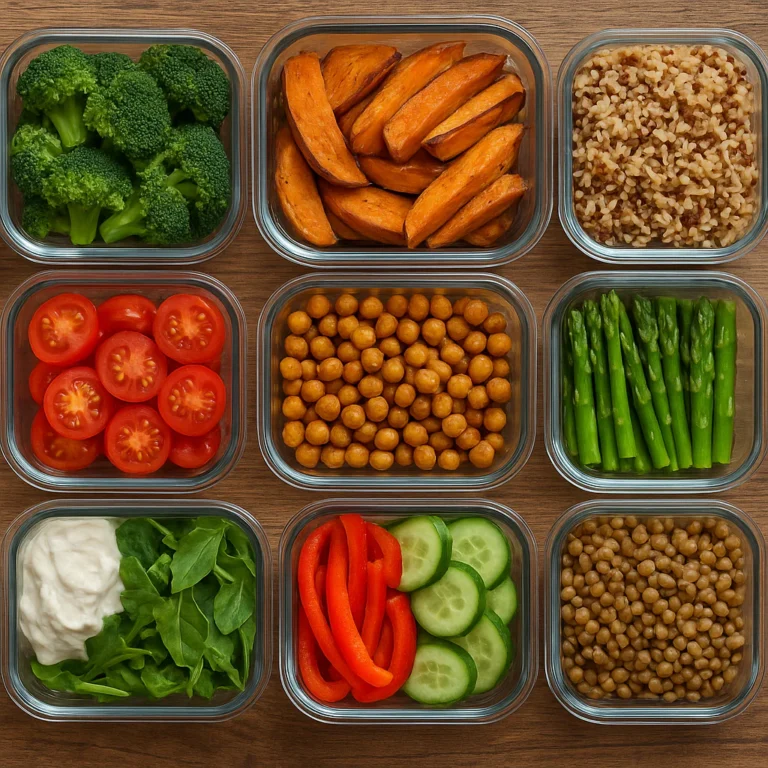
Plant-forward meals can make leftovers easier to reuse—think beans in tomorrow’s soup or roasted vegetables folded into a grain bowl—but produce can spoil quickly if we overbuy. Try this simple routine:
- Check the fridge and pantry before shopping.
- Plan meals around ingredients you already have.
- Buy flexible staples such as dried or canned beans, oats, rice, and frozen vegetables.
- Store delicate produce where you’ll see it.
- Freeze extra portions before they become “mystery leftovers.”
For practical buying and storage ideas, browse our flexitarian food shopping tips.
11. Greater Resilience in Food Systems
A food system with varied crops and proteins may be less dependent on a narrow set of commodities. Legumes, grains, vegetables, nuts, and seeds can diversify farms and household menus, though resilience depends on local growing conditions, infrastructure, and access.
Flexitarian eating can also make it easier for households to adapt when one ingredient is unavailable: swap chickpeas for lentils, or tofu for eggs, rather than relying on a single centerpiece food. Dietary variety is a practical kind of flexibility—on the plate and in the food system.
12. A Smaller Food-Related Ecological Footprint
A food footprint can include climate emissions, land use, water use, eutrophication, and biodiversity effects. No single score captures every trade-off. A meal may have lower emissions but use water in a stressed region; another may be locally produced but involve high land use.
The European Commission’s environmental footprint resources illustrate why life-cycle assessment considers multiple impact categories. A flexitarian pattern is most likely to shrink your overall footprint when it consistently replaces high-impact foods with nourishing, lower-impact alternatives and avoids waste.
📊 How Flexitarian Foods Compare Environmentally
This comparison is a general guide, not a universal ranking. Production methods, feed, climate, location, and the measurement basis all affect results. Food impacts can be compared per kilogram, calorie, or gram of protein, and each method answers a slightly different question.
Bef, Lamb, Pork, Poultry, Fish, and Plant Proteins
| Food group | Typical climate impact trend | Main considerations |
|---|---|---|
| Beef and lamb | Usually high | Methane, land demand, feed, and production system |
| Pork and poultry | Generally lower than beef per unit of protein | Feed, manure, housing, and production practices still matter |
| Farmed or wild fish | Highly variable | Species, feed, fuel, fishing method, and stock health |
| Eggs and dairy | Variable; often between meat types and plant proteins | Production systems, feed, and the chosen comparison basis |
| Beans, lentils, peas | Generally low | Farming inputs, processing, water availability, and transport |
| Tofu and tempeh | Generally lower than beef | Crop sourcing, processing energy, and production location |
| Nuts and seeds | Often relatively low, but variable | Water use and growing region can matter |
The Our World in Data food emissions explorer lets readers compare foods across several environmental indicators. Use comparisons as directional guidance, not a promise about every farm or product.
Animal-Based and Plant-Based Foods: Emissions, Land, and Water
A meal built around lentils, beans, or tofu will often have a lower climate and land footprint than a meal centered on beef. But the comparison shifts depending on the food chosen and the metric used. For instance, water footprints can be misleading without local scarcity context, while emissions per kilogram can make foods with different protein content difficult to compare fairly.
Our dietitians recommend asking three questions:
- What is the main protein?
- What food is it replacing?
- Which environmental impact are we trying to reduce?
For balanced meal planning and nutrition, see flexitarian nutrition facts.
Why Production Method and Location Matter
A food’s footprint reflects more than its label. Key factors include:
- Feed and fertilizer: what crops are used and how they are grown.
- Land-use change: whether production replaces forest, grassland, or other habitat.
- Energy: how farms, processing facilities, and cold chains are powered.
- Water conditions: whether production draws on scarce local supplies.
- Transport and storage: important for some foods, though often smaller than production impacts.
- Waste: food discarded at home or along the supply chain adds avoidable impact.
A “local” product may have a shorter trip but still require energy-intensive production. Conversely, imported foods can sometimes have lower total impacts than locally produced alternatives. Compare the whole production story where reliable information is available.
🔬 What the Research Says About Sustainable Diets
Research generally supports the idea that diets with less high-impact meat and more plant foods can reduce several environmental pressures. The exact size of the benefit is less certain because studies use different diets, regions, assumptions, and measurement methods.
The competing summaries include claims about dramatic emissions reductions from flexitarian diets. Those can describe particular modeled scenarios, not a guaranteed result for every individual. We trust well-described, peer-reviewed comparisons and transparent assumptions over a headline number stripped of context.
Life-Cycle Assessments and Food Footprints
Life-cycle assessments (LCAs) estimate impacts across stages such as farming, processing, packaging, transport, retail, and disposal. They help compare options, but studies can differ in:
- The food’s origin and production system.
- Whether the comparison is per kilogram, calorie, or protein.
- Which environmental impacts are included.
- How land-use change and carbon storage are counted.
- How food waste and by-products are treated.
For a clear overview of food comparisons, see Our World in Data’s environmental impacts of food. An LCA is a useful map, not a perfect photograph of every farm.
How Much Can Eating Less Meat Reduce Environmental Impact?
There is no honest universal percentage for every person. Someone who replaces beef several times a week with legumes may reduce their diet’s climate impact more than someone who already eats little meat. Someone who swaps meat for a product with similar or higher impacts may see a smaller change.
The EAT-Lancet Commission modeled a global dietary pattern emphasizing plant foods and limiting some animal foods. It is a useful guide for population-level discussion, but it is not a forecast of your individual footprint or a rigid menu.
Why Environmental Estimates Can Differ
Different studies may appear to disagree because they measure different things. One may focus on carbon emissions, another on land use, and another on water scarcity. Some model an idealized global diet; others assess actual purchases or specific farms.
A competing article summary describes a large reduction in global agricultural land needs if beef and mutton were eliminated. That type of estimate illustrates the land demand associated with ruminant meat, but it assumes a major global dietary shift and does not mean every hectare would automatically become restored habitat. Use big-picture scenarios to understand direction, not to predict an individual outcome.
🥕 What to Eat on a Lower-Impact Flexitarian Diet
Build meals from affordable, familiar staples first. Our cooks often use the “three-part plate”: a satisfying protein, a whole-grain or starchy base, and plenty of vegetables or fruit. Add herbs, spices, citrus, or a flavorful sauce; plants are not supposed to taste like a punishment.
Plant Proteins: Beans, Lentils, Tofu, Tempeh, and Peas
| Plant protein | Easy ways to use it | Helpful kitchen note |
|---|---|---|
| Beans and chickpeas | Tacos, soups, salads, curries | Canned beans are convenient; rinse if you prefer less sodium |
| Lentils | Dal, pasta sauce, grain bowls | Red lentils cook quickly and soften into soups |
| Tofu | Stir-fries, sheet-pan meals, scrambles | Press extra-firm tofu if you want a firmer texture |
| Tempeh | Sandwiches, bowls, marinades | Crumbling it makes a hearty taco or pasta filling |
| Peas | Pasta, soups, rice dishes | Frozen peas are fast, affordable, and easy to portion |
| Nuts and seeds | Toppings, sauces, snacks | Use as a complement, not the sole protein foundation |
Brands such as Nasoya, House Foods, and Lightlife sell tofu or tempeh products in many markets; check labels for ingredients, sodium, and allergens. For our team, the most reliable “meat replacement” is often not a replica product at all. A well-seasoned lentil taco can hold its own without pretending to be anything else.
Whole Grains, Vegetables, Fruit, Nuts, and Seeds
Oats, brown rice, barley, quinoa, whole-wheat bread, and other grains can make meals filling. Vegetables and fruit bring color, fiber, and variety; frozen produce counts, too. Nuts and seeds add crunch, healthy fats, and flavor.
The USDA MyPlate guidance is a practical starting point for food-group balance. Choose what suits your budget, culture, and cooking habits. Fresh, frozen, canned, and dried foods can all fit—the best choice is the one you will use rather than compost in a forgotten drawer.
Choosing Meat and Dairy More Mindfully
If you eat animal foods, consider:
- Serving meat in smaller portions, with beans or vegetables sharing the spotlight.
- Replacing some beef and lamb meals with plant proteins.
- Choosing products with clear sourcing and credible welfare or environmental information where available.
- Avoiding food waste by planning portions and storing leftovers safely.
“Higher welfare” and “lower environmental impact” are related but not interchangeable claims. A label may address one issue without addressing climate, land, water, or biodiversity. Check what the certification actually covers.
Sustainable Seafood and Responsible Sourcing
Seafood’s impact varies by species, fishing method, farm system, and region. For buying guidance, consult Monterey Bay Aquarium Seafood Watch or the Marine Stewardship Council. Look for advice specific to the species and where it was caught or farmed; “fish” is not one environmental category.
🍽️ How to Adopt a Flexitarian Eating Style
Our coaches suggest changing the routine, not just removing a food. If you take meat off the plate without adding a satisfying protein and enough flavor, dinner can feel like a side dish that got promoted too early.
Set a Realistic Meat-Reduction Goal
Start with a goal you can repeat:
- Notice your current pattern for a week without judgment.
- Choose one or two meals where a plant-based option feels easy.
- Pick replacements you genuinely enjoy—such as lentil soup, chickpea curry, or tofu stir-fry.
- Repeat them until they become routine.
- Review after a few weeks and adjust.
Some people begin with meatless weekdays; others reduce portion size or make breakfast and lunch plant-forward. There is no universal target. For more ideas, browse benefits of a flexitarian diet.
Build Satisfying Plant-Forward Meals
Try this simple formula:
- Protein: beans, lentils, tofu, tempeh, eggs, yogurt, nuts, or fish.
- Base: brown rice, oats, whole-wheat pasta, potatoes, or another grain.
- Produce: cooked or raw vegetables, fruit, or both.
- Flavor: herbs, spices, garlic, citrus, salsa, tahini, or a savory dressing.
One of our cooks remembers a family member calling a bean-and-vegetable bowl “rabbit food” before the first bite. A smoky paprika dressing, crispy chickpeas, and roasted sweet potato changed the verdict. Texture and seasoning matter. Add crunch, acidity, and savory depth, and a plant-forward plate feels like dinner—not a compromise.
Try Meatless Mondays and Other Easy Swaps
| Familiar meal | Flexitarian swap |
|---|---|
| Beef chili | Black bean and lentil chili |
| Chicken tacos | Pinto beans, roasted peppers, and avocado |
| Meat sauce | Lentil and mushroom tomato sauce |
| Beef stir-fry | Tofu or edame stir-fry |
| Chicken salad | Chickpea salad with herbs and crunchy vegetables |
| Sausage pasta | White beans, greens, and garlic |
Meatless Monday is one option, not a rule. You can try a plant-forward breakfast, a bean-based lunch, or a smaller meat portion at dinner. The Meatless Monday movement offers recipes and meal inspiration.
Shop, Cook, and Store Food to Reduce Waste
A low-waste routine makes plant-forward eating easier and can prevent good intentions from becoming limp spinach.
- Plan a few meals around overlapping ingredients.
- Keep pantry basics such as oats, rice, lentils, canned beans, and tomatoes.
- Use frozen vegetables for quick meals and to avoid produce spoilage.
- Store leftovers in visible, labeled containers.
- Freeze extra soup, cooked grains, and beans in meal-sized portions.
- Use safe food-storage guidance from FoodSafety.gov.
For more practical ideas, visit our flexitarian food shopping tips.
A Sample Low-Impact Flexitarian Meal Plan
This is an example, not a prescribed diet. Adjust portions and ingredients to your appetite, health needs, and cultural preferences.
| Meal | Example |
|---|---|
| Breakfast | Oatmeal with berries, walnuts, and yogurt or fortified soy milk |
| Lunch | Lentil soup with whole-grain bread and a side salad |
| Snack | Apple with peanut butter, or hummus with vegetables |
| Dinner | Tofu and vegetable stir-fry with brown rice |
| Optional animal food | Add an egg, yogurt, fish, or a small meat portion if it suits your pattern |
For nutrition questions, especially during pregnancy, for children, or with medical conditions, consult a registered dietitian or healthcare professional. Our flexitarian nutrition facts can help with general planning.
🌾 Beyond the Plate: Food Choices and the Wider Climate Picture
Eating patterns matter, but they are one part of a larger food system. Energy, farming practices, food processing, transport, refrigeration, packaging, and waste all contribute. No single shopper can fix the food system alone, but everyday demand can support better options alongside public policy and business changes.
Seasonality, Local Food, and Food Miles
Buying seasonal food can support variety and sometimes reduce the energy used for storage or heated greenhouses. Local food can strengthen regional supply chains, but distance alone does not determine total impact. The Our World in Data food-versus-local analysis explains why production often matters more than transport for many foods.
A useful approach: choose local and seasonal produce when it is convenient, but don’t assume imported beans or vegetables are automatically worse than locally produced meat.
Packaging, Processing, and Energy Use
Processing can add energy use and packaging, but it can also extend shelf life and reduce waste. Canned beans, for example, are practical pantry staples; dried beans may use less packaging but require soaking and cooking. The greener choice is partly the one you’ll actually prepare and finish.
Compare products by:
- Ingredient list and nutrition information.
- Packaging type and whether it can be recycled locally.
- Portion size and likelihood of waste.
- Convenience that helps you cook instead of ordering food you don’t need.
Organic, Regenerative, and Conventional Farming
Organic standards restrict certain synthetic inputs, while regenerative farming generally describes a collection of soil-focused practices rather than one universally standardized certification. Conventional farms vary widely, too. Each approach can have benefits and trade-offs for yields, biodiversity, soil, emissions, and land use.
Rather than treating one label as a shortcut for “best,” ask which impact the claim addresses and what evidence supports it. The USDA organic program explains the meaning of organic certification in the United States.
⚖️ Limitations and Trade-Offs of Flexitarian Eating
Flexitarian eating is not automatically sustainable just because it includes vegetables. A diet with frequent beef, high food waste, and few plant proteins may have a larger impact than its label suggests. Conversely, a strict rule that is inaccessible or culturally unsuitable may not be sustainable for the person following it.
Why “Local” or “Organic” Does Not Always Mean Lower Impact
Local sourcing can help regional economies and reduce transport distances, but it does not tell you how much energy production used or whether land conversion occurred. Organic certification addresses defined farming requirements, not every environmental impact. Evaluate the whole system rather than relying one reassuring word.
Plant-Based Alternatives and Their Environmental Footprints
Plant-based burgers, sausages, and milks can make transitions easier, but they vary ingredients, processing, nutrition, and footprint. A product’s environmental impact depends on its supply chain and production, so “plant-based” alone does not reveal every detail. Compare nutrition labels for sodium, protein, and allergens, and use these foods as options—not mandatory replacements for whole foods.
Brands such as Beyond Meat, Impossible Foods, and Oatly publish information about their products and sourcing. For everyday meals, beans, lentils, tofu, and grains are often simple, versatile staples; alternatives can be useful when they make a meal appealing or convenient.
Food Access, Affordability, and Cultural Considerations
A sustainable diet must be workable. Fresh produce may be hard to access in some neighborhoods, cooking time may be limited, and familiar foods carry cultural meaning. Canned beans, frozen vegetables, peanut butter, oats, and rice can help make plant-forward eating practical without requiring specialty products.
Flexitarian eating does not demand abandoning traditional dishes. Many cuisines already feature plant-rich meals, from lentil dals and bean stews tofu dishes, vegetable curries, and grain bowls. Keep the flavors and food traditions you value; adjust the balance where it suits you.
💚 Health, Nutrition, and Environmental Benefits Together
A well-planned flexitarian diet can pair environmental aims with nutritious eating, but “plant-based” is not automatically synonymous with nutritionally complete. Build meals around whole grains, vegetables, fruit, and protein-rich foods, and consider specific nutrient needs. For more background, see our flexitarian nutrition facts.
Meeting Protein, Iron, Calcium, and Vitamin B12 Needs
| Nutrient | Plant-forward sources | Practical note |
|---|---|---|
| Protein | Beans, lentils, tofu, tempeh, peas, nuts, seeds, eggs, dairy, fish | Include a protein source at meals; needs vary by person |
| Iron | Lentils, beans, tofu, spinach, fortified cereals | Pair plant iron sources with vitamin C-rich foods |
| Calcium | Fortified plant milks, calcium-set tofu, beans, some greens, dairy | Check labels; fortified products vary |
| Vitamin B12 | Animal foods and fortified foods | Strictly plant-based eaters need a reliable fortified source or supplement |
| Omega-3 fats | Chia, flax, walnuts, oily fish | Food needs vary; discuss supplements with a clinician if relevant |
The NIH Office of Dietary Supplements provides fact sheets on nutrients, including vitamin B12 and iron. Individual needs can differ, especially for pregnancy, adolescence, older age, or certain medical conditions; a registered dietitian can tailor advice.
Making Sustainable Changes That Last
Our health coaches suggest:
- Choose plant-forward meals you actually enjoy.
- Keep two or three quick recipes in rotation.
- Stock convenient staples for busy days.
- Avoid turning food choices into a test of perfection.
- Reassess energy, satisfaction, and nutrition as your pattern changes.
The first video’s “Flexitarian Revolution” message—improve your habits without requiring a total ban on animal foods—fits this flexible approach. It also recommends planning meals, trying new plant-based recipes, and listening to your body. See the featured video. A video can motivate, but health claims should still be checked against reliable evidence and personalized medical advice.
🏡 How Communities and Food Businesses Can Support Flexitarian Choices

Individual choices are easier when plant-forward food is available, appealing, and affordable. Restaurants, schools, workplaces, retailers, and public programs can make sustainable options normal rather than a special request.
Schools, Workplaces, and Public Food Programs
Organizations can:
- Offer satisfying plant-based meals by default, with clear alternatives.
- Include culturally diverse dishes instead of repeating one bland “vegetarian option.”
- Make drinking water and balanced meal choices accessible.
- Train food-service teams in plant-protein preparation.
- Track food waste and adjust purchasing and portions.
These steps can support nutrition and reduce waste while giving people choices. A great lentil meal should not require a scavenger hunt through the side-dish section.
Restaurants, Food Brands, and Better Menu Choices
Restaurants can put appealing plant-forward dishes near the top of menus, use legumes and vegetables as satisfying centers, and explain sourcing claims clearly. Food brands can improve transparency about ingredients, farming, packaging, and environmental methods.
Consumers can reward that effort by trying dishes that are both enjoyable and practical. For more ideas on making flexitarian habits fit daily life, see our flexitarian lifestyle resources.