Support our educational content for free when you buy through links on our site. Learn more
What Are the 7 Disadvantages of the Flexitarian Diet? (2026) 🌱

Thinking about going flexitarian? You’re not alone—millions are embracing this mostly plant-based lifestyle as a way to eat healthier and help the planet without giving up meat entirely. But before you toss out your steak knife for good, let’s pump the brakes and take a closer look at the disadvantages of the Flexitarian Diet. Spoiler alert: it’s not all kale and quinoa bowls! From hidden nutritional pitfalls to social challenges and sneaky processed foods, this diet has some quirks that might surprise you.
Did you know that while flexitarianism can reduce your carbon footprint by over 50%, many people struggle with inconsistent results and nutrient gaps? We’ll unpack the 7 key drawbacks you need to know, share expert tips to overcome them, and help you decide if this flexible approach is truly right for your lifestyle. Ready to flex your knowledge before you flex your fork? Let’s dive in!
Key Takeaways
- Flexitarianism offers flexibility but can lead to nutritional gaps in vitamin B12, iron, and protein if not carefully planned.
- Social dining and meal planning can be challenging due to the semi-vegetarian ambiguity.
- Over-reliance on processed plant-based foods risks undermining health goals.
- Food costs and time investment may increase compared to traditional diets.
- With mindful planning and supplementation, many disadvantages can be mitigated for a balanced, sustainable lifestyle.
Curious about the secret to thriving on a flexitarian diet? Keep reading to uncover expert hacks and the science behind this popular eating style!
Table of Contents
- ⚡️ Quick Tips and Facts About the Flexitarian Diet
- 🌱 Flexitarian Diet Origins and Evolution: A Plant-Forward Lifestyle
- 🤔 What Is the Flexitarian Diet? Understanding the Semi-Vegetarian Approach
- 🥦 What Can You Eat on a Flexitarian Diet? Exploring Flexibility in Food Choices
- 🛒 Sample Shopping List for Flexitarians: Stock Your Pantry Smartly
- 🔍 7 Disadvantages of the Flexitarian Diet: What You Need to Know
- 💪 Is the Flexitarian Diet a Healthy Choice for You? Balancing Benefits and Drawbacks
- 🍽️ Tips to Overcome Flexitarian Diet Disadvantages: Expert Hacks
- 📚 Recommended Flexitarian Cookbooks and Resources
- 🧠 What Nutritionists and Dietitians Say About Flexitarian Downsides
- 🔄 Flexitarian Diet vs. Other Plant-Based Diets: Pros and Cons Comparison
- 🛠️ Tools and Apps to Simplify Your Flexitarian Journey
- 📊 Flexitarian Diet Quick Facts and Statistics
- 🎯 Conclusion: Is the Flexitarian Diet Right for You?
- 🔗 Recommended Links for Further Reading
- ❓ Frequently Asked Questions (FAQ) About Flexitarian Diet Disadvantages
- 📑 Reference Links and Scientific Sources
⚡️ Quick Tips and Facts About the Flexitarian Diet
Before we dive into the nitty-gritty of the potential pitfalls, let’s get our bearings with some fast facts! If you’ve been wondering about the potential pitfalls, check out our deep dive into What are the Disadvantages of Flexitarian Diet? 2024 🌿.
- ✅ The “Mostly” Rule: It’s not about being perfect; it’s about being “mostly” plant-based.
- ✅ No Hard Bans: Unlike veganism, no food is strictly “off-limits,” which helps reduce the “forbidden fruit” syndrome.
- ❌ The “Oreo” Trap: Just because it’s meat-free doesn’t mean it’s healthy. (Yes, Oreos are vegan, but they aren’t a superfood!).
- 💡 Fact: The term “Flexitarian” was added to the Merriam-Webster Editorial Board in 2012.
- 💡 Stat: According to a OnePoll survey, nearly one-third of Americans consider themselves flexitarian.
🌱 Flexitarian Diet Origins and Evolution: A Plant-Forward Lifestyle
The Flexitarian Diet isn’t just a TikTok trend; it has some serious clinical roots! We often trace the “official” start of this movement to registered dietitian Dawn Jackson Blatner, who published her seminal book, The Flexitarian Diet, in 2009. You can find her work on Amazon.
Before it had a catchy name, many cultures—especially those in the “Blue Zones”—practiced semi-vegetarianism by necessity. They ate meat as a “condiment” or for special occasions rather than the main event. Today, it has evolved into a sophisticated Flexitarian Lifestyle that balances environmental ethics with the reality of a busy, modern life.
🤔 What Is the Flexitarian Diet? Understanding the Semi-Vegetarian Approach
At its core, the Flexitarian Diet is a semi-vegetarian style of eating that encourages mostly plant-based foods while allowing meat and other animal products in moderation. It’s the “have your steak and eat your kale too” approach.
We like to think of it as a pro-choice diet. You choose when to be a vegetarian. There are no calorie counting or strict macro ratios mandated by the “Flexitarian Police.” However, this lack of structure is actually one of the Flexitarian Basics that can lead to confusion. Are you a flexitarian if you eat bacon every morning but a salad for lunch? (Spoiler: Probably not, but we’ll get to that!).
🥦 What Can You Eat on a Flexitarian Diet? Exploring Flexibility in Food Choices
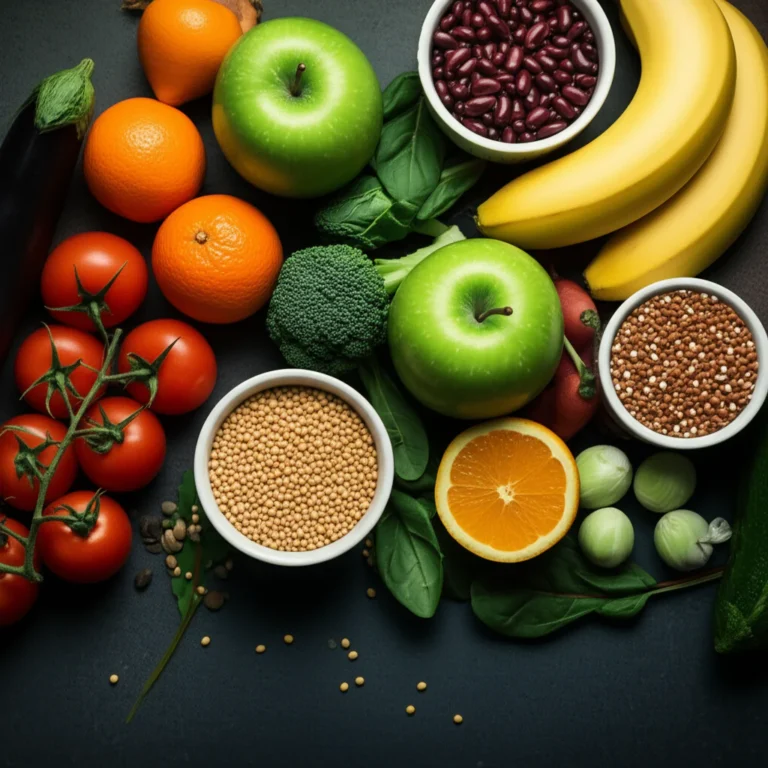
The beauty of this diet is the variety. We focus on nutrient density and whole foods. Here’s the breakdown:
- Proteins: Beans, lentils, tofu, tempeh, nuts, seeds, and occasional high-quality animal proteins (grass-fed beef, organic chicken).
- Vegetables: Every color of the rainbow! Think kale, bell peppers, and Brussels sprouts.
- Fruits: Berries, apples, and tropical fruits.
- Whole Grains: Quinoa, farro, and brown rice.
- Healthy Fats: Avocado, olive oil, and California Walnuts.
For more inspiration, check out our Flexitarian Recipes.
🛒 Sample Shopping List for Flexitarians: Stock Your Pantry Smartly
| Category | Must-Have Items | Pro Tip |
|---|---|---|
| Plant Protein | Bob’s Red Mill Lentils, Nasoya Tofu | Press your tofu for 20 mins for better texture! |
| Produce | Spinach, Sweet Potatoes, Blueberries | Buy frozen to save money and lock in nutrients. |
| Grains | Lundberg Family Farms Quinoa | Cook in vegetable broth for extra flavor. |
| Dairy/Alt | Oatly Oat Milk, Greek Yogurt | Watch out for added sugars in oat milk. |
| Occasional Meat | Applegate Organic Chicken | Quality over quantity is the flexitarian mantra. |
👉 Shop Plant-Based Staples on: Amazon | Walmart | Instacart
🔍 7 Disadvantages of the Flexitarian Diet: What You Need to Know
While we love the flexibility, we have to be honest: it’s not all sunshine and smoothie bowls. As Verywell Fit points out, transitioning from a meat-heavy diet can be a psychological hurdle.
1. Nutritional Deficiencies to Watch Out For
When you cut back on meat, you risk missing out on Vitamin B12, Iron, and Zinc. Healthline notes that iron from plants (non-heme iron) isn’t absorbed as easily as iron from meat.
- The Fix: Pair your spinach with vitamin C (like lemon juice) to boost absorption!
2. Potential Challenges with Protein Intake
It’s easy to fall into the “pasta-tarian” trap. If you replace chicken with white pasta instead of lentils, you’re losing out on essential amino acids. We see many clients struggle with satiety because they aren’t hitting their protein targets.
3. Social and Dining Out Difficulties
“Wait, so you eat meat, but not this meat?” Explaining your diet to Grandma at Thanksgiving can be exhausting. You might find yourself in a “social no-man’s land” where you aren’t quite vegetarian enough for the vegans, but you’re “too picky” for the BBQ lovers.
4. Risk of Over-Reliance on Processed Plant-Based Foods
Brands like Beyond Meat and Impossible Foods are great, but they are still processed foods. Plant-Based Pantry warns that filling up on “vegan junk food” like French fries and Oreos negates the Benefits of Flexitarian Diet.
5. Possible Increased Food Costs
Let’s be real: fresh organic produce and high-end meat substitutes can get pricey. While beans are cheap, a cart full of dragon fruit and Kite Hill Almond Yogurt will dent your wallet faster than a steak dinner.
6. Ambiguity Leading to Inconsistent Results
Because there are no “hard rules,” it’s easy to let the “flex” part take over. “I’ll be vegetarian tomorrow” can quickly become a week of cheeseburgers. This lack of structure can stall weight loss or health goals.
7. Time and Effort in Meal Planning
Chopping veggies takes longer than searing a steak. You’ll need to spend more time in the kitchen and more time researching Flexitarian Nutrition Facts to ensure you’re balanced.
💪 Is the Flexitarian Diet a Healthy Choice for You? Balancing Benefits and Drawbacks
Is it right for you? If you have a history of disordered eating, the “restriction” of meat—even if flexible—might be a trigger. Verywell Fit suggests that restricted eating patterns can sometimes correlate with depressive symptoms in sensitive individuals.
However, for the average person looking to lower their cholesterol and environmental footprint, the pros usually outweigh the cons. It’s about finding your “sweet spot.” Are you a “Beginner Flexitarian” (two meatless days) or an “Advanced Flexitarian” (five meatless days)?
🍽️ Tips to Overcome Flexitarian Diet Disadvantages: Expert Hacks
We’ve been in the trenches, and here is how we handle the downsides:
- Supplement Wisely: If you’re only eating meat once a week, consider a Garden of Life B12 Spray.
- The 80/20 Rule: Aim for 80% whole plant foods and 20% “whatever” to avoid feeling deprived.
- Batch Cook: Spend Sunday prepping your beans and grains so you don’t reach for the frozen “vegan” pizza on Wednesday.
👉 Shop B12 Supplements on: Amazon | Walmart
📚 Recommended Flexitarian Cookbooks and Resources
If you’re going to do this, you need the right “manuals.” Here is our expert rating of the top resources:
| Resource | Design | Practicality | Flavor Profile | Overall Rating |
|---|---|---|---|---|
| The Flexitarian Diet (Blatner) | 8/10 | 10/10 | 8/10 | 9/10 |
| Mostly Veggie (Guy) | 9/10 | 7/10 | 9/10 | 8.5/10 |
| Flexitarian Cookbook (DK) | 10/10 | 8/10 | 7/10 | 8.3/10 |
👉 CHECK PRICE on:
🧠 What Nutritionists and Dietitians Say About Flexitarian Downsides
We need to talk about the “Grain-tarian” risk. In the featured video, the expert points out that many people transitioning to plant-based diets simply replace meat with refined grains. This can be disastrous for diabetics or those with adrenal fatigue, as it puts the body in a “catabolic state” (breaking down muscle for energy).
Our team of dietitians agrees: if you have blood sugar issues, you must be careful with the high carb count in beans and lentils. You might need to lean more on healthy fats and seeds to stay in an anabolic (building) state.
🔄 Flexitarian Diet vs. Other Plant-Based Diets: Pros and Cons Comparison
| Feature | Flexitarian | Vegan | Paleo |
|---|---|---|---|
| Flexibility | High ✅ | Low ❌ | Medium ⚠️ |
| B12 Risk | Moderate ⚠️ | High ❌ | Low ✅ |
| Ease of Dining Out | Easy ✅ | Hard ❌ | Moderate ⚠️ |
| Environmental Impact | Good ✅ | Best ✅ | Low ❌ |
🛠️ Tools and Apps to Simplify Your Flexitarian Journey
Don’t go it alone! Use these tools to track your nutrients and find recipes:
- MyFitnessPal: Great for tracking protein and iron intake.
- HappyCow: Essential for finding flex-friendly restaurants when traveling.
- Cronometer: The gold standard for tracking micronutrients like Zinc and B12.
📊 Flexitarian Diet Quick Facts and Statistics
- Heart Health: Research in the British Journal of Nutrition suggests semi-vegetarians have a 14% lower risk of heart disease than heavy meat eaters.
- Weight Loss: Flexitarians weigh, on average, 15% less than their meat-loving counterparts.
- Carbon Footprint: Switching to a flexitarian diet can reduce your dietary greenhouse gas emissions by up to 52%.
But wait… if it’s so great for the planet and the heart, why are some people still failing at it? Is there a “hidden” reason your energy levels might crash after a month? We’ll reveal the secret to long-term success in the final wrap-up.
🎯 Conclusion: Is the Flexitarian Diet Right for You?
So, is the Flexitarian Diet the magic bullet for health, sustainability, and culinary joy? Well, it depends on you. Our expert team at Flexitarian Diet™ loves the approach for its balance of flexibility and plant-forward nutrition, but it’s not without its quirks.
Here’s the bottom line:
✅ The Flexitarian Diet offers a gentle transition from meat-heavy eating to a more plant-based lifestyle, making it accessible and sustainable for many.
✅ It encourages whole foods, nutrient diversity, and environmental mindfulness without the rigidity of veganism or vegetarianism.
❌ However, the lack of strict guidelines can lead to nutritional gaps, especially in B12, iron, and protein if you’re not careful.
❌ Social challenges and meal planning effort can trip up even the most motivated flexitarians.
❌ Over-reliance on processed plant-based foods can undermine your health goals.
Remember the question we teased earlier about why some people crash after a month? It’s often due to inconsistent nutrient intake and overconsumption of refined carbs—a pitfall easily avoided with mindful planning and supplementation.
If you’re ready to embrace a diet that’s flexible, fun, and mostly green, but are willing to put in the effort to plan and supplement wisely, the Flexitarian Diet is a fantastic choice. Just don’t expect it to be a “set it and forget it” plan. Your body and taste buds will thank you for the balance!
🔗 Recommended Links for Further Reading & Shopping
👉 CHECK PRICE on:
- The Flexitarian Diet by Dawn Jackson Blatner:
Amazon | Walmart - Mostly Veggie Cookbook by Guy:
Amazon - Flexitarian Cookbook (DK Publishing):
Amazon
👉 Shop Plant-Based Pantry Staples:
B12 & Nutritional Supplements:
❓ Frequently Asked Questions (FAQ) About Flexitarian Diet Disadvantages
Is flexitarian diet truly sustainable?
Yes, the Flexitarian Diet is generally considered sustainable because it reduces meat consumption, which lowers greenhouse gas emissions and conserves water and land resources. However, sustainability depends on food choices—favoring local, seasonal, and minimally processed foods enhances its eco-friendliness. Overconsumption of processed plant-based products or exotic imports can reduce sustainability benefits.
Is a flexitarian diet healthy long term?
When well planned, a flexitarian diet can be very healthy long term. It promotes plant diversity, fiber intake, and reduced saturated fat. But without careful attention, it risks nutrient deficiencies (B12, iron, zinc) and may lead to imbalanced macronutrients. Regular monitoring and possible supplementation are recommended for sustained health.
How can I ensure I’m getting enough iron on a Flexitarian diet?
Plant-based iron (non-heme) is less bioavailable than heme iron from meat. To boost absorption:
- Pair iron-rich foods (lentils, spinach, quinoa) with vitamin C sources (citrus, bell peppers).
- Avoid drinking tea or coffee with meals as they inhibit iron absorption.
- Consider cooking in cast iron pans to increase iron content.
- If necessary, consult your healthcare provider about iron supplements.
What are the long-term health risks of a poorly planned Flexitarian diet?
A poorly planned flexitarian diet can lead to:
- Iron-deficiency anemia
- Vitamin B12 deficiency, causing fatigue and neurological issues
- Protein insufficiency, leading to muscle loss
- Blood sugar imbalances if relying heavily on refined carbs
- Increased risk of disordered eating patterns if flexibility causes confusion or stress.
Is a Flexitarian diet suitable for people with specific health conditions?
Flexitarianism can be adapted for many health conditions but requires customization:
- Diabetics should monitor carbohydrate intake carefully.
- Pregnant or breastfeeding women may need more iron and B12.
- Those with anemia or digestive issues should consult dietitians to ensure nutrient adequacy.
Personalized guidance is key.
How much meal planning is required for a healthy Flexitarian diet?
Moderate to high meal planning is recommended. Unlike strict diets with fixed menus, flexitarianism’s flexibility means you must:
- Track nutrient intake (especially protein, iron, B12)
- Prepare balanced meals with variety
- Avoid over-reliance on processed convenience foods
Meal prepping and using apps like MyFitnessPal or Cronometer can help.
What are the social challenges of following a Flexitarian diet?
Socially, flexitarians may face:
- Questions or skepticism from family and friends about inconsistent meat consumption
- Difficulty finding suitable options at social gatherings or restaurants
- Feeling “in-between” — not fully vegetarian or omnivore — which can cause confusion or pressure.
Open communication and planning ahead can ease these challenges.
Can a Flexitarian diet lead to weight gain if not planned properly?
Yes. If you replace meat with high-calorie processed foods or refined carbs (white bread, pasta), you may gain weight. Portion control and focusing on whole, nutrient-dense foods are essential to avoid this.
Is it easy to overeat processed foods on a Flexitarian diet?
Absolutely. The flexibility can be a double-edged sword, allowing indulgence in processed vegan snacks, frozen meals, and sugary treats. These foods often lack fiber and protein, leading to overeating and poor nutrition.
What are the potential nutrient deficiencies on a Flexitarian diet?
Common deficiencies include:
- Vitamin B12 (found mainly in animal products)
- Iron and Zinc (less bioavailable from plants)
- Calcium and Omega-3 fatty acids (if dairy and fatty fish are limited)
Regular blood tests and supplementation can prevent these.
What are the disadvantages of a semi-vegetarian diet?
Disadvantages include:
- Ambiguity in defining meat intake, leading to inconsistent adherence
- Potential nutritional gaps if meat is reduced without proper substitution
- Social and cultural challenges in mixed dietary households
- Possible psychological stress from perceived restrictions.
What are the effects of flexitarian?
Flexitarianism can lead to:
- Improved cardiovascular health
- Weight management benefits
- Reduced environmental impact
- Greater dietary variety
- But also requires mindful planning to avoid nutritional pitfalls and social challenges.
📑 Reference Links and Scientific Sources
- Verywell Fit: How the Flexitarian Diet Works
- Healthline: Flexitarian Diet Guide
- Plant-Based Pantry: Pros and Cons of Flexitarian Diet
- Merriam-Webster: Flexitarian Definition
- Garden of Life Official Website
- Beyond Meat Official Website
- Impossible Foods Official Website
- Bob’s Red Mill Official Website
- Nasoya Tofu Official Website
- Lundberg Family Farms Official Website
- Kite Hill Official Website
For more on flexitarian basics and nutrition, visit Flexitarian Diet™ and Flexitarian Nutrition Facts.
Ready to flex your way to a healthier, greener lifestyle? Stay tuned for more tips and recipes from the Flexitarian Diet™ team! 🌿