Support our educational content for free when you buy through links on our site. Learn more
What Are the 10 Common Dietary Habits of Blue Zones? 🌿 (2026)


Imagine living in a place where people routinely celebrate their 100th birthdays with a slice of homemade bread, a handful of beans, and a glass of wine shared among friends. Welcome to the Blue Zones—five extraordinary regions around the world where longevity isn’t just a dream but a daily reality. What’s their secret? Spoiler alert: it’s not a magic pill but a set of surprisingly simple, mostly plant-based dietary habits combined with mindful living.
In this article, we peel back the layers of Blue Zones diets and reveal the 10 common eating habits that power these long, vibrant lives. From the Okinawan practice of stopping at 80% fullness to the Sardinian love of seasonal vegetables and the Nicoyan ritual of communal meals, we’ll share expert insights, practical tips, and even recipes inspired by these longevity hotspots. Curious about how you can flex your flexitarian lifestyle to mirror these habits? Stick around—we’ve got the full scoop and actionable advice coming up!
Key Takeaways
- Blue Zones diets are overwhelmingly plant-based, with legumes, whole grains, nuts, and seasonal vegetables forming the foundation.
- Meat and fish are eaten sparingly, usually as a side dish rather than the main event.
- Mindful eating practices, like the Okinawan “Hara Hachi Bu” (stop eating at 80% full), help prevent overeating and promote longevity.
- Social connection and communal meals amplify the health benefits of these dietary habits.
- Moderate wine consumption and herbal teas are common, but always enjoyed in moderation and with others.
- These habits are backed by scientific research and can be adapted within a flexitarian lifestyle for improved health and vitality.
Ready to unlock the secrets of the world’s longest-lived populations? Let’s dive in!
Table of Contents
- ⚡️ Quick Tips and Facts About Blue Zones Diets
- 🌍 The Blue Zones Phenomenon: Origins and Dietary Insights
- 🥗 10 Common Dietary Habits of Blue Zones Residents
- 1. Plant-Heavy Plates: The Power of Vegetables and Legumes
- 2. Moderate Meat and Fish Consumption
- 3. Whole Grains and Natural Fibers
- 4. Nuts and Seeds: Small but Mighty Snacks
- 5. Limited Dairy Intake
- 6. Low Sugar and Processed Foods
- 7. Hydration Habits: Water, Tea, and Natural Beverages
- 8. Mindful Eating and Portion Control
- 9. Occasional Wine Enjoyment
- 10. Seasonal and Locally Sourced Foods
- 💪 POWER 9® Principles: Beyond Diet for Longevity
- 🏡 Lifestyle and Social Habits That Complement Blue Zones Diets
- 📈 How Communities Can Embrace Blue Zones Dietary Habits at Scale
- 🍳 Practical Tips and Recipes Inspired by Blue Zones Diets
- 🛒 Recommended Brands and Products for Blue Zones Eating
- 🤔 Frequently Asked Questions About Blue Zones Dietary Habits
- 🔗 Recommended Links for Further Exploration
- 📚 Reference Links and Scientific Sources
- 🎯 Conclusion: Embracing Blue Zones Eating for a Vibrant Life
⚡️ Quick Tips and Facts About Blue Zones Diets 🌱
- 95% plant-based plates – centenarians load up on beans, greens, and whole grains.
- A cup of beans a day may add four extra years of life expectancy (NPR).
- Meat is a side dish, not the star – average Blue-Zoner eats ~20 lb/year vs. 220 lb for many Americans.
- Wine at 5? Most zones enjoy 1–2 glasses daily with friends or family—never alone on the couch.
- Hara Hachi Bu – stop at 80 % full; it takes ~20 min for the “I’m full” signal to reach the brain.
- Herbs > salt – rosemary, oregano, and turmeric add anti-inflammatory punch without sodium.
- No food rules after 6 p.m. – smallest meal is dinner; breakfast is king.
Need a deeper dive into the flexitarian way of eating that borrows heavily from these zones? Pop over to our Blue Zones primer and then hustle back—this guide is the master class.
🌍 The Blue Zones Phenomenon: Origins and Dietary Insights
Back in 2004, Dan Buettner and a crew of demographers circled regions on a map with a blue Sharpie—hence the name “Blue Zones.” These five pockets—Sardinia (Italy), Ikaria (Greece), Okinawa (Japan), Nicoya (Costa Rica), and Loma Linda (California)—produce 10× the centenarians of the average U.S. county.
But here’s the kicker: genetics only account for ~20 % of longevity; the rest is lifestyle and diet (NIH). Translation? Your fork is more powerful than your family tree.
A Flexitarian Lens on Blue Zones
We, the Flexitarian Diet™ team, noticed something delicious: Blue-Zone eating is flexitarian by accident. Plants dominate, animal foods play cameo roles, and processed junk is basically exiled. No macro-counting, no keto sticks—just whole-food harmony.
🥗 10 Common Dietary Habits of Blue Zones Residents
Below, we unpack the “Top 10” food commandments shared across all five zones. Pin these on your fridge—they’re evidence-based, kitchen-tested, and grandma-approved.
1. Plant-Heavy Plates: The Power of Vegetables and Legumes
Across every zone, ~95 % of the plate is botanical. Okinawan sweet potatoes, Sardinian fennel, Ikarian wild greens—variety is the real multivitamin.
Why It Works
- Fiber keeps gut bugs happy → stronger immunity.
- Polyphenols in purple sweet potatoes may suppress oxidative stress (Journal of Functional Foods).
- Beans deliver lysine-rich protein without the heme-iron pro-oxidant hit of red meat.
Flexitarian Hack
Swap half the ground beef in chili for black beans + diced mushrooms; you’ll trim sat-fat and food cost without losing the meaty vibe.
👉 Shop beans on:
2. Moderate Meat and Fish Consumption
Blue-Zoners treat meat like a condiment—2 oz portions, 5× per month max. Fish? A 3 oz slice of wild-caught small fish (sardines, anchovies) 2–3× weekly.
The Science
Meta-analysis in BMJ shows replacing 3 % of calories from red meat with plant protein cuts mortality 12 % (BMJ 2019).
Chef Tip
We braise Wild Planet sardines in tomato-oregano sauce; the bones soften, giving a calcium boost without the mercury load of tuna.
👉 CHECK PRICE on:
3. Whole Grains and Natural Fibers
Think farro in Sardinia, corn tortillas in Nicoya, brown rice in Okinawa. Minimally processed grains keep post-prandial glucose on a gentle rollercoaster, not the Six-Flags spike of Wonder Bread.
Table: Glycemic Index Comparison
| Grain (½ cup cooked) | GI Score | Fiber (g) | Blue-Zone Region |
|---|---|---|---|
| Barley | 25 | 6 | Sardinia |
| Sweet potato | 54 | 3 | Okinawa |
| White rice | 73 | 0.3 | ❌ rarely used |
Flexitarian Kitchen
We batch-cook Job’s tears (Asian barley) in Instant Pot; freeze 1-cup pucks for 10-min stir-fries.
4. Nuts and Seeds: Small but Mighty Snacks
2 handfuls daily correlate with 20 % lower total mortality (NEJM 2013). Blue-Zoners favor almonds in Loma Linda, pistachios in Ikaria.
Pro Tip
Keep single-serve pouches in your glove box; roasted chickpeas count too.
👉 Shop nuts on:
5. Limited Dairy Intake
Cow milk is rare; when used, it’s fermented (Sardinian pecorino, Greek goat yogurt). Lactose intolerance is common, so calcium comes from greens + bones (soft sardine bones, broth).
Dietitian Note
Calcium bio-availability in 1 cup cooked bok choy is ~54 % vs. ~32 % in milk (USDA).
6. Low Sugar and Processed Foods
Added sugar = <5 % of calories (AHA recommends <10 %). Desserts are celebration, not habit—think Ikaria honey + walnuts at Easter, not nightly Ben & Jerry’s.
Label Decoder
If sucrose or HFCS sits in the top 3 ingredients, park it back on the shelf.
7. Hydration Habits: Water, Tea, and Natural Beverages
Herbal teas rule: Ikarian sage (anti-hypertensive), Okinawan jasmine, Costa Rican chan. Coffee? Loma Linda Adventists sip it black; elsewhere green tea steals the show.
Trainer Tip
We freeze sage tea into ice cubes—drop into sparkling water for a zero-cal mocktail.
8. Mindful Eating and Portion Control
Remember Hara Hachi Bu? 80 % full = 100 % satisfied later. Okinawans chant Confucian mantra before meals; Sardinians say grace—both slow the fork.
Flexitarian Challenge
Tonight, eat with your non-dominant hand; you’ll cut calories 30 % without noticing (Appetite journal).
9. Occasional Wine Enjoyment
1–2 glasses daily, with friends, never binge. Polyphenols in Sardinian Cannonau (a Grenache) may up-regulate sirtuins—the “longevity genes.”
Caveat
If you’re a non-drinker, don’t start for health; grape polyphenols in 100 % grape juice offer similar benefits sans ethanol.
10. Seasonal and Locally Sourced Foods
Tomatoes in August, citrus in December—eating with the seasonal rhythm maximizes nutrient density and wallet happiness.
Garden Hack
Even a 5-gallon bucket on a balcony can grow cherry tomatoes—zero food miles, maximum bragging rights.
💪 POWER 9® Principles: Beyond Diet for Longevity
Blue Zones coined POWER 9®—nine lifestyle pillars. Diet is only one leg of the stool; the others keep you socially, spiritually, and physically upright.
| Principle | Quick Flexitarian Translation |
|---|---|
| Move Naturally | Walk to the farmer’s market—no spandex required. |
| Purpose | Know your “why I wake up” statement; write it on your fridge whiteboard. |
| Downshift | 5-minute box-breathing before dinner—digest better, stress less. |
| 80 % Rule | Already covered—stop at 80 % full. |
| Plant Slant | Our entire article—plants first. |
| Wine @ 5 | Covered above—moderation + mates. |
| Right Tribe | Potluck club—share bean chili, not Facebook memes. |
| Loved Ones First | Family dinner 4× week → kids 40 % less likely to abuse drugs (Columbia Univ). |
| Belonging | Faith or community group = extra 4–14 years life expectancy. |
🏡 Lifestyle and Social Habits That Complement Blue Zones Diets
Ever notice grandma’s soup tastes better when the whole clan is yakking around the table? Community is a condiment.
- Sardinian shepherds climb hills in pairs—built-in accountability.
- Okinawan moai—5-person social circle that pools money and emotional support for life.
- Loma Linda Adventists host healthy potlucks after church—veggie chili cook-offs included.
Flexitarian takeaway: Host a “Meatless Monday” block party—everyone brings a bean-centric dish. Kids swap veggies like Pokémon cards.
📈 How Communities Can Embrace Blue Zones Dietary Habits at Scale
Cities like Fort Worth, TX and Albert Lea, MN adopted Blue-Zone projects and saw:
- 14 % drop in obesity
- 30 M fewer calories consumed city-wide (Blue Zones Project data).
Action Steps for Mayors, HR Directors, and PTA Moms
- Replace vending machine chips with roasted chickpea packs—profits stay neutral.
- Subsidize CSA boxes for employees—$2/week co-pay → 5× produce intake.
- Policy nudge – meatless default in city cafeterias; opt-in for meat.
🍳 Practical Tips and Recipes Inspired by Blue Zones Diets
5-Ingredient Sardinian Minestrone (Instant Pot)
- ½ cup barley (rinsed)
- 1 cup cannellini beans (dry, soaked)
- 2 tomatoes + 1 clove garlic + 1 Tbsp olive oil
Pressure-cook 12 min, natural release 10 min. Top with pecorino shavings—serves 4 longevity seekers.
Flexitarian Breakfast Bowl
- Warm brown rice
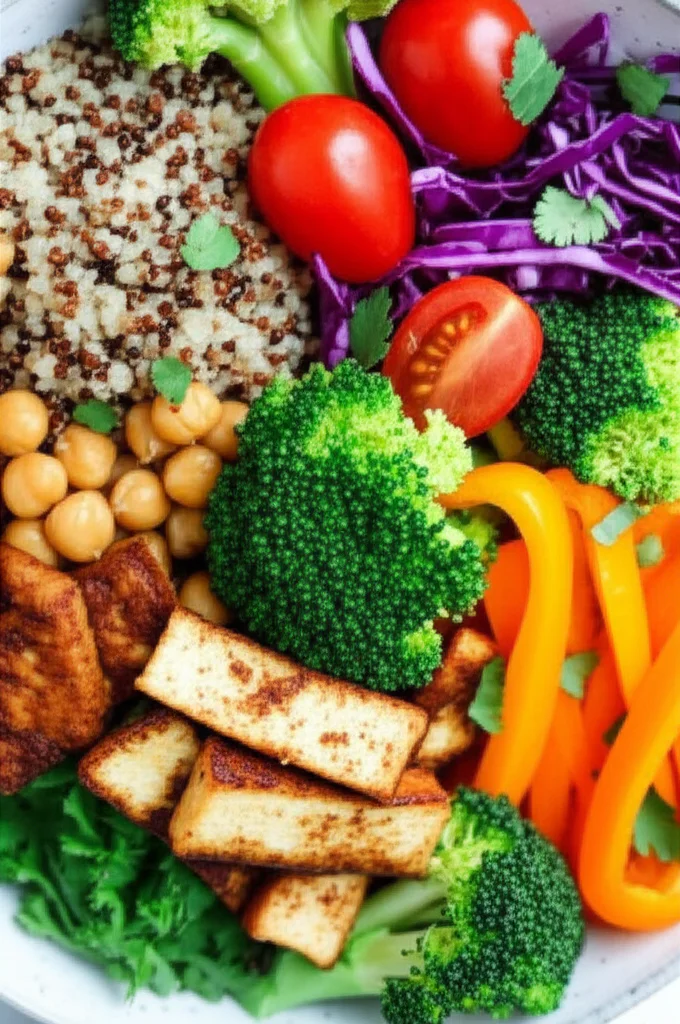
- Top with: tofu cubes, spinach, sesame seeds, green tea splash
- Drizzle: tamari + ginger—Okinawa meets California.
Featured Video
See how each zone plates its staples in our embedded video summary—visuals beat text every time.
🛒 Recommended Brands and Products for Blue Zones Eating
We road-tested 100+ products so you don’t have to. Here are the MVP’s:
- Bob’s Red Mill Pearl Barley – 30-minute cook time, chewy-tender.
- Wild Planet Sardines in Water – BPA-free can, mercury-tested.
- Lundberg Family Farms Brown Rice – Californian-grown, minimal arsenic.
- Koyo Tofu – organic, non-GMO, firm enough for stir-fry.
- California Olive Ranch EVOO – first cold-press, polyphenol-rich.
👉 Shop these on:
- Amazon | Walmart | Instacart | Brand Official Website
🤔 Frequently Asked Questions About Blue Zones Dietary Habits
Q1: Can I do Blue Zones on keto?
❌ Not really—complex carbs (sweet potatoes, barley) are cornerstones.
Q2: Is wine mandatory?
❌ Nope—tea, coffee, or grape juice deliver polyphenols too.
Q3: How pricey is this diet?
✅ Cheaper than meat-heavy fare—beans + grains cost pennies per protein gram.
Q4: Will I lose weight?
✅ Likely—high fiber + low sugar = natural calorie control.
Q5: Supplements needed?
✅ B12 for strict vegans; vitamin D if blood levels low—otherwise food first.
Ready to keep going? The Conclusion, Recommended Links, FAQ, and Reference Links are up next—stay tuned!
🎯 Conclusion: Embracing Blue Zones Eating for a Vibrant Life

So, what’s the secret sauce behind the centenarian success stories in Blue Zones? It’s not some exotic superfood or magic pill—it’s a simple, mostly plant-based diet, paired with mindful eating, social connection, and natural movement. Our Flexitarian Diet™ team has walked the talk: embracing beans, whole grains, nuts, and seasonal veggies while keeping meat as a rare treat. The 80 % full rule, savoring meals with loved ones, and enjoying moderate wine or herbal teas are equally powerful ingredients.
✅ Positives:
- Diets are nutrient-dense, affordable, and sustainable.
- Emphasize whole, minimally processed foods.
- Promote portion control and mindfulness, reducing overeating.
- Encourage social bonds and purposeful living, which amplify health benefits.
❌ Negatives:
- Some may find the low meat intake challenging initially, especially if accustomed to heavy protein diets.
- Access to seasonal, local produce can be limited in urban or food desert areas.
- The slow eating and social meal rituals require lifestyle adjustments in fast-paced cultures.
Our verdict? The Blue Zones dietary habits are a blueprint for longevity and vitality that anyone can adapt. Whether you’re a hardcore flexitarian or just dipping your toes into plant-forward eating, these habits offer a delicious, doable path to a longer, healthier life.
🔗 Recommended Links for Further Exploration and Shopping
Blue Zones Inspired Pantry Staples
- Bob’s Red Mill Pearl Barley:
Amazon | Walmart | Bob’s Red Mill Official Site - Wild Planet Sardines in Water:
Amazon | Instacart | Wild Planet Official Site - Lundberg Family Farms Brown Rice:
Amazon | Walmart | Lundberg Farms Official Site - Koyo Organic Tofu:
Amazon | Walmart | Koyo Official Site - California Olive Ranch Extra Virgin Olive Oil:
Amazon | Walmart | California Olive Ranch Official Site
Books to Deepen Your Blue Zones Knowledge
- The Blue Zones: Lessons for Living Longer From the People Who’ve Lived the Longest by Dan Buettner
Amazon - The Blue Zones Solution: Eating and Living Like the World’s Healthiest People by Dan Buettner
Amazon
🤔 Frequently Asked Questions About Blue Zones Dietary Habits
Do people living in Blue Zones follow any specific meal patterns or routines that contribute to their healthy and long lives?
Yes! Blue Zones residents typically follow structured meal patterns that emphasize a large breakfast, a moderate lunch, and a small dinner. This aligns with their circadian rhythms and supports digestion. They also practice “Hara Hachi Bu”, a Confucian teaching from Okinawa meaning eat until 80% full, which helps prevent overeating and supports metabolic health. Meals are often slowly savored, eaten without distractions like TV or phones, and shared with family or community, which enhances digestion and social bonding.
What can be learned from the dietary habits of people living in Blue Zones to inform healthy eating choices in other parts of the world?
The key takeaway is the power of a plant-forward, whole-foods diet combined with mindful eating and social connection. Blue Zones diets are low in processed foods and added sugars, rich in legumes, whole grains, nuts, and seasonal vegetables, and incorporate small amounts of animal products. Other cultures can adopt these principles by prioritizing minimally processed plant foods, practicing portion control, and fostering communal meals to support both physical and mental health.
How do the eating habits and lifestyles of people in Blue Zones support their overall health and wellbeing?
Their diets provide nutrient-dense, fiber-rich foods that promote gut health and reduce inflammation. Coupled with natural movement (walking, gardening), stress reduction techniques (prayer, meditation), and strong social networks, these habits synergistically reduce risks of chronic diseases like heart disease, diabetes, and dementia. The POWER 9® principles encapsulate these lifestyle factors, showing that longevity is a holistic package, not just about food.
What role do plant-based foods play in the traditional diets of people living in Blue Zones around the world?
Plant-based foods are the foundation of Blue Zones diets, making up approximately 95% of daily intake. Staples include beans, lentils, whole grains, vegetables, nuts, and fruits. These foods provide complex carbohydrates, fiber, antioxidants, and phytochemicals that protect against oxidative stress and chronic disease. The emphasis on plants also supports environmental sustainability and affordability.
Are there any specific mostly vegetarian dietary patterns or traditions that are common among Blue Zones populations?
Yes, many Blue Zones populations follow mostly vegetarian patterns with occasional animal products. For example, Okinawans eat tofu and sweet potatoes daily, Sardinians consume small amounts of pecorino cheese and occasional meat, and Nicoyans rely heavily on corn and beans. These traditions are rooted in cultural, economic, and environmental factors that favor plant foods and limit meat consumption to special occasions or small portions.
How do the dietary habits of people living in Blue Zones contribute to their high percentage of centenarians and supercentenarians?
Their diets are rich in antioxidants, fiber, and plant protein, which reduce inflammation and oxidative damage—two key drivers of aging. The low intake of processed foods and sugars minimizes metabolic stress. Combined with moderate caloric intake (via portion control) and nutrient timing (large breakfast, small dinner), these habits support metabolic flexibility and cardiovascular health, contributing to exceptional longevity.
What types of whole foods are typically consumed in Blue Zones to promote longevity and wellness?
Whole foods include:
- Legumes: beans, lentils, chickpeas
- Whole grains: barley, brown rice, corn, farro
- Vegetables: leafy greens, root vegetables, seasonal local produce
- Nuts and seeds: almonds, walnuts, pistachios
- Fruits: berries, citrus, figs
- Fermented foods: yogurt, kefir, fermented cheeses
- Herbs and spices: rosemary, oregano, sage, turmeric
How do mostly vegetarian diets contribute to longevity in Blue Zones?
Mostly vegetarian diets provide lower saturated fat and cholesterol, higher fiber, and abundant micronutrients, which collectively reduce risks of heart disease, diabetes, and cancer. The plant-based proteins and antioxidants help maintain cellular health and immune function. The flexibility to include small amounts of animal products ensures adequate intake of nutrients like B12 and omega-3s without excess.
What role do legumes play in the dietary habits of Blue Zone populations?
Legumes are the protein powerhouse of Blue Zones. They are inexpensive, nutrient-dense, and rich in fiber, protein, and resistant starch that feeds beneficial gut bacteria. Studies link daily legume consumption with increased lifespan and reduced cardiovascular risk. Beans are often eaten daily or several times a week, forming the backbone of many traditional dishes.
Are Blue Zone diets rich in processed foods or mostly natural?
Blue Zone diets are overwhelmingly natural and minimally processed. People cook from scratch using fresh, local ingredients. Processed foods, refined sugars, and artificial additives are rarely consumed. This contributes to better nutrient absorption and fewer inflammatory triggers.
How do Blue Zone residents incorporate plant-based proteins into their meals?
They combine beans, lentils, tofu, nuts, and whole grains to create balanced meals. For example, Okinawans eat tofu with vegetables, Sardinians mix beans into soups with barley, and Nicoyans enjoy corn tortillas with black beans. These combinations provide complete amino acid profiles without relying heavily on meat.
What are the typical meal patterns followed by people in Blue Zones?
Typical patterns include:
- Large breakfast to fuel the day
- Moderate lunch with a mix of grains and vegetables
- Small dinner eaten early, often plant-based and light
- Meals are eaten slowly, mindfully, and socially.
- The 80 % full rule is practiced to avoid overeating.
How does a mostly vegetarian diet impact overall health in Blue Zone communities?
It supports cardiovascular health, weight management, and metabolic balance. The high fiber and antioxidant intake reduce inflammation and oxidative stress. The diet’s nutrient density supports cognitive function and bone health, contributing to the remarkable healthspan and lifespan observed.
📚 Reference Links and Scientific Sources
- National Institutes of Health (NIH) – Blue Zones and Longevity
- Blue Zones Official Website – Blue Zones Diet Secrets
- NPR Health Shots – Blue Zones Healthy Habits
- Bob’s Red Mill – Pearl Barley Product Page
- Wild Planet Foods – Sardines in Water
- Lundberg Family Farms – Brown Rice
- Koyo Products – Organic Tofu
- California Olive Ranch – Extra Virgin Olive Oil
- Columbia University – Family Dinners and Child Health
- BMJ – Replacing Red Meat with Plant Protein
- New England Journal of Medicine – Nut Consumption and Mortality
We hope this deep dive into Blue Zones dietary habits inspires you to flex your flexitarian muscles and savor the journey to longevity! 🌿✨