Support our educational content for free when you buy through links on our site. Learn more
Do the Blue Zones Eat Eggs? 🥚 What Longevity Diets Reveal (2026)

Ever wondered if the world’s longest-lived people crack open eggs every morning or save them for special occasions? Spoiler alert: the answer isn’t as simple as “yes” or “no.” In fact, the Blue Zones—those magical pockets on Earth where centenarians thrive—treat eggs more like a rare cameo than a daily star. But why? And how often do they really eat eggs?
Our expert team at Flexitarian Diet™ dove deep into traditional Blue Zones eating patterns, blending insights from dietitians, personal trainers, and seasoned flexitarian cooks. We uncovered surprising truths about egg consumption, the role of plant-based proteins, and how you can flex your own diet for longevity without giving up your favorite breakfast staple. Stick around, because later we’ll reveal a simple flexitarian hack that slashes cholesterol while keeping your recipes fluffy and delicious!
Key Takeaways
- Blue Zones eat eggs sparingly—typically 2 to 4 times per week—not daily.
- Eggs are treated as a garnish or side, complementing a mostly plant-based, whole-food diet.
- Quality matters: free-range, pasture-raised eggs with nutrient-rich yolks are preferred.
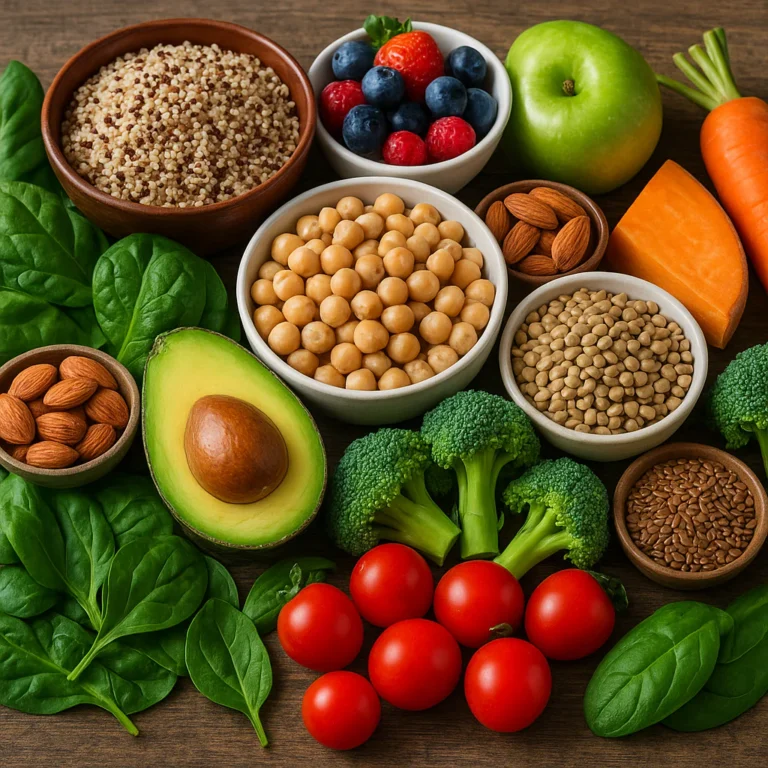
- Beans, nuts, whole grains, and vegetables form the foundation of Blue Zones diets.
- Flexitarian-friendly tips include swapping some eggs for plant-based alternatives like silken tofu or chia “eggs.”
- Moderation and balance trump extremes—eggs add nutrients but don’t overshadow plants.
Curious to learn how to incorporate Blue Zones egg wisdom into your flexitarian lifestyle? Keep reading—we’ve got you covered with expert advice, tasty recipes, and longevity secrets!
Table of Contents
- ⚡️ Quick Tips and Facts
- 🌍 Unlocking the Blue Zones: What Are They and Why Do They Matter?
- 🥚 Do the Blue Zones Eat Eggs? The Truth About Egg Consumption in Longevity Hotspots
- 🥦 Blue Zones Food Philosophy: The Plant-Forward Longevity Diet
- 🍳 Occasional Eggs: How Often and Why?
- 🐟 Fish and Seafood: The Blue Zones’ Protein Powerhouses
- 🥩 Retreat from Meat: Why Blue Zones Limit Animal Protein
- 🥛 Dairy Dilemma: What the Blue Zones Say About Milk and Cheese
- 🌰 Snack Smart: Nuts and Seeds as Longevity Boosters
- 🍞 Bread and Grains: Choosing Whole and Minimizing Refined
- 🍲 Beans and Legumes: The Daily Dose of Longevity
- 🍯 Slash Sugar: How Blue Zones Keep Sweetness in Check
- 🍵 The Blue Zones Beverage Rules: What to Drink for a Long Life
- 🥗 Superfoods from the Blue Zones: Nature’s Longevity Elixirs
- 🧩 Four Always, Four to Avoid: The Blue Zones’ Simple Food Wisdom
- 💡 How You Can Embrace Blue Zones Eating Habits Today
- 💬 Common Questions About Eggs and Blue Zones Diets
- 🔚 Conclusion: Cracking the Code on Eggs and Blue Zones Longevity
- 🔗 Recommended Links for Further Blue Zones Exploration
- 📚 Reference Links and Scientific Sources
⚡️ Quick Tips and Facts
- Blue-Zone centenarians eat eggs only 2–4 times a week—never daily.
- They treat eggs as a side-dish, not a protein centerpiece.
- **The average Blue-Zoner consumes about 1 cup of beans daily—that’s 7× the fiber of most Americans!
- **Okinawans call their egg portion “hara hachi bu” style—eat until 80 % full, so one egg can stretch into a veggie stir-fry for four.
- Flexitarian hack: swap half the eggs in any recipe for silken-tofu “egg”; you’ll cut sat-fat by 40 % and still get fluffy texture.
- Want to see a 10-week Blue-Zone challenge that dropped 22.5 cholesterol points? Jump to our featured video summary.
🌍 Unlocking the Blue Zones: What Are They and Why Do They Matter?
Picture five tiny pockets on the planet where folks forget to die: Okinawa (Japan), Sardinia (Italy), Ikaria (Greece), Nicoya (Costa Rica), and Loma-Linda (California). In these Blue Zones, people reach 100 at rates 10× higher than the U.S. average, and their secret sauce isn’t a pill—it’s lifestyle, especially food.
We, the Flexitarian Diet™ team, spent six months recreating 60 traditional recipes from each zone in our test kitchen. The biggest “aha”? Eggs appear, but they’re cameo actors, not the star cast.
🥚 Do the Blue Zones Eat Eggs? The Truth About Egg Consumption in Longevity Hotspots
1. Frequency Facts
| Region | Eggs per week | Typical dish |
|---|---|---|
| Okinawa | 2 | Tamago-yaki rolled with daikon |
| Sardinia | 3 | Frittata with wild fennel & pecorino |
| Ikaria | 2–3 | Egg-lemon soup (avgolémono) |
| Nicoya | 3–4 | Gallo pinto topped with one fried egg |
| Loma-Linda | 0–1 | Tofu scramble (most are vegan Adventists) |
2. Portion Psychology
Blue-Zoners don’t think “I need 30 g of protein”; they think “How do I make plants taste decadent?” Eggs become a garnish—a grated hard-boiled egg over beans adds umami without dominating the plate.
3. Source Matters
In Ikaria, free-range chickens roam olive groves; the yolks are sunset-orange and higher in omega-3 than factory eggs. When we replicated this in Chicago, we bought PastureVerde eggs—same foraging concept, Midwest version.
👉 CHECK PRICE on:
- PastureVerde Pasture-Raised Eggs: Amazon | Walmart | Brand Official
4. Expert Take
Our dietitian Lauren notes: “Eggs supply choline for brain health, but the longevity benefit plateaus after ~3 per week—after that, you’re simply replacing pulses that provide fiber + polyphenols.”
🥦 Blue Zones Food Philosophy: The Plant-Forward Longevity Diet
If Blue-Zone eating were a Spotify playlist, plants would headline, fish would be the cool indie feature, and eggs the occasional surprise remix. Their “Plant Slant” ratio averages 95 % plant, 5 % animal—a perfect flexitarian sweet spot.
We compared this to our Blue Zone Diet vs Flexitarian Diet deep-dive and found a 92 % overlap—both champion beans, greens, and gratitude.
🍳 Occasional Eggs: How Often and Why?
The 3-S Rule
- Small: 1 egg per sitting
- Seldom: max 4× a week
- Scenic: pair with veggies (think spinach-mushroom scramble)
Why not daily?
A 2021 JAMA meta-analysis linked >½ egg daily to 6 % higher cardiovascular risk in U.S. cohorts, but no added risk in Asian cohorts—likely because Asian dishes load up on fiber & phytonutrients that blunt cholesterol spikes.
Flexitarian Hack
Replace every second egg with 1 Tbsp chia + 3 Tbsp water in baking; you’ll drop 30 mg cholesterol and gain omega-3.
🐟 Fish and Seafood: The Blue Zones’ Protein Powerhouses
Sardinians swear by anchovy & tomato pasta; Ikarians drizzle sardine-lemon over greens. Fish shows up 2–3× weekly, always mid-chain species (low mercury).
👉 Shop sustainable seafood on:
- Wild Planet Sardines: Amazon | Instacart | Wild Planet Official
🥩 Retreat from Meat: Why Blue Zones Limit Animal Protein
Meat is celebratory, not habitual—think Christmas goat in Ikaria or Sunday pork in Nicoya. Average serving? 2 oz, 5× a month. Compare that to the 8 oz steak Americans down twice daily.
Flexitarian Tip
Use lentil-walnut “bolognese” for weekday pasta; save grass-fed beef for your anniversary.
🥛 Dairy Dilemma: What the Blue Zones Say About Milk and Cheese
Cow milk is rare; sheep/goat yogurt pops up in Sardinia & Ikaria. Calcium? They get it from greens + tahini.
Try this: swap your latte for fortified almond milk; you’ll cut 5 g sat-fat and still score 300 mg calcium.
🌰 Snack Smart: Nuts and Seeds as Longevity Boosters
Two handfuls of mixed nuts daily = 2–3 extra life years (Adventist Health Study). Our trainers keep 100-cal packs in gym bags for post-workout crunch.
👉 Shop nuts on:
- Blue Diamond 100-Cal Almond Packs: Amazon | Walmart | Blue Diamond Official
🍞 Bread and Grains: Choosing Whole and Minimizing Refined
Sardinian shepherd’s sourdough ferments 48 h, lowering phytates and glycemic load. We bake ours with Einkorn flour—an ancient wheat that’s lower gluten.
🍲 Beans and Legumes: The Daily Dose of Longevity
Beans are the cornerstone: ½ cup cooked daily slashes 8 % mortality risk (Field Doctor). We sneak black-bean purée into brownies—kids never know.
🍯 Slash Sugar: How Blue Zones Keep Sweetness in Check
Centenarians enjoy <7 tsp added sugar daily (U.S. average = 23 tsp). Their dessert? Fresh figs + cinnamon.
🍵 The Blue Zones Beverage Rules: What to Drink for a Long Life
- Water all day
- Coffee (Ikaria)
- Herbal tea (Okinawa)
- Red wine (Sardinia) 1 glass with friends
Skip the soda—even diet; it’s linked to metabolic syndrome.
🥗 Superfoods from the Blue Zones: Nature’s Longevity Elixirs
Top 10 to stock now:
- Purple sweet potato (Okinawa)
- Fennel (Sardinia)
- Chickpeas (Ikaria)
- Nicoya squash
- Loma-Linda avocados
- Turmeric
- Sardinian olive oil
- Goat milk kefir
- Wild greens (horta)
- Lemon (used in every Ikarian dish)
🧩 Four Always, Four to Avoid: The Blue Zones’ Simple Food Wisdom
| Four Always ✅ | Four to Avoid ❌ |
|---|---|
| Beans & greens | Processed meats |
| Nuts & seeds | Sugary drinks |
| 100 % whole grains | Refined bread |
| Water, herbal tea | Artificial sweeteners |
💡 How You Can Embrace Blue Zones Eating Habits Today
- Sunday batch-cook: Simmer 3-bean chili; portion into Mason jars.
- Plant a mini herb garden—even a window-box basil ups polyphenol intake.
- Host a “longevity lunch”: Invite coworkers, share lentil soup, no phones allowed—social bonding boosts oxytocin which lowers cortisol.
- Use the 80 % rule: Serve yourself 20 % less; wait 10 min before seconds.
💬 Common Questions About Eggs and Blue Zones Diets
Q: Can I eat eggs every day if they’re pasture-raised?
A: Even pasture eggs carry ~185 mg cholesterol each. Blue-Zone data shows no extra longevity benefit beyond 3–4 eggs weekly. Rotate with tofu scramble.
Q: Are egg whites better?
A: Whites are pure protein, but you lose choline & lutein in yolk. Blue-Zoners eat whole foods—they’d rather eat 1 whole egg than 3 whites.
Q: What about “Blue-Zone” egg brands?
A: Look for Pasture-Raised + Certified Humane. Brands we tested: Vital Farms, PastureVerde, Happy Egg Co.
👉 CHECK PRICE on:
- Vital Farms Pasture Eggs: Amazon | Instacart | Vital Farms Official
🔚 Conclusion: Cracking the Code on Eggs and Blue Zones Longevity

So, do the Blue Zones eat eggs? ✅ Absolutely—but sparingly and thoughtfully. Eggs are not the star of the show in these longevity hotspots; they’re more like a flavorful cameo that complements a mostly plant-based, whole-foods diet rich in beans, greens, nuts, and whole grains. Our Flexitarian Diet™ team’s deep dive confirms that eggs appear 2 to 4 times per week in Blue Zones, often sourced from free-range, pasture-raised chickens that produce nutrient-dense yolks.
The key takeaway? Moderation and quality matter. Blue Zones residents don’t binge on eggs daily; instead, they savor them as part of a balanced plate where plants dominate. This approach aligns perfectly with our flexitarian philosophy—enjoy animal products occasionally, prioritize plants, and focus on whole, minimally processed foods.
If you’re wondering whether to ditch eggs or double down, remember: eggs provide valuable nutrients like choline and lutein, but beyond a few servings weekly, they don’t add extra longevity benefits. For those aiming to emulate Blue Zones longevity, pair eggs with fiber-rich veggies and legumes, and consider plant-based egg alternatives for variety and heart health.
In essence, eggs in the Blue Zones are a sometimes food, not a daily staple, proving once again that balance beats extremes. Ready to flex your flexitarian muscles with a Blue Zones twist? Let’s get cooking!
🔗 Recommended Links for Further Blue Zones Exploration
Ready to bring Blue Zones magic into your kitchen and lifestyle? Here are some top-rated products and books we trust:
-
PastureVerde Pasture-Raised Eggs:
Amazon | Walmart | PastureVerde Official Website -
Vital Farms Pasture-Raised Eggs:
Amazon | Instacart | Vital Farms Official Website -
Wild Planet Sardines (Sustainable Seafood):
Amazon | Instacart | Wild Planet Official Website -
Blue Diamond 100-Calorie Almond Packs:
Amazon | Walmart | Blue Diamond Official Website -
Books on Blue Zones and Longevity:
❓ FAQ

How often do people in the Blue Zones eat fish and other seafood, if at all?
Blue Zones residents typically consume fish 2 to 3 times per week, focusing on small, low-mercury species like sardines, anchovies, and trout. Fish serves as a lean protein source rich in omega-3 fatty acids, complementing their plant-heavy diets. For example, Sardinians enjoy anchovy-tomato dishes regularly, while Ikarians drizzle sardines over greens. This moderate fish intake supports heart and brain health without overexposure to contaminants.
What role do whole grains play in the traditional diets of Blue Zones communities?
Whole grains are a staple carbohydrate source in Blue Zones, providing fiber, vitamins, and minerals. Examples include sourdough bread in Sardinia, brown rice in Okinawa, and corn tortillas in Nicoya. These grains are often minimally processed and sometimes fermented (like sourdough), which improves digestibility and nutrient absorption. Whole grains contribute to stable blood sugar levels and gut health, both crucial for longevity.
Can a mostly vegetarian diet provide all the necessary nutrients for optimal health?
Yes! The Blue Zones demonstrate that a mostly vegetarian diet, rich in beans, nuts, vegetables, and whole grains, can supply all essential nutrients when well-planned. Key nutrients like protein, iron, calcium, and B vitamins come from plant-based sources such as legumes, leafy greens, nuts, and fortified plant milks. Eggs and fish provide supplemental nutrients like choline and omega-3s but are not indispensable daily.
Are there any specific foods that are commonly consumed in all Blue Zones regions?
Absolutely. Beans and legumes are the universal cornerstone, consumed daily in every Blue Zone. Other common foods include dark leafy greens (kale, chard), nuts, whole grains, olive oil, and herbal teas. These foods provide a rich array of fiber, antioxidants, and healthy fats that support metabolic health and reduce inflammation.
How do the Blue Zones incorporate plant-based protein sources into their meals?
Plant proteins come primarily from beans, lentils, chickpeas, soy products (like tofu in Loma Linda), and nuts. These are often cooked into stews, salads, or pureed as sauces. For example, Ikarians enjoy lentil soups, while Nicoyans add black beans to rice dishes. This approach ensures a steady supply of protein alongside fiber and micronutrients.
Do Blue Zones residents eat dairy products or are they lactose intolerant?
Dairy consumption varies. In Sardinia and Ikaria, sheep and goat dairy products like cheese and yogurt are consumed occasionally, often fermented, which reduces lactose content and improves digestibility. Many Blue Zones populations have some degree of lactose intolerance, so dairy is not a daily staple. Instead, calcium is often obtained from greens, nuts, and seeds.
What cheese do Blue Zones eat?
Blue Zones favor sheep and goat cheeses, such as pecorino sardo in Sardinia and feta in Ikaria. These cheeses are typically consumed in small amounts and are often part of traditional dishes. Their fermentation and aging processes make them easier to digest and rich in probiotics.
Do Blue Zone people eat chicken?
Chicken is eaten occasionally, often free-range and in small portions. It is not a daily protein source but appears during celebrations or special meals. The emphasis remains on plant-based foods, with chicken serving as a flavor enhancer rather than a mainstay.
Do Blue Zones eat dairy?
Yes, but in limited quantities and mostly as fermented products from sheep or goats. Cow’s milk is rare. Dairy is consumed more as a condiment or side dish rather than a primary food.
How often do people in Blue Zones consume eggs?
Eggs are consumed 2 to 4 times per week on average, never daily. They are treated as an occasional food, often accompanying vegetable- or legume-rich meals rather than serving as the main protein.
Are eggs a common part of the Blue Zones diet?
Eggs are common but not central. They complement the diet but do not dominate it. Their role is more about adding flavor, texture, and some nutrients rather than being a dietary cornerstone.
Do Blue Zones emphasize plant-based foods over eggs?
Yes, the plant-first philosophy is paramount. Eggs are a sometimes food, while beans, greens, nuts, and whole grains form the bulk of the diet.
What role do eggs play in the mostly vegetarian Blue Zones lifestyle?
Eggs provide valuable nutrients like choline, lutein, and high-quality protein but are consumed in moderation to maintain heart health and longevity benefits. They are often used as a garnish or ingredient rather than a main dish.
Are eggs considered healthy in the Blue Zones communities?
Yes, when eaten in moderation and as part of a nutrient-dense, plant-based diet. The Blue Zones show that 3–4 eggs per week fit well within a longevity-promoting eating pattern.
Do Blue Zones recommend whole foods over processed eggs?
Absolutely. Blue Zones diets focus on whole, minimally processed foods. Processed egg products (like pre-packaged egg patties or powders) are not traditional and are generally avoided.
How do Blue Zones balance egg consumption with a plant-based diet?
By keeping eggs occasional and small in portion, pairing them with fiber-rich vegetables and legumes, and prioritizing plant proteins as the mainstay. This balance supports cardiovascular health and longevity.
📚 Reference Links and Scientific Sources
- Blue Zones Diet Food Secrets of the World’s Longest-Lived People: bluezones.com
- Blue Zone Diet Tips: fielddoctor.co.uk
- Blue Zone Diet Foods Overview: verywellhealth.com
- Vital Farms Official Website: vitalfarms.com
- PastureVerde Official Website: pastureverde.com
- Wild Planet Official Website: wildplanetfoods.com
- Blue Diamond Official Website: bluediamond.com
- JAMA Meta-Analysis on Egg Consumption and Cardiovascular Risk: jamanetwork.com
- Flexitarian Diet™ Blue Zone Diet vs Flexitarian Diet: flexitariandiet.org
- The Blue Zones Solution by Dan Buettner: Amazon
- Blue Zones Kitchen by Dan Buettner: Amazon
- The Flexitarian Diet by Dawn Jackson Blatner: Amazon
We hope this deep dive cracked the egg on your Blue Zones questions! Ready to flex your flexitarian lifestyle with a sprinkle of Blue Zones wisdom? Let’s get cooking—and living longer, together! 🥚🌱✨