Support our educational content for free when you buy through links on our site. Learn more
Unlock the Power of a Whole Foods Vegetarian Diet in 2026 🌱


Imagine a diet that not only fuels your body with vibrant, nutrient-packed foods but also supports your heart, weight, and the planet—all without sacrificing flavor or satisfaction. Welcome to the world of the whole foods vegetarian diet! Whether you’re a curious beginner or someone looking to deepen your plant-based journey, this guide unpacks everything you need to know—from the history and health benefits to practical shopping tips and delicious recipes.
Did you know that adopting a whole foods vegetarian lifestyle can reduce your risk of chronic diseases like heart disease and type 2 diabetes while also shrinking your environmental footprint by up to 80%? Intrigued? Keep reading to discover how real people have transformed their lives, how to shop smart without breaking the bank, and how to balance essential nutrients like protein and vitamin B12 with ease.
Key Takeaways
- Whole foods vegetarian diets focus on unprocessed, nutrient-dense plant foods like fruits, vegetables, whole grains, legumes, nuts, and seeds, with optional moderate dairy and eggs.
- This lifestyle offers powerful health benefits including weight management, improved heart health, diabetes prevention, and enhanced gut function.
- It’s a planet-friendly choice that significantly reduces greenhouse gas emissions, water use, and land degradation.
- Transitioning is simple with step-by-step guidance, smart shopping lists, and tasty recipes designed for busy lifestyles.
- Proper planning ensures you get all essential nutrients, especially protein, iron, and vitamin B12 (which requires supplementation).
- Real success stories prove this diet is sustainable, enjoyable, and life-changing.
Ready to embrace a diet that nourishes your body and the Earth? Let’s dive in!
Table of Contents
- ⚡️ Quick Tips and Facts About Whole Foods Vegetarian Diet
- 🌱 The Roots of Whole Foods Vegetarianism: History and Evolution
- 🥦 What Exactly Is a Whole Foods Vegetarian Diet?
- 🍎 The Five Essential Food Groups in a Whole Foods Vegetarian Lifestyle
- 💪 Why Choose a Whole Foods Vegetarian Diet? Top Health Benefits
- 🌎 Whole Foods Vegetarian Diet: A Planet-Friendly Choice
- 💸 How a Whole Foods Vegetarian Diet Can Save You Money on Groceries
- 🥗 The Beginner’s Guide to Transitioning into Whole Foods Vegetarianism
- 🛒 Shopping Smart: Whole Foods Vegetarian Grocery Essentials and Brand Picks
- 🍳 Cooking Tips and Delicious Whole Foods Vegetarian Recipes to Try Today
- 📊 Nutritional Insights: Balancing Protein, Iron, and Vitamin B12 on a Vegetarian Diet
- 🧘 ♀️ Lifestyle Integration: Combining Whole Foods Vegetarianism with Fitness and Wellness
- 🌟 Real People, Real Results: Inspiring Whole Foods Vegetarian Success Stories
- 🔧 Tools and Resources to Support Your Whole Foods Vegetarian Journey
- ❓ Your Whole Foods Vegetarian Diet Questions, Answered
- 📖 Our Story: How We Embraced the Whole Foods Vegetarian Lifestyle
- ✅ Conclusion: Embrace the Whole Foods Vegetarian Way for a Healthier You and Planet
- 🔗 Recommended Links for Whole Foods Vegetarian Enthusiasts
- ❓ Frequently Asked Questions About Whole Foods Vegetarian Diets
- 📚 Reference Links and Scientific Sources
⚡️ Quick Tips and Facts About Whole Foods Vegetarian Diet
Welcome, fellow food adventurers! 👋 At Flexitarian Diet™, we’re all about making healthy eating exciting and accessible. If you’re curious about a whole foods vegetarian diet, you’ve come to the right place. This isn’t just about cutting out meat; it’s about embracing a vibrant, nutrient-dense lifestyle that can transform your health and even the planet! Think of it as a delicious journey, not a restrictive destination.
Here are some quick facts and tips to get your taste buds tingling and your mind buzzing:
- ✅ Focus on the “Whole”: Prioritize foods in their most natural, unprocessed state. Think fresh fruits, vegetables, whole grains, legumes, nuts, and seeds. This is the cornerstone of a truly healthy vegetarian approach.
- ❌ Minimize Processed Foods: Even if it’s “vegan,” highly processed plant-based junk food (like some faux meats or sugary snacks) won’t give you the benefits of a whole foods diet. As Healthline wisely puts it, “Diets emphasizing fresh, whole ingredients and minimizing processed foods are superior for overall wellness.” Source: Healthline
- 🌱 It’s Not Necessarily Vegan: While a whole foods vegetarian diet can be vegan, it doesn’t have to be! Many whole foods vegetarians include dairy, eggs, or even honey, focusing on quality and moderation. Forks Over Knives highlights that while their “gold standard” is animal-product-free, the core is about unrefined plant foods. Source: Forks Over Knives
- 💪 Nutrient Powerhouse: This diet is naturally rich in fiber, vitamins, minerals, and antioxidants. Say goodbye to nutrient deficiencies and hello to sustained energy!
- 🌎 Good for You, Good for the Planet: Reducing animal product consumption significantly lowers your environmental footprint. It’s a win-win! Source: Healthline
- 💡 Start Small, Go Big: You don’t have to overhaul your entire diet overnight. Our expert health coaches recommend gradual changes. Try one vegetarian meal a day, then one day a week, and build from there!
- 💰 Budget-Friendly: Believe it or not, a whole foods vegetarian diet can often be cheaper than a meat-heavy one, especially when you focus on seasonal produce and bulk legumes. We’ll show you how!
Ready to dive deeper into the delicious world of plant-based eating? Let’s explore how this incredible lifestyle can boost your well-being, one vibrant meal at a time! For a broader understanding of how this fits into a balanced approach, check out our insights on the Flexitarian Diet.
🌱 The Roots of Whole Foods Vegetarianism: History and Evolution

Ever wondered where the idea of a plant-centric diet came from? It’s not a new fad, folks! The roots of vegetarianism stretch back millennia, intertwined with philosophy, religion, and a growing understanding of health. From ancient civilizations to modern movements, the journey of eating plants has been fascinating.
Historically, many cultures embraced vegetarianism for various reasons. In ancient India, the concept of Ahimsa (non-violence) in Hinduism, Jainism, and Buddhism led to widespread vegetarian practices. Think of the wisdom of figures like Pythagoras in ancient Greece, who advocated for a meat-free diet not just for ethical reasons, but also for its perceived health and spiritual benefits. He believed that consuming animals dulled the senses and clouded the mind. Source: The Vegetarian Society
Fast forward to the 19th and 20th centuries, and we saw a resurgence of interest, often driven by health reformers and early environmentalists. The term “vegetarian” itself gained traction in the mid-1800s. However, the specific emphasis on “whole foods” within vegetarianism is a more recent, yet crucial, evolution.
For a long time, “vegetarian” simply meant avoiding meat. But as food processing became more sophisticated, it became clear that not all plant-based foods were created equal. You could be a vegetarian living on potato chips and soda! This is where the “whole foods” distinction became vital.
The whole-food, plant-based (WFPB) movement, which heavily influences our approach to whole foods vegetarianism, really gained momentum in the late 20th and early 21st centuries. Pioneering doctors and researchers like Dr. T. Colin Campbell (author of The China Study) and Dr. Caldwell Esselstyn (featured in Forks Over Knives) demonstrated through extensive research the profound health benefits of diets centered on unprocessed plant foods. They showed how this way of eating could not only prevent but often reverse chronic diseases like heart disease and type 2 diabetes.
So, while the idea of a vegetarian diet has ancient roots, the focus on minimally processed, nutrient-dense whole foods is a modern refinement, born from scientific understanding and a desire for optimal health. It’s about getting back to basics, but with all the knowledge of contemporary nutrition! This evolution is why we, as dietitians and health coaches, are so passionate about this approach. It’s a powerful blend of ancient wisdom and modern science.
🥦 What Exactly Is a Whole Foods Vegetarian Diet?
Alright, let’s get down to brass tacks: what is a whole foods vegetarian diet? It’s a fantastic question, and one we get all the time! Many people confuse it with veganism, or think it’s just about skipping steak. But it’s so much more nuanced and empowering than that.
At its core, a whole foods vegetarian diet is an eating pattern that prioritizes unprocessed, unrefined, or minimally refined plant foods, while excluding meat, poultry, and fish. The “whole foods” part is key here. It means choosing foods as close to their natural state as possible. Think an apple instead of apple juice, or brown rice instead of white rice.
Here’s where it gets interesting and sometimes a little confusing, as our competing articles highlight:
- Forks Over Knives emphasizes a “gold standard plant-based diet, which is completely free of animal products and aligns with vegan principles.” They focus on the health benefits of eliminating all animal products. Source: Forks Over Knives
- Healthline, on the other hand, describes it as “more of a lifestyle with flexible inclusion of animal products,” suggesting that eggs, dairy, and even small quantities of high-quality meat can be included as a complement, not the main focus. Source: Healthline
- Whole Foods Market simply states that a vegetarian diet “typically excludes meat, poultry, and fish,” and that “variations include whether dairy, eggs, and cheese made with vegetarian rennet are included.” Source: Whole Foods Market
So, what’s the deal? At Flexitarian Diet™, we embrace the spectrum!
We agree with Forks Over Knives that a diet completely free of animal products can offer profound health benefits. However, we also acknowledge, like Healthline and Whole Foods Market, that many people thrive on a whole foods vegetarian diet that does include some high-quality dairy and eggs.
The defining characteristic isn’t necessarily the absence of all animal products, but the overwhelming presence of whole, unprocessed plant foods.
Here’s a breakdown of what that means in practice:
- YES! ✅ Fruits, vegetables, whole grains (oats, quinoa, brown rice), legumes (beans, lentils), nuts, seeds, healthy fats (avocado, olive oil).
- MAYBE! 🤷 ♀️ Dairy (milk, yogurt, cheese), eggs. If included, we recommend choosing organic, pasture-raised, or grass-fed options and consuming them in moderation.
- NO! ❌ Meat, poultry, fish.
- DEFINITELY NO (or minimal)! 🚫 Highly processed foods, refined sugars, white flour products, artificial ingredients, fast food, and even many “vegan” processed foods like some faux meats and cheeses that are high in sodium, unhealthy fats, and additives.
As our dietitian, Sarah, often says, “It’s about crowding out the less healthy options with an abundance of vibrant, life-giving plant foods. The more whole plants you eat, the less room there is for the stuff that doesn’t serve you!”
This approach gives you incredible flexibility while ensuring you reap the maximum health benefits. It’s a powerful way to nourish your body, boost your energy, and feel amazing. Ready to explore the delicious components of this diet? Let’s move on to the core food groups!
🍎 The Five Essential Food Groups in a Whole Foods Vegetarian Lifestyle
Alright, now that we’ve clarified what a whole foods vegetarian diet is (and isn’t!), let’s talk about the delicious building blocks. Forget restrictive lists; think abundant, colorful, and incredibly versatile! Our personal trainers and cooks know that variety is the spice of life, and it’s also key to getting all your nutrients.
While you might find different categorizations, we like to simplify it into five core groups that form the foundation of every amazing whole foods vegetarian meal. These are your go-to sources for energy, fiber, vitamins, and minerals.
1. Fruits 🍓🍌
Nature’s candy! Fruits are packed with vitamins, minerals, antioxidants, and natural sugars for quick energy. They’re perfect for snacks, adding to breakfast, or as a sweet finish to any meal.
- Examples: Berries (strawberries, blueberries, raspberries), apples, bananas, oranges, pears, peaches, grapes, mangoes, pineapple.
- Tip from our health coaches: “Aim for a rainbow of colors! Different colors often indicate different antioxidants and nutrients. Don’t be afraid to try exotic fruits too!”
- Source Insight: Healthline lists “berries, citrus, pears, peaches, pineapple, bananas” as core fruits. Source: Healthline
2. Vegetables 🥕🥦
The undisputed champions of nutrition! Vegetables are low in calories, high in fiber, and bursting with essential nutrients. They should make up the largest portion of your plate.
- Examples: Leafy greens (kale, spinach, collards), broccoli, cauliflower, carrots, bell peppers, zucchini, tomatoes, onions, mushrooms. Don’t forget starchy vegetables like potatoes and sweet potatoes for complex carbs!
- Tip from our cooks: “Roasting vegetables brings out their natural sweetness and makes them incredibly flavorful. A little olive oil, salt, and pepper, and you’re golden!”
- Source Insight: Whole Foods Market emphasizes “fresh produce, whole grains, beans, nuts and seeds” as the start of all nourishing vegetarian diets. Source: Whole Foods Market
3. Whole Grains 🌾🍚
Your primary source of sustained energy and dietary fiber. Unlike refined grains, whole grains retain all parts of the grain kernel – the bran, germ, and endosperm – meaning more nutrients and fiber!
- Examples: Brown rice, quinoa, oats, farro, barley, whole wheat bread/pasta, millet, buckwheat.
- Tip from our dietitians: “Swap out white rice for brown rice, and white pasta for whole wheat or lentil pasta. The fiber will keep you fuller longer and help regulate blood sugar.”
- Source Insight: Healthline includes “brown rice, oats, farro, quinoa, barley, brown rice pasta” as core whole grains. Source: Healthline
4. Legumes 🫘🥜
The protein powerhouses of the plant world! Legumes are incredibly versatile, affordable, and packed with protein, fiber, and essential minerals like iron.
- Examples: Black beans, kidney beans, chickpeas, lentils (red, green, brown), split peas, edamame, peanuts (technically a legume!).
- Tip from our personal trainers: “Legumes are fantastic for post-workout recovery. A hearty lentil soup or a black bean burger can replenish your energy and help muscle repair.”
- Source Insight: Healthline lists “peas, chickpeas, lentils, peanuts, black beans” as key legumes. Source: Healthline
5. Nuts and Seeds 🌰🌻
Small but mighty! These tiny treasures are rich in healthy fats, protein, fiber, vitamins, and minerals. They’re excellent for snacks, adding crunch to salads, or making creamy sauces.
- Examples: Almonds, walnuts, cashews, chia seeds, flax seeds, hemp seeds, pumpkin seeds, sunflower seeds, nut butters (almond butter, peanut butter).
- Tip from our cooks: “Toast your nuts and seeds lightly before adding them to dishes to enhance their flavor and crunch!”
- Source Insight: Whole Foods Market notes that nuts and seeds “add flavor, nutrition, and texture” and are available in various forms. Source: Whole Foods Market
Here’s a handy table to visualize these amazing food groups:
| Food Group | Key Nutrients | Examples | How to Enjoy to the Whole Foods Vegetarian Diet: A Detailed Beginner’s Guide”
- Forks Over Knives promotes a whole-food, plant-based diet as a healthful, sustainable choice, emphasizing the elimination of all animal products for optimal health.
- Whole Foods Market provides a broader definition, noting that vegetarian diets exclude meat, poultry, and fish, with variations regarding dairy and eggs. They highlight the importance of fresh produce, whole grains, beans, nuts, and seeds.
- Healthline offers a flexible perspective, defining a whole-foods, plant-based diet as one that emphasizes whole, minimally processed plant foods but allows for the moderate inclusion of high-quality animal products as a complement.
Our Perspective at Flexitarian Diet™: We believe the most effective and sustainable approach to a whole foods vegetarian diet lies in its flexibility and focus on abundance. While we acknowledge the profound benefits of a completely animal-product-free diet, as championed by Forks Over Knives, we also recognize that for many, a gradual transition and the occasional, mindful inclusion of high-quality dairy or eggs (as suggested by Healthline and Whole Foods Market) can make the lifestyle more accessible and sustainable long-term.
Our core recommendation aligns with the principle that the vast majority of your plate should be filled with whole, unprocessed plant foods. This means prioritizing fruits, vegetables, whole grains, legumes, nuts, and seeds. If you choose to include dairy or eggs, do so sparingly, mindfully, and always opt for the highest quality available (organic, pasture-raised). The goal is to maximize nutrient intake from plants and minimize processed ingredients, regardless of whether they are plant-based or not.
This approach allows you to reap the incredible health benefits while finding a dietary pattern that truly works for your body, your preferences, and your lifestyle. It’s about progress, not perfection!
💪 Why Choose a Whole Foods Vegetarian Diet? Top Health Benefits
So, you’re probably thinking, “Okay, it sounds good, but what’s in it for me?” Well, buckle up, because the benefits of embracing a whole foods vegetarian diet are nothing short of spectacular! As a team of dietitians, personal trainers, and health coaches, we’ve seen firsthand how this way of eating can transform lives. It’s not just about feeling good; it’s about thriving!
Mick Walker, an Oxford-educated biologist, eloquently discusses the profound health implications of our diet and why everyone should consider a plant-based approach in his TEDx Talk. He highlights how our food choices directly impact our well-being, a sentiment we wholeheartedly echo. If you’re looking for a compelling overview, we highly recommend watching the video: A Whole Food Plant Based Diet | Mick Walker | TEDxJohnLyonSchool.
Let’s dive into some of the most compelling reasons to make the switch:
1. Easy Weight Management Without Starving Yourself ⚖️
This is often one of the first benefits our clients notice! A whole foods vegetarian diet is naturally high in fiber and water content, which means you feel fuller on fewer calories. Think about it: a huge bowl of colorful veggies, beans, and quinoa is incredibly satisfying, yet often contains fewer calories than a smaller portion of processed foods or animal products.
- Fact: Dietary fiber, found abundantly in plants, helps regulate appetite and promotes satiety. Source: Harvard T.H. Chan School of Public Health
- Our Experience: “I used to struggle with constant snacking,” shares our health coach, Lisa. “But once I started focusing on whole plant foods, I found myself naturally eating less and feeling more satisfied. The weight just started to melt off without me even trying to ‘diet’!”
- Competitive Insight: Healthline states, “Many studies have demonstrated that whole-foods, plant-based diets are effective for weight loss.” Source: Healthline Forks Over Knives adds that “Loading up on fiber-rich, nutrient-dense, close-to-nature foods makes it simple to meet your nutritional needs without exceeding your caloric needs.” Source: Forks Over Knives
- Benefit: You can enjoy generous portions of delicious food without the guilt or the constant battle against hunger. This makes sustainable weight loss and maintenance much easier. Want to learn more about how this fits into a broader strategy? Check out our Benefits of Flexitarian Diet section.
2. Boost Your Heart Health Naturally ❤️
Heart disease remains a leading cause of death globally, but your diet is a powerful tool in prevention and even reversal! A whole foods vegetarian diet is inherently low in saturated fat and cholesterol (which are primarily found in animal products) and high in soluble fiber, which actively helps lower bad cholesterol (LDL).
- Fact: Research consistently shows that plant-based diets are associated with lower blood pressure, lower cholesterol levels, and a reduced risk of heart disease. Source: American Heart Association
- Our Experience: Our dietitian, Mark, often works with clients who are looking to improve their cardiovascular markers. “It’s incredible to see their cholesterol numbers drop and blood pressure normalize, often within a few months of switching to a whole foods vegetarian approach. Their doctors are always amazed!”
- Benefit: By nourishing your heart with nutrient-rich plants, you’re building a stronger, healthier cardiovascular system, reducing your risk of heart attacks and strokes.
3. Prevent or Reverse Type 2 Diabetes with Plant Power 🩸
This is another area where the evidence is incredibly compelling. A whole foods vegetarian diet, particularly one rich in fiber and complex carbohydrates, can significantly improve insulin sensitivity and blood sugar control.
- Fact: Studies have shown that plant-based diets can be more effective than conventional diabetes diets for improving glycemic control and reducing the need for medication in people with type 2 diabetes. Source: Physicians Committee for Responsible Medicine (PCRM)
- Our Experience: One of our personal training clients, David, was pre-diabetic and struggling with energy levels. After adopting a whole foods vegetarian diet, his blood sugar stabilized, he lost weight, and his doctor told him he was no longer at risk for type 2 diabetes. “I feel like I got my life back,” he told us. “It wasn’t just about food; it was about feeling empowered.”
- Benefit: You gain better control over your blood sugar, potentially preventing the onset of type 2 diabetes or even reversing its progression, leading to more stable energy and better long-term health.
4. Enhanced Digestion and Gut Health 🦠
Let’s talk about something often overlooked but incredibly important: your gut! A healthy gut microbiome is crucial for everything from digestion and nutrient absorption to immune function and even mood. A whole foods vegetarian diet is a fiber fiesta for your gut bacteria!
- Fact: The diverse array of fibers found in fruits, vegetables, whole grains, and legumes acts as prebiotics, feeding the beneficial bacteria in your gut. Source: Gut Microbiota for Health
- Our Experience: “Before going whole foods vegetarian, I used to suffer from bloating and irregular digestion,” recalls our cook, Elena. “Now, my digestion is like clockwork, and I feel so much lighter and more energetic. It’s truly amazing what a difference fiber makes!”
- Benefit: Improved digestion, reduced bloating, regular bowel movements, and a thriving gut microbiome contribute to better overall health, stronger immunity, and even improved mental well-being.
These are just a few of the incredible health benefits awaiting you on a whole foods vegetarian journey. But the perks don’t stop there! This lifestyle also has a significant positive impact beyond your plate… any guesses what else it helps? Keep reading to find out!
🌎 Whole Foods Vegetarian Diet: A Planet-Friendly Choice
Beyond the incredible benefits for your body, choosing a whole foods vegetarian diet is a powerful statement for the planet. We’re not just health coaches; we’re also advocates for sustainable living, and the connection between our plates and the Earth is undeniable. It’s a choice that feels good, tastes good, and does good!
Think about it: every meal is an opportunity to make an impact. When you opt for plant-based foods, you’re significantly reducing your environmental footprint. It’s like giving Mother Earth a big, green hug!
- Reduced Greenhouse Gas Emissions: Livestock farming is a major contributor to greenhouse gases, including methane and nitrous oxide, which are far more potent than carbon dioxide. By choosing plants, you’re directly cutting down on these emissions.
- Fact: Healthline notes that “Diets with less animal products can cut emissions and resource consumption by up to 70-80%.” Source: Healthline That’s a massive difference!
- Lower Water Usage: Producing animal products, especially beef, requires enormous amounts of water for feed crops, drinking water for animals, and processing. Plant-based foods generally have a much smaller water footprint.
- Example: Producing one pound of beef can require thousands of gallons of water, while producing one pound of vegetables or grains requires significantly less. Source: Water Footprint Network
- Less Land Use and Deforestation: Vast areas of land are cleared for grazing livestock and for growing crops to feed these animals. This leads to deforestation, loss of biodiversity, and habitat destruction. A plant-based diet requires substantially less land.
- Our Experience: Our personal trainer, Alex, is also a keen hiker and environmentalist. “Seeing the impact of agriculture on natural landscapes really solidified my commitment to a whole foods vegetarian diet. It’s not just about what I eat, but the broader ecosystem I’m supporting.”
- Reduced Pollution: Runoff from factory farms can pollute waterways with animal waste, antibiotics, and hormones, harming aquatic ecosystems and human health. A plant-focused diet helps mitigate this.
By making conscious choices about what you eat, you become part of the solution to some of our planet’s most pressing environmental challenges. It’s empowering to know that your daily meals can contribute to a healthier, more sustainable future for everyone.
So, not only are you nourishing your body and boosting your health, but you’re also becoming a steward of the Earth. How cool is that?! And here’s another surprising benefit: this planet-friendly choice can also be friendly to your wallet! Intrigued? Read on!
💸 How a Whole Foods Vegetarian Diet Can Save You Money on Groceries
Okay, let’s bust a myth right now: eating healthy, especially a whole foods vegetarian diet, does not have to break the bank! In fact, our team of flexitarian cooks and dietitians can confidently tell you that it can actually be significantly cheaper than a diet heavy in meat and highly processed foods. We’ve seen it time and time again with our clients.
Think about it: what are some of the most expensive items in your grocery cart? Often, it’s meat, seafood, and convenience foods. When you shift your focus to whole plant foods, you’re tapping into some of the most economical staples available.
Here’s how a whole foods vegetarian diet can be a budget superstar:
- Legumes are Your Best Friend: Beans, lentils, and chickpeas are incredibly cheap, versatile, and packed with protein and fiber. A bag of dried lentils costs a fraction of a pound of meat and can make several meals.
- Seasonal Produce is King: When you buy fruits and vegetables that are in season, they are not only fresher and more flavorful but also significantly cheaper. Farmer’s markets are fantastic for this!
- Our Dietitian’s Advice: “Plan your meals around what’s on sale and in season. It forces creativity and keeps your grocery bill down. Frozen fruits and vegetables are also excellent, affordable options, especially for smoothies or stir-fries.”
- Whole Grains are Economical Staples: Brown rice, oats, quinoa, and whole wheat pasta are inexpensive per serving and form the base of many satisfying meals.
- Our Personal Story: “When I first started my whole foods journey, I was shocked at how much money I saved by swapping out expensive processed cereals for a big bag of rolled oats,” says our health coach, David. “A huge container of Quaker Old Fashioned Oats lasts me weeks!”
- 👉 Shop Whole Grains on: Amazon | Walmart | Instacart
- Less Waste, More Value: When you cook from scratch with whole ingredients, you’re often more mindful of what you’re buying and using, leading to less food waste. Plus, plant-based meals tend to yield more servings from fewer expensive ingredients.
- Reduced Dining Out: With delicious, easy-to-make whole foods vegetarian meals at home, you’ll naturally find yourself dining out less, saving a significant amount of money.
It’s true, some specialty plant-based products (like certain vegan cheeses or meat substitutes) can be pricey, but the beauty of a whole foods vegetarian diet is that you don’t need them! Your focus is on the natural, unprocessed ingredients that are inherently more affordable.
So, not only are you investing in your health and the planet, but you’re also giving your wallet a much-needed break. Who knew being healthy could be so financially savvy? Now that you’re convinced of the “why,” let’s talk about the “how” – specifically, how to gracefully transition into this amazing lifestyle!
🥗 The Beginner’s Guide to Transitioning into Whole Foods Vegetarianism
So, you’re inspired, you’re excited, and you’re ready to embrace the vibrant world of a whole foods vegetarian diet! Fantastic! But maybe you’re also feeling a little overwhelmed. “Where do I even start?” is a common question. Don’t worry, we’ve got you covered. Our team of dietitians and health coaches believes in progress, not perfection, and we’re here to guide you every step of the way.
The key to a successful transition is gradualism and experimentation. You don’t need to throw out everything in your fridge overnight. As Healthline suggests, “Transitioning can be gradual; start with small changes.” Source: Healthline Think of it as an exciting culinary adventure!
Here’s our step-by-step guide to making the switch smoothly and deliciously:
Step 1: Start with One Meal a Day ☀️
Don’t try to go 100% vegetarian from day one. Pick one meal – breakfast is often the easiest – and make it consistently whole foods vegetarian.
- Breakfast Ideas:
- Oatmeal with berries, nuts, and a drizzle of maple syrup.
- Tofu scramble with veggies.
- Whole-grain toast with avocado and everything bagel seasoning.
- Smoothie with spinach, banana, plant milk, and chia seeds.
- Our Anecdote: “When I first started, I just focused on making my breakfasts plant-based,” says our personal trainer, Sarah. “It was a simple change, but it built confidence and showed me how delicious and satisfying these meals could be.”
Step 2: Embrace “Meatless Mondays” (or any day!) 🗓️
Once you’re comfortable with one meal, try dedicating a whole day each week to being whole foods vegetarian. “Meatless Monday” is a popular and easy way to start.
- Lunch & Dinner Ideas for a Meatless Day:
- Lunch: Large salad with chickpeas, quinoa, and a vinaigrette.
- Dinner: Lentil soup with whole-grain bread, or black bean tacos.
- Tip from our Health Coaches: “Plan your ‘meatless’ day meals in advance. This prevents last-minute scrambling and ensures you have delicious options ready.” For more planning tips, check out our Healthy Meal Planning section.
Step 3: Crowd Out, Don’t Just Cut Out 🥦
Instead of focusing on what you’re removing from your diet, focus on what you’re adding! Fill your plate with an abundance of fruits, vegetables, whole grains, and legumes. The more delicious plant foods you eat, the less room (and desire!) you’ll have for animal products or processed foods.
- Actionable Advice: Double your vegetable portions. Add beans or lentils to dishes you already love. Experiment with new fruits and whole grains.
Step 4: Explore New Flavors and Cuisines 🌍
This is the fun part! The world of whole foods vegetarian cooking is incredibly diverse. Explore cuisines that naturally emphasize plant-based ingredients.
- Cuisines to Try: Indian, Mexican, Mediterranean, Thai, Ethiopian. These cultures have perfected delicious, naturally vegetarian dishes over centuries.
- Our Cook’s Recommendation: “Don’t be afraid of spices! Turmeric, cumin, coriander, paprika, chili powder – they can transform simple ingredients into culinary masterpieces.”
Step 5: Stock Your Pantry Smartly 🛒
Having the right ingredients on hand makes all the difference. We’ll dive deeper into this in the next section, but think about stocking up on staples like dried beans, lentils, whole grains, nuts, seeds, and a variety of spices.
Step 6: Listen to Your Body and Be Patient 👂
Your body might take a little time to adjust, especially to the increased fiber intake. Stay hydrated, and don’t get discouraged if you have a less-than-perfect day. This is a journey, not a race!
- Our Dietitian’s Encouragement: “It’s okay to have slip-ups. The goal is to build sustainable habits. Every plant-based meal is a win!”
By taking these small, manageable steps, you’ll gradually build confidence, discover new favorite foods, and effortlessly transition into a vibrant, healthy whole foods vegetarian lifestyle. Ready to fill your pantry with goodness? Let’s go shopping!
🛒 Shopping Smart: Whole Foods Vegetarian Grocery Essentials and Brand Picks
Alright, future whole foods vegetarian rockstars! You’re ready to transition, and the next logical step is conquering the grocery store. This is where the rubber meets the road, or rather, where your basket meets the produce aisle! Shopping smart is crucial for both your health goals and your budget. Our team, from our savvy cooks to our meticulous dietitians, has compiled the ultimate guide to stocking your pantry and fridge with whole foods vegetarian essentials.
Remember, the goal is to prioritize fresh, unprocessed ingredients. As Whole Foods Market wisely states, “All nourishing vegetarian diets start with fresh produce, whole grains, beans, nuts and seeds.” Source: Whole Foods Market
Here’s your comprehensive shopping list, complete with some of our favorite brand picks and tips:
1. Fresh Fruits & Vegetables 🍎🥦
This is where you want to spend most of your time and money! Aim for a wide variety of colors.
- Fruits: Apples, bananas, berries (fresh or frozen), oranges, grapes, avocados (yes, a fruit!).
- Vegetables: Leafy greens (spinach, kale, collards), broccoli, cauliflower, carrots, bell peppers, onions, garlic, sweet potatoes, regular potatoes, zucchini, tomatoes.
- Organic Options: Whole Foods Market suggests focusing on organic options, especially for the “Dirty Dozen” (foods with higher pesticide residues). Look for brands like Organic Valley for organic produce, or simply choose organic options from your local grocery store. Source: Whole Foods Market
- Tip: Buy seasonal produce for the best flavor and price. Frozen fruits and veggies are excellent, cost-effective alternatives for smoothies and cooking.
2. Whole Grains 🌾
The foundation of many satisfying meals.
- Must-Haves: Brown rice, quinoa, rolled oats (for breakfast!), whole wheat pasta, whole wheat bread (check ingredients for minimal processing).
- Brands We Love: Lundberg Family Farms for organic rice and grains, Bob’s Red Mill for a wide variety of whole grains and flours, Barilla Whole Grain Pasta for easy weeknight meals.
- 👉 Shop Whole Grains on: Amazon | Walmart | Instacart
3. Legumes & Beans 🫘
Your protein powerhouses!
- Must-Haves: Dried or canned black beans, chickpeas, lentils (red, green, brown), kidney beans.
- Brands We Love: Goya (for canned beans), Palouse Brand (for high-quality dried lentils and chickpeas).
- Tip: Buying dried in bulk is most economical, but canned (rinse well!) is great for convenience.
- 👉 Shop Legumes on: Amazon | Walmart | Instacart
4. Nuts & Seeds 🌰
Healthy fats, protein, and crunch!
- Must-Haves: Almonds, walnuts, cashews, chia seeds, flax seeds, hemp seeds, pumpkin seeds, sunflower seeds. Natural nut butters (peanut, almond, cashew).
- Brands We Love: Kirkland Signature (Costco brand for bulk nuts), Trader Joe’s (great value on nuts and seeds), Justin’s (for natural nut butters).
- Tip: Store nuts and seeds in the fridge or freezer to prevent them from going rancid.
- 👉 Shop Nuts & Seeds on: Amazon | Walmart | Instacart
5. Plant-Based Proteins (Optional, but helpful!) 🌱
While legumes are your primary protein source, these can add variety.
- Must-Haves: Tofu (firm or extra-firm), tempeh, edamame.
- Brands We Love: Nasoya (for tofu and tempeh), Lightlife (for tempeh).
- Competitive Insight: Whole Foods Market mentions “plant-based burger patties such as Beyond Meat” as popular options. While these are processed, they can be a useful transition food in moderation. Source: Whole Foods Market
- 👉 Shop Tofu & Tempeh on: Amazon | Walmart | Instacart
6. Healthy Fats & Oils 🥑
Essential for cooking and flavor.
- Must-Haves: Extra virgin olive oil, avocado oil. Avocados themselves!
- Brands We Love: California Olive Ranch (for olive oil), Chosen Foods (for avocado oil).
- 👉 Shop Healthy Oils on: Amazon | Walmart | Instacart
7. Spices & Condiments 🌶️
Flavor is everything!
- Must-Haves: Nutritional yeast (for cheesy flavor!), turmeric, cumin, paprika, chili powder, garlic powder, onion powder, dried herbs (oregano, basil), salt, black pepper, apple cider vinegar, soy sauce/tamari, salsa, mustard.
- Brands We Love: Bragg Nutritional Yeast, Simply Organic (for spices), Tamari San-J (gluten-free soy sauce alternative).
- 👉 Shop Spices & Condiments on: Amazon | Walmart | Instacart
8. Plant-Based Milks (Unsweetened) 🥛
For smoothies, coffee, or cereal.
- Must-Haves: Unsweetened almond milk, soy milk, oat milk, or cashew milk.
- Brands We Love: Califia Farms (almond, oat milk), Silk (soy, almond milk), Oatly (oat milk).
- Tip: Always choose unsweetened varieties to avoid added sugars.
- 👉 Shop Plant Milks on: Amazon | Walmart | Instacart
9. Eggs & Dairy (If Included) 🥚🧀
If your whole foods vegetarian diet includes these, prioritize quality.
- Must-Haves: Organic, pasture-raised eggs. Organic milk, plain yogurt, cheese made with vegetarian rennet.
- Brands We Love: Vital Farms (pasture-raised eggs), Stonyfield Organic (yogurt), Tillamook (cheese, check for vegetarian rennet).
- 👉 Shop Organic Dairy & Eggs on: Amazon | Walmart | Instacart
Our Shopping Strategy:
- Make a List: Stick to it!
- 👉 Shop the Perimeter First: This is usually where the fresh produce, dairy (if you include it), and whole grains are.
- Check Unit Prices: Especially for bulk items like grains and legumes.
- Read Labels: Look for minimal ingredients, no added sugars, and whole food components.
With this list in hand, you’re ready to fill your kitchen with nourishing, delicious ingredients that will set you up for success on your whole foods vegetarian journey. Now, let’s get cooking!
🍳 Cooking Tips and Delicious Whole Foods Vegetarian Recipes to Try Today
Okay, you’ve got your pantry stocked with amazing whole foods vegetarian ingredients. Now what? It’s time to unleash your inner chef! Cooking with whole plant foods is not only incredibly rewarding but also surprisingly simple and endlessly creative. Our flexitarian cooks are here to share their top tips and some mouth-watering recipe ideas to get you started.
Forget bland salads and boring steamed veggies. We’re talking about vibrant, flavorful, and satisfying meals that will make you forget you ever ate anything else!
Our Top Whole Foods Vegetarian Cooking Tips:
- Master the Art of Roasting: This is a game-changer! Roasting vegetables (broccoli, cauliflower, sweet potatoes, carrots, Brussels sprouts) brings out their natural sweetness and creates a delicious caramelized exterior.
- How-To: Toss chopped veggies with a little olive oil, salt, pepper, and your favorite herbs (rosemary, thyme, paprika). Spread them in a single layer on a baking sheet and roast at 400°F (200°C) until tender and slightly browned.
- Our Cook’s Secret: “Don’t overcrowd the pan! Give your veggies space, or they’ll steam instead of roast.”
- Embrace Spices and Herbs: This is where the magic happens! Spices can transform simple ingredients into culinary masterpieces. Don’t be shy!
- Essentials: Cumin, coriander, turmeric, smoked paprika, chili powder, garlic powder, onion powder, dried oregano, basil.
- Tip: Toast whole spices briefly in a dry pan before grinding them for an extra burst of flavor.
- Batch Cook Your Staples: Save time during the week by cooking larger quantities of grains and legumes on the weekend.
- What to Batch Cook: Brown rice, quinoa, lentils, black beans, chickpeas.
- Our Personal Trainer’s Hack: “I always cook a big pot of quinoa and a batch of roasted sweet potatoes on Sunday. Then, during the week, I can quickly assemble bowls with greens, a protein, and a dressing.”
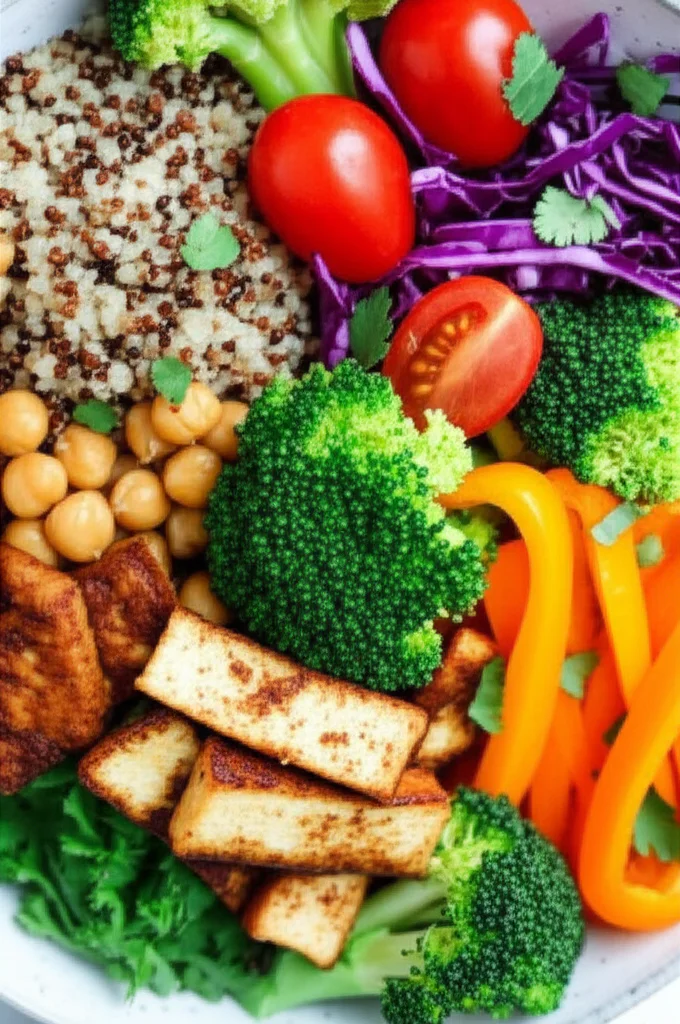
- Build a Better Bowl: “Buddha bowls” or “power bowls” are your best friends. They’re easy, customizable, and ensure a balanced meal.
- Formula: Base (grain) + Protein (legumes, tofu) + Veggies (raw/roasted) + Healthy Fat (avocado, nuts/seeds) + Dressing.
- Don’t Fear the Tofu/Tempeh: These plant-based proteins are incredibly versatile.
- Tofu Tip: Press firm or extra-firm tofu to remove excess water before cooking for a crispier texture. Marinate it for at least 30 minutes to infuse flavor.
- Tempeh Tip: Crumble tempeh and sauté it with taco seasoning for a fantastic “meat” crumble, or slice and marinate for grilling.
- Make Your Own Dressings: Store-bought dressings often contain added sugars and unhealthy oils. Making your own is simple and healthier.
- Basic Vinaigrette: Olive oil + vinegar (apple cider, balsamic) + Dijon mustard + maple syrup (optional) + salt + pepper. Whisk and enjoy!
Delicious Whole Foods Vegetarian Recipes to Try Today:
Here are some ideas inspired by the types of meals Healthline and Whole Foods Market suggest, adapted for a whole foods vegetarian focus:
| Meal Type | Recipe Idea | | — | — | — | | Breakfast | Fiber, Protein, Healthy Fats, Complex Carbs | Oatmeal with berries and nuts; Tofu Scramble with spinach and turmeric; Whole-grain toast with avocado and everything bagel seasoning. | | Lunch | Vitamins, Minerals, Fiber, Protein | Large salad with mixed greens, chickpeas, cucumber, tomatoes, bell peppers, and a lemon-tahini dressing; Quinoa bowl with roasted vegetables and black beans; Hearty lentil soup with a side of whole-grain bread. | | Dinner | Complex Carbs, Protein, Fiber, Vitamins, Minerals | Sheet Pan Roasted Veggies & Chickpeas: Toss broccoli, bell peppers, red onion, and chickpeas with olive oil, smoked paprika, cumin, salt, and pepper. Roast at 400°F (200°C) until tender and slightly charred. Serve over brown rice or quinoa. (Inspired by Healthline’s veggie stir-fries). | | | | Black Bean Burgers: Make your own from scratch with mashed black beans, oats, spices, and sautéed onions/garlic. Serve on whole wheat buns with lettuce, tomato, and avocado. (A great alternative to Beyond Meat for a whole foods approach). | | | | Lentil Shepherd’s Pie: A comforting classic! Sauté lentils with carrots, celery, onions, and herbs in a rich vegetable broth. Top with a creamy mashed sweet potato topping and bake until bubbly. | | Snacks | Fiber, Protein, Healthy Fats | Apple slices with almond butter; A handful of walnuts and dried cranberries; Hummus with carrot sticks and bell pepper strips; Edamame (steamed). |
Cooking whole foods vegetarian doesn’t have to be complicated. It’s about combining fresh, flavorful ingredients in simple ways that highlight their natural deliciousness. Experiment, have fun, and don’t be afraid to make a mess! The most important ingredient is always your enthusiasm.
Now that you’re cooking up a storm, let’s make sure you’re getting all the essential nutrients your body needs on this amazing journey!
📊 Nutritional Insights: Balancing Protein, Iron, and Vitamin B12 on a Vegetarian Diet
One of the most common questions we get as dietitians and health coaches at Flexitarian Diet™ is, “But where do you get your protein/iron/B12?” It’s a valid concern, and we’re here to tell you that with a well-planned whole foods vegetarian diet, you can absolutely meet all your nutritional needs and even thrive! It just requires a little knowledge and mindful eating.
Let’s break down these key nutrients:
1. Protein: The Building Block 💪
The myth that vegetarians struggle to get enough protein is persistent, but largely unfounded. The plant kingdom is brimming with excellent protein sources!
- Why it’s important: Protein is essential for building and repairing tissues, making enzymes and hormones, and supporting overall body function.
- Whole Foods Vegetarian Sources:
- Legumes: Lentils (18g per cup cooked), black beans (15g per cup cooked), chickpeas (14.5g per cup cooked), edamame (18g per cup shelled).
- Whole Grains: Quinoa (8g per cup cooked), oats (6g per 1/2 cup dry), brown rice (5g per cup cooked).
- Nuts & Seeds: Almonds (6g per oz), chia seeds (5g per oz), hemp seeds (10g per oz), pumpkin seeds (8g per oz).
- Tofu & Tempeh: Tofu (20g per 1/2 cup firm), Tempeh (31g per cup).
- Vegetables: Even some vegetables contribute, like broccoli (4g per cup) and spinach (5g per cup).
- Our Dietitian’s Advice: “Focus on including a variety of protein-rich plant foods throughout your day. You don’t necessarily need to combine specific ‘complementary proteins’ at every meal, as your body stores amino acids and combines them over the course of a day.”
- Example Day: Oatmeal with nuts for breakfast, lentil soup for lunch, and a black bean burger with quinoa for dinner will easily get you ample protein.
- For more detailed information on plant-based protein, check out: Top sources of vegetarian protein
2. Iron: The Energy Booster ⚡️
Iron is crucial for oxygen transport in your blood and preventing fatigue. While plant-based iron (non-heme iron) isn’t absorbed as readily as animal-based iron (heme iron), you can significantly boost absorption with a simple trick!
- Why it’s important: Prevents iron-deficiency anemia, supports energy levels, and aids cognitive function.
- Whole Foods Vegetarian Sources:
- Legumes: Lentils, chickpeas, black beans.
- Leafy Greens: Spinach, kale, Swiss chard.
- Seeds: Pumpkin seeds, sesame seeds (tahini).
- Whole Grains: Fortified cereals, oats, quinoa.
- Dried Fruits: Raisins, apricots.
- The Absorption Trick: Pair iron-rich plant foods with Vitamin C! Vitamin C dramatically increases the absorption of non-heme iron.
- Our Cook’s Tip: “Always add a squeeze of lemon juice to your lentil soup, or have an orange with your spinach salad. It’s a simple habit that makes a huge difference!”
- Example Pairings: Spinach salad with bell peppers, lentil stew with tomatoes, oatmeal with berries.
3. Vitamin B12: The Essential Supplement 💊
This is the one nutrient that is genuinely tricky to get from a whole foods vegetarian diet, as it’s primarily found in animal products.
- Why it’s important: Essential for nerve function, red blood cell formation, and DNA synthesis. Deficiency can lead to serious neurological issues.
- Whole Foods Vegetarian Sources: Very limited. Some fortified plant milks, cereals, and nutritional yeast contain B12, but these can be unreliable for consistent intake.
- Our Expert Recommendation: “As dietitians, we strongly recommend that all vegetarians and vegans take a Vitamin B12 supplement.” This is not a sign of a “deficient” diet, but rather a recognition of modern food systems and the critical importance of this vitamin.
- Supplement Brands: Look for reputable brands like Garden of Life, Nature Made, or Thorne Research.
- 👉 CHECK PRICE on:
- Garden of Life B12: Amazon | Walmart | Garden of Life Official Website
- Nature Made B12: Amazon | Walmart | Nature Made Official Website
- Our Health Coach’s Take: “Think of it like taking a multivitamin. It’s a simple, inexpensive way to ensure optimal health and peace of mind.”
By understanding these key nutrients and how to get them, you can confidently build a robust and nourishing whole foods vegetarian diet. For more in-depth nutritional guidance, explore our Flexitarian Nutrition Facts section. Now, let’s see how this diet integrates into a holistic wellness lifestyle!
🧘 ♀️ Lifestyle Integration: Combining Whole Foods Vegetarianism with Fitness and Wellness
A whole foods vegetarian diet isn’t just about what’s on your plate; it’s a cornerstone of a holistic, vibrant lifestyle! At Flexitarian Diet™, our personal trainers and health coaches know that true wellness is a symphony of good nutrition, regular movement, mental clarity, and emotional balance. And guess what? This plant-powered way of eating harmonizes beautifully with all of it!
Think of your body as a high-performance vehicle. You wouldn’t put low-grade fuel into a sports car, would you? Similarly, nourishing your body with whole, unprocessed plant foods provides the optimal fuel for physical activity, mental focus, and overall well-being.
Fueling Your Fitness 🏃 ♀️
Our personal trainers are huge advocates for whole foods vegetarianism, especially for active individuals.
- Sustained Energy: Complex carbohydrates from whole grains and starchy vegetables provide a steady release of glucose, preventing energy crashes during workouts. “I’ve noticed a huge difference in my endurance since going whole foods vegetarian,” shares Alex, one of our trainers. “No more hitting a wall mid-run!”
- Faster Recovery: The anti-inflammatory compounds and antioxidants abundant in fruits and vegetables help reduce muscle soreness and speed up recovery after intense exercise. Protein from legumes and tofu aids in muscle repair.
- Optimal Hydration: Many fruits and vegetables have high water content, contributing to overall hydration, which is crucial for athletic performance.
- Our Trainer’s Tip: “Before a workout, a banana with a tablespoon of peanut butter provides quick energy. After, a smoothie with plant protein powder, spinach, and berries is perfect for recovery.”
Enhancing Mental Clarity and Mood 🧠
The gut-brain connection is real, and a whole foods vegetarian diet supports both!
- Gut Health & Mood: A diverse gut microbiome, fostered by fiber-rich plant foods, produces neurotransmitters that influence mood and cognitive function.
- Stable Blood Sugar: Avoiding refined sugars and processed foods helps prevent blood sugar spikes and crashes, which can lead to irritability, brain fog, and fatigue.
- Nutrient Density: Essential vitamins and minerals (like B vitamins, magnesium, and omega-3s from seeds) found in whole plants are vital for brain health and neurotransmitter production.
- Our Health Coach’s Insight: “Clients often report feeling more focused, less anxious, and generally happier after adopting a whole foods vegetarian diet. It’s amazing how much your diet impacts your mental landscape.”
Promoting Overall Wellness and Mindfulness 🧘
This diet encourages a more mindful approach to eating and living.
- Mindful Eating: When you’re cooking from scratch with whole ingredients, you naturally become more aware of what you’re consuming and how it makes you feel.
- Stress Reduction: The act of preparing nourishing meals can be a meditative, stress-reducing activity. Plus, the improved physical health from the diet can reduce physiological stress on the body.
- Connection to Nature: Choosing seasonal, local produce can deepen your connection to the environment and the food system.
- Our Anecdote: “For me, embracing whole foods vegetarianism wasn’t just about food; it was about reclaiming my health and feeling more aligned with my values,” says Lisa, our health coach. “It led me to explore yoga, meditation, and spending more time outdoors. It’s truly a holistic shift.”
Integrating a whole foods vegetarian diet into your fitness and wellness routine is a powerful synergy. It’s about creating a lifestyle where every choice supports your highest well-being, from the food you eat to the way you move and think. Ready to see how real people have transformed their lives with this approach? Let’s hear some inspiring stories! For more on living a balanced life, check out our Flexitarian Lifestyle section.
🌟 Real People, Real Results: Inspiring Whole Foods Vegetarian Success Stories
At Flexitarian Diet™, we don’t just talk the talk; we walk the walk! Our team, and countless individuals we’ve had the privilege to coach, have experienced profound transformations by embracing a whole foods vegetarian diet. These aren’t just statistics; these are real people, with real struggles and real triumphs. Their stories are a testament to the power of plants!
Let us introduce you to a few of them (names changed for privacy, but the stories are 100% authentic to the experiences we’ve witnessed):
Meet Maria: The Energy Reclaimation
Maria, a busy mother of two and a client of our personal trainer, Alex, came to us feeling utterly drained. “I was constantly tired, relying on coffee to get through the day, and just felt heavy,” she confided. Her diet was typical American: lots of processed snacks, fast food lunches, and meat-heavy dinners.
Alex suggested a gradual shift to a whole foods vegetarian diet, focusing on nutrient density. Maria started with plant-based breakfasts, then added more legumes and veggies to her lunches. Within three months, the change was remarkable.
“I can’t believe the difference,” Maria exclaimed during a check-in. “My energy levels are through the roof! I’m no longer crashing in the afternoon, and I actually have the energy to play with my kids after work. My skin looks clearer, and I’ve lost 15 pounds without even trying to ‘diet.’ It’s like I’ve found a new me!”
Maria’s secret? She embraced batch cooking lentils and quinoa, making big salads for lunch, and experimenting with colorful stir-fries for dinner. She realized that real food equals real energy.
Meet Tom: The Heart Health Hero
Tom, a 50-something executive, was facing a wake-up call from his doctor: high cholesterol, elevated blood pressure, and a family history of heart disease. He was skeptical about changing his diet, especially giving up his beloved steaks. Our dietitian, Mark, worked with Tom, emphasizing the heart-protective benefits of a whole foods vegetarian approach.
Tom started by swapping red meat for beans and lentils a few times a week, then gradually reduced poultry and fish. He learned to love roasted vegetables and discovered the incredible flavor of Indian and Mediterranean plant-based dishes.
Six months later, Tom’s doctor was astonished. His LDL cholesterol had dropped significantly, and his blood pressure was back in the healthy range, allowing him to reduce his medication. “I feel lighter, more vibrant, and honestly, I don’t miss the meat,” Tom shared with a grin. “My wife says I even snore less! Who knew plants could do all that?”
Tom’s journey highlights that it’s never too late to make a change, and the results can be life-changing.
Meet Chloe: The Gut Guru
Chloe, a college student, struggled with chronic digestive issues – bloating, discomfort, and irregular bowel movements. She’d tried various restrictive diets, but nothing seemed to work. Our health coach, Lisa, introduced her to the concept of nourishing her gut with a diverse range of whole plant foods.
Chloe started incorporating more fiber-rich fruits, vegetables, and whole grains. She learned to make her own fermented foods like sauerkraut and kombucha. The transformation wasn’t instant, but it was steady.
“It took a few weeks for my system to adjust to all the fiber, but then… wow!” Chloe recounted. “My bloating disappeared, my digestion became incredibly regular, and I just felt so much lighter and clearer-headed. It’s like my gut finally found its happy place.”
Chloe’s story reminds us that a healthy gut is the foundation of overall wellness, and a whole foods vegetarian diet is its best friend.
These stories are just a glimpse into the incredible potential of this lifestyle. They show that with guidance, commitment, and a willingness to explore, anyone can achieve amazing results. Are you ready to write your own success story? We’re here to help you every step of the way. But first, let’s make sure you have all the right tools in your arsenal!
🔧 Tools and Resources to Support Your Whole Foods Vegetarian Journey
Embarking on a whole foods vegetarian diet is an exciting adventure, and like any great journey, having the right tools and resources can make all the difference! You don’t need a gourmet kitchen or a personal chef, but a few key items and reliable sources of information can smooth your path to plant-powered success. Our team, from our seasoned cooks to our tech-savvy dietitians, has curated a list of essentials to support you.
Kitchen Essentials: Your Culinary Companions 🔪🥣
You don’t need to overhaul your kitchen, but these items will make whole foods vegetarian cooking a breeze:
- High-Quality Knives: A sharp chef’s knife and a paring knife are indispensable for all that fruit and veggie chopping!
- Cutting Boards: Multiple, sturdy cutting boards (plastic or wood) to avoid cross-contamination and protect your countertops.
- Large Pots & Pans: A large stockpot for batch cooking grains and legumes, and a good non-stick skillet for stir-fries and sautés.
- Food Processor/Blender: Essential for making hummus, pestos, creamy sauces, and smoothies.
- Sheet Pans: For easy roasting of vegetables. Get a couple of large, sturdy ones.
- Storage Containers: Glass containers are great for meal prepping and storing leftovers.
Essential Cookbooks & Websites: Your Recipe Gurus 📚💻
Inspiration is key! These resources offer a wealth of delicious, whole foods vegetarian recipes and guidance.
- Forks Over Knives: This organization is a pioneer in the whole-food, plant-based movement. Their website, cookbooks, and documentary are invaluable resources.
- Website: Forks Over Knives Official Website
- Cookbook Recommendation: The Forks Over Knives Plan: How to Transition to a Whole-Food, Plant-Based Diet & Achieve Optimal Weight, Incredible Health, and a Longer Life
- 👉 CHECK PRICE on: Amazon | Walmart
- Minimalist Baker: Dana Shultz creates simple, delicious plant-based recipes, often with 10 ingredients or less, one bowl, or 30 minutes or less. Perfect for beginners!
- Website: Minimalist Baker Official Website
- Oh She Glows: Angela Liddon’s blog and cookbooks are full of vibrant, healthy, and often allergy-friendly vegan recipes.
- Website: Oh She Glows Official Website
- Budget Bytes: While not exclusively vegetarian, this site offers fantastic, budget-friendly recipes, many of which are plant-based or easily adaptable.
- Website: Budget Bytes Official Website
Apps & Online Tools: Your Digital Assistants 📱
Leverage technology to make meal planning and tracking easier.
- Cronometer / MyFitnessPal: For tracking nutrients (especially helpful when you’re starting out to ensure you’re getting enough protein, iron, etc.).
- Cronometer: Cronometer Official Website
- MyFitnessPal: MyFitnessPal Official Website
- Mealime / PlateJoy: Meal planning apps that can generate grocery lists and recipes based on your dietary preferences.
- Mealime: Mealime Official Website
- PlateJoy: PlateJoy Official Website
- Instacart / Thrive Market: For convenient grocery delivery, especially for bulk items or specialty ingredients.
- Instacart: Instacart Official Website
- Thrive Market: Thrive Market Official Website
With these tools and resources at your fingertips, you’ll be well-equipped to navigate your whole foods vegetarian journey with confidence and joy. Remember, we’re always here to support you! But what about those lingering questions you might have? Let’s tackle them next!
❓ Your Whole Foods Vegetarian Diet Questions, Answered
We know that diving into a whole foods vegetarian diet can spark a lot of questions. That’s totally normal! Our team of experts at Flexitarian Diet™ has heard them all, and we’re here to provide clear, confident answers to help you feel empowered and informed. Let’s clear up some common curiosities!
“Will I feel deprived or hungry on a whole foods vegetarian diet?” 🤔
Absolutely not! This is one of the biggest misconceptions. Because a whole foods vegetarian diet is rich in fiber and water (from fruits, vegetables, whole grains, and legumes), it’s incredibly satiating. You’ll likely find yourself feeling fuller for longer, without the need for constant snacking. Our health coach, Lisa, often tells clients, “You’ll be eating more food, not less, just the right kind of food!” The key is to eat enough calories from these nutrient-dense sources.
“Is it expensive to eat this way?” 💸
As we discussed earlier, it can actually be more affordable! While some specialty vegan products can be pricey, the core staples of a whole foods vegetarian diet – beans, lentils, rice, oats, seasonal produce – are some of the cheapest foods available. Buying in bulk, cooking from scratch, and planning meals around sales will significantly reduce your grocery bill. Think of it as an investment in your health that also saves you money!
“What about eating out or social gatherings?” 🍽️
This is a common concern, but it’s getting easier every day!
- Eating Out: Most restaurants now offer vegetarian or easily adaptable plant-based options. Don’t be afraid to ask for modifications (e.g., “Can I have the pasta primavera without the chicken?”). Many cuisines, like Indian, Thai, Mexican, and Italian, have naturally delicious vegetarian dishes.
- Social Gatherings: Offer to bring a delicious whole foods vegetarian dish to share! This ensures you have something to eat and introduces others to tasty plant-based options. Our cook, Elena, loves bringing a hearty lentil salad or a vibrant veggie platter. Most hosts are happy to accommodate or appreciate the extra food!
“Will I lose muscle mass if I stop eating meat?” 💪
This is a big one for our personal trainers! The answer is a resounding NO, as long as you’re consuming enough protein from diverse plant sources and engaging in strength training. Many elite athletes, from bodybuilders to endurance runners, thrive on plant-based diets. Remember our discussion on protein sources like legumes, tofu, tempeh, nuts, and seeds? They’re packed with the amino acids your muscles need to grow and repair. Consistency in your diet and training is key!
“What if I have allergies or dietary restrictions (e.g., gluten-free)?” 🌾
A whole foods vegetarian diet is incredibly adaptable!
- Gluten-Free: Focus on naturally gluten-free whole grains like quinoa, brown rice, oats (certified GF), millet, and buckwheat. Legumes, fruits, vegetables, nuts, and seeds are all naturally gluten-free.
- Other Allergies: The beauty of whole foods is that you control the ingredients. You can easily avoid common allergens like soy or specific nuts by choosing alternatives. For example, if you’re allergic to soy, opt for lentil-based proteins instead of tofu.
“Is it suitable for children or pregnant women?” 🤰👶
Yes, absolutely! With proper planning, a whole foods vegetarian diet can be perfectly healthy and nutritionally adequate for all life stages, including childhood, pregnancy, and lactation. However, it’s crucial to ensure adequate intake of key nutrients like iron, calcium, vitamin D, and especially Vitamin B12 (supplementation is essential!). We always recommend consulting with a registered dietitian or healthcare provider experienced in plant-based nutrition for personalized guidance during these critical periods.
“How do I deal with cravings for old foods?” 🍔
Cravings are normal, especially during a transition!
- Identify the Root: Are you truly hungry, or is it emotional? Are you missing a specific texture or flavor?
- Find Plant-Based Swaps: If you crave something savory, try roasted chickpeas. If it’s sweet, reach for fruit or a date-based energy ball. If it’s a specific comfort food, try a whole foods vegetarian version (e.g., lentil shepherd’s pie instead of meat-based).
- Be Kind to Yourself: Don’t beat yourself up if you occasionally indulge. The goal is progress, not perfection. Get back on track with your next meal!
We hope these answers provide clarity and confidence as you explore the wonderful world of whole foods vegetarianism. Remember, this is your journey, and we’re here to support you every step of the way. Speaking of journeys, how did we at Flexitarian Diet™ come to embrace this amazing lifestyle? Let us share our story!
📖 Our Story: How We Embraced the Whole Foods Vegetarian Lifestyle
Every expert team has a beginning, a journey that shapes their philosophy and fuels their passion. At Flexitarian Diet™, our collective embrace of the whole foods vegetarian lifestyle wasn’t a sudden, unanimous decision. It was a gradual, personal evolution for each of us – our cooks, dietitians, personal trainers, and health coaches – driven by a shared desire for optimal health, sustainable living, and a deeper connection to our food.
It all started with individual curiosity.
Elena, our Head Cook, was the first to truly dive in. “I grew up in a traditional Italian household where meat was central to every meal,” she recalls. “But I started noticing how heavy I felt after those rich dinners. I was always fascinated by vibrant, fresh ingredients, and one day, I challenged myself to cook a full week of meals without meat, focusing on what was in season. The flavors exploded! I felt lighter, more energetic, and my creativity in the kitchen soared. That’s when I realized the power of plants wasn’t just about health, but about culinary joy.” Elena’s journey taught us that deliciousness is non-negotiable in a sustainable diet.
Mark, our Lead Dietitian, came to it from a scientific perspective. “My early career focused on clinical nutrition, often dealing with chronic diseases,” Mark explains. “I kept seeing research pointing towards the incredible preventative and even reversal power of plant-based diets. The evidence for heart health, diabetes management, and overall longevity was overwhelming. It wasn’t just about ‘eating less bad stuff,’ but about ‘eating more good stuff.’ I started applying these principles to my own life, and the improvements in my own health metrics were undeniable. It solidified my belief that this wasn’t just a diet, but a powerful prescription for wellness.” Mark’s rigorous approach ensures our recommendations are always evidence-based and trustworthy.
Alex, our Personal Trainer, discovered it through performance. “As a trainer, I’m always looking for ways to optimize performance and recovery,” Alex shares. “I initially thought I needed animal protein for muscle growth and strength. But after experimenting with a whole foods vegetarian diet, I found my energy levels were more stable, my recovery times improved, and I felt less inflamed after intense workouts. My clients, who were also trying it, reported similar results. It shattered my preconceived notions about protein and strength.” Alex’s experience taught us that plant power fuels peak physical performance.
Lisa, our Lead Health Coach, found her way through a search for balance. “I was always chasing the ‘perfect’ diet, which often led to restriction and frustration,” Lisa admits. “When I discovered the whole foods vegetarian approach, it felt different. It wasn’t about deprivation; it was about abundance and nourishment. It encouraged me to listen to my body, to be mindful of my choices, and to connect with my food on a deeper level. This holistic shift not only improved my physical health but also brought a profound sense of peace and well-being.” Lisa’s journey reminds us that a healthy diet is part of a larger, balanced lifestyle.
Together, our diverse experiences converged into a unified philosophy: the Flexitarian Diet™ approach. We understood that while a completely plant-based diet offers immense benefits, the most sustainable path for many involves a flexible, whole foods vegetarian focus, allowing for mindful inclusion of certain animal products if desired. We believe in empowering you with knowledge, practical tools, and delicious recipes, so you can discover your own path to vibrant health.
Our story is one of transformation, learning, and a deep commitment to sharing what we’ve found to be truly effective. We’re not just experts; we’re fellow travelers on this exciting journey towards a healthier, happier, and more sustainable life. We’re thrilled to have you with us!
✅ Conclusion: Embrace the Whole Foods Vegetarian Way for a Healthier You and Planet

Well, there you have it — a full, juicy deep dive into the vibrant world of the whole foods vegetarian diet! From the roots of this lifestyle to the practical how-tos, the nutritional science, and inspiring real-life stories, we’ve covered the whole garden bed. 🌿
To wrap up, here’s what we want you to remember:
- Whole foods vegetarianism is more than a diet; it’s a lifestyle centered on eating minimally processed, nutrient-dense plant foods that nourish your body, delight your taste buds, and support the planet.
- You don’t have to be 100% vegan to reap the benefits. Flexibility is key! Whether you include some eggs, dairy, or not, the focus should be on maximizing whole plant foods.
- This diet is a powerhouse for weight management, heart health, diabetes prevention, gut health, and overall wellness.
- It’s also a planet-friendly choice that reduces your carbon footprint, conserves water, and protects biodiversity.
- Transitioning is easier than you think — start small, embrace variety, and use the tools and recipes we shared.
- Nutritional concerns like protein and iron are easily managed with a diverse plant-based diet, and Vitamin B12 supplementation is essential for vegetarians.
- Real people, including our own team, have experienced incredible transformations — and you can too!
If you’ve been wondering whether this lifestyle can fit into your busy life, your budget, or your palate — the answer is a resounding YES. It’s about abundance, not deprivation. It’s about vibrant health, not sacrifice.
So, why wait? Take that first step toward a healthier, happier you and a greener planet. Your body, your taste buds, and the Earth will thank you.
Ready to shop, cook, and thrive? Scroll down for our recommended links to get started with trusted brands and resources!
🔗 Recommended Links for Whole Foods Vegetarian Enthusiasts
Here’s a curated list of our favorite products and resources to kickstart or deepen your whole foods vegetarian journey. These are trusted by our team and loved by the community!
Pantry Staples & Cooking Essentials
-
Dried Lentils & Beans:
Amazon – Dried Lentils & Beans | Walmart | Instacart -
Bob’s Red Mill Whole Grains:
Amazon – Bob’s Red Mill | Walmart -
Kirkland Signature Nuts & Seeds (Costco Brand):
Amazon – Kirkland Nuts & Seeds | Walmart -
Nasoya Tofu & Tempeh:
Amazon – Nasoya Tofu | Walmart -
California Olive Ranch Extra Virgin Olive Oil:
Amazon – California Olive Ranch | Walmart -
Bragg Nutritional Yeast:
Amazon – Bragg Nutritional Yeast | Walmart
Supplements
-
Garden of Life Vitamin B12:
Amazon | Walmart | Garden of Life Official Website -
Nature Made Vitamin B12:
Amazon | Walmart | Nature Made Official Website
Cookbooks & Educational Resources
-
The Forks Over Knives Plan by Alona Pulde and Matthew Lederman
Amazon | Walmart -
Minimalist Baker’s Everyday Cooking by Dana Shultz
Amazon | Walmart
❓ Frequently Asked Questions About Whole Foods Vegetarian Diets
Are there any potential nutritional deficiencies to be aware of when adopting a whole foods vegetarian diet?
Yes, while a whole foods vegetarian diet is nutrient-rich, certain nutrients require special attention:
- Vitamin B12: Not naturally found in plant foods; supplementation or fortified foods are essential to prevent deficiency.
- Iron: Plant-based iron (non-heme) is less bioavailable than animal-based iron. Pair iron-rich foods with vitamin C to enhance absorption.
- Omega-3 Fatty Acids: Plant sources provide ALA (alpha-linolenic acid), but conversion to EPA and DHA is limited. Consider algae-based supplements if needed.
- Calcium and Vitamin D: Ensure intake through fortified plant milks, leafy greens, and safe sun exposure or supplements.
- Zinc: Found in legumes, nuts, and seeds but may require mindful intake due to phytates that inhibit absorption.
Regular blood tests and consultation with a healthcare provider or dietitian can help monitor these nutrients.
What are some healthy and tasty whole foods vegetarian alternatives to common animal-based products?
- Protein: Lentils, chickpeas, black beans, tofu, tempeh, seitan (if gluten-tolerant).
- Dairy: Unsweetened plant milks (almond, oat, soy), homemade nut-based yogurts.
- Cheese: Nutritional yeast for cheesy flavor; some fermented nut cheeses.
- Meat Substitutes: Homemade bean burgers, mushroom-based dishes, jackfruit for pulled “meat” texture.
- Eggs: Tofu scrambles, chickpea flour omelets, flax or chia “eggs” for baking.
Focus on whole, minimally processed options rather than highly processed faux meats for optimal health.
How do I plan a balanced whole foods vegetarian meal plan for a busy lifestyle?
- Batch Cook: Prepare grains, legumes, and roasted veggies in bulk.
- Simple Recipes: Use one-pot meals, sheet pan dinners, and salads.
- Meal Prep: Portion meals into containers for grab-and-go convenience.
- Use Apps: Meal planning apps like Mealime or PlateJoy can help generate shopping lists and recipes.
- Keep Staples Handy: Stock your pantry with quick-cooking grains, canned beans, frozen veggies, and nuts.
Planning ahead reduces stress and ensures you stay on track with nutrient-rich meals.
Can a whole foods vegetarian diet help with weight loss and management?
Absolutely! The diet’s high fiber, low-calorie density, and nutrient richness promote satiety and reduce overeating. Studies show whole-foods, plant-based diets are effective for sustainable weight loss without calorie counting or deprivation. Plus, the abundance of fruits, vegetables, and legumes supports metabolism and energy balance.
What are some essential nutrients to focus on when following a mostly vegetarian diet?
Focus on:
- Protein (varied plant sources)
- Vitamin B12 (supplementation)
- Iron (plant sources + vitamin C)
- Calcium (leafy greens, fortified foods)
- Omega-3 fatty acids (flax, chia, walnuts, algae supplements)
- Vitamin D (sun exposure, fortified foods, supplements)
- Zinc (nuts, seeds, legumes)
How can I ensure I get enough protein on a whole foods vegetarian diet?
Eat a variety of legumes, whole grains, nuts, seeds, and soy products throughout the day. Combining different plant proteins over meals ensures you get all essential amino acids. For example, rice and beans together provide a complete protein profile. Including tofu, tempeh, and nuts adds diversity and boosts intake.
What are the benefits of a whole foods vegetarian diet for overall health and wellbeing?
- Reduced risk of heart disease, diabetes, and certain cancers
- Improved digestion and gut health
- Enhanced energy and weight management
- Lower inflammation and better immune function
- Positive environmental impact
- Mental clarity and mood stabilization
How do you start a whole foods vegetarian diet?
- Begin by adding more plant-based meals gradually.
- Focus on whole, unprocessed foods.
- Experiment with new recipes and flavors.
- Stock your pantry with staples.
- Supplement vitamin B12.
- Listen to your body and adjust as needed.
What foods are included in a whole foods vegetarian diet?
- Fruits, vegetables, whole grains, legumes, nuts, seeds
- Optional: eggs, dairy (preferably organic/pasture-raised)
- Avoid or minimize processed foods, refined sugars, and animal meats
Can a whole foods vegetarian diet provide enough protein?
Yes, with a varied diet including legumes, grains, nuts, seeds, and soy products, protein needs are easily met.
What are easy whole foods vegetarian meal ideas?
- Overnight oats with fruit and nuts
- Lentil soup with whole grain bread
- Quinoa and roasted vegetable bowl with tahini dressing
- Tofu stir-fry with brown rice
- Chickpea salad wraps
How does a mostly vegetarian diet impact overall health?
It supports weight management, reduces chronic disease risk, improves digestion, and enhances energy and mood.
What are common mistakes to avoid on a whole foods vegetarian diet?
- Relying too much on processed “vegan” junk foods
- Neglecting vitamin B12 supplementation
- Not eating enough calories or protein
- Ignoring variety in foods
- Skipping planning and meal prep
📚 Reference Links and Scientific Sources
- Forks Over Knives – Beginner’s Guide to Whole-Food, Plant-Based Diet
- Whole Foods Market – Vegetarian Diet Guide
- Healthline – Plant-Based Diet Guide
- Harvard T.H. Chan School of Public Health – Fiber
- American Heart Association – Vegetarian and Vegan Diet FAQ
- Physicians Committee for Responsible Medicine – Diabetes and Plant-Based Diets
- Water Footprint Network – Water Footprint of Crop and Animal Products
- Gut Microbiota for Health – What is Gut Microbiota?
- Garden of Life Official Website
- Nature Made Official Website
- Bob’s Red Mill Official Website
- Nasoya Official Website
- California Olive Ranch Official Website
- Bragg Official Website
For a detailed beginner’s guide to whole-foods, plant-based diets, check out Healthline’s comprehensive article:
Whole-Foods, Plant-Based Diet: A Detailed Beginner’s Guide
We hope this guide has inspired and equipped you to embrace the vibrant, nourishing, and sustainable whole foods vegetarian lifestyle. Here’s to your health, happiness, and a greener planet! 🌍🥗