Support our educational content for free when you buy through links on our site. Learn more
20 Essential Healthy Eating Habits to Transform Your Life 🍽️ (2026)

Did you know that nearly 90% of adults struggle to maintain consistent healthy eating habits? It’s no surprise—between confusing nutrition advice and the lure of fast food, making smart food choices can feel like navigating a minefield. But what if we told you that building lasting, enjoyable healthy eating habits is not only possible but also delicious and flexible?
In this comprehensive guide, we’ll unravel the science and practical wisdom behind healthy eating habits that truly stick. From mastering the art of mindful eating and decoding food labels to embracing the flexitarian lifestyle and boosting your gut health, we cover 20 actionable steps to help you eat better without sacrificing flavor or sanity. Plus, we’ll share insider tips from our team of flexitarian cooks, dietitians, and trainers that you won’t find anywhere else. Ready to revolutionize your plate and your health? Let’s dive in!
Key Takeaways
- Healthy eating is a lifestyle, not a restrictive diet: Focus on adding nutrient-dense whole foods rather than cutting out favorites.
- Balance your plate: Embrace a flexitarian approach with plenty of plants, moderate protein, and healthy fats.
- Mindful habits matter: From hydration and sleep to meal prep and mindful eating, small changes add up.
- Understand your body: Personalize your nutrition based on your unique needs and listen to hunger and fullness cues.
- Sustainability counts: Eating more plants and reducing food waste benefits both your health and the planet.
Ready to take control of your health with habits that last? Keep reading for detailed, expert-backed strategies that make healthy eating simple and enjoyable.
Table of Contents
- ⚡️ Quick Tips and Facts
- 🕰️ The Evolution of Healthy Eating: A Historical Perspective
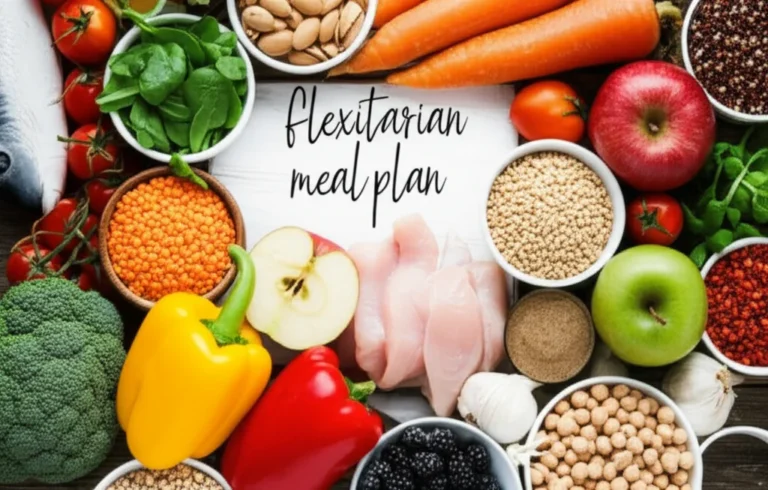
- 🌱 Understanding the Flexitarian Philosophy: Our Approach to Nourishment
- 🍎 The Power of Whole Foods: Building Your Plate from Scratch
- 💪 Mastering Macronutrients: Protein, Carbs, and Healthy Fats for Optimal Energy
- ✨ Micronutrient Magic: Vitamins, Minerals, and Their Vital Roles
- 🍽️ Practical Habits for Daily Life: Your Blueprint for Better Health
- 1. Fueling Your Day: The Art of a Balanced Breakfast 🍳
- 2. Hydration Heroics: Why Water is Your Best Friend 💧
- 3. Embracing the Rainbow: Maximizing Your Fruit and Vegetable Intake 🌈
- 4. The Fiber Factor: Boosting Gut Health and Satiety
- 5. Smart Snacking: Keeping Cravings at Bay
- 6. Protein Power: Building Blocks for Muscle and Satiety
- 7. Healthy Fats: Friend, Not Foe! 🥑
- 8. Mindful Eating: Savoring Every Bite and Listening to Your Body
- 9. Portion Perfection: Understanding What Your Body Truly Needs
- 10. Cooking at Home: Your Kitchen, Your Control 🧑 🍳
- 11. Decoding Food Labels: Becoming a Savvy Shopper 🛒
- 12. Strategic Meal Planning & Prep: Saving Time and Sanity
- 13. Reducing Added Sugars: Sweetening Life Naturally 🍯
- 14. Taming the Salt Shaker: Flavor Without the Sodium Overload
- 15. Navigating Dining Out: Making Healthy Choices Away From Home 🍽️
- 16. The Gut-Brain Connection: Probiotics, Prebiotics, and Digestive Wellness
- 17. Sustainable Eating: Good for You, Good for the Planet 🌍
- 18. Emotional Eating: Understanding Triggers and Building Coping Strategies
- 19. The Role of Supplements: When Are They Necessary?
- 20. Sleep and Stress: Unsung Heroes of Healthy Habits 😴
- 🤸 ♀️ Beyond the Plate: Lifestyle Integration for Holistic Wellness
- ✅ Conclusion: Your Journey to Lasting Healthy Habits
- 🔗 Recommended Links: Our Favorite Tools and Resources
- ❓ FAQ: Your Burning Questions Answered
- 📚 Reference Links: Scientific Backing for Our Advice
Here at Flexitarian Diet™, we’re a team of cooks, dietitians, trainers, and health coaches who live and breathe this stuff. We’ve seen it all: the fad diets, the confusing advice, the “miracle” foods. And we’re here to cut through the noise. We believe that building healthy eating habits isn’t about restriction, deprivation, or a joyless existence of steamed broccoli. It’s about abundance, flavor, and feeling your absolute best.
Ready to transform your relationship with food? Let’s dive in!
⚡️ Quick Tips and Facts
No time to read the whole thing? (Though you totally should!) Here’s the cheat sheet. We’ve distilled decades of collective experience and science into these bite-sized nuggets of wisdom.
| Habit / Fact | The Flexitarian Diet™ Lowdown – | | Add, Don’t Subtract | Instead of saying “I can’t have chips,” think “I’ll add a side of crunchy bell peppers.” Focus on crowding out less healthy options with delicious, nutrient-dense ones. ✅ – | | Hydration is Key | Your body is about 60% water. Dehydration can masquerade as hunger. Aim for 6-8 glasses a day. 💧 – | | The 80/20 Rule | Aim for nutrient-dense foods 80% of the time. The other 20%? Enjoy that piece of cake or slice of pizza without guilt. It’s about consistency, not perfection. This is a core tenet of our Flexitarian Lifestyle. 🍰 – | | Sleep is a Nutrient | Poor sleep can wreck your hunger hormones (ghrelin and leptin), making you crave junk food. Prioritize 7-9 hours of quality sleep per night. 😴 – | | Fiber is Your Friend | The average American only gets about 15 grams of fiber per day, far short of the recommended 25-38 grams. Fiber aids digestion, keeps you full, and stabilizes blood sugar. Think beans, lentils, berries, and whole grains. – | | Mindful Munching | Put down your phone. Turn off the TV. Chew slowly and savor your food. It can take up to 20 minutes for your brain to get the “I’m full” signal. You’ll eat less and enjoy it more. 🧘 ♀️ – |
🕰️ The Evolution of Healthy Eating: A Historical Perspective
Remember the 90s? When “fat-free” was king and we were all chugging SnackWell’s cookies, thinking we were the picture of health? Oh, how times have changed! The journey of nutritional science is a fascinating, and sometimes hilarious, rollercoaster.
- The Low-Fat Craze: For decades, fat was public enemy number one. We replaced butter with margarine and ate mountains of pasta, only to realize that many “low-fat” products were loaded with sugar and refined carbs, which wasn’t doing our health any favors. Harvard’s Healthy Eating Plate now explicitly reverses this, stating, “Healthy fats are encouraged, and the low-fat message promoted for decades by USDA is reversed.”
- The Atkins Revolution: Then came the carb-phobia. Suddenly, bread was the villain, and we were all eating bacon and cheese with abandon. While it highlighted the issue with refined carbs, it often went too far in demonizing all carbohydrates, including healthy whole grains and fruits.
- The Rise of Whole Foods: Today, the focus has thankfully shifted. The consensus among credible sources like the CDC and the NHS is on diet quality. It’s less about vilifying a single nutrient and more about embracing a pattern of eating rich in whole, unprocessed foods. This is where we, as flexitarians, feel right at home.
This evolution shows us that healthy eating isn’t a static set of rules. It’s a dynamic field of science. Our goal is to stay on top of the latest, most credible research and translate it into practical, delicious advice for you.
🌱 Understanding the Flexitarian Philosophy: Our Approach to Nourishment
So, what exactly does it mean to be a flexitarian? Let’s clear something up: it’s not a strict, scary diet. It’s a lifestyle. The name says it all: flexible + vegetarian.
At its core, being a flexitarian means you eat a mostly plant-based diet, but you still enjoy meat, poultry, or fish occasionally. There are no rigid rules, no calorie counting, and no “forbidden” foods. It’s about adding more plant-based foods to your diet, not taking things away. Think of it as being a “vegetarian in training.”
Here’s why we love this approach and teach it in our Flexitarian Basics program:
- Inclusivity: It meets you where you are. Love burgers? Great! Have one this weekend. The rest of the week, maybe try a black bean burger.
- Sustainability: It’s easier to stick with long-term because it doesn’t feel restrictive. This isn’t a 30-day challenge; it’s a way of life.
- Health Benefits: The Benefits of Flexitarian Diet are well-documented, from lower rates of heart disease and type 2 diabetes to better weight management.
- Environmental Impact: Reducing meat consumption is one of the most significant ways an individual can lower their carbon footprint. 🌍
Our philosophy is simple: Eat more plants. Eat less meat. Eat more whole foods. Eat less processed junk. That’s it. No drama, just delicious, nourishing food.
🍎 The Power of Whole Foods: Building Your Plate from Scratch
“Whole foods.” You hear the term everywhere, but what does it actually mean? Simply put, whole foods are foods that are as close to their natural state as possible. They haven’t been heavily processed, refined, or loaded with additives.
Think of an apple versus apple juice. A baked potato versus a potato chip. Brown rice versus white bread.
| Whole Foods ✅ | Ultra-Processed Foods ❌ |
|---|---|
| Fruits and vegetables (fresh or frozen) | Sugary breakfast cereals, soda, candy |
| Whole grains (oats, quinoa, brown rice) | Packaged cookies, cakes, and pastries |
| Legumes (beans, lentils, chickpeas) | Processed meats (bacon, sausage, deli meats) |
| Nuts and seeds | Instant noodles, frozen dinners with long ingredient lists |
| Lean proteins (fish, poultry, tofu, eggs) | Sugary yogurts, cheese-flavored crackers |
Why the obsession with whole foods? Because that’s where the good stuff is! The fiber, vitamins, minerals, and antioxidants are all packed into the food in its original form. Processing often strips these nutrients away and adds in things we don’t need, like excess sugar, sodium, and unhealthy fats. Our dietitian, Sarah, always says, “Shop the perimeter of the grocery store.” That’s where you’ll find the fresh produce, lean proteins, and dairy—the foundation of a healthy diet.
💪 Mastering Macronutrients: Protein, Carbs, and Healthy Fats for Optimal Energy
Macronutrients—or “macros”—are the three main nutrient groups your body needs for energy: protein, carbohydrates, and fats. Getting the balance right is crucial for everything from building muscle to maintaining focus. Let’s break them down.
Carbohydrates: Your Brain’s Favorite Fuel 🧠
Carbs have gotten a bad rap, but they are your body’s primary energy source. The key is choosing the right kind.
- Complex Carbs (The Good Guys): These are your whole grains, legumes, and starchy vegetables. As the NHS advises, you should “Base your meals on higher fibre starchy carbohydrates.” They break down slowly, providing a steady stream of energy. Think of them as long-burning logs for your internal fire.
- Simple Carbs (Use Sparingly): These are found in sugary drinks, white bread, and sweets. They cause a rapid spike and crash in blood sugar, leaving you feeling tired and cranky.
As highlighted in the featured video on brain health, your brain is a glucose-guzzling machine. The frontal lobes, responsible for decision-making and focus, are highly sensitive to glucose levels. Opting for slow-release carbs like oats provides a “steadier level of attentiveness” compared to the rollercoaster ride of high-glycemic foods.
Protein: The Body’s Building Blocks 🏗️
Protein is essential for repairing tissues, building muscle, and creating enzymes and hormones. It also helps keep you feeling full and satisfied.
- Plant-Based Powerhouses: Lentils, beans, tofu, tempeh, edamame, quinoa, and nuts are fantastic sources. Our chef, Marco, makes a killer lentil bolognese that even die-hard meat-eaters devour. You can find similar ideas in our Flexitarian Recipes.
- Lean Animal Proteins: If you eat meat, opt for fish, poultry, and eggs. Harvard’s Healthy Eating Plate recommends filling ¼ of your plate with healthy protein, limiting red meat and avoiding processed meats.
Healthy Fats: Essential for Health (Yes, Really!) 🥑
Fat is not the enemy! In fact, certain fats are vital for brain health, hormone production, and absorbing vitamins. The video we mentioned earlier notes that fats like Omega-3s are crucial for maintaining brain cell membranes.
- Unsaturated Fats (The Heroes): Found in avocados, olive oil, nuts, and seeds. These are heart-healthy and anti-inflammatory.
- Saturated Fats (The frenemies): Found in red meat, butter, and full-fat dairy. The NHS recommends limiting these. It’s not about eliminating them, but being mindful of your intake.
- Trans Fats (The Villains): Found in partially hydrogenated oils (think fried foods and many commercial baked goods). Avoid these as much as possible. ❌
✨ Micronutrient Magic: Vitamins, Minerals, and Their Vital Roles
If macros are the fuel, micronutrients are the spark plugs. You need them in smaller amounts, but they are absolutely critical for your body to function correctly. They’re the unsung heroes of energy production, immune function, and brain health.
The easiest way to ensure you’re getting a wide array? Eat the rainbow. 🌈
This isn’t just a cute saying; different colors in fruits and vegetables signify the presence of different phytonutrients and antioxidants.
- Reds (Lycopene): Tomatoes, watermelon, red peppers. Great for heart health.
- Orange/Yellow (Carotenoids): Carrots, sweet potatoes, oranges. Essential for vision and immune function.
- Greens (Lutein, Folate): Spinach, kale, broccoli. Crucial for cell health and development.
- Blue/Purple (Anthocyanins): Blueberries, eggplant, cabbage. Powerful antioxidants that protect your brain.
- White (Allicin): Garlic, onions, cauliflower. Known for their immune-boosting properties.
The CDC recommends trying a new vegetable each week to increase variety. This is a fantastic way to expand your palate and your micronutrient intake. As the brain health video points out, antioxidants from these foods help “strengthen the brain to fight off free radicals that destroy brain cells,” while B vitamins and minerals are vital for preventing cognitive decline.
🍽️ Practical Habits for Daily Life: Your Blueprint for Better Health
Okay, enough theory. Let’s get practical. How do you actually build these habits into your busy life? Here are 20 actionable steps from our team.
1. Fueling Your Day: The Art of a Balanced Breakfast 🍳
The NHS is clear on this: “Do not skip breakfast.” Starting your day with a balanced meal sets the tone for your blood sugar, energy levels, and food choices later on. A good breakfast should contain protein, fiber, and healthy fats.
- ❌ Bad: A sugary cereal or a plain bagel. This will lead to a mid-morning crash.
- ✅ Good: Oatmeal with berries and nuts, a veggie omelet with whole-wheat toast, or a smoothie with spinach, protein powder, and almond butter.
- Our Trainer’s Tip: Alex, our personal trainer, tells his clients to think of breakfast as “breaking the fast.” Your body has been repairing itself all night and needs quality fuel to start the day strong.
2. Hydration Heroics: Why Water is Your Best Friend 💧
This is the easiest, cheapest, and most overlooked health hack. Every single cell in your body needs water. Proper hydration boosts energy, improves skin, aids digestion, and can even prevent headaches.
- How much? The NHS recommends 6-8 glasses a day, but your needs may vary based on activity level and climate.
- Make it easy: Get a reusable water bottle you love. We’re big fans of the Hydro Flask or YETI bottles because they keep water cold for hours, which makes it so much more appealing.
- Flavor it up: If you find plain water boring, add lemon, cucumber, mint, or a handful of berries.
3. Embracing the Rainbow: Maximizing Your Fruit and Vegetable Intake 🌈
Both the NHS and Harvard’s Healthy Eating Plate emphasize making fruits and veggies a cornerstone of your diet. Harvard goes so far as to say half your plate should be vegetables and fruits.
- Aim for 5-a-day (at least!): The NHS says “Getting your 5 a day is easier than it sounds.” A portion is roughly a handful.
- Sneak them in: Add spinach to your smoothie, shredded carrots to your pasta sauce, or extra peppers and onions to your stir-fry.
- Fresh, Frozen, or Canned? They all count! Frozen veggies are picked at peak ripeness and are often just as nutritious (and cheaper) than fresh. For canned, look for options with no added salt or sugar.
4. The Fiber Factor: Boosting Gut Health and Satiety
Fiber is the indigestible part of plants, and it’s a superstar for your digestive system. It feeds your good gut bacteria, keeps you regular, and helps you feel full, which is a huge asset for weight management.
- Great Sources: Beans, lentils, chickpeas, apples, berries, broccoli, oats, and chia seeds.
- Pro Tip: When increasing fiber, do it gradually and drink plenty of water to avoid digestive discomfort.
- Easy Swap: Switch from white bread and pasta to whole-wheat versions. Brands like Dave’s Killer Bread and Banza Chickpea Pasta are fantastic, high-fiber options.
5. Smart Snacking: Keeping Cravings at Bay
Snacking isn’t bad—it’s mindless snacking that gets us into trouble. A well-timed, balanced snack can prevent you from getting ravenous and overeating at your next meal.
- The Formula: Pair a protein or healthy fat with a fiber-rich carb.
- Examples: An apple with peanut butter, Greek yogurt with berries, a handful of almonds with a pear, or hummus with carrot sticks.
- Our Health Coach’s Advice: Jenna, our health coach, advises clients to pre-portion snacks into small bags or containers. When the 3 PM slump hits, you can grab a healthy option instead of heading to the vending machine.
6. Protein Power: Building Blocks for Muscle and Satiety
We’ve covered the importance of protein, but how do you ensure you’re getting enough, especially on a flexitarian diet?
- Spread it out: Aim to include a source of protein with every meal and snack. This helps with muscle protein synthesis and keeps you full throughout the day.
- Plant-Based Stars: Don’t underestimate plants! One cup of cooked lentils has about 18 grams of protein.
- Quality Matters: For animal sources, the NHS recommends aiming for two portions of fish per week, including one oily fish like salmon, which is rich in omega-3s.
7. Healthy Fats: Friend, Not Foe! 🥑
Let’s shout it from the rooftops: EATING FAT DOES NOT MAKE YOU FAT! Healthy fats are essential.
- Where to find them: Avocados, nuts (walnuts, almonds), seeds (chia, flax, hemp), and olive oil.
- Cooking Tip: Use extra virgin olive oil for dressings and low-heat cooking. For high-heat cooking like searing or roasting, avocado oil is a great choice due to its high smoke point. We love the quality of brands like California Olive Ranch and Chosen Foods Avocado Oil.
8. Mindful Eating: Savoring Every Bite and Listening to Your Body
In our fast-paced world, we often eat while distracted—in the car, at our desks, in front of the TV. Mindful eating is the practice of paying full attention to the experience of eating and drinking, both inside and outside the body.
- How to practice:
- Sit down at a table. No screens.
- Take a few deep breaths before you start.
- Engage your senses: Look at the colors, smell the aromas, notice the textures.
- Chew thoroughly.
- Check in with your hunger: Are you satisfied? Are you full? Stop when you’re comfortably full, not stuffed.
This simple practice can radically change your relationship with food and help you recognize your body’s true hunger and fullness cues.
9. Portion Perfection: Understanding What Your Body Truly Needs
Restaurant portions have exploded over the last few decades, skewing our perception of what a normal serving size is. You don’t need to carry measuring cups everywhere, but using simple visual cues can help.
- Your Hand as a Guide:
- Protein: A palm-sized portion (e.g., a chicken breast, piece of fish).
- Carbohydrates: A cupped hand (e.g., rice, pasta).
- Vegetables: Two open hands—pile them on!
- Fats: A thumb-sized portion (e.g., oil, butter, nut butter).
- Plate Strategy: Use smaller plates. A study from Cornell University found that people served themselves less food when using smaller plates. It’s a simple psychological trick that works!
10. Cooking at Home: Your Kitchen, Your Control 🧑 🍳
When you cook at home, you are the master of your ingredients. You control the amount of salt, sugar, and oil that goes into your food. Restaurant meals, even “healthy” sounding ones, are often loaded with hidden sodium and fats to make them hyper-palatable.
- Start Simple: You don’t need to be a gourmet chef. Master a few simple, delicious meals. Think sheet-pan dinners, simple stir-fries, or big salads.
- Essential Tools: A good chef’s knife, a large cutting board, and a quality non-stick pan (we like brands like Calphalon or All-Clad) can make cooking much more enjoyable.
11. Decoding Food Labels: Becoming a Savvy Shopper 🛒
Food labels can be confusing, but learning to read them is like gaining a superpower.
- Focus on the Ingredient List: This is often more important than the nutrition facts panel. The ingredients are listed by weight. If sugar is one of the first few ingredients, it’s a red flag. A shorter ingredient list with recognizable words is usually a good sign.
- Beware of Health Halos: Words like “natural,” “gluten-free,” or “organic” don’t automatically mean healthy. Organic cookies are still cookies.
- Serving Size: Pay close attention to the serving size. That small bag of chips might be listed as two or three servings!
12. Strategic Meal Planning & Prep: Saving Time and Sanity
“Fail to plan, plan to fail.” This is especially true with healthy eating. When you’re tired and hungry after a long day, willpower is low. Having a plan and prepped ingredients is a game-changer.
- Plan Your Week: On Sunday, jot down a few meal ideas for the week.
- Prep Components: You don’t have to cook full meals. Just prepping ingredients can save a ton of time.
- Wash and chop veggies.
- Cook a big batch of quinoa or brown rice.
- Roast a tray of sweet potatoes.
- Make a jar of salad dressing.
- Invest in good containers: Glass containers like Pyrex are great because you can store, reheat, and eat from the same dish.
13. Reducing Added Sugars: Sweetening Life Naturally 🍯
The NHS warns that free sugars (added sugars) are a major source of empty calories and contribute to health problems. They’re hiding everywhere—in sauces, dressings, yogurts, and even bread.
- Read Labels: Look for “added sugars” on the nutrition panel.
- Sweeten Naturally: Use fruit to sweeten things. Add mashed banana to oatmeal or dates to a smoothie.
- Rethink Your Drink: Sugary drinks are one of the biggest culprits. Swap soda for sparkling water with a squeeze of lime.
14. Taming the Salt Shaker: Flavor Without the Sodium Overload
The NHS recommends no more than 6g of salt per day for adults, but most people consume far more. The majority comes from processed foods, not the salt shaker on your table.
- Flavor Boosters: Use herbs, spices, garlic, onions, citrus juice, and vinegar to add flavor to your food without adding sodium.
- Rinse Canned Goods: Rinsing canned beans and vegetables can reduce their sodium content by up to 40%.
- Taste First: Get in the habit of tasting your food before you automatically reach for the salt.
15. Navigating Dining Out: Making Healthy Choices Away From Home 🍽️
You can absolutely maintain your healthy habits while enjoying a social life!
- Scan the Menu Ahead of Time: Most restaurants have their menus online. Decide what you’ll order before you go, so you’re not swayed by impulse.
- Don’t Be Afraid to Customize: Ask for dressings and sauces on the side. Request steamed or grilled instead of fried. Swap fries for a side salad or steamed veggies.
- The “One Indulgence” Rule: Decide what’s most important to you. Do you want the bread basket, a cocktail, or dessert? Pick one and savor it, making healthier choices for the rest of the meal.
16. The Gut-Brain Connection: Probiotics, Prebiotics, and Digestive Wellness
Your gut is like a second brain. A healthy gut microbiome is linked to better mood, a stronger immune system, and overall health.
- Probiotics (Good Bacteria): Found in fermented foods like yogurt (look for “live and active cultures”), kefir, kimchi, sauerkraut, and kombucha.
- Prebiotics (Food for Good Bacteria): These are types of fiber found in foods like garlic, onions, bananas, asparagus, and whole grains.
- Our Dietitian’s Take: Sarah recommends incorporating a variety of these foods rather than relying solely on a supplement, as whole foods provide a broader range of benefits.
17. Sustainable Eating: Good for You, Good for the Planet 🌍
The choices we make about food have a huge impact on the environment. The good news? The diet that’s best for your health is often also best for the planet.
- Eat More Plants: As we’ve mentioned, reducing meat consumption is a powerful way to lower your environmental footprint.
- Reduce Food Waste: Plan your meals, use your leftovers, and compost scraps.
- Eat Seasonally and Locally: Foods that are in season and grown locally require less energy for transportation and storage.
18. Emotional Eating: Understanding Triggers and Building Coping Strategies
We’ve all been there—reaching for ice cream after a stressful day. Emotional eating is using food to soothe or suppress feelings.
- Identify Your Triggers: Are you bored, stressed, lonely, or tired? Keep a journal for a week and note how you’re feeling when you reach for food when you’re not physically hungry.
- Build a Coping Toolbox: Find non-food ways to deal with your emotions.
- Stressed? Go for a walk, listen to music, or call a friend.
- Tired? Take a 20-minute nap or go to bed earlier.
- Bored? Pick up a book, work on a hobby, or tackle a small organizing project.
19. The Role of Supplements: When Are They Necessary?
Our philosophy is food first. A well-balanced diet should provide most of the nutrients you need. However, supplements can be useful in certain situations.
- Vitamin D: Many people are deficient, especially in winter months.
- Vitamin B12: Essential for those following a strict vegan diet, as it’s primarily found in animal products.
- Omega-3s: If you don’t eat oily fish regularly, an algae-based omega-3 supplement can be beneficial.
- Important: Always talk to your doctor or a registered dietitian before starting any new supplement. They can recommend appropriate types and dosages based on your individual needs.
20. Sleep and Stress: Unsung Heroes of Healthy Habits 😴
You can have the most perfect diet in the world, but if you’re chronically stressed and sleep-deprived, you won’t see the results you want.
- Sleep: As we mentioned in our quick tips, lack of sleep messes with your hunger hormones. It makes you crave high-calorie, low-nutrient foods. Prioritize a consistent sleep schedule.
- Stress: Chronic stress elevates cortisol, a hormone that can increase appetite and promote fat storage, particularly around the belly. Find healthy stress-management techniques that work for you, like meditation, yoga, exercise, or spending time in nature.
🤸 ♀️ Beyond the Plate: Lifestyle Integration for Holistic Wellness
Healthy eating doesn’t happen in a vacuum. It’s intertwined with every other aspect of your life. To make these habits stick, you need to look at the bigger picture.
Movement Matters: Integrating Physical Activity with Your Diet 🏃 ♀️
Food is fuel, and exercise is how you use that fuel to build a strong, resilient body. As the NHS states, “The key to a healthy diet is to eat the right amount of calories for how active you are so you balance the energy you consume with the energy you use.”
- Find What You Love: You don’t have to spend hours at the gym. Walking, dancing, hiking, cycling, swimming—it all counts!
- Synergy: Exercise can improve your mood and sleep, which in turn makes it easier to make healthy food choices. A healthy diet provides the energy to power your workouts. They work together in a beautiful, positive feedback loop.
Building a Supportive Environment: Friends, Family, and Your Food Journey
Your environment can either support or sabotage your efforts.
- Stock Your Kitchen for Success: If your pantry is full of junk food, you’ll eat junk food. Fill it with healthy, delicious options.
- Get Your Loved Ones on Board: Share your goals with your family and friends. Ask for their support. Maybe you can try cooking a new healthy recipe together once a week.
- Find Your Tribe: Connect with like-minded people. Following inspiring food bloggers, joining a healthy cooking class, or participating in online communities can provide motivation and new ideas.
Overcoming Obstacles: Common Challenges and How to Conquer Them
The path to healthy habits is rarely a straight line. You will face challenges. The key is to anticipate them and have a plan.
| Challenge | Our Team’s Solution – | | “I don’t have time to cook.” | Meal Prep is your savior! Even 1-2 hours on a Sunday can set you up for success. Also, embrace simple meals. A rotisserie chicken (or baked tofu), a bag of pre-washed salad, and a microwavable pouch of quinoa is a healthy, balanced meal that takes 5 minutes to assemble. – | | “Healthy food is too expensive.” | Focus on budget-friendly staples. Dried beans, lentils, oats, brown rice, and seasonal or frozen produce are incredibly affordable and nutritious. Eating less meat will also significantly cut down your grocery bill. – | | “I have uncontrollable cravings.” | Don’t ignore them, investigate them! Are you truly hungry, or are you tired/stressed? If you are hungry, make sure your meals are balanced with enough protein, fiber, and fat to keep you full. If it’s an emotional craving, use your coping toolbox. And remember the 80/20 rule—sometimes, just having the cookie is the best solution! – |
Personalizing Your Plate: Tailoring Habits to Your Unique Needs
There is no one-size-fits-all diet. Your perfect plate depends on your age, gender, activity level, genetics, and personal preferences. The beauty of the flexitarian approach is its adaptability.
- Listen to Your Body: Pay attention to how different foods make you feel. Do you feel energized after eating oatmeal for breakfast, or sluggish?
- Experiment: Don’t be afraid to try new foods and recipes. You might discover you love roasted Brussels sprouts or that lentil soup is your new favorite comfort food.
- Consult a Professional: If you have specific health concerns, dietary restrictions, or performance goals, working with a registered dietitian or a certified health coach can provide personalized guidance to help you thrive.
The ultimate goal is to build a set of habits that feel effortless and enjoyable, creating a healthy lifestyle that you can sustain for years to come. What’s one small change you can make today to start your journey?
✅ Conclusion: Your Journey to Lasting Healthy Habits

So, what have we uncovered on this flavorful journey through healthy eating habits? From understanding the evolution of nutrition science to embracing the flexitarian philosophy, and from mastering macronutrients to practical day-to-day habits, you now have a comprehensive blueprint to nourish your body and soul.
Remember, this isn’t about perfection or deprivation. It’s about adding more whole, plant-based foods, savoring your meals mindfully, and making choices that support your unique lifestyle. Whether it’s starting your day with a balanced breakfast, hydrating like a pro with your favorite reusable bottle, or sneaking in an extra serving of veggies, every small step counts.
And if you ever wondered how to balance enjoyment with health, the 80/20 rule is your best friend: 80% nutrient-dense, whole foods; 20% joyful indulgence. This approach keeps you sane, satisfied, and sustainable.
The Flexitarian Diet™ team is here cheering you on. Your plate is your canvas—paint it with vibrant colors, bold flavors, and nourishing ingredients. The best time to start? Right now.
🔗 Recommended Links: Our Favorite Tools and Resources
Ready to stock your kitchen and upgrade your habits? Here are some of our top picks to get you started:
- Hydro Flask Water Bottles: Amazon | Hydro Flask Official Website
- YETI Rambler Bottles: Amazon | YETI Official Website
- Dave’s Killer Bread (Whole Grain Bread): Amazon | Dave’s Killer Bread Official
- Banza Chickpea Pasta: Amazon | Banza Official Website
- California Olive Ranch Extra Virgin Olive Oil: Amazon | California Olive Ranch
- Chosen Foods Avocado Oil: Amazon | Chosen Foods Official
- Pyrex Glass Food Storage Containers: Amazon | Pyrex Official Website
Books to Deepen Your Knowledge:
- “How Not to Die” by Dr. Michael Greger — A science-backed guide to nutrition and longevity. Amazon
- “The Flexitarian Diet” by Dawn Jackson Blatner — Perfect for those wanting to embrace a mostly plant-based lifestyle. Amazon
- “The Blue Zones Kitchen” by Dan Buettner — Recipes and habits from the world’s longest-lived people. Amazon
❓ FAQ: Your Burning Questions Answered

What are some simple and healthy meal prep ideas for a busy vegetarian lifestyle?
Meal prep doesn’t have to be complicated! Focus on batch cooking staples like grains (brown rice, quinoa), legumes (lentils, chickpeas), and roasted vegetables. For example, roast a big tray of mixed veggies and cook a pot of lentils on Sunday. Use these components to assemble quick meals throughout the week—think grain bowls, wraps, or hearty salads. Pre-portion snacks like nuts and cut veggies to grab on the go. Tools like slow cookers or Instant Pots can be lifesavers for hands-off cooking.
Can a whole foods diet help with weight loss and management?
Absolutely! Whole foods are typically lower in calories but higher in fiber and nutrients, which helps you feel full longer and reduces overeating. Unlike processed foods, they don’t cause rapid blood sugar spikes that trigger cravings. Studies consistently show diets rich in whole foods support sustainable weight loss and improve metabolic health. Plus, the nutrient density supports energy and mood, making it easier to maintain an active lifestyle.
What are the benefits of eating seasonally and locally sourced produce?
Eating seasonally and locally means your food is fresher, tastier, and often more nutritious because it’s harvested at peak ripeness. It also reduces the environmental impact by cutting down on transportation and storage emissions. Seasonal eating encourages variety, which helps you get a broader spectrum of nutrients. Plus, it supports local farmers and economies, creating a positive community impact.
How do I know if I’m getting enough protein on a mostly vegetarian diet?
Track your intake by including protein at every meal. Plant-based sources like lentils, beans, tofu, tempeh, quinoa, nuts, and seeds are rich in protein. For example, one cup of cooked lentils provides about 18 grams of protein. If you occasionally eat animal products, include fish, eggs, or dairy. If you want to be precise, apps like MyFitnessPal or Cronometer can help track your protein intake. Aim for about 0.8 grams per kilogram of body weight as a baseline, adjusting for activity level.
What are some healthy vegetarian breakfast ideas to start my day?
Start with a balance of protein, fiber, and healthy fats:
- Overnight oats with chia seeds, almond butter, and fresh berries.
- Veggie-packed omelet with spinach, tomatoes, and mushrooms.
- Smoothie with spinach, banana, plant-based protein powder, and flaxseed.
- Whole-grain toast topped with avocado and a poached egg.
- Greek yogurt with nuts, seeds, and a drizzle of honey.
How can I incorporate more plant-based meals into my daily routine?
Start small by designating a few days a week as “meatless.” Experiment with plant-based proteins like lentils, chickpeas, and tofu. Swap out one meal at a time—try a veggie stir-fry instead of chicken, or a bean chili instead of beef. Use flavorful herbs, spices, and sauces to keep meals exciting. Our Flexitarian Recipes are a great place to find inspiration.
What are the best whole foods to eat for a balanced diet?
A balanced diet includes:
- Vegetables and fruits: Diverse colors and types.
- Whole grains: Brown rice, quinoa, oats, barley.
- Legumes: Beans, lentils, chickpeas.
- Nuts and seeds: Almonds, walnuts, chia, flax.
- Lean proteins: Fish, poultry, eggs, tofu.
- Healthy fats: Olive oil, avocado, nuts.
What are the benefits of a mostly vegetarian diet for overall health?
Mostly vegetarian diets are linked to lower risks of heart disease, type 2 diabetes, certain cancers, and obesity. They tend to be higher in fiber, antioxidants, and anti-inflammatory compounds. They also support a healthy gut microbiome and promote better weight management. Plus, they’re better for the environment—a win-win!
How can I incorporate more whole foods into my daily meals?
Shop the perimeter of the grocery store where fresh produce, dairy, and meats live. Choose whole grains over refined ones. Cook from scratch when possible to avoid processed ingredients. Add a handful of nuts or seeds to salads and yogurt. Snack on fresh fruit instead of packaged snacks.
What are some easy healthy eating habits for beginners?
- Drink water before meals.
- Add one extra serving of vegetables to your plate.
- Swap white bread for whole grain.
- Cook one new recipe each week.
- Eat mindfully, without distractions.
- Plan your meals ahead.
- Limit sugary drinks.
How does eating whole foods improve digestion and energy levels?
Whole foods are rich in fiber, which supports healthy digestion by feeding beneficial gut bacteria and promoting regularity. They provide steady energy release, avoiding blood sugar spikes and crashes common with processed foods. This leads to sustained focus and vitality throughout the day.
What are the best plant-based protein sources for a healthy diet?
- Lentils
- Chickpeas
- Black beans
- Tofu and tempeh
- Quinoa
- Edamame
- Nuts and seeds (almonds, chia, hemp)
How can I transition to a mostly vegetarian lifestyle without feeling deprived?
Focus on adding delicious plant-based meals rather than restricting. Explore new cuisines like Mediterranean, Indian, or Middle Eastern that naturally emphasize plants. Keep your favorite animal-based foods as occasional treats. Experiment with meat substitutes like Beyond Meat or Impossible Foods if you want. Remember, flexibility is key.
What are simple meal prep ideas for maintaining healthy eating habits?
- Cook a big batch of grains and beans.
- Roast a variety of vegetables.
- Pre-chop salad ingredients.
- Portion out snacks.
- Make overnight oats or chia pudding for grab-and-go breakfasts.
- Prepare homemade dressings and sauces.
📚 Reference Links: Scientific Backing for Our Advice
- Harvard T.H. Chan School of Public Health – Healthy Eating Plate
- NHS – Eight Tips for Healthy Eating
- CDC – Healthy Eating
- USDA MyPlate
- National Institutes of Health – Fiber
- UCSF Health – Increasing Fiber Intake
- American Heart Association – Healthy Fats
- National Sleep Foundation – Sleep and Diet
- Hydro Flask Official Website
- YETI Official Website
- Dave’s Killer Bread Official
- Banza Official Website
- California Olive Ranch
- Chosen Foods Official
- Pyrex Official Website
If you’re ready to take the next step, remember: healthy eating is a journey, not a destination. And we’re here to walk it with you, every delicious step of the way!