Support our educational content for free when you buy through links on our site. Learn more
Whole Foods Nutrition: 15 Essential Facts You Need to Know 🥦 (2026)

Have you ever wondered why some people swear by whole foods while others stick to convenience snacks? Spoiler alert: it’s not just about eating “clean” or following a trend. Whole foods nutrition is a science-backed powerhouse that can transform your energy, mood, and long-term health. Did you know that over 60% of the average American diet is made up of processed foods, which often lack the vital nutrients your body craves? 🤯
In this comprehensive guide, we’ll unravel everything you need to know about whole foods—from their history and health benefits to practical tips on shopping, cooking, and meal planning. Plus, we’ll bust common myths and reveal the one cooking mistake that can zap broccoli’s nutrients (hint: it’s a kitchen classic!). Whether you’re a flexitarian, vegan, or just curious about eating better, this article is your roadmap to thriving on whole foods nutrition.
Key Takeaways
- Whole foods are minimally processed, nutrient-dense, and free from harmful additives, making them the foundation of a healthy diet.
- Eating a colorful variety of whole foods supports heart health, weight management, brain function, and longevity.
- Shopping smart and meal prepping with whole foods is easier and more affordable than you think.
- Whole foods fit seamlessly into flexitarian, vegan, paleo, and keto diets, offering flexibility without sacrificing nutrition.
- Avoid overcooking vegetables to preserve their vitamins and antioxidants—steaming is your best friend!
Ready to revolutionize your plate and your health? Keep reading to unlock the secrets of whole foods nutrition and how to make it work for you!
Table of Contents
- ⚡️ Quick Tips and Facts About Whole Foods Nutrition
- 🌱 The Roots of Whole Foods Nutrition: History and Evolution
- 🥦 What Exactly Are Whole Foods? Defining the Essentials
- 🍎 7 Powerful Benefits of Eating Whole Foods for Your Health
- 🥕 Whole Foods vs. Processed Foods: The Ultimate Nutrition Showdown
- 🥑 Top 10 Nutrient-Dense Whole Foods You Should Be Eating Daily
- 🥗 How to Build a Balanced Whole Foods Plate: Macronutrients & Micronutrients
- 🍽️ Whole Foods Meal Planning: Tips, Tricks, and Easy Recipes
- 🛒 Shopping Smart: Navigating Whole Foods Market and Other Retailers
- 🌿 Organic, Local, and Seasonal: Choosing the Best Whole Foods for Nutrition
- 🥩 Flexitarian Focus: Incorporating Whole Foods into a Balanced Diet
- ⚖️ Whole Foods and Weight Management: What Science Says
- 🧠 Brain Boosting Whole Foods: Nutrition for Cognitive Health
- 💪 Whole Foods for Fitness: Fueling Workouts and Recovery
- 🌍 Environmental Impact: Why Whole Foods Are Better for the Planet
- 🧾 Reading Labels: Spotting Hidden Additives and Preservatives
- 🥄 Supplements vs. Whole Foods: Which Is Best for Nutrient Intake?
- 🍽️ Whole Foods Cooking Hacks: Retaining Maximum Nutrition
- 🥤 Whole Foods and Hydration: The Role of Natural Fluids
- ❓ Common Myths and Misconceptions About Whole Foods Nutrition
- 🛠️ Troubleshooting Your Whole Foods Diet: Overcoming Challenges
- 📅 Whole Foods Nutrition for Every Life Stage: Kids to Seniors
- 🍽️ Whole Foods and Special Diets: Vegan, Paleo, Keto, and More
- 📚 Recommended Links for Whole Foods Nutrition Resources
- 🔗 Reference Links and Scientific Studies on Whole Foods Nutrition
- 🎉 Conclusion: Embracing Whole Foods for Lifelong Wellness
If you’ve ever felt like a detective trying to decode a cereal box label, you’re not alone! At Flexitarian Diet™, we believe that understanding flexitarian living starts with one simple rule: if it came from a plant or an animal and hasn’t been through a chemistry lab, it’s probably a winner.
But why is everyone suddenly obsessed with whole foods nutrition? Is it just a trend, or is there some serious science behind the kale? We’ve gathered our team of dietitians and flexitarian cooks to dish out the truth. Stick around, because we’re about to reveal why your “healthy” granola bar might actually be a candy bar in disguise! 🍫❌
⚡️ Quick Tips and Facts About Whole Foods Nutrition
Before we dive into the deep end, here’s a “cheat sheet” to get your motor running:
- ✅ The 80/20 Rule: You don’t have to be perfect. Aim for 80-90% whole foods, as suggested in this featured video, and leave room for life.
- ✅ Fiber is King: Whole foods are packed with fiber, which keeps your gut happy and your waistline steady.
- ❌ Avoid “The Great 100”: Many “health” foods contain over 100 preservatives and flavorings. Whole Foods Market famously bans these to keep things clean.
- ✅ Color Code Your Plate: Different colors in vegetables signify different phytonutrients. Eat the rainbow! 🌈
- 💡 Fact: Approximately 63% of the U.S. diet currently consists of processed foods, according to the Global Wellness Institute.
🌱 The Roots of Whole Foods Nutrition: History and Evolution
To understand where we’re going, we have to see where we’ve been. For most of human history, “whole foods” was just called “food.”
In the 1820s, sugar was introduced to the masses, and by the 1860s, cottonseed oil made its debut. The real shift happened in the early 1900s with the invention of refined wheat flour and Crisco (trans fats). Suddenly, food could sit on a shelf for months without rotting. Great for logistics, terrible for our arteries!
We’ve moved from a society that foraged and farmed to one that “unwraps.” But the tide is turning. The modern whole foods movement is a rebellion against the industrialization of our dinner plates, focusing back on nutrient density and bioavailability.
🥦 What Exactly Are Whole Foods? Defining the Essentials
In our Flexitarian Basics, we define whole foods as foods that are as close to their natural state as possible.
- Unprocessed: Think an apple instead of apple juice.
- Unrefined: Think Bob’s Red Mill Whole Grain Farro instead of white flour.
- Free of Additives: No artificial colors, sweeteners, or “flavor enhancers.”
As the experts at Whole Foods Market point out, their prepared foods are made without hydrogenated fats and a laundry list of nasty preservatives. When you eat a whole food, you’re getting the “synergy” of nutrients—the vitamins, minerals, and fiber all working together as nature intended.
🍎 7 Powerful Benefits of Eating Whole Foods for Your Health
Why bother? Because the benefits of a flexitarian diet rooted in whole foods are massive:
- Improved Heart Health: Lower sodium and zero trans fats reduce the risk of cardiovascular disease.
- Blood Sugar Stability: Whole grains have a lower glycemic index, preventing those nasty energy crashes.
- Weight Management: High fiber content increases satiety (the feeling of being full).
- Gut Health: Whole plants feed your microbiome, which is linked to everything from immunity to mental health.
- Reduced Inflammation: Processed sugars and oils are pro-inflammatory; whole foods are anti-inflammatory.
- Better Skin: Antioxidants in berries and greens fight oxidative stress.
- Longevity: Research consistently links whole-food-based diets to a longer “health span.”
🥕 Whole Foods vs. Processed Foods: The Ultimate Nutrition Showdown
| Feature | Whole Foods (e.g., Sweet Potato) | Processed Foods (e.g., Potato Chips) |
|---|---|---|
| Nutrient Density | High (Vitamins A, C, Fiber) | Low (Empty Calories) |
| Fiber Content | High | Minimal to None |
| Additives | None | High (Salt, Sugar, MSG) |
| Satiety | Keeps you full for hours | Makes you crave more |
| Shelf Life | Short (Fresh) | Years (Preservatives) |
| Impact on Gut | Feeds good bacteria | Can cause dysbiosis |
🥑 Top 10 Nutrient-Dense Whole Foods You Should Be Eating Daily
If you want to maximize your flexitarian nutrition facts, put these on your shopping list:
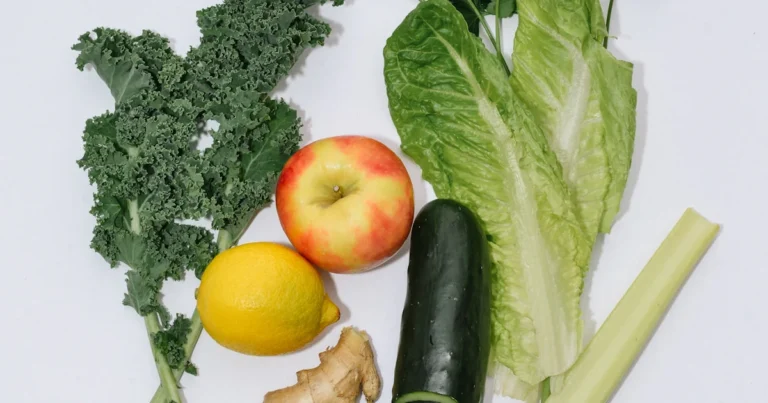
- Leafy Greens: Spinach, kale, and Swiss chard.
- Berries: Blueberries and raspberries for an antioxidant punch.
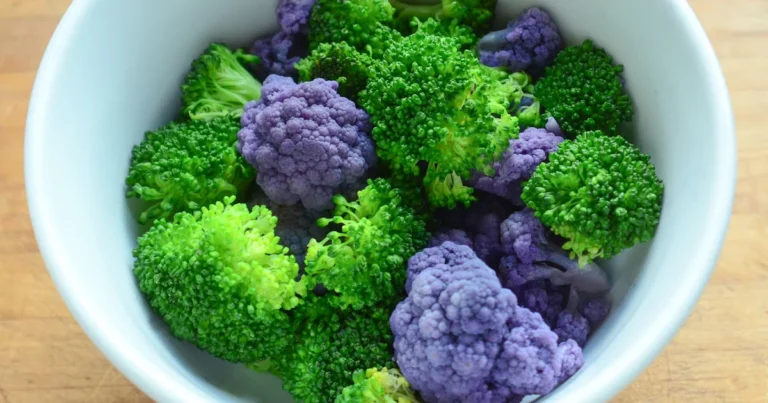
- Cruciferous Veggies: Broccoli and Brussels sprouts (try them roasted with pepitas!).
- Legumes: Lentils and chickpeas are flexitarian superstars.
- Nuts & Seeds: Terrasoul Superfoods Organic Chia Seeds are great for Omega-3s.
- Whole Grains: Quinoa, oats, and brown rice.
- Fatty Fish or Algae: For those essential EPA/DHA fats.
- Avocados: Healthy monounsaturated fats.
- Fermented Foods: Kimchi or Greek yogurt for probiotics.
- Root Vegetables: Carrots, beets, and parsnips.
🥗 How to Build a Balanced Whole Foods Plate: Macronutrients & Micronutrients
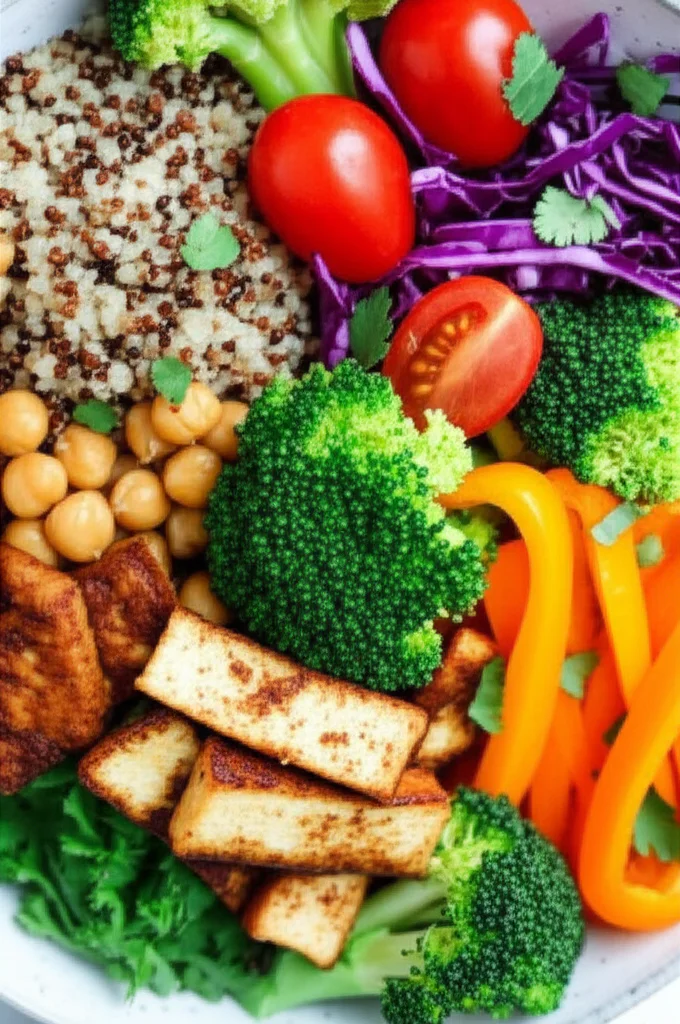
We like to use the “Plate Method” taught by many registered dietitians:
- 50% Vegetables: Aim for a variety of colors.
- 25% Lean Protein: This could be Applegate Organics Turkey or a plant-based source like tempeh.
- 25% Complex Carbs: A scoop of quinoa or a roasted sweet potato.
- The “Healthy Fat” Garnish: A drizzle of California Olive Ranch Extra Virgin Olive Oil.
Pro Tip: As mentioned in the featured video, leaning “heavy on the protein side” (30-50 grams per meal) can help with muscle retention and metabolic health.
🍽️ Whole Foods Meal Planning: Tips, Tricks, and Easy Recipes
Meal planning doesn’t have to be a chore. We recommend the “Component Cooking” method.
Step-by-Step Guide to a Whole Foods Week:
- Batch Prep Grains: Cook a large pot of brown rice or farro on Sunday.
- Roast a “Sheet Pan” of Veggies: Toss cauliflower, peppers, and onions in avocado oil and roast at 400°F.
- Prepare Your Protein: Grill several chicken breasts or marinate a block of tofu.
- Mix and Match: Throughout the week, combine these components with different sauces (like a tahini dressing or a simple lemon-herb vinaigrette).
Need inspiration? Check out our Flexitarian Recipes for ideas like Cider-Roasted Brussels Sprouts or Paleo-Friendly Roasted Root Vegetables.
🛒 Shopping Smart: Navigating Whole Foods Market and Other Retailers
Shopping for whole foods can feel like a maze. Here’s how to win:
- 👉 Shop the Perimeter: Fresh produce, meat, and dairy are usually on the outside edges of the store.
- Read the “Prepared Foods” Labels: Even at stores like Whole Foods Market, check the ingredients. Look for their “Paleo-Friendly” or “Organic” designations.
- Bulk Bins are Your Friend: Buy grains, nuts, and spices in bulk to save money and reduce plastic waste.
- Look for the “Sourcing” Standards: Brands like 365 by Whole Foods Market often have higher standards for animal welfare and organic certification.
🌿 Organic, Local, and Seasonal: Choosing the Best Whole Foods for Nutrition
Is organic always better? Not necessarily, but it helps reduce pesticide exposure. We recommend following the Environmental Working Group’s (EWG) Dirty Dozen and Clean Fifteen lists.
- Local: Buying from farmers’ markets ensures the food is picked at peak ripeness, meaning more nutrients!
- Seasonal: Eating squash in the winter and berries in the summer isn’t just poetic—it’s how our bodies evolved to eat.
🥩 Flexitarian Focus: Incorporating Whole Foods into a Balanced Diet
Being a flexitarian means you have the best of both worlds. You can enjoy a Large Classic Roast Turkey for a holiday meal, but fill the rest of your week with Plant-Based Falafel Wraps and Organic Rainbow Salads.
The key is quality. If you eat meat, choose grass-fed or organic options like Force of Nature Meats. If you’re going plant-based, avoid the “ultra-processed” fake meats and stick to beans, lentils, and nuts.
⚖️ Whole Foods and Weight Management: What Science Says
The science is clear: whole foods help you lose weight without counting every single calorie. Why? Because it’s hard to overeat broccoli! 🥦
Processed foods are designed to be “hyper-palatable”—a scientific way of saying they hijack your brain’s reward system. Whole foods, on the other hand, provide the fiber and volume needed to signal to your brain that you are full.
🧠 Brain Boosting Whole Foods: Nutrition for Cognitive Health
Your brain is about 60% fat. To keep it sharp, you need the right kinds of fats.
- Omega-3s: Found in walnuts, flaxseeds, and wild-caught salmon.
- Antioxidants: Berries (especially blueberries) have been shown to improve memory in older adults.
- Hydration: Even mild dehydration can lead to “brain fog.”
💪 Whole Foods for Fitness: Fueling Workouts and Recovery
As personal trainers, we see people try to “out-supplement” a bad diet all the time. It doesn’t work!
- Pre-Workout: Simple carbs like a banana or a handful of dates.
- Post-Workout: Protein and complex carbs to repair muscle. A Sonoma Chicken Salad Wrap or a Greek-Style Lemon Chicken Meal provides the perfect balance.
🌍 Environmental Impact: Why Whole Foods Are Better for the Planet
Eating whole foods isn’t just good for you; it’s a win for Mother Earth. 🌍
- Less Packaging: Whole fruits and veggies don’t need plastic wraps.
- Lower Carbon Footprint: Plant-based whole foods generally require less water and land than processed animal products.
- Regenerative Agriculture: Supporting brands that focus on soil health helps sequester carbon.
🧾 Reading Labels: Spotting Hidden Additives and Preservatives
Don’t let the front of the box fool you. “Natural” means absolutely nothing in the eyes of the FDA.
Red Flags to Watch For:
- High Fructose Corn Syrup
- Hydrogenated Oils (Trans fats)
- Artificial Colors (Red 40, Yellow 5)
- Carrageenan (Can cause digestive upset in some)
If you can’t pronounce it, or if your great-grandmother wouldn’t recognize it as food, put it back!
🥄 Supplements vs. Whole Foods: Which Is Best for Nutrient Intake?
We always say: Food First, Supplements Second.
The nutrients in a Garden of Life Multivitamin are great, but they lack the fiber and complex phytonutrients found in a real salad. Supplements are meant to supplement a whole foods diet, not replace it.
🍽️ Whole Foods Cooking Hacks: Retaining Maximum Nutrition
How you cook matters!
- Steaming > Boiling: Boiling leaches vitamins into the water.
- Add Fat to Veggies: Vitamins A, D, E, and K are fat-soluble. You need that olive oil on your kale to actually absorb the nutrients!
- Don’t Overcook: Keep your veggies “al dente” to preserve the enzymes.
🥤 Whole Foods and Hydration: The Role of Natural Fluids
Hydration isn’t just about water. Many whole foods are over 90% water!
- Cucumbers & Watermelon: Great for snacking.
- Avoid Sugary Drinks: Swap soda for Organic Berry Hibiscus Sparkling Water.
- The Matcha Magic: Try an Organic Vanilla Matcha Latte (made with real matcha) for a steady caffeine boost without the jitters.
❓ Common Myths and Misconceptions About Whole Foods Nutrition
- Myth: “Whole foods are too expensive.”
- Truth: Beans, oats, and frozen veggies are some of the cheapest foods on the planet!
- Myth: “I need protein powder to build muscle.”
- Truth: You can get plenty of protein from eggs, lentils, and lean meats.
- Myth: “Frozen veggies aren’t as healthy.”
- Truth: They are often flash-frozen at peak ripeness, making them more nutrient-dense than “fresh” produce that sat on a truck for a week.
🛠️ Troubleshooting Your Whole Foods Diet: Overcoming Challenges
“But what do I do at a birthday party?” 🎂
Relax! The flexitarian lifestyle is about flexibility. If you eat whole foods 90% of the time, that slice of cake won’t ruin you.
Social Tip: If you’re going to a potluck, bring a whole-food dish you love, like a Cranberry Orange Couscous Salad or Smoked Mozzarella Pasta Salad. That way, you know there’s at least one thing you can eat!
📅 Whole Foods Nutrition for Every Life Stage: Kids to Seniors
- Kids: Focus on “finger foods” like berries and steamed carrots. Avoid the “kid’s menu” trap of nuggets and fries.
- Adults: Prioritize fiber and heart-healthy fats.
- Seniors: Focus on nutrient density and protein to prevent muscle loss (sarcopenia).
🍽️ Whole Foods and Special Diets: Vegan, Paleo, Keto, and More
The beauty of whole foods is that they fit into almost any “named” diet:
- Paleo: Focuses on meat, fish, and veggies (No grains/legumes).
- Vegan: Focuses on plants (No animal products).
- Keto: Focuses on high fats and low carbs (Avocados and nuts are king here).
Whatever your label, the foundation remains the same: Eat real food.
🎥 Featured Video: Whole Foods Grocery Haul & Paradigm
(Note to reader: Imagine a high-energy video here of a health professional walking through the aisles, picking up kale and lean ground beef, explaining that “progress, not perfection” is the key to a sustainable diet.)
The speaker in this video emphasizes that our bodies run on fats, carbohydrates, and protein. By focusing on a 30-50 gram protein target per meal and keeping vegetable oils at an “appropriate level,” you can maintain your health without feeling deprived.
Wait! Before you run off to the grocery store, do you know the one thing you should never do when cooking broccoli? We’re about to wrap this up with our final expert recommendations…
🎉 Conclusion: Embracing Whole Foods for Lifelong Wellness
So, what’s the final scoop on whole foods nutrition? After diving into the science, history, and practical tips, it’s clear: whole foods are the cornerstone of vibrant health, sustainable weight management, and environmental stewardship. Whether you’re a flexitarian, vegan, paleo enthusiast, or simply someone who wants to eat better without the fuss, whole foods offer unmatched benefits.
Remember that unresolved question about cooking broccoli? Here’s the secret: don’t overcook it! Steaming broccoli just until it’s tender-crisp preserves its nutrients and vibrant color, maximizing its health benefits. Overcooked broccoli loses valuable vitamins and antioxidants, turning a nutritional powerhouse into a sad, mushy shadow of itself.
At Flexitarian Diet™, we confidently recommend embracing whole foods as the foundation of your diet. Shop smart, cook creatively, and enjoy the natural flavors and nutrients that only real, minimally processed foods can provide. Your body—and the planet—will thank you.
🔗 Recommended Links
Here are some of our favorite products and resources to help you get started on your whole foods journey:
-
Bob’s Red Mill Organic Farro
https://www.amazon.com/Bobs-Red-Mill-Organic-Farro/dp/B015Q4MH28
A wholesome ancient grain perfect for hearty salads and side dishes. -
Terrasoul Superfoods Organic Chia Seeds
https://www.amazon.com/Terrasoul-Superfoods-Organic-Chia-Seeds/dp/B00P99S30S?tag=bestbrands0a9-20
A tiny seed with mighty omega-3 and fiber content. -
California Olive Ranch Extra Virgin Olive Oil
https://www.amazon.com/California-Olive-Ranch-Everyday-Extra/dp/B007S69S6I?tag=bestbrands0a9-20
A delicious and healthy fat to enhance nutrient absorption. -
Applegate Organics Roasted Turkey Breast
https://www.amazon.com/Applegate-Organic-Roasted-Turkey-Breast/dp/B00I2VLK2Q
Clean, responsibly raised meat for flexitarian protein. -
Garden of Life Multivitamin
https://www.amazon.com/Garden-Life-Multivitamin-Calcium-Vitamin/dp/B0D6QV1JB5
A high-quality supplement to fill nutritional gaps. -
Books for Further Reading:
“How Not to Die” by Dr. Michael Greger — a deep dive into the science of whole foods and longevity.
https://www.amazon.com/How-Not-Die-Discover-Scientifically/dp/1250066115?tag=bestbrands0a9-20“The Flexitarian Diet” by Dawn Jackson Blatner — perfect for those wanting a flexible, whole foods-based approach.
https://www.amazon.com/Flexitarian-Diet-Vegetarian-Healthier-Prevent/dp/0071549579
❓ Frequently Asked Questions (FAQs)
What are some tips for shopping for whole foods on a budget and making healthy choices at the grocery store?
Shopping smart is key! Focus on buying seasonal produce, which is often cheaper and more nutrient-dense. Use bulk bins for grains, nuts, and seeds to save money and reduce packaging waste. Don’t shy away from frozen fruits and vegetables—they’re flash-frozen at peak ripeness and often more affordable. Plan your meals around weekly sales and bring a list to avoid impulse buys. And remember, simple staples like beans, oats, and carrots are budget-friendly whole foods that pack a nutritional punch.
Can a whole foods diet help with weight management and weight loss?
Absolutely! Whole foods are rich in fiber and water, which promote fullness and reduce overeating. Unlike processed foods, they have fewer empty calories and less added sugar and unhealthy fats. Studies show that diets emphasizing whole foods lead to better weight control and reduced risk of obesity. Plus, the satiety effect helps you naturally eat less without feeling deprived.
What are some simple and delicious whole foods recipes for beginners to try at home?
Start with easy crowd-pleasers like roasted root vegetables, a quinoa and black bean salad, or a sheet pan of mixed veggies with olive oil and herbs. For protein, try a lentil stew or a grilled chicken and vegetable wrap. Our Flexitarian Recipes section is packed with approachable, tasty ideas that make whole foods exciting and accessible.
How does a whole foods diet impact energy levels and mental clarity?
Whole foods provide steady energy by delivering complex carbohydrates, healthy fats, and protein, which stabilize blood sugar and avoid energy crashes. Nutrients like omega-3 fatty acids, antioxidants, and B vitamins support brain function, memory, and mood. Hydrating foods like cucumbers and watermelon also contribute to mental clarity. Many people report improved focus and reduced brain fog after switching to a whole foods diet.
What are some essential nutrients that can be found in whole foods that are important for a healthy lifestyle?
Whole foods are rich in fiber, vitamins A, C, D, E, and K, B vitamins, minerals like magnesium, potassium, and iron, and phytonutrients such as flavonoids and carotenoids. Healthy fats like omega-3s found in flaxseeds and fatty fish support heart and brain health. These nutrients work synergistically in whole foods, unlike isolated supplements.
How can I incorporate more plant-based whole foods into my daily meals and snacks?
Try starting your day with a bowl of oatmeal topped with berries and chia seeds. Swap out processed snacks for nuts, fresh fruit, or homemade hummus with carrot sticks. Add beans or lentils to soups and salads. Experiment with plant-based proteins like tempeh or tofu in stir-fries. Gradually increasing plant-based meals helps your palate adjust and keeps your diet diverse and exciting.
What are the benefits of a whole foods diet for overall health and wellness?
Eating whole foods supports heart health, reduces inflammation, improves digestion, stabilizes blood sugar, and enhances immune function. It also promotes healthy weight, better skin, and longevity. Because whole foods nourish your body with a full spectrum of nutrients, they help prevent chronic diseases such as diabetes, cancer, and cardiovascular conditions.
What are the top whole foods for a mostly vegetarian diet?
Leafy greens (spinach, kale), legumes (lentils, chickpeas), whole grains (quinoa, brown rice), nuts and seeds (almonds, chia), berries, cruciferous vegetables (broccoli, Brussels sprouts), avocados, and fermented foods like sauerkraut are staples. These provide protein, fiber, healthy fats, and essential micronutrients.
How does whole foods nutrition support overall health?
Whole foods deliver nutrients in their natural matrix, enhancing absorption and utilization. Their fiber content supports gut microbiome diversity, which is linked to immune and mental health. Antioxidants combat oxidative stress, reducing chronic disease risk. Whole foods also promote balanced blood sugar and healthy inflammation levels.
Can a mostly vegetarian diet provide all essential nutrients?
Yes, with mindful planning. Combining diverse plant proteins (beans, grains, nuts) ensures all essential amino acids. Vitamin B12, iron, and omega-3s require attention—consider fortified foods or supplements if needed. Many flexitarians thrive on mostly plant-based diets by focusing on nutrient-dense whole foods.
What are the benefits of eating whole foods versus processed foods?
Whole foods are nutrient-dense, high in fiber, and free from harmful additives. Processed foods often contain excess sugar, salt, unhealthy fats, and preservatives linked to obesity, heart disease, diabetes, and inflammation. Whole foods promote satiety and stable energy, while processed foods can trigger cravings and metabolic issues.
How to create balanced meals with whole foods for vegetarians?
Aim for a plate with 50% vegetables, 25% whole grains or starchy vegetables, and 25% plant-based protein like lentils, tofu, or tempeh. Add healthy fats from nuts, seeds, or avocado. Including fermented foods supports digestion. Variety ensures you get a broad spectrum of nutrients.
What vitamins and minerals are abundant in whole plant-based foods?
Vitamin C (citrus, bell peppers), vitamin A (carrots, sweet potatoes), folate (leafy greens), magnesium (nuts, seeds), potassium (bananas, potatoes), iron (lentils, spinach), and calcium (broccoli, fortified plant milks) are plentiful in whole plant foods.
How does whole foods nutrition help with weight management?
Whole foods’ high fiber and water content increase fullness, reducing calorie intake naturally. Their low glycemic load stabilizes blood sugar, preventing hunger spikes. They also support a healthy gut microbiome, which influences metabolism and fat storage.
🔗 Reference Links
- Whole Foods Market Product Information
- Global Wellness Institute: Processed vs. Whole Foods
- Environmental Working Group: Dirty Dozen and Clean Fifteen
- Bob’s Red Mill Official Site
- Terrasoul Superfoods Official Site
- California Olive Ranch Official Site
- Applegate Farms Official Site
- Garden of Life Official Site
We hope this comprehensive guide inspires you to embrace whole foods with confidence and joy. Your journey to better health starts with the simple choice to eat food that’s as close to nature as possible. Happy eating! 🌿🥗