Support our educational content for free when you buy through links on our site. Learn more
Is Flexitarian the Same as a Mediterranean Diet? 9 Surprising Facts (2026) 🌿

Are you scratching your head wondering if the flexitarian diet and the Mediterranean diet are just two names for the same thing? You’re not alone! These two plant-forward eating styles often get lumped together, but beneath the surface, they each have their own unique flavors, philosophies, and health perks. From ancient coastal traditions to modern-day flexible eating, this article unpacks the juicy details and reveals how these diets overlap — and where they boldly diverge.
Stick around because later, we’ll share a handy quiz to help you discover which style suits your lifestyle best, plus insider tips from our expert team at Flexitarian Diet™ on how to blend the two for maximum health and happiness. Spoiler alert: you don’t have to pick just one!
Key Takeaways
- Flexitarian and Mediterranean diets both emphasize plant-based, whole foods but differ in cultural roots and meat consumption patterns.
- Mediterranean diet is a traditional lifestyle focused on olive oil, fish, and social dining, while flexitarianism offers flexible, mostly vegetarian eating with occasional meat.
- Both diets rank among the top healthiest and most sustainable eating patterns worldwide.
- You can blend elements of both for a balanced, enjoyable, and sustainable approach to eating.
- Our quiz helps you identify which diet aligns best with your preferences and goals.
Ready to unravel the mystery? Let’s dive in!
Table of Contents
- ⚡️ Quick Tips and Facts
- 📜 The Origin Story: How These Two Powerhouses Came to Be
- 🤔 Is Flexitarian the Same as a Mediterranean Diet? The Great Debate
- 🥗 7 Key Similarities Between Flexitarian and Mediterranean Eating
- 🥩 5 Major Differences You Need to Know
- 🏆 The Verdict from the Best Diets Survey: Who Wins?
- 👩 ⚕️ Why Nutritionists Are Obsessed with These Top-Tier Rankings
- 🌍 A More Sustainable Approach to ‘Dieting’ for the Planet
- 📝 Quiz: Which Healthy Eating Style Fits Your Life?
- 🚀 10 Pro Tips for Changing Your Eating Habits Without Losing Your Mind
- 📈 Emerging Health Trends: The Rise of the ‘Climatarian’
- 🥑 What’s on the Plate? A Side-by-Side Food Comparison
- 💪 Fitness and Fuel: How Our Personal Trainers View These Diets
- 🤔 Was This Article Helpful?
- ✨ Conclusion
- 🔗 Recommended Links
- ❓ FAQ
- 📚 Reference Links
⚡️ Quick Tips and Facts
Before we dive into the delicious details, here’s the “espresso shot” version of what you need to know:
- The Core Vibe: Both diets are plant-forward, meaning plants are the stars of the show, but meat isn’t banned from the after-party.
- Flexitarianism is a portmanteau of “flexible” and “vegetarian.” It’s all about adding more plants rather than just subtracting meat.
- The Mediterranean Diet is more of a regional lifestyle based on the traditional eating habits of people bordering the Mediterranean Sea.
- ✅ Fact: Both diets consistently rank in the Top 3 of the U.S. News & World Report Best Diets rankings.
- ✅ Fact: Neither diet requires calorie counting or restrictive “points.” It’s about quality over quantity.
- ❌ Myth: You have to live in Italy to follow the Mediterranean diet. (Though we wouldn’t complain if we did!)
- ❌ Myth: Flexitarians are just “lazy vegetarians.” In reality, it’s a conscious, pro-health choice.
- The Secret Sauce: Both emphasize healthy fats (like those found in California Olive Ranch Extra Virgin Olive Oil) and fiber-rich legumes.
📜 The Origin Story: How These Two Powerhouses Came to Be
Ever wonder how we got here? We didn’t just wake up one day and decide that chickpeas were cooler than chicken nuggets (though, let’s be real, they kind of are).
The Mediterranean Diet isn’t a “diet” in the modern, restrictive sense. It’s a cultural heritage. In the 1950s, researcher Ancel Keys noticed that people in poor areas of Southern Italy and Greece were healthier than wealthy Americans. Why? Because they were eating what was available: fruits, veggies, beans, and plenty of olive oil, with meat reserved for special occasions. It’s a lifestyle that includes social connection and physical activity—basically, long lunches and walks on the beach. Sign us up!
On the flip side, the Flexitarian Diet is the “new kid on the block,” popularized by registered dietitian Dawn Jackson Blatner in her 2009 book, The Flexitarian Diet. We love Dawn’s approach because it’s so us. It was born out of the realization that many people wanted the health benefits of vegetarianism but didn’t want to say goodbye to a juicy burger at a summer BBQ. It’s the ultimate “have your steak and eat your kale too” philosophy.
🤔 Is Flexitarian the Same as a Mediterranean Diet? The Great Debate
So, are they twins, or just very close cousins?
While they share a lot of DNA, they aren’t identical. Think of the Mediterranean Diet as a specific regional menu and the Flexitarian Diet as a flexible framework.
- Mediterranean is defined by what you eat (olive oil, fish, whole grains).
- Flexitarian is defined by how often you eat certain things (mostly plants, occasional meat).
If you’re eating a Mediterranean-style meal but you’ve swapped the fish for a small portion of grass-fed beef, you’re technically being a Flexitarian. If you’re a Flexitarian who uses Pompeian Robust Extra Virgin Olive Oil as your primary fat source, you’re leaning into Mediterranean territory.
The Verdict? They are different paths leading to the same destination: Optimal Health.
🥗 7 Key Similarities Between Flexitarian and Mediterranean Eating
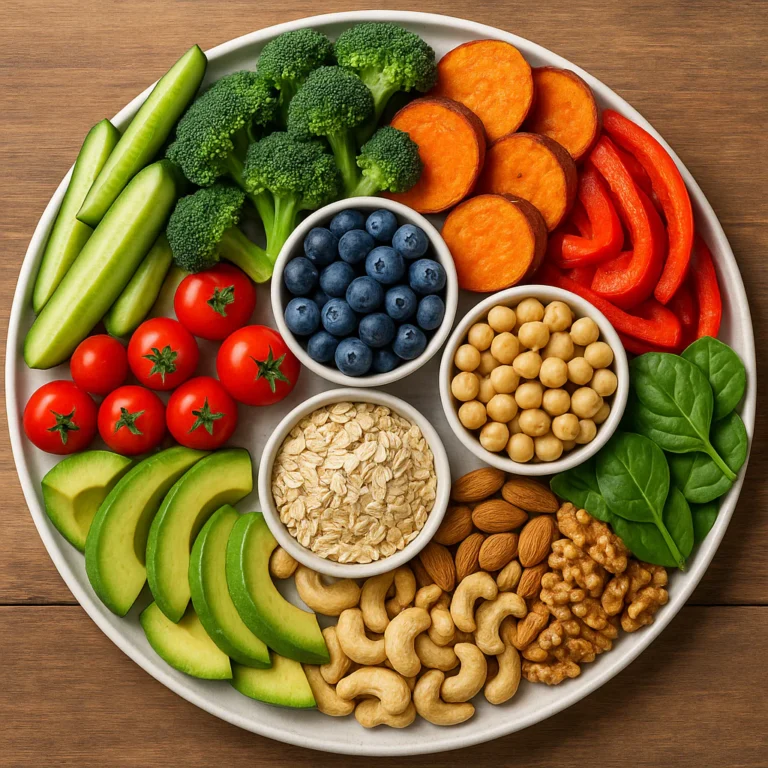
- Plant-Forward Focus: Both put fruits, vegetables, legumes, and nuts at the center of the plate.
- Whole Grains Only: You won’t find much white bread here. Both love Bob’s Red Mill Farro or Quinoa.
- Healthy Fats: Both ditch the butter and lard in favor of unsaturated fats like avocados and nuts.
- Limited Processed Foods: If it comes in a crinkly plastic bag with a 2-year shelf life, it’s probably not on the menu for either.
- Focus on Fiber: Thanks to all those beans and greens, your digestive system will be singing.
- Heart Health: Both are scientifically proven to lower the risk of heart disease and stroke.
- Sustainability: By reducing heavy meat consumption, both diets are much kinder to Mother Earth.
🥩 5 Major Differences You Need to Know
- The Meat Factor: Mediterranean focuses on fish and poultry as the primary animal proteins. Flexitarian allows for red meat (in moderation).
- The Fat Source: Mediterranean is strictly Olive Oil centric. Flexitarians might use avocado oil, coconut oil, or even a little butter.
- Dairy Intake: Mediterranean includes moderate amounts of cheese and yogurt (hello, Fage Greek Yogurt!). Flexitarian is more open-ended but often leans toward plant-based milks like Oatly.
- Alcohol: The Mediterranean diet famously includes a glass of red wine. Flexitarianism doesn’t have a specific stance on booze.
- Cultural vs. Clinical: Mediterranean is a traditional lifestyle; Flexitarian is a modern nutritional strategy designed for weight loss and health.
🏆 The Verdict from the Best Diets Survey: Who Wins?
Every year, the U.S. News & World Report assembles a panel of the world’s top health experts to rank diets. And every year, it’s a total “clash of the titans” between these two.
In the most recent rankings:
- Mediterranean Diet: Ranked #1 in Best Diets Overall.
- Flexitarian Diet: Ranked #2 in Best Diets Overall (and often #1 for Best Weight-Loss Diets).
We think this is a win-win. Whether you choose the #1 or #2 spot, you’re still lightyears ahead of the “Standard American Diet” (SAD).
👩 ⚕️ Why Nutritionists Are Obsessed with These Top-Tier Rankings
Our team of dietitians at Flexitarian Diet™ can’t stop raving about these rankings. Why? Because they prioritize nutritional completeness and safety.
Unlike “fad” diets (we’re looking at you, Cabbage Soup Diet), these patterns don’t leave you deficient in vital nutrients. They provide:
- Complex Carbs for steady energy.
- Lean Proteins for muscle repair.
- Phytochemicals to fight inflammation.
As our head dietitian likes to say, “The best diet is the one you can actually stick to without wanting to cry into your pillow.” Both of these pass the “sanity test” with flying colors.
🌍 A More Sustainable Approach to ‘Dieting’ for the Planet
Let’s get real for a second. We love our planet, and the way we eat has a massive impact on it.
The Flexitarian approach is often cited as one of the most effective ways for an individual to reduce their carbon footprint. By simply swapping one beef meal a week for a lentil stew (try Barilla Red Lentil Pasta!), you save thousands of gallons of water.
The Mediterranean diet is also eco-friendly, as it emphasizes local, seasonal produce. When you eat what’s in season, you reduce the “food miles” your dinner had to travel.
✅ Pro Tip: Shop at your local farmer’s market to hit the sustainability jackpot for both diets!
📝 Quiz: Which Healthy Eating Style Fits Your Life?
Answer these 3 quick questions to see where you land:
- How do you feel about fish?
- A) I could eat salmon and sardines every day. 🐟
- B) I like it, but I really need a burger once in a while. 🍔
- What’s your primary cooking fat?
- A) Olive oil is my lifeblood. 🫒
- B) I like to mix it up with butter, avocado oil, or nut butters. 🥑
- What’s your main goal?
- A) Longevity and heart health. ❤️
- B) Flexibility and gradual weight loss. ⚖️
Mostly A’s: You’re a Mediterranean soul! Grab the feta and let’s go. Mostly B’s: You’re a Flexitarian through and through! Enjoy that flexibility.
🚀 10 Pro Tips for Changing Your Eating Habits Without Losing Your Mind
- The “Meat as a Side” Rule: Treat meat like a garnish rather than the main event.
- Master the “Meatless Monday”: It’s a classic for a reason. Start small!
- Stock Your Pantry: Keep Goya Canned Beans and Quaker Old Fashioned Oats on hand for quick meals.
- Don’t Fear Frozen: Frozen veggies are just as nutritious as fresh and won’t rot in your crisper drawer.
- Spice It Up: Use McCormick Smoked Paprika or Cumin to give plant-based dishes a “meaty” depth.
- Find Your “Swap”: Love tacos? Use Beyond Meat Crumbles or walnuts/lentils instead of beef.
- Hydrate with Intent: Swap soda for sparkling water with a splash of lemon.
- Eat Socially: The Mediterranean diet is about community. Invite friends over for a big salad!
- Listen to Your Hunger: Both diets encourage intuitive eating. Stop when you’re satisfied, not stuffed.
- Forgive Yourself: Had a pepperoni pizza? It’s fine! You’re a Flexitarian, remember? The “flex” is right there in the name.
📈 Emerging Health Trends: The Rise of the ‘Climatarian’
Have you heard of the Climatarian diet? It’s the latest trend that takes Flexitarianism a step further by choosing foods specifically based on their environmental impact.
This means prioritizing:
- Locally sourced crops.
- Pork and poultry over beef and lamb.
- Using every part of the vegetable (root-to-stem cooking).
It’s fascinating to see how the Mediterranean and Flexitarian foundations are evolving into even more specialized ways of eating!
🥑 What’s on the Plate? A Side-by-Side Food Comparison
| Food Category | Mediterranean Diet | Flexitarian Diet |
|---|---|---|
| Primary Protein | Fish, Seafood, Legumes | Beans, Tofu, Eggs, Occasional Meat |
| Red Meat | Rarely (a few times a month) | Occasionally (depends on your “level”) |
| Cooking Fat | Extra Virgin Olive Oil | Any healthy oil or plant butter |
| Dairy | Yogurt, Cheese (Moderate) | Flexible (Dairy or Plant-based) |
| Grains | Whole Grains (Farro, Barley) | Whole Grains (Brown Rice, Quinoa) |
| Sweeteners | Honey, Fruit | Fruit, Maple Syrup, Minimal Sugar |
💪 Fitness and Fuel: How Our Personal Trainers View These Diets
Our personal trainers at Flexitarian Diet™ love both of these styles because they provide sustained energy.
If you’re doing heavy lifting, the Flexitarian diet allows you to easily scale up your protein with a lean steak or a Whey Protein Shake. If you’re more into endurance sports like cycling or running, the high-carb, anti-inflammatory nature of the Mediterranean diet is like high-octane fuel for your muscles.
Trainer Tip: “Don’t forget the ‘Lifestyle’ part of the Mediterranean diet. Movement shouldn’t just happen in the gym; it should be part of your day!”
🤔 Was This Article Helpful?
We hope this cleared up the “Flexi-Med” confusion! Our goal is to make healthy eating feel like an adventure, not a chore. If you found this useful, share it with a friend who’s still confused about their chickpeas!
✨ Conclusion

So, is Flexitarian the same as a Mediterranean diet? Not exactly, but they are definitely in the same “healthy eating” family.
The Mediterranean diet offers a time-tested, culturally rich roadmap, while the Flexitarian diet offers a modern, customizable framework that fits into a busy, meat-loving world.
The best part? You don’t have to choose. You can be a “Med-Flexer”—someone who follows the Mediterranean principles 80% of the time but stays flexible enough to enjoy a backyard burger or a glass of milk. At the end of the day, it’s about finding the balance that makes you feel vibrant, energized, and happy.
🔗 Recommended Links
- The Flexitarian Diet by Dawn Jackson Blatner on Amazon
- California Olive Ranch Extra Virgin Olive Oil on Amazon
- Bob’s Red Mill Whole Grains on Amazon
- U.S. News & World Report Best Diet Rankings
❓ FAQ

Q: Can I lose weight on both diets? A: Absolutely! Both emphasize high-fiber, nutrient-dense foods that keep you full longer, which naturally leads to a calorie deficit without the “starvation” feeling.
Q: Which one is cheaper? A: Generally, both can be very budget-friendly because beans, lentils, and seasonal grains are some of the cheapest foods on the planet.
Q: Do I have to give up alcohol? A: Nope. Mediterranean encourages moderate red wine, and Flexitarian is… well, flexible! Just keep it in moderation.
Q: Is the Flexitarian diet safe for kids? A: Yes! It’s a very balanced way of eating. Just ensure they get enough B12 and Iron, which is easy with the occasional meat or fortified cereals.
📚 Reference Links
- Harvard Health: Mediterranean Diet Review
- Mayo Clinic: The Flexitarian Diet
- U.S. News & World Report: Best Diets Overall
⚡️ Quick Tips and Facts
Before we dive into the delicious details, here’s the “espresso shot” version of what you need to know:
- The Core Vibe: Both diets are plant-forward, meaning plants are the stars of the show, but meat isn’t banned from the after-party.
- Flexitarianism is a portmanteau of “flexible” and “vegetarian.” It’s all about adding more plants rather than just subtracting meat.
- The Mediterranean Diet is more of a regional lifestyle based on the traditional eating habits of people bordering the Mediterranean Sea.
- ✅ Fact: Both diets consistently rank in the Top 3 of the U.S. News & World Report Best Diets rankings.
- ✅ Fact: Neither diet requires calorie counting or restrictive “points.” It’s about quality over quantity.
- ❌ Myth: You have to live in Italy to follow the Mediterranean diet. (Though we wouldn’t complain if we did!)
- ❌ Myth: Flexitarians are just “lazy vegetarians.” In reality, it’s a conscious, pro-health choice.
- The Secret Sauce: Both emphasize healthy fats (like those found in California Olive Ranch Extra Virgin Olive Oil) and fiber-rich legumes.
📜 The Origin Story: How These Two Powerhouses Came to Be
Ever wonder how we got here? We didn’t just wake up one day and decide that chickpeas were cooler than chicken nuggets (though, let’s be real, they kind of are).
The Mediterranean Diet: A Cultural Heritage
The Mediterranean Diet isn’t a “diet” in the modern, restrictive sense. It’s a cultural heritage. In the 1950s, researcher Ancel Keys noticed that people in poor areas of Southern Italy and Greece were healthier than wealthy Americans. Why? Because they were eating what was available: fruits, veggies, beans, and plenty of olive oil, with meat reserved for special occasions. It’s a lifestyle that includes social connection and physical activity—basically, long lunches and walks on the beach. Sign us up!
The Flexitarian Diet: The Modern Approach
On the flip side, the Flexitarian Diet is the “new kid on the block,” popularized by registered dietitian Dawn Jackson Blatner in her 2009 book, The Flexitarian Diet. We love Dawn’s approach because it’s so us. It was born out of the realization that many people wanted the health benefits of vegetarianism but didn’t want to say goodbye to a juicy burger at a summer BBQ. It’s the ultimate “have your steak and eat your kale too” philosophy.
🤔 Is Flexitarian the Same as a Mediterranean Diet? The Great Debate
So, are they twins, or just very close cousins?
While they share a lot of DNA, they aren’t identical. Think of the Mediterranean Diet as a specific regional menu and the Flexitarian Diet as a flexible framework.
- Mediterranean is defined by what you eat (olive oil, fish, whole grains).
- Flexitarian is defined by how often you eat certain things (mostly plants, occasional meat).
If you’re eating a Mediterranean-style meal but you’ve swapped the fish for a small portion of grass-fed beef, you’re technically being a Flexitarian. If you’re a Flexitarian who uses Pompeian Robust Extra Virgin Olive Oil as your primary fat source, you’re leaning into Mediterranean territory.
The Verdict? They are different paths leading to the same destination: Optimal Health.
🥗 7 Key Similarities Between Flexitarian and Mediterranean Eating
- Plant-Forward Focus: Both put fruits, vegetables, legumes, and nuts at the center of the plate.
- Whole Grains Only: You won’t find much white bread here. Both love Bob’s Red Mill Farro or Quinoa.
- Healthy Fats: Both ditch the butter and lard in favor of unsaturated fats like avocados and nuts.
- Limited Processed Foods: If it comes in a crinkly plastic bag with a 2-year shelf life, it’s probably not on the menu for either.
- Focus on Fiber: Thanks to all those beans and greens, your digestive system will be singing.
- Heart Health: Both are scientifically proven to lower the risk of heart disease and stroke.
- Sustainability: By reducing heavy meat consumption, both diets are much kinder to Mother Earth.
🥩 5 Major Differences You Need to Know
- The Meat Factor: Mediterranean focuses on fish and poultry as the primary animal proteins. Flexitarian allows for red meat (in moderation).
- The Fat Source: Mediterranean is strictly Olive Oil centric. Flexitarians might use avocado oil, coconut oil, or even a little butter.
- Dairy Intake: Mediterranean includes moderate amounts of cheese and yogurt (hello, Fage Greek Yogurt!). Flexitarian is more open-ended but often leans toward plant-based milks like Oatly.
- Alcohol: The Mediterranean diet famously includes a glass of red wine. Flexitarianism doesn’t have a specific stance on booze.
- Cultural vs. Clinical: Mediterranean is a traditional lifestyle; Flexitarian is a modern nutritional strategy designed for weight loss and health.
🏆 The Verdict from the Best Diets Survey: Who Wins?
Every year, the U.S. News & World Report assembles a panel of the world’s top health experts to rank diets. And every year, it’s a total “clash of the titans” between these two.
In the most recent rankings:
- Mediterranean Diet: Ranked #1 in Best Diets Overall.
- Flexitarian Diet: Ranked #2 in Best Diets Overall (and often #1 for Best Weight-Loss Diets).
We think this is a win-win. Whether you choose the #1 or #2 spot, you’re still lightyears ahead of the “Standard American Diet” (SAD).
👩 ⚕️ Why Nutritionists Are Obsessed with These Top-Tier Rankings
Our team of dietitians at Flexitarian Diet™ can’t stop raving about these rankings. Why? Because they prioritize nutritional completeness and safety.
Unlike “fad” diets (we’re looking at you, Cabbage Soup Diet), these patterns don’t leave you deficient in vital nutrients. They provide:
- Complex Carbs for steady energy.
- Lean Proteins for muscle repair.
- Phytochemicals to fight inflammation.
As our head dietitian likes to say, “The best diet is the one you can actually stick to without wanting to cry into your pillow.” Both of these pass the “sanity test” with flying colors.
🌍 A More Sustainable Approach to ‘Dieting’ for the Planet
Let’s get real for a second. We love our planet, and the way we eat has a massive impact on it.
The Flexitarian approach is often cited as one of the most effective ways for an individual to reduce their carbon footprint. By simply swapping one beef meal a week for a lentil stew (try Barilla Red Lentil Pasta!), you save thousands of gallons of water.
The Mediterranean diet is also eco-friendly, as it emphasizes local, seasonal produce. When you eat what’s in season, you reduce the “food miles” your dinner had to travel.
✅ Pro Tip: Shop at your local farmer’s market to hit the sustainability jackpot for both diets!
📝 Quiz: Which Healthy Eating Style Fits Your Life?
Answer these 3 quick questions to see where you land:
- How do you feel about fish?
- A) I could eat salmon and sardines every day. 🐟
- B) I like it, but I really need a burger once in a while. 🍔
- What’s your primary cooking fat?
- A) Olive oil is my lifeblood. 🫒
- B) I like to mix it up with butter, avocado oil, or nut butters. 🥑
- What’s your main goal?
- A) Longevity and heart health. ❤️
- B) Flexibility and gradual weight loss. ⚖️
Mostly A’s: You’re a Mediterranean soul! Grab the feta and let’s go. Mostly B’s: You’re a Flexitarian through and through! Enjoy that flexibility.
🚀 10 Pro Tips for Changing Your Eating Habits Without Losing Your Mind
- The “Meat as a Side” Rule: Treat meat like a garnish rather than the main event.
- Master the “Meatless Monday”: It’s a classic for a reason. Start small!
- Stock Your Pantry: Keep Goya Canned Beans and Quaker Old Fashioned Oats on hand for quick meals.
- Don’t Fear Frozen: Frozen veggies are just as nutritious as fresh and won’t rot in your crisper drawer.
- Spice It Up: Use McCormick Smoked Paprika or Cumin to give plant-based dishes a “meaty” depth.
- Find Your “Swap”: Love tacos? Use Beyond Meat Crumbles or walnuts/lentils instead of beef.
- Hydrate with Intent: Swap soda for sparkling water with a splash of lemon.
- Eat Socially: The Mediterranean diet is about community. Invite friends over for a big salad!
- Listen to Your Hunger: Both diets encourage intuitive eating. Stop when you’re satisfied, not stuffed.
- Forgive Yourself: Had a pepperoni pizza? It’s fine! You’re a Flexitarian, remember? The “flex” is right there in the name.
📈 Emerging Health Trends: The Rise of the ‘Climatarian’
Have you heard of the Climatarian diet? It’s the latest trend that takes Flexitarianism a step further by choosing foods specifically based on their environmental impact.
This means prioritizing:
- Locally sourced crops.
- Pork and poultry over beef and lamb.
- Using every part of the vegetable (root-to-stem cooking).
It’s fascinating to see how the Mediterranean and Flexitarian foundations are evolving into even more specialized ways of eating!
🥑 What’s on the Plate? A Side-by-Side Food Comparison
| Food Category | Mediterranean Diet | Flexitarian Diet |
|---|---|---|
| Primary Protein | Fish, Seafood, Legumes | Beans, Tofu, Eggs, Occasional Meat |
| Red Meat | Rarely (a few times a month) | Occasionally (depends on your “level”) |
| Cooking Fat | Extra Virgin Olive Oil | Any healthy oil or plant butter |
| Dairy | Yogurt, Cheese (Moderate) | Flexible (Dairy or Plant-based) |
| Grains | Whole Grains (Farro, Barley) | Whole Grains (Brown Rice, Quinoa) |
| Sweeteners | Honey, Fruit | Fruit, Maple Syrup, Minimal Sugar |
💪 Fitness and Fuel: How Our Personal Trainers View These Diets
Our personal trainers at Flexitarian Diet™ love both of these styles because they provide sustained energy.
If you’re doing heavy lifting, the Flexitarian diet allows you to easily scale up your protein with a lean steak or a Whey Protein Shake. If you’re more into endurance sports like cycling or running, the high-carb, anti-inflammatory nature of the Mediterranean diet is like high-octane fuel for your muscles.
Trainer Tip: “Don’t forget the ‘Lifestyle’ part of the Mediterranean diet. Movement shouldn’t just happen in the gym; it should be part of your day!”
🤔 Was This Article Helpful?
We hope this cleared up the “Flexi-Med” confusion! Our goal is to make healthy eating feel like an adventure, not a chore. If you found this useful, share it with a friend who’s still confused about their chickpeas!
✨ Conclusion

So, is the flexitarian diet the same as the Mediterranean diet? Not exactly, but they’re like two peas in a very healthy pod. Both prioritize plant-based, whole foods and encourage flexibility rather than rigidity. The Mediterranean diet is a time-honored lifestyle rooted in the traditions of Southern Europe, emphasizing olive oil, fish, and social dining. The flexitarian diet, meanwhile, is a modern, adaptable approach that lets you enjoy the benefits of vegetarianism without completely giving up meat.
What does this mean for you? You don’t have to pick one or the other. You can blend the best of both worlds—a “Med-Flexer” if you will—enjoying Mediterranean staples like extra virgin olive oil and fresh seafood, while embracing flexitarian flexibility with occasional grass-fed beef or plant-based protein swaps.
Our team at Flexitarian Diet™ confidently recommends adopting whichever approach fits your lifestyle, taste buds, and health goals. Both diets are backed by science, loved by nutritionists, and praised by personal trainers for their balanced nutrition and sustainability. Plus, they’re delicious! 🍅🥑🍇
Remember the quiz? Whether you’re a Mediterranean enthusiast or a flexitarian foodie, the key is consistency and enjoyment. After all, the best diet is the one you can happily stick with for life.
🔗 Recommended Links
-
California Olive Ranch Extra Virgin Olive Oil:
Amazon | California Olive Ranch Official Website -
Pompeian Robust Extra Virgin Olive Oil:
Amazon | Pompeian Official Website -
Bob’s Red Mill Farro:
Amazon | Bob’s Red Mill Official Website -
Barilla Red Lentil Pasta:
Amazon | Barilla Official Website -
Fage Greek Yogurt:
Amazon | Fage Official Website -
Oatly Plant-Based Milk:
Amazon | Oatly Official Website -
Goya Canned Beans:
Amazon | Goya Official Website -
Quaker Old Fashioned Oats:
Amazon | Quaker Official Website -
McCormick Smoked Paprika:
Amazon | McCormick Official Website -
Beyond Meat Crumbles:
Amazon | Beyond Meat Official Website -
Recommended Book: The Flexitarian Diet by Dawn Jackson Blatner
Amazon
❓ FAQ

Can you combine flexitarian and Mediterranean diet principles for better health?
Absolutely! Combining the two is a smart way to enjoy the best of both worlds. The Mediterranean diet’s emphasis on olive oil, fish, and social meals complements the flexitarian diet’s flexibility with meat consumption. This hybrid approach can boost nutrient diversity, improve heart health, and make sustainable eating easier to maintain. Our Flexitarian Diet™ experts often recommend this blend for clients seeking balance without sacrifice.
What are the health benefits of following a mostly vegetarian Mediterranean diet?
Following a mostly vegetarian Mediterranean diet offers heart health benefits, including lowering LDL cholesterol and blood pressure, thanks to its high fiber, antioxidant-rich fruits and vegetables, and healthy fats like olive oil. It also supports cognitive function, reduces inflammation, and may lower risks of type 2 diabetes and certain cancers. The diet’s social and lifestyle components—like regular physical activity and communal meals—further enhance overall wellbeing.
Are flexitarian and Mediterranean diets good for weight loss?
✅ Yes! Both diets encourage eating whole, minimally processed foods that are nutrient-dense and filling, which naturally supports weight management. The flexitarian diet’s gradual reduction of meat and increased plant intake helps reduce calorie density without hunger. The Mediterranean diet’s balance of healthy fats, lean proteins, and fiber-rich carbs supports metabolism and satiety. Studies show both diets are sustainable and effective for long-term weight loss.
How does a flexitarian diet promote whole foods and health?
The flexitarian diet promotes whole foods by encouraging a plant-first approach—fruits, vegetables, legumes, nuts, and whole grains—while allowing occasional animal products. This reduces intake of processed meats and refined carbs, which are linked to chronic diseases. The diet also emphasizes variety and balance, making it easier to meet micronutrient needs and maintain gut health through fiber-rich foods.
Is a Mediterranean diet considered mostly vegetarian?
While not strictly vegetarian, the Mediterranean diet is mostly plant-based, with a strong emphasis on vegetables, fruits, legumes, nuts, and whole grains. Animal proteins like fish and poultry are consumed regularly but in moderate amounts, and red meat is eaten sparingly. This pattern makes it effectively “mostly vegetarian” with flexibility for lean animal proteins.
Can a flexitarian diet include Mediterranean foods?
Definitely! The flexitarian diet is all about flexibility, so incorporating Mediterranean staples like extra virgin olive oil, whole grains like farro, legumes, and fresh fish fits perfectly. Many of our readers enjoy Mediterranean-inspired meals while following flexitarian principles, creating a delicious fusion that’s both nutritious and sustainable.
What are the main differences between a flexitarian and Mediterranean diet?
| Aspect | Flexitarian Diet | Mediterranean Diet |
|---|---|---|
| Animal Protein | Occasional meat, including red meat | Primarily fish and poultry; red meat rare |
| Fat Source | Varied healthy oils (olive, avocado, etc.) | Primarily extra virgin olive oil |
| Dairy | Flexible; includes dairy or plant-based | Moderate cheese and yogurt |
| Alcohol | No specific guidelines | Moderate red wine often included |
| Cultural Roots | Modern, flexible eating pattern | Traditional regional lifestyle |
Are there any potential drawbacks or nutritional deficiencies to consider on a flexitarian diet?
While generally balanced, flexitarian diets can risk vitamin B12, iron, and omega-3 fatty acid deficiencies if meat and seafood are too limited. Our dietitians recommend monitoring these nutrients, possibly supplementing B12, and including plant sources of iron (like lentils and spinach) paired with vitamin C for absorption. Consulting a healthcare professional is wise when making major dietary shifts.
How can I ensure I get enough protein on a mostly vegetarian diet?
Protein can be easily obtained from legumes (beans, lentils, chickpeas), tofu, tempeh, nuts, seeds, whole grains, and dairy or eggs if included. Combining different plant proteins throughout the day ensures all essential amino acids are consumed. For athletes or heavy exercisers, adding a plant-based protein powder or occasional lean meat can help meet higher protein needs.
What are some common foods that are typically eaten on a Mediterranean diet?
Typical Mediterranean diet staples include:
- Extra virgin olive oil (e.g., California Olive Ranch)
- Fresh fruits and vegetables (tomatoes, leafy greens, citrus)
- Whole grains (farro, barley, quinoa)
- Legumes (chickpeas, lentils, beans)
- Nuts and seeds (walnuts, almonds)
- Fish and seafood (salmon, sardines)
- Moderate dairy (Greek yogurt like Fage, cheese)
- Red wine in moderation
What are the benefits of incorporating more plant-based meals into my diet?
Plant-based meals are rich in fiber, vitamins, minerals, and phytonutrients that support digestion, reduce inflammation, and protect against chronic diseases. They tend to be lower in saturated fat and calories, aiding weight management. Plus, increasing plant foods helps reduce environmental impact by lowering greenhouse gas emissions and water use.
How does a mostly vegetarian diet impact overall health and wellbeing?
A mostly vegetarian diet is associated with lower risks of heart disease, hypertension, type 2 diabetes, and certain cancers. It supports gut health through fiber, improves cholesterol profiles, and can enhance mood and energy. The social and mindful eating habits often linked to these diets also contribute to mental wellbeing.
📚 Reference Links
- Harvard Health: Mediterranean Diet Review
- Mayo Clinic: The Flexitarian Diet
- U.S. News & World Report: Best Diets Overall
- California Olive Ranch Official Website
- Pompeian Official Website
- Bob’s Red Mill Official Website
- Barilla Official Website
- Fage Official Website
- Oatly Official Website
- Goya Official Website
- Quaker Official Website
- McCormick Official Website
- Beyond Meat Official Website
- What is the Flexitarian Diet and How Does it Compare to Other Diets?