Support our educational content for free when you buy through links on our site. Learn more
Unlocking Longevity: 10 Surprising Benefits of a Blue Zone Diet Lifestyle 🌿 (2026)

Have you ever wondered why some people live vibrant, active lives well into their 90s and beyond? Welcome to the fascinating world of Blue Zones—those rare pockets on Earth where longevity isn’t just a dream but a way of life. From the sun-drenched hills of Sardinia to the serene shores of Okinawa, these communities share a secret recipe: a lifestyle centered around a predominantly plant-based diet, natural movement, strong social ties, and a profound sense of purpose.
In this article, we’ll unpack the 10 proven benefits of adopting a Blue Zone diet lifestyle, backed by science and enriched with insights from our team of flexitarian cooks, dietitians, and health coaches at Flexitarian Diet™. Curious how simple habits like eating beans, walking daily, or savoring a glass of wine can add years to your life? Stick around—we’ll also reveal practical tips to create your own personal Blue Zone, no matter where you live!
Key Takeaways
- Blue Zone diets emphasize plant-based, whole foods like legumes, whole grains, and vegetables, which promote longevity and reduce chronic disease risk.
- Natural, daily movement integrated into life beats intense workouts for sustainable health benefits.
- Strong social connections and a clear sense of purpose (Ikigai) are as vital as diet and exercise for a long, happy life.
- Mindful eating practices, including the 80% fullness rule, help prevent overeating and support weight management.
- Moderate indulgences, like a daily glass of red wine, are part of the balanced Blue Zone lifestyle.
- You can start building your own Blue Zone today by making small, sustainable changes in diet, activity, and social habits.
Ready to dive deeper and transform your lifestyle? Let’s get started!
Table of Contents
- ⚡️ Quick Tips and Facts About the Blue Zone Diet Lifestyle
- 🌍 The Origins and Science Behind Blue Zones: Unlocking Longevity Secrets
- 🔍 What Exactly Are Blue Zones? Exploring the World’s Longevity Hotspots
- 🥗 The Blue Zone Diet: Plant-Powered Eating for a Longer, Healthier Life
- 🏃 ♂️ Move Like a Centenarian: Physical Activity Habits in Blue Zones
- 🤝 Social Connections and Community: The Secret Sauce of Blue Zone Longevity
- 🎯 Finding Your Ikigai: The Role of Purpose and Meaning in Blue Zone Living
- 🛌 Rest and Stress Management: How Blue Zones Keep Calm and Carry On
- 🍷 Moderate Indulgences: The Role of Wine and Treats in Blue Zone Diets
- 🏡 Creating Your Own Blue Zone: Practical Lifestyle Changes You Can Start Today
- 📊 10 Proven Health Benefits of Adopting a Blue Zone Diet Lifestyle
- 🥦 Superfoods and Staples: What to Eat and What to Skip for Blue Zone Success
- 🧠 Brain Health and Cognitive Longevity: Blue Zone Insights for Mental Fitness
- 👩 ⚕️ When to Consult a Doctor: Integrating Blue Zone Principles with Medical Advice
- 📚 Overall Lessons from Blue Zones: How to Live Longer, Happier, and Healthier
- 🔗 Recommended Links for Deep Diving into Blue Zone Research and Recipes
- ❓ Frequently Asked Questions About the Blue Zone Diet Lifestyle
- 📖 Reference Links and Scientific Sources on Blue Zones
⚡️ Quick Tips and Facts About the Blue Zone Diet Lifestyle
Hey there, health adventurers! 👋 Ever wondered if there’s a secret recipe for a long, vibrant life? Well, our team at Flexitarian Diet™ has been diving deep into the fascinating world of Blue Zones, and let us tell you, the insights are truly game-changing! These aren’t just places on a map; they’re beacons of longevity, where people routinely live past 100 years old, often free from chronic diseases. It’s not magic; it’s a lifestyle.
Here are some quick facts to get your longevity journey started:
- What are Blue Zones? Five specific regions globally where people live significantly longer and healthier lives.
- The “Power 9”: A set of nine common lifestyle habits shared by Blue Zone inhabitants.
- Dietary Focus: Predominantly plant-based, emphasizing whole grains, legumes, vegetables, and fruits.
- Movement: Natural, daily physical activity integrated into life, not just structured workouts.
- Purpose: A strong sense of meaning and reason to wake up each day.
- Social Connection: Strong family bonds and community engagement are crucial.
- Stress Reduction: Regular practices to “downshift” and manage stress.
- Genetics vs. Lifestyle: Lifestyle accounts for approximately 80% of lifespan, with genes only 20% PMC.
Want to know how the Blue Zone diet compares to a flexitarian approach? Dive into our detailed comparison: Blue Zone Diet vs. Flexitarian Diet.
🌍 The Origins and Science Behind Blue Zones: Unlocking Longevity Secrets
Imagine a world where reaching 100 isn’t an anomaly, but a common occurrence. That’s the reality in Blue Zones! The concept of “Blue Zones” was coined by author and explorer Dan Buettner, who, in collaboration with National Geographic and a team of researchers, identified these unique geographic areas. Their mission? To uncover the secrets of the world’s longest-lived people and distill their common lifestyle denominators into actionable principles.
The scientific journey began by identifying regions with the highest concentrations of centenarians (people living to 100 or more) and supercentenarians (those living to 110 or more), along with low rates of chronic diseases like heart disease, diabetes, and cancer. What they found was truly groundbreaking: it wasn’t just about good genes. As the Danish Twin Study highlighted, “Lifestyle accounts for approximately 80% of lifespan, genes only 20%” PMC. This means that while genetics play a role, our daily choices are far more powerful in shaping our health and longevity.
Our team of dietitians and health coaches at Flexitarian Diet™ often emphasizes this point: you have more control over your health destiny than you might think! The Blue Zones research provides a robust, evidence-based roadmap for cultivating a life of vitality, not just extending years. It’s about adding life to your years, not just years to your life. The science points to a powerful synergy between diet, physical activity, social connection, and mental well-being. It’s a holistic approach that truly works.
🔍 What Exactly Are Blue Zones? Exploring the World’s Longevity Hotspots
So, where exactly are these magical places where people seem to defy the aging process? Let’s take a quick tour of the five original Blue Zones, each with its own unique culture, but all sharing a common thread of longevity-promoting habits.
The Five Original Blue Zones:
- Sardinia, Italy 🇮🇹 (specifically the Nuoro Province): This mountainous island boasts the world’s highest concentration of male centenarians. Their secret? A traditional pastoral lifestyle, strong family bonds, and a diet rich in whole grains, beans, and garden vegetables, often accompanied by a moderate amount of local Cannonau wine.
- Okinawa, Japan 🇯🇵: Home to some of the longest-living women on Earth, Okinawans are famous for their plant-based diet, emphasis on sweet potatoes, and the practice of hara hachi bu (eating until 80% full). Their strong social networks, called moais, provide lifelong support.
- Nicoya Peninsula, Costa Rica 🇨🇷: Here, elders maintain a vibrant sense of purpose (plan de vida) and enjoy a diet of nutrient-rich foods like black beans, corn tortillas, and tropical fruits. Their water is also naturally high in calcium and magnesium, supporting bone health PMC.
- Ikaria, Greece 🇬🇷: An Aegean island where people forget to die! Ikarians follow a traditional Mediterranean diet, rich in olive oil, vegetables, beans, and wild greens. Regular napping and strong community ties are also key components of their stress-reducing lifestyle.
- Loma Linda, California, USA 🇺🇸: This anomaly in the U.S. is home to a community of Seventh-day Adventists who live, on average, a decade longer than other Americans. Their lifestyle is characterized by a vegetarian or vegan diet, regular exercise, strong faith-based community, and Sabbath rest.
As our personal trainers often point out, these regions aren’t just about diet; they’re about an entire ecosystem of health. “The longevity occurred because they were in the right environment—an environment that fostered a lifestyle of longevity,” as one study notes NCBI. It’s a powerful reminder that our surroundings and daily routines profoundly impact our health outcomes.
🥗 The Blue Zone Diet: Plant-Powered Eating for a Longer, Healthier Life
Alright, let’s talk food! If there’s one cornerstone of the Blue Zone lifestyle, it’s their approach to eating. Forget fad diets and restrictive rules; the Blue Zone diet is about abundance, flavor, and nourishment from the earth. As flexitarian cooks, we absolutely adore this philosophy because it aligns perfectly with our own principles of mostly vegetarian, whole foods.
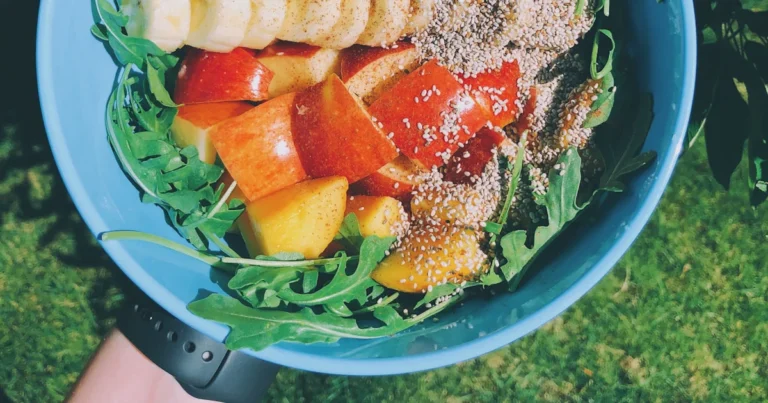
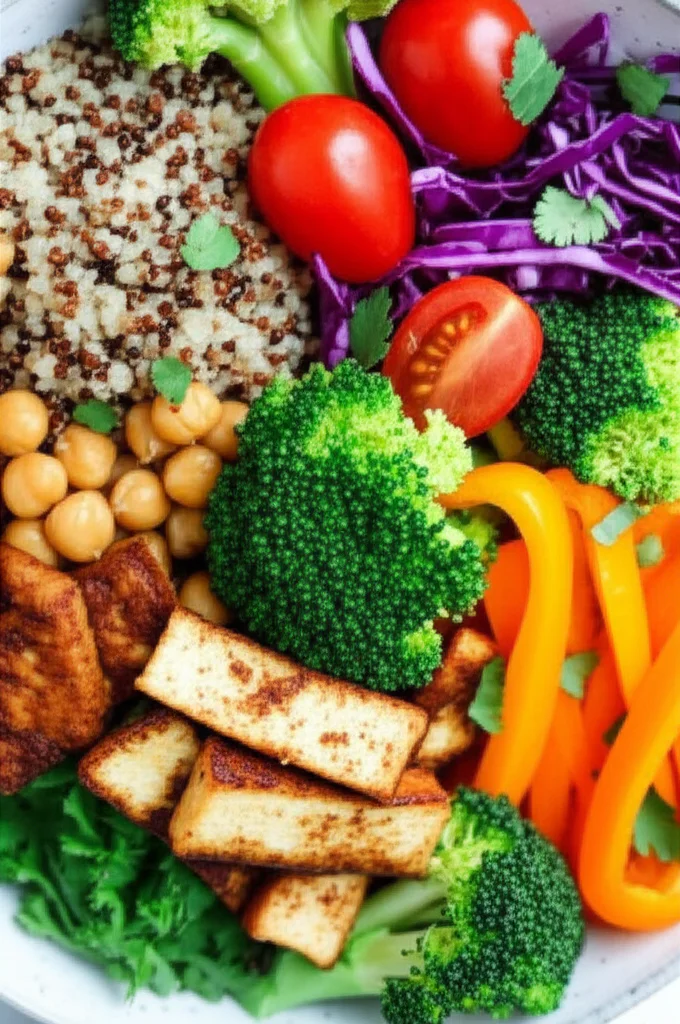
The overwhelming consensus from all Blue Zones is a predominantly plant-based diet. We’re talking about a diet where “95% of 100-year-olds in Blue Zones eat plant-rich diets, including beans, whole grains, and sourdough bread” NCBI. This isn’t just a suggestion; it’s a fundamental pillar.
What’s on the Menu? The Staples of Longevity
- Legumes, Legumes, Legumes! Think black beans, fava beans, lentils, chickpeas. These are inexpensive, incredibly versatile, and packed with fiber and protein. “Beans are inexpensive, full of fiber and protein, and nutritionally rich,” confirms one source NCBI. They’re a cornerstone for a reason!
- Whole Grains: Oats, barley, brown rice, quinoa, and especially whole wheat sourdough bread are common. These provide sustained energy and essential nutrients, a far cry from refined, processed grains.
- Abundant Vegetables: Leafy greens, root vegetables (like Okinawan sweet potatoes!), and seasonal produce form the bulk of meals.
- Fruits: Natural sweetness and antioxidants come from a variety of fresh fruits.
- Nuts and Seeds: Small handfuls provide healthy fats, fiber, and protein. Think almonds, walnuts, chia seeds.
- Olive Oil: Especially in the Mediterranean Blue Zones (Sardinia, Ikaria), extra virgin olive oil is a primary source of healthy fats.
The Flexitarian Connection: Our Take on Blue Zone Eating
At Flexitarian Diet™, we see the Blue Zone diet as a powerful blueprint for healthy eating. It’s not about strict veganism, but about making plants the star of your plate. While some Blue Zones, like Loma Linda, are strictly vegan, others incorporate small amounts of animal products. For example, the Sardinians might have goat or sheep cheese, and some Blue Zones consume fish a few times a week, or meat about five times a month PMC.
This is where the flexitarian approach truly shines! We encourage you to embrace the plant-forward principles of Blue Zones, making vegetables, legumes, and whole grains your primary fuel. If you choose to include animal products, opt for lean, high-quality sources in moderation, just as the centenarians do. It’s about mindful consumption, not deprivation.
Our Expert Tip: Don’t get hung up on perfection. Start by adding more plant-based meals to your week. Swap out a meat-heavy dinner for a hearty lentil soup or a vibrant veggie stir-fry. Small changes lead to big results! For more guidance on making plant-based eating delicious and easy, check out our Healthy Meal Planning resources.
The 80% Rule: A Mindful Approach to Portions
Beyond what they eat, how Blue Zone residents eat is equally important. The Okinawans practice “Hara Hachi Bu,” which means eating until you are 80% full. This simple yet profound practice prevents overeating and supports healthy weight management.
❌ Don’t: Eat until you’re stuffed and uncomfortable. ✅ Do: Pay attention to your body’s hunger and fullness cues. Put your fork down when you feel satisfied, not bursting.
Strategies include eating slowly, savoring each bite, and avoiding distractions like TV during meals NCBI. This mindful eating approach is something our dietitians consistently recommend for improved digestion and a healthier relationship with food.
🏃 ♂️ Move Like a Centenarian: Physical Activity Habits in Blue Zones
When you picture “exercise,” do you immediately think of a sweaty gym session or a grueling marathon? Well, in Blue Zones, physical activity looks a little different – and frankly, a lot more natural and sustainable! The centenarians aren’t hitting the treadmill; they’re simply living their lives.
The core principle is “Move Naturally” PMC. This means integrating movement into daily routines without even thinking of it as “exercise.” Think about it:
- Gardening: Tending to a garden involves bending, lifting, digging, and walking – a full-body workout disguised as a hobby!
- Walking: Many Blue Zone residents live in areas where walking is the primary mode of transportation. They walk to the market, to visit neighbors, or simply as part of their daily chores. “Keep moving! Walk instead of drive, take stairs, enjoy gardening,” advises Brown Health Brown Health.
- Manual Labor: From farming in Nicoya to shepherding in Sardinia (where shepherds often walk 5+ miles daily PMC), physical work is a constant.
- Household Chores: Many Blue Zone homes are designed to encourage movement, with fewer modern conveniences that automate tasks.
Why Natural Movement Trumps Gym Workouts (Sometimes!)
Our personal trainers at Flexitarian Diet™ are huge advocates for finding joy in movement. While structured workouts certainly have their place, the Blue Zone approach highlights the power of consistent, low-intensity activity throughout the day.
Table: Structured vs. Natural Movement
| Feature | Structured Workouts (Gym, Classes) | Natural Movement (Blue Zones) |
|---|---|---|
| Intensity | Often high-intensity, time-bound | Low to moderate, consistent throughout the day |
| Frequency | 3-5 times/week | Daily, integrated into routine |
| Equipment | Requires specific gear/gym access | Minimal to none, uses body weight and environment |
| Motivation | Often goal-oriented, discipline | Intrinsic, part of daily life, often social |
| Impact on Joints | Can be high impact | Generally low impact, promotes flexibility and balance |
| Stress Reduction | Can be effective | Often combined with fresh air, social interaction, purpose |
The key takeaway? Don’t feel pressured to become a gym rat if it doesn’t resonate with you. Find ways to move your body that you genuinely enjoy and that fit seamlessly into your life. Take the stairs, park further away, go for a walk during your lunch break, or start a small garden. Every step counts! For more tips on staying active at any age, check out Brown Health’s advice: Top 10 Tips to Exercise — at Any Age.
🤝 Social Connections and Community: The Secret Sauce of Blue Zone Longevity
Ever felt that warm, fuzzy feeling after a great meal with loved ones or a deep conversation with a friend? That’s your body and mind thriving on social connection! In Blue Zones, strong social bonds and community engagement aren’t just pleasantries; they’re fundamental to longevity.
Think about it: who’s going to check on you if you fall? Who will share a laugh with you over a meal? Who will offer emotional support during tough times? In Blue Zones, these networks are robust and lifelong.
The Power of “Right Tribe” and Family First
- Belonging: Blue Zone residents often belong to faith-based communities or social groups. Regular participation in these communities (e.g., attending 4x/month) has been shown to add 4-14 years to life expectancy PMC. This sense of belonging provides a safety net and shared values.
- Moais in Okinawa: These are lifelong social circles of five friends who commit to each other for life. They share resources, emotional support, and even financial assistance. Imagine having that kind of unwavering support system!
- Loved Ones First: Prioritizing family is paramount. This includes caring for aging parents and grandparents, which not only provides practical support but also keeps elders engaged and valued within the family unit. Close relationships and caring for elders enhance longevity PMC.
- Shared Meals: Meals are often social, relaxed affairs, fostering connection and mindful eating. “Share meals with loved ones,” is a recommendation from Brown Health Brown Health.
Our health coaches at Flexitarian Diet™ frequently see the impact of social isolation on overall well-being. Loneliness can be as detrimental to health as smoking! Conversely, strong social ties can reduce stress, improve mental health, and even bolster your immune system.
Personal Anecdote: “I remember when I first moved to a new city,” shares Sarah, one of our health coaches. “I felt a bit adrift. But I made a conscious effort to join a local hiking group and a community garden. Suddenly, I had a network of people who shared my interests, and my mental and physical health soared! It wasn’t just about the exercise; it was the laughter, the shared stories, the feeling of belonging.”
Building Your Own “Right Tribe”
You don’t need to move to Okinawa to cultivate strong social connections. Here’s how you can start:
- Reconnect: Reach out to old friends and family members.
- Join a Group: Find clubs, volunteer organizations, or faith communities that align with your interests.
- Host a Potluck: Share a plant-forward meal with friends and neighbors.
- Be Present: Put away your phone during conversations and meals.
- Embrace Your Community: Support local businesses, attend community events.
Strong social networks reinforce healthy behaviors, making it easier to stick to your goals. This is a key aspect of a holistic Flexitarian Lifestyle.
🎯 Finding Your Ikigai: The Role of Purpose and Meaning in Blue Zone Living
What gets you out of bed in the morning? For Blue Zone residents, it’s often a clear, compelling sense of purpose. In Okinawa, they call it Ikigai; in Nicoya, it’s plan de vida. Whatever the name, having a reason to live, a sense of contribution, and engaging in activities that bring joy is a powerful longevity booster. In fact, having a clear purpose can add up to 7 years of life expectancy PMC!
This isn’t about grand, world-changing ambitions (though it can be!). It’s often about simple, everyday things:
- Caring for Family: Many centenarians find purpose in nurturing their children, grandchildren, and even great-grandchildren.
- Community Contribution: Volunteering, sharing wisdom, or simply being a valued member of their community.
- Hobbies and Passions: Continuing to engage in activities they love, whether it’s gardening, crafting, or storytelling.
- Meaningful Work: Even if retired, many find purpose in continued engagement, often in less formal capacities.
The Mental and Emotional Benefits of Purpose
Our health coaches know that a lack of purpose can lead to feelings of apathy, depression, and even physical decline. Conversely, a strong sense of purpose enhances mental and emotional health Brown Health, providing:
- Resilience: A reason to push through challenges.
- Motivation: Drive to stay active and engaged.
- Reduced Stress: A focus beyond personal worries.
- Cognitive Engagement: Keeping the mind sharp and active.
Personal Story: “My grandmother, at 92, still volunteers at her local library twice a week,” shares Maria, one of our dietitians. “She says it keeps her mind sharp, she loves interacting with people, and she feels useful. That ‘usefulness’ is her Ikigai, and it truly keeps her vibrant.”
How to Discover Your Ikigai or Plan de Vida
Finding your purpose isn’t always a lightning bolt moment. It’s often a journey of self-discovery. Here are some questions to ponder:
- What do you love to do?
- What are you good at?
- What does the world need?
- What can you be paid for (if applicable, or what brings you value)?
Where these four circles overlap, you’ll often find your Ikigai. Start small. Engage in activities that bring you joy and a sense of contribution. Share your happiness with others. It’s a powerful ingredient for a long, fulfilling life.
🛌 Rest and Stress Management: How Blue Zones Keep Calm and Carry On
In our fast-paced world, stress often feels like an unavoidable companion. But in Blue Zones, people have mastered the art of “downshifting” – finding routine ways to shed stress and maintain inner calm. This isn’t about avoiding stress entirely (life happens!), but about having built-in mechanisms to cope with it effectively.
Chronic stress is a silent killer, contributing to inflammation, heart disease, and a host of other health issues. Blue Zone residents intuitively understand this and prioritize practices that reduce stress and promote relaxation.
The Art of Downshifting: Blue Zone Stress Busters
- Naps: Especially in Ikaria, Greece, regular afternoon naps are a common practice and have been linked to reduced heart disease risk PMC. Who wouldn’t love a siesta?
- Prayer and Meditation: Many Blue Zone communities are faith-based, and daily prayer or meditation provides a spiritual anchor and a moment of quiet reflection.
- Socializing: Spending time with loved ones, sharing stories, and laughing are powerful stress relievers.
- Sabbath Rest: In Loma Linda, Seventh-day Adventists observe a 24-hour Sabbath, a period of rest, reflection, and connection with family and faith, completely free from work.
- Nature Connection: Spending time outdoors, whether gardening or simply enjoying the natural environment, is inherently calming.
The “Downshift” principle is one of the “Power 9” for a reason: “Routine stress reduction practices (e.g., prayer, naps, socializing) lower inflammation” PMC. Our health coaches at Flexitarian Diet™ constantly remind clients that stress management is just as crucial as diet and exercise for overall well-being.
Our Expert Tips for Your Own Downshift
You don’t need to move to Ikaria to incorporate stress-reducing habits. Here are some ideas:
- Schedule “Me Time”: Even 15-20 minutes a day for quiet reflection, reading, or listening to music can make a difference.
- Mindful Breathing: Practice deep breathing exercises for a few minutes when you feel overwhelmed.
- Digital Detox: Set boundaries with screens, especially before bedtime.
- Prioritize Sleep: Aim for 7-9 hours of quality sleep each night. Consider a weighted blanket for deeper relaxation, like the Gravity Blanket (Shop Gravity Blanket on: Amazon | Gravity Official Website).
- Embrace a Hobby: Engage in activities that fully absorb you and bring joy, like painting, playing an instrument, or knitting.
Remember, stress is inevitable, but how you respond to it is within your control. Learning to “downshift” is a skill that will serve you well on your journey to a longer, healthier life.
🍷 Moderate Indulgences: The Role of Wine and Treats in Blue Zone Diets
Wait, did we just say “indulgence” in an article about longevity? You bet we did! While the Blue Zone diet is primarily plant-based and focused on whole foods, it’s not about strict deprivation. In fact, many Blue Zone residents enjoy certain treats and, yes, even alcohol, in moderation. This is a key differentiator from many restrictive diets and aligns perfectly with our flexitarian philosophy of balance and enjoyment.
Wine @ 5: The Social Sip
One of the most talked-about “Power 9” principles is “Wine @ 5” PMC. In some Blue Zones, particularly Sardinia and Ikaria, moderate alcohol consumption is a regular part of daily life, often enjoyed with meals and in social settings.
- Sardinian Cannonau Wine: This local red wine is particularly rich in artery-protective flavonoids PMC.
- Moderate Amounts: Most Blue Zone populations consume about 2 glasses of wine daily, with some having up to 4 glasses NCBI. However, the consensus from other sources, like PMC, leans towards “1-2 glasses/day”. Our expert recommendation aligns with the lower end of this spectrum, emphasizing that alcohol should always be consumed responsibly and in moderation, preferably with food and good company.
- Social Ritual: Crucially, alcohol intake is often integrated into social rituals, contributing to social bonding and stress reduction NCBI. It’s not about binge drinking; it’s about a mindful, enjoyable sip.
Important Note: If you don’t drink alcohol, there’s no need to start! The benefits attributed to moderate wine consumption are often linked to the polyphenols found in red wine, which can also be obtained from grapes, berries, and other plant foods. The social aspect is also key.
Small Treats, Big Joy
Beyond wine, Blue Zone residents aren’t completely sugar-free. They enjoy natural sweetness from fruits and occasionally indulge in small, traditional treats. The difference? These are typically homemade, less processed, and consumed mindfully, not as a daily habit or in large quantities.
❌ Avoid: Highly processed cookies, sugary sodas, and candy bars. ✅ Embrace: Fresh fruit, a small piece of dark chocolate, or a traditional, homemade dessert on special occasions.
Our flexitarian cooks believe that true health comes from a balanced approach. Deprivation often leads to cravings and eventual overindulgence. By allowing for small, mindful treats and moderate sips of wine (if you choose to drink), you can enjoy your food and social life without feeling restricted. It’s about finding joy in food, not just fuel.
🏡 Creating Your Own Blue Zone: Practical Lifestyle Changes You Can Start Today
Feeling inspired to live longer and healthier, but don’t have a plane ticket to Ikaria? Good news! You don’t need to move to a Blue Zone to adopt their longevity-boosting principles. The beauty of the Blue Zone lifestyle is that its core tenets are universally applicable. Our team at Flexitarian Diet™ is all about empowering you to create your own personal Blue Zone, right where you are.
Remember the quote: “Putting the responsibility of curating a healthy environment on an individual does not work. The goal for Blue Zones is to not only make the healthy choice the easy choice, but also the unavoidable choice.” PMC. This highlights the importance of environmental design – making your surroundings support healthy habits.
Small Changes, Big Impact: Your Blue Zone Action Plan
Here’s how you can start integrating Blue Zone principles into your daily life, step-by-step:
-
Plant Slant Your Plate:
- Goal: Make plants 90-95% of your diet.
- Action: Stock your pantry with beans, lentils, whole grains (oats, quinoa, brown rice), and nuts. Fill your fridge with colorful fruits and vegetables.
- Tip: Try one new plant-based recipe each week. Our Flexitarian Basics section is full of ideas!
- Product Suggestion: Keep a variety of Eden Organic Canned Beans on hand for quick meals. (Shop Eden Organic Canned Beans on: Amazon | Walmart | Instacart | Eden Foods Official Website)
-
Move Naturally, Every Day:
- Goal: Integrate consistent, low-intensity movement.
- Action: Walk more – take the stairs, park further away, go for a daily stroll. Garden, do household chores manually.
- Tip: Get a pedometer or fitness tracker like a Fitbit Charge 6 to monitor your steps and encourage more movement. (Shop Fitbit Charge 6 on: Amazon | Walmart | Fitbit Official Website)
-
Find Your Purpose (Ikigai/Plan de Vida):
- Goal: Identify what gives your life meaning.
- Action: Reflect on your passions, skills, and what you enjoy contributing. Volunteer, mentor, pursue a hobby.
- Tip: Start a gratitude journal to focus on positive contributions and meaning in your life.
-
Downshift and De-stress:
- Goal: Incorporate daily stress-reduction practices.
- Action: Practice mindful breathing, meditate, take short naps, spend time in nature, or connect with loved ones.
- Tip: Try a meditation app like Calm or Headspace for guided sessions.
-
Connect with Your Tribe:
- Goal: Nurture strong social bonds and community.
- Action: Prioritize family time, join a club or group, volunteer, host social gatherings.
- Tip: Make a weekly “connection call” to a friend or family member.
-
Practice the 80% Rule:
- Goal: Eat until 80% full, not stuffed.
- Action: Eat slowly, savor your food, put your fork down between bites, and listen to your body’s fullness cues.
- Tip: Use smaller plates to help with portion control.
-
Moderate Indulgences (if applicable):
The Power of Environment
The Blue Zones research shows that small environmental changes can have a huge impact. For example, Albert Lea, MN, increased life expectancy by 3.2 years and reduced healthcare costs by 40% by implementing Blue Zone principles like walkable streets and healthy food options PMC.
Think about your home and workplace:
- Kitchen: Is it stocked with healthy, whole foods?
- Living Space: Does it encourage relaxation and connection?
- Neighborhood: Are there safe places to walk or bike?
By consciously designing your environment to support these habits, you make the healthy choice the easy choice. Our team encourages you to take the Vitality Compass online assessment PMC to calculate your biological age and get personalized recommendations based on the Power 9. It’s a fantastic starting point!
📊 10 Proven Health Benefits of Adopting a Blue Zone Diet Lifestyle
Ready for the payoff? Adopting a Blue Zone diet and lifestyle isn’t just about adding years; it’s about adding quality to those years. Our team at Flexitarian Diet™ has seen firsthand how these principles transform lives. The scientific evidence is robust, showing a profound impact on overall health, vitality, and disease prevention.
Here are 10 proven health benefits you can expect from embracing the Blue Zone way of life:
- Extended Lifespan and Longevity: This is the big one! Blue Zone residents live up to 10 times more frequently over 100 years old PMC. By adopting their habits, you significantly increase your chances of living a longer, healthier life.
- Reduced Risk of Chronic Diseases: Many individuals in Blue Zones reach their 90s largely free of chronic diseases like heart disease, diabetes, and cancer PMC. The plant-based diet, rich in antioxidants and fiber, plays a crucial role here.
- Improved Cardiovascular Health: A diet low in processed foods and high in healthy fats (like olive oil) and fiber, combined with natural movement, leads to healthier blood pressure and cholesterol levels. Participants in a 10-week Blue Zones challenge showed significant improvements in cholesterol and blood pressure numbers First YouTube Video.
- Enhanced Weight Management: The “80% rule” (Hara Hachi Bu) and a diet focused on whole, unprocessed foods naturally lead to healthier body weight. This prevents overeating and supports a lean physique.
- Stronger Immune System: Nutrient-dense plant foods provide the vitamins, minerals, and antioxidants needed to bolster your body’s defenses, helping you ward off illness.
- Better Gut Health: The high fiber content from legumes, whole grains, and vegetables feeds beneficial gut bacteria, leading to improved digestion and overall gut microbiome health.
- Increased Energy Levels: Sustained energy comes from complex carbohydrates and whole foods, avoiding the sugar crashes associated with processed diets. Consistent natural movement also boosts vitality.
- Improved Mental and Emotional Well-being: A strong sense of purpose, robust social connections, and effective stress management practices contribute to reduced anxiety, lower rates of depression, and a greater sense of happiness and self-esteem First YouTube Video.
- Enhanced Cognitive Function and Brain Health: The same healthy diet and active lifestyle that protect your heart also protect your brain. Regular physical activity, social engagement, and a sense of purpose are all linked to reduced risk of cognitive decline and dementia.
- Stronger Bones and Joints: Natural movement, often involving weight-bearing activities like walking and gardening, along with diets rich in calcium and magnesium (like the water in Nicoya PMC), contribute to robust bone density and joint flexibility, keeping you agile into old age.
These benefits aren’t just theoretical; they’re the lived experience of millions in Blue Zones and countless individuals who have adopted these principles. It’s a powerful testament to the impact of lifestyle choices on our health destiny.
🥦 Superfoods and Staples: What to Eat and What to Skip for Blue Zone Success
Alright, let’s get down to the nitty-gritty of your grocery list! As flexitarian cooks and dietitians, we love helping you fill your pantry and fridge with foods that nourish your body and align with Blue Zone principles. It’s less about “superfoods” and more about super staples – everyday ingredients that pack a powerful punch.
✅ Blue Zone Staples: Fill Your Cart With These!
These are the heroes of the Blue Zone diet, forming the foundation of meals that promote longevity and vitality.
Table: Blue Zone Dietary Staples
| Category | Examples (Our Blue Zone Diet is a lifestyle, not a diet!) | | Category | Examples
🏁 Conclusion: Your Blueprint for a Longer, Healthier Life
So, what’s the final verdict on the benefits of a Blue Zone diet lifestyle? After unpacking the secrets of the world’s longest-lived communities, it’s clear that longevity isn’t a lottery ticket—it’s a lifestyle. The Blue Zone diet, with its plant-powered, whole foods foundation, combined with natural movement, strong social bonds, purposeful living, and mindful stress management, creates a powerful synergy that adds not just years to your life, but life to your years.
Our expert team at Flexitarian Diet™ wholeheartedly endorses adopting Blue Zone principles, especially for those seeking a balanced, sustainable, and enjoyable path to health. The beauty? You don’t have to uproot your life or follow rigid rules. Start small: add more beans and veggies, move naturally, connect with your tribe, and find your purpose. These incremental changes compound into profound health benefits.
Remember the unresolved question we teased earlier: How do you make these habits stick in a busy, modern world? The answer lies in environmental design—making the healthy choice the easy and unavoidable choice. Whether it’s stocking your kitchen with Blue Zone staples or scheduling daily walks, your environment can be your greatest ally.
In short, the Blue Zone diet lifestyle is a confidently recommended blueprint for anyone looking to live longer, feel better, and enjoy every moment. Ready to start your own Blue Zone journey? We’re here cheering you on every step of the way! 🎉
🔗 Recommended Links for Deep Diving into Blue Zone Research and Recipes
Ready to shop the essentials and dive deeper? Here are some top picks and resources to fuel your Blue Zone-inspired lifestyle:
-
Eden Organic Canned Beans:
Amazon | Walmart | Instacart | Eden Foods Official Website -
Fitbit Charge 6 (Activity Tracker):
Amazon | Walmart | Fitbit Official Website -
Gravity Blanket (Weighted Blanket for Better Sleep):
Amazon | Gravity Official Website -
Books for Further Reading:
❓ Frequently Asked Questions About the Blue Zone Diet Lifestyle
Which diet is better for weight loss: whole foods or flexitarian?
Whole foods and flexitarian diets often overlap, but the flexitarian diet specifically emphasizes mostly plant-based foods with occasional meat or animal products. For weight loss, both approaches can be effective because they focus on nutrient-dense, minimally processed foods that promote satiety and reduce calorie-dense junk food intake. The flexitarian diet’s flexibility often makes it easier to sustain long-term, which is crucial for lasting weight loss. Our dietitians recommend combining whole foods with flexitarian principles for a balanced, enjoyable approach that supports healthy weight management.
What are the key components of a Blue Zone diet?
The Blue Zone diet centers on:
- Predominantly plant-based foods: legumes, whole grains, vegetables, fruits, nuts, and seeds.
- Limited meat and dairy: consumed sparingly, often less than once a week.
- Healthy fats: especially olive oil.
- Moderate alcohol intake: typically 1-2 glasses of red wine daily, consumed socially.
- Mindful portion control: eating until 80% full (Hara Hachi Bu).
- Low sugar and processed foods: natural sweetness from fruits preferred.
These components work synergistically to promote longevity and reduce chronic disease risk.
How does a mostly vegetarian diet contribute to longevity in Blue Zones?
Mostly vegetarian diets are rich in fiber, antioxidants, vitamins, and minerals, which help reduce inflammation, improve gut health, and lower the risk of chronic diseases like heart disease, diabetes, and cancer. The emphasis on legumes and whole grains provides sustained energy and protein without the saturated fats and hormones often found in animal products. This dietary pattern supports healthy weight, cardiovascular health, and metabolic function—all key to living longer and healthier.
What whole foods are commonly consumed in Blue Zone lifestyles?
Common whole foods include:
- Legumes: black beans, lentils, chickpeas, fava beans.
- Whole grains: oats, barley, brown rice, quinoa, sourdough bread.
- Vegetables: leafy greens, sweet potatoes, garden vegetables.
- Fruits: berries, citrus, tropical fruits.
- Nuts and seeds: almonds, walnuts, chia seeds.
- Healthy oils: extra virgin olive oil.
These foods provide a nutrient-dense, fiber-rich foundation that supports overall health.
Can adopting a Blue Zone diet improve heart health?
Absolutely! The Blue Zone diet’s focus on plant-based foods, healthy fats, and limited processed foods helps lower LDL cholesterol, reduce blood pressure, and improve arterial function. Moderate wine consumption, especially red varieties rich in polyphenols, may also contribute to cardiovascular benefits. Combined with natural movement and stress reduction, this lifestyle significantly lowers the risk of heart disease.
How does the Blue Zone lifestyle promote healthy aging?
Healthy aging in Blue Zones is promoted through:
- Natural physical activity: daily movement keeps muscles, joints, and cardiovascular systems strong.
- Social engagement: reduces loneliness and stress, enhancing mental health.
- Sense of purpose: motivates healthy behaviors and emotional resilience.
- Stress management: regular downshifting practices reduce inflammation.
- Balanced diet: nutrient-rich foods support cellular repair and immune function.
Together, these factors slow aging processes and reduce chronic disease risk.
What role do plant-based foods play in Blue Zone longevity?
Plant-based foods provide antioxidants, fiber, and phytochemicals that combat oxidative stress and inflammation—two major contributors to aging and chronic disease. They also support a healthy gut microbiome, which influences immune health and metabolism. The high nutrient density and low calorie density of plants help maintain healthy body weight and metabolic function, essential for longevity.
How can I transition to a Blue Zone-inspired mostly vegetarian diet?
Start by:
- Adding more plant-based meals: try Meatless Mondays or plant-forward dinners.
- Incorporating legumes and whole grains: swap out refined carbs for brown rice or quinoa.
- Reducing meat consumption: limit to a few times per month, focusing on lean sources.
- Cooking with healthy fats: use extra virgin olive oil instead of butter.
- Practicing mindful eating: eat slowly and stop when 80% full.
- Exploring Blue Zone recipes: try traditional dishes like Okinawan sweet potato stew or Sardinian bean soups.
Our Flexitarian Basics and Healthy Meal Planning sections are great resources to get started.
📖 Reference Links and Scientific Sources on Blue Zones
For those who love digging into the science and want to verify or explore further, here are some reputable sources:
-
Blue Zones: Lessons From the World’s Longest Lived – PMC
https://pmc.ncbi.nlm.nih.gov/articles/PMC6125071/ -
National Center for Biotechnology Information (NCBI) – Blue Zone Diet Insights
https://www.ncbi.nlm.nih.gov/books/NBK298903/ -
Brown Health – Live Longer and Healthier with Blue Zone Lifestyle
https://www.brownhealth.org/be-well/live-longer-and-healthier-blue-zone-lifestyle -
Eden Foods Official Website
https://www.edenfoods.com/ -
Fitbit Official Website
https://www.fitbit.com/ -
Gravity Blankets Official Website
https://gravityblankets.com/ -
Wine.com – Sardinian Cannonau Wines
https://www.wine.com/list/wine/sardinia-cannonau
We hope this comprehensive guide lights your path toward a vibrant, long life inspired by the Blue Zones. Remember, longevity is a journey, not a destination—one filled with delicious food, joyful movement, meaningful connections, and purpose. Here’s to your health and happiness! 🥂